When it comes to personalizing your Apple Watch, few choices spark as much debate as the strap. On one end of the spectrum lies the diamond-encrusted band—glamorous, eye-catching, and undeniably luxurious. On the other, the humble silicone band: functional, sweat-resistant, and built for movement. But when style clashes with practicality, which side should you choose? For many users, the question isn’t just about aesthetics—it’s about whether the allure of bling is truly worth sacrificing all-day comfort.
This isn’t merely a fashion dilemma; it’s a lifestyle decision. The band you wear affects how you interact with your device throughout the day, from morning workouts to evening events. Let’s examine the real trade-offs between diamond and silicone bands, backed by user experience, material science, and expert insight.
Style Versus Substance: The Visual Appeal of Diamond Bands
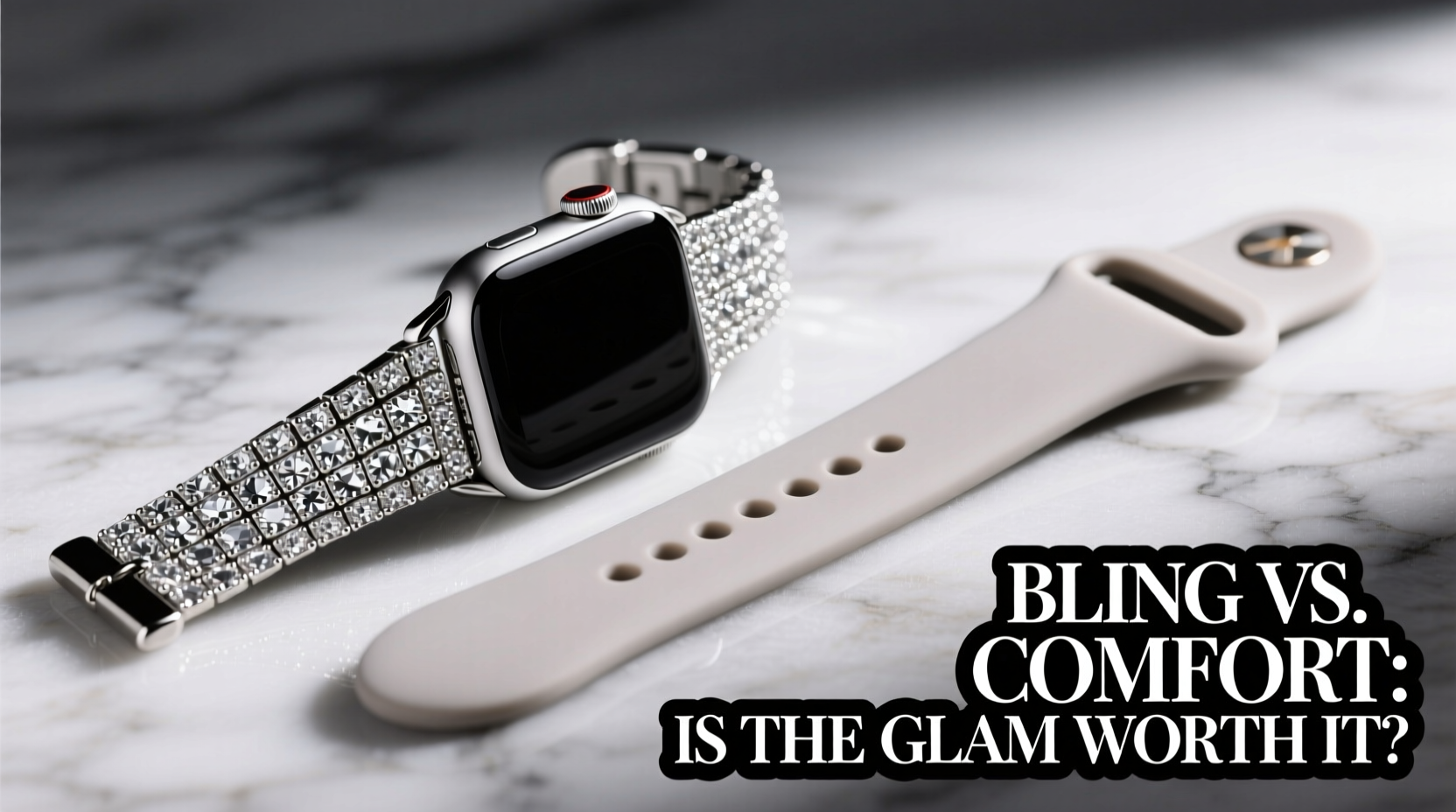
Diamond Apple Watch bands are designed to impress. Often crafted with stainless steel or titanium links embedded with lab-grown or natural diamonds, these accessories transform the smartwatch into a statement piece. They’re favored by influencers, celebrities, and anyone who views their tech as an extension of personal branding.
The sparkle factor is undeniable. Under light, a well-set diamond band refracts brilliance that draws attention. It elevates the look of the Apple Watch from “tech gadget” to “luxury accessory,” making it suitable for formal dinners, red carpet events, or high-end networking functions.
“Luxury wearables are no longer just about function—they’re status symbols. A diamond band signals success, even in casual settings.” — Marcus Lin, Tech Lifestyle Analyst at GadgetTrend
However, this visual payoff comes at a cost. Most diamond bands weigh significantly more than standard straps. The added heft can cause wrist fatigue during extended wear, especially for those with smaller frames. Moreover, the rigid metal construction lacks flexibility, leading to pressure points during physical activity.
Tip: If you opt for a diamond band, reserve it for special occasions rather than daily use to preserve both comfort and longevity.Function First: Why Silicone Reigns in Comfort and Utility
Silicone bands, particularly Apple’s Sport Band and Nike Sport Band, are engineered for endurance. Lightweight, hypoallergenic, and water-resistant, they’re ideal for workouts, travel, and everyday wear. Their soft, flexible texture conforms to the wrist, minimizing friction and allowing airflow—critical for users who track fitness or live in humid climates.
Beyond comfort, silicone offers unmatched practicality. It resists sweat, UV exposure, and minor impacts far better than metal or gemstone-embedded materials. Cleaning is effortless: a quick rinse with soapy water removes grime without damaging the material. Unlike diamond bands, which may require professional polishing to maintain luster, silicone maintains its appearance with minimal upkeep.
For parents, healthcare workers, or anyone with an active routine, silicone is often the only sensible option. It doesn’t snag on clothing, won’t scratch surfaces, and poses no risk during emergency situations where quick removal is necessary.
Real-World Example: A Nurse’s Daily Routine
Consider Sarah, an ER nurse in Chicago who wears her Apple Watch 12 hours a shift. She initially used a diamond-accented Milanese loop for its sleek look but found it impractical. “After two shifts, my wrist was sore, and the magnetic clasp kept catching on gowns,” she said. “I switched back to silicone, and it’s been a game-changer. I can sanitize it between patients, and it doesn’t irritate my skin—even after double shifts.”
Her experience underscores a broader truth: in high-demand environments, functionality trumps aesthetics every time.
Comparative Breakdown: Diamond vs Silicone Bands
| Feature | Diamond Band | Silicone Band |
|---|---|---|
| Weight | Heavy (often 50–80g) | Light (15–25g) |
| Comfort (long-term wear) | Moderate to low | High |
| Sweat/Water Resistance | Limited (metal can corrode) | Excellent |
| Durability | High (but stones may loosen) | High (resistant to tearing) |
| Cleaning & Maintenance | Professional cleaning recommended | Wipe or rinse with water |
| Price Range | $300–$2,000+ | $29–$59 |
| Best Use Case | Formal events, fashion statements | Fitness, daily wear, outdoor activities |
When Bling Makes Sense—And When It Doesn’t
There’s no universal answer to whether diamond bands are “worth it.” The value depends entirely on your lifestyle and priorities. For someone attending galas, giving presentations, or building a personal brand on social media, a diamond band can be a strategic accessory. It enhances perceived professionalism and affluence.
But for most users, wearing a diamond band every day introduces unnecessary risks. Stones can loosen over time due to impact or vibration. Metal links may scratch furniture or screens. And in environments like gyms, kitchens, or construction sites, the band becomes a liability rather than an asset.
A balanced approach is customization: own both types and rotate based on context. Think of your Apple Watch band like footwear—one pair for running, another for business meetings.
Tip: Invest in a second, affordable silicone band for workouts and errands. Keep the diamond band protected in a soft pouch when not in use.Actionable Checklist: Choosing the Right Band for Your Life
- Assess your daily activities: Do you exercise, work with your hands, or wear gloves frequently?
- Evaluate comfort needs: Can you wear heavy jewelry for 8+ hours without discomfort?
- Consider hygiene: Will the band be exposed to sweat, chemicals, or moisture?
- Set a usage schedule: Designate specific bands for work, gym, and formal events.
- Check security: Ensure gemstones are securely set and covered under warranty.
Frequently Asked Questions
Can I wear a diamond Apple Watch band while exercising?
No, it’s strongly discouraged. Sweat can corrode metal settings, and impact may dislodge stones. Additionally, the rigid structure limits flexibility, increasing the risk of wrist strain. Stick to silicone or nylon for workouts.
Do diamond bands damage the Apple Watch itself?
Potentially. Hard metal edges can scratch the watch case during attachment or removal. Some third-party diamond bands lack precise tolerances, leading to misalignment or screen contact. Always choose reputable brands with Apple-compatible designs.
Are silicone bands durable enough for long-term use?
Yes. High-quality silicone resists tearing, UV degradation, and discoloration. With proper care, a silicone band can last 1–2 years of daily wear. Avoid prolonged exposure to chlorine or perfumes to extend lifespan.
Final Verdict: Prioritize Purpose Over Prestige
The temptation of a diamond Apple Watch band is understandable—it turns a piece of technology into a jewel. But lasting satisfaction comes not from how flashy your device looks, but how seamlessly it integrates into your life. Comfort, durability, and adaptability matter more than sparkle when you’re wearing something on your wrist every single day.
If you value performance and ease, silicone remains the superior choice for daily wear. Reserve diamond bands for moments when image takes precedence—just don’t expect them to keep up with a marathon or a muddy trail hike.
In the end, the best accessory is one that disappears into your routine, not one that demands constant attention. Choose wisely, rotate thoughtfully, and let your Apple Watch serve you—not the other way around.
🚀 Ready to optimize your wearable experience? Audit your current watch band setup. Swap to silicone for active days, and share your go-to combo in the comments below.








