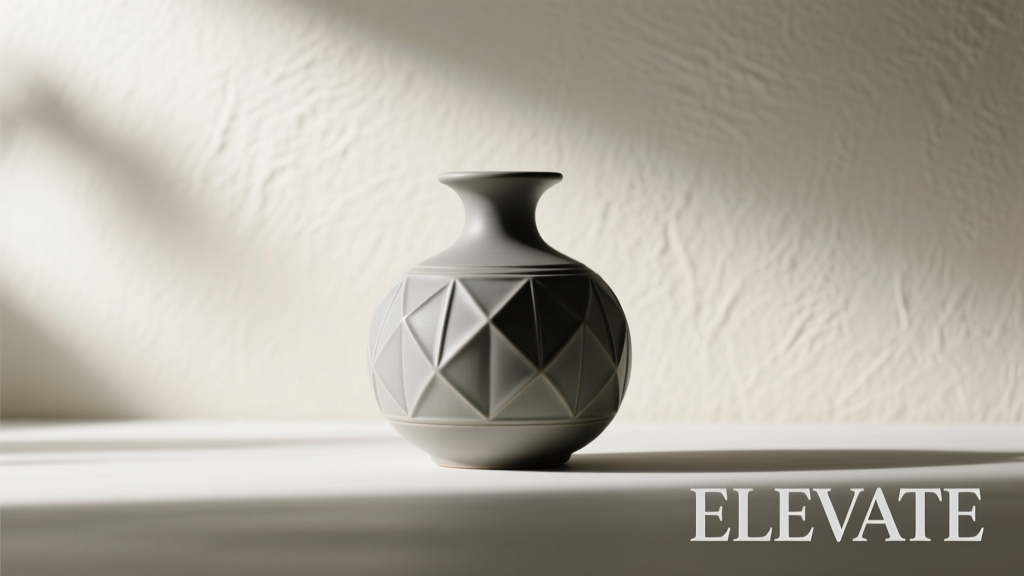
Types of Chinese Artistic Glass
Chinese artistic glass represents a rich tradition of craftsmanship that blends ancient cultural symbolism with sophisticated glassmaking techniques. From delicate figurines to grand sculptures, these pieces showcase the artistry and innovation of Chinese artisans. Each type of glasswork reflects a unique combination of aesthetic beauty, technical mastery, and cultural heritage, making them highly valued in both traditional and contemporary settings.
Glass Figurines
Exquisitely detailed and culturally symbolic, Chinese glass figurines often depict animals, mythological beings, and characters from classical stories such as those in Peking Opera. Crafted using the soft glass casting process, these pieces allow for intricate detailing and vibrant coloring.
Artistic Value
- Rich in cultural symbolism (e.g., zodiac animals)
- Detailed craftsmanship and fine textures
- Popular among collectors and gift-givers
- Often inspired by folklore and traditional theater
Considerations
- Fragile and sensitive to handling
- May require climate-controlled display
- Authentic pieces can be costly
Best for: Collectors, decorative displays, cultural gifts
Chinese Glass Vases
These vases range from classical forms to modern artistic interpretations, serving as both functional decor and standalone art. Techniques like glassblowing, overlay carving, and cloisonné enamel work are commonly used to produce vases with smooth finishes, layered colors, and elaborate metal-inlaid patterns.
Artistic Value
- Vibrant colors and elegant shapes
- Versatile for home and gallery use
- Cloisonné vases combine glass and metal artistry
- Often passed down as heirlooms
Considerations
- Heavy and fragile, requiring secure placement
- High-end pieces demand expert care
- Authentic cloisonné can be expensive
Best for: Interior décor, art collections, ceremonial use
Glass Lanterns & Candle Holders
Used prominently during festivals like the Lunar New Year and Mid-Autumn Festival, Chinese glass lanterns and candle holders are designed to emit a warm, ambient glow. Made through hand-painting, etching, or blown glass techniques, these luminous pieces feature traditional motifs such as dragons, phoenixes, floral patterns, and calligraphy.
Artistic Value
- Symbolize luck, prosperity, and celebration
- Enhance mood and ambiance in any space
- Blend traditional culture with functional lighting
- Available in both traditional and modern styles
Considerations
- Open flames require safety precautions
- Delicate glass may crack under heat stress
- Handmade versions can be labor-intensive and costly
Best for: Festive décor, ambient lighting, cultural events
Sculptures & Contemporary Art Pieces
Modern Chinese glass artists are pushing boundaries with large-scale sculptures and gallery-worthy installations. These works merge traditional themes—such as yin-yang balance, nature motifs, and Daoist philosophy—with avant-garde techniques like glass fusion and kiln casting, where molten glass is poured into molds and slowly cooled to form complex, durable forms.
Artistic Value
- Expressive fusion of tradition and modernity
- Highly collectible and exhibited globally
- Innovative use of light, color, and form
- Represents evolution of Chinese glass art
Considerations
- Large pieces require significant display space
- Can command premium prices
- Specialized maintenance may be needed
Best for: Art galleries, public installations, high-end collectors
| Type | Key Techniques | Cultural Themes | Primary Use | Display Considerations |
|---|---|---|---|---|
| Glass Figurines | Soft glass casting | Zodiac, Peking Opera, mythology | Collectibles, gifts | Fragile; ideal for enclosed display |
| Chinese Glass Vases | Blowing, overlay carving, cloisonné | Floral, imperial, symbolic patterns | Home décor, art collections | Stable surface; dust-resistant |
| Glass Lanterns & Holders | Etching, hand-painting, blowing | Festival symbols, luck motifs | Ambient lighting, celebrations | Fire-safe placement; indoor use |
| Sculptures & Art Pieces | Glass fusion, kiln casting | Nature, philosophy, modern abstraction | Gallery exhibitions, public art | Climate control; secure mounting |
Expert Tip: When displaying Chinese artistic glass, avoid direct sunlight and high humidity to preserve color vibrancy and prevent material degradation. For valuable pieces, consider UV-protective display cases to maintain their condition over time.
Design of Chinese Artistic Glass: Tradition, Innovation, and Symbolism
Chinese artistic glass is a dynamic fusion of ancient symbolism, masterful craftsmanship, and modern innovation. For centuries, glassmaking in China has evolved from imperial luxury to contemporary art, blending aesthetic elegance with cultural depth. Today, it stands as a respected medium in both functional design and fine art, celebrated for its intricate motifs, symbolic color use, and technical sophistication.
Traditional Chinese Motifs and Symbolic Meaning
At the heart of Chinese artistic glass lies a rich tradition of symbolic imagery. Designers frequently incorporate culturally significant motifs such as dragons, phoenixes, lotus flowers, cloud patterns, and imperial seals—each carrying profound meanings rooted in Chinese philosophy and folklore.
The dragon, a symbol of power, strength, and good fortune, often appears in coiled or ascending forms, representing imperial authority and protection. The phoenix, associated with grace and renewal, is commonly paired with the dragon to symbolize harmony between yin and yang. The lotus flower, emerging pristine from muddy waters, signifies purity, enlightenment, and spiritual growth—making it a popular choice in religious and meditative art pieces.
These motifs are not merely painted or etched onto the glass surface; they are often enhanced through advanced techniques such as sandblasting, acid etching, or engraving to add texture and depth. In some cases, artists integrate principles from cloisonné enamel work, using fine metal wires to outline designs before filling them with colored glass or enamel, resulting in a multidimensional, jewel-like finish.
Color and Form: Aesthetic Language of Chinese Glass Art
Color plays a pivotal role in Chinese artistic glass, serving both aesthetic and symbolic functions. The traditional palette is deeply influenced by Chinese cosmology and festival culture. Red, the most auspicious color, symbolizes joy, prosperity, and vitality—commonly used in pieces created for weddings, Lunar New Year, or ceremonial gifts. Green represents harmony, growth, and balance, often linked to nature and the Five Elements (Wu Xing). Deep blues and blacks evoke mystery and stability, while gold and yellow are reserved for imperial themes, denoting nobility and divine favor.
Form in Chinese glass art ranges from the elegantly simple to the dramatically complex. Blown glass techniques allow artisans to create fluid, organic shapes—such as flowing vases, undulating sculptures, or lotus-inspired bowls—that echo the natural world. These forms often reflect Daoist ideals of balance and effortless movement. Modern interpretations may exaggerate curvature or introduce asymmetry to evoke emotion or movement, pushing the boundaries of traditional symmetry.
Symbolic Colors in Chinese Glass
- Red: Luck, celebration, protection from evil
- Green: Harmony, health, renewal
- Blue: Tranquility, wisdom, immortality
- Gold/Yellow: Imperial power, prosperity, divinity
- White: Purity, mourning (context-dependent)
Common Motifs and Their Meanings
- Dragon: Power, protection, imperial authority
- Phoenix: Rebirth, grace, marital harmony
- Lotus: Purity, enlightenment, spiritual growth
- Bats: Good fortune (homophone for "fu")
- Clouds: Heaven, longevity, divine blessings
Contemporary Innovations and Fusion Techniques
In recent decades, Chinese glass artists have embraced innovation while honoring tradition. A growing number of creators are merging ancient design principles with cutting-edge techniques and materials to produce works that resonate in global art circles.
Many contemporary artists combine traditional handcrafting methods—such as lampworking, kiln-forming, and hand-blowing—with modern technologies like 3D printing for mold design, laser cutting, and digital modeling. These tools enable the creation of highly intricate, repeatable, and structurally complex forms that would be nearly impossible to achieve by hand alone.
Innovations also extend to material experimentation. Some artists incorporate recycled glass, eco-friendly pigments, or mixed media elements like metal, wood, or textiles to explore sustainability and cultural dialogue. Others create interactive installations where light, reflection, and viewer movement become part of the artwork, transforming static glass into dynamic experiences.
This creative evolution has elevated Chinese glass art beyond regional appreciation to international acclaim. Artists such as Liu Ruowang and Zheng Shengli have exhibited in major galleries across Europe and North America, showcasing the versatility and depth of modern Chinese glass sculpture.
| Design Element | Traditional Use | Modern Adaptation |
|---|---|---|
| Motifs | Dragons, phoenixes, lotus (symbolic) | Abstracted or deconstructed forms in conceptual art |
| Techniques | Hand-blown, etched, cloisonné-style | 3D-printed molds, laser engraving, digital design |
| Function | Ceremonial vases, scholar's objects | Installation art, public sculptures, luxury décor |
| Materials | Lead glass, colored enamels | Recycled glass, sustainable pigments, mixed media |
Functional vs. Decorative: The Dual Nature of Chinese Glass Art
Historically, Chinese artistic glass served both utilitarian and decorative purposes. Imperial courts prized ornate glass bottles, snuff containers, and drinking vessels that combined exquisite craftsmanship with daily use. These objects were not only functional but also status symbols, often exchanged as diplomatic gifts or heirlooms.
In contrast, modern Chinese glass art increasingly emphasizes aesthetic expression over utility. Many contemporary pieces are created exclusively as art installations or limited-edition sculptures, intended for display in galleries, homes, or public spaces. Yet, the tradition of functional art endures. High-end tableware, tea sets, and lighting fixtures continue to be crafted with meticulous attention to design, blending usability with artistic excellence.
This duality reflects a broader cultural value: the belief that beauty and utility need not be mutually exclusive. Whether a hand-blown glass teapot adorned with phoenix motifs or a minimalist sculpture inspired by mountain landscapes, Chinese artistic glass remains a testament to the seamless integration of form, function, and meaning.
Did You Know? While glassmaking in China dates back to the Warring States period (475–221 BCE), it was historically less dominant than ceramics or jade. It wasn't until the Qing Dynasty (1644–1912) that glass art flourished under imperial patronage, particularly in the Palace Workshops of Beijing. Today’s renaissance of Chinese glass art honors this legacy while boldly stepping into the future.
Scenarios of Chinese Artistic Glass: Tradition, Aesthetics, and Cultural Expression
Chinese artistic glass is more than a decorative medium—it is a vibrant expression of centuries-old craftsmanship, cultural symbolism, and evolving artistic innovation. From ancient imperial workshops to contemporary art studios, Chinese glass art blends technical mastery with aesthetic philosophy, finding meaningful roles across various aspects of life. Below are the key scenarios where Chinese artistic glass continues to inspire and enrich.
Home Decor & Interior Design
Chinese artistic glass has become a cherished element in both traditional and modern interior spaces. Its luminous textures, intricate patterns, and symbolic motifs bring a sense of harmony and elegance to homes. Artisans create exquisite vases, glass panels, and sculptural figurines using techniques passed down through generations, often incorporating motifs like dragons, phoenixes, lotus flowers, and cloud patterns that carry deep cultural meanings.
- Chinese glass paintings—often layered or reverse-painted—are displayed on walls or as tabletop art, adding depth and color to living rooms and entryways
- Glass partitions and room dividers with engraved or etched designs enhance spatial aesthetics while maintaining feng shui principles
- Luxury homes and boutique hotels integrate hand-blown glass lighting fixtures inspired by traditional lanterns
Design Insight: These pieces bridge heritage and modernity, making them ideal for eclectic, Asian-inspired, or minimalist interiors.
Collecting and Gifting
Valued for their rarity and craftsmanship, Chinese glass artworks are highly coveted by collectors worldwide. Antique pieces from the Qing Dynasty or Republican era, especially those with imperial provenance, command significant interest at auctions and private sales. Contemporary limited editions by master artisans also attract discerning collectors.
- Millefiori (thousand flowers) glass, known for its colorful floral cross-sections, is prized for its complexity and visual richness
- Pulled glass techniques produce delicate filigree patterns, often seen in birds, flowers, and mythical creatures encased in solid glass
- Custom-engraved glass gifts are popular for weddings, anniversaries, and corporate events, symbolizing clarity, purity, and enduring relationships
Collector’s Tip: Authenticity, signature of the artist, and documentation significantly enhance long-term value.
Art Exhibitions and Galleries
Chinese artistic glass is increasingly recognized in the global fine art community. Major museums and galleries—from the Palace Museum in Beijing to the Victoria and Albert Museum in London—feature exhibitions highlighting the evolution of Chinese glassmaking. These platforms celebrate both historical artifacts and contemporary interpretations by living artists.
- Exhibitions often explore the fusion of traditional Chinese aesthetics with modern glassblowing and kiln-casting techniques
- International art fairs showcase collaborative works between Chinese and Western artists, promoting cross-cultural dialogue
- Specialized galleries in Shanghai, Hangzhou, and Guangzhou support emerging talent through residencies and curated shows
Cultural Impact: These exhibitions not only preserve heritage but also position Chinese glass art within the broader narrative of global contemporary art.
Festivals and Cultural Events
During traditional Chinese festivals, artistic glass plays a symbolic and decorative role, enhancing the celebratory atmosphere with color, light, and meaning. These items are more than ornaments—they embody wishes for prosperity, longevity, and good fortune.
- Lunar New Year: Red and gold glass lanterns, zodiac-themed ornaments, and glass peonies symbolize joy and renewal
- Mid-Autumn Festival: Decorative glass mooncakes and moon rabbit sculptures are used in family altars and public displays
- Qingming Festival and weddings: Clear glass vessels represent purity and are used in ceremonial arrangements
Tradition Meets Innovation: Modern festival designs incorporate LED lighting and eco-friendly materials while preserving cultural symbolism.
Expert Insight: When selecting or recommending Chinese artistic glass, consider not only the visual appeal but also the story behind the piece—its technique, symbolism, and cultural context. Whether for home, gift, or collection, these artworks offer a lasting connection to Chinese heritage and artistic excellence.
| Scenario | Common Products | Key Features | Cultural Significance |
|---|---|---|---|
| Home Decor | Vases, glass panels, lighting fixtures | Hand-blown, etched, reverse-painted | Symbols of harmony, prosperity, and balance |
| Collecting & Gifting | Millefiori paperweights, pulled glass sculptures | Rarity, artist signature, limited editions | Expressions of respect, celebration, and legacy |
| Art Exhibitions | Sculptures, installations, mixed-media works | Innovative techniques, cultural fusion | Promotion of Chinese artistry on global stage |
| Festivals & Events | Lanterns, ornaments, ceremonial glassware | Vibrant colors, symbolic motifs, light effects | Connection to tradition and seasonal rituals |
Additional Considerations
- Preservation: Proper handling and display away from direct sunlight help maintain the integrity of delicate glass artworks
- Sustainability: Modern studios are adopting eco-friendly practices, such as using recycled glass and non-toxic pigments
- Educational Value: Workshops and cultural programs teach glass art techniques to younger generations, ensuring the craft’s continuity
- Authentication: Certificates of authenticity and provenance documentation are essential for high-value pieces
- Global Influence: Chinese glass art continues to inspire designers and artists worldwide, influencing fashion, architecture, and product design
Specification & Maintenance of Chinese Artistic Glass
Chinese artistic glass represents a fusion of ancient craftsmanship and refined aesthetics, often valued for both cultural significance and visual beauty. Preserving these delicate works requires a deep understanding of their material composition, structural characteristics, and proper care techniques. This guide provides comprehensive insights into the specifications and maintenance practices essential for protecting and enhancing the longevity of Chinese artistic glass pieces.
Important Note: Many Chinese artistic glass items are handcrafted using traditional methods and may contain unique vulnerabilities. Always research the specific type of glass (e.g., leaded, borosilicate) before applying any cleaning or storage method to avoid irreversible damage.
Key Specifications of Chinese Artistic Glass
- Material Composition
Chinese artistic glass is typically crafted from high-quality glass types such as soda-lime, borosilicate, and lead glass—each selected for its distinct optical and physical properties. Soda-lime glass is commonly used for everyday decorative items due to its affordability and ease of shaping. Borosilicate glass, known for its thermal resistance, is often chosen for intricate blown-glass artworks. Lead glass, however, remains the preferred medium for premium art pieces because of its exceptional clarity, weight, and light-refracting brilliance.
Artisans manipulate these materials through advanced techniques like glassblowing, fusing, lampworking, and precision engraving. Metallic oxides are frequently introduced during the melting phase to produce vibrant hues, while layering and reheating processes create depth and texture. The result is a diverse range of styles—from translucent vases with gradient coloration to complex figurines with embedded patterns and gold leaf accents.
- Size and Weight Variability
Chinese artistic glass spans a broad spectrum in size and mass, ranging from small wearable ornaments like glass rings and pendants to monumental sculptures exceeding several feet in height. Smaller pieces often feature fine filigree details, making them susceptible to breakage if mishandled. Larger installations, such as display bowls or wall-mounted panels, require careful engineering and robust support structures to maintain stability.
When acquiring or displaying a piece, always assess its center of gravity and base design. Sculptural works with narrow bases or overhanging elements should be secured with custom mounts or display stands to prevent tipping. Additionally, the weight of larger glass art must be considered when selecting shelving or cabinetry to ensure structural integrity and safety.
- Color and Surface Finish
One of the most celebrated features of Chinese artistic glass is its rich, luminous color palette. These colors are achieved by adding metal oxides—such as cobalt for blue, gold for red, and manganese for purple—during the molten stage. This integration ensures that the color is intrinsic to the glass rather than surface-applied, resulting in long-lasting vibrancy.
Surface finishes further enhance visual appeal and tactile experience. Techniques like acid etching, sandblasting, polishing, and frosting are employed to create contrasting textures within a single artwork. For example, a glossy exterior might transition into a matte interior, highlighting internal layers or engraved motifs. These finishing methods not only contribute to aesthetic depth but also reflect the artisan’s mastery in manipulating light and shadow.
Essential Maintenance Practices
- Cleaning Procedures
Regular cleaning is vital to preserve the clarity and luster of Chinese artistic glass. Use a soft, lint-free microfiber cloth to gently wipe dust and smudges from smooth surfaces. For pieces with intricate carvings or crevices, employ a soft-bristle brush—such as a clean makeup or artist’s brush—to dislodge trapped particles without scratching.
If deeper cleaning is required, dampen the cloth slightly with distilled water. Avoid commercial glass cleaners containing ammonia or alcohol, as these chemicals can degrade delicate finishes, especially on etched or painted areas. Never immerse multi-part or glued glass artworks in water, as moisture may compromise internal adhesives. After cleaning, allow the piece to air-dry completely in a dust-free environment before handling or storing.
- Safe Handling Techniques
Always handle Chinese artistic glass with clean, dry hands or wear soft cotton gloves to prevent transferring oils, dirt, or moisture that can dull the surface over time. Fingerprints, particularly on polished glass, can attract dust and lead to staining if left unattended.
When lifting a piece, support it from the sturdiest part—usually the base or central body—rather than fragile extensions like handles, spouts, or protruding figures. For large or heavy sculptures, use two hands and consider enlisting assistance to avoid strain or accidental drops. Never lift glass art by its decorative elements, as they are often the weakest structural points.
- Proper Storage Methods
For items not on regular display—such as collectible glass boxes, seasonal decorations, or heirloom pieces—correct storage is critical to prevent chipping, cracking, or environmental damage. Wrap each item individually in acid-free tissue paper or archival-quality bubble wrap to cushion against impacts and reduce chemical interactions.
Store wrapped pieces in a sturdy, enclosed cabinet or display case away from foot traffic and vibrations. Avoid attics, basements, or garages where temperature and humidity fluctuate dramatically, as thermal stress can cause microfractures. Direct sunlight should also be avoided, as UV rays can fade colored glass and weaken certain finishes over time. Dust accumulation can be minimized by using sealed display cases with soft lining materials.
- Display Best Practices
Displaying Chinese artistic glass enhances interior aesthetics but requires thoughtful placement. Choose stable, level surfaces that are free from vibrations or accidental bumps. For larger or top-heavy pieces, use custom-designed stands or museum-grade mounts that distribute weight evenly and provide secure footing.
If placing glass on shelves, verify that the shelf material and brackets can support the item’s weight. Glass shelves themselves should be tempered and properly anchored. Ensure the base of the artwork makes full contact with the surface to prevent tipping. Keep displayed pieces away from high-traffic areas, children, or pets to minimize the risk of accidental knocks.
Additionally, control lighting conditions: while spotlighting can accentuate beauty, prolonged exposure to direct sunlight or intense artificial light may cause color fading and surface degradation. Use UV-filtering glass in display cases or position lights at safe distances to balance visibility and preservation.
| Maintenance Area | Recommended Practice | Risks of Improper Care | Tools & Materials |
|---|---|---|---|
| Cleaning | Use microfiber cloth with distilled water; soft brush for details | Scratches, chemical damage, clouding | Microfiber cloths, soft brushes, distilled water |
| Handling | Support from base; wear cotton gloves | Breakage, fingerprints, oil residue | Cotton gloves, two-person lift for large pieces |
| Storage | Acid-free wrapping; climate-controlled, enclosed cabinet | Cracking, yellowing, dust buildup | Acid-free tissue, bubble wrap, sealed cases |
| Display | Stable surface; UV-filtered lighting; secure mounting | Tipping, fading, vibration damage | Custom stands, levelers, UV film |
| Environmental Control | Maintain stable temperature and humidity | Thermal shock, condensation damage | Hygrometer, dehumidifier, insulated space |
Expert Tip: For rare or high-value Chinese artistic glass, consider professional conservation every 3–5 years. A conservator can assess structural integrity, clean hard-to-reach areas safely, and recommend preservation strategies tailored to the specific materials and age of the piece.
Additional Preservation Recommendations
- Document your collection with photographs and condition notes to track changes over time
- Avoid placing glass near heating vents, fireplaces, or air conditioners that cause rapid temperature shifts
- Inspect pieces monthly for signs of stress cracks, cloudiness, or loose components
- Keep a log of cleaning and maintenance activities for insurance and appraisal purposes
- Consult with a specialist before attempting repairs or restorations on antique or culturally significant works
Maintaining Chinese artistic glass is not merely about cleanliness—it’s an ongoing commitment to honoring the skill, tradition, and artistry embedded in each piece. By understanding the material properties and following best practices for care, collectors and enthusiasts can ensure these exquisite works remain vibrant and intact for generations to come. When in doubt, prioritize caution and seek expert guidance to protect your investment and cultural heritage.
Frequently Asked Questions About Chinese Artistic Glass
Q1: Can Chinese artistic glass be used for everyday functional items like tableware?Chinese artistic glass encompasses a broad spectrum of craftsmanship, ranging from purely decorative showpieces to functional tableware such as glass bowls, plates, and serving dishes. The key distinction lies in the materials and techniques used during production:
- Functional Glassware: Designed for daily use, these pieces are typically made from tempered or borosilicate glass, which offers greater durability, thermal resistance, and impact strength. They are safe for serving food and can withstand regular washing and moderate handling.
- Decorative Glass Art: Often crafted for aesthetic display, these items may use delicate, hand-blown glass with intricate designs. While visually stunning, they are more fragile and not intended for practical use. Exposure to heat, sudden temperature changes, or physical stress can lead to cracking or breakage.
When purchasing Chinese glass items, always check the manufacturer's guidelines to determine whether the piece is intended for decorative or functional use. Proper identification ensures both safety and longevity of the artwork.
Q2: How does the use of modern technology impact traditional glassblowing methods in Chinese glass art?Modern technology has introduced new tools and processes that complement—but do not replace—traditional Chinese glassblowing techniques. Artists today often blend innovation with heritage to enhance creativity and precision:
- Digital Design Tools: Software such as CAD and 3D modeling programs allow artists to plan complex forms and visualize intricate details before beginning the physical process.
- 3D Printing: Used primarily for creating molds or prototypes, this technology speeds up the design phase and enables experimentation without material waste.
- Temperature Control Systems: Advanced kilns and furnaces offer precise heat regulation, improving consistency in glass melting and annealing.
Despite these advancements, the core of Chinese glass art remains rooted in traditional hand-blowing and hand-crafting methods. These techniques are valued for their ability to infuse each piece with unique character, subtle imperfections, and emotional depth—qualities that machines cannot replicate. As a result, many contemporary artists use technology as a supportive tool while preserving the soul and cultural authenticity of their work.
Q3: Are there glass artists in China who combine glass art with other forms of sculpture?Yes, an increasing number of contemporary Chinese glass artists are embracing a multidisciplinary approach by integrating glass with other sculptural materials such as wood, metal, stone, ceramic, and even textiles. This fusion creates dynamic mixed-media artworks that push the boundaries of traditional glass art:
- Wood and Glass Combinations: Often used to contrast organic textures with the smooth, reflective quality of glass, symbolizing harmony between nature and human innovation.
- Metal Frameworks: Provide structural support for large glass installations while adding industrial elegance and visual contrast.
- Stone Bases or Inlays: Ground glass sculptures with a sense of permanence and earthiness, enhancing their visual balance and thematic depth.
These hybrid creations reflect the artist’s personal vision, cultural influences, and technical mastery. By merging materials, artists explore new dimensions of light, texture, and symbolism, resulting in pieces that are not only visually compelling but also rich in narrative and meaning.
Q4: What measures can be taken to prevent the fading of colors in Chinese artistic glass due to sunlight exposure?Prolonged exposure to direct sunlight—particularly ultraviolet (UV) rays—can cause pigments in colored glass to fade over time, diminishing the vibrancy and value of the artwork. To preserve the integrity and beauty of Chinese artistic glass, consider the following protective strategies:
- Limit Direct Sunlight: Display glass art in areas with indirect or diffused lighting, away from south- or west-facing windows where sunlight is strongest.
- Use UV-Filtering Glass Cases: Encase valuable pieces in display cabinets with UV-protective glazing, which blocks up to 99% of harmful rays while maintaining visibility.
- Install Sheer Curtains or Blinds: These reduce light intensity without completely darkening the room, offering a practical balance between illumination and protection.
- Rotate Displayed Pieces: Periodically rotate your collection so no single item is exposed to light continuously. This allows each piece to "rest" and reduces cumulative UV damage.
- Regular Inspection: Handle and examine your glass art occasionally (with clean hands or gloves) to monitor for signs of fading, clouding, or surface degradation. Early detection allows for timely repositioning or conservation.
By combining environmental control with mindful display practices, collectors and enthusiasts can significantly extend the lifespan and brilliance of their Chinese glass artworks.
Q5: Are Chinese glass figurines created for outdoor decoration as weather-resistant as those for indoor use?No, outdoor Chinese glass figurines are specifically engineered to be more durable and weather-resistant compared to their indoor counterparts, but they still require care to maintain their condition:
- Thicker Glass Construction: Outdoor pieces are often made with thicker, reinforced glass to withstand wind, rain, and minor impacts.
- Protective Coatings: Many are treated with UV-resistant sealants or waterproof finishes to prevent color fading, moisture penetration, and thermal shock from temperature fluctuations.
- Stable Bases and Mounts: Designed with secure foundations to prevent tipping in windy conditions or during storms.
Despite these enhancements, glass remains inherently fragile. It is advisable to bring outdoor glass figurines indoors during extreme weather conditions such as hailstorms, heavy snowfall, or prolonged heatwaves. This precaution helps prevent cracking, chipping, or irreversible damage. Even weather-resistant glass benefits from seasonal maintenance and sheltered storage during harsh climates.









