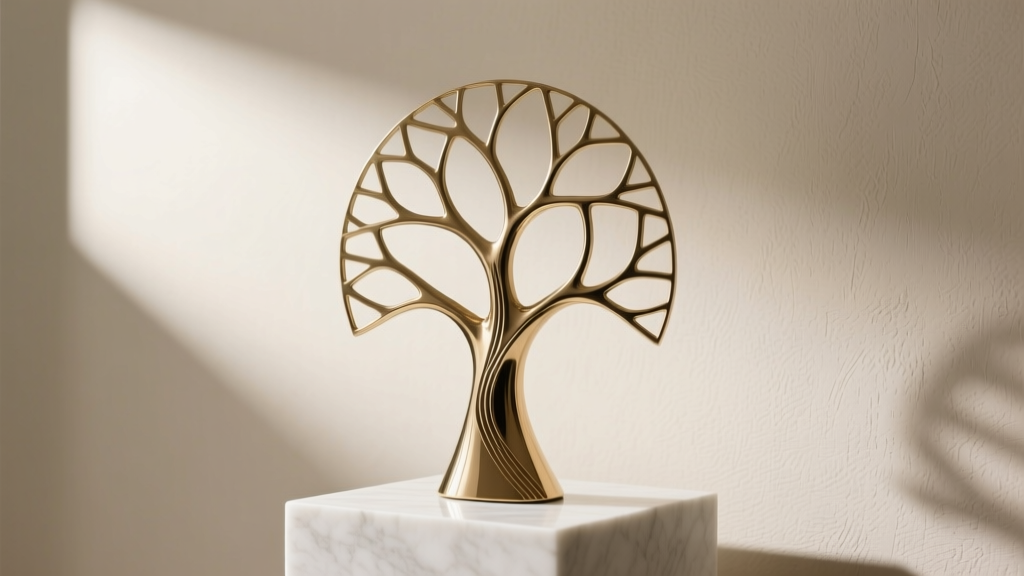
Types of Ceramic High-End Urns
A ceramic high-end urn is more than just a vessel for remembrance—it is a work of art, a symbol of legacy, and a tribute to individuality. Crafted with precision and artistry, these urns are designed to honor loved ones with elegance and permanence. Made using time-honored techniques and premium materials, each type of ceramic urn offers unique aesthetic, structural, and emotional value.
Traditional Hand-Thrown Urns
Crafted on a pottery wheel by master artisans, each hand-thrown urn is a one-of-a-kind creation shaped by human touch and skill. The subtle variations in form, texture, and glaze reflect the artisan’s hand, making these urns deeply personal and emotionally resonant.
Advantages
- Unique, individual craftsmanship
- Rich tactile texture and organic shape
- Emotional and artistic significance
- Supports traditional pottery arts
Limitations
- Higher cost due to labor intensity
- Slight inconsistencies in symmetry
- Longer production and delivery time
Best for: Personalized memorials, family heirlooms, artistic appreciation
Bone China Urns
Made from a fine blend of kaolin, feldspar, and bone ash, bone china urns are celebrated for their delicate translucence and remarkable strength. When held to light, they emit a soft, ethereal glow—symbolizing peace, purity, and enduring love.
Advantages
- Exquisite translucency and elegance
- Surprisingly durable despite delicate appearance
- Smooth, refined finish ideal for engraving
- Luxurious appearance for display settings
Limitations
- Premium pricing due to material and process
- Requires careful handling despite strength
- Limited availability from specialized artisans
Best for: Indoor display, memorial services, elegant home interiors
Raku Urns
Created through an ancient Japanese firing process, Raku urns are renowned for their dramatic, unpredictable finishes. After being removed from the kiln at peak temperature, they undergo rapid cooling and reduction, resulting in crackled glazes, metallic lusters, and bold color contrasts—each piece a true artistic expression.
Advantages
- Striking, one-of-a-kind visual effects
- Deep cultural and artistic heritage
- Ideal for expressive, spiritual memorials
- Highly collectible and conversation-worthy
Limitations
- Not fully waterproof—best for indoor use
- More fragile than stoneware or porcelain
- Process is highly variable and less predictable
Best for: Artistic tributes, spiritual or Zen-inspired memorials, indoor display
Majolica Urns
Originating from Renaissance Italy, Majolica urns feature a white tin-glazed surface painted with vibrant, hand-applied colors. These urns often depict floral patterns, mythological scenes, or historical motifs, offering a timeless, classical elegance that complements traditional and luxury interiors.
Advantages
- Vivid, long-lasting colors and detailed artwork
- Rich historical and cultural significance
- Highly decorative and visually striking
- Excellent for personalized designs and inscriptions
Limitations
- Glaze may chip if mishandled
- Not suitable for outdoor exposure
- Requires skilled artists for authentic results
Best for: Heritage-themed memorials, museum-quality displays, family legacies
Porcelain Urns
Fashioned from high-purity kaolin clay and fired at extremely high temperatures, porcelain urns are known for their density, smoothness, and luminous finish. Their non-porous surface resists staining and aging, making them ideal for both aesthetic beauty and long-term preservation.
Advantages
- Exceptional durability and resistance to wear
- Smooth, glossy surface perfect for painting or gilding
- Timeless, classic appearance
- Available in a wide range of colors and finishes
Limitations
- Can be heavy due to dense composition
- Higher cost for premium finishes
- Vulnerable to chipping if dropped
Best for: Permanent indoor display, family memorials, high-end funeral homes
| Type | Aesthetic Value | Durability | Uniqueness | Best For |
|---|---|---|---|---|
| Hand-Thrown | High | Medium | Exceptional | Personalized, artisanal memorials |
| Bone China | Very High | Medium-High | High | Elegant indoor display, luxury settings |
| Raku | Exceptional | Medium | Unique (each piece) | Artistic, expressive tributes |
| Majolica | Very High | Medium | High | Classical decor, detailed artwork |
| Porcelain | High | Very High | Medium | Durable, long-lasting memorials |
Expert Tip: When selecting a ceramic urn for indoor display, consider lighting conditions—bone china and translucent porcelain urns glow beautifully under soft ambient light, enhancing their visual and emotional impact.
Features of Ceramic High-End Urns
Ceramic high-end urns represent a harmonious blend of artistry, durability, and emotional significance. Designed not only to honor the memory of loved ones but also to serve as timeless works of art, these urns are crafted with meticulous attention to detail. Below is an in-depth exploration of the defining features that set premium ceramic urns apart.
Aesthetic Appeal
One of the most striking features of high-end ceramic urns is their exceptional aesthetic versatility. Crafted by skilled artisans, these urns can be shaped into sleek modern silhouettes or adorned with elaborate traditional motifs. Techniques such as hand-painting, glazing, inlay work, and sculptural detailing allow for a vast range of visual expressions—from minimalist elegance to ornate complexity.
Whether finished with a glossy sheen or a soft matte texture, each piece reflects a unique artistic vision. This aesthetic richness makes ceramic urns not just functional containers, but meaningful centerpieces in memorial spaces, homes, or gardens.
Material Quality
Premium ceramic urns are made from high-grade clays such as stoneware, earthenware, and porcelain—each selected for its distinct structural and tactile properties. Stoneware offers robustness and a refined finish, ideal for both indoor and sheltered outdoor use. Porcelain, known for its translucency and fine grain, provides a luxurious, smooth surface that resists chipping and staining.
During the firing process, these materials are subjected to intense heat, enhancing their density and durability. The result is an urn that feels substantial and refined to the touch, combining sensory pleasure with long-term resilience.
Creative Durability
Unlike many other urn materials, high-fired ceramics exhibit remarkable resistance to environmental stressors. The kiln-firing process vitrifies the clay, making it highly resistant to moisture, temperature fluctuations, and UV exposure—qualities that make ceramic urns suitable for both indoor display and protected outdoor settings.
This durability ensures that the urn maintains its integrity and appearance over time, preserving both the ashes and the artistic details. With proper care, a ceramic urn can remain a lasting tribute across generations, resisting fading, warping, and degradation far better than wood, biodegradable materials, or certain metals.
Symbolic Design
High-end ceramic urns are intentionally designed to carry deep symbolic meaning. Their forms often incorporate flowing lines, natural motifs (like waves, leaves, or mountains), and balanced proportions that evoke themes of eternity, peace, and continuity.
Many families appreciate the ability to personalize these designs—choosing colors, patterns, or inscriptions that reflect the personality or heritage of the individual being honored. This symbolic depth transforms the urn from a simple vessel into a meaningful narrative object, offering comfort and connection during the grieving process.
Versatility
Beyond their primary role as containers for cremated remains, ceramic urns double as elegant decorative objects. Their artistic design allows them to seamlessly integrate into a variety of interior styles—be it rustic, contemporary, minimalist, or eclectic.
Many high-end ceramic urns resemble vases or sculptural forms, making them suitable for display on mantelpieces, shelves, or in memorial gardens. Their dual function as both a sacred vessel and a beautiful art piece enhances their value, allowing families to honor their loved ones in a way that complements their living space.
| Feature | Material/Technique | Benefit |
|---|---|---|
| Aesthetic Appeal | Hand-painting, glazing, sculpting | Unique, personalized design; enhances emotional connection |
| Material Quality | Stoneware, porcelain, earthenware | Durable, smooth finish; resistant to wear and aging |
| Creative Durability | High-temperature firing (1200°C+) | Suitable for indoor/outdoor use; long-lasting integrity |
| Symbolic Design | Natural motifs, flowing shapes, custom inscriptions | Emotional resonance; honors individuality and legacy |
| Versatility | Artistic form, vase-like styling | Functions as both memorial and home décor |
Note: While ceramic urns are durable, they can be sensitive to sudden impacts or extreme temperature changes. For outdoor placement, choose a sheltered location and avoid direct exposure to freezing conditions. Always handle with care during transport or cleaning to preserve the finish and structural integrity.
How to Choose Ceramic High-End Urns
Selecting the right ceramic high-end urns for resale is a thoughtful process that blends artistry, craftsmanship, and emotional significance. These urns serve not only as functional vessels but also as meaningful memorials that honor a life well-lived. To ensure client satisfaction and build trust in your product offerings, it's essential to consider several key factors that define quality, design, and long-term value.
Quality of Material
The foundation of any high-end ceramic urn lies in the type of clay and ceramic materials used. Premium urns are crafted from carefully selected clays, each offering distinct textures, durability, and visual appeal. Understanding these differences allows you to match the right material to your client’s aesthetic preferences and intended use.
- Porcelain: Known for its smooth, glass-like finish and translucency, porcelain is ideal for modern, minimalist, or elegant interiors. It’s fired at high temperatures, resulting in a non-porous, durable surface that resists chipping and staining.
- Stoneware: Denser and more robust than porcelain, stoneware offers a rustic, earthy texture. Its natural warmth and thickness make it perfect for traditional, cottage-style, or nature-inspired settings.
- Bone China: A luxurious variant of porcelain, bone china contains bone ash, giving it a soft, ivory hue and exceptional strength. Often used in museum-quality pieces, it conveys refinement and heritage.
Expert insight: Always verify the clay source and firing density—higher density means better resistance to environmental wear, especially for indoor display in high-traffic areas.
Firing Technique
The firing process is a critical stage that determines the structural integrity, color depth, and uniqueness of each ceramic urn. Artisans use various techniques to achieve specific aesthetic and functional outcomes, making this a key differentiator among high-end products.
- High-Temperature Firing (e.g., Agamic or Vitrification): Firing above 1200°C creates a fully vitrified, non-porous surface that enhances water resistance and longevity—ideal for urns that may be displayed in humid environments or handled frequently.
- Raku Firing: A traditional Japanese method involving rapid heating and cooling, Raku produces unpredictable, crackled glazes and metallic lusters. These one-of-a-kind finishes appeal to clients seeking artistic, expressive memorials.
- Salt or Wood Firing: These techniques impart natural ash glazes and organic textures, adding depth and character. Perfect for nature-themed or heritage-focused designs.
Pro tip: Urns with multiple firings often have richer color layers and superior durability—ask suppliers about their firing cycles.
Design and Decoration
High-end ceramic urns are often works of art, featuring intricate details that reflect cultural, spiritual, or personal significance. The design should resonate emotionally with the client while complementing their home or memorial space.
- Hand-Painted Details: Custom illustrations, floral motifs, or symbolic patterns add a personal touch. Look for fine brushwork and fade-resistant pigments.
- Engraving and Carving: Precision etching or relief carving can depict names, dates, or meaningful symbols. Deep, clean lines indicate skilled craftsmanship.
- Gold Leaf and Metallic Accents: Applied by hand, these elements elevate the urn’s elegance and are often used in luxury or religious designs.
- Form and Silhouette: Traditional shapes (vase, dome, or temple-style) offer timeless appeal, while contemporary designs may feature abstract forms or sculptural elements.
Design tip: Offer a range of styles—from classic to avant-garde—to cater to diverse tastes and cultural backgrounds.
Functionality and Practicality
While aesthetics are paramount, functionality ensures the urn meets both emotional and physical needs. Consider how and where the urn will be used to recommend the most suitable option.
- Size and Capacity: Standard adult urns hold approximately 200 cubic inches (suitable for 200 lbs). Offer sizing guides to help clients choose appropriately.
- Indoor vs. Outdoor Use: Outdoor urns require weather-resistant glazes and thicker walls to withstand moisture, UV exposure, and temperature changes. Indoor urns can prioritize delicate finishes.
- Placement Space: Consider footprint and height—tall, narrow urns fit well on shelves, while wider bases offer stability on mantles or memorial tables.
- Sealing Mechanism: Look for secure closures (screw-top, threaded lid, or sealed with adhesive) to ensure dignity and safety.
Key consideration: Always confirm whether the urn is intended for display, burial, or scattering to guide material and design choices.
Brand Reputation and Craftsmanship
Reputable brands invest in master artisans, rigorous quality control, and ethical production practices. Choosing well-known or artisan-certified manufacturers ensures consistency, authenticity, and long-term value.
- Brands with generations of ceramic expertise often produce heirloom-quality pieces with proven durability.
- Look for certifications such as “Handmade,” “Artisan-Crafted,” or “Studio Pottery” to verify authenticity.
- Customer reviews and return rates can indicate satisfaction levels and product reliability.
- Some brands offer customization services—engraving, color matching, or bespoke designs—which enhance client personalization.
Trusted choice: Partner with brands that provide provenance documentation or artist signatures for added value.
Emotional and Cultural Sensitivity
Ceramic urns often carry deep emotional and cultural significance. Being attuned to these aspects helps you serve clients with empathy and respect.
- Some cultures prefer specific colors (white for purity in many Asian traditions, black for mourning in Western contexts).
- Religious symbols (crosses, lotus flowers, mandalas) should be accurately represented and respectfully applied.
- Family involvement in selection is common—offer consultation tools like photo previews or sample swatches.
- Consider offering memorial kits that include fillable nameplates, velvet pouches, or display stands.
Customer care: Train staff to handle urn discussions with compassion and discretion.
Professional Recommendation: When curating your inventory, balance variety with quality. Include a mix of traditional, contemporary, and culturally diverse designs from trusted artisans. Prioritize pieces with strong craftsmanship, secure construction, and aesthetic versatility. For clients overwhelmed by choice, offer curated collections—such as "Timeless Elegance," "Nature Inspired," or "Modern Minimalist"—to simplify decision-making while maintaining a premium positioning.
| Client Profile | Recommended Material | Design Style | Special Features |
|---|---|---|---|
| Traditional family memorial | Stoneware or Porcelain | Classic vase with engraved name | Gold trim, secure threaded lid |
| Modern minimalist interior | Porcelain or Bone China | Sleek, geometric form | Matt finish, subtle texture |
| Artistic or expressive tribute | Raku-fired Ceramic | Organic, hand-sculpted shape | Crackled glaze, unique surface |
| Outdoor garden placement | Vitrified Stoneware | Nature-themed (leaves, waves) | Weather-resistant, UV-stable glaze |
Additional Considerations
- Warranty & Returns: Premium brands may offer lifetime warranties against manufacturing defects—highlight this as a value-add.
- Packaging: Elegant presentation boxes or wooden cases enhance perceived value and protect during shipping.
- Sustainability: Eco-conscious clients appreciate lead-free glazes, recycled materials, and low-impact firing methods.
- Customization Options: Engraving, color matching, or collaborative design with artists can differentiate your offerings.
- Inventory Rotation: High-end ceramics are often limited editions—maintain relationships with artisans for exclusive or seasonal pieces.
Maintenance and Repair of Ceramic High-End Urns
High-end ceramic urns are not only functional memorial vessels but also exquisite works of art, often handcrafted with intricate detailing and premium glazing. Proper maintenance and careful handling are essential to preserve their aesthetic beauty, structural integrity, and sentimental value for generations. This guide provides detailed, professional-grade recommendations for cleaning, storing, handling, and repairing ceramic urns to ensure long-term preservation.
Important Note: Always handle ceramic urns with reverence and caution. Due to their delicate nature and emotional significance, even minor damage can be irreversible. When in doubt, consult a professional conservator or restorer specializing in ceramics.
Essential Care Guidelines for Ceramic Urns
- Cleaning: Gentle Methods for Preserving Finish
To maintain the pristine condition of high-end ceramic urns, use only a soft, lint-free microfiber or cotton cloth lightly dampened with distilled water. Dust should be removed regularly to prevent buildup, especially in engraved or textured areas. For decorative urns exposed to indoor pollutants or occasional outdoor elements, a small amount of mild, pH-neutral liquid soap (such as baby shampoo or conservation-grade cleaner) can be used sparingly. Rinse thoroughly with a water-dampened cloth and dry immediately with a clean, soft towel. Never submerge the urn in water, especially if it contains ashes or has a removable interior liner.
Avoid: Abrasive sponges, scouring pads, paper towels, or chemical wipes, which can scratch the glaze or dull the surface finish. Also avoid excessive moisture near seams, lids, or bases where water absorption could weaken structural joints.
- Avoiding Harsh Chemicals: Protecting Glaze and Structure
Strong cleaning agents—such as ammonia, bleach, vinegar, or alcohol-based solutions—can erode the ceramic glaze, strip protective coatings, and cause discoloration or cloudiness. These chemicals are particularly damaging to hand-painted details, metallic accents, or luster finishes. Even repeated exposure to mild household cleaners can degrade the surface over time.
For outdoor urns, environmental exposure (rain, UV rays, temperature fluctuations) can compound chemical damage. Use only ceramic-safe, non-ionic cleaners when necessary, and rinse thoroughly. Consider applying a museum-grade, breathable sealant (consult a conservator) for added protection in high-exposure environments.
- Handling with Care: Preventing Breakage and Damage
Ceramic urns, despite their elegant appearance, are fragile and susceptible to chipping, cracking, or shattering from impact or stress. Always lift the urn with both hands, supporting the base and body—never by the neck, handle, or lid. If the urn has a removable lid or base, secure these components before moving. Wrap hands around the widest part of the body for maximum stability.
When transporting, use padded packaging such as bubble wrap, foam inserts, or custom-fit cases. Avoid placing heavy objects on top of stored urns. Educate family members or caretakers on proper handling techniques to prevent accidental drops or collisions.
- Storage Conditions: Maintaining a Stable Environment
Extreme temperatures, humidity fluctuations, and direct sunlight can cause ceramic materials to expand, contract, or degrade over time. Store urns in a climate-controlled environment with stable temperature (65–75°F / 18–24°C) and moderate humidity (40–50%). Avoid basements, attics, garages, or areas near heating vents, radiators, or windows.
In regions with high humidity or seasonal changes, consider using silica gel packs in display cabinets or storage containers to regulate moisture. For long-term storage, wrap the urn in acid-free tissue paper and place it in a rigid, cushioned box labeled with handling instructions. Keep the urn upright at all times.
- Repairing Chips or Cracks: Professional Restoration vs. DIY Fixes
Minor surface chips or hairline cracks may be repairable with conservation-grade adhesives such as Paraloid B-72 or epoxy resins matched to the ceramic’s color and texture. These materials are reversible and non-yellowing, making them suitable for art restoration. However, repairs should only be attempted if the urn is structurally sound and the damage is superficial.
For significant cracks, broken lids, or structural damage, professional restoration is strongly recommended. Skilled ceramic conservators use techniques like in-painting, gap-filling with stable compounds, and reassembly with archival adhesives to restore both appearance and integrity. Avoid quick-fix glues like super glue (cyanoacrylate), which can cause staining, brittleness, or irreversible bonding.
Note: If the urn contains cremated remains, do not attempt any internal repairs or disassembly. Consult a funeral service professional or conservator experienced in memorial object restoration.
| Care Category | Recommended Practices | Risks of Improper Care | Suggested Tools & Materials |
|---|---|---|---|
| Cleaning | Soft cloth, distilled water, mild soap (if needed) | Scratches, hazing, loss of luster | Microfiber cloths, distilled water, pH-neutral cleaner |
| Chemical Exposure | Avoid harsh cleaners; use ceramic-safe products only | Glaze erosion, discoloration, paint lifting | Non-ionic cleaners, protective gloves |
| Handling | Two-handed support, secure grip on base | Chips, cracks, catastrophic breakage | Gloves, padded work surface |
| Storage | Climate-controlled, upright, cushioned | Cracking from thermal stress, mold growth | Acid-free paper, display case, silica gel |
| Repair | Professional restoration for major damage | Irreversible damage, aesthetic mismatch | Conservation adhesives, color-matched fillers |
Expert Tip: For urns displayed in homes or memorial spaces, schedule a quarterly inspection to check for dust accumulation, minor chips, or environmental exposure. Early detection allows for gentle intervention before damage progresses. Photograph the urn from multiple angles annually to document its condition over time.
Additional Preservation Recommendations
- Display urns on stable, level surfaces away from foot traffic or vibration sources.
- Avoid placing floral arrangements or candles directly on or inside the urn unless designed for such use.
- Use UV-filtering glass cases to protect against sunlight fading, especially for painted or gilded urns.
- Keep a record of the artist, origin, and materials used in the urn’s construction for insurance and restoration purposes.
- Consider professional appraisal and documentation for valuable or antique ceramic urns.
By following these comprehensive care practices, you honor the craftsmanship and emotional significance of your ceramic urn. Thoughtful maintenance not only preserves its physical form but also safeguards the legacy it represents. When in doubt about cleaning or repair, always seek guidance from a museum conservator or certified restoration specialist to ensure the highest standard of preservation.
Frequently Asked Questions About High-End Ceramic Urns
Q. Why are high-end ceramic urns highly priced?High-end ceramic urns come with a premium price tag due to a combination of craftsmanship, materials, and technology. Unlike mass-produced alternatives, these urns are meticulously handcrafted by skilled artisans using superior-grade clay and glazes. The creation process often involves advanced techniques such as high-temperature kiln firing, hand-painting, and intricate detailing, which ensure durability and aesthetic excellence.
Additionally, many high-end urns are considered functional art pieces, often designed in limited editions or as custom commissions. The investment reflects not only the physical materials but also the time, expertise, and artistic vision poured into each piece, making them heirloom-quality memorials.
Q. Can a ceramic high-end urn be used outside the house?Yes, many high-end ceramic urns are suitable for outdoor use, provided they are specifically designed to be weather-resistant. These urns are typically fired at higher temperatures, which increases their density and reduces porosity, making them more resistant to moisture absorption, frost, and temperature fluctuations.
However, to ensure longevity when placed outdoors, especially in regions with harsh winters or extreme climates, consider the following care tips:
- Placement: Position the urn in a sheltered area—such as under a covered patio or eaves—to minimize direct exposure to rain, snow, and ice.
- Sealing: Some manufacturers apply protective sealants that enhance resistance to environmental elements. Reapplication may be recommended every few years.
- Winter Care: In freezing climates, it’s advisable to bring the urn indoors during winter months to prevent cracking caused by water expansion when it freezes.
Always check the manufacturer’s guidelines to confirm outdoor suitability before placing the urn outside.
Q. Are high-end ceramic urns available in stock in several dimensions?Yes, high-end ceramic urns are typically offered in a wide range of sizes to accommodate different cremation needs and personal preferences. Most manufacturers provide standard capacity options—measured in cubic inches—that correspond to the average volume of human cremains (e.g., 200 cubic inches for an adult).
Beyond standard sizing, many brands offer:
- Multiple Capacity Options: From keepsake sizes (suitable for sharing ashes among family members) to full adult urns.
- Variety in Dimensions: Different heights, widths, and shapes to suit indoor shelving, memorial niches, or outdoor gardens.
- Custom Sizing: Some artisans provide bespoke services to create urns tailored to specific dimensions or design requests.
This versatility ensures that high-end ceramic urns can meet both practical and aesthetic requirements, whether for personal use, display in a home, or placement in a memorial setting.
Q. Do high-end ceramic urns have a more extended life than non-high-end ceramic urns?Yes, high-end ceramic urns generally have a significantly longer lifespan compared to standard ceramic urns. This increased durability stems from several key factors:
- Superior Materials: High-grade clays and premium glazes are used, which are less prone to cracking, chipping, or fading over time.
- Advanced Firing Techniques: Multiple firings at higher temperatures result in a denser, more resilient ceramic structure that resists environmental stressors.
- Better Construction: Reinforced bases, seamless finishes, and attention to structural integrity reduce weak points that could lead to breakage.
- Environmental Resistance: Enhanced resistance to UV rays, humidity, and temperature changes makes them ideal for both indoor and protected outdoor use.
When properly cared for, a high-end ceramic urn can last for generations, serving as a lasting tribute and potential family heirloom.
Q. Are the finishes of high-end ceramic urns practical?Yes, the finishes on high-end ceramic urns are often both aesthetically pleasing and functionally beneficial. While some finishes are primarily decorative—such as hand-painted motifs, metallic lusters, or textured glazes—many serve important practical purposes:
| Finish Type | Practical Benefits | Examples |
|---|---|---|
| Glossy Glaze | Provides a moisture-resistant, easy-to-clean surface that protects against dust and minor spills. | Shiny black, deep blue, or crystal-clear finishes. |
| Matt Finish | Offers a sophisticated, non-reflective look with good scratch resistance when properly sealed. | Earthy tones like charcoal, sand, or slate gray. |
| Textured or Carved Surfaces | Adds structural depth and can help mask minor wear over time. | Geometric patterns, nature-inspired carvings. |
| Sealed Ceramic | Enhances durability and prevents staining or absorption of moisture, especially important for outdoor use. | Urns treated with food-safe or weather-resistant sealants. |
In essence, the finishes on high-end ceramic urns go beyond beauty—they contribute to the urn’s longevity, maintenance ease, and overall resilience, making them both meaningful and practical memorial choices.









