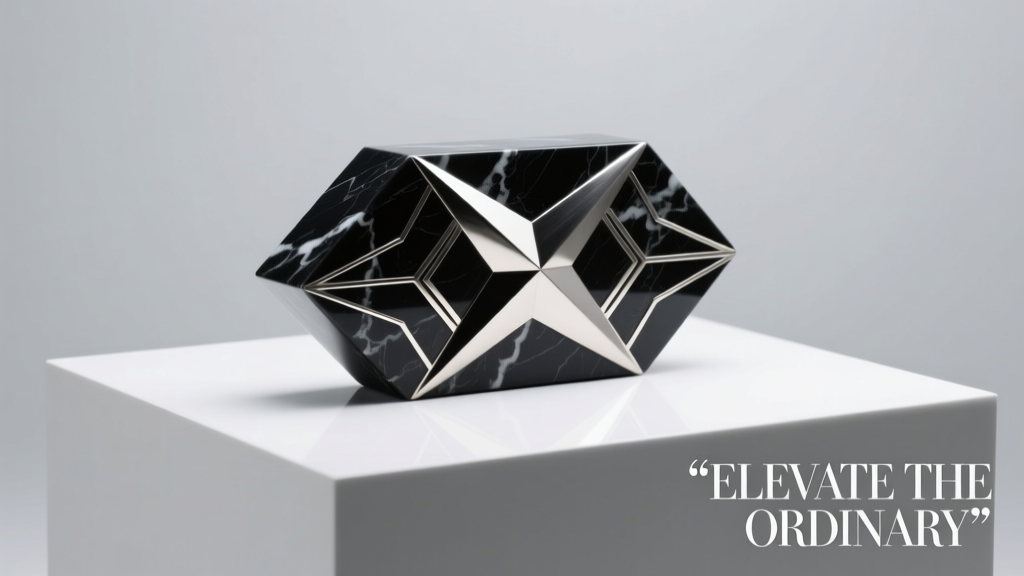
Types of Brass Flat Pins
A brass flat pin is a versatile fastening component made from corrosion-resistant brass, known for its durability, aesthetic appeal, and functional design. These pins are widely used across industries such as fashion, upholstery, crafting, and office organization due to their strength, polished finish, and resistance to rust. The "flat" designation typically refers to the shape of the head, which allows for easy handling and a sleek appearance.
Brass Flat Safety Pins
Unlike standard steel safety pins, brass flat safety pins feature a smooth, polished surface and a distinctive golden hue. They combine practical fastening functionality with a vintage or decorative aesthetic.
Advantages
- High corrosion resistance due to brass composition
- Polished finish enhances visual appeal
- Durable and long-lasting
- Ideal for both functional and decorative use
Limitations
- Slightly more expensive than steel pins
- Softer metal may bend under extreme pressure
Best for: Fashion accessories, fabric holding, vintage-style crafts, and garment mock-ups
Brass Flat Thumbtacks
Designed for securing lightweight materials like paper, fabric swatches, or photos to corkboards or walls, these thumbtacks feature a sharp point and a flat, easy-to-handle brass head.
Advantages
- Rust-proof and ideal for humid environments
- Flat head allows for easy insertion and removal
- Elegant appearance suits professional or decorative displays
- Long-term durability without tarnishing (when coated)
Limitations
- Not suitable for heavy-duty fastening
- May leave small marks on delicate surfaces
Best for: Bulletin boards, office organization, design studios, and creative pinboards
Brass Flat Decorative Pins
These pins are crafted specifically for aesthetic enhancement. Available in various shapes—such as flowers, stars, or geometric patterns—they are often engraved or polished to a high shine.
Advantages
- Adds elegance and style to garments and accessories
- Customizable designs for branding or personalization
- Lightweight yet sturdy
- Popular in haute couture and artisanal fashion
Limitations
- Premium pricing due to intricate designs
- Limited structural strength compared to utility pins
Best for: Fashion embellishments, bag closures, hat accents, and jewelry-inspired accessories
Brass Flat Upholstery Pins
Essential in furniture and automotive interiors, these pins secure fabric tightly during upholstery work, ensuring a smooth, wrinkle-free finish.
Advantages
- Flat head lies flush against fabric for a clean look
- Resists corrosion in high-moisture environments
- Holds thick materials securely without slipping
- Reusability makes them cost-effective over time
Limitations
- Requires proper tools for removal in tight spaces
- Can be time-consuming to install manually on large projects
Best for: Furniture restoration, car seat repair, cushion assembly, and drapery work
Brass Flat Clothing Pins
Commonly used by tailors and designers, these pins are ideal for assembling fabric prototypes without damaging delicate materials.
Advantages
- Smooth insertion and removal without fabric damage
- Non-magnetic and hypoallergenic properties
- Provides a secure hold during fittings and adjustments
- Elegant finish enhances professional presentation
Limitations
- Higher cost than plastic or steel alternatives
- May require occasional polishing to maintain shine
Best for: Tailoring, fashion design studios, fabric draping, and custom garment creation
| Type | Primary Use | Durability | Aesthetic Value | Material Advantage |
|---|---|---|---|---|
| Brass Flat Safety Pins | Fabric fastening, fashion | High | High (vintage appeal) | Corrosion-resistant, polished finish |
| Brass Flat Thumbtacks | Office & display mounting | Very High | Medium | Rust-proof, long-lasting |
| Brass Flat Decorative Pins | Design embellishment | Medium | Excellent | Customizable, stylish |
| Brass Flat Upholstery Pins | Furniture & auto interiors | Very High | Medium | Strong hold, moisture-resistant |
| Brass Flat Clothing Pins | Tailoring & fashion design | High | High | Gentle on fabrics, elegant finish |
Expert Tip: To maintain the luster of brass flat pins, occasionally clean them with a soft cloth and a mild brass polish. Avoid abrasive cleaners that can scratch the surface, especially on decorative variants.
Designs That Incorporate Brass Flat Pin
Brass flat pins have become a versatile and stylish component in lanyard accessories, offering both durability and aesthetic appeal. Their smooth, polished surface and warm metallic finish make them ideal for a wide range of design themes. Whether used as functional fasteners or decorative elements, brass flat pins elevate the look and feel of lanyards, making them popular in fashion, corporate branding, and personal expression.
Popular Design Themes for Brass Flat Pin Lanyards
From elegant patterns to bold pop culture statements, the design possibilities are nearly endless. Below is a comprehensive breakdown of the most widely embraced design categories that incorporate brass flat pins.
Floral Patterns
Floral designs are among the most beloved choices for lanyard accessories featuring brass flat pins. Delicate illustrations of roses, sunflowers, leaves, vines, and other botanical elements bring a soft, organic charm to the design. These patterns often evoke warmth, elegance, and natural beauty.
The intricate detailing pairs beautifully with the reflective surface of brass, enhancing the visual depth and sophistication. Floral-themed lanyards are especially popular in spring and summer collections, bridal events, and eco-conscious branding.
Geometric Patterns
For a modern and structured aesthetic, geometric designs offer a clean, contemporary edge. Shapes like triangles, hexagons, zigzags, and interlocking lines create a sense of order, symmetry, and minimalism.
When combined with brass flat pins, these designs gain a polished, architectural quality. The contrast between sharp lines and the smooth metal finish results in a visually striking accessory that appeals to tech companies, design studios, and fashion-forward individuals.
Character & Pop Culture
Lanyards featuring characters and icons from movies, video games, comics, and anime have a strong following, particularly among younger audiences and fan communities. From superheroes to beloved cartoon figures, these designs allow wearers to express their passions and affiliations.
Brass flat pins serve as elegant anchors or accent pieces, adding a touch of class to otherwise playful designs. These lanyards are commonly used at conventions, fan events, and themed workplaces, blending fun with functionality.
Custom Text & Typography
Personalization is a major trend in lanyard design, with many users opting to include names, slogans, mottos, or motivational quotes. Custom typography allows for creative expression through font choice, color contrast, and layout.
Brass flat pins complement text-based designs by providing a refined, metallic highlight—ideal for corporate IDs, school staff lanyards, or personalized gifts. The combination of bold lettering and subtle metal accents creates a professional yet distinctive look.
Abstract Art
Abstract designs featuring splashes of color, expressive brushstrokes, asymmetrical shapes, and dynamic lines cater to those with an artistic sensibility. These lanyards stand out as unique, conversation-starting accessories.
Paired with brass flat pins, abstract patterns gain a refined focal point, balancing freeform creativity with structured elegance. Artists, creatives, and design professionals often favor this style for its originality and visual impact.
Seasonal & Holiday Themes
Brass lapel pins and lanyards are frequently used to celebrate holidays and seasonal events. Festive motifs such as Christmas trees, snowflakes, Valentine’s hearts, Easter eggs, and Halloween pumpkins are commonly integrated into lanyard designs.
These themed accessories are not only decorative but also serve as promotional giveaways, event memorabilia, or team-building tools during holiday seasons. The brass pin adds a touch of sophistication, making the lanyard feel special and commemorative.
Sports & Hobby Interests
Lanyards that reflect personal passions—such as soccer, cycling, music, photography, or gaming—are highly popular. Symbols like soccer balls, bicycles, musical notes, cameras, and game controllers are frequently used to represent these interests.
When paired with a brass flat pin, these lanyards become both functional and expressive, allowing individuals to showcase their hobbies in a stylish way. They are ideal for clubs, sports teams, fan groups, and hobbyist communities.
Minimalist & Monochrome
While not originally listed, a growing trend is the minimalist design—simple, clean lines with monochrome color schemes. These lanyards focus on subtlety and elegance, often using the brass pin as the sole decorative element.
This design appeals to professionals, luxury brands, and anyone seeking a sleek, understated look. The absence of clutter highlights the quality of materials, making the brass finish the star of the accessory.
| Design Theme | Best For | Visual Impact | Target Audience |
|---|---|---|---|
| Floral Patterns | Spring events, weddings, eco-brands | Soft, elegant, inviting | Women, nature lovers, creatives |
| Geometric Patterns | Tech companies, modern offices | Sharp, structured, contemporary | Designers, engineers, professionals |
| Pop Culture | Fan events, conventions | Vibrant, playful, nostalgic | Youth, fans, gamers |
| Custom Typography | Corporate IDs, personalized gifts | Clean, bold, personal | Employees, students, gift recipients |
| Abstract Art | Art shows, creative studios | Dramatic, unique, expressive | Artists, designers, innovators |
| Seasonal Themes | Holiday events, promotions | Festive, cheerful, timely | General public, event attendees |
| Sports & Hobbies | Clubs, teams, fan groups | Dynamic, energetic, passionate | Athletes, hobbyists, enthusiasts |
Tip: When designing lanyards with brass flat pins, ensure that the pin attachment is securely integrated and does not compromise the strap’s durability. Use high-quality printing or embroidery techniques to maintain design integrity over time. Consider the context—professional, casual, or festive—when selecting colors, fonts, and imagery to maximize visual harmony and audience appeal.
How To Choose Brass Flat Pins
Selecting the right brass flat pin is essential for achieving optimal performance, durability, and aesthetic appeal in a wide range of applications—from tailoring and upholstery to crafts and industrial fastening. With various types, sizes, and quality levels available, making an informed decision ensures reliability and long-term value.
Material Quality
The foundation of a high-performing brass flat pin lies in its material composition. Premium pins are crafted from solid brass, a corrosion-resistant alloy known for its strength, malleability, and natural luster. Unlike plated or hollow alternatives, solid brass pins resist rust and degradation over time, even in humid or chemically exposed environments.
- Solid brass offers superior longevity compared to brass-plated steel or zinc alloys
- Resists oxidation and maintains appearance without frequent polishing
- Ideal for both functional and decorative uses due to its warm golden hue
Pro tip: Look for pins labeled "solid brass" rather than "brass-plated" to ensure maximum durability and corrosion resistance.
Surface Finish and Aesthetics
Beyond material, the surface finish significantly impacts both functionality and visual appeal. A smooth, well-finished pin glides easily through fabric or materials without snagging, while also enhancing its professional or decorative presentation.
- Polished finish: Provides a shiny, mirror-like appearance ideal for formal garments or display pieces
- Brushed finish: Offers a subtle, satin texture that reduces glare and fingerprints—perfect for everyday use
- Antique or oxidized finish: Adds vintage charm, often used in crafts and costume design
Design note: For sensitive fabrics like silk or lace, opt for smoothly polished edges to prevent fiber damage.
Size and Dimensions
Brass flat pins come in a variety of lengths and thicknesses, each suited to specific tasks. Choosing the correct size ensures secure fastening without damaging the material or compromising safety.
- Small pins (1–1.5 inches): Ideal for lightweight fabrics, crafts, or delicate sewing projects
- Medium pins (1.5–2 inches): Versatile for general tailoring, quilting, and garment assembly
- Large pins (2–3 inches): Designed for heavy-duty applications like upholstery, leatherwork, or thick layered textiles
- Gauge/thickness: Thicker pins resist bending under tension; thinner ones are easier to insert but less durable
Critical tip: Always match pin length and gauge to the thickness of the material being secured to avoid breakage or slippage.
Design and Functional Type
The design of the brass flat pin determines its suitability for different tasks. Understanding the distinctions between common types helps users select the most effective option for their needs.
- Flat safety pins: Feature a clasp mechanism, ideal for temporary fastening in clothing or baby garments
- Upholstery pins: Long, sturdy, and flat for securing heavy fabrics to furniture frames without snagging
- Decorative flat pins: Often ornately designed for use in fashion accessories, brooches, or craft displays
- Index or marking pins: Used in manufacturing or pattern-making to hold layers in precise alignment
Application insight: Use safety-style pins when human contact is frequent; choose flat-head upholstery pins for permanent or semi-permanent installations.
Durability and Structural Strength
A high-quality brass flat pin must maintain its shape and integrity under repeated use. The flat design should resist bending, twisting, or snapping, especially in demanding environments like industrial sewing or furniture manufacturing.
- Look for pins with uniform thickness and no weak spots at bends or tips
- Solid brass construction prevents kinking and metal fatigue over time
- Heat-treated or forged brass enhances tensile strength for heavy-duty use
- Resistance to repeated insertion and removal without dulling or deformation
Engineering note: High-strength pins often feature reinforced shoulders or tapered tips for improved penetration and retention.
Application Suitability
Matching the pin to its intended use ensures efficiency, safety, and professional results. Different industries and hobbies demand specific performance characteristics.
- Tailoring & dressmaking: Medium-length safety or flathead pins for precise fabric alignment
- Upholstery & furniture: Long, thick flat pins capable of holding dense foam and heavy textiles
- Crafts & DIY: Decorative or colored brass pins for visual appeal in scrapbooking or fabric art
- Industrial marking: Durable, corrosion-resistant pins for use in harsh workshop environments
Best practice: Never substitute lightweight pins for heavy-duty tasks—this can lead to material damage or injury.
Cost and Bulk Purchasing
While individual brass flat pins are relatively inexpensive, costs can add up—especially for professionals, crafters, or businesses with high-volume needs. Evaluating price versus quality is crucial for long-term savings.
- Economy packs offer lower per-unit costs but may sacrifice material consistency
- Premium brands ensure uniform quality, reducing waste from defective pins
- Bulk purchases (100+ units) often come with tiered discounts or free shipping
- Consider total cost of ownership: higher-quality pins last longer and reduce replacement frequency
Smart buyer tip: Compare price per pin across vendors and prioritize suppliers with quality certifications or customer reviews.
Storage and Handling
Proper storage preserves the condition and usability of brass flat pins, particularly those with polished finishes. Exposure to moisture, air, or abrasive materials can degrade performance and appearance over time.
- Store in a dry, sealed container to prevent tarnishing
- Use magnetic strips or pin cushions to keep pins organized and accessible
- Avoid mixing brass pins with steel or iron items to prevent galvanic corrosion
- For long-term storage, consider anti-tarnish paper or silica gel packs
Maintenance tip: Clean tarnished pins with a soft cloth and brass polish to restore shine without scratching the surface.
Professional Recommendation: For most general-purpose applications, choose medium-sized, solid brass flat pins with a polished or brushed finish. They offer the best balance of strength, ease of use, and aesthetic appeal. In industrial or commercial settings, invest in high-grade, bulk-packaged pins from reputable manufacturers to ensure consistency and reduce downtime. Always inspect a sample batch before large purchases to verify material quality and workmanship.
| Application | Recommended Pin Type | Size Range | Material Specification |
|---|---|---|---|
| Dressmaking & Tailoring | Flat safety pin or standard flathead | 1.5 – 2 inches | Solid brass, polished finish |
| Upholstery & Furniture | Heavy-duty flat upholstery pin | 2 – 3 inches | Thick-gauge solid brass |
| Crafts & Decorative Use | Decorative flat pin | 1 – 2 inches | Solid brass, antique or colored finish |
| Industrial Marking | Durable flat indexing pin | 1.5 – 2.5 inches | Corrosion-resistant brass alloy |
Additional Considerations
- Environmental Resistance: Solid brass performs well in high-moisture or coastal environments where rust-prone metals fail
- Skin Safety: Hypoallergenic properties make brass suitable for clothing and accessories worn close to the skin
- Weight & Balance: Heavier pins provide better grip but may distort delicate fabrics if not used carefully
- Brand Reliability: Established brands often provide consistent sizing, finish, and material quality across batches
- Eco-Friendliness: Brass is fully recyclable and does not leach harmful chemicals, making it an environmentally responsible choice
Maintenance and Care for Brass Flat Pins
Brass flat pins—commonly used as decorative brooches, lapel pins, or functional fasteners in tailoring and upholstery—are both elegant and durable when properly maintained. However, brass is a reactive metal that can tarnish, corrode, or deform if exposed to moisture, abrasives, or excessive force. This comprehensive guide provides essential care tips to preserve the appearance, functionality, and longevity of your brass flat pins.
Important Note: Brass contains copper and zinc, which naturally react with oxygen and moisture. Without proper care, these pins can develop tarnish or green patina over time. Regular maintenance helps prevent irreversible damage and maintains their original luster.
Essential Care Practices for Brass Flat Pins
- Regular Cleaning
Cleaning your brass brooch pin regularly prevents buildup of dust, skin oils, and environmental residues that accelerate tarnishing. Gently wipe the surface with a soft, slightly damp microfiber cloth to remove surface grime. After cleaning, dry the pin immediately with a clean, dry cloth to avoid water spots or moisture retention.
Avoid using paper towels, steel wool, or abrasive cleaners, as they can scratch the brass finish and expose the underlying metal to faster oxidation.
- Prevention of Tarnish
Brass naturally tarnishes when exposed to air, humidity, and pollutants. To slow this process, apply a thin, even layer of clear protective coating such as museum wax, clear lacquer, or a specialized brass anti-tarnish solution. This creates a barrier between the metal and the environment.
Reapply the protective coating every 6–12 months, especially if the pin is worn frequently or stored in a humid climate.
- Proper Storage
Improper storage is a leading cause of tarnish and physical damage. Store brass flat pins in a cool, dry, and dust-free environment. Use individual compartments in a jewelry box or a lined storage tray to prevent contact with other metal items that could cause scratches or galvanic corrosion.
For long-term storage, consider placing pins in anti-tarnish pouches or wrapping them in acid-free tissue paper. Avoid storing in bathrooms or basements where humidity levels fluctuate.
- Avoiding Excessive Force
While brass is malleable, excessive pressure during insertion—especially into thick fabrics or rigid materials—can bend or break the pin shaft. Always insert the pin at a steady angle with controlled pressure. For safety or decorative pins, ensure the backing clasp is properly aligned to reduce strain on the pin.
If a pin feels stiff or resistant, stop and reposition it to avoid permanent deformation.
- Inspection for Wear and Damage
Regularly inspect your brass flat pins for signs of wear such as bending, corrosion, pitting, or weakened structural integrity. Pay special attention to the pin tip and hinge point, which are prone to stress.
In professional settings like tailoring or upholstery, a compromised pin can lead to material slippage or injury. Replace worn or damaged pins promptly to maintain safety and performance.
- Moisture Control
Brass lapel pins are particularly vulnerable to moisture, which can lead to corrosion and unsightly water stains. Avoid wearing brass pins in high-humidity environments, during rain, or while swimming or bathing.
If the pin becomes wet, dry it immediately with a soft cloth and allow it to air-dry completely before storing. Never store a damp pin, as trapped moisture accelerates tarnish and internal corrosion.
| Care Step | Recommended Action | Risks of Neglect | Tools & Materials |
|---|---|---|---|
| Regular Cleaning | Wipe gently with damp microfiber cloth, then dry | Buildup of oils and dirt leading to tarnish | Soft cloth, distilled water |
| Tarnish Prevention | Apply protective wax or lacquer coating | Dull finish, green patina formation | Brass polish, anti-tarnish solution, soft brush |
| Storage | Use compartmentalized box in dry area | Scratches, corrosion from contact | Jewelry case, anti-tarnish strips, tissue paper |
| Handling | Insert with moderate, even pressure | Bent or broken pins | N/A |
| Inspection | Check monthly for wear or damage | Pin failure during use | Magnifying glass, notepad for tracking |
| Moisture Control | Dry immediately if wet; avoid humid areas | Corrosion, pitting, discoloration | Dry cloth, dehumidifier (for storage area) |
Expert Tip: For vintage or collectible brass pins, avoid aggressive polishing. Light cleaning and protective coating preserve both the metal and historical value. Over-polishing can remove original finishes and reduce collector appeal.
Additional Maintenance Recommendations
- Rotate the use of your brass pins to minimize wear on individual pieces
- Keep a small cleaning kit (cloth, wax, and brush) for quick touch-ups
- Label storage compartments to prevent mix-ups and reduce handling
- Consider professional re-lacquering for valuable or frequently used pins every few years
- Never use household cleaners like bleach or ammonia on brass—they cause irreversible damage
With proper care, brass flat pins can remain functional and visually appealing for decades. Whether used for fashion, function, or sentimental value, consistent maintenance ensures they continue to perform well and retain their beauty. When in doubt about cleaning or restoration methods, consult a professional jeweler or conservator for guidance tailored to your specific pieces.
Frequently Asked Questions About Brass Flat Pins
Q. What are the benefits of using brass flat pins over other materials?Brass is widely preferred in precision applications due to its excellent combination of mechanical and chemical properties. Compared to other common metals like steel, aluminum, or zinc alloys, brass offers several distinct advantages:
- Durability: Brass has high tensile strength and wear resistance, making it ideal for components that undergo repeated use or mechanical stress.
- Corrosion Resistance: Its natural resistance to moisture, humidity, and many chemicals helps prevent rust and degradation—especially important in environments with variable weather or exposure to salts and solvents.
- Machinability: Brass is easy to cut, shape, and engrave, allowing for intricate designs and tight tolerances during manufacturing without excessive tool wear.
- Aesthetic Appeal: With its warm golden luster, brass provides a premium, timeless appearance that enhances both functional and decorative items.
- Non-Sparking: Unlike ferrous metals, brass does not generate sparks when struck, making it safer for use in explosive or flammable environments.
These qualities make brass flat pins a top choice across industries such as electronics, fashion accessories, signage, industrial fixtures, and aerospace components.
Q. Are brass flat pins suitable for outdoor use?Yes, brass flat pins can be used outdoors, but their longevity depends on environmental conditions and protective treatments. While brass naturally resists corrosion better than iron or steel, prolonged exposure to rain, salt spray, UV radiation, and pollutants can lead to surface oxidation and eventual degradation.
To enhance outdoor performance:
- Protective Coatings: Applying clear lacquer, wax, or specialized anti-tarnish sealants creates a barrier against moisture and air, preserving the pin’s appearance and function.
- Regular Maintenance: Periodic cleaning and reapplication of protective layers help maintain integrity over time.
- Alloy Selection: Certain brass alloys (e.g., naval brass or admiralty brass) contain tin or arsenic to improve resistance to seawater and humid climates.
With proper care and finishing, brass flat pins can perform reliably in exterior applications such as architectural fixtures, outdoor signage, marine hardware, and garden decor.
Q. What is the process of polishing tarnished brass flat pins?Tarnishing occurs when brass reacts with sulfur compounds and oxygen in the air, forming a dull, dark layer on the surface. Fortunately, this can be reversed with proper cleaning techniques to restore the original shine:
- Pre-Cleaning: Wipe the pin with a soft cloth to remove dust and debris. For stubborn grime, wash gently with mild soap and warm water, then dry thoroughly.
- Homemade Solution: Create a paste using equal parts white vinegar and baking soda. Apply it to the tarnished areas with a soft cloth or cotton swab, let sit for 5–10 minutes, then gently rub in circular motions.
- Commercial Polish: Use a high-quality brass polish (such as Brasso or Wenol) following the manufacturer’s instructions. Apply with a lint-free cloth, buff lightly, and allow to haze before wiping off.
- Rinse and Dry: After polishing, rinse the pin under clean water (if needed) and dry immediately with a microfiber cloth to prevent water spots.
- Sealing (Optional): To slow future tarnishing, apply a thin coat of clear lacquer or museum wax, especially if the pin will be displayed or stored long-term.
Always avoid abrasive pads or harsh chemicals that could scratch or damage the delicate surface of flat pins.
Q. Can mad cow disease be transmitted through brass flat pins?No, mad cow disease (Bovine Spongiform Encephalopathy or BSE) cannot be transmitted through brass flat pins. This neurodegenerative disease is caused by misfolded proteins called prions, which originate in infected cattle and are primarily transmitted through the consumption of contaminated neural tissue (such as brain or spinal cord).
Key facts to consider:
- Non-Biological Material: Brass is a metal alloy composed of copper and zinc, which cannot harbor or transmit biological pathogens like viruses, bacteria, or prions.
- No Organic Residue: Unless the pin has come into direct contact with infected animal matter and was not cleaned, there is no risk of contamination.
- Sterilization Assurance: If used in food processing, medical, or laboratory settings, brass components can be safely sterilized using heat, alcohol, or approved disinfectants to eliminate any surface contaminants.
Therefore, brass flat pins pose no risk of spreading BSE and are safe for general use when maintained according to hygiene standards.
Q. Is it possible to customize brass flat pins?Yes, one of the greatest advantages of brass flat pins is their high degree of customizability, making them ideal for branding, recognition, or specialized engineering needs. Manufacturers can tailor these pins in various ways:
- Engraving & Etching: Logos, names, serial numbers, or intricate designs can be precisely engraved using laser or mechanical methods for permanent identification.
- Custom Shapes: Beyond standard rectangles or circles, pins can be die-cut into unique silhouettes (e.g., animals, letters, symbols) to match specific themes or corporate identities.
- Surface Finishes: Options include polished, brushed, satin, antique, or matte finishes to achieve different visual and tactile effects.
- Color Coating: Additional plating with nickel, gold, or black oxide can enhance appearance or provide extra corrosion resistance.
- Size & Thickness: Pins can be manufactured in varying dimensions to suit different mounting requirements or design constraints.
Custom brass flat pins are commonly used in jewelry, awards, military insignia, electronic connectors, and promotional merchandise. Working with an experienced fabricator ensures precision, durability, and aesthetic quality tailored to your exact specifications.









