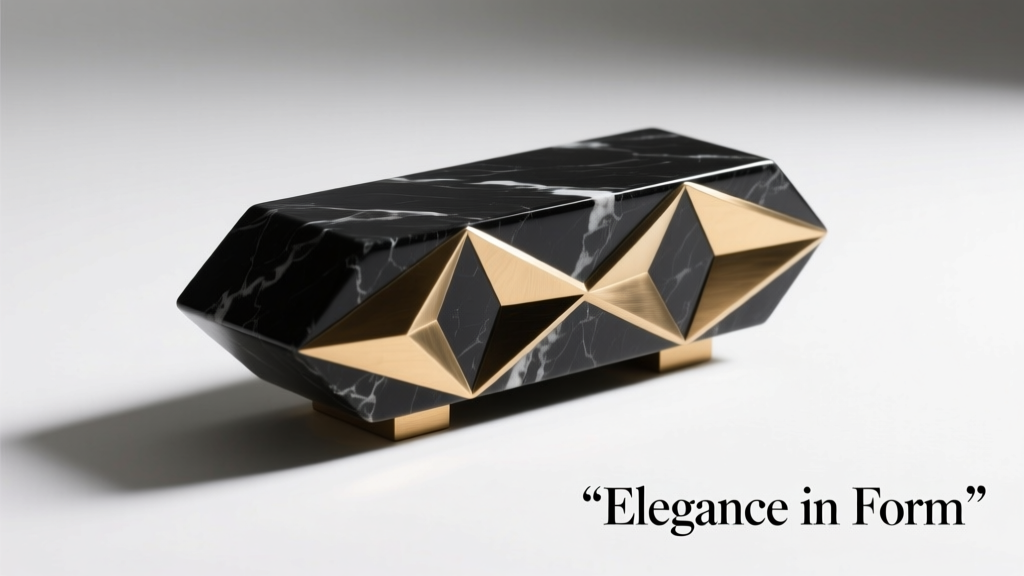
Types of Black Engineering Stone Marble
Black engineering stone marble refers to high-performance, synthetically processed marble variants designed for enhanced durability, dimensional stability, and aesthetic appeal in architectural and construction applications. These engineered stones combine natural marble elements with advanced binding technologies, making them ideal for both residential and commercial projects. Unlike natural marble, engineered black marbles offer improved resistance to cracking, staining, and weathering while maintaining the luxurious appearance of genuine stone.
The following are the most widely used types of black engineering stone marble, each offering unique visual characteristics, performance benefits, and application suitability.
Black Galaxy Marble
Originating from India, Black Galaxy marble features a deep black base adorned with shimmering gold or white speckles that resemble a starry night sky—hence the name "Galaxy." This engineered variant replicates the natural beauty with improved consistency and structural integrity.
Advantages
- Striking aesthetic with reflective speckles
- High polish finish enhances light reflection
- Suitable for both modern and traditional interiors
- Durable when properly sealed
Limitations
- Requires periodic sealing to prevent stains
- Can show scratches in high-traffic areas
- Slight variation in pattern consistency across batches
Best for: Kitchen countertops, bathroom vanities, feature walls, and luxury flooring
Black-and-White Striped Marble
This engineered marble showcases bold, linear streaks of white or gray across a dominant black background, creating a dramatic and contemporary visual effect. The consistent patterning makes it ideal for modern architectural designs.
Advantages
- Strong visual impact and modern appeal
- Versatile for both horizontal and vertical installations
- Available in large slabs with uniform patterns
- Excellent for statement designs in lobbies and foyers
Limitations
- High maintenance due to visible stains and etching
- Requires regular sealing and gentle cleaning
- May appear too bold for minimalist spaces
Best for: Feature walls, flooring, reception desks, and accent panels
Marquina Black Marble
Sourced originally from the Marquina region in Spain, this high-end engineered black marble is known for its deep black base and intricate white veining. The engineered version enhances the natural stone’s durability while preserving its luxurious appearance.
Advantages
- Luxurious, glossy finish ideal for upscale interiors
- Distinctive veining adds elegance and uniqueness
- Relatively low maintenance with routine cleaning
- Excellent for wall cladding and decorative features
Limitations
- Premium pricing compared to standard black marbles
- Veins can be delicate and prone to chipping if not handled carefully
- May require professional installation
Best for: Luxury flooring, bathroom walls, countertops, and high-end interior cladding
Black Polished Marble
A highly reflective, finely polished black marble that exudes sophistication and modernity. This engineered version offers a uniform, mirror-like finish that enhances spatial perception by reflecting ambient light.
Advantages
- Exceptional shine and depth of color
- Adds a sense of spaciousness to interiors
- Popular in contemporary and minimalist designs
- Resistant to surface wear when maintained properly
Limitations
- Shows fingerprints, dust, and water spots easily
- Requires frequent polishing to maintain luster
- Necessitates sealing to prevent liquid absorption
Best for: Entryways, elevator lobbies, kitchen islands, and polished flooring
Black Marble with White Veins
This elegant variant features a rich black background highlighted by natural or engineered white veins, creating a timeless contrast that blends classic and contemporary aesthetics. The engineered version ensures consistent vein patterns and improved structural strength.
Advantages
- Classic, sophisticated appearance
- Unique patterns enhance artistic value
- Cost-effective compared to rare natural variants
- Easy to maintain with basic cleaning routines
Limitations
- Vein areas may be slightly softer and require care
- Color consistency may vary between suppliers
- Not ideal for outdoor use without protective coating
Best for: Vanity tops, wall art, decorative slabs, and designer flooring
| Type | Aesthetic Appeal | Durability | Maintenance | Best Application |
|---|---|---|---|---|
| Black Galaxy Marble | High (sparkling speckles) | Good | Moderate (requires sealing) | Kitchen & bathroom countertops |
| Black-and-White Striped | Very High (bold contrast) | Good | High (frequent sealing needed) | Feature walls & commercial spaces |
| Marquina Black Marble | Excellent (luxurious veining) | Very Good | Low to Moderate | Luxury interiors & cladding |
| Black Polished Marble | Excellent (mirror-like shine) | Good | Moderate (regular polishing) | Foyers, flooring, and modern designs |
| Black Marble with White Veins | Excellent (classic elegance) | Good | Low to Moderate | Decorative elements & vanities |
Expert Tip: For all black engineering marbles, apply a high-quality impregnating sealer every 6–12 months to protect against stains and moisture absorption. Use pH-neutral cleaners to preserve the polish and avoid etching, especially on veined or polished surfaces.
How to Choose Black Engineering Stone Marble: A Complete Guide
Black engineering stone marble is a premium choice for both residential and commercial spaces due to its elegance, durability, and timeless appeal. Whether used for countertops, flooring, wall cladding, or feature installations, selecting the right black marble requires careful consideration of several key attributes. Understanding these factors ensures your selection enhances aesthetics, meets functional demands, and aligns with budgetary constraints.
Key Factors in Selecting Black Engineering Stone Marble
Color and Pattern
The depth and richness of black in marble can vary significantly—from deep onyx tones to softer charcoal hues. These variations influence the overall ambiance of a space, with deeper blacks offering a luxurious, modern feel, while lighter blacks provide subtle contrast and warmth.
Marble patterns, especially when combined with white, gray, or gold veins, contribute to the visual character. Subtle veining creates a refined, classic look ideal for minimalist or traditional interiors. Bold, dramatic veining adds a dynamic, high-end statement suitable for lobbies, kitchens, or accent walls. Matching the marble’s color and pattern with surrounding materials—such as cabinetry, tiles, or furniture—ensures a cohesive and harmonious design.
Finish Options
The finish applied to black marble significantly affects its appearance, texture, and suitability for different environments:
- Polished Finish: Offers a mirror-like shine that enhances depth and reflects light, making spaces appear larger and more luxurious. Ideal for walls, countertops, and formal flooring.
- Honed Finish: Provides a smooth, matte surface with minimal reflection. It’s less prone to showing scratches and water spots, making it excellent for high-traffic areas and bathrooms where slip resistance is important.
- Leathered Finish: Adds a textured, tactile surface that improves grip and hides wear. This rustic yet sophisticated finish works well in contemporary or industrial-style interiors and is highly durable for commercial applications.
Project Type and Application
The intended use of the space plays a crucial role in selecting the appropriate black marble:
- Luxury Residential Interiors: High-end options like Marquina Black or Black Galaxy are ideal for kitchens, bathrooms, and entryways, where aesthetics are paramount.
- Commercial Buildings: For lobbies, reception areas, or office interiors, engineered black marble with consistent veining and enhanced durability ensures long-term performance and professional appeal.
- High-Traffic Areas: In spaces like shopping malls or hotel corridors, consider polished engineered marble or quartz-composite alternatives that offer the look of natural stone with improved scratch and stain resistance.
Balancing visual impact with practicality ensures your marble remains beautiful and functional over time.
Vein Characteristics
Veins are the natural or engineered mineral streaks that define marble’s uniqueness. Their appearance directly influences both aesthetic value and cost:
Marbles with bold white or gold veins—such as Calacatta Black or Nero Marquina—are often used as focal points in high-design spaces. In contrast, slabs with fine, uniform veining offer a calm, elegant backdrop suitable for understated luxury.
Irregular or chaotic veining can create artistic, one-of-a-kind installations, while straight, symmetrical veins convey order and sophistication. Rarer vein patterns command higher prices due to limited availability and high demand in premium design markets.
Vein Patterns and Visual Impact
Vein patterns range from delicate hairline streaks to broad, sweeping rivers of color. The orientation—horizontal, vertical, or cross-directional—can influence the perceived size and flow of a room.
Vertical veining can make ceilings appear higher, while horizontal patterns enhance spatial width. Cross-hatched or net-like patterns add complexity and visual interest, ideal for statement pieces like kitchen islands or feature walls.
When selecting slabs, always view full sheets under proper lighting to assess vein continuity and pattern distribution. For large installations, book-matching adjacent slabs can create a stunning mirrored effect that highlights the stone’s natural beauty.
Material Quality and Consistency
Engineering stone marble—often a blend of natural marble powder and resins—offers enhanced consistency, strength, and customization compared to 100% natural marble. This makes it ideal for large-scale projects requiring uniform color and pattern control.
When evaluating quality, check for:
- Uniform density and absence of air pockets
- Consistent color and vein replication across slabs
- Resistance to chipping, cracking, and staining
- Certifications for durability and safety (e.g., ASTM standards)
Higher-quality engineered marble also allows for thinner profiles, enabling lightweight installations on walls or ceilings without compromising visual impact.
| Selection Factor | Design Impact | Best Use Cases |
|---|---|---|
| Deep Black with White Veins | High contrast, dramatic elegance | Kitchen islands, feature walls, luxury bathrooms |
| Subtle Gray Veining | Understated sophistication | Office interiors, minimalist homes, flooring |
| Polished Finish | Reflective, modern, luxurious | Countertops, entryways, accent surfaces |
| Honed or Leathered Finish | Matte, tactile, slip-resistant | Bathrooms, high-traffic floors, commercial spaces |
| Engineered Consistency | Uniform appearance, design control | Large installations, corporate lobbies, renovations |
Tips for Making the Final Choice
Important: Black marble, especially natural varieties, can be prone to etching from acidic substances and may show fingerprints or water marks. Proper sealing and maintenance are essential. Engineered marble typically offers better stain resistance but still requires care. Always follow manufacturer guidelines for cleaning and protection to preserve the stone’s beauty and longevity.
Maintenance and Repair of Black Engineered Stone & Marble
Black engineered stone and marble are prized for their elegance, durability, and timeless appeal in both residential and commercial spaces. However, these luxurious surfaces require proper care to maintain their beauty and structural integrity. Engineered stone (often a quartz composite) and natural marble have different compositions and sensitivities, so understanding their unique maintenance needs is essential for long-term performance.
Regular Cleaning
Cleaning black engineered stone and marble regularly is crucial to preserving their polished finish and preventing buildup of contaminants. Always begin by removing loose dust and debris using a soft, lint-free microfiber cloth or a non-abrasive dry mop. Avoid using rough scrubbers, steel wool, or stiff-bristled brushes, as they can scratch the surface—especially on softer natural marble.
- Use a pH-neutral cleaner specifically designed for stone surfaces to avoid chemical damage
- Dilute mild dish soap in warm water if a specialized cleaner isn’t available, but rinse thoroughly
- Never use acidic cleaners (vinegar, lemon juice), bleach, ammonia, or abrasive powders—these can etch marble and degrade resin binders in engineered stone
- Wipe spills immediately, especially those containing wine, coffee, oil, or citrus, to prevent staining
Best practice: Clean daily with a damp microfiber cloth and perform a deeper clean weekly.
Sealing for Protection
Sealing is a vital step in protecting natural black marble from stains and moisture penetration. While engineered stone is non-porous and generally does not require sealing, natural marble is porous and benefits greatly from a high-quality impregnating sealer.
- Apply a breathable, penetrating sealer every 6 to 12 months, depending on usage and foot traffic
- Test the need for resealing with the water droplet method: place a few drops of water on the surface; if it darkens or absorbs within 5–10 minutes, resealing is needed
- Ensure the surface is completely clean and dry before applying sealer
- Use a sealer compatible with calcium-based stones to avoid discoloration or residue
Pro tip: In high-moisture areas like bathrooms or kitchens, consider more frequent sealing (every 6 months).
Preventing Scratches and Etching
Despite their durability, both engineered stone and marble can be damaged by sharp objects and chemical exposure. Black marble, in particular, is susceptible to etching—dull spots caused by acidic substances reacting with the calcium carbonate in the stone.
- Always use coasters under glasses, especially those containing alcohol or citrus
- Place placemats or trivets under hot dishes and utensils to prevent thermal shock and scratches
- Add felt pads or soft glides to the bottom of furniture legs to avoid scratching during movement
- In high-traffic areas, use area rugs or walk-off mats to reduce grit accumulation and abrasion
- Avoid dragging heavy objects across the surface
Critical reminder: Even engineered stone can scratch under extreme pressure—treat it with care.
Addressing Stains and Scratches
When spills or damage occur, prompt and correct treatment is key to restoring the surface without causing further harm.
- For oil-based stains: Make a paste of baking soda and water, apply it to the stain, cover with plastic wrap, and leave for 24 hours before wiping clean
- For organic stains (coffee, wine): Use a hydrogen peroxide-based poultice (for light-colored stones) or a specialized stone cleaner
- Surface scratches: Light scratches can often be buffed out with a non-abrasive polishing compound designed for stone
- Deep scratches or etching: May require professional honing and repolishing to restore the original luster
- Severe damage: Cracks or chips should be repaired by a trained technician using color-matched epoxy or resin
Expert advice: Sanding or refinishing marble should only be performed by professionals to avoid uneven surfaces or loss of polish.
Professional Recommendation: For engineered stone, focus on gentle cleaning and scratch prevention. For natural black marble, combine regular sealing with immediate spill cleanup and cautious use of cleaning agents. When in doubt, consult the manufacturer’s care guidelines—many premium stone products come with specific maintenance protocols that optimize longevity and appearance.
| Issue | Black Marble (Natural) | Black Engineered Stone (Quartz Composite) | Recommended Action |
|---|---|---|---|
| Surface Staining | High susceptibility | Low susceptibility (if sealed properly) | Use poultice for marble; wipe immediately for engineered stone |
| Etching | Very high (reacts with acids) | Resistant (non-porous) | Neutralize acid spills immediately on marble |
| Scratching | Moderate (softer surface) | High resistance (harder composite) | Use cutting boards and protective pads |
| Sealing Required | Yes (every 6–12 months) | No (inherently non-porous) | Apply impregnating sealer only to natural marble |
| Heat Resistance | Moderate (can crack under thermal shock) | High (withstands moderate heat) | Always use trivets or hot pads |
Additional Maintenance Tips
- Polish Restoration: Use a stone-safe polishing cream every few months to enhance shine and mask fine scratches
- Grout Care: If installed with grout lines, keep them clean and resealed to prevent dirt buildup and discoloration
- Professional Servicing: Schedule professional deep cleaning and refinishing every 2–3 years for high-use areas
- Environmental Protection: Avoid placing near direct sunlight for prolonged periods to prevent fading or resin degradation in engineered stone
- Manufacturer Guidelines: Always follow care instructions provided by the stone fabricator or supplier for warranty compliance
Engineering Marble: Frequently Asked Questions
Welcome to our comprehensive Q&A guide on engineering marble, a popular and sophisticated material widely used in modern architecture and interior design. This section addresses the most common questions about black engineering marble — its composition, characteristics, applications, and how it differs from natural stone. Whether you're a designer, architect, or homeowner, this guide will help you understand the science and beauty behind this elegant material.
Quick Insight: Engineering marble is not just a design choice — it's a fusion of natural materials and advanced manufacturing, offering enhanced durability, consistency, and aesthetic versatility compared to natural marble.
Q1. What is meant by engineering marble?
A1: Engineering marble, particularly black engineering marble, is a man-made composite material designed to replicate and enhance the appearance and performance of natural marble. It is produced by crushing natural marble into fine particles, which are then mixed with high-quality resins and pigments. This mixture is compressed under vacuum and heat to form solid slabs. The result is a durable, non-porous, and visually consistent stone that combines the elegance of natural marble with improved structural integrity. Due to its sleek, high-tech appearance and deep black finish, it has become a preferred choice for luxury interior applications such as countertops, flooring, and wall cladding.
| Feature | Engineering Marble | Natural Marble |
|---|---|---|
| Composition | Crushed marble + resin + pigments | Pure metamorphic rock (calcite/dolomite) |
| Consistency | Uniform color and pattern | Varies naturally; veining may differ |
| Durability | High resistance to chipping and cracking | Softer; prone to etching and scratches |
| Maintenance | Low; non-porous, stain-resistant | High; requires sealing and careful cleaning |
Q2. What makes the black engineering marble stone black?
A2: The striking black color of engineering marble is primarily achieved through the addition of carbon-based pigments during the manufacturing process. However, the name "black marble" can be misleading, as it often refers to both natural and engineered variants. In natural black marble, the color develops over millions of years through metamorphism of limestone rich in organic carbon and magnesium. These impurities contribute to the deep black hue during recrystallization. In engineered versions, manufacturers precisely control the color using synthetic pigments, ensuring a consistent and intense black finish that appeals to modern design aesthetics. This controlled coloring process allows for uniform slabs ideal for large-scale architectural projects.
Design Tip: Black engineering marble’s consistent color makes it perfect for seamless installations in kitchens, bathrooms, and commercial spaces where visual continuity is key.
Q3. Why is marble used in engineering and construction?
A3: Black engineering marble and similar engineered stone slabs are extensively used in construction and interior design due to their exceptional blend of beauty, functionality, and durability. Their rich, glossy finish adds a sense of luxury and sophistication to any space. Common applications include:
- Flooring and Wall Cladding: Provides a polished, elegant surface suitable for lobbies, hallways, and feature walls.
- Countertops and Tabletops: Offers a smooth, heat-resistant, and easy-to-clean surface ideal for kitchens and dining areas.
- Columns and Ceiling Panels: Enhances architectural details with a high-end finish.
- Bathroom Vanities and Shower Surrounds: Resists moisture and staining when properly sealed.
The ability to polish engineering marble to a mirror-like finish makes it highly desirable for engineers and designers seeking both aesthetic appeal and practical performance. Additionally, its customizable size and reduced natural flaws make it more reliable than many natural stones in large-scale projects.
Note: While engineering marble is more durable than natural marble, it should still be protected from prolonged exposure to harsh chemicals and direct high heat to maintain its finish over time.
Q4. How can one distinguish between true marble and granite?
A4: Distinguishing between marble and granite is essential for proper material selection and maintenance. Here are the key differences:
- Origin: Marble is a metamorphic rock formed from limestone under intense heat and pressure, while granite is an igneous rock that crystallizes from molten magma beneath the Earth’s surface.
- Hardness: Granite is significantly harder (rated 6–7 on the Mohs scale) and highly resistant to scratches and abrasions. Marble, being softer (3–5 on the Mohs scale), can be easily scratched or etched by acidic substances like vinegar or lemon juice.
- Appearance: Marble typically features flowing veining in shades of white, gray, or black, whereas granite has a speckled or granular pattern with a variety of colors including pink, red, black, and green.
- Porosity: Marble is more porous and requires regular sealing; granite is less porous and naturally more stain-resistant.
- Use Cases: Granite is ideal for high-traffic areas like kitchen countertops, while marble is preferred for decorative applications such as fireplace surrounds, flooring, and vanity tops where aesthetics take priority.
A simple test involves applying a drop of vinegar: if it fizzes, the stone is likely marble (calcium carbonate reacts with acid); granite will show no reaction.
Expert Tip: When selecting stone for engineering or design projects, consider both aesthetics and environment. Use granite in high-wear areas and reserve marble — especially engineering marble — for spaces where visual impact and elegance are paramount.
Additional Recommendations
- Always request sample swatches to evaluate color and finish under your project’s lighting conditions.
- Consult with a fabricator to understand edge profiles, seam placement, and support requirements.
- For engineered marble, follow manufacturer guidelines for cleaning and maintenance to preserve luster.
- Consider UV exposure — some resins in engineered stone may discolor over time if used outdoors.
- Verify certifications for sustainability and low VOC emissions, especially in residential or commercial interiors.
Understanding the properties and applications of engineering marble empowers better decision-making in architectural and design projects. By combining the timeless beauty of marble with modern material science, engineering marble offers a smart, stylish, and sustainable solution for contemporary spaces.









