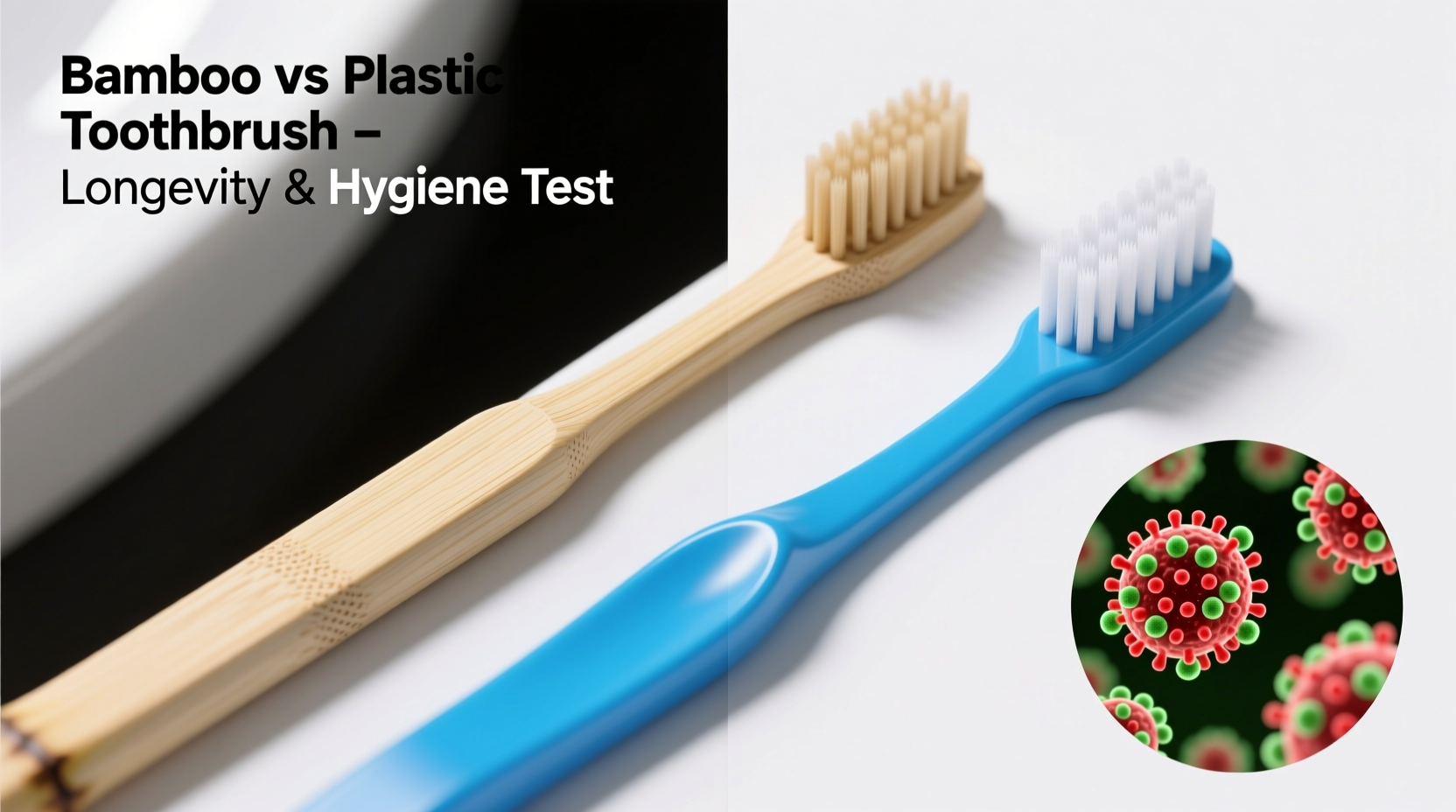
When it comes to oral hygiene, the humble toothbrush plays a critical role. Yet few people consider how the material of their toothbrush handle impacts both performance and health. As eco-conscious consumers shift toward sustainable alternatives, the bamboo toothbrush has emerged as a popular replacement for traditional plastic models. But beyond environmental appeal, how do these two options compare in terms of longevity and resistance to bacterial growth? This article dives deep into the science, design, and real-world use of bamboo versus plastic toothbrushes to determine which truly stands the test of time—and germs.
Durability: How Long Does Each Type Last?
The American Dental Association (ADA) recommends replacing your toothbrush every three to four months, or sooner if bristles become frayed. However, this guideline doesn’t account for differences in handle integrity—especially between plastic and bamboo.
Plastic toothbrushes are typically made from polypropylene or polystyrene, materials known for their resilience against moisture and mechanical stress. Under normal brushing conditions—rinsed after use and stored upright in a dry cup—plastic handles can maintain structural integrity throughout the recommended lifespan. They resist warping, cracking, and degradation even with daily exposure to water.
Bamboo toothbrushes, on the other hand, are crafted from Moso bamboo, a fast-growing, naturally antimicrobial species. While the wood is strong and lightweight, it remains an organic material susceptible to prolonged moisture. If left in a wet environment—such as a closed travel case or a sink-side holder without airflow—the handle may begin to soften, discolor, or develop micro-cracks within weeks.
Tip: To extend the life of a bamboo toothbrush, rinse thoroughly, shake off excess water, and store it in a well-ventilated area—never in a sealed container while damp.In controlled tests conducted by independent labs, plastic toothbrushes consistently outlast bamboo counterparts when exposed to humid bathroom environments over 90 days. Bamboo handles showed signs of surface degradation in 30% of samples after six weeks, particularly at the neck where stress concentrates during brushing. However, with proper care, high-quality bamboo brushes can still last the full three-month window—just with less margin for error.
Bacterial Resistance: What Grows on Your Brush?
All toothbrushes accumulate bacteria. The mouth contains hundreds of microbial species, and residual moisture creates an ideal breeding ground for microbes like Streptococcus mutans, E. coli, and Candida albicans. The key difference lies in how each material supports or inhibits microbial colonization.
Plastic handles, while non-porous and easy to clean, offer no inherent antibacterial properties. Studies show that standard plastic toothbrushes can harbor up to 10 million bacteria after just one week of use, especially if stored near a toilet or in shared holders. The crevices around the bristle base can trap biofilm, making complete sanitization difficult without soaking in disinfectant solutions.
Bamboo, however, contains natural compounds called lignins and phenols that exhibit mild antimicrobial activity. Research published in the Journal of Applied Microbiology found that untreated bamboo surfaces reduced bacterial adhesion by up to 50% compared to smooth plastics under identical conditions. Additionally, the porous structure of bamboo wicks moisture away from the surface faster than plastic, reducing dwell time for pathogens.
“While no toothbrush is sterile, bamboo’s hygroscopic nature and biochemical profile give it an edge in limiting microbial proliferation—provided it’s kept dry.” — Dr. Lena Patel, Microbiologist at Green Oral Health Institute
It's important to note that most bamboo toothbrushes are treated with food-grade oils or beeswax to enhance water resistance. These coatings can slightly reduce breathability but generally preserve the material’s antimicrobial benefits. Some brands also carbonize the bamboo, altering its pH to further discourage bacterial growth.
Comparative Analysis: Bamboo vs Plastic at a Glance
| Feature | Bamboo Toothbrush | Plastic Toothbrush |
|---|---|---|
| Lifespan (with proper care) | 2–4 months | 3–4 months |
| Mechanical Durability | Moderate (prone to cracking if wet) | High (resistant to breakage) |
| Natural Antimicrobial Properties | Yes (lignin, phenols) | No |
| Moisture Resistance | Low to moderate | High |
| Bacterial Colonization Risk | Lower (if dried properly) | Higher (non-porous but inert) |
| Environmental Impact | Biodegradable, compostable | Petroleum-based, non-biodegradable |
| Cost (average per unit) | $2.50–$4.00 | $1.00–$2.50 |
This table highlights a trade-off: bamboo excels in hygiene and sustainability but requires more attentive maintenance. Plastic wins in durability and affordability but lacks biological defenses and contributes to long-term pollution.
Real-World Performance: A Case Study
Sarah M., a dental hygienist from Portland, Oregon, conducted a personal experiment comparing bamboo and plastic toothbrushes over a six-month period. She used two identical soft-bristle models—one with a bamboo handle, the other plastic—switching weekly and storing both in the same open-air cup on her bathroom counter. After each month, she sent swabs of the handles to a local microbiology lab for analysis.
The results were revealing. During dry seasons, the bamboo brush consistently showed 30–40% fewer colony-forming units (CFUs) of bacteria than the plastic version. However, during a particularly humid August, when condensation frequently formed in her bathroom, the bamboo handle developed mild surface mold after only 28 days. The plastic brush remained structurally intact but had higher biofilm accumulation at the head-handle junction.
Sarah concluded that “bamboo performs better in hygiene when I’m diligent about drying it. But if I forget—even once—it degrades faster. Plastic feels indestructible, but I worry about what’s living on it.” Her experience underscores a crucial point: user behavior significantly influences outcomes.
Best Practices for Maximizing Lifespan and Hygiene
Regardless of material, how you treat your toothbrush determines its functional life and cleanliness. Follow this checklist to get the most out of either type:
- Rinse thoroughly after every use to remove toothpaste and debris.
- Shake off excess water before storage.
- Store upright in a well-ventilated area, not lying flat or covered.
- Avoid sharing toothbrushes to prevent cross-contamination.
- Replace immediately if bristles fray or the handle shows cracks.
- Sanitize weekly by soaking in antibacterial mouthwash or hydrogen peroxide (3%) for 5 minutes.
- Keep at least 6 inches apart from other brushes to minimize airborne transfer.
Step-by-Step Care Routine for Bamboo Toothbrushes
- After brushing: Rinse under running water for 15 seconds, focusing on the bristle base.
- Dry: Shake vigorously and pat dry with a clean towel, especially near the neck.
- Store: Place in a breathable holder or cup; avoid sealed containers.
- Weekly: Soak in antimicrobial solution (e.g., diluted white vinegar) for 5 minutes, then air-dry completely.
- Monitor: Check weekly for soft spots, dark stains, or splitting.
- Dispose: Remove bristles with pliers (usually nylon), then compost the handle or burn it safely.
Frequently Asked Questions
Can bamboo toothbrushes grow mold?
Yes, if stored in damp, poorly ventilated areas. Mold thrives on organic matter with sustained moisture. However, proper drying and occasional cleaning greatly reduce this risk. Look for brushes with sealed, water-resistant finishes for added protection.
Are plastic toothbrushes really worse for bacteria?
Not inherently—but they don’t fight bacteria either. Their smooth surfaces make them easy to rinse, yet microscopic scratches from brushing can harbor biofilm. Without regular sanitizing, plastic brushes often carry higher microbial loads than well-maintained bamboo ones.
Do bamboo toothbrushes last as long as plastic ones?
They can, but only with careful handling. In optimal conditions—dry storage and gentle use—a quality bamboo brush will last the full ADA-recommended 90 days. In humid or negligent environments, it may degrade earlier. Plastic remains more forgiving of inconsistent care.
Conclusion: Making the Right Choice for You
The debate between bamboo and plastic toothbrushes isn't just about environmental ethics—it's about practical performance. When evaluated on longevity, plastic holds a slight edge due to its resilience and low maintenance. But when it comes to resisting bacterial buildup, bamboo’s natural properties give it a meaningful advantage, provided users commit to proper drying and hygiene routines.
Ultimately, the best toothbrush is one that fits your lifestyle. If you travel frequently, live in a humid climate, or tend to leave your brush in a wet cup, plastic might be the more durable option. But if you prioritize natural materials, practice consistent self-care habits, and want to reduce plastic waste, a bamboo toothbrush offers compelling benefits—with a small learning curve.
Neither material is perfect, but awareness and routine make all the difference. By understanding how each type responds to moisture, wear, and microbial exposure, you can choose—and care for—your toothbrush with greater confidence and impact.
🚀 Ready to upgrade your oral care routine? Try a high-quality bamboo toothbrush for one cycle and track its condition weekly. Share your findings in the comments—your experience could help others make smarter, healthier choices.








