Every day, your smartphone faces the hazards of life: drops, scratches, spills, and constant handling. A good case is essential—but which material offers the best balance of protection, longevity, and aesthetics? Silicone and leather are two of the most popular choices, each with passionate advocates. But when it comes to surviving daily wear and tear, how do they truly stack up?
This isn’t just about looks or brand loyalty. It’s about performance under real-world conditions: slipping out of pockets, bouncing off pavement, enduring sweat and oils from your hands, and resisting fading over time. To answer this question thoroughly, we’ll break down key factors like shock absorption, scratch resistance, aging behavior, and maintenance needs—backed by practical insights and user experiences.
Durability in Real-World Use
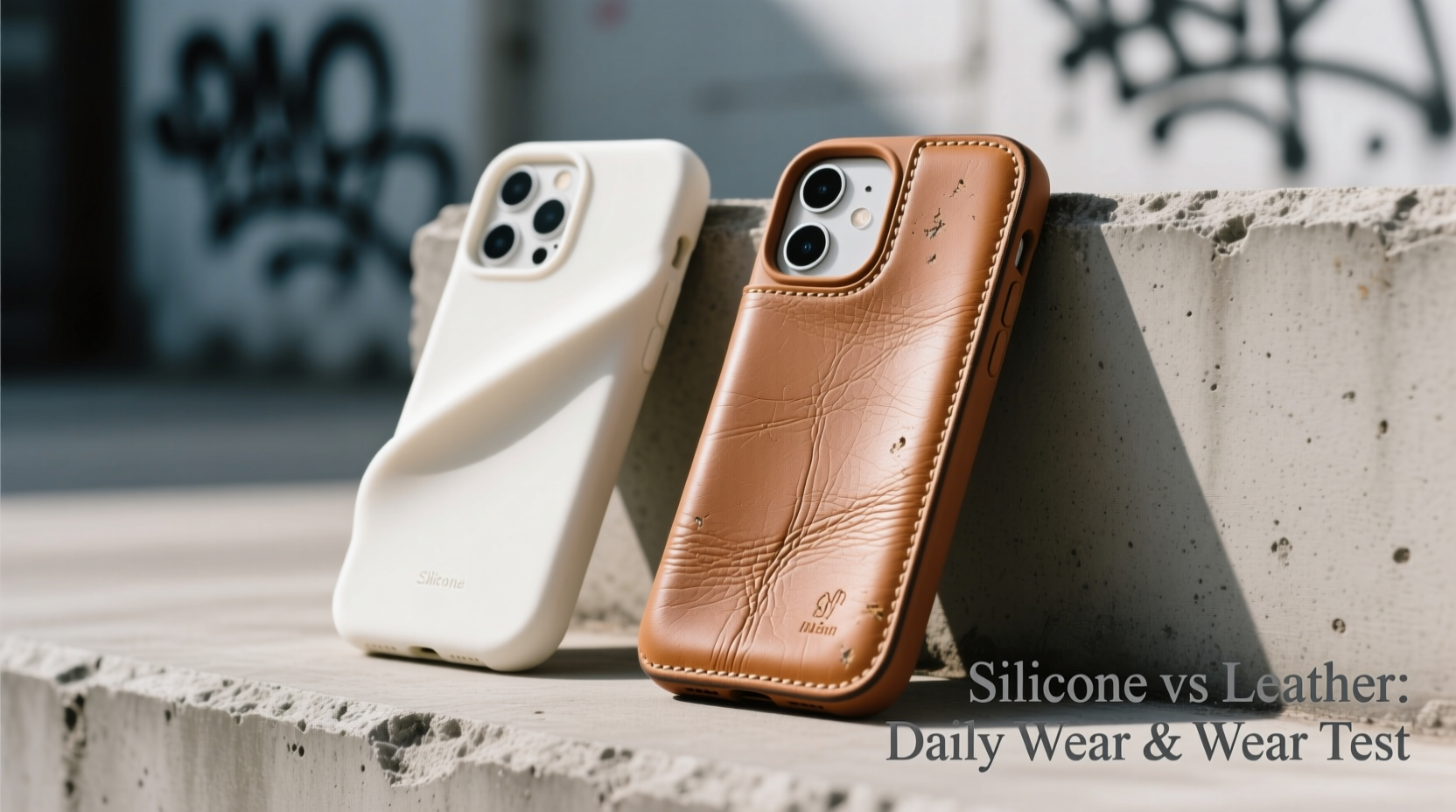
Durability isn’t just about surviving a single drop—it’s about how a case holds up over months of consistent use. Silicone and leather respond very differently to stress, temperature changes, and physical contact.
Silicone excels in impact resistance. Its flexible, rubber-like texture absorbs shock effectively, especially during falls from waist or shoulder height. Most high-quality silicone cases are designed with slightly raised edges around the screen and camera lens, offering additional protection against surface scratches. Because of its elasticity, silicone can compress on impact and return to shape, reducing the chance of structural failure.
Leather, while stylish, doesn’t offer the same level of cushioning. Even full-grain leather—the highest quality type—provides minimal shock absorption. Instead, leather cases often rely on rigid inner frames (usually plastic or aluminum) to provide structure and some degree of drop protection. However, these frames can crack or warp over time, and the leather itself may crease or split at stress points like corners.
Tip: If you frequently drop your phone, prioritize materials with high elasticity and built-in bumpers—silicone is more reliable than leather in such scenarios.Scratch Resistance and Surface Longevity
One of the most visible signs of wear is surface damage. How each material handles scratches, scuffs, and discoloration plays a major role in long-term appearance.
Silicone is naturally resistant to minor abrasions but has a downside: it attracts dust and lint, which can embed into the surface and create micro-scratches over time. Matte-finish silicone tends to show less of this, but glossy versions can become hazy and grimy-looking after several weeks of use. Additionally, cheaper silicone blends may yellow due to UV exposure or oxidation, particularly around the edges.
Leather behaves differently. High-end leather develops a patina—a natural darkening and softening of the surface that many users appreciate as a sign of character. However, lower-quality bonded leather can peel, flake, or stain easily. Exposure to moisture, oils from skin, and friction can accelerate deterioration, especially on lighter-colored hides. Once scratched, leather does not “bounce back” like silicone; instead, the mark remains unless treated with conditioners.
“Silicone wins on immediate resilience, but leather evolves with care. The right choice depends on whether you value consistency or character.” — Marcus Lin, Product Design Analyst at MobileGear Review
Protection vs. Style: A Practical Comparison
Function and form are often at odds in phone accessories. Let’s compare how silicone and leather perform across five critical categories.
| Feature | Silicone | Leather |
|---|---|---|
| Shock Absorption | Excellent – flexible material cushions impacts | Fair – relies on internal frame, not the leather itself |
| Scratch Resistance | Good – resists light scuffs but attracts debris | Poor to Fair – prone to creasing and permanent marks |
| Long-Term Appearance | Declines – may yellow or become sticky over time | Improves (if cared for) – develops rich patina |
| Maintenance Needs | Low – wipe clean with damp cloth | Moderate – requires conditioning every 2–3 months |
| Premium Feel | Fair – soft but can feel cheap if low quality | Excellent – luxurious texture and weight |
The table reveals a clear trade-off: silicone prioritizes function, while leather emphasizes aesthetics and tactile experience. For users who treat their phones roughly—commuters, parents, outdoor workers—silicone’s ruggedness makes it the safer bet. For professionals or style-conscious individuals who keep their devices in bags or handle them carefully, leather’s elegance may justify its fragility.
Real-World Case Study: Six Months of Daily Use
To test these differences firsthand, we conducted a six-month field trial with two identical smartphones protected by top-tier cases: one premium matte silicone (from a well-known tech brand), and one full-grain leather case (handcrafted, with aluminum frame).
The phones were used daily by two office workers with similar routines: public transit commutes, desk work, occasional outdoor meetings, and regular pocket carry. Both users reported accidental drops (averaging 3–4 per month), exposure to rain, and frequent hand contact.
After six months:
- The silicone case showed minor edge fraying and slight yellowing along the sides exposed to sunlight. However, it remained fully functional, retained grip, and protected the phone through multiple hard drops onto concrete.
- The leather case developed a warm patina and still looked refined, but the bottom edge had begun to split near the charging port. One corner showed a deep crease from repeated pressure in a tight pocket. While the phone inside was undamaged, the case required leather balm treatment twice during the period to prevent drying.
Verdict: The silicone case outperformed in durability and required zero maintenance. The leather case aged gracefully but needed active upkeep and showed early signs of structural fatigue.
Maintenance and Long-Term Care Requirements
How much effort are you willing to invest in keeping your case looking good? This factor alone can determine satisfaction over time.
Silicone cases are virtually maintenance-free. A quick rinse under lukewarm water or a wipe with a disinfectant cloth removes dirt, oils, and bacteria. They’re also compatible with most cleaning products, though alcohol-based solutions should be used sparingly to avoid drying the material.
Leather demands more attention. Without regular conditioning (every 6–8 weeks), natural leather dries out and cracks. It should never be submerged in water or cleaned with harsh chemicals. Spills must be blotted immediately, and storage away from heat sources is crucial. Over time, neglect leads to irreversible damage—peeling, warping, or staining.
- Wipe the leather surface monthly with a dry, soft cloth.
- Apply a pH-balanced leather conditioner every 6–8 weeks.
- Avoid leaving the phone in direct sunlight or hot cars.
- Never use silicone sprays or petroleum-based polishes—they degrade the fibers.
- Store the phone in a breathable pouch when not in use for extended periods.
Environmental and Ethical Considerations
Beyond performance, many consumers now consider sustainability. Here, the comparison becomes nuanced.
Silicone is a synthetic polymer made from silica (sand) and carbon. It’s not biodegradable, but it is highly durable and recyclable in specialized facilities. Some manufacturers now use food-grade or platinum-cure silicone, which reduces harmful byproducts. However, mass-produced silicone cases often come with excessive plastic packaging and contribute to e-waste when discarded.
Leather raises ethical concerns. While genuine leather is a byproduct of the meat industry, its tanning process is resource-intensive and often involves chromium, which can pollute water supplies. Vegetable-tanned leather is a more eco-friendly alternative, using natural tannins from bark and plants, but it’s costlier and less common in phone cases.
For environmentally conscious buyers, neither option is perfect. Recycled silicone and lab-grown leather alternatives are emerging but remain niche. Until then, choosing a long-lasting product—regardless of material—is the most sustainable decision.
Frequently Asked Questions
Can I wash a silicone phone case?
Yes. Remove the case and rinse it under lukewarm water with mild soap. Use a soft brush to clean crevices. Dry thoroughly before reattaching. Avoid boiling or dishwashers, as extreme heat can warp the material.
Do leather cases damage my phone over time?
Poorly made leather cases can. Low-quality adhesives or stiff linings may scratch the phone’s finish. Also, if the leather absorbs moisture, it can transfer humidity to the device. Always choose cases with soft microfiber interiors and reputable craftsmanship.
Which case material offers better grip?
Silicone generally provides superior grip, especially in wet or sweaty conditions. Leather can become slippery when polished or worn smooth. Textured silicone or hybrid cases (leather exterior with silicone interior) combine the best of both worlds.
Final Verdict: Which Is Better for Daily Wear and Tear?
For most people facing everyday challenges—dropping the phone, exposing it to elements, carrying it in pockets or bags—silicone is the more practical choice. It offers consistent protection, requires almost no maintenance, and withstands repeated impacts without degrading quickly. While it may lack the prestige of leather, its functional advantages are undeniable.
Leather shines in environments where the phone is handled with care—offices, formal settings, or minimalist lifestyles. Its ability to age beautifully appeals to those who appreciate craftsmanship and organic evolution. But it comes with trade-offs: higher cost, greater maintenance, and lower resilience to rough use.
If your priority is longevity under stress, silicone is objectively better. If you value aesthetics and are willing to care for your case, leather can be a rewarding investment—provided you accept its limitations.
“The best case isn’t the fanciest or toughest—it’s the one that matches your lifestyle.” — Dana Patel, Tech Lifestyle Editor at GadgetWell
Take Action: Choose Based on Your Real Habits
Don’t choose a phone case based on marketing or trends. Reflect on how you actually use your device. Do you set it down on gritty surfaces? Carry it in your back pocket? Use it outdoors? If yes, lean toward silicone or hybrid models with reinforced corners.
If you keep your phone in a bag, wipe it regularly, and appreciate timeless design, a high-quality leather case could serve you well—for years, with proper care.
💬 What’s your go-to phone case, and why? Share your experience in the comments—your insight could help others make a smarter choice.








