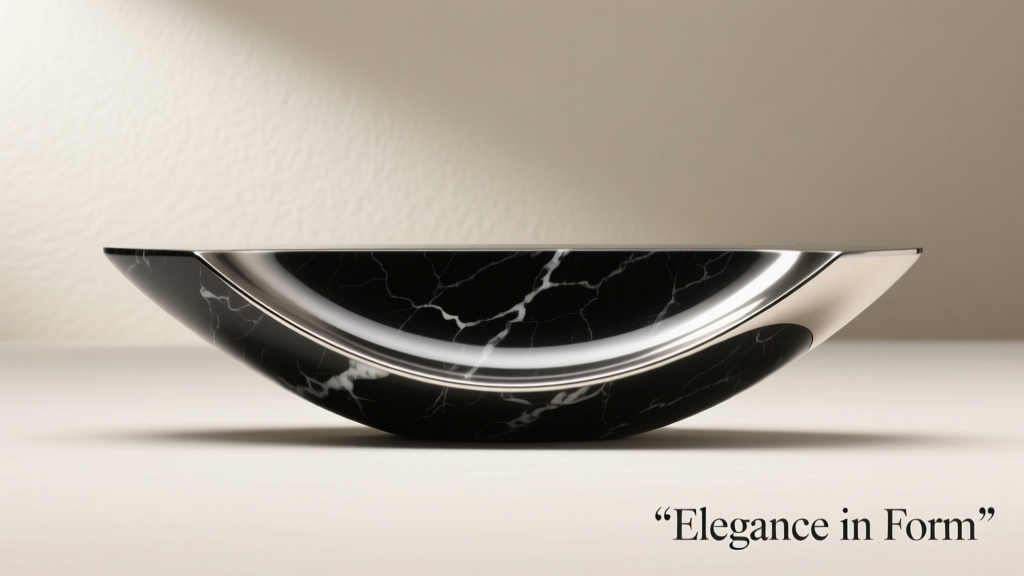
Types of Aluminum Roll Top Tables
An aluminum roll-top table combines durability, sleek design, and functional versatility, making it a popular choice for both residential and commercial spaces. Constructed from corrosion-resistant aluminum with a smooth-rolling cover mechanism, these tables offer secure, weather-resistant storage while maintaining a modern aesthetic. Their lightweight yet sturdy build ensures longevity and ease of use across various environments.
Available in multiple configurations, aluminum roll-top tables cater to diverse needs—from compact home offices to industrial workshops. Below is a detailed breakdown of the most common types, their features, benefits, and ideal use cases.
Basic Aluminum Roll Top Table
A minimalist design focused on functionality and clean appearance. Constructed primarily from standard-gauge aluminum with a seamless rolling cover, this model provides reliable protection from dust, moisture, and tampering.
Advantages
- Simple, modern design complements home or office decor
- Lightweight and easy to move
- Cost-effective entry-level option
- Roll-top cover saves space compared to hinged doors
Limitations
- Less resistant to heavy impacts
- Limited customization options
- May lack locking mechanisms in budget models
Best for: Home offices, garages, light-duty storage, residential use
Heavy-Duty Aluminum Roll Top Table
Engineered for rigorous use, this version features reinforced frames and thicker aluminum panels (typically 16–18 gauge) to withstand frequent access, heavy loads, and demanding environments.
Advantages
- Superior structural strength and impact resistance
- Ideal for industrial tools and equipment storage
- Longer lifespan under constant use
- Often includes locking systems and tamper-proof hardware
Limitations
- Heavier and less portable
- Higher cost than basic models
- Bulkier design may require more floor space
Best for: Workshops, manufacturing facilities, automotive garages, commercial storage
Aluminum Roll Top Table with Adjustable Shelves
Designed for maximum organizational flexibility, this model includes height-adjustable shelving inside the cabinet, allowing users to customize compartments based on item size and usage frequency.
Advantages
- Customizable interior layout
- Optimizes vertical space utilization
- Supports diverse item sizes—from small tools to large binders
- Improves accessibility and workflow efficiency
Limitations
- Slightly more complex assembly
- Adjustable mechanisms may wear over time
- Potential reduction in shelf weight capacity
Best for: Home offices, craft rooms, retail backrooms, educational settings
Multifunctional Aluminum Roll Top Table
A versatile solution integrating additional features such as pull-out drawers, fold-down work surfaces, built-in power outlets, or hybrid materials (e.g., wood accents or steel bases).
Advantages
- Combines storage, workspace, and utility in one unit
- Ideal for multi-role environments
- Enhanced ergonomics and productivity
- Modern, high-end appearance
Limitations
- Higher price point due to added features
- More components = increased maintenance needs
- Larger footprint may not suit small spaces
Best for: Home offices, maker spaces, mobile workstations, reception areas
Compact Aluminum Roll Top Table
Built for efficiency in tight spaces, this slim-profile version maintains full functionality while minimizing depth and footprint. Perfect for narrow hallways, closets, or under-counter installations.
Advantages
- Space-saving design ideal for small apartments or offices
- Portable and easy to reposition
- Roll-top mechanism doesn’t require clearance for door swing
- Great for temporary or mobile setups
Limitations
- Reduced storage capacity
- Fewer shelving options
- May feel cramped with multiple users
Best for: Apartments, dorm rooms, RVs, utility closets, mobile professionals
Outdoor-Rated Aluminum Roll Top Table
Specially treated with UV-resistant coatings, waterproof seals, and marine-grade aluminum alloys to endure prolonged outdoor exposure without rusting or degrading.
Advantages
- Weatherproof and corrosion-resistant
- Can remain outdoors year-round
- Protects contents from rain, snow, and humidity
- Low maintenance with minimal upkeep required
Limitations
- Premium pricing due to specialized materials
- May require periodic inspection of seals
- Color fading possible over extended sun exposure
Best for: Patios, poolside areas, outdoor kitchens, construction sites, garden sheds
| Type | Durability | Storage Flexibility | Ideal Environment | Average Use Case |
|---|---|---|---|---|
| Basic Model | Good | Low | Indoor, residential | General household storage |
| Heavy-Duty | Excellent | Medium | Industrial, commercial | Tool and equipment storage |
| Adjustable Shelves | Good | Excellent | Office, workshop | Custom organization needs |
| Multifunctional | Very Good | Excellent | Multi-use spaces | Workstation + storage combo |
| Compact | Good | Low | Small indoor spaces | Space-constrained environments |
| Outdoor-Rated | Excellent | Medium | Exterior, exposed areas | All-weather outdoor storage |
Expert Tip: To extend the life of your aluminum roll-top table, regularly clean the track mechanism and apply a silicone-based lubricant every 6–12 months. This ensures smooth operation and prevents debris buildup, especially in outdoor or high-use settings.
Design of Aluminum Roll-Top Table: Functionality, Durability, and Aesthetic Integration
The aluminum roll-top table is a versatile piece of furniture that blends modern engineering with sleek design. Its popularity stems from its ability to serve both functional and decorative purposes across residential, commercial, and office environments. Thoughtful design ensures durability, ease of use, and visual harmony with contemporary interiors. Below, we explore the core design elements that define a high-quality aluminum roll-top table, expanded for clarity, practical insight, and user value.
Core Design Elements of an Aluminum Roll-Top Table
Material Quality & Construction
The foundation of any premium roll-top table lies in its material composition. High-grade aluminum—specifically aerospace-grade or 6000-series alloys—is preferred for its excellent strength-to-weight ratio, corrosion resistance, and structural integrity.
To enhance longevity and visual appeal, manufacturers often apply either anodized or powder-coated finishes. Anodization creates a protective oxide layer that resists scratches, UV degradation, and moisture, while powder coating offers a broader color palette and superior resistance to chipping and fading. These treatments are especially important for outdoor or high-traffic indoor applications.
Additionally, reinforced joints, welded seams, and internal bracing contribute to overall rigidity, ensuring the table remains stable even under repeated use or heavy loads.
Roll-Top Mechanism & Security
The defining feature of this table is its roll-top cover, which slides vertically along curved or straight tracks to conceal or reveal the work surface. A well-designed mechanism ensures smooth, quiet operation with minimal effort.
Key components include:
- Side Rails: Made from precision-machined aluminum or stainless steel to prevent warping and ensure consistent movement.
- Roller System: Equipped with ball-bearing rollers or nylon glides to reduce friction and wear.
- Flexible Lamellas: Thin, interlocking slats (often made from reinforced aluminum or composite materials) that bend smoothly without cracking or jamming.
This mechanism not only protects stored items from dust and damage but also adds a layer of privacy and security, making it ideal for offices, reception areas, or homes with children.
Aesthetic Appeal & Design Flexibility
Aluminum roll-top tables embody modern minimalism, offering clean lines, reflective surfaces, and a futuristic aesthetic. Their sleek appearance complements a wide range of interior styles—from industrial lofts to Scandinavian homes and corporate lobbies.
Available in finishes such as brushed silver, matte black, bronze, or custom powder-coated colors, these tables can be tailored to match existing décor. Some models integrate LED lighting along the edges or beneath the roll-top for added ambiance and visibility.
Designers also consider proportions and symmetry, ensuring the table’s height, depth, and curvature contribute to visual balance and spatial harmony. This makes the piece not just functional, but a statement of contemporary design.
Ergonomics & User-Centered Functionality
A superior roll-top table prioritizes user comfort and practicality. The standard working height (typically 28–30 inches or 71–76 cm) aligns with ergonomic standards for seated tasks like writing, computing, or crafting.
The roll-top mechanism should require minimal force to operate—ideally opening and closing with one hand—while remaining secure when closed. Some advanced models include soft-close dampers or magnetic latches to prevent slamming and ensure quiet closure.
Additional functional features may include:
- Integrated cable management systems for electronics.
- Adjustable shelves or compartments inside the storage area.
- Lockable options for sensitive documents or equipment.
Synergy of Form and Function
The true hallmark of an expertly designed aluminum roll-top table is the seamless integration of form and function. Every element serves a dual purpose: the curved lamellas are not only visually striking but also engineered for stress distribution; the polished finish resists fingerprints while enhancing light reflection in small spaces.
This duality allows the table to transition effortlessly between roles—as a workspace, storage unit, room divider, or decorative centerpiece—without compromising on performance or style.
In commercial settings, this adaptability improves space utilization and professional presentation. In homes, it supports multi-functional living areas where aesthetics and utility must coexist.
Environmental & Long-Term Considerations
Aluminum is 100% recyclable and requires significantly less energy to recycle than to produce from raw ore, making it an eco-friendly choice. Tables constructed with sustainable practices and non-toxic finishes appeal to environmentally conscious consumers.
Long-term value is enhanced by low maintenance needs: occasional wiping with a damp cloth and mild detergent is usually sufficient. Unlike wood, aluminum does not warp or rot; unlike steel, it does not rust—ensuring decades of reliable service with minimal upkeep.
| Design Feature | Functional Benefit | Recommended Standard |
|---|---|---|
| Aluminum Grade | Strength, lightweight, corrosion resistance | 6061-T6 or 6005A alloy with anodized finish |
| Roll-Top Mechanism | Smooth operation, secure closure | Ball-bearing rollers with reinforced side rails |
| Surface Finish | Scratch resistance, aesthetic versatility | Durable powder coating or Type II anodization |
| Ergonomic Height | User comfort during prolonged use | 28–30 inches (71–76 cm) |
| Integrated Storage | Clutter reduction, space efficiency | Adjustable interior shelves with soft-close option |
Design Tips for Optimal Performance and Integration
Important: Always purchase aluminum roll-top tables from reputable manufacturers who provide detailed specifications, warranty coverage, and compliance with safety standards (e.g., ANSI/BIFMA for furniture). Poorly engineered mechanisms or substandard materials can lead to premature failure, safety hazards, or voided warranties. Regular inspection of rollers and tracks ensures long-term smooth operation.
Scenarios of Aluminum Roll-Top Tables
Aluminum roll-top tables are versatile, durable, and lightweight storage solutions designed for a wide range of environments. Their unique combination of corrosion resistance, portability, and secure design makes them ideal for both everyday and specialized applications. From homes to emergency relief zones, these tables offer flexible, weather-resistant storage that adapts to diverse needs.
Residential Use
In homes, aluminum roll-top tables serve as stylish and functional storage units in living rooms, kitchens, home offices, and garages. Their sleek, modern appearance complements contemporary interiors while providing secure access to personal items.
- Perfect for storing documents, books, craft supplies, or small tools
- Weather-resistant finish makes them suitable for sunrooms, patios, or utility areas
- Roll-top design offers privacy and keeps clutter out of sight
- Lightweight yet sturdy—easy to reposition within the home
Design Tip: Choose powder-coated finishes to match home décor and enhance scratch resistance.
Commercial & Industrial Settings
Widely used in workshops, garages, warehouses, and retail spaces, these tables provide durable, lockable storage for tools, equipment, and inventory in high-traffic or demanding environments.
- Heavy-duty aluminum construction withstands frequent use and rough handling
- Corrosion-resistant properties ensure longevity in humid or chemical-exposed areas
- Roll-top mechanism allows quick access while protecting contents from dust and tampering
- Ideal for organizing shared workspaces or securing valuable tools
Pro Insight: Pair with locking mechanisms for added security in industrial facilities.
Educational Institutions
Schools, vocational training centers, and maker labs use aluminum roll-top tables to store teaching aids, science equipment, art supplies, and student projects safely and efficiently.
- Durable enough to endure daily use by students and staff
- Rust-resistant for use in science labs, woodshops, or outdoor classrooms
- Keeps sensitive or hazardous materials securely stored when not in use
- Easy to clean and maintain—ideal for hygienic environments
Classroom Benefit: Encourages organization and responsibility among students.
Outdoor & Recreational Use
Popular among campers, RV travelers, and outdoor enthusiasts, these tables offer portable, all-weather storage for gear, cooking supplies, and electronics during trips or temporary setups.
- Lightweight and easy to transport—fits well in vehicles or storage compartments
- Resists rain, UV exposure, and temperature fluctuations
- Provides secure storage at campsites, tailgates, or mobile kitchens
- Quick setup and breakdown make them ideal for on-the-go lifestyles
Traveler’s Note: Use foam liners inside to protect delicate items during transit.
Workshops & Makerspaces
In creative and technical workshops, aluminum roll-top tables help maintain order and protect tools, components, and prototypes from dust, spills, and accidental damage.
- Roll-top cover keeps workbenches clean and organized between sessions
- Durable surface can double as a work platform for light tasks
- Customizable interiors with shelves or dividers for specialized tools
- Non-conductive material adds safety in electronics or welding areas
Maker’s Advantage: Ideal for shared spaces where multiple users need secure, personal storage.
Emergency & Relief Situations
During disasters or humanitarian crises, these tables are deployed as mobile storage units for medical supplies, communication devices, and survival gear due to their resilience and ease of transport.
- Withstands harsh outdoor conditions—rain, mud, heat, and wind
- Quickly deployable in field hospitals, relief camps, or command centers
- Lightweight design allows for air or vehicle transport to remote areas
- Secure roll-top protects critical supplies from theft or contamination
Humanitarian Use: Frequently used by NGOs and disaster response teams for reliable field storage.
Expert Recommendation: When selecting an aluminum roll-top table, consider the environment it will be used in. For indoor settings, prioritize aesthetics and ease of access. For outdoor or industrial use, focus on reinforced construction, locking features, and protective coatings. Models with modular interiors offer greater adaptability across multiple scenarios.
| Application | Key Benefits | Recommended Features | Lifespan (Est.) |
|---|---|---|---|
| Residential | Style, organization, moderate durability | Smooth finish, compact size, quiet roll mechanism | 8–12 years |
| Commercial/Industrial | Strength, security, frequent access | Reinforced frame, lockable latch, anti-corrosion coating | 10–15+ years |
| Educational | Durability, safety, easy maintenance | Chamfered edges, chemical-resistant coating, modular trays | 7–10 years |
| Outdoor/Recreational | Portability, weather resistance, lightweight | UV-resistant finish, rubberized seals, carrying handles | 5–8 years |
| Emergency Use | Ruggedness, rapid deployment, protection | Lockable, stackable design, impact-resistant aluminum | 6–10 years |
Additional Considerations
- Customization: Many models support add-ons like shelves, drawers, or power outlets for enhanced functionality
- Security: Integrated locks or padlock-compatible latches improve safety in public or shared spaces
- Maintenance: Requires minimal upkeep—occasional wiping with mild soap and water preserves finish
- Sustainability: Aluminum is fully recyclable, making these tables an eco-friendly choice
- Ergonomics: Smooth-rolling mechanisms reduce strain during daily use
Specification & Maintenance of Aluminum Roll Top Table
An aluminum roll-top table is a durable, functional, and weather-resistant solution ideal for workshops, garages, outdoor storage, and industrial environments. To ensure optimal performance and longevity, it's essential to understand its key specifications and follow proper maintenance practices. This guide provides a comprehensive overview of what defines a high-quality aluminum roll-top table and how to care for it effectively.
Important Note: While aluminum is naturally corrosion-resistant, improper care or exposure to harsh chemicals can compromise its finish and structural integrity. Always follow manufacturer guidelines for cleaning and maintenance to preserve both appearance and function.
Key Specifications of Aluminum Roll-Top Tables
Understanding the technical and design features of your roll-top table ensures you select the right model for your needs and maintain it appropriately.
- Material Quality: High-performance roll-top tables are constructed from premium-grade aluminum alloys (such as 6061 or 6063-T6), known for their excellent strength-to-weight ratio, resistance to rust, and structural durability. Unlike steel, aluminum does not corrode in humid or coastal environments, making it ideal for both indoor and outdoor use.
- Dimensions & Customization: These tables are available in a variety of standard sizes, with common roll-top widths ranging from 36 to 72 inches, depths of 24 to 30 inches, and adjustable heights (typically 30–36 inches). Many manufacturers offer custom sizing to fit specific workspace requirements, ensuring seamless integration into your environment.
- Surface Finish: The aluminum surface is typically treated with either anodized or powder-coated finishes:
- Anodized Finish: Electrochemically enhances the natural oxide layer, improving scratch and UV resistance while offering a sleek metallic appearance.
- Powder-Coated Finish: Provides a thicker, colored protective layer that resists chipping, fading, and chemical exposure. Available in multiple colors to match branding or aesthetic preferences.
- Handle & Locking Mechanisms: Ergonomic handles ensure smooth operation of the rolling shutter, while integrated locking systems (keyed or combination) provide security for stored tools and equipment. Look for mechanisms made from stainless steel or reinforced polymer to prevent wear and tampering.
- Load-Bearing Capacity: Industrial-grade models are engineered to support heavy loads—typically between 300 to 600 pounds—distributed evenly across the work surface. This makes them suitable for holding machinery, toolboxes, inventory, or work-in-progress materials without sagging or deformation.
Essential Maintenance Tips for Longevity
Regular upkeep not only preserves the appearance of your aluminum roll-top table but also ensures smooth functionality and extended service life.
- Regular Cleaning: Clean the surface weekly (or more often in dusty environments) using mild soap and lukewarm water. Use a soft cloth or sponge to avoid scratching the finish. Rinse thoroughly and dry with a microfiber towel to prevent water spots. Avoid abrasive cleaners, bleach, or ammonia-based products that can damage the protective coating.
- Lubricating the Roll-Top Mechanism: Apply a silicone-based lubricant or dry Teflon spray to the rollers and track every 3–6 months, depending on usage. This prevents sticking, reduces friction, and protects against moisture buildup. Avoid oil-based lubricants, which attract dust and grime.
- Addressing Surface Damage: Minor scratches or dents can be treated with an aluminum repair compound or touch-up paint matching the original finish. For deeper damage, consult the manufacturer for panel replacement options. Prompt attention prevents moisture ingress and maintains structural integrity.
- Protecting from Harsh Conditions: Although aluminum is weather-resistant, prolonged exposure to extreme temperatures, salt spray, or industrial pollutants can degrade the finish over time. Use a breathable, UV-resistant protective cover during winter months or extended non-use periods to shield the table from environmental wear.
- Periodic Inspections: Conduct monthly checks of moving parts, hinges, locking mechanisms, and structural joints. Look for signs of wear, misalignment, or looseness. Tighten fasteners as needed and replace worn components promptly to avoid operational issues or safety hazards.
| Maintenance Task | Frequency | Recommended Tools/Products | Benefits |
|---|---|---|---|
| Surface Cleaning | Weekly or as needed | Mild detergent, soft cloth, water | Prevents staining and maintains appearance |
| Roll-Top Lubrication | Every 3–6 months | Silicone spray or dry Teflon lubricant | Ensures smooth operation and prevents jamming |
| Hardware Inspection | Monthly | Flashlight, screwdriver, inspection checklist | Identifies wear early, prevents breakdowns |
| Finish Touch-Up | As needed (after damage) | Aluminum repair compound, matching paint | Restores protection and aesthetics |
| Seasonal Covering | Winter or long-term storage | UV-resistant breathable cover | Protects against weather and debris |
Expert Tip: To maximize the lifespan of your aluminum roll-top table, establish a simple maintenance log. Record cleaning dates, lubrication cycles, and any repairs. This proactive approach helps track performance trends and supports warranty claims if needed.
Additional Recommendations
- Store the roll-top in the closed position when not in use to protect the interior workspace from dust and debris.
- Avoid placing excessively hot objects directly on the surface, as thermal shock can affect the finish.
- Do not overload the table beyond its rated capacity—check the manufacturer’s specifications to ensure safe usage.
- Consider installing the table on a level, stable surface to prevent stress on the frame and ensure smooth shutter operation.
- For commercial or industrial use, schedule a professional inspection annually to assess structural integrity and compliance with safety standards.
By understanding the specifications and committing to regular maintenance, your aluminum roll-top table can remain a reliable, secure, and attractive asset for years to come. Whether used in a workshop, warehouse, or outdoor facility, proper care ensures peak performance and long-term value.
Frequently Asked Questions About Aluminum Roll-Top Tables
Q1: Are aluminum roll-top tables suitable for outdoor use?Yes, aluminum roll-top tables are highly suitable for outdoor environments, especially when constructed with corrosion-resistant aluminum and finished with a weather-protective coating. These coatings—often powder-coated or anodized—help shield the roll-top mechanism and exposed surfaces from moisture, UV exposure, and temperature fluctuations. Unlike steel, aluminum does not rust, making it an excellent choice for patios, decks, or garden areas. However, for prolonged exposure to harsh climates (such as coastal salt air or heavy rain), periodic inspection and maintenance can further extend the table’s lifespan.
Q2: What should be done to enhance the movement of the roll-top?To ensure smooth and effortless operation of the roll-top mechanism, regular lubrication is essential. Use a silicone-based or dry Teflon lubricant specifically designed for metal mechanisms—avoid oil-based products that can attract dust and debris. Apply the lubricant to the tracks, rollers, and hinges every 3–6 months, depending on usage. Wipe away excess to prevent buildup. This maintenance not only improves glide but also reduces wear on moving parts, helping to preserve the table’s functionality and longevity.
Q3: How should the aluminum roll-top table be cleaned most effectively?The best way to clean an aluminum roll-top table is with a gentle solution of lukewarm water and mild dish detergent using a soft microfiber cloth or sponge. Gently wipe down the surface, including the roll-top slats and frame, to remove dirt, grime, and fingerprints. Rinse with clean water and dry thoroughly with a soft towel to prevent water spots. Avoid abrasive cleaners, steel wool, or harsh chemicals (such as bleach or ammonia), as these can scratch or degrade the protective finish and lead to premature oxidation or discoloration.
Q4: Can aluminum roll-top tables be constructed in custom sizes?Absolutely. One of the key advantages of aluminum roll-top tables is their adaptability to custom design requirements. Manufacturers can fabricate these tables to specific dimensions based on client needs—whether for a compact balcony, a large commercial patio, or a unique indoor space. Customization options often include not only size but also color finishes, hardware style, and roll-top mechanism type. This makes them ideal for both residential and commercial applications where standard sizes may not fit the available space or aesthetic vision.
Q5: Are aluminum roll-top tables suitable for storage in a garage?Yes, aluminum roll-top tables are an excellent choice for garage storage due to their inherent durability and resistance to common garage hazards. Aluminum is impervious to rust, resistant to stains from oil, chemicals, and moisture, and less prone to dents than softer metals. Its low-maintenance nature means it won’t degrade over time even in less-than-ideal storage conditions. Additionally, the roll-top design offers built-in protection for stored items underneath, keeping tools or equipment secure and shielded from dust and debris.









