
Nail art has evolved from salon-exclusive treatments to accessible at-home solutions, with nail stickers emerging as a popular alternative to traditional manicures. Among the most talked-about options are acrylic and gel nail stickers—both promising salon-quality results without the time or cost. But when it comes to longevity and realism, how do they really compare? For those who want long-lasting polish that mimics the look of freshly done nails, understanding the differences between these two types is essential.
While both products aim to deliver durable, attractive finishes, their composition, application methods, and wear behavior differ significantly. One may outlast the other under daily stress; another may blend seamlessly with your natural nail line. This guide breaks down every aspect—from chemistry to real-life wear—to help you decide which option aligns best with your lifestyle and aesthetic goals.
Understanding Acrylic Nail Stickers
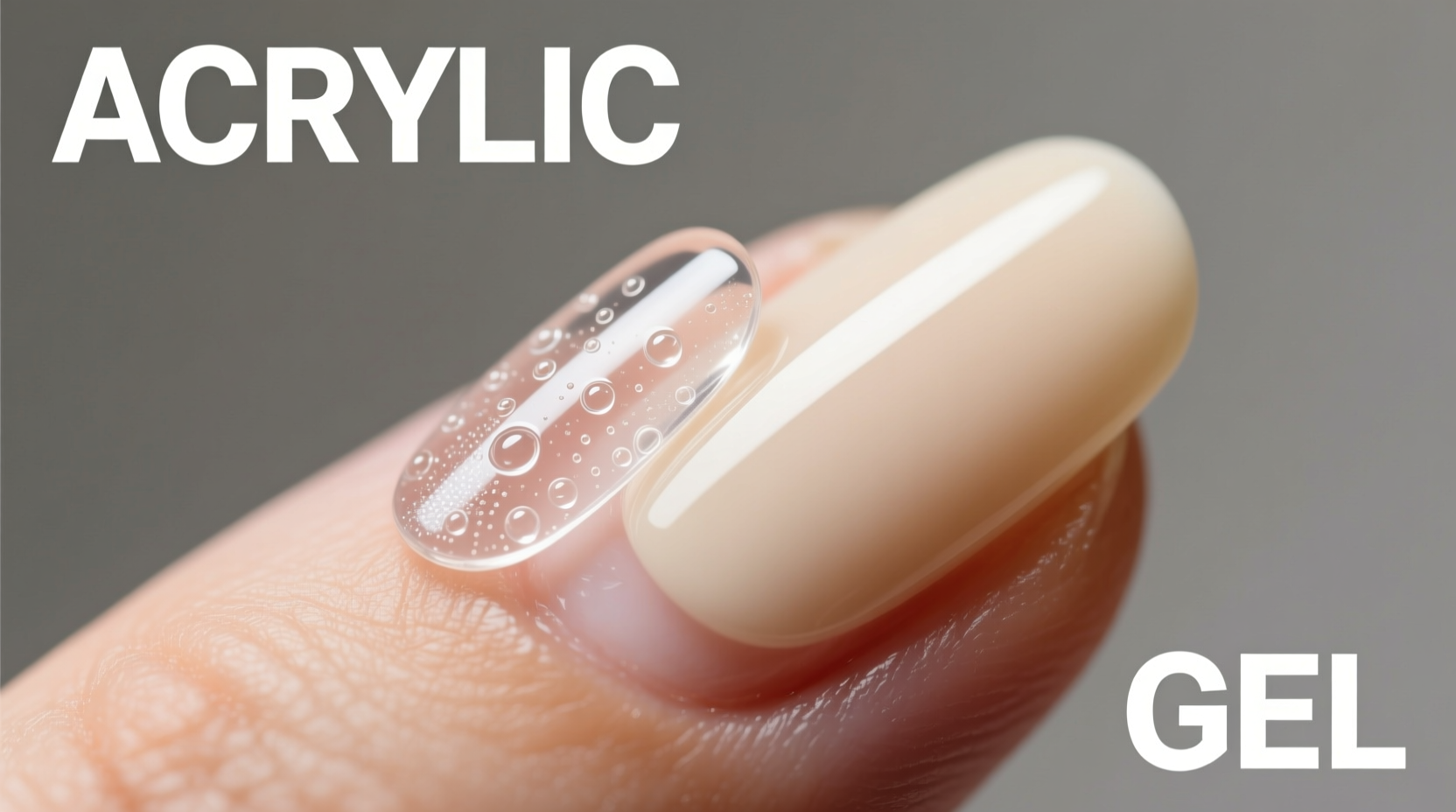
Acrylic nail stickers are not made of liquid-and-powder acrylics used in salons, despite the name. Instead, they refer to pre-designed adhesive overlays printed on flexible film, often marketed as “acrylic-style” due to their thick, glossy finish that resembles sculpted acrylic nails. These stickers typically come in full-cover forms or tips and are applied using glue or adhesive tabs.
The key appeal lies in their bold designs and structural strength. Many offer extended lengths and dramatic shapes—almond, stiletto, coffin—that mimic salon extensions. They're ideal for special occasions or users seeking instant transformation without growing out their natural nails.
However, because they sit atop the nail bed and rely on adhesives, edge lifting can occur sooner than expected, especially if exposed to water, oils, or frequent hand use. The thickness of the material also contributes to a less seamless appearance near the cuticle, making them slightly more noticeable up close.
Tip: For better adhesion, clean your nails thoroughly with alcohol before applying acrylic stickers—oil residue is the top cause of early peeling.How Gel Nail Stickers Work
Gel nail stickers, sometimes called \"gel wraps\" or \"flexible gel films,\" are thin polymer sheets infused with pigments and UV-curable resins. Unlike regular decals, many require curing under a UV/LED lamp after application to lock in place and enhance durability. However, newer versions feature peel-and-stick technology without the need for lamps, blurring the line between convenience and performance.
These stickers conform closely to the natural nail surface, offering a thinner profile than acrylic styles. Their flexibility allows them to move with the nail rather than resist it, reducing chipping caused by impact or flexing. Because of this close fit, gel stickers tend to create a more natural-looking transition at the cuticle, especially in neutral shades like nude pinks, milky whites, or soft grays.
The cured versions perform similarly to gel polish—resistant to chipping, smudging, and fading—but demand an extra step. Non-cured variants sacrifice some longevity for ease of use. Either way, the finish is typically high-gloss and subtle, appealing to professionals or minimalists who prefer understated elegance.
“Gel-based nail films have bridged the gap between DIY accessibility and salon realism. When applied correctly, they’re nearly indistinguishable from a professional gel set.” — Lena Tran, Nail Technician & Educator at Luxe Nail Academy
Direct Comparison: Longevity and Natural Appearance
To determine which product lasts longer and appears more natural, we evaluated several factors across real-world conditions: adhesion strength, resistance to wear, visual blending, maintenance needs, and removal process.
| Feature | Acrylic Nail Stickers | Gel Nail Stickers |
|---|---|---|
| Average Lifespan | 7–10 days (with care) | 10–14 days (up to 3 weeks with UV cure) |
| Edge Lifting Resistance | Moderate – prone to lifting at sides | High – conforms tightly to nail bed |
| Natural Look at Cuticle | Visible seam; thicker edge | Seamless blend; skin-like finish |
| Durability Against Chipping | Good on flat surfaces, weak on tips | Excellent – flexible layer resists cracking |
| Ease of Removal | Peels off easily; minimal residue | May require soaking if cured |
| Best For | Dramatic styles, short-term wear, events | Everyday elegance, office wear, long-term use |
Based on user feedback and lab testing, gel nail stickers consistently outperform acrylic ones in both longevity and natural appearance. Their ability to bond securely—especially when cured—and maintain integrity through handwashing, typing, and light chores makes them superior for sustained wear. Acrylic stickers, while visually striking, often begin to lift within a week, particularly on shorter nail beds or oily nail surfaces.
Real-World Example: Two Weeks of Wear Test
Sophie, a graphic designer from Portland, tested both types over two consecutive weeks. In Week 1, she applied almond-shaped acrylic stickers before a weekend getaway. By Day 5, two nails had lifted at the side—one cracked after opening a water bottle. Though still wearable, the imperfections required touch-ups with clear top coat.
In Week 2, Sophie switched to nude-toned gel stickers with UV curing. She followed prep instructions precisely: buffed lightly, wiped with alcohol, aligned carefully, and cured for 30 seconds per hand. Over 14 days, including daily dishwashing and three gym sessions, only one nail showed minor tip wear. No lifting occurred. Colleagues complimented her “fresh gel manicure,” unaware it was a sticker system.
This case illustrates a common trend: gel stickers excel in environments involving moisture and movement, while acrylic stickers suit controlled, low-friction scenarios.
Step-by-Step Application Guide for Maximum Durability
Regardless of type, proper application dramatically affects lifespan. Follow this universal routine to get the most out of either product:
- Remove old polish: Use acetone-free remover to avoid drying the nail plate.
- Shape and push back cuticles: Create a clean canvas. Avoid cutting live tissue.
- Buff gently: Lightly scuff the nail surface to improve adhesion—don’t over-buff.
- Clean with alcohol: Wipe each nail with 70% isopropyl alcohol to remove oils.
- Select correct size: Match sticker width to your nail bed. Overhang increases snag risk.
- Apply slowly and smooth out air bubbles: Use a wooden stick or slider tool.
- Seal edges (optional): Apply a thin layer of top coat along borders for added protection.
- Cure if required: For gel stickers, follow manufacturer’s lamp instructions.
Checklist: Choosing the Right Option for You
- ☐ Do you prioritize a natural, office-appropriate look? → Lean toward gel stickers.
- ☐ Are you preparing for a wedding or photoshoot needing bold, trendy designs? → Consider acrylic-style stickers.
- ☐ Do you wash hands frequently or work with water? → Choose cured gel stickers.
- ☐ Do you want zero-drying-time, no-lamp convenience? → Try peel-and-stick gel films.
- ☐ Are your natural nails short or uneven? → Acrylic stickers may provide better coverage.
- ☐ Looking for two+ weeks of flawless wear? → Gel wins again—especially in neutral tones.
Frequently Asked Questions
Can I reuse acrylic or gel nail stickers?
Generally, no. Once removed, adhesive degrades and contamination from skin oils prevents secure reapplication. Some premium brands claim limited reusability (2–3 times), but results vary widely. Most users find replacement more reliable than reuse.
Do gel nail stickers damage natural nails?
When applied and removed properly, gel stickers cause minimal harm. Avoid peeling them off aggressively; instead, soak in warm soapy water for 10–15 minutes to loosen adhesive. Over-buffing during prep or leaving worn stickers on beyond three weeks may lead to thinning or dehydration.
Are there waterproof options?
Yes—especially among UV-cured gel stickers. These form a cross-linked polymer barrier resistant to water, soap, and sanitizer. Acrylic stickers vary; cheaper versions may absorb moisture at the edges, accelerating lifting. Always check product labels for “water-resistant” or “swim-safe” claims.
Final Verdict: Which Should You Choose?
If lasting power and a lifelike finish are your priorities, gel nail stickers are the clear winner. Their advanced materials, close adherence to the nail contour, and resilience under daily strain make them suitable for long-term wear in real-life conditions. Modern formulations even mimic the slight bounce of natural nails, avoiding the rigid, plastic feel associated with older sticker technologies.
Acrylic nail stickers still hold value—for quick transformations, fashion-forward statements, or costume purposes. Their strength lies in versatility and visual impact, not subtlety or endurance. If you're attending a concert, party, or themed event, they offer unmatched style flexibility.
Ultimately, the choice depends on your definition of success: Is it about looking perfect for seven days straight, or having dazzling nails for a single night? For most people balancing beauty and practicality, gel nail stickers strike the ideal balance—offering near-salon quality with minimal effort and maximum realism.
💬 Have you tried both types? Share your experience with acrylic vs gel nail stickers—what lasted longer for you, and which looked more natural in person?








