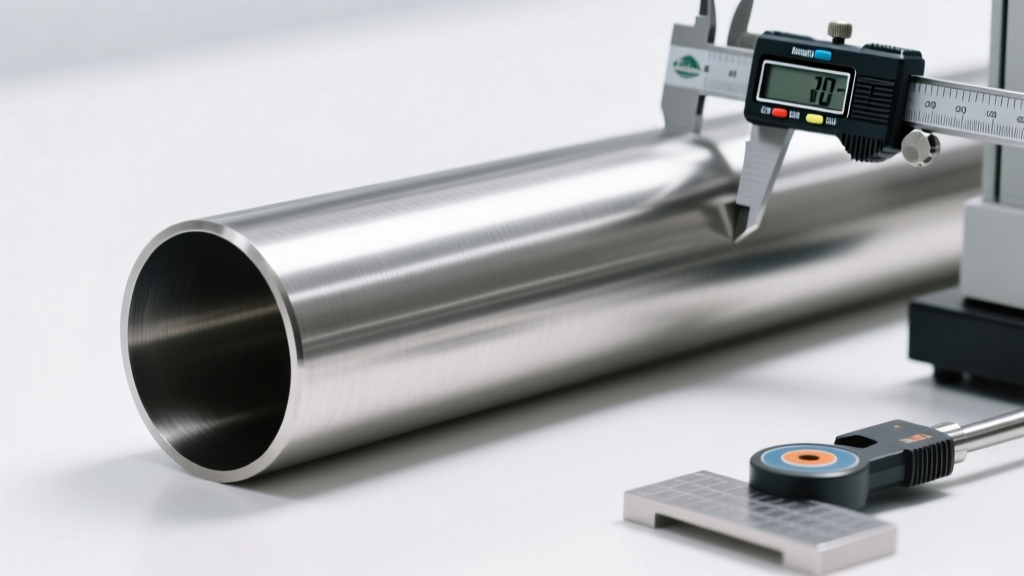
Types of Carbon Steel Pipes
Carbon steel pipes are essential components in a wide range of industrial, commercial, and construction applications. They are classified based on specifications from standards organizations such as the American Society for Testing and Materials (ASTM) and the American National Standards Institute (ANSI), ensuring consistency in quality, strength, and performance. These pipes are selected based on their intended use, environmental conditions, pressure requirements, and fabrication needs. Below is a detailed overview of the most common types of carbon steel pipes available from trusted carbon steel pipe suppliers.
Structural Steel Pipes
Designed primarily for construction and support applications, structural steel pipes offer excellent strength-to-weight ratios and are typically made with low to moderate carbon content for enhanced weldability and formability.
Advantages
- High strength and durability
- Easy to weld and fabricate
- Cost-effective for large-scale projects
- Resistant to deformation under load
Limitations
- Prone to corrosion without coating
- Not ideal for high-pressure fluid transport
- Heavier than alternative materials
Best for: Building frameworks, bridges, industrial support structures, and scaffolding
Galvanized Carbon Steel Pipes
These pipes are coated with a protective layer of zinc through a hot-dip or electro-galvanizing process, significantly enhancing their resistance to rust and corrosion.
Advantages
- Superior corrosion resistance
- Extended service life, especially outdoors
- Maintains structural integrity in wet environments
- Widely available and cost-efficient
Limitations
- Galvanization can be damaged during cutting or welding
- Not suitable for certain chemical environments
- Slightly higher initial cost than bare steel
Best for: Plumbing systems, fencing, outdoor construction, and moisture-prone environments
Spiral Welded Pipes
Manufactured by helically winding a steel coil and welding the seam in a spiral pattern, these pipes are ideal for large-diameter applications requiring long, continuous lengths.
Advantages
- Available in large diameters (up to several meters)
- Cost-effective for long pipeline runs
- Strong longitudinal weld integrity
- Efficient for bulk fluid and gas transport
Limitations
- Spiral seam may be a weak point under extreme pressure
- Requires high-quality welding for reliability
- Less common in high-pressure critical systems
Best for: Water transmission, oil and gas pipelines, irrigation, and utility infrastructure
Line Pipes
Specially engineered for transporting liquids and gases over long distances, line pipes are manufactured to meet rigorous standards (e.g., API 5L) for strength, toughness, and leak resistance.
Advantages
- High tensile and yield strength
- Designed for high-pressure environments
- Resistant to fatigue and thermal stress
- Used in critical energy infrastructure
Limitations
- Requires protective coating to prevent corrosion
- Installation can be complex and costly
- Needs regular inspection and maintenance
Best for: Oil and gas pipelines, chemical processing plants, and municipal water distribution systems
Seamless Carbon Steel Pipes
Produced by piercing a solid steel billet and then rolling or drawing it into a hollow tube, seamless pipes have no welded joints, making them stronger and more reliable under high pressure.
Advantages
- No weak seam points
- Excellent pressure and temperature resistance
- Uniform wall thickness and structural integrity
- Preferred in critical and high-stress applications
Limitations
- Higher manufacturing cost
- Limited in maximum diameter compared to welded pipes
- Longer lead times for production
Best for: Automotive, aerospace, petroleum refining, and high-pressure hydraulic systems
| Type | Key Features | Durability | Pressure Rating | Common Applications |
|---|---|---|---|---|
| Structural Steel Pipes | Weldable, strong, formable | High | Low to Medium | Buildings, bridges, scaffolding |
| Galvanized Carbon Steel Pipes | Zinc-coated, corrosion-resistant | Very High (with coating) | Medium | Plumbing, fencing, outdoor use |
| Spiral Welded Pipes | Large diameter, helical seam | High | Medium to High | Water, oil, gas transmission |
| Line Pipes | API 5L compliant, high-strength | Very High | High | Oil & gas pipelines, chemical plants |
| Seamless Tubing | No weld seam, high integrity | Exceptional | Very High | Aerospace, automotive, refineries |
Expert Tip: When selecting carbon steel pipes, always verify compliance with ASTM, ANSI, or API standards depending on your application. For corrosive environments, consider galvanized or coated options, and for high-pressure systems, seamless pipes are strongly recommended to ensure safety and longevity.
Key Features and Applications of Carbon Steel Pipes in Industrial Use
Carbon steel pipes are among the most widely used materials in industrial infrastructure due to their exceptional mechanical properties, adaptability, and economic efficiency. Particularly vital in mineral exploration, oil and gas transportation, construction, and energy sectors, these pipes offer a balanced combination of strength, manufacturability, and scalability. Understanding their core features enables engineers and project managers to make informed decisions for demanding operational environments.
Core Features of Carbon Steel Pipes
Enhanced Durability
Carbon steel pipes are renowned for their high tensile strength and resistance to mechanical stress, making them ideal for high-pressure systems and rugged industrial applications. The carbon content in the alloy enhances hardness and structural integrity without sacrificing impact resistance, ensuring long-term performance even under extreme conditions such as deep drilling, high-temperature environments, or heavy load-bearing scenarios.
This durability translates into reduced maintenance costs and lower risk of catastrophic failure, which is critical in remote or hazardous locations like offshore platforms or underground mining operations.
Cost-Effectiveness
One of the most compelling advantages of carbon steel pipes is their affordability relative to performance. Compared to stainless steel or specialty alloys, carbon steel provides excellent strength and reliability at a significantly lower cost. Its raw materials are abundant and globally accessible, contributing to stable pricing and supply chain resilience.
For large-scale projects—such as cross-country pipelines, refinery installations, or mineral exploration sites—this cost efficiency allows for substantial budget optimization without compromising on structural integrity or operational safety.
Manufacturing Flexibility
Carbon steel can be processed into both seamless and welded pipe configurations using standardized manufacturing techniques, allowing customization based on specific engineering requirements. Available in a wide range of diameters, wall thicknesses (schedule ratings), and lengths, these pipes conform to international standards such as ASTM, API 5L, and ASME B36.10M.
This versatility supports diverse applications—from high-pressure hydrocarbon transport and structural supports to water distribution and mechanical systems—making carbon steel a go-to material across multiple industries.
Corrosion Resistance with Protective Coatings
While raw carbon steel is susceptible to oxidation and rust when exposed to moisture and corrosive elements, its vulnerability can be effectively mitigated through protective coatings. Galvanization (zinc coating), fusion-bonded epoxy (FBE), polyethylene wrapping, and coal-tar enamel are commonly applied to extend service life in aggressive environments.
These treatments enable carbon steel pipes to perform reliably in outdoor installations, underground burial, marine settings, and chemical processing plants, dramatically broadening their application scope while maintaining economic advantages.
High Scalability and Availability
Carbon steel pipes are produced in large volumes globally, supporting rapid deployment for time-sensitive or large infrastructure projects. Their standardized production ensures consistent quality and easy replacement or expansion of pipeline networks.
For industries requiring long-term supply stability—such as energy development, mining exploration, and municipal construction—this scalability ensures uninterrupted operations and simplifies procurement logistics. Additionally, modular designs allow for prefabrication and quick field assembly, further accelerating project timelines.
Weldability and Fabrication Ease
Beyond the listed features, carbon steel exhibits excellent weldability and machinability, enabling seamless integration into complex piping systems. It can be readily cut, threaded, bent, and joined using common field techniques, reducing installation time and labor costs.
This ease of fabrication makes it particularly suitable for custom configurations in challenging terrains or retrofitting scenarios, where adaptability is crucial for maintaining system integrity and performance.
| Feature | Industrial Benefit | Common Applications |
|---|---|---|
| Durability & Strength | Resists deformation under high pressure and physical stress | Oil/gas pipelines, drilling rigs, structural supports |
| Cost-Effectiveness | Low material and fabrication cost per unit strength | Large-scale infrastructure, municipal water systems |
| Manufacturing Flexibility | Available in multiple forms, sizes, and standards | Refineries, power plants, industrial plumbing |
| Coating Compatibility | Can be protected for use in corrosive environments | Offshore platforms, underground pipelines, chemical plants |
| Scalability | Mass production ensures steady supply for major projects | Mining operations, energy transmission, urban development |
Best Practices for Optimal Performance
Important: While carbon steel pipes offer numerous advantages, uncoated or improperly maintained pipes can degrade rapidly in corrosive environments. Always assess site-specific conditions and apply appropriate protective measures. Consulting engineering standards and corrosion specialists during the design phase ensures sustainable, safe, and efficient system performance over decades of service.
Uses of Carbon Steel Pipe
Carbon steel pipes are among the most widely used materials in industrial and commercial applications due to their exceptional strength, durability, and cost-effectiveness. Made primarily from iron and carbon, these pipes offer excellent mechanical properties, including high tensile strength and resistance to deformation under pressure. As a result, they are essential in a variety of sectors ranging from energy and construction to manufacturing and infrastructure. Below is a detailed exploration of the key applications of carbon steel pipes across major industries.
Petroleum Industry
Carbon steel pipes are a cornerstone of the oil and gas sector, where they are relied upon for their ability to handle high-pressure environments and harsh operating conditions. Their robust composition makes them ideal for transporting crude oil, natural gas, and process water across onshore and offshore platforms, refineries, and long-distance pipeline networks.
- Commonly used in upstream (exploration and production), midstream (transportation), and downstream (refining) operations
- Available in various grades (e.g., API 5L) to meet specific pressure and temperature requirements
- Often coated or treated with anti-corrosion linings to extend service life in aggressive environments
Key advantage: High strength-to-weight ratio ensures structural integrity in deep-well drilling and high-pressure transmission lines
Construction
In the construction industry, carbon steel pipes serve as vital structural components due to their load-bearing capacity and resilience. They are extensively used in scaffolding systems, building frameworks, support columns, and temporary structures, particularly in large-scale commercial, industrial, and civil engineering projects.
- Favored for high-rise buildings, bridges, and stadiums due to their ability to withstand dynamic loads and seismic forces
- Easily welded, bolted, or joined using standard techniques, enabling rapid assembly on-site
- Can be galvanized or painted to improve corrosion resistance in outdoor or humid environments
Pro tip: Schedule 40 carbon steel pipes are commonly used in structural applications for their optimal wall thickness and strength
Automotive Industry
Carbon steel pipes play a critical role in vehicle manufacturing, especially in chassis frames, roll cages, exhaust systems, and hydraulic lines. Their high impact resistance and formability make them suitable for safety-critical components that must maintain integrity during collisions or under stress.
- Used in both passenger vehicles and heavy-duty trucks for structural rigidity
- Exhaust systems benefit from carbon steel’s thermal conductivity and heat resistance
- Often bent or shaped using CNC tube benders to meet precise design specifications
Technical note: While stainless steel is preferred in some exhaust applications, carbon steel remains cost-effective for internal components with protective coatings
Mechanical Systems
Carbon steel pipes are integral to mechanical and industrial systems such as boilers, heat exchangers, steam lines, and fluid conveyance systems. Their ability to endure high temperatures and pressure fluctuations makes them ideal for power plants, manufacturing facilities, and HVAC systems.
- Commonly used in fire-tube and water-tube boilers due to thermal stability
- Suitable for compressed air, steam, and hydraulic fluid transfer
- ASTM A106 and A53 standards define quality for high-temperature service applications
Critical factor: Proper insulation and expansion joints are required to manage thermal stress in steam applications
Water Infrastructure
Historically, carbon steel pipes were the standard choice for municipal water supply and sewage systems. While corrosion-prone compared to modern alternatives like PVC or ductile iron, they are still used in certain pressurized water transmission systems, especially when reinforced or lined.
- Used in large-diameter water mains and pumping stations
- Internal cement-mortar or epoxy linings prevent rust and maintain water quality
- External coatings (e.g., coal tar enamel) protect against soil corrosion in buried installations
Important consideration: Requires regular maintenance and cathodic protection in corrosive environments
Manufacturers of Appliances
Carbon steel pipes are utilized in a range of household and industrial appliances, including water heaters, boilers, washing machines, refrigeration units, and HVAC coils. Their durability and compatibility with welding and bending processes make them well-suited for compact, high-pressure fluid systems.
- Used in internal water and gas lines where strength and leak resistance are critical
- Often coated or plated to resist internal corrosion from water or refrigerants
- Preferred in gas-fired appliances due to their ability to safely handle pressurized natural gas or propane
Smart application: Small-diameter carbon steel tubing is commonly used in gas supply lines for stoves and furnaces
Professional Insight: When selecting carbon steel pipes for any application, consider the environmental conditions, required pressure ratings, and potential exposure to moisture or chemicals. For enhanced longevity, specify coated, lined, or galvanized variants—even in indoor or controlled environments. Additionally, always adhere to relevant industry standards (e.g., ASTM, API, ASME) to ensure safety, compatibility, and regulatory compliance.
| Industry | Typical Application | Common Pipe Standard | Key Performance Requirement |
|---|---|---|---|
| Petroleum & Gas | Transmission pipelines, drilling risers | API 5L | High pressure resistance, weldability |
| Construction | Scaffolding, structural framing | ASTM A53 | Structural strength, ease of assembly |
| Automotive | Exhaust systems, chassis | ASTM A513 | Impact resistance, formability |
| Mechanical Systems | Boilers, heat exchangers | ASTM A106 | High-temperature tolerance |
| Water Infrastructure | Water mains, pumping stations | AWWA C200 | Corrosion resistance (with lining) |
| Appliance Manufacturing | Gas lines, internal plumbing | ASTM A513 / A178 | Leak-proof integrity, small diameter precision |
Additional Considerations
- Corrosion Protection: Use galvanization, epoxy coatings, or cathodic protection to extend service life in moist or chemically aggressive environments
- Weldability: Carbon steel pipes are highly weldable using common techniques like TIG, MIG, and arc welding, making them versatile for custom fabrication
- Sustainability: Fully recyclable and widely reused in scrap metal markets, contributing to lower environmental impact
- Cost Efficiency: Offers a favorable balance of performance and affordability compared to stainless steel or alloy pipes
- Standards Compliance: Always verify that pipes meet applicable codes (e.g., ASME B36.10M for dimensions) for safety and interoperability
How to Choose Carbon Steel Pipe: A Comprehensive Buyer's Guide
Selecting the right carbon steel pipe is crucial for ensuring system longevity, safety, and cost-efficiency across industrial, commercial, and infrastructure applications. Whether you're designing a new pipeline, replacing aging infrastructure, or sourcing materials for construction, understanding the key selection criteria will help you make informed decisions. This guide outlines the five most critical factors to consider when choosing carbon steel pipe, from application demands to supplier reliability.
Safety & Compliance Note: Always ensure selected carbon steel pipes meet applicable industry standards (e.g., ASTM, ASME, API) and are suitable for the intended operating conditions. Using substandard or improperly specified piping can lead to leaks, ruptures, environmental hazards, and costly downtime.
1. Application Requirements: Match Pipe to System Demands
The first and most important step in selecting carbon steel pipe is understanding the specific operational environment. Key parameters include:
- Operating pressure and temperature: High-pressure or high-temperature systems require stronger, thicker-walled pipes with appropriate grade ratings (e.g., ASTM A106 for high-temp service).
- Fluid or gas being transported: Corrosive media such as acids, saltwater, or chemicals demand enhanced corrosion resistance. Consider using corrosion-resistant alloys or lined pipes if standard carbon steel is insufficient.
- External environmental exposure: Pipes installed underground, in marine environments, or outdoors face higher corrosion risks and may need protective coatings or cathodic protection.
- Regulatory and safety standards: Ensure compliance with OSHA, EPA, ASME B31.3 (process piping), or other relevant codes based on application.
Pro Tip: For aggressive environments, consider upgrading from standard A53 carbon steel to higher-grade materials like A672 (electric-fused weld) or using internal linings such as epoxy or polyurethane to extend service life.
2. Pipe Specifications: Understand Dimensions and Standards
Carbon steel pipes are manufactured to precise dimensional and material standards. Key specifications include:
- Diameter: Measured by nominal pipe size (NPS) ranging from 1/8" to 48" or more, depending on application.
- Wall thickness: Defined by schedule (e.g., Sch 40, Sch 80) or specific millimeter measurements. Thicker walls handle higher pressure but increase weight and cost.
- Length: Standard lengths are typically 20 feet (6 meters), but random or cut-to-length options are available.
- Material standards: Common ASTM specifications include:
- ASTM A53: General-purpose welded and seamless steel pipe for mechanical and pressure applications.
- ASTM A106: Seamless carbon steel pipe for high-temperature service.
- API 5L: Line pipe used in oil and gas transportation systems.
| Common ASTM Standard | Typical Use Case | Temperature Range | Pressure Suitability |
|---|---|---|---|
| ASTM A53 | Low-pressure systems, structural applications | -20°F to 600°F (-29°C to 315°C) | Low to Medium |
| ASTM A106 Gr. B | High-temperature steam, refineries | -20°F to 1000°F (-29°C to 538°C) | Medium to High |
| API 5L Gr. X42–X70 | Oil & gas pipelines, offshore platforms | -50°F to 750°F (-45°C to 400°C) | High |
3. Pipe Coating: Protect Against Corrosion
Unprotected carbon steel is susceptible to rust and degradation, especially in humid, buried, or chemically aggressive environments. Coatings are essential for extending service life:
- Galvanization: Zinc coating applied via hot-dip process; ideal for outdoor, atmospheric, or mildly corrosive environments.
- Fusion-Bonded Epoxy (FBE): Thermoset polymer coating offering excellent chemical and abrasion resistance; widely used in oil and gas pipelines.
- 3LPE/3LPP (Three-Layer Polyethylene/Polypropylene): Multi-layer system combining FBE with adhesive and outer plastic layer for superior underground protection.
- Internal linings: Epoxy, cement mortar, or PTFE coatings prevent internal corrosion in water, sewage, or chemical lines.
Choose coating type based on installation method (trench, directional drilling, above-ground), soil conditions, and expected exposure.
4. Seam vs. Seamless: Balancing Cost and Performance
The manufacturing method significantly impacts strength, reliability, and price:
- Seamless Pipes:
- Manufactured from a solid billet, extruded without welding.
- Higher strength and pressure tolerance due to uniform structure.
- Ideal for high-pressure, high-temperature, or critical safety applications (e.g., refineries, power plants).
- More expensive due to complex production process.
- Welded (Seamed) Pipes:
- Made by rolling steel plate and welding the seam (ERW, LSAW, SSAW).
- Cost-effective for large-diameter or low-to-medium pressure systems.
- Suitable for structural, water, and non-critical fluid transport.
- Quality depends on weld integrity and non-destructive testing (NDT).
Expert Insight: For critical applications, insist on 100% ultrasonic or radiographic testing of welded seams to ensure structural integrity and compliance with API or ASME standards.
5. Supplier Credibility: Partner with Trusted Carbon Steel Pipe Suppliers
The reliability of your wholesale carbon steel pipe supplier directly impacts project success. Evaluate suppliers based on:
- Industry certifications: Look for ISO 9001, API 5L monogram, or ASME certification as indicators of quality management systems.
- Product traceability: Reputable suppliers provide mill test reports (MTRs) and heat numbers for full material traceability.
- Customer reviews and track record: Check third-party reviews, case studies, and references from similar projects.
- After-sales support: Availability of technical assistance, delivery logistics, and warranty services.
- Inventory and lead times: Reliable stock levels and timely delivery reduce project delays.
Avoid suppliers offering prices significantly below market average—this may indicate substandard materials, lack of testing, or counterfeit products.
Purchasing Tip: Request sample sections or visit the supplier’s facility for quality audits when sourcing large volumes. Verified quality assurance processes reduce long-term risks and maintenance costs.
Final Recommendations
- Always consult engineering specifications before finalizing pipe selection.
- Consider lifecycle costs, not just upfront price—higher-quality pipe may save money over time through reduced maintenance and downtime.
- Document all material certifications and keep them on file for compliance and inspection purposes.
- Work with suppliers who offer technical support and can assist with material selection based on your project’s unique needs.
- For complex or high-risk applications, involve a materials engineer or piping specialist in the decision-making process.
Choosing the right carbon steel pipe is a balance of technical requirements, environmental conditions, and economic factors. By systematically evaluating application needs, specifications, coatings, construction type, and supplier reliability, you can ensure safe, durable, and cost-effective performance across the lifespan of your system.
Frequently Asked Questions About Carbon Steel Pipes
Q1: What are the advantages of using carbon steel pipes over other types of pipes?Carbon steel pipes are among the most widely used piping materials across industrial and commercial applications due to their superior mechanical properties and economic efficiency. Key advantages include:
- High Strength and Durability: Carbon steel offers excellent tensile strength, making it capable of withstanding heavy loads, high mechanical stress, and structural demands—ideal for construction, infrastructure, and heavy-duty industrial uses.
- Cost-Effectiveness: Compared to stainless steel or alloy pipes, carbon steel is more affordable while still delivering reliable performance, which makes it a preferred choice for large-scale projects with budget constraints.
- Versatility: Available in various grades, sizes, and forms (seamless, welded, ERW), carbon steel pipes can be tailored to suit diverse applications such as oil and gas transmission, water distribution, and automotive manufacturing.
- Temperature and Pressure Resistance: Properly selected grades of carbon steel can operate efficiently under high-pressure and elevated-temperature conditions, commonly found in power generation and petrochemical facilities.
These properties make carbon steel pipes a balanced solution for performance, longevity, and cost, especially in non-corrosive or controlled environments.
Q2: How does the carbon content in steel affect the properties of carbon steel pipes?The carbon content is a critical factor in determining the mechanical and fabrication characteristics of carbon steel pipes. It typically ranges from 0.05% to 2.0%, and its influence varies by category:
| Carbon Level | Typical Range | Key Properties | Common Applications |
|---|---|---|---|
| Low Carbon (Mild Steel) | 0.05% – 0.25% | Good ductility, excellent weldability, moderate strength | General construction, plumbing, structural frameworks |
| Medium Carbon | 0.25% – 0.60% | Balanced strength and toughness, requires preheating for welding | Machinery parts, automotive components, railway tracks |
| High Carbon | 0.60% – 1.00% | High hardness and strength, reduced ductility and weldability | Tools, springs, high-wear applications |
| Very High Carbon | 1.00% – 2.00% | Extremely hard and brittle, limited industrial use in piping | Rarely used for pipes; more common in cutting tools and dies |
For most piping applications, low to medium carbon steels are preferred due to their balance of strength, formability, and ease of welding. Higher carbon content increases strength but also brittleness, making it less suitable for environments requiring flexibility or frequent maintenance.
Q3: What factors should be considered when selecting a type of carbon steel pipe for a project?Selecting the right carbon steel pipe involves evaluating multiple technical and economic factors to ensure safety, efficiency, and long-term performance. Key considerations include:
- Application Requirements: Determine whether the pipe will be used for structural support, fluid/gas transport, heat exchange, or pressure containment. Each use case demands specific mechanical properties.
- Operating Pressure and Temperature: High-pressure systems (e.g., oil pipelines) require thick-walled or seamless carbon steel pipes with high yield strength. Temperature extremes may necessitate special grades that resist thermal expansion or embrittlement.
- Environmental Conditions: Exposure to moisture, chemicals, or saltwater increases corrosion risk. In such cases, protective coatings or corrosion-resistant alloys may be needed even with carbon steel.
- Material Compatibility: Ensure the pipe is compatible with the substance being transported (e.g., crude oil, water, steam) to prevent degradation, contamination, or chemical reactions.
- Standards and Certifications: Compliance with international standards such as ASTM A53, API 5L, ASME B36.10M, or ISO 3183 ensures quality, safety, and interoperability.
- Cost and Availability: Evaluate lifecycle costs, including installation, maintenance, and expected service life. While carbon steel is generally economical, availability of specific grades or dimensions may vary by region.
- Installation and Maintenance Needs: Consider ease of welding, joining methods, and accessibility for inspection and repairs, especially in remote or underground installations.
A thorough assessment of these factors helps engineers and project managers choose the optimal carbon steel pipe type, ensuring reliability and regulatory compliance.
Q4: Are carbon steel pipes suitable for high-pressure applications?Yes, carbon steel pipes are not only suitable but are among the most trusted materials for high-pressure applications. Their widespread use in critical infrastructure underscores their reliability under demanding conditions.
Key reasons why carbon steel excels in high-pressure environments include:
- High Tensile and Yield Strength: Grades like API 5L X60, X70, and ASTM A106 are specifically engineered for high-stress service, capable of withstanding pressures exceeding thousands of psi.
- Proven Track Record: Used extensively in oil and gas pipelines, refineries, and power plants, where failure is not an option, carbon steel has demonstrated long-term durability and leak resistance.
- Seamless and Welded Options: Seamless carbon steel pipes eliminate weak points along the seam, making them ideal for ultra-high-pressure systems. Electric Resistance Welded (ERW) pipes are also used where cost-efficiency is a priority and pressure levels are moderate to high.
- Design Flexibility: Available in various wall thicknesses (Schedule 40, 80, 160, etc.), carbon steel pipes can be customized to match specific pressure ratings defined by ASME B31.3 or other design codes.
When properly designed, installed, and maintained, carbon steel pipes provide a safe, durable, and cost-effective solution for high-pressure fluid and gas transmission systems.
Q5: How can the corrosion resistance of carbon steel pipes be enhanced?While carbon steel is inherently susceptible to rust and corrosion when exposed to moisture and oxygen, several effective methods can significantly improve its resistance, extending service life and reducing maintenance costs:
- Galvanizing: Coating the pipe with a layer of zinc through hot-dip or electro-galvanization provides a sacrificial barrier that protects the underlying steel even if scratched.
- Protective Coatings: Epoxy, polyurethane, or fusion-bonded epoxy (FBE) coatings form a durable, non-reactive layer that shields the pipe from environmental exposure. These are commonly used in underground pipelines and marine environments.
- Cathodic Protection: Often used in conjunction with coatings, this electrochemical method uses sacrificial anodes (e.g., zinc or magnesium) or impressed current systems to prevent corrosion in buried or submerged pipes.
- Alloy Additions: While not changing the base material to stainless steel, adding small amounts of copper, chromium, or nickel can improve atmospheric corrosion resistance in weathering steels (e.g., ASTM A588).
- Internal Linings: For pipes transporting corrosive fluids, internal cement-mortar, plastic, or ceramic linings prevent direct contact between the medium and the steel wall.
- Regular Inspection and Maintenance: Implementing routine checks using ultrasonic testing, visual inspection, or smart pigging helps detect early signs of corrosion, allowing timely intervention before structural integrity is compromised.
By combining material selection with protective technologies and proactive maintenance, carbon steel pipes can perform reliably even in aggressive environments such as offshore platforms, chemical plants, and humid climates.