Types of Wet Food Grinding Machines
A wet food grinding machine is an essential piece of equipment in both home and industrial food processing. These machines are designed to break down, puree, emulsify, or pulverize food items that contain moisture, such as fruits, vegetables, spices, meats, and grains. The right choice of grinding equipment significantly impacts texture, consistency, efficiency, and hygiene in food preparation.
From traditional hand tools to advanced industrial systems, various types of wet food grinders serve different scales of operation and culinary needs. Below is a comprehensive overview of the most common types, their applications, advantages, and limitations.
Mortar and Pestle
One of the oldest food preparation tools, the mortar and pestle remains a staple in kitchens and spice processing. It consists of a bowl-shaped mortar and a club-shaped pestle used to crush and grind wet ingredients manually.
Advantages
- Precise control over texture and consistency
- Enhances flavor release by preserving essential oils
- No electricity required
- Ideal for small batches and delicate ingredients
Limitations
- Labor-intensive for large volumes
- Time-consuming process
- Not suitable for commercial-scale production
Best for: Grinding spices, making chutneys, pastes, and herbal mixtures in home or artisanal kitchens
Wet Grinders
Commonly used in South Indian cuisine, wet grinders use rotating granite stones inside a drum to grind soaked rice, lentils, and other grains into smooth batters for idli, dosa, and appam.
Advantages
- Produces smooth, airy batter ideal for fermentation
- Retains natural temperature (less heat generation)
- Durable stone grinding mechanism
- Available in home and commercial sizes
Limitations
- Bulky and heavy design
- Limited to batter-making applications
- Requires soaking of ingredients beforehand
Best for: Preparing fermented batters, grinding lentils and rice, regional Indian cooking
Blenders
Household blenders use high-speed blades in a jar to liquefy or puree wet food items. They are versatile and commonly used in smoothie preparation, soups, sauces, and baby food.
Advantages
- Fast and efficient processing
- Versatile for liquids and semi-solids
- Available with variable speed and preset programs
- Easy to clean and operate
Limitations
- Can generate heat during prolonged use
- May not achieve ultra-fine textures
- Blade wear over time affects performance
Best for: Smoothies, soups, sauces, fruit purees, and general kitchen blending tasks
Hammer Mills
Industrial hammer mills use rapidly rotating hammers to pulverize food materials against a screen. They are capable of processing both wet and dry ingredients at high throughput.
Advantages
- High-capacity grinding for large-scale production
- Handles diverse food types including grains and spices
- Adjustable screen size for desired particle size
- Robust and durable construction
Limitations
- Generates heat and noise
- May overheat sensitive ingredients
- Requires regular maintenance
Best for: Industrial food processing, grain milling, spice grinding, and coffee bean pulverization
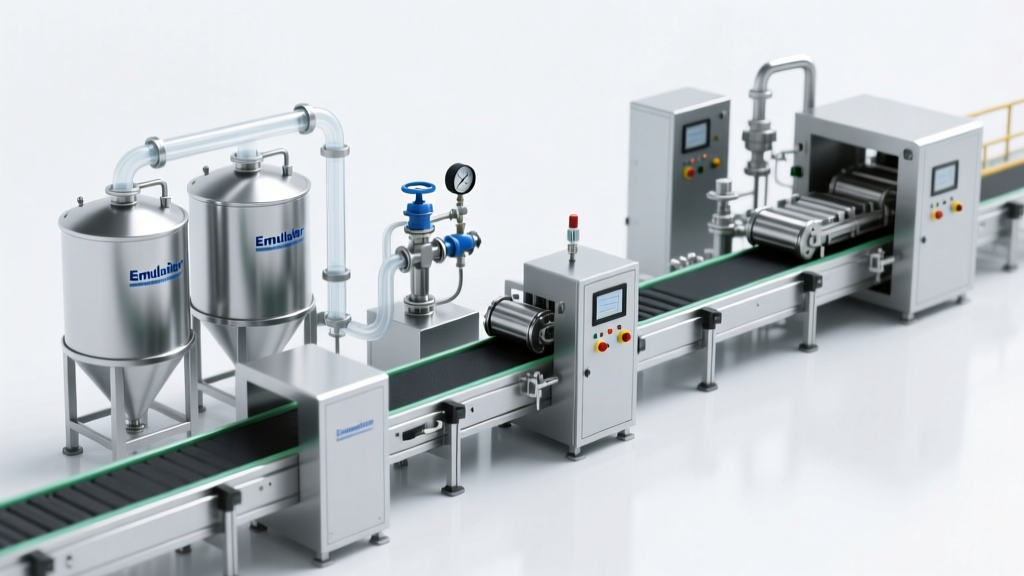
Colloid Mills
Designed for ultra-fine grinding and emulsification, colloid mills use a high-speed rotor and stator to reduce particle size to the colloidal level, ideal for smooth sauces and suspensions.
Advantages
- Produces extremely fine and uniform textures
- Excellent for emulsions and viscous mixtures
- Continuous processing capability
- CIP (Clean-in-Place) compatible in industrial models
Limitations
- High initial investment
- Complex maintenance requirements
- Overkill for simple grinding tasks
Best for: Sauces, ketchup, mayonnaise, dairy emulsions, and pharmaceutical-grade food processing
Meat Mincers
Also known as meat grinders, these machines use a screw auger and cutting blades to mince raw or cooked meat into desired consistencies, from coarse to fine.
Advantages
- Preserves meat texture and fat distribution
- Hygienic stainless steel construction
- Available in manual, electric, and commercial models
- Customizable grind sizes with interchangeable plates
Limitations
- Limited to meat and soft food items
- Requires chilling for best results
- Needs thorough cleaning to prevent contamination
Best for: Butcher shops, delis, sausage making, and large-scale meat preparation
Industrial Wet & Dry Grinders
Heavy-duty machines designed for high-volume processing of both wet and dry food materials. These grinders feature powerful motors, durable stainless steel components, and advanced filtration systems.
Advantages
- Handles large batches efficiently
- Versatile for multiple food types
- Durable and built for continuous operation
- Easy to clean with specialized filters
Limitations
- Expensive and space-consuming
- Requires skilled operation and maintenance
- Overkill for small kitchens or home use
Best for: Commercial kitchens, food manufacturing plants, spice mills, and large restaurants
| Machine Type | Best For | Scale | Texture Quality | Durability |
|---|---|---|---|---|
| Mortar & Pestle | Spices, pastes, herbs | Home / Artisanal | Excellent (controlled) | High (with proper care) |
| Wet Grinders | Rice-lentil batters | Home to Commercial | Smooth, airy | Very High |
| Blenders | Smoothies, soups, sauces | Home / Small Commercial | Good to Very Good | Medium |
| Hammer Mills | Grains, spices, coffee | Industrial | Coarse to Fine | Excellent |
| Colloid Mills | Emulsions, sauces, suspensions | Industrial | Ultra-Fine (colloidal) | Excellent |
| Meat Mincers | Raw/cooked meat processing | Commercial / Industrial | Customizable (coarse to fine) | Very High |
| Industrial Wet & Dry Grinders | High-volume mixed processing | Industrial | Variable (adjustable) | Excellent |
Expert Tip: For optimal results and food safety, always match the grinding machine to your specific food type and volume. Clean all wet grinding equipment immediately after use to prevent bacterial growth, especially when processing meat, dairy, or high-moisture ingredients.
Wet Food Grinding Machine: Specifications and Maintenance Guide
Wet food grinding machines are essential appliances in both household kitchens and commercial food processing environments. Designed to grind soaked grains, spices, and other wet ingredients into smooth batters or pastes, these machines vary significantly in size, capacity, and power. Understanding their technical specifications and implementing proper maintenance practices ensures long-term reliability, optimal performance, and food safety.
Key Specifications of Wet Food Grinding Machines
Grinding Capacity
The grinding capacity of a wet food grinder is one of the most important factors to consider when selecting a model. Residential units typically offer a capacity of 1 to 5 kg per hour, ideal for small families or occasional use. These compact models are perfect for preparing idli, dosa, or chutney batter.
Commercial and industrial-grade wet grinders, on the other hand, can process between 5 to 100 kg per hour, making them suitable for restaurants, caterers, and large-scale food production. Higher-capacity models often come with larger grinding stones and more robust motors to handle continuous operation.
Size and Design
Wet grinders are available in a variety of sizes to suit different environments. Compact, countertop models are designed for home kitchens, where space is limited. These units are lightweight and easy to move, with dimensions that typically fit on standard kitchen counters.
Industrial models are significantly larger, often occupying 2 to 3 square feet of floor space. They are built with sturdy frames and heavy-duty materials to withstand prolonged use. Some commercial grinders feature pedestal stands or wheels for stability and mobility, while others are mounted on fixed bases for permanent installation.
Motor Power and Speed
Wet grinders are powered by electric motors, with power ratings ranging from 0.5 HP to 10 HP. The motor power directly influences grinding efficiency and the ability to handle tough or fibrous ingredients. Home-use grinders usually have motors between 0.5 HP and 2 HP, sufficient for daily grinding tasks.
Industrial models use motors of 3 HP and above to maintain consistent performance under heavy loads. Motor speed is typically optimized for wet grinding—neither too fast (to prevent overheating) nor too slow (to ensure smooth texture). Many advanced models include variable speed controls to adjust grinding intensity based on the food type.
Safety Features
Modern wet food grinding machines are equipped with multiple safety mechanisms to protect users and prevent equipment damage. Key safety features include:
- Overload Protection: Automatically shuts off the motor if excessive load or heat is detected, preventing burnout.
- Emergency Stop Button: Allows immediate shutdown in case of malfunction or accidental contact.
- Safety Guards: Covers moving parts such as the grinding chamber and motor housing to prevent injuries.
- Thermal Cut-Off Switches: Protect against overheating during extended use.
| Specification | Residential Use | Commercial/Industrial Use |
|---|---|---|
| Grinding Capacity | 1–5 kg/hour | 5–100 kg/hour |
| Motor Power | 0.5–2 HP | 3–10 HP |
| Physical Size | Countertop (compact) | 2–3 sq. ft. floor space |
| Typical Use Case | Home cooking, small batches | Restaurants, food factories |
Essential Maintenance Practices for Longevity and Performance
Proper maintenance of a wet food grinding machine is crucial to prevent mechanical failure, ensure hygiene, and extend its operational life. Neglecting care can lead to motor damage, bacterial growth, and reduced grinding efficiency.
Important: Always disconnect the machine from the power source before cleaning or maintenance. Never use abrasive cleaners or steel wool on the grinding stones or stainless steel parts, as they can cause scratches and promote bacterial growth. Follow the user manual for model-specific care instructions to maintain warranty coverage and ensure safe operation.
By understanding the specifications and adhering to a consistent maintenance routine, users can maximize the efficiency, safety, and lifespan of their wet food grinding machines—whether used in a home kitchen or a high-volume commercial setting.
Applications of Wet Food Grinding Machines Across Industries
Wet grinders are essential tools in modern food processing, valued for their ability to blend, emulsify, and finely grind ingredients in liquid or semi-liquid states. While primarily used in food manufacturing, their precision and versatility have expanded their use into adjacent industries. These machines ensure consistent texture, improved flavor release, and enhanced product stability. Below are key application areas where wet food grinding technology plays a transformative role.
Making Condiments
Wet grinders are indispensable in condiment production, where texture and homogeneity directly impact taste and shelf life. By processing ingredients in a controlled liquid environment, these machines create smooth, stable emulsions that resist separation.
- Mustard production: Grinds mustard seeds into a fine, uniform paste while activating enzymes for optimal flavor development
- Vinegar-based sauces: Pulverizes fermented grains or fruits to enhance infusion and clarity in vinegars and vinaigrettes
- Pickling blends: Combines spices, herbs, and acidic liquids into cohesive marinades for pickled vegetables and meats
- Mayonnaise and aioli: Emulsifies oil, egg, and acid components for creamy, stable textures without phase separation
Key benefit: Enables consistent flavor dispersion and improved mouthfeel in ready-to-use condiments
Meat Processing
In the meat industry, wet grinders—often integrated into vacuum emulsifiers or fine-cutting systems—play a crucial role in producing high-quality processed meats. They operate under chilled conditions to maintain protein integrity while ensuring even fat distribution.
- Sausage manufacturing: Blends meat, fat, spices, and curing agents into a smooth batter for uniform texture and improved binding
- Burger patties: Creates consistent mince that enhances juiciness and cooking performance
- Meatballs and nuggets: Ensures even seasoning distribution and optimal moisture retention
- Emulsified products: Used in bologna, hot dogs, and liverwurst to achieve a fine, spreadable consistency
Critical advantage: Maintains low temperatures during grinding to prevent fat smearing and protein denaturation
Dairy Processing
Wet grinders contribute significantly to dairy product quality by refining texture and stabilizing emulsions. They are particularly effective in processing viscous or protein-rich mixtures that require uniform particle size reduction.
- Cheese spreads: Homogenizes aged cheeses with emulsifiers and liquids for a smooth, spreadable consistency
- Yogurt enhancements: Incorporates fruit purees, flavorings, and stabilizers without introducing air or compromising viscosity
- Infused dairy: Grinds herbs, spices, or botanicals directly into milk or cream bases for flavored products
- Plant-based alternatives: Processes nuts, seeds, or legumes into creamy bases for dairy-free yogurts and cheeses
Quality outcome: Prevents phase separation and ensures long-term product stability in refrigerated environments
Spice and Flavor Processing
Wet grinding unlocks the full aromatic potential of spices by breaking down fibrous structures in a liquid medium, releasing essential oils and creating stable suspensions ideal for culinary applications.
- Turmeric and ginger pastes: Produces microbiologically stable pastes with vibrant color and potent flavor for ready-to-cook products
- Cardamom and clove infusions: Grinds whole spices into fine particles suspended in oil or alcohol for consistent flavoring
- Curry bases: Combines multiple spices with coconut milk or tomato paste for instant cooking solutions
- Seasoning slurries: Prepares concentrated flavor blends for injection into meats or incorporation into sauces
Flavor advantage: Enhances bioavailability of flavor compounds compared to dry grinding methods
Pharmaceutical and Nutritional Applications
While not used directly in pill manufacturing, wet grinding technology supports the production of functional foods and medical nutrition products that require precise particle size and uniform dispersion of active ingredients.
- Medical foods: Processes nutrient-dense blends for patients with dysphagia or digestive sensitivities
- Fortified beverages: Disperses vitamins, minerals, and protein isolates evenly in liquid formulations
- Herbal supplements: Creates liquid extracts and suspensions from medicinal plants for improved absorption
- Infant nutrition: Ensures smooth, lump-free textures in formula and pureed baby foods
Health benefit: Improves digestibility and nutrient absorption through micronization of ingredients
Emerging and Specialty Uses
Advancements in wet grinding technology have opened doors to innovative applications beyond traditional food processing, including sustainability-focused and artisanal production methods.
- Plant-based meat alternatives: Refines soy, pea, or mycoprotein slurries to mimic meat fiber texture
- Algae and microgreen processing: Extracts nutrients from delicate biomass without thermal degradation
- Zero-waste cooking: Repurposes food by-products (e.g., fruit peels, vegetable trimmings) into flavorful pastes or powders
- Artisanal food crafting: Enables small-batch production of gourmet pastes, tapenades, and spice oils with commercial consistency
Innovation driver: Supports clean-label trends by reducing the need for stabilizers and emulsifiers
Industry Insight: When selecting a wet grinder for multi-application use, consider models with adjustable rotor-stator clearance, variable speed control, and CIP (Clean-in-Place) compatibility. These features enhance versatility across different viscosities and hygiene requirements, making them ideal for facilities producing diverse product lines—from spicy pastes to delicate dairy emulsions.
| Application Area | Common Materials Processed | Typical Output Texture | Key Processing Benefit |
|---|---|---|---|
| Condiments | Mustard seeds, vinegar bases, pickling brines | Smooth paste or stable emulsion | Enhanced flavor release and shelf stability |
| Meat Products | Meat-fatty tissue mixtures, seasonings | Fine emulsion or uniform mince | Improved binding and texture consistency |
| Dairy & Alternatives | Cheese, yogurt, nut milks | Creamy, homogeneous blend | Prevention of phase separation |
| Spice Pastes | Turmeric, ginger, cardamom, clove | Microfine suspension in oil/water | Maximized aroma and flavor dispersion |
| Nutritional Foods | Protein isolates, vitamin blends, infant purees | Ultra-smooth, lump-free slurry | Optimal digestibility and nutrient uptake |
Additional Considerations for Optimal Use
- Hygiene Standards: Choose grinders with sanitary design (e.g., stainless steel construction, crevice-free surfaces) for compliance with FDA and HACCP regulations
- Temperature Control: Models with jacketed chambers allow cooling or heating during grinding to protect heat-sensitive ingredients
- Scalability: Lab-scale units can be used for recipe development before transitioning to industrial-scale production
- Maintenance: Regular inspection of grinding discs, seals, and screens ensures consistent performance and prevents contamination
- Sustainability: Energy-efficient motors and water-saving CIP systems reduce environmental impact in high-volume operations
How to Choose the Right Wet Food Grinding Machine: A Complete Buyer's Guide
Selecting the ideal wet food grinding machine is a critical decision for any food processing operation, commercial kitchen, or manufacturing facility. The right machine enhances efficiency, ensures food safety, and reduces long-term operational costs. This comprehensive guide covers the essential factors to consider when purchasing a wet grinder, helping you make an informed choice that aligns with your production needs, hygiene standards, and budget.
Important Note: Always verify that the wet grinding machine complies with local food safety regulations and certifications (such as NSF, CE, or FDA standards) before purchase. Using non-compliant equipment can lead to contamination risks and regulatory penalties.
Key Factors to Consider When Choosing a Wet Grinder
- Capacity and Production Volume
- Assess your daily or hourly processing needs to determine the appropriate grinder size.
- Choose a machine with a capacity that matches your typical batch size—avoid oversized units that waste energy and undersized models that risk overheating.
- Consider future growth: selecting a slightly larger capacity than currently needed can accommodate business expansion without requiring a new purchase.
- Smaller units (1–3 liters) are ideal for cafes or small-scale spice grinding, while industrial models (10+ liters) suit large food production facilities.
- Material Quality and Construction
- Opt for food-grade stainless steel (preferably SS304 or SS316) for all parts in contact with food. This material resists corrosion, is easy to clean, and prevents contamination.
- Avoid grinders made with aluminum, plastic, or low-grade metals, which can degrade over time and leach harmful substances into food.
- Check for seamless welds and smooth internal surfaces that minimize bacterial buildup and simplify sanitation.
- The motor housing should also be durable and splash-resistant, especially in high-moisture environments.
- Motor Power and Energy Efficiency
- Select a motor with sufficient power (measured in watts or horsepower) to handle your typical ingredients—harder items like nuts, grains, or roots require more torque.
- Look for energy-efficient motors with thermal overload protection to reduce electricity consumption and prevent burnout during prolonged use.
- Inverter-controlled motors offer variable speed settings, allowing precise control over grinding consistency and reducing mechanical stress.
- Energy-efficient models not only lower utility bills but also contribute to sustainable operations.
- Adjustable Grinding Mechanism
- Choose a wet grinder with adjustable grinding stones or plates to control the texture of the final product—from coarse pastes to ultra-fine slurries.
- Adjustability allows versatility in processing different foods such as chutneys, batters, spice mixes, or doughs.
- Look for easy-to-access adjustment knobs or dials that don’t require tools, enabling quick changes between batches.
- Durable, abrasion-resistant grinding stones (often made from granite or ceramic) ensure consistent performance and longer lifespan.
- Cleanability and Hygiene Design
- Prioritize machines with smooth, open surfaces and minimal crevices where food particles can accumulate.
- Detachable components such as grinding chambers, lids, and stones should be easy to disassemble and reassemble for thorough cleaning.
- Check if parts are dishwasher-safe or compatible with CIP (Clean-in-Place) systems for commercial setups.
- Sealed bearings and splash guards help prevent water ingress and contamination during washdowns.
- User-Friendliness and Operational Simplicity
- Machines with intuitive controls, clear labeling, and safety interlocks reduce training time and minimize operator errors.
- Look for features like auto-shutoff, overload protection, and non-slip feet for enhanced safety and ease of use.
- Consider noise levels—quieter models improve workplace comfort, especially in open kitchens or small facilities.
- Models with digital timers or programmable settings can streamline repetitive tasks and ensure consistency.
- Product Compatibility and Special Features
- Ensure the grinder can handle the specific types of food you process—whether it's lentils, rice, spices, vegetables, or meat.
- Some wet grinders are designed to work with alkaline water solutions or other lubricants to cool the grinding stones and improve texture. Confirm the machine is compatible with such liquids.
- For specialized applications (e.g., baby food, herbal pastes, or dough preparation), look for models with specialized grinding plates or multi-stage processing options.
- Check if the machine supports continuous feed or batch processing based on your workflow needs.
| Selection Factor | Recommended Features | What to Avoid | Ideal For |
|---|---|---|---|
| Capacity | Match to daily volume; allow 20% buffer for growth | Oversized units or models below required capacity | Bulk batters, spice pastes, commercial kitchens |
| Material | Food-grade stainless steel (SS304/SS316) | Plastic contact parts, unsealed joints | High-hygiene environments, acidic foods |
| Motor | Energy-efficient, thermally protected, variable speed | Underpowered motors, no overload protection | Hard ingredients, long grinding cycles |
| Grinding Stones | Adjustable, durable (granite/ceramic), easy to clean | Fixed gaps, low-quality stones | Versatile food textures, fine pastes |
| Cleanability | Detachable parts, smooth surfaces, CIP-compatible | Complex assemblies, hidden crevices | Multi-shift operations, strict hygiene zones |
Expert Tip: Before finalizing your purchase, request a product demonstration or trial run with your actual ingredients. This real-world test reveals how well the machine handles your specific formulations and helps identify any hidden issues with texture control, cleaning, or durability.
Maintenance and Long-Term Value
- Regularly inspect grinding stones for wear and replace them as needed to maintain consistent output quality.
- Follow the manufacturer’s maintenance schedule for lubrication, motor checks, and seal replacements.
- Train staff on proper cleaning procedures to extend the machine’s lifespan and ensure food safety compliance.
- Keep spare parts (gaskets, blades, seals) on hand to minimize downtime.
- Choose brands with reliable customer support and accessible service networks for prompt repairs.
Investing in the right wet food grinding machine goes beyond upfront cost—it impacts food quality, operational efficiency, and regulatory compliance. By carefully evaluating capacity, material quality, ease of cleaning, and compatibility with your production needs, you can select a durable, high-performing machine that delivers consistent results for years. When in doubt, consult with equipment specialists or request references from existing users to validate your decision.
Wet Food Grinding Machine: Frequently Asked Questions
Q1: What are the current trends in food grinding machines?Modern food processing is evolving rapidly, and wet food grinding machines are no exception. Today’s industries are prioritizing efficiency, scalability, and sustainability. Here’s a breakdown of the most prominent trends shaping the market:
- Energy Efficiency: Businesses are increasingly investing in wet grinders with energy-saving motors and optimized power consumption to reduce operational costs and environmental impact.
- Industrial-Grade Equipment: Large-scale food manufacturers and commercial kitchens are opting for heavy-duty, industrial-grade grinders that offer consistent performance, durability, and minimal downtime.
- High-Capacity Models: Operations with high-volume output—such as spice mills, batter producers, and ready-mix manufacturers—favor machines with large grinding chambers and continuous processing capabilities.
- Compact Countertop Units: Small restaurants, bakeries, and specialty food startups prefer space-saving countertop grinders that deliver professional results without requiring extensive kitchen space or infrastructure.
- Smart Integration: Emerging models now feature digital controls, programmable settings, and IoT connectivity for remote monitoring and performance tracking.
These trends reflect a shift toward smarter, more efficient, and scalable food grinding solutions tailored to diverse business needs.
Q2: What are some key features to look for in a wet food grinding machine?Selecting the right wet grinding machine involves evaluating several critical performance and safety features. Consider the following when making a purchase:
- Motor Efficiency: Look for energy-efficient motors (typically 1.5 HP to 5 HP) that provide consistent torque without overheating during prolonged use.
- Optimal Grinding Speed: The ideal RPM range for most wet grinding applications is between 15 and 25 RPM. This slow yet powerful rotation ensures thorough grinding without generating excessive heat, preserving the nutritional quality and texture of the ingredients.
- Noise Levels: Choose machines with sound-dampening features, especially if used in customer-facing environments like cafes or open kitchens.
- Safety Mechanisms: Essential safety features include overload protection, automatic shut-off, secure lid locking systems, and non-slip bases to prevent accidents during operation.
- Capacity and Build: Machines with stainless steel or food-grade plastic construction offer durability and easy cleaning. Larger-capacity models are ideal for batch processing, while smaller units suit intermittent use.
- Durability and Maintenance: High-quality wet grinders can last 2,000 to 3,000 grinding hours before major components—such as grinding stones or blades—require replacement. Regular maintenance extends lifespan and ensures consistent performance.
Investing in a machine with these features ensures long-term reliability, food safety, and optimal grinding results.
Q3: Does a wet grinding food machine come with a warranty?Yes, most reputable manufacturers provide a warranty to ensure customer confidence and product reliability. Here’s what you can typically expect:
- Warranty Duration: A standard warranty covers parts and accessories for at least one year, with some premium brands offering extended coverage up to 2–3 years.
- Coverage Scope: Warranties usually include defects in materials and workmanship, motor failure, and malfunctioning components under normal usage conditions.
- After-Sales Support: Leading brands offer comprehensive support services, including on-site installation assistance, scheduled maintenance, repair services, and quick replacement of damaged or worn-out parts.
- Service Network: Check if the manufacturer has a local service center or authorized technicians in your region to minimize downtime in case of issues.
Always review the warranty terms carefully and register your product upon purchase to fully benefit from manufacturer support.
Q4: What is the difference between wet and dry food grinders?Understanding the functional differences between wet and dry grinders is crucial for selecting the right machine for your culinary or industrial needs. Below is a detailed comparison:
| Feature | Wet Food Grinder | Dry Food Grinder |
|---|---|---|
| Primary Use | Processes ingredients with added moisture—ideal for soaked lentils, rice, spices, chutneys, and batters. | Designed for dry ingredients like grains, coffee beans, spices, and nuts. |
| Liquid Requirement | Requires water or other liquids during grinding to create smooth pastes or batters. | Operates without liquids; uses dry pulverization techniques. |
| Grinding Mechanism | Uses rotating stone or steel drums that crush and blend ingredients slowly for uniform consistency. | Employs high-speed stainless steel blades or burrs to shred and powder dry items quickly. |
| Output Texture | Produces smooth, creamy pastes or fine slurries suitable for dosa, idli, or spice mixes. | Yields fine powders or coarse flours depending on settings. |
| Common Applications | Indian cuisine (batters), wet spice pastes, baby food, and fermented doughs. | Coffee grinding, flour milling, spice powdering, and herb blending. |
| Material Compatibility | Best for soft, soaked, or semi-solid foods. | Suitable for hard, dry, and brittle ingredients. |
Choosing between wet and dry grinders depends on your specific food preparation requirements. Some advanced models offer dual functionality, but dedicated machines generally deliver superior results.
Q5: Is it better to buy a standalone wet grinder or a multipurpose food processing machine?The decision between a standalone wet grinder and a multipurpose food processor depends on your usage frequency, volume, and culinary goals. Here’s a comparative analysis to help you decide:
- Multipurpose Food Processors:
- Ideal for businesses with limited kitchen space or those that only occasionally grind wet ingredients.
- Offer versatility with multiple attachments for grinding, chopping, slicing, mixing, and blending.
- More economical for small-scale operations or home-based food businesses.
- May lack the specialized motor strength and grinding efficiency of dedicated wet grinders.
- Standalone Wet Grinders:
- Built specifically for wet grinding tasks, featuring powerful motors and optimized drum designs for consistent, high-quality output.
- Offer larger capacities (5–20 liters), enabling batch processing for commercial kitchens or production units.
- Operate at ideal low RPMs, preserving ingredient texture and minimizing heat generation.
- More durable and efficient for daily, high-volume use—especially in restaurants, caterers, or food manufacturing.
Recommendation: If wet grinding is a core part of your operation—such as preparing daily batters or spice pastes—a standalone wet grinder is the superior investment. For occasional or diverse food prep needs, a multipurpose machine offers flexibility and cost savings.