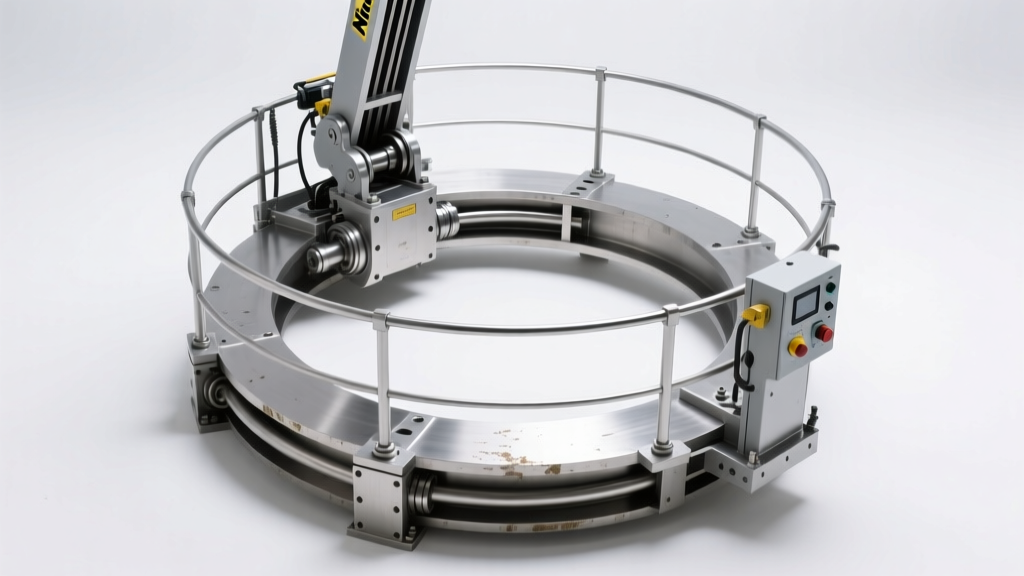
Types of Shotcrete Machines and Their Applications
Shotcrete, also known as pneumatically applied concrete, is a versatile construction technique used to apply concrete at high velocity onto a surface. Unlike traditional formwork-based pouring, shotcrete eliminates the need for vibration and allows for precise placement on vertical, overhead, and complex geometries. This method is widely used in tunneling, slope stabilization, swimming pools, retaining walls, and structural repairs. The performance and efficiency of shotcrete depend heavily on the type of machine used, with key variations based on mixing method, power source, and application requirements.
Wet-Mix Shotcrete Machine
Uses pre-mixed concrete that is pumped through a hose and projected via compressed air at the nozzle.
Advantages
- Consistent mix quality with minimal segregation
- Higher production rates and smoother application
- Lower rebound (less material waste)
- Better dust control and improved working conditions
- Ideal for large-volume projects
Limitations
- Requires access to ready-mix concrete
- Less portable due to larger equipment size
- Higher initial setup cost
- Needs skilled nozzle operators for optimal finish
Best for: Tunnels, large retaining walls, infrastructure projects, and applications requiring high durability and smooth finishes
Dry-Mix Shotcrete Machine
Feeds dry concrete mix into a delivery hose, where water is introduced at the nozzle just before application.
Advantages
- Greater control over water content at point of application
- Highly portable and suitable for remote or confined sites
- Quick setup and shutdown
- Excellent for small or intermittent placements
- Ideal for repair and restoration work
Limitations
- Higher rebound compared to wet-mix
- Greater dust generation
- Requires experienced operator to manage water balance
- Potential for inconsistent mix if not carefully controlled
Best for: Slope stabilization, pool construction, mine support, and repair jobs in hard-to-reach areas
Electric Shotcrete Machine
Powered by an electric motor to drive the feeding, pumping, and spraying systems.
Advantages
- Environmentally friendly with zero on-site emissions
- Quiet operation ideal for urban or indoor environments
- Consistent power output with no fuel dependency
- Lower maintenance than combustion-powered units
- Suitable for continuous operation in fixed installations
Limitations
- Requires access to reliable electrical power
- Less mobile in remote locations without grid power
- Higher initial investment for high-capacity models
- Cable management can be cumbersome on large sites
Best for: Indoor construction, environmentally sensitive zones, urban developments, and long-duration projects
Hydraulic Shotcrete Machine
Utilizes hydraulic power systems to operate feeding augers, pumps, and spray mechanisms.
Advantages
- High power-to-size ratio for superior pumping force
- Excellent control over flow rate and pressure
- Durable and reliable under heavy-duty conditions
- Commonly integrated with wet-mix systems for large-scale use
- Ideal for high-density, structural-grade applications
Limitations
- Requires hydraulic fluid maintenance and leak monitoring
- Heavier and more complex than electric or pneumatic units
- Higher operational and repair costs
- Noise levels may be higher than electric alternatives
Best for: Major civil engineering projects, tunnel linings, dams, and applications demanding precision and high output
| Machine Type | Mix Method | Power Source | Best Use Case | Rebound Rate |
|---|---|---|---|---|
| Wet-Mix | Pre-mixed concrete | Electric/Hydraulic | Large-scale, high-volume projects | Low (10–15%) |
| Dry-Mix | Dry powder + nozzle water | Electric/Pneumatic | Repairs, remote sites, small areas | Moderate (15–30%) |
| Electric | Wet or Dry | Electric motor | Indoor, eco-sensitive zones | Varies by mix type |
| Hydraulic | Primarily Wet | Hydraulic system | Heavy-duty, precision applications | Low to Moderate |
Expert Tip: For optimal results, always match the shotcrete machine type to the project scale, site conditions, and environmental requirements. Wet-mix systems are preferred for large, continuous placements, while dry-mix offers flexibility for patching and complex geometries. Proper operator training is crucial to minimize rebound and ensure structural integrity.
Higher Durability, Strength, and Efficiency of Shotcrete Machine Use
Shotcrete machines are engineered for high-intensity, continuous operation in demanding construction environments. Designed to project large volumes of concrete over extended periods, these machines combine rugged construction with advanced engineering to deliver superior durability, structural strength, and operational efficiency. Their performance is critical in applications such as tunneling, slope stabilization, swimming pool construction, and underground mining, where reliability and precision are paramount.
Enhanced Durability Through Robust Construction
Shotcrete machines are built using high-strength materials such as hardened steel alloys and wear-resistant cast iron, ensuring resilience under constant exposure to abrasive concrete mixes and high-pressure operations. These materials significantly reduce wear and extend service life, minimizing downtime and maintenance costs.
Critical components—including rotors, stators, and mixing chambers—are specially reinforced to endure the harsh conditions of concrete spraying. For example, rotors are often lined with replaceable wear plates made from chromium carbide or other abrasion-resistant composites, allowing for easy servicing without replacing the entire unit. This modular design enhances longevity and reduces lifecycle costs.
Advanced Mixing Mechanisms
Modern shotcrete machines, especially twin-shaft and planetary mixers, utilize precision-engineered mixing systems that ensure complete homogenization of cement, aggregates, water, and chemical admixtures. The dual-shaft design creates opposing rotational forces that break down clumps and eliminate dry pockets, producing a uniformly blended, workable mix.
This high level of homogeneity is essential for achieving consistent shotcrete quality, improving bond strength to substrates, reducing rebound (waste), and enhancing overall structural integrity. A well-mixed concrete also ensures predictable setting times and reduced risk of cracking or delamination.
Wet-Mix Advantages for Structural Performance
Wet-mix shotcrete technology involves pre-mixing all concrete ingredients before pumping them through the delivery hose. The presence of water in the mix acts as a lubricant between aggregate particles, enabling tighter particle packing and denser concrete placement.
This results in a more compact, low-porosity structure with higher compressive strength and improved durability. Additionally, wet-mix processes allow for better control over the water-cement (w/c) ratio—typically optimized between 0.4 and 0.5—enhancing both strength and long-term resistance to environmental degradation such as freeze-thaw cycles and chemical exposure.
Optimized Workability and Flow Control
The workability of shotcrete is crucial for achieving smooth application, especially on vertical and overhead surfaces. This is achieved through precise formulation involving superplasticizers and viscosity-modifying admixtures (VMAs), which improve flow characteristics without increasing water content.
Superplasticizers disperse cement particles more effectively, reducing internal friction and enabling easier pumping and spraying. VMAs help maintain cohesion, preventing segregation and sagging during application. Together, these additives ensure a stable, pumpable mix that adheres well to target surfaces while minimizing rebound and material waste.
Durable Pressure Spray Nozzles
The nozzles used in shotcrete machines are subjected to extreme abrasion due to the high-velocity flow of cement and aggregates. To combat wear, they are typically constructed from tungsten carbide—a material known for its exceptional hardness and resistance to erosion.
These nozzles are designed to focus and accelerate the concrete stream, ensuring accurate placement and optimal impact velocity for maximum compaction. Their extended lifespan reduces replacement frequency and contributes to consistent application quality.
Ergonomic and Functional Nozzle Design
Modern shotcrete nozzles incorporate integrated air and water valves that allow operators to fine-tune the mix at the point of application. By adjusting the air pressure and water injection, workers can control the consistency and workability of the shotcrete in real time, adapting to changing site conditions.
Designed for ease of handling, many nozzles feature lightweight composite materials and balanced weight distribution, reducing operator fatigue during prolonged use. Quick-disconnect fittings enable rapid replacement, minimizing downtime and increasing job site efficiency.
| Feature | Benefit | Application Impact |
|---|---|---|
| Hardened Steel Components | Increased resistance to wear and deformation | Longer service life, reduced maintenance costs |
| Twin-Shaft Mixing System | Superior homogenization of concrete mix | Lower rebound, higher bond strength |
| Wet-Mix Process | Denser, stronger concrete with controlled w/c ratio | Improved durability and structural performance |
| Tungsten Carbide Nozzles | Exceptional abrasion resistance | Consistent spray quality, fewer replacements |
| Adjustable Air/Water Valves | On-the-fly consistency control | Better finish, reduced waste |
Key Factors for Maximizing Efficiency and Longevity
Important: Neglecting maintenance or using substandard materials can lead to premature wear, inconsistent shotcrete quality, and safety hazards. Always follow manufacturer guidelines for operation and servicing. Investing in durable components and proper training ensures maximum return on investment and superior project outcomes.
Scenarios of Shotcrete Machine Use
Shotcrete machines are versatile construction tools used across a wide range of civil engineering and architectural applications. Their ability to pneumatically project concrete at high velocity enables rapid, durable, and structurally sound placement in challenging environments. Whether using wet-mix or dry-mix methods, shotcrete machines offer unmatched flexibility in vertical, overhead, and complex geometries—making them indispensable in modern infrastructure development, repair, and design.
Tunnel and Mining Constructions
Shotcrete machines play a critical role in tunneling and underground mining operations, where immediate ground support is essential for worker safety and structural stability. By applying a strong, cohesive layer of shotcrete directly onto rock faces, these machines help prevent rock falls, control deformation, and stabilize excavated areas in real time.
- Wet-mix systems provide consistent, high-quality concrete with lower rebound and dust, ideal for confined underground spaces
- Dry-mix systems offer portability and quick setup, suitable for remote or emergency stabilization
- High bond strength ensures immediate adhesion to irregular rock surfaces, reinforcing weak zones and preventing water infiltration
- Robotic or automated boom-mounted applicators allow precise, remote-controlled spraying in hazardous or hard-to-reach zones, minimizing human exposure
Key benefit: Enables safe advancement of tunnel boring by providing instant primary support (often combined with rock bolts and mesh).
Earth Reinforcement and Slope Stabilization
In geotechnical engineering, shotcrete machines are widely used for stabilizing slopes susceptible to erosion, landslides, or weathering. By forming a continuous, reinforced concrete shell over vulnerable terrain, shotcrete acts as both a protective barrier and structural reinforcement.
- Applied over wire mesh or geogrids to create a rigid, erosion-resistant crust on hillsides and embankments
- Effective in post-wildfire areas where vegetation loss increases landslide risk
- Can be textured or colored to blend with natural surroundings for aesthetic integration
- Used in conjunction with soil nailing or micropiles for deep slope stabilization
Environmental advantage: Reduces long-term maintenance and prevents sediment runoff into waterways.
Rehabilitation of Damaged Structures
Shotcrete is a preferred method for repairing and strengthening aging or deteriorated concrete infrastructure. Its ability to bond strongly with existing substrates makes it ideal for restoring structural integrity without full demolition.
- Commonly used to repair spalled or corroded concrete on bridges, retaining walls, dams, and water reservoirs
- Can be applied in thick layers (up to several inches) to rebuild lost cross-sections and restore load-bearing capacity
- Remote robotic applicators reach elevated or confined areas such as bridge undersides, piers, and culverts safely and efficiently
- Adds durability when combined with corrosion-inhibiting admixtures or fiber reinforcement
Cost-effective solution: Extends service life of critical infrastructure with minimal disruption to traffic or operations.
Seismic Retrofitting
In earthquake-prone regions, shotcrete machines are employed to enhance the seismic resilience of existing buildings and infrastructure. By adding reinforced concrete layers to key structural elements, shotcrete improves ductility, strength, and energy absorption during seismic events.
- Applied to columns, beams, shear walls, and foundation elements to increase lateral load resistance
- Often combined with steel rebar or fiber reinforcement for enhanced performance
- Minimally invasive compared to structural replacement, preserving architectural integrity
- Used in retrofitting schools, hospitals, and historic buildings to meet modern safety codes
Safety impact: Significantly reduces risk of structural collapse during earthquakes, protecting lives and property.
Creating Artificial Rock Formations in Landscape Design
Landscape architects and theme park designers increasingly use shotcrete machines to sculpt realistic, durable rock features for aesthetic and functional purposes. The precision and versatility of shotcrete application allow for intricate, organic shapes that mimic natural stone.
- Used in zoos, amusement parks, resorts, and public parks to create waterfalls, cliffs, caves, and faux boulders
- Applied over steel-reinforced wire mesh armatures to form complex 3D geometries
- Can be textured, colored, and sealed to resemble various types of natural rock (e.g., sandstone, basalt, limestone)
- Provides erosion control while enhancing visual appeal in recreational environments
Creative advantage: Enables limitless design possibilities with long-lasting, weather-resistant results.
Concrete Overlay and Pavement Repairs
Shotcrete machines offer an efficient solution for rehabilitating damaged roadways, highways, and industrial pavements. Instead of full-depth replacement, a thin, durable shotcrete overlay can restore surface integrity and extend service life.
- Effectively fills cracks, spalls, and potholes in both asphalt and concrete pavements
- Wet-mix systems allow rapid placement with minimal downtime—ideal for high-traffic roads and airport runways
- Can be applied with texturing tools to match existing surface profiles and skid resistance
- Serves as a preventive maintenance strategy, delaying costly reconstruction projects
Economic benefit: Reduces lifecycle costs through early intervention and extended pavement performance.
Professional Insight: The choice between wet-mix and dry-mix shotcrete depends on project scale, access, and environmental conditions. Wet-mix is preferred for large, continuous applications with strict quality and emission controls, while dry-mix excels in small, intermittent, or remote jobs. Always ensure proper surface preparation, curing, and quality monitoring to maximize bond strength and longevity.
| Application Area | Primary Benefit | Typical Shotcrete Method | Reinforcement Used |
|---|---|---|---|
| Tunnel & Mining | Immediate ground support and safety | Wet-mix (robotic) | Steel fiber, welded mesh, rock bolts |
| Slope Stabilization | Erosion control and landslide prevention | Dry or wet-mix | Geogrids, soil nails, wire mesh |
| Structural Repair | Restoration of load-bearing capacity | Wet-mix (manual/robotic) | Rebar, fiber-reinforced concrete |
| Seismic Retrofitting | Enhanced earthquake resistance | Wet-mix | Steel cages, shear connectors |
| Landscape Features | Aesthetic + functional rock simulation | Dry-mix (sculptural) | Wire mesh, structural steel |
| Pavement Overlays | Cost-effective surface renewal | Wet-mix | Fiber reinforcement, bonding agents |
Additional Considerations
- Environmental Control: Dust and rebound can be minimized with proper nozzle technique, admixtures, and ventilation—especially important in enclosed spaces.
- Curing Requirements: Proper curing (via misting, membranes, or curing compounds) is essential to prevent shrinkage cracks and ensure strength development.
- Operator Skill: Application quality heavily depends on nozzleman expertise in controlling distance, angle, and thickness for optimal results.
- Material Flexibility: Additives like accelerators, fibers, and waterproofers can be integrated to meet specific performance demands.
- Regulatory Compliance: Projects must adhere to local building codes, OSHA safety standards, and environmental regulations.
How to Choose the Right Shotcrete Machine: A Comprehensive Buyer’s Guide
Shotcrete has become a preferred construction method over traditional poured concrete due to its superior adhesion, versatility, and ability to be applied on vertical, overhead, and complex surfaces. As demand grows across infrastructure, mining, tunneling, and architectural projects, the market for shotcrete machines has expanded significantly. With numerous manufacturers offering a wide range of models, selecting the right machine requires careful evaluation of key technical, operational, and financial factors. This guide will help buyers, contractors, and dealers make informed decisions based on project requirements, efficiency goals, and long-term value.
Safety & Performance Note: Choosing the wrong shotcrete machine can lead to reduced efficiency, increased material waste, higher maintenance costs, and compromised structural integrity. Always match machine specifications to your project scale, environment, and workforce capabilities.
1. Wet-Mix vs. Dry-Mix Shotcrete Machines
The fundamental distinction in shotcrete application lies in the mixing process—wet-mix versus dry-mix systems. Each has unique advantages and ideal use cases:
- Wet-Mix Shotcrete Machines: These machines use a pre-mixed concrete batch (cement, aggregates, water) that is pumped through a hose and pneumatically projected onto the surface using compressed air at the nozzle. They offer consistent mix quality, lower rebound (material loss), and reduced dust generation, making them ideal for indoor applications, tunnels, and environmentally sensitive sites.
- Dry-Mix Shotcrete Machines: In this system, dry cement and aggregates are fed into the machine and conveyed through the hose, with water introduced at the nozzle. This allows for greater control over water content during application and is particularly useful in remote or emergency repair work where precise water metering is challenging. However, dry-mix systems typically produce more rebound and dust, requiring enhanced ventilation and protective gear.
Expert Tip: Wet-mix systems are generally preferred for large-scale, high-volume projects due to better consistency and lower environmental impact, while dry-mix systems excel in small, intermittent, or hard-to-reach applications.
2. Output Capacity and Production Rate
The output capacity of a shotcrete machine—measured in cubic meters per hour (m³/h)—is a critical performance indicator. It determines how quickly you can complete a project and influences labor and equipment scheduling.
- Small to medium machines typically offer outputs between 3–10 m³/h, suitable for residential repairs, pool construction, or minor structural work.
- High-capacity machines can deliver 10–30+ m³/h, making them ideal for major infrastructure projects like tunnels, dams, retaining walls, and large-scale mining operations.
When selecting a machine, consider not only peak output but also sustained performance, hose length limitations, and compatibility with your concrete supply chain (e.g., ready-mix trucks or on-site batching plants).
3. Mobility and Portability
Mobility plays a crucial role in site adaptability and operational efficiency. Shotcrete machines come in various configurations:
- Trailer-Mounted Units: Highly mobile and easy to transport between job sites. Ideal for contractors working on multiple locations or remote areas.
- Skid-Mounted or Stationary Units: Designed for fixed installations in large projects where relocation is minimal.
- Compact & Hand-Carried Models: Lightweight, portable machines perfect for small-scale repairs, confined spaces, or overhead applications.
Look for features like all-terrain tires, lifting points, and modular designs that enhance transportability and setup speed.
4. Level of Automation and Control Systems
Modern shotcrete machines increasingly incorporate automation to improve precision, reduce labor costs, and enhance safety. Advanced features include:
- Self-Proportioning Systems: Automatically meter cement, aggregates, and additives for consistent mix quality.
- Remote Monitoring & Diagnostics: Enable real-time tracking of pressure, flow rate, and system health via digital interfaces.
- Nozzle Automation (Robotic Arms): Used in large-scale tunneling for uniform application and reduced human exposure to hazardous environments.
- Digital Control Panels: Provide intuitive operation, preset mixing profiles, and error alerts.
While automated systems have a higher upfront cost, they often deliver long-term savings through improved efficiency and reduced material waste.
5. Budget and Total Cost of Ownership
Budget is a decisive factor, but it should account for more than just the initial purchase price. Consider the total cost of ownership (TCO), including:
- Purchase Price: Dry-mix machines are generally 20–30% less expensive than comparable wet-mix models.
- Maintenance Costs: Wet-mix pumps may require more frequent cleaning and wear part replacements (e.g., seals, hoses).
- Operational Efficiency: Higher rebound in dry-mix systems means more material waste, increasing long-term material costs.
- Fuel/Energy Consumption: Electric models are cheaper to run but require access to power; diesel-powered units offer greater site flexibility.
For long-term users, investing in a higher-quality, durable machine—even at a premium—can yield better ROI through reliability and lower downtime.
| Factor | Wet-Mix Machines | Dry-Mix Machines | Best For |
|---|---|---|---|
| Initial Cost | Higher | Lower | Budget-conscious small projects |
| Mix Consistency | Excellent | Variable (operator-dependent) | Structural integrity-critical jobs |
| Dust & Rebound | Low (10–15%) | Higher (15–30%) | Indoor/ventilation-sensitive sites |
| Mobility | Moderate to High | High | Remote or changing job sites |
| Automation Compatibility | High | Moderate | Large-scale or robotic applications |
Pro Tip: Rent or demo a machine before purchasing. This allows you to evaluate performance, ease of use, and compatibility with your crew and project conditions without long-term commitment.
Additional Considerations
- After-Sales Support: Choose manufacturers or dealers with strong service networks, readily available spare parts, and technical training.
- Operator Training: Proper training ensures safe operation, optimal performance, and reduced wear on equipment.
- Regulatory Compliance: Ensure the machine meets local safety, emissions, and noise regulations.
- Future-Proofing: Consider scalability—can the machine be upgraded with automation or new attachments?
Selecting the right shotcrete machine is a strategic decision that impacts project timelines, quality, and profitability. By evaluating your needs across mixing type, capacity, mobility, automation, and budget, you can choose a machine that delivers reliable performance and long-term value. When in doubt, consult with equipment specialists or experienced contractors to match the technology to your specific application.
Frequently Asked Questions About Shotcrete Machines
Q. Are both types of shotcrete machines environmentally friendly?Yes, both dry-mix and wet-mix shotcrete machines are considered environmentally friendly in terms of emissions, as they do not produce harmful gases like carbon dioxide during operation. However, there are notable differences in their environmental impact, particularly regarding water usage and material efficiency:
- Dry-Mix Shotcrete Machines: These systems use a dry cement-aggregate mixture that is conveyed through a hose and then mixed with water at the nozzle just before application. This method uses significantly less water overall because water is only introduced as a fine mist at the point of spraying, minimizing waste and runoff.
- Wet-Mix Shotcrete Machines: These require a pre-mixed slurry of cement, aggregates, and water to be pumped to the nozzle. While this ensures consistent mix quality, it often leads to higher water consumption and potential spillage or overspray, which can result in wasted material and increased cleanup efforts.
- Rebound and Waste: Dry-mix systems typically have higher rebound rates (material that bounces off the surface), which can lead to more waste. Wet-mix systems generally offer lower rebound, improving material efficiency and reducing debris.
In summary, while both systems are non-polluting in terms of emissions, the dry-mix method is more water-efficient, making it more eco-friendly in arid regions or water-sensitive environments. However, the wet-mix method reduces material waste due to lower rebound, offering a different kind of sustainability advantage.
Q. Which type of shotcrete machine applies a smoother finish – the dry-mix or the wet-mix machine?The wet-mix shotcrete machine typically produces a smoother, more uniform finish compared to the dry-mix system. This difference arises from the nature of the concrete mixture and application process:
- Wet-Mix Application: Since the concrete is fully mixed with water before spraying, it has a consistent, paste-like consistency that adheres well to vertical and overhead surfaces. The wet material flows more easily, allowing it to settle evenly and form a dense, smooth surface with minimal dust or irregularities.
- Dry-Mix Application: The dry mixture is pneumatically conveyed and only hydrated at the nozzle. This can lead to inconsistent water distribution, resulting in a finish that may appear dusty, powdery, or uneven. Additionally, the higher air pressure used in dry-mix systems can cause more rebound and surface texture variation.
- Finish Customization: Both systems allow for adjustments in nozzle angle, air pressure, water flow, and mix design to improve finish quality. Skilled operators can achieve acceptable results with either method, but achieving a high-quality, architectural-grade finish is generally easier and more reliable with wet-mix equipment.
For projects where surface aesthetics, reduced dust, or minimal finishing work are priorities—such as swimming pools, architectural walls, or tunnel linings—the wet-mix system is often preferred. However, dry-mix remains valuable for repair work, remote locations, or applications requiring rapid setup and variable mix adjustments.