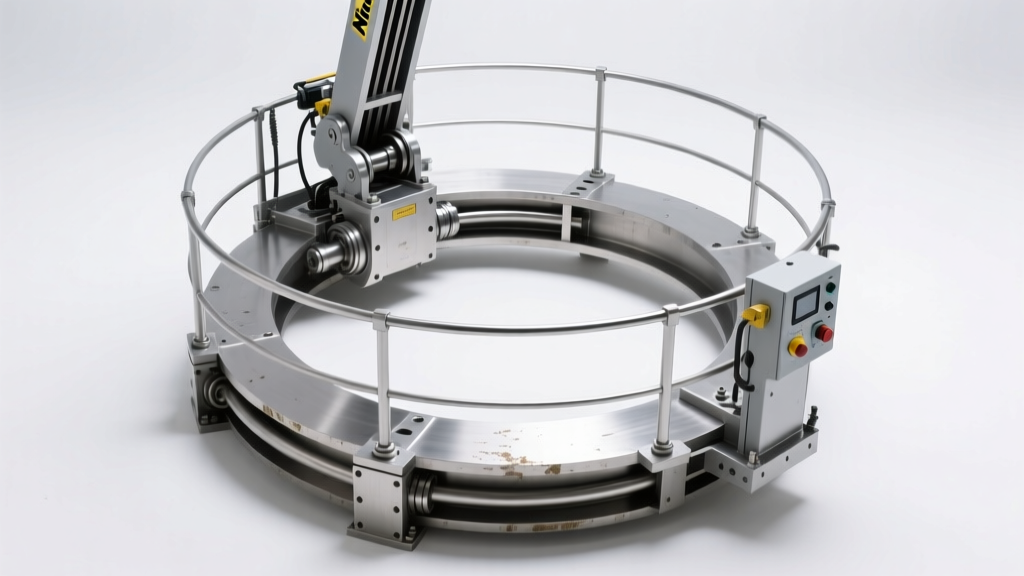
Types of Testing Instruments and Equipment
The world of testing instruments and equipment is vast and diverse, encompassing a wide range of tools designed for specific operations, applications, and industries. These instruments play a crucial role in ensuring product quality, safety, performance, and compliance across manufacturing, research, environmental monitoring, and industrial maintenance. From measuring material properties to simulating environmental stress, each type of equipment serves a unique purpose in quality assurance and process control.
Material Hardness Testers
Used to quantify a material's resistance to permanent deformation, indentation, or scratching—critical for evaluating metals, plastics, and composites in manufacturing and quality control.
Advantages
- Essential for material selection and quality assurance
- Multiple scales (Rockwell, Brinell, Vickers) for different materials
- Non-destructive or minimally invasive testing
- Provides reliable data for structural integrity
Limitations
- Surface preparation may be required
- Results can vary with operator technique
- Not suitable for very thin or brittle materials
Best for: Metal fabrication, automotive components, aerospace materials, quality inspection labs
Precision Balances
High-accuracy weighing instruments used to measure mass with exceptional precision, often down to microgram levels, vital in laboratories and production environments.
Advantages
- Extremely high accuracy and repeatability
- Essential for formulation, dosing, and compliance
- Digital interfaces for data logging and integration
- Available in various capacities and sensitivities
Limitations
- Sensitive to environmental factors (drafts, temperature)
- Requires regular calibration and maintenance
- Higher-end models can be expensive
Best for: Pharmaceutical labs, chemical analysis, R&D, food and beverage production
Mechanical Pressure Gauges
Analog devices that measure fluid or gas pressure in industrial systems without requiring electrical power, making them reliable and durable in harsh environments.
Advantages
- No power source required—ideal for remote or hazardous areas
- Robust and resistant to electrical interference
- Simple design with minimal maintenance needs
- Wide range of pressure scales and connections
Limitations
- Less precise than digital sensors
- Subject to mechanical wear and fatigue
- Manual reading can introduce human error
Best for: Oil and gas, HVAC systems, industrial machinery, process monitoring
Environmental Chambers
Controlled enclosures that simulate extreme conditions such as temperature, humidity, and altitude to test product durability and performance under stress.
Advantages
- Accelerated lifecycle testing for reliability
- Customizable profiles for specific standards (e.g., MIL-STD, IEC)
- Critical for product certification and compliance
- Supports R&D and failure analysis
Limitations
- High initial investment and operating costs
- Large footprint and energy consumption
- Requires trained personnel for operation
Best for: Electronics, automotive, aerospace, consumer goods testing
Colorimeters
Devices that measure the color of materials by detecting light absorption and reflection, ensuring consistency in products where appearance is critical.
Advantages
- Objective color measurement eliminates subjectivity
- Ensures brand consistency across batches
- Fast and non-destructive testing
- Integrates with quality control systems
Limitations
- Sensitive to surface texture and lighting
- May require calibration with reference standards
- Limited in detecting subtle visual defects
Best for: Paints, textiles, plastics, printing, food and cosmetics
Leak Detectors
Specialized instruments designed to identify and locate leaks in sealed systems such as pipelines, HVAC units, and vacuum chambers to prevent safety hazards and inefficiencies.
Advantages
- Prevents product loss and environmental contamination
- Enhances safety in gas and chemical systems
- Available in various technologies (helium, ultrasonic, tracer gas)
- Enables predictive maintenance
Limitations
- Some methods require system shutdown
- High-sensitivity detectors can be costly
- Training required for accurate interpretation
Best for: Automotive, aerospace, refrigeration, pharmaceutical, and energy sectors
Sound Level Meters
Digital instruments that measure sound pressure levels in decibels (dB), used to assess noise pollution, workplace safety, and acoustic performance.
Advantages
- Essential for OSHA and environmental compliance
- Real-time monitoring and data logging
- Portable and easy to use in field applications
- Helps in noise control and hearing protection planning
Limitations
- Accuracy affected by wind, background noise, and positioning
- Requires calibration for legal compliance
- Does not capture subjective perception of noise
Best for: Industrial hygiene, construction sites, product noise testing, environmental monitoring
| Instrument Type | Primary Function | Key Industries | Accuracy Level | Common Standards |
|---|---|---|---|---|
| Material Hardness Testers | Measure resistance to deformation | Manufacturing, Aerospace, Automotive | High (scale-dependent) | ASTM E10, E18, ISO 6506 |
| Precision Balances | Accurate mass measurement | Pharmaceuticals, Labs, Food | Very High (microgram precision) | USP, ISO 9001, GLP |
| Mechanical Pressure Gauges | Monitor system pressure | Oil & Gas, HVAC, Industrial | Moderate to High | ASME B40.1, EN 837 |
| Environmental Chambers | Simulate environmental stress | Electronics, Automotive, Aerospace | High (controlled environments) | MIL-STD-810, IEC 60068 |
| Colorimeters | Quantify color consistency | Textiles, Paints, Plastics | High (with calibration) | ASTM E308, ISO 11664 |
| Leak Detectors | Identify system leaks | Refrigeration, Pharma, Energy | Very High (with proper method) | ISO 20485, ASTM E493 |
| Sound Level Meters | Measure noise levels | Construction, Industrial, Environmental | High (when calibrated) | IEC 61672, OSHA 29 CFR 1910.95 |
Expert Tip: When selecting testing equipment, always consider calibration requirements, environmental operating conditions, and compliance with industry-specific standards to ensure reliable and legally defensible results.
The types listed here represent just a fraction of the thousands of specialized instruments available in the testing and measurement industry. Each tool is engineered to meet precise requirements across diverse applications, from ensuring consumer safety to advancing scientific research. As technology evolves, these instruments continue to become more accurate, automated, and integrated into smart manufacturing and quality control ecosystems.
Important Features of Testing Instruments and Equipment
Testing instruments and equipment play a vital role in ensuring product quality, safety, and compliance across industries such as manufacturing, pharmaceuticals, aerospace, and automotive. The effectiveness of these tools depends heavily on their design and functionality. Below are the most critical features that define high-performing testing equipment, expanded for deeper understanding and practical application.
Test Accuracy
Accuracy is the cornerstone of any testing instrument. It refers to how closely the measured value matches the true or accepted value. High accuracy ensures reliable results, which is essential for quality control, regulatory compliance, and process optimization. Inaccurate readings can lead to faulty conclusions, product recalls, or safety hazards. Instruments should be designed with precision sensors, stable internal references, and error-correction mechanisms to maintain accuracy under varying conditions.
Durability
Testing equipment often operates in demanding environments—exposed to vibration, temperature extremes, mechanical stress, or chemical exposure. Durability ensures that instruments maintain performance over time without degradation. Ruggedized housings, corrosion-resistant materials, and shock-absorbing components enhance longevity. Long-term reliability reduces downtime, maintenance costs, and the need for frequent replacements, making durability a key factor in total cost of ownership.
Water and Dust Resistance
Many testing applications occur in outdoor or industrial settings where exposure to water, humidity, and dust is common. Ingress Protection (IP) ratings—such as IP65, IP67, or IP68—indicate an instrument’s resistance to solids and liquids. Sealed enclosures, gasketed joints, and protective membranes prevent contaminants from damaging sensitive electronics or affecting measurement accuracy. This feature is especially critical for field testing, construction, or food processing environments.
Testing Range
A wide testing range allows a single instrument to handle multiple applications, improving versatility and return on investment. For example, a pressure tester might need to measure from 0–10 psi for delicate systems to 0–10,000 psi for industrial hydraulics. Similarly, temperature sensors may need to operate from cryogenic levels to extreme heat. Instruments with broad, adjustable ranges reduce the need for multiple specialized devices and streamline workflows across diverse production or research settings.
Minimal Calibrations
Frequent calibration increases operational costs and downtime. Instruments with high stability require fewer recalibrations, maintaining accuracy over extended periods. Features such as temperature compensation, drift-resistant components, and self-diagnostics contribute to long-term stability. Some advanced tools offer predictive calibration alerts or even self-calibration functions, further reducing maintenance burden and ensuring consistent performance.
Cost-Effectiveness
While high-end instruments offer superior performance, cost-effectiveness balances capability with budget constraints. An ideal testing tool delivers reliable results without unnecessary features that inflate price. Factors such as energy efficiency, low maintenance needs, long service life, and compatibility with existing systems enhance value. For industries conducting repeated tests during production, even small savings per test can result in significant overall cost reductions.
Automatic Data Capture
Manual data entry is time-consuming and prone to human error. Automatic data capture—via digital interfaces, Bluetooth, USB, or cloud connectivity—ensures accurate, real-time recording and traceability. Integrated data logging, timestamping, and export capabilities support compliance with standards like ISO, FDA 21 CFR Part 11, or GLP. This feature also enables seamless integration with quality management systems (QMS) and statistical process control (SPC) software for deeper analysis.
User Guidelines and Interface Design
Even the most advanced instrument is ineffective if it’s difficult to use. Clear user guidelines, intuitive menus, graphical displays, and multilingual support improve accessibility and reduce training time. Ergonomic design, tactile feedback, and contextual help features enhance usability in high-pressure or complex environments. Well-designed user interfaces minimize operator error and ensure consistent testing procedures across different personnel and shifts.
| Feature | Impact on Performance | Best Practices for Selection |
|---|---|---|
| Test Accuracy | High – Directly affects reliability of results | Look for NIST-traceable calibration, low uncertainty specs, and environmental compensation |
| Durability | High – Influences lifespan and operational consistency | Choose ruggedized models with proven track record in similar environments |
| Water & Dust Resistance | Medium to High – Critical for field or harsh environments | Select IP65 or higher for outdoor/industrial use |
| Testing Range | High – Determines versatility and application scope | Ensure range covers both typical and peak operational conditions |
| Minimal Calibrations | Medium – Affects maintenance cost and uptime | Opt for instruments with drift rates <0.1%/year and self-diagnostics |
| Cost-Effectiveness | High – Impacts ROI and scalability | Balance upfront cost with TCO (Total Cost of Ownership) |
| Automatic Data Capture | High – Enhances data integrity and compliance | Prioritize tools with digital output, cloud sync, and audit trail support |
| User Guidelines & Interface | Medium – Affects operator efficiency and error rates | Test usability with end-users; prefer touchscreen, icons, and guided workflows |
Important: When selecting testing instruments, always verify specifications with real-world performance data and industry certifications. Avoid compromising on accuracy or durability for short-term savings. Regular training, proper handling, and scheduled maintenance are essential to preserve instrument performance and ensure consistent, trustworthy results across all testing operations.
Commercial Uses of Testing Instruments & Equipment
Testing instruments and equipment are essential across a wide range of industries, ensuring product reliability, regulatory compliance, and operational safety. These tools provide precise measurements and data analysis, enabling businesses to maintain high standards of quality and performance. From manufacturing floors to research laboratories, the application of testing equipment is critical for innovation, safety assurance, and continuous improvement.
Quality Control in Manufacturing
In manufacturing environments, precision testing instruments are used at every stage of production to verify that components and finished goods meet strict quality specifications. These tools help detect defects early, reduce waste, and ensure consistency across large production runs.
- Coordinate measuring machines (CMMs) assess dimensional accuracy of machined parts
- Tensile testers evaluate material strength and elongation under stress
- Surface roughness testers ensure proper finish for functional and aesthetic requirements
- Non-destructive testing (NDT) methods like ultrasonic and X-ray inspection detect internal flaws without damaging products
Key benefit: Real-time monitoring reduces rework and enhances customer satisfaction
Automotive Testing
The automotive industry relies heavily on advanced testing systems to evaluate vehicle performance, safety, and durability. From engine components to braking systems, rigorous testing ensures vehicles can withstand real-world conditions.
- Dynamometers measure engine power output and efficiency
- Crash test dummies and impact simulators assess occupant safety
- Vibration and fatigue testing machines simulate long-term wear on suspension and chassis parts
- Emissions analyzers ensure compliance with environmental regulations
Innovation focus: Electric vehicle (EV) battery testing is a rapidly growing segment requiring specialized thermal and cycle testing
Aerospace Applications
Aerospace testing is among the most demanding due to the extreme conditions aircraft and spacecraft face. Components must undergo rigorous evaluation for structural integrity, thermal resistance, and performance under pressure.
- Wind tunnels simulate aerodynamic forces on prototypes and full-scale models
- Material testers assess composites and alloys for fatigue resistance at high altitudes
- Avionics testing ensures navigation and communication systems function flawlessly
- Thermal vacuum chambers replicate space conditions for satellite components
Critical standard: Compliance with FAA, EASA, and MIL-STD regulations is mandatory for certification
Construction and Civil Engineering
In civil infrastructure projects, testing equipment ensures that materials like concrete, steel, and soil meet engineering specifications for safety and longevity. These assessments are vital for bridges, buildings, roads, and dams.
- Concrete compression testers measure strength development over time
- Soil compaction testers verify foundation stability and load-bearing capacity
- Rebar detectors locate embedded steel in concrete structures
- Ultrasonic thickness gauges monitor corrosion in pipelines and structural elements
Field advantage: Portable testing kits enable on-site verification during construction phases
Medical Device Testing
Before medical devices reach patients, they undergo extensive testing to ensure safety, biocompatibility, and functional reliability. Regulatory bodies like the FDA require rigorous validation before market approval.
- Leak testers verify integrity of implants and fluid delivery systems
- Force gauges measure actuation strength of surgical tools and syringes
- Accelerated aging chambers simulate long-term use for shelf-life determination
- Electromagnetic compatibility (EMC) testers ensure devices don’t interfere with other equipment
Regulatory note: ISO 13485 and IEC 60601 standards govern medical device testing protocols
Consumer Electronics
With rapid innovation in electronics, manufacturers use testing equipment to validate performance, durability, and regulatory compliance of smartphones, laptops, wearables, and home appliances.
- Environmental chambers test devices under extreme temperatures and humidity
- Drop and impact testers simulate accidental falls and physical stress
- Signal analyzers assess wireless connectivity and data transmission quality
- Safety testers check for electrical insulation and shock protection
Trend insight: As devices become smaller, micro-scale testing tools are increasingly important
Chemical Analysis
Chemical industries use sophisticated instruments to determine the composition, purity, and reactivity of substances used in pharmaceuticals, petrochemicals, food processing, and materials science.
- Gas chromatography (GC) and mass spectrometry (MS) identify and quantify chemical compounds
- Spectrophotometers measure light absorption to determine concentration
- Titrators automate chemical reaction analysis for consistency
- Rheometers assess viscosity and flow behavior of liquids and semi-solids
Accuracy focus: Calibration and traceability to NIST standards ensure reliable results
Environmental Monitoring
Testing instruments play a crucial role in detecting and measuring pollutants in air, water, and soil, helping industries comply with environmental regulations and protect public health.
- Air quality monitors detect particulate matter (PM2.5/PM10), CO, NOx, and VOCs
- Water quality analyzers measure pH, dissolved oxygen, turbidity, and contaminant levels
- Noise meters assess sound pollution in urban and industrial areas
- Radiation detectors monitor for nuclear or electromagnetic hazards
Global impact: Real-time monitoring supports climate research and pollution control initiatives
Pharmaceuticals
The pharmaceutical industry depends on precise testing throughout drug development, manufacturing, and packaging to ensure efficacy, safety, and regulatory compliance. Every batch must meet stringent quality standards.
- Dissolution testers measure how quickly tablets release active ingredients
- HPLC (High-Performance Liquid Chromatography) verifies drug purity and concentration
- Stability chambers test product shelf life under controlled conditions
- Particle counters monitor cleanroom environments for contamination
Compliance requirement: Adherence to Good Manufacturing Practices (GMP) and FDA 21 CFR Part 11 is essential
Industry Insight: As automation and Industry 4.0 technologies advance, smart testing instruments with IoT connectivity are becoming standard. These systems enable real-time data collection, predictive maintenance, and integration with quality management software, improving efficiency and traceability across all sectors.
| Industry | Common Testing Instruments | Primary Purpose | Key Standards |
|---|---|---|---|
| Manufacturing | CMMs, Tensile Testers, Hardness Testers | Dimensional Accuracy & Material Integrity | ISO 9001, ASME Y14.5 |
| Automotive | Dynamometers, Crash Test Systems, Emission Analyzers | Safety, Performance & Emissions Compliance | ISO 26262, EPA Tier 3 |
| Aerospace | Wind Tunnels, NDT Equipment, Thermal Chambers | Structural & Environmental Resilience | FAA AC 20-107B, MIL-STD-810 |
| Medical Devices | Leak Testers, Force Gauges, EMC Testers | Patient Safety & Regulatory Approval | ISO 13485, IEC 60601 |
| Pharmaceuticals | HPLC, Dissolution Testers, Stability Chambers | Drug Efficacy & Purity | GMP, USP <1058> |
| Environmental | Air/Water Quality Monitors, Noise Meters | Pollution Detection & Regulatory Compliance | EPA Methods, ISO 14001 |
Emerging Trends in Testing Technology
- Automation & AI: Machine learning algorithms analyze test data to predict failures and optimize processes
- Portable Devices: Handheld spectrometers and field testers enable on-site analysis in remote locations
- Digital Twins: Virtual models simulate real-world testing scenarios before physical prototypes are built
- Sustainability Focus: Energy-efficient testing systems and eco-friendly calibration methods are gaining traction
- Cloud Integration: Test data is increasingly stored and shared via secure cloud platforms for collaborative analysis
How to Choose Testing Instruments & Equipment: A Comprehensive Buyer’s Guide
Selecting the right testing instruments and equipment is a crucial decision that directly impacts the accuracy, efficiency, and reliability of your operations—whether in laboratories, manufacturing, quality control, or research environments. With a wide range of options available, buyers must carefully evaluate several key factors to ensure they invest in tools that meet both current and future needs. This guide outlines essential considerations to help you make informed, cost-effective, and reliable purchasing decisions.
Important Note: Choosing the wrong testing equipment can lead to inaccurate results, increased operational costs, and potential safety risks. Always validate your selection against technical specifications and real-world performance requirements.
1. Define Your Testing Needs
Before exploring product options, clearly identify the specific tests you need to perform. Understanding your application requirements ensures you select equipment with the appropriate functionality, precision, and capacity.
- Determine the type of measurements required (e.g., temperature, pressure, electrical, mechanical, chemical)
- Assess the required accuracy, resolution, and measurement range
- Consider sample size, throughput volume, and testing frequency
- Identify any industry-specific standards or compliance requirements (e.g., ISO, ASTM, FDA)
- Decide whether you need portable, benchtop, or fixed-installation equipment
2. Establish a Realistic Budget
Budget is a critical factor, as testing instruments vary widely in price—from basic handheld devices to advanced automated systems costing thousands of dollars. However, the cheapest option may not offer the best long-term value.
- Set a budget range based on your financial constraints and expected return on investment
- Factor in long-term costs such as maintenance, calibration, and consumables
- Consider leasing or financing options for high-end equipment
- Balance upfront cost with durability, accuracy, and support to avoid costly replacements
3. Evaluate Brand Reputation and Reliability
Trusted brands with a proven track record in the industry are more likely to deliver consistent performance, accurate results, and dependable customer service.
- Research manufacturers known for innovation, quality control, and technical excellence
- Check for certifications such as ISO 9001, CE marking, or NIST traceability
- Look for brands that offer extensive product documentation and training resources
- Avoid unknown or unverified suppliers, especially when purchasing online
4. Warranty and Technical Support
A comprehensive warranty and responsive customer support can save time and money in case of malfunctions or operational issues.
- Look for equipment with at least a 1–2 year manufacturer warranty
- Verify availability of technical support via phone, email, or live chat
- Check if on-site service, repair, or loaner units are offered
- Inquire about software updates, firmware upgrades, and troubleshooting assistance
5. Calibration Requirements
Regular calibration is essential for maintaining measurement accuracy, but excessive calibration demands can disrupt workflows and increase costs.
- Choose instruments with stable performance and long calibration intervals
- Ensure the device supports easy, traceable calibration (preferably NIST-traceable)
- Check if in-house calibration is possible or if third-party services are required
- Look for models with built-in self-calibration or diagnostic features
- Keep a calibration schedule to remain compliant with quality standards
6. System Compatibility and Integration
The new instrument should seamlessly integrate with your existing systems, software, and infrastructure to avoid data silos and inefficiencies.
- Verify compatibility with data acquisition systems, LIMS (Laboratory Information Management Systems), or SCADA
- Check available communication interfaces (USB, Ethernet, Bluetooth, RS-232)
- Ensure software compatibility with your operating system (Windows, macOS, Linux)
- Confirm power requirements match your facility’s electrical setup
- Consider future scalability and modular expansion options
7. Read Reviews and User Testimonials
Real-world feedback from other users provides valuable insights into an instrument’s performance, durability, and ease of use.
- Search for independent reviews on industry forums, e-commerce platforms, and technical journals
- Look for patterns in feedback—recurring complaints may indicate design flaws
- Pay attention to comments about build quality, software usability, and long-term reliability
- Consider user ratings and verified purchase reviews for greater credibility
8. Seek Feedback from Industry Professionals
Experienced engineers, technicians, and lab managers can offer practical advice based on hands-on experience with various instruments.
- Consult colleagues or professional networks (e.g., LinkedIn groups, trade associations)
- Attend industry trade shows or webinars to interact with experts and vendors
- Request product demonstrations or trial units before purchasing
- Ask for recommendations tailored to your specific application and environment
| Selection Factor | Key Questions to Ask | Recommended Action | Red Flags |
|---|---|---|---|
| Testing Needs | What exactly will this instrument measure? What accuracy is required? | Write a detailed specification sheet before shopping | Vague or overly broad product descriptions |
| Budget | Is this the total cost of ownership, including maintenance? | Compare 3–5 options within your budget range | No warranty or hidden service fees |
| Brand Reputation | Has this brand been in the market for more than 5 years? | Check for customer case studies and industry awards | Frequent negative reviews or lack of support presence |
| Warranty & Support | Can I get help quickly if the device fails? | Contact support with a test question before buying | Support only available during business hours in another country |
| Calibration | How often does it need calibration? Is it user-serviceable? | Ask for calibration certificate samples | No traceability or excessive calibration cost |
| Compatibility | Will it work with my current software and hardware? | Request integration documentation from the vendor | Proprietary software with no API or export options |
Expert Tip: Whenever possible, request a demo unit or on-site trial. Hands-on experience with the instrument in your actual working environment can reveal usability issues that specifications and reviews might miss.
Final Recommendations
- Create a shortlist of 2–3 instruments that meet your core requirements
- Contact vendors for detailed quotes, including delivery, training, and installation
- Verify compliance with local regulations and safety standards
- Document your decision-making process for audits and future purchases
- Train your team on proper usage and maintenance to maximize equipment lifespan
Choosing the right testing instrument is not just about features and price—it’s about ensuring long-term reliability, accuracy, and support. By systematically evaluating your needs and considering all critical factors, you can make a confident, informed decision that enhances your operational efficiency and data integrity. When in doubt, consult with a technical specialist or seek third-party validation to ensure your investment delivers lasting value.
Frequently Asked Questions About Testing Instruments & Equipment
Q1: What factors affect the accuracy of the testing instrument?The accuracy of a testing instrument is influenced by a combination of external and internal variables. Understanding these factors is essential for ensuring reliable and repeatable measurements in laboratory and industrial environments.
- Environmental Conditions: Temperature fluctuations can cause materials to expand or contract, affecting sensor readings. High humidity may lead to corrosion or electrical interference, especially in sensitive electronic instruments.
- Instrument Materials: The quality and stability of materials used in construction—such as metals, polymers, or ceramics—impact long-term calibration and resistance to wear or deformation.
- Internal Components: Precision sensors, circuitry, and mechanical parts must be properly calibrated and maintained. Drift in electronic components over time can reduce measurement fidelity.
- Operating Procedures: Human error during setup, calibration, or sample handling can significantly compromise results. Following standardized protocols minimizes variability.
- Vibration and Electromagnetic Interference: Nearby machinery or power sources can introduce noise into measurements, particularly in high-precision applications.
Regular calibration, proper environmental control, and adherence to manufacturer guidelines are critical for maintaining instrument accuracy and ensuring data integrity.
Q2: Which is the most important testing equipment in the laboratories?There is no single "most important" piece of testing equipment, as the significance of each instrument depends on the specific application, industry, and type of analysis being conducted. However, certain foundational tools are universally essential across various laboratory settings.
- Pipettes: Crucial for precise liquid handling in chemistry, biology, and medical labs. Accuracy in volume delivery directly affects experimental outcomes.
- Beakers and Flasks: Fundamental for mixing, heating, and storing chemicals. Made from durable borosilicate glass, they withstand thermal stress and chemical exposure.
- Thermometers and Temperature Sensors: Used to monitor and control reaction conditions, ensuring processes occur within required thermal ranges.
- Burettes: Essential in titration procedures for delivering variable volumes of liquid with high precision, commonly used in analytical chemistry.
- Analytical Balances: Provide highly accurate mass measurements, often to the milligram or microgram level, vital in formulation and quality control.
While advanced instruments like spectrometers or chromatographs perform specialized functions, these basic tools form the backbone of daily lab operations and are indispensable for preliminary and routine testing.
Q3: What is related to the Testing Instrument & Equipment industry?The Testing Instrument & Equipment industry plays a pivotal role in quality assurance, safety compliance, and innovation across a wide range of sectors. It encompasses the design, manufacturing, distribution, and maintenance of devices that evaluate the physical, chemical, and functional properties of materials and products.
- Core Functions: This industry develops tools that assess strength, durability, safety, performance, and consistency—ensuring products meet regulatory standards and consumer expectations.
- Key Sectors Served:
- Manufacturing & Automotive: Tests materials for stress, fatigue, and structural integrity in vehicles and machinery.
- Aerospace: Ensures components can withstand extreme conditions such as high pressure, temperature, and vibration.
- Construction: Evaluates concrete strength, steel quality, and building material performance.
- Healthcare & Pharmaceuticals: Supports drug development, medical device testing, and clinical diagnostics.
- Consumer Electronics: Verifies product safety, battery life, and electromagnetic compatibility.
- Standards & Compliance: Instruments help organizations comply with international standards (e.g., ISO, ASTM, FDA) through accurate, traceable measurements.
- Innovation Support: Enables research and development by providing precise data for new materials, processes, and technologies.
By bridging science and industry, this sector ensures that products are not only functional but also safe, reliable, and compliant with global regulations.
Q4: What are the varieties of laboratory testing instruments?Laboratory testing instruments come in a wide array of types, each designed for specific measurement tasks. These tools are essential for analyzing physical, chemical, and mechanical properties across scientific and industrial fields.
| Instrument Type | Primary Function | Common Applications |
|---|---|---|
| Hardness Testers | Measure resistance of materials to deformation or indentation. | Metalworking, quality control in manufacturing, material science. |
| Mass Balances (Analytical & Precision) | Determine mass with high accuracy, down to microgram levels. | Chemistry labs, pharmaceutical formulation, sample preparation. |
| Pressure Gauges | Monitor and measure gas or liquid pressure in systems. | Hydraulic systems, HVAC, industrial process control. |
| Environmental Chambers | Simulate temperature, humidity, and other environmental conditions. | Product testing, stability studies, accelerated aging tests. |
| Colour Testers (Colorimeters/Spectrophotometers) | Quantify color accuracy and consistency in materials. | Paints, textiles, food, printing, and cosmetic industries. |
| Leak Detectors | Identify leaks in sealed systems using pressure changes or tracer gases. | Automotive, aerospace, refrigeration, and medical device manufacturing. |
| Noise Level Meters (Sound Level Meters) | Measure sound pressure levels in decibels (dB). | Occupational safety, environmental monitoring, product noise testing. |
These instruments are often integrated into automated systems or used manually, depending on the required precision and throughput. Their diversity reflects the broad scope of testing needs in modern science and industry.
Q5: What is the purpose of the testing instruments?Testing instruments serve as critical tools for verification, validation, and quality assurance across industries. Their primary purpose is to ensure that products, materials, and systems meet defined standards of performance, safety, and reliability before they reach consumers or enter service.
- Quality Control: Detect defects or inconsistencies in manufacturing processes, helping maintain uniformity and reduce waste.
- Safety Assurance: Verify that products like vehicles, medical devices, and electronics operate safely under normal and extreme conditions.
- Regulatory Compliance: Support adherence to national and international standards (e.g., ISO, CE, UL) through documented and traceable test results.
- Product Development: Provide data for research and innovation, enabling engineers and scientists to refine designs and improve functionality.
- Performance Validation: Confirm that materials and components can withstand expected stresses, such as heat, pressure, impact, or corrosion.
- Consumer Confidence: Ensure that everyday items—from medicines to smartphones—are safe, effective, and built to last.
By delivering accurate and consistent measurements, testing instruments protect public safety, enhance product quality, and drive technological advancement across virtually every sector of the economy.