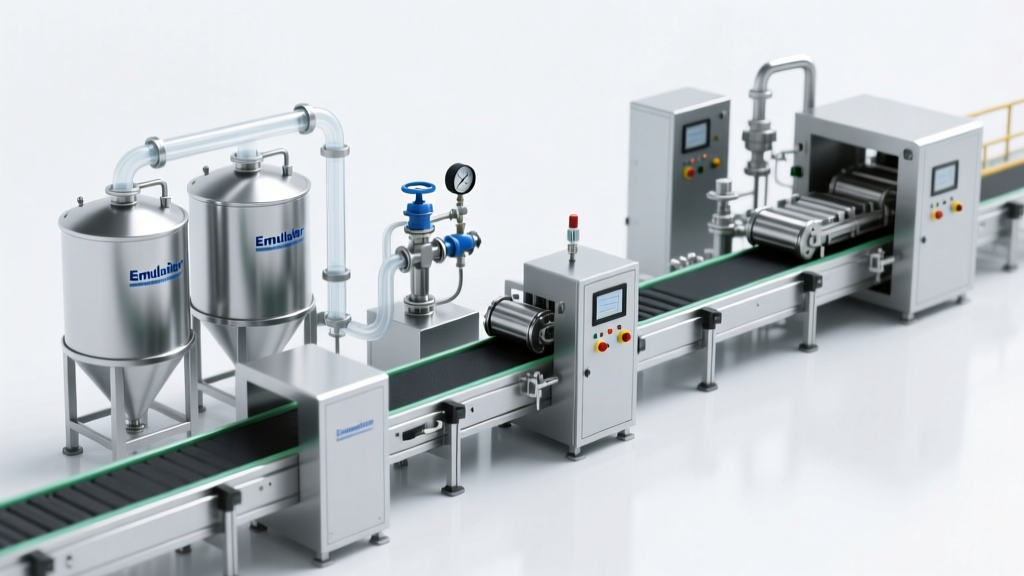
Types of Roller Coating Presses
A roller coating press is a precision industrial machine used to apply uniform layers of coating—such as adhesives, inks, polymers, or protective finishes—onto various substrates including paper, plastic, metal, and composites. These presses are engineered for different scales and applications, from research and development to high-volume manufacturing. Understanding the different types helps in selecting the right equipment for quality, efficiency, and cost-effectiveness.
Laboratory Coaters
Compact, precision instruments designed for small-scale testing and formulation development in controlled environments.
Advantages
- High control over coating thickness
- Ideal for R&D and prototyping
- Low material consumption
- Quick setup and adjustment
Limitations
- Not suitable for production
- Limited substrate size capacity
- Lower throughput
Best for: Research labs, formulation testing, academic studies, and pilot production runs
Lab Roller Coating Press
Specialized lab-scale press using precision knives or rods to apply ultra-thin, uniform coatings on small substrates.
Advantages
- Exceptional coating uniformity
- Perfect for nanoscale and thin-film applications
- Used in advanced material development
- Supports repeatable, controlled experiments
Limitations
- Manual operation in most models
- Narrow application scope
- Requires skilled operators
Best for: Thin-film transistors, polymer solar cells, OLED development, and short-run prototypes
Flat Bed Coaters
Utilizes a flat, stable surface to ensure even pressure and consistent coating on rigid or semi-rigid materials.
Advantages
- Precise, flat coating application
- Excellent for large, flat substrates
- High dimensional accuracy
- Minimal distortion or warping
Limitations
- Slower than continuous systems
- Batch processing only
- Higher labor involvement
Best for: Plastics, metal sheets, wood panels, and specialty laminates requiring a flawless finish
Rotary Screen Coaters
Employs a rotating cylindrical screen to transfer coating with precision, enabling patterned or textured finishes.
Advantages
- Consistent coating thickness
- Capable of intricate patterns and textures
- High-speed operation
- Ideal for decorative and functional printing
Limitations
- Screen maintenance required
- Higher initial setup cost
- Limited to compatible viscosities
Best for: Specialty coatings, decorative finishes, printed electronics, and patterned adhesive layers
Continuous Coaters
Designed for high-speed, uninterrupted coating of flexible materials in roll-to-roll (web) processing.
Advantages
- Extremely high throughput
- Automated and efficient
- Cost-effective for large volumes
- Consistent quality over long runs
Limitations
- High initial investment
- Less flexibility for small batches
- Requires stable process parameters
Best for: Automotive parts, furniture laminates, building materials, and industrial web coating
Heat-Assisted Coaters
Incorporates integrated heating systems to cure, activate, or bond coatings during or immediately after application.
Advantages
- Enables curing of thermosetting coatings
- Improves adhesion and durability
- Reduces post-processing steps
- Essential for reactive or heat-activated materials
Limitations
- Energy-intensive operation
- Not suitable for heat-sensitive substrates
- More complex maintenance
Best for: Rubber coatings, polymer films, protective lacquers, and metal finishing requiring thermal curing
| Type | Scale | Speed | Precision | Primary Applications |
|---|---|---|---|---|
| Laboratory Coaters | Small (R&D) | Low | Very High | Formulation testing, material research |
| Lab Roller Coating Press | Micro-scale | Low | Ultra-High | Thin films, solar cells, prototypes |
| Flat Bed Coaters | Medium (Batch) | Medium | High | Flat sheets, panels, laminates |
| Rotary Screen Coaters | Medium to High | High | High (Patterned) | Printing, textured coatings |
| Continuous Coaters | Industrial (Mass) | Very High | High (Consistent) | Automotive, furniture, construction |
| Heat-Assisted Coaters | Medium to High | Medium to High | High | Thermal curing, reactive coatings |
Expert Tip: When selecting a roller coating press, consider not only the coating type and substrate but also environmental conditions, curing requirements, and production volume. For R&D, prioritize precision and flexibility; for production, focus on throughput and automation.
Industrial Applications of Roller Coating Press: Precision Coating Across Key Sectors
Roller coating presses are essential industrial systems that deliver consistent, high-quality surface finishes across a wide range of materials. By using precision-engineered rollers to apply thin, uniform layers of coatings, these machines enhance product durability, aesthetics, and functionality. Their adaptability makes them indispensable in industries requiring high throughput, repeatability, and material efficiency.
Key Advantage: Roller coating presses offer superior control over coating thickness, reduce material waste, and support high-speed continuous processing—making them ideal for large-scale manufacturing environments.
Automotive Industry: Ensuring Durability and Aesthetic Excellence
Function and Application
In automotive manufacturing, roller coating presses are used to apply primers, base coats, clear coats, and protective sealants to vehicle bodies, chassis components, and interior panels. These systems ensure complete coverage and consistent film thickness across complex metal surfaces.
The automated nature of roller coating allows seamless integration into robotic assembly lines, supporting just-in-time production and reducing bottlenecks in painting operations.
Benefits and Outcomes
Uniform coating minimizes defects such as runs, sags, or orange peel texture, significantly improving finish quality. Additionally, precise metering reduces overspray and chemical usage, contributing to cost savings and environmental compliance.
Coatings applied via roller systems enhance corrosion resistance, UV protection, and long-term durability—critical for vehicles exposed to harsh weather and road conditions.
Woodworking Industry: Efficiency and Finish Quality in Furniture Production
Function and Application
Roller coating presses play a central role in modern woodworking facilities, where they apply varnishes, stains, lacquers, and UV-curable coatings to engineered wood panels, cabinets, doors, and furniture components.
They are especially effective for flat or profiled substrates, enabling high-speed finishing of MDF, plywood, and particleboard with minimal manual intervention.
Benefits and Outcomes
These presses deliver a smooth, defect-free finish while significantly reducing drying times and labor costs. The controlled application reduces material consumption by up to 30% compared to spray methods.
Advanced systems support multiple coating layers in a single pass, improving production efficiency and ensuring consistent gloss levels, scratch resistance, and color accuracy across batches.
Textiles and Paper Industries: Functional and Decorative Surface Engineering
Function and Application
In the textile industry, roller coating presses apply functional finishes such as water repellents, flame retardants, antimicrobial agents, and softening treatments to fabrics. In paper manufacturing, they coat packaging materials, labels, and specialty papers with adhesives, waxes, or barrier films.
These systems handle continuous rolls of fabric or paper, allowing for inline processing at high speeds without compromising coating integrity.
Benefits and Outcomes
Roller coating ensures even distribution of chemicals across porous or flexible substrates, enhancing performance characteristics like moisture resistance, printability, and tactile feel.
The precision of the process supports customization—enabling manufacturers to produce specialty products such as waterproof canvas, heat-sealable packaging, or textured wallpaper with consistent quality.
| Industry | Common Coatings Applied | Key Performance Requirements | Typical Coating Thickness |
|---|---|---|---|
| Automotive | Primer, paint, clear coat, anti-corrosion sealants | Uniformity, durability, chemical resistance | 15–30 µm per layer |
| Woodworking | Varnish, lacquer, UV-curable resins, stains | Gloss consistency, scratch resistance, fast curing | 10–25 µm |
| Textiles | Waterproofing agents, flame retardants, dyes | Penetration control, flexibility, wash resistance | 5–20 µm |
| Paper & Packaging | Wax, adhesive, silicone, barrier coatings | Even spread, bond strength, moisture resistance | 2–15 µm |
Core Advantages Across Industries
High Efficiency
Supports continuous, high-speed operation ideal for mass production environments.
Material Savings
Precise metering reduces overspray and waste, lowering operational costs.
Consistent Quality
Delivers uniform thickness and finish across large surface areas.
Versatility
Adaptable to various substrates including metal, wood, fabric, and paper.
Important: Proper maintenance of roller coating presses—including regular cleaning of rollers, calibration of gap settings, and inspection of pump systems—is crucial to prevent defects and ensure long-term reliability. Using incompatible coatings or incorrect viscosity can damage equipment and compromise product quality. Always follow manufacturer guidelines for operation and upkeep.
Product Specifications and Features of Roller Coating Press
The performance and reliability of a roller coating press depend on its design, engineering, and integration of advanced systems. While specifications vary by model and manufacturer, several core features are standard across industrial-grade machines. Understanding these features helps manufacturers select the right equipment for coating applications on substrates such as metal, plastic, wood, paper, and composite materials.
Coating Thickness Control
Precision in coating thickness is critical for product consistency, adhesion, and finish quality. Modern roller coating presses utilize closed-loop control systems with sensors and automated feedback mechanisms to maintain exact coating thickness across the entire substrate width.
- Micro-adjustable roller gaps allow for fine-tuning down to micrometer accuracy
- Digital thickness monitoring systems provide real-time data and alerts for deviations
- Automatic correction algorithms compensate for substrate variations and environmental changes
Key benefit: Ensures uniform coating distribution, reducing material waste and rework.
Speed and Production Efficiency
High-speed operation is a hallmark of industrial roller coating presses, enabling continuous processing at rates from 50 to over 500 meters per minute, depending on the application.
- Variable frequency drives (VFDs) allow speed adjustment without compromising coating quality
- Quick-changeover systems reduce downtime between production runs
- Energy-efficient motors and regenerative braking systems lower operational costs
Pro tip: Match line speed to coating cure time to avoid defects like sagging or wrinkling.
Versatility in Coating Types
Modern roller coating presses are engineered to handle a wide range of coating chemistries and application methods, making them ideal for multi-product facilities.
- Compatible with water-based, solvent-based, UV-curable, and high-solids coatings
- Adaptable for both liquid and powder coatings with proper fluid delivery systems
- Interchangeable roller sets support different coating weights and finishes (gloss, matte, textured)
Critical advantage: One machine can serve multiple production lines, improving ROI.
Roller Configuration and Design
The number and type of rollers determine the coating method and precision. Common configurations include reverse roll, direct roll, and gravure (engraved) systems.
- Single or dual doctor blades ensure precise metering and eliminate excess coating
- Engraved rollers (anilox) deliver consistent coating volume via cell structure
- Hard chrome-plated or rubber-covered rollers suit different substrate sensitivities
Technical note: Roller hardness and surface finish must match substrate requirements to prevent marking or slippage.
Integrated Heat and Cooling Systems
Temperature control is essential for activating certain coatings and protecting heat-sensitive materials during processing.
- Heated rollers (up to 200°C) accelerate drying or curing of thermosetting coatings
- Cooling rolls maintain substrate integrity for plastics and laminates
- Enclosed drying tunnels with IR or hot air assist in rapid solvent evaporation
Safety note: Thermal systems should include overheat protection and emergency shutoffs.
Automation and Control Integration
Advanced control panels and software interfaces streamline operation and monitoring.
- Touchscreen HMI (Human-Machine Interface) for intuitive setup and diagnostics
- PLC-based controls enable recipe storage and automatic parameter recall
- Remote monitoring and predictive maintenance alerts via IoT connectivity
Smart feature: Integration with factory MES systems enhances traceability and process control.
Professional Recommendation: When selecting a roller coating press, prioritize systems with modular design and scalable automation. This allows for future upgrades and adaptation to new materials or production demands. Always request a trial run with your specific substrate and coating to validate performance before purchase.
Installation Guidelines for Roller Coating Presses
Proper installation ensures long-term reliability, safety, and optimal performance. Follow these best practices during setup:
- Site Preparation: Ensure a level, vibration-free foundation with adequate space for operation, maintenance access, and ventilation. Concrete flooring with anchor points is recommended.
- Mounting and Alignment: Use lifting equipment (e.g., forklift or crane) to position heavy rollers safely. Precisely align rollers using laser alignment tools to prevent edge wear and coating streaks.
- Electrical Integration: Connect to a dedicated power supply with proper grounding. Most industrial presses require 3-phase power (380V–480V). Verify motor rotation direction before full operation.
- Fluid Delivery (Plumbing): Install coated material supply lines with corrosion-resistant hoses, flow meters, and shut-off valves. Include drip trays and containment for spill control.
- Control System Setup: Configure the HMI with default parameters for speed, pressure, and temperature. Calibrate sensors and verify emergency stop functionality.
- Pre-Operational Testing: Run the press without substrate to check roller rotation, tension control, and system responsiveness. Conduct a test run with scrap material to validate coating uniformity and cure quality.
Maintenance and Repair Best Practices
Regular maintenance extends equipment life, reduces downtime, and ensures consistent coating quality.
- Daily Cleaning: Flush fluid lines and clean rollers immediately after use to prevent clogging and chemical buildup. Use manufacturer-recommended solvents based on coating type.
- Lubrication Schedule: Apply high-temperature grease to bearings and gearboxes per the maintenance manual. Over-lubrication can attract dust and cause contamination.
- Roller Inspection: Check for scratches, pitting, or coating buildup weekly. Rechrome or regrind rollers as needed to maintain surface finish.
- Alignment and Calibration: Perform monthly roller alignment checks and recalibrate thickness gauges and pressure sensors to ensure accuracy.
- Timely Repairs: Replace worn seals, damaged bearings, or malfunctioning heaters promptly. For complex issues, use certified technicians to avoid voiding warranties.
- Preventive Maintenance Logs: Maintain digital records of service dates, parts replaced, and performance metrics to support predictive maintenance strategies.
| Feature | Standard Configuration | Advanced/Optional Features | Benefit |
|---|---|---|---|
| Coating Control | Manual gap adjustment | Automated thickness feedback system | ±2μm accuracy, reduced waste |
| Speed Range | 50–200 m/min | Up to 600 m/min with servo drives | Higher throughput for mass production |
| Roller Types | Steel with chrome plating | Ceramic-coated, rubber-covered, engraved | Better release, longer life, specialty finishes |
| Temperature Control | Basic heating elements | Zoned heating/cooling with PID control | Precise thermal management for sensitive substrates |
| Control System | Basic digital panel | Touchscreen HMI with IoT connectivity | Remote monitoring, data logging, predictive maintenance |
Additional Considerations for Optimal Performance
- Substrate Compatibility: Ensure the press is configured for your material’s thickness, width, and sensitivity to tension or heat.
- Safety Compliance: Install emergency stops, guarding, and ventilation per OSHA and local regulations.
- Environmental Controls: Use VOC recovery systems or scrubbers for solvent-based coatings to meet emissions standards.
- Training: Provide operator training on safe handling, changeover procedures, and basic troubleshooting.
- Warranty and Support: Choose suppliers offering comprehensive warranties, spare parts availability, and technical support.
Quality and Safety Considerations for Roller Coating Press
In industrial manufacturing, roller coating presses play a vital role in applying consistent, high-quality finishes to various substrates such as metal, paper, plastic, and composites. Ensuring both quality and safety in these systems is essential—not only to maintain product integrity and production efficiency but also to protect personnel and comply with regulatory standards. This guide explores the critical quality assurance practices and safety protocols that should be implemented when operating and maintaining roller coating presses.
Safety Warning: Always follow OSHA and local safety regulations when operating industrial coating equipment. Never bypass safety guards or disable emergency stop systems. Proper training and protective measures are mandatory for all personnel working near roller coating machinery.
Key Quality Considerations
Consistent, high-quality coating application depends on multiple factors—from machine design to operational maintenance. Addressing these elements ensures product uniformity, reduces waste, and enhances process reliability.
- Material Selection: The structural integrity and performance of a roller coating press begin with the materials used in its construction. Frames should be fabricated from high-strength steel or reinforced alloys to minimize vibration and deformation under load. Rollers must be made from hardened, wear-resistant materials such as chrome-plated steel, ceramic-coated alloys, or precision-ground rubber, depending on the coating type. Using substandard materials can lead to uneven coating thickness, premature wear, and contamination of the final product.
- Precision Engineering: High-precision machining and alignment of rollers are crucial for achieving uniform coating thickness across the entire substrate width. Modern roller coating presses utilize CNC-machined components and laser alignment systems to ensure parallelism and consistent nip pressure. Even minor misalignments can cause streaking, edge buildup, or coating voids, directly affecting product quality and customer satisfaction.
- Advanced Control Systems: State-of-the-art presses are equipped with programmable logic controllers (PLCs), touchscreen interfaces, and closed-loop feedback systems that monitor and adjust parameters in real time. These include roller speed, gap settings, coating viscosity, and web tension. Automation reduces human error, enables repeatability across batches, and allows for quick changeovers, significantly improving process consistency and throughput.
- Testing and Certification: Reputable roller coating presses undergo rigorous testing and are certified to international quality standards such as ISO 9001 (Quality Management), ISO 14001 (Environmental Management), and CE marking for compliance with European safety directives. These certifications validate the machine’s design, performance, and adherence to industry best practices, giving operators confidence in long-term reliability.
- Regular Maintenance and Calibration: Preventive maintenance is a cornerstone of sustained quality. Routine inspections of rollers, bearings, drive systems, and fluid delivery mechanisms help detect wear before it impacts performance. Scheduled cleaning prevents cross-contamination, while calibration of sensors and control systems ensures accurate operation. A documented maintenance log supports traceability and continuous improvement.
Essential Safety Considerations
Safety in roller coating operations cannot be overstated. With high-speed rotating components, hazardous chemicals, and potential fire risks, comprehensive safety protocols are necessary to protect workers and facilities.
- Machine Guarding: All moving parts—including rollers, gears, couplings, and drive shafts—must be enclosed with fixed or interlocked guards. These guards prevent accidental contact that could result in severe injuries such as amputations, crushes, or entanglement. Interlocked guards should automatically shut down the machine when opened, ensuring safe access during maintenance.
- Emergency Stop Systems: Clearly marked, easily accessible emergency stop (E-stop) buttons must be installed at multiple operator stations. These should be hardwired into the machine’s control circuit to immediately cut power and halt all motion in an emergency. Regular testing of E-stop functionality is required to ensure reliability.
- Proper Ventilation and Fume Extraction: Many coating processes involve solvent-based materials that release volatile organic compounds (VOCs) and flammable vapors. Adequate ventilation systems—such as local exhaust ventilation (LEV) or fume hoods—are essential to remove hazardous emissions, maintain air quality, and reduce explosion risks. Explosion-proof electrical components should be used in high-risk zones.
- Personal Protective Equipment (PPE): Operators must wear appropriate PPE, including chemical-resistant gloves, safety goggles or face shields, hearing protection (due to high noise levels), and flame-resistant clothing. Respiratory protection, such as NIOSH-approved respirators, is required when working with toxic or airborne particulate coatings. PPE should be inspected regularly and replaced as needed.
- Comprehensive Training and Procedures: All personnel must receive thorough training on machine operation, hazard recognition, lockout/tagout (LOTO) procedures, and emergency response. Training should be documented and refreshed periodically. Clear operating manuals and safety signage should be posted near the equipment to reinforce safe practices.
| Safety/Quality Factor | Best Practices | Risks of Neglect | Recommended Tools & Equipment |
|---|---|---|---|
| Material Selection | Use hardened steel or ceramic rollers; corrosion-resistant frames | Coating defects, frequent breakdowns, contamination | Material certification reports, hardness testers |
| Precision Alignment | Laser alignment tools, regular calibration checks | Uneven coating, product rejection, increased waste | Laser alignment systems, micrometers, feeler gauges |
| Machine Guarding | Install interlocked guards on all moving parts | Severe injuries, OSHA violations, downtime | Safety interlocks, guarding kits, risk assessment tools |
| Ventilation & Air Quality | Use LEV systems and monitor air for VOCs | Respiratory illness, fire hazards, regulatory fines | Air quality monitors, fume extractors, explosion-proof fans |
| Operator Training | Conduct initial and annual refresher training | Accidents, improper handling, non-compliance | Training modules, LOTO kits, safety checklists |
Expert Tip: Implement a digital maintenance management system (CMMS) to schedule inspections, track component wear, and receive alerts for upcoming service tasks. This proactive approach enhances both machine longevity and coating consistency while supporting compliance with quality and safety audits.
Additional Recommendations
- Perform regular risk assessments and update safety protocols annually or after equipment modifications.
- Keep Safety Data Sheets (SDS) readily available for all coating materials used on-site.
- Install fire suppression systems in coating areas, especially when using flammable solvents.
- Use non-slip flooring and proper lighting around the press to reduce slip/trip hazards.
- Encourage a safety-first culture through regular safety meetings and employee feedback programs.
By integrating robust quality controls and comprehensive safety measures, industrial facilities can maximize the performance and lifespan of their roller coating presses while safeguarding personnel and ensuring regulatory compliance. Investing in high-quality equipment, ongoing training, and preventive maintenance not only improves operational efficiency but also strengthens your organization’s commitment to excellence and workplace safety.
Frequently Asked Questions About Roller Coating Presses
Q1: What Types of Coatings Are Used in Roller Coating Presses?Roller coating presses are highly versatile and compatible with a wide range of coating materials, making them essential across various industrial applications. These include:
- Water-Based Coatings: Environmentally friendly and low in volatile organic compounds (VOCs), ideal for applications requiring compliance with environmental regulations.
- Solvent-Based Coatings: Offer excellent adhesion and durability, commonly used in automotive and industrial finishes where high performance is critical.
- Powder Coatings: Applied electrostatically and then cured under heat, though less common in standard roller systems, specialized roller setups can pre-treat or support powder coating processes.
- Specialty Chemicals: Including primers, adhesives, release agents, and functional coatings like anti-static or UV-resistant layers.
- Thin Films, Paints, and Varnishes: Roller coating ensures uniform thickness and smooth finish, crucial for aesthetic and protective qualities in wood, metal, and plastic substrates.
The precise metering and consistent transfer mechanisms of roller coating presses ensure even application, minimizing defects and maximizing coating efficiency regardless of material type.
Q2: How Does an Industrial Roller Coating Press Work?An industrial roller coating press operates on a precision-engineered principle of controlled coating transfer using a series of rollers. Here’s how the process works step by step:
- Coating Supply: The coating material is fed into the system, typically via a reservoir or pump, and applied to the surface of the applicator roller.
- Metering: A metering roller (or gauge roller) regulates the amount of coating transferred by controlling the gap between itself and the applicator roller, ensuring consistent film thickness.
- Transfer to Substrate: The substrate—such as metal sheet, paper, plastic film, or textile—passes between the applicator roller and a pressure roller (backup roller), which ensures firm contact and uniform coating deposition.
- Drying/Curing: After coating, the material usually moves through a drying oven or UV curing unit to set the coating before further processing.
This method allows for high-speed, continuous coating with minimal waste and excellent repeatability, making it ideal for mass production environments.
Q3: What Is the Difference Between Doctor Blade and Roller Coating?Doctor blade and roller coating are two distinct methods of applying coatings, each with unique advantages and limitations. Understanding their differences helps in selecting the right method for specific applications:
| Feature | Doctor Blade Coating | Roller Coating |
|---|---|---|
| Application Method | Coating is applied broadly, then excess is scraped off using a precision blade. | Coating is transferred directly via rollers in a controlled, metered manner. |
| Coating Thickness | Capable of very thin, precise layers (micron-level accuracy). | Better suited for medium to thick coatings; precision depends on roller gap control. |
| Material Waste | Higher—excess coating is scraped off and often not recovered. | Lower—coating is metered before application, reducing overspray and waste. |
| Suitability | Ideal for high-precision applications like printing, ceramics, and battery electrode coating. | Better for high-speed, continuous coating of large surfaces such as metal strips, paper, and films. |
| Maintenance & Wear | Blades wear over time and require frequent inspection/replacement. | Rollers need regular cleaning and alignment but generally last longer. |
In summary, doctor blade systems excel in precision and fine control, while roller coating offers efficiency, consistency, and scalability for industrial throughput.
Q4: Which Industries Use Roller Coating Presses?Roller coating presses are integral to numerous manufacturing sectors due to their ability to deliver consistent, high-quality finishes at scale. Key industries include:
- Automotive: Used for coating body panels, trim, undercarriage components, and interior parts with protective and decorative finishes.
- Wood & Furniture: Applies stains, sealers, varnishes, and laminates to panels and finished products for durability and aesthetic appeal.
- Paper & Packaging: Coats paperboard, labels, and flexible packaging with glossy, matte, or barrier coatings (e.g., moisture-resistant layers).
- Textiles: Applies functional coatings such as waterproofing, flame retardants, or antimicrobial treatments to fabric rolls.
- Construction & Building Materials: Used for coating metal roofing, siding, and insulation boards with weather-resistant and corrosion-protective layers.
- Electronics & Plastics: Applies conductive, insulating, or optical coatings on films and substrates used in displays and circuitry.
The adaptability of roller coating systems to different substrates and coating chemistries makes them a cornerstone technology in modern surface engineering.
Q5: What Are Essential Maintenance Tips for Roller Coating Systems?Proper maintenance is crucial for ensuring consistent coating quality, extending equipment life, and minimizing downtime. Here are key best practices:
- Post-Production Cleaning: Clean all rollers immediately after use to prevent coating buildup, which can cause streaks, uneven application, or damage to roller surfaces.
- Regular Lubrication: Lubricate bearings, gears, and moving parts according to the manufacturer’s schedule to reduce friction, wear, and mechanical failure.
- Roller Inspection: Check for nicks, swelling, or deformation—especially on rubber or composite rollers—that could affect coating uniformity.
- Alignment & Calibration: Regularly verify roller alignment and adjust the gap between metering and applicator rollers to maintain precise coating thickness.
- Coating Viscosity Monitoring: Ensure the coating material maintains optimal viscosity, as fluctuations can impact transfer efficiency and finish quality.
- Filter Maintenance: Clean or replace coating supply filters to prevent clogs and contamination.
- Operator Training: Train staff on proper startup, shutdown, and emergency procedures to prevent misuse and prolong system reliability.
Implementing a preventive maintenance schedule can significantly reduce unplanned downtime and ensure peak performance of your roller coating press over its operational lifespan.