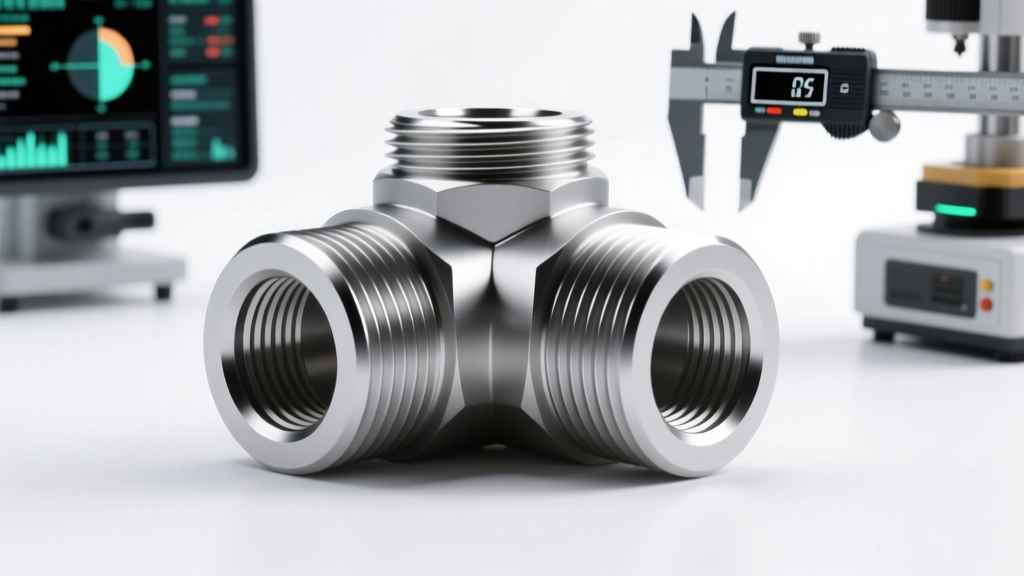
Types of Reciprocating Feeding Machines
A reciprocating feeding machine is a mechanical system designed to move bulk materials in a controlled, back-and-forth motion. These machines are widely used across industries such as mining, construction, pharmaceuticals, food processing, and chemical manufacturing. By delivering consistent and metered material flow, they enhance operational efficiency, reduce waste, and ensure uniform feeding to downstream equipment like crushers, mixers, or packaging systems.
The choice of reciprocating feeder depends on factors such as material type, required precision, environmental conditions, and throughput capacity. Below is a detailed breakdown of the most commonly used types:
Reciprocating Feeder
Designed for heavy-duty applications in mining and aggregate processing, this feeder uses a linear back-and-forth tray motion to regulate material flow into crushers or conveyors.
Advantages
- Handles large, abrasive materials effectively
- Provides consistent feed rate despite material density variations
- Robust construction for continuous operation
- Ideal for uneven or coarse feed materials
Limitations
- Limited precision in fine metering
- Higher maintenance due to mechanical wear
- Can generate noise and vibration
Best for: Mining, quarries, primary crushing stations
Reciprocating Piston Feeder
Utilizes a piston-driven mechanism to deliver precise volumes of material with high repeatability, similar to internal combustion engine dynamics.
Advantages
- Exceptional accuracy in dosing and metering
- Suitable for viscous, sticky, or semi-solid materials
- Repeatable performance for batch processes
- Commonly automated for integration into production lines
Limitations
- Lower throughput compared to bulk feeders
- More complex design increases maintenance needs
- Not ideal for large or abrasive particles
Best for: Pharmaceutical, chemical, and specialty manufacturing where precision is critical
Mechanical Reciprocating Feeder
Driven by an eccentric drive, motor, or pulley system, this feeder moves material in bulk using a rugged tray mechanism.
Advantages
- High load capacity and durability
- Simple, reliable mechanical design
- Low operating costs over time
- Effective in harsh environments (dust, moisture, temperature)
Limitations
- Less accurate than piston or electromagnetic types
- Limited adjustability in feed rate
- Potential for material segregation during feeding
Best for: Construction, mining, and heavy industrial applications requiring bulk handling
Electromagnetic Feeder
Uses electromagnetic coils to generate controlled vibrations, enabling precise and contactless material movement.
Advantages
- Highly accurate and adjustable feed rates
- No mechanical contact reduces wear
- Smooth, quiet operation
- Easily integrated with digital control systems
Limitations
- Lower capacity; not suitable for heavy loads
- Sensitive to power fluctuations
- Higher initial cost
Best for: Food processing, pharmaceuticals, laboratories, and handling delicate or fine powders
Vibrating Feeder
Employs vibration—generated by electric motors or electromagnetic drives—to move bulk granular or powdered materials along a trough.
Advantages
- High reliability and low maintenance
- Can be enclosed for dust control or open for inspection
- Handles a wide range of material types
- Energy-efficient and easy to automate
Limitations
- Vibration may affect nearby equipment
- Not ideal for fragile materials that may break down
- Requires proper mounting and isolation
Best for: Agriculture, mining, recycling, and general industrial conveying of dry bulk solids
| Type | Durability | Precision | Capacity | Best Applications |
|---|---|---|---|---|
| Reciprocating Feeder | Excellent | Good | High | Mining, aggregate processing, primary crushing |
| Reciprocating Piston Feeder | Good | Excellent | Low to Medium | Pharmaceuticals, chemical dosing, batch processing |
| Mechanical Reciprocating Feeder | Excellent | Fair | Very High | Construction, heavy industry, bulk material handling |
| Electromagnetic Feeder | Good | Excellent | Low | Food, labs, precision metering, sensitive materials |
| Vibrating Feeder | Very Good | Good | High | Agriculture, recycling, general conveying |
Expert Tip: When selecting a reciprocating feeding machine, consider not only the material characteristics (size, density, abrasiveness) but also environmental factors like temperature, humidity, and explosion risks. For hygienic or sterile environments, stainless steel construction and easy-clean designs are recommended.
Material & Durability of Reciprocating Feeding Machines
The performance and longevity of a reciprocating feeding machine are heavily influenced by its material composition. The choice of materials is driven by operational demands, including the type of material being handled, environmental conditions, and industry-specific requirements such as hygiene or corrosion resistance. Selecting the right materials ensures durability, reduces maintenance costs, and enhances overall efficiency.
Key Materials Used in Reciprocating Feeding Machines
Steel Alloys
Steel alloys form the backbone of most industrial reciprocating feeders due to their exceptional strength, toughness, and wear resistance. High-strength carbon steels and alloy steels are commonly used in heavy-duty applications such as mining, quarrying, and construction, where machines are subjected to extreme mechanical stress.
Tempered steel, in particular, undergoes heat treatment to enhance hardness and durability, making it ideal for components exposed to constant impact and abrasion. This treatment significantly extends the service life of feed troughs, drive mechanisms, and structural frames under harsh operating conditions.
Stainless Steel
Stainless steel is the material of choice in industries where corrosion resistance and cleanliness are paramount—such as food processing, pharmaceuticals, and chemical manufacturing. Its ability to resist rust, staining, and microbial growth makes it ideal for maintaining product purity and meeting strict sanitation standards.
Common grades like 304 and 316 stainless steel offer excellent resistance to moisture and chemical exposure. Additionally, stainless steel’s smooth surface minimizes material buildup and facilitates easy cleaning, contributing to both operational hygiene and long-term reliability.
Cast Iron
Cast iron is widely used in reciprocating feeders that handle highly abrasive or jagged materials such as crushed rock, metal scrap, or mineral ores. Its high hardness and excellent wear resistance make it suitable for prolonged exposure to grinding and impact forces.
Beyond durability, cast iron has natural vibration-damping properties that help reduce noise and stabilize the machine during operation. This improves operational smoothness and protects surrounding equipment and structures from excessive vibration transmission.
Synthetic Polymers
Modern reciprocating feeders increasingly incorporate synthetic polymers like polyethylene (PE), polyvinyl chloride (PVC), and ultra-high-molecular-weight polyethylene (UHMW-PE) for specific components such as liners, hoppers, and troughs.
These materials offer outstanding resistance to abrasion, chemicals, and low-temperature embrittlement. Their low coefficient of friction also helps materials flow smoothly, reducing blockages and energy consumption. UHMW-PE, in particular, is prized for its self-lubricating properties and impact strength, making it ideal for lining wear-prone areas.
Bronze and Other Non-Ferrous Alloys
Non-ferrous metals like bronze, brass, and aluminum alloys are typically used for internal moving parts such as bushings, bearings, and piston guides. These components benefit from the anti-galling and corrosion-resistant properties of non-ferrous materials, especially in wet or chemically aggressive environments.
Bronze, in particular, provides excellent dimensional stability and low friction against steel shafts, reducing wear and ensuring consistent motion over time. While more expensive than ferrous alternatives, their longevity and reliability in corrosive or high-moisture settings justify the investment in critical applications.
Material Selection Guidelines
Choosing the right material depends on several factors:
- Abrasive Load: Use hardened steel, cast iron, or polymer liners for materials that cause rapid wear.
- Corrosive Environment: Opt for stainless steel or non-ferrous alloys when handling acidic, alkaline, or salty substances.
- Sanitary Requirements: Stainless steel is essential in food, beverage, and pharmaceutical applications.
- Vibration Control: Cast iron or composite materials can help dampen operational vibrations.
- Cost vs. Lifespan: Balance initial cost with expected service life—premium materials often offer lower total cost of ownership.
| Material | Primary Benefits | Common Applications |
|---|---|---|
| High-Strength Steel | High load capacity, impact resistance, cost-effective | Mining, construction, bulk material handling |
| Stainless Steel (304/316) | Corrosion resistance, hygienic surface, easy to clean | Food processing, pharmaceuticals, chemical plants |
| Cast Iron | Wear resistance, vibration damping, durability | Crushing plants, foundries, heavy industrial feeding |
| Synthetic Polymers (UHMW-PE, PVC) | Low friction, chemical resistance, lightweight | Light-duty feeding, corrosive environments, food-grade systems |
| Bronze & Non-Ferrous Alloys | No rust, low friction, reliable in wet conditions | Pumps, valves, internal feeder mechanisms |
Important: Always match material selection to your specific operating environment and material characteristics. Using substandard or incompatible materials can lead to premature failure, contamination risks, and increased downtime. Consult engineering specifications and industry standards when designing or upgrading reciprocating feeding systems to ensure optimal performance and safety.
Suggestions for Customizing the Reciprocating Feeding Machine
Customizing a reciprocating feeding machine is essential to achieving optimal performance across diverse industrial applications. Off-the-shelf models may not fully meet the unique demands of specific materials, environments, or production goals. By tailoring key components, manufacturers can significantly improve accuracy, efficiency, durability, and integration within existing production lines.
Below are the most critical elements to consider when customizing a reciprocating feeding machine, with practical insights and industry-specific recommendations to guide decision-making.
Feeding Mechanism
The feeding mechanism is the core of any reciprocating feeder and must be selected based on material type, required precision, and throughput. Customization ensures the mechanism aligns with the application’s metering needs.
- Reciprocating Piston Feeders: Ideal for high-precision dosing of liquids, pastes, and fine powders in pharmaceuticals, cosmetics, and food processing. These provide consistent volume control and are easily adjustable for batch variations.
- Mechanical Ram Feeders: Best suited for bulk handling in mining, aggregates, and construction industries where large volumes of coarse or abrasive materials need reliable, continuous feeding.
- Volumetric vs. Gravimetric Systems: For critical applications, integrating load cells allows gravimetric feeding, offering real-time feedback and higher accuracy than volumetric methods.
Pro tip: Consider servo-driven piston systems for programmable stroke length and speed, enabling dynamic adjustment during operation.
Material of Construction
The choice of materials directly impacts the machine’s resistance to corrosion, wear, and contamination—especially critical in hygienic or harsh environments.
- Stainless Steel (304/316): Recommended for food, beverage, pharmaceutical, and chemical industries due to excellent corrosion resistance and compliance with hygiene standards (e.g., FDA, EHEDG).
- Abrasion-Resistant Alloys (e.g., AR400, Hardox): Essential when handling abrasive materials like sand, ore, or slag. These extend component life and reduce maintenance downtime.
- Coatings and Liners: Ceramic coatings, rubber linings, or polyurethane inserts can be applied to wear-prone areas to further enhance durability without increasing base material cost.
Key consideration: Always evaluate chemical compatibility between the material being fed and the feeder’s construction to prevent degradation.
Feeder Size and Capacity
Proper sizing ensures the feeder matches production volume requirements while maintaining efficiency and space utilization.
- High-Capacity Feeders: Used in agriculture, bulk chemical processing, and cement plants. Larger stroke lengths and bore diameters allow for higher throughput and reduced cycle frequency.
- Compact Precision Feeders: Designed for laboratory settings, small-batch production, or pharmaceutical packaging where space is limited and accuracy is paramount.
- Scalability: Modular designs allow future expansion or reconfiguration as production needs evolve.
Design insight: Oversizing can lead to inconsistent feeding at low demand; undersizing causes overworking and premature failure. Match capacity to peak and average loads.
Drive System
The drive system determines the power delivery, control precision, and energy efficiency of the reciprocating motion.
- Electric Motor with Eccentric Drive: Most common in mechanical feeders. Offers robust performance and is suitable for heavy-duty applications. Speed control via VFD (Variable Frequency Drive) allows adjustable feed rates.
- Electromagnetic Drives: Provide smooth, pulse-free feeding with precise control over amplitude and frequency. Ideal for delicate materials or applications requiring gentle handling.
- Pneumatic Actuators: Used in explosive or high-hygiene environments where electrical components pose risks. Require clean, dry air supply but offer fast response times.
Energy note: Electromagnetic systems are generally more energy-efficient for low-force, high-precision applications compared to mechanical drives.
Hopper and Trough Design
Material flow behavior—such as cohesion, angle of repose, and tendency to bridge—dictates the optimal hopper and trough geometry.
- Conical or Wedge Hoppers: Prevent bridging and rat-holing in fine powders and granular materials. Liners with low-friction surfaces (e.g., UHMW-PE) enhance flowability.
- Trough Shape Customization: Rectangular troughs suit bulk solids; U-shaped or V-shaped troughs are better for sticky or cohesive materials. Tapered designs improve discharge consistency.
- Vibration Integration: Adding vibrators or air pads to the hopper walls assists in dislodging stagnant material and maintaining steady flow.
Critical factor: Conduct material testing (e.g., shear cell analysis) to determine flow properties before finalizing hopper design.
Control and Automation Integration
Modern reciprocating feeders benefit significantly from smart controls that enhance precision, monitoring, and integration with larger systems.
- PLC-Based Controls: Enable programmable stroke length, frequency, and dwell time. Can be synchronized with upstream/downstream equipment.
- Feedback Sensors: Load cells, proximity switches, and level sensors provide real-time data for closed-loop control and error detection.
- Remote Monitoring: IoT-enabled systems allow predictive maintenance alerts and performance tracking via SCADA or cloud platforms.
Future-proofing tip: Specify machines with communication protocols (e.g., Modbus, Profibus) for seamless Industry 4.0 integration.
Professional Recommendation: When customizing a reciprocating feeding machine, adopt a holistic approach—consider not just individual components but how they interact as a system. Collaborate with experienced engineers or OEMs who can simulate material flow, perform stress analysis, and validate designs before manufacturing. This reduces trial-and-error, minimizes downtime, and ensures long-term reliability.
| Industry | Recommended Customization | Material Type | Key Performance Goal |
|---|---|---|---|
| Pharmaceuticals | Stainless steel construction, servo-driven piston, conical hopper | Fine powders, tablets | High precision, hygiene, low cross-contamination |
| Mining & Aggregates | AR steel trough, eccentric drive, rugged hopper | Ore, gravel, crushed stone | Durability, high throughput, minimal maintenance |
| Food Processing | Sanitary 316SS, CIP-compatible design, electromagnetic drive | Grains, sugar, flour | Cleanliness, consistent flow, regulatory compliance |
| Chemical Manufacturing | Corrosion-resistant alloys, sealed drive, explosion-proof motor | Pellets, powders, corrosive compounds | Safety, chemical resistance, accurate dosing |
Additional Considerations for Optimal Customization
- Maintenance Accessibility: Design hoppers and drive systems for easy inspection, cleaning, and part replacement to minimize downtime.
- Noise Reduction: Incorporate dampeners, rubber mounts, or sound enclosures for feeders operating in noise-sensitive environments.
- Environmental Sealing: Use gaskets and IP-rated enclosures to protect electrical components in dusty or wet conditions.
- Modular Design: Facilitates upgrades, retrofitting, and transportability across facilities.
- Compliance Standards: Ensure adherence to relevant regulations (e.g., ATEX for explosive atmospheres, 21 CFR for food contact surfaces).
How to Choose the Right Reciprocating Feeding Machine
Selecting the appropriate reciprocating feeding machine is a critical decision that directly impacts process efficiency, product quality, and operational costs. These machines are widely used across industries for their ability to deliver precise, controlled feeding of solids, powders, and liquids. However, choosing the right model requires careful evaluation of several technical and operational factors. This guide outlines the key considerations to help you make an informed decision tailored to your specific application needs.
Important Note: A mismatch between machine specifications and application requirements can lead to poor performance, increased downtime, and higher maintenance costs. Always consult with equipment manufacturers or engineering specialists when dealing with complex or high-throughput processes.
Key Selection Criteria for Reciprocating Feeding Machines
- Industry Application
Different industries demand varying levels of precision, durability, and hygiene from feeding equipment. Understanding your industry's unique requirements is essential for proper machine selection:
- Pharmaceuticals & Chemicals: Require high-precision reciprocating piston feeders for accurate dosing of powders, granules, or liquids. These systems often integrate with automated control systems for batch consistency.
- Mining & Aggregates: Utilize heavy-duty reciprocating feeders to handle abrasive bulk materials like ores, coal, or gravel. These machines are built for continuous operation under harsh conditions.
- Food Processing: Demand hygienic designs with easy-clean surfaces, often made from food-grade stainless steel, to meet sanitation standards.
- Construction & Agriculture: Use high-capacity feeders for moving large volumes of raw materials such as sand, cement, or grain.
- Material Compatibility
The physical and chemical properties of the material being fed must align with the construction materials of the feeder. Incompatible materials can lead to corrosion, wear, contamination, or mechanical failure:
- Corrosive Materials: Acids, alkalis, or salty substances require feeders constructed from stainless steel (e.g., SS304 or SS316) or coated alloys to prevent rust and degradation.
- Abrasive Substances: Materials like sand, minerals, or metal shavings necessitate wear-resistant components such as hardened steel liners, ceramic coatings, or replaceable wear plates.
- Sticky or Cohesive Materials: May require special hopper designs with vibratory aids or anti-bridging mechanisms to ensure consistent flow.
- Feeding Precision and Capacity
These two factors often represent a trade-off and must be balanced based on process requirements:
- Precision: Critical in industries like pharmaceuticals, where dosing accuracy can affect product efficacy. Reciprocating piston feeders offer repeatability within ±1% or better, depending on calibration and control systems.
- Capacity: Measured in volume or weight per hour (e.g., tons/hour or liters/minute). Bulk handling applications in mining or agriculture prioritize high throughput over ultra-fine precision.
- Adjustability: Look for models with variable stroke length and speed controls to adapt to changing production needs without hardware changes.
- Energy Efficiency
Energy consumption affects both operational costs and environmental impact, especially in 24/7 operations:
- Modern reciprocating feeders with electromagnetic drives or servo-hydraulic systems are significantly more energy-efficient than traditional mechanical drives.
- Models equipped with variable frequency drives (VFDs) allow speed modulation based on real-time demand, reducing unnecessary power usage.
- Energy-efficient designs also generate less heat and vibration, contributing to longer component life and reduced cooling requirements.
- Maintenance and Durability
A durable, low-maintenance machine reduces downtime and total cost of ownership:
- Look for feeders with sealed bearings, lubrication-free components, and accessible service points to simplify maintenance.
- Stainless steel or powder-coated frames resist corrosion and are easier to clean—ideal for food, pharmaceutical, and outdoor applications.
- Modular designs allow quick replacement of worn parts (e.g., pistons, seals, or liners) without disassembling the entire system.
- Robust construction with reinforced bases and shock-absorbing mounts enhances longevity in high-vibration environments.
- Customization Options
Standard models may not meet all operational needs, especially in specialized or evolving processes:
- Hopper Design: Can be customized for capacity, flow characteristics (e.g., conical, wedge-shaped), or material discharge control.
- Feed Mechanism: Options include single or double piston, adjustable stroke, and programmable cycles.
- Material of Construction: From carbon steel to exotic alloys, depending on chemical resistance and wear requirements.
- Drive System: Electric, pneumatic, or hydraulic drives can be selected based on plant infrastructure and control integration needs.
- Automation Integration: Many manufacturers offer PLC compatibility, remote monitoring, and data logging features for Industry 4.0 readiness.
| Selection Factor | High-Priority Industries | Recommended Features | Expected Benefits |
|---|---|---|---|
| Feeding Precision | Pharmaceuticals, Chemicals, Laboratories | Adjustable stroke, servo control, digital feedback | Consistent dosing, reduced waste, compliance with standards |
| Material Compatibility | Mining, Chemical, Food Processing | Stainless steel, wear-resistant liners, corrosion protection | Extended equipment life, reduced contamination risk |
| High Capacity | Construction, Agriculture, Bulk Handling | Large hopper, robust drive, high stroke rate | Increased throughput, faster processing times |
| Energy Efficiency | All continuous operations | VFD, electromagnetic drive, low-friction components | Lower operating costs, reduced carbon footprint |
| Maintenance & Durability | Heavy Industry, Remote Locations | Modular design, sealed components, easy access | Less downtime, lower service costs |
| Customization | Specialty Manufacturing, R&D | Custom hoppers, PLC integration, unique materials | Tailored performance, future scalability |
Expert Tip: Before finalizing your purchase, request a material testing or trial run from the manufacturer. Many suppliers offer demo units or lab-scale testing to validate performance with your specific material, ensuring compatibility and accuracy under real-world conditions.
Final Recommendations
- Always match the machine’s specifications to your material type, flow rate, and environmental conditions.
- Consider total cost of ownership—not just the initial price, but also energy use, maintenance, and expected lifespan.
- Verify warranty terms, availability of spare parts, and technical support from the supplier.
- Ensure compatibility with existing control systems (e.g., SCADA, PLC, or HMI interfaces).
- Train operators on proper usage and maintenance to maximize performance and safety.
Choosing the right reciprocating feeding machine is more than a technical decision—it's a strategic investment in process reliability and product quality. By carefully evaluating your needs against these key factors, you can select a system that delivers consistent performance, reduces operational risks, and supports long-term productivity goals. When in doubt, consult with an experienced engineer or equipment specialist to ensure optimal selection.
Frequently Asked Questions About Reciprocating Feeding Machines
Q1: What industries benefit from using a reciprocating feeding machine?Reciprocating feeding machines are widely used across several key industries due to their ability to deliver precise, consistent, and reliable material handling. The primary industries that benefit include:
- Pharmaceutical Industry: Ensures accurate dosing of powders and granules in tablet and capsule production, where consistency and hygiene are critical.
- Food Processing: Handles ingredients such as flour, sugar, spices, and grains with sanitary precision, often using food-grade materials like stainless steel to meet safety standards.
- Chemical Manufacturing: Manages corrosive or reactive powders and liquids safely, with material compatibility being a top priority.
- General Manufacturing: Used in assembly lines and processing units for feeding bulk solids into mixers, crushers, dryers, or packaging systems.
These machines enhance operational efficiency, reduce waste, and maintain product quality by ensuring uniform feed rates—making them essential in high-precision industrial applications.
Q2: How does a reciprocating feeder function?A reciprocating feeder operates through a back-and-forth (oscillating) motion that gradually moves bulk materials from a hopper or storage bin into downstream processing equipment. This linear motion is typically driven by an electric motor connected to an eccentric mechanism or hydraulic/pneumatic actuator.
Key operational features include:
- Oscillating Tray or Pan: The material sits on a tray that moves forward slowly under load and returns quickly when empty, creating a continuous forward progression of material.
- Adjustable Stroke Length: Controls how far the tray moves with each cycle, directly affecting the volume of material dispensed.
- Variable Speed Drive: Allows operators to fine-tune the number of cycles per minute, enabling precise control over feed rate.
- Vibration Dampening: Built-in springs or shock absorbers minimize structural stress and noise during operation.
This design makes reciprocating feeders ideal for handling fragile, abrasive, or sticky materials without degradation, bridging the gap between gravity flow and powered conveying systems.
Q3: Can reciprocating feeding machines be customized?Yes, reciprocating feeding machines are highly customizable to meet the unique demands of different industrial processes and environments. Customization ensures optimal performance, compliance with safety standards, and integration into existing production lines.
Common customization options include:
- Material of Construction: Options range from carbon steel for general use to stainless steel (e.g., SS304 or SS316) for corrosion resistance and hygiene-critical applications.
- Feeder Dimensions and Capacity: Length, width, and depth of the feeding tray can be tailored to match throughput requirements and spatial constraints.
- Hopper Design: Custom hoppers with liners, agitators, or level sensors can prevent bridging and ensure consistent material flow.
- Drive Mechanism: Electric, pneumatic, or hydraulic drives can be selected based on power availability and control needs.
- Control Systems: Integration with PLCs, variable frequency drives (VFDs), or HMI panels for automated process control and monitoring.
- Explosion-Proofing: For hazardous environments involving flammable dust or vapors, machines can be built to ATEX or IECEx standards.
These custom features allow manufacturers to optimize performance, improve safety, and extend equipment lifespan across diverse operating conditions.
Q4: What is the importance of material selection for reciprocating feeding machines?Material selection is crucial for ensuring the durability, safety, and efficiency of reciprocating feeding machines, especially when exposed to harsh or sensitive environments. Choosing the right materials impacts corrosion resistance, wear life, hygiene, and regulatory compliance.
| Material Type | Best For | Key Benefits |
|---|---|---|
| Stainless Steel (SS304/SS316) | Food processing, pharmaceuticals, chemical handling | Corrosion-resistant, easy to clean, non-reactive, meets FDA and 3-A sanitary standards |
| Carbon Steel with Coating | General industrial applications | Durable and cost-effective; epoxy or polymer coatings add protection against rust |
| Conductive Alloys (e.g., nickel-chrome alloys) | High-temperature, abrasive, or electrically sensitive environments | Resists wear, heat, and static buildup; ideal for mining or heavy manufacturing |
| Plastic Liners (e.g., UHMW-PE) | Handling sticky or abrasive materials | Reduces friction, prevents material buildup, extends tray life |
Incorrect material choice can lead to rapid degradation, contamination risks, or system failure. Therefore, selecting materials based on the specific application ensures long-term reliability and compliance with industry regulations.
Q5: What maintenance practices prolong the lifespan of reciprocating machines?Proper maintenance is essential to maximize the performance and longevity of reciprocating feeding machines. Regular care prevents unplanned downtime, reduces repair costs, and ensures consistent feeding accuracy.
Recommended maintenance practices include:
- Regular Inspection: Check for wear on critical components such as bearings, bushings, connecting rods, pistons, and the feed tray. Look for cracks, deformation, or misalignment.
- Lubrication: Apply appropriate lubricants to moving parts (e.g., pivot points, linkages) according to the manufacturer’s schedule to reduce friction and prevent seizing.
- Cleaning: Remove accumulated material buildup from the hopper and tray, especially in food or chemical applications, to prevent clogging and contamination.
- Corrosion Monitoring: Inspect for signs of rust or chemical degradation, particularly in humid or corrosive environments. Address issues early with touch-up coatings or part replacement.
- Vibration Checks: Excessive vibration may indicate imbalance, loose bolts, or worn dampeners��correct promptly to avoid further damage.
- Alignment Verification: Ensure the drive mechanism and tray remain properly aligned to maintain smooth reciprocating motion.
- Preventive Replacement: Replace high-wear parts (e.g., seals, gaskets, liners) before failure occurs, based on usage cycles and manufacturer guidelines.
Implementing a scheduled maintenance program—supported by detailed logs and condition monitoring—can extend the service life of reciprocating feeders by years while ensuring safe and efficient operation.