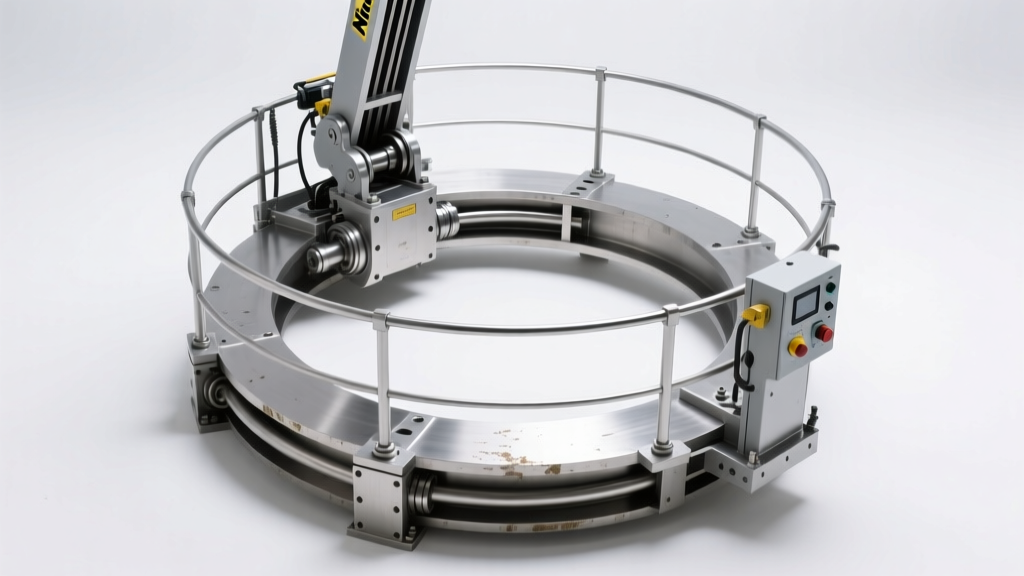
Types of Grain Grinding Machines with Motors
A grain grinding machine with motor is a vital piece of equipment in food processing, agriculture, and industrial milling operations. These machines use powerful electric motors to crush, grind, or mill various grains into flour, meal, or powder. Designed for efficiency and durability, they are essential in both small commercial setups and large-scale industrial environments. Below is a detailed breakdown of the most common types of motorized grain grinding machines used today.
Industrial Electric Grain Mill
Engineered for high-volume production, this mill is a staple in large factories and dedicated grain processing plants. It features robust steel construction and precision-engineered grinding components driven by heavy-duty electric motors capable of continuous operation.
Advantages
- High throughput capacity for mass production
- Durable steel build ensures long-term reliability
- Produces fine, consistent flour ideal for baking and food manufacturing
- Compatible with a wide range of grains including wheat, corn, and rice
Limitations
- High initial investment and operational cost
- Requires significant space and infrastructure
- Needs regular maintenance due to constant use
Best for: Large-scale flour mills, industrial food processors, bulk grain exporters
Commercial Grain Grinding Machine
Tailored for business operations such as bakeries, health food stores, and small processing units, this machine balances performance and practicality. It runs on standard electric power and is built with durable metal components to handle daily commercial use.
Advantages
- Efficient grinding for medium-scale production
- Versatile—can process grains, seeds, and nuts
- Produces fine meal or flour suitable for retail and artisanal products
- Lower energy consumption compared to industrial models
Limitations
- Not designed for 24/7 operation
- Lower output than industrial mills
- May require cooling periods during extended use
Best for: Local bakeries, organic food stores, small agribusinesses, and specialty grain processors
Three-Phase Electric Grain Mill
This advanced mill utilizes three-phase electrical power, delivering superior torque and consistent performance under heavy loads. Ideal for continuous industrial operations, it provides stable, vibration-free grinding even during prolonged use.
Advantages
- Exceptional motor efficiency and power stability
- Capable of handling tough grains like maize, millet, and sorghum
- Minimal power fluctuations ensure uniform grinding results
- Long motor lifespan due to balanced electrical load
Limitations
- Requires access to three-phase power supply (not available in all areas)
- Higher installation and electrical setup costs
- More complex maintenance procedures
Best for: Large agricultural cooperatives, industrial milling plants, and facilities with dedicated power infrastructure
Industrial Grain Mill with Electric Motor
A general-purpose heavy-duty mill designed for industrial environments where large volumes of grain must be processed quickly and efficiently. It integrates a powerful electric motor with a steel grinding chamber to ensure durability and consistent output.
Advantages
- High-speed grinding for rapid flour production
- Robust steel construction withstands continuous operation
- Processes diverse grains including wheat, barley, and rye
- Used in large bakeries and food manufacturing units
Limitations
- Generates heat during extended use, requiring cooling management
- Can be noisy without sound insulation
- Needs skilled operators for optimal performance
Best for: Large bakeries, cereal producers, and integrated food processing facilities
| Type | Power Source | Output Capacity | Durability | Common Applications |
|---|---|---|---|---|
| Industrial Electric Grain Mill | Single or Three-Phase | Very High | Excellent | Flour mills, food factories, export processing |
| Commercial Grain Grinding Machine | Single-Phase Electric | Moderate | Good | Bakeries, retail stores, small processors |
| Three-Phase Electric Grain Mill | Three-Phase Electric | High to Very High | Excellent | Large-scale milling, agricultural industries |
| Industrial Grain Mill with Electric Motor | Electric (Single/Three-Phase) | High | Excellent | Food manufacturing, bulk bakeries, grain processors |
Expert Tip: When selecting a grain grinding machine, consider not only motor power but also grinding mechanism (hammer mill, roller mill, or stone mill), ease of cleaning, and noise levels—especially if operating in urban or shared environments.
Energy Efficiency Note: Three-phase motors are generally more energy-efficient than single-phase motors for high-load applications. If your facility supports three-phase power, opting for this type can reduce long-term electricity costs and improve operational stability.
How to Choose the Right Grain Grinding Machine with Motor
Selecting the appropriate grain grinding machine with an integrated motor is crucial for achieving optimal milling efficiency, product quality, and long-term cost savings. Whether you're operating a small farm, a feed mill, or a commercial flour production unit, understanding the key selection criteria ensures you invest in equipment that meets your operational demands. Below is a comprehensive guide to help you make an informed decision.
Key Factors to Consider When Choosing a Grain Grinder with Motor
Required Capacity
Your daily processing volume should be the primary driver in selecting a grain grinder. Machines are typically rated in kilograms or tons per hour (kg/h or t/h), and choosing one that matches your throughput needs prevents bottlenecks or underutilization.
For large-scale agricultural or commercial operations—such as feed mills or flour factories—high-capacity grinders (e.g., 500 kg/h and above) equipped with powerful motors (15–30 HP or more) are ideal. These systems often feature automated feeding and continuous operation capabilities.
Smaller farms or homesteads may benefit from compact models with capacities between 50–200 kg/h and motors ranging from 3–7.5 HP. These are energy-efficient, easier to maintain, and suitable for intermittent use.
Type of Grain
Different grains have unique physical properties—hardness, moisture content, oil content—that affect how they should be milled. A machine designed for soft wheat may struggle with harder grains like corn, sorghum, or barley.
For example, wheat and rye are best processed using roller mills or fine hammer mills to produce flour with consistent texture. Corn, being harder and more fibrous, often requires heavy-duty hammer mills with adjustable screens.
Oily seeds like soybeans, sunflower, or flaxseed need specialized grinders that prevent clogging and overheating due to oil release during grinding. Look for models with cooling mechanisms or pre-crushing stages for such materials.
Desired Particle Size
The end-use of the ground grain determines the required fineness. Animal feed often calls for coarser textures to aid digestion, while human consumption (e.g., bread flour) demands fine, uniform particles.
Modern grain grinders offer adjustable settings—via screen mesh size in hammer mills or roller gap in roller mills—allowing operators to switch between coarse grits, medium meal, and fine flour. Machines with multiple screen options (e.g., 1mm to 6mm) provide greater versatility.
For precision applications, consider models with calibrated particle size controls and sieve systems to ensure consistency across batches.
Motor Power and Efficiency
The motor is the heart of the grinding system. Insufficient power leads to slow processing, overheating, and premature wear. Overpowered motors waste energy and increase operational costs.
Match the motor horsepower (HP) to both the machine size and the type of grain. For instance:
- 3–5 HP: Suitable for small-scale grinding of soft grains (wheat, oats).
- 7.5–15 HP: Ideal for medium operations handling corn, barley, or mixed grains.
- 20+ HP: Required for industrial throughput and hard grains.
Energy-efficient motors (e.g., IE3 or IE4 class) reduce electricity consumption and heat generation, contributing to lower running costs and longer component life.
Milling Mechanism Type
The grinding mechanism significantly impacts performance, texture, and maintenance needs. The most common types include:
- Hammer Mill: Uses rotating hammers to pulverize grain. Highly versatile, effective for coarse to medium grinding, and suitable for various grains. Requires regular screen and hammer replacement.
- Roller Mill: Employs corrugated rollers to crush grain gradually. Produces finer, more uniform flour with less heat buildup. Preferred in commercial flour production.
- Stone Burr Mill: Traditional method using rotating stones. Excellent for artisanal flour with retained nutrients but slower and less suited for high-volume operations.
Choose based on your desired output, budget, and maintenance capacity.
Durability and Build Quality
A grain grinder undergoes intense mechanical stress, so construction materials matter. Look for machines built with high-grade steel, reinforced housings, and sealed bearings to resist wear and corrosion.
Key durability indicators include:
- Thick-walled grinding chambers
- Hardened steel hammers or rollers
- Vibration-dampening mounts
- Protective coatings (e.g., powder coating or galvanization)
Durable machines may have a higher upfront cost but offer better long-term value through reduced downtime and repair frequency.
Maintenance Requirements
Regular maintenance ensures consistent performance and extends machine life. However, complex systems may require professional servicing, which can disrupt operations.
Consider:
- Accessibility of wear parts (hammers, screens, belts)
- Lubrication points and intervals
- Availability of spare parts and technical support
- Self-cleaning features or anti-clog designs
Some modern grinders come with maintenance alerts or modular components for quick replacement, minimizing downtime.
Mobility and Installation
Think about where and how the machine will be used. Stationary industrial grinders are bolted to concrete foundations and connected to power and feed systems. They offer stability and high output but lack flexibility.
Mobile or semi-portable units—often mounted on frames with wheels—are ideal for farmers who move equipment between fields or small processors serving multiple locations. These typically have lower capacities but offer convenience and faster setup.
Ensure adequate space, ventilation, and electrical supply (voltage and phase) at the installation site. For remote areas, consider diesel-powered or PTO-driven models.
| Selection Factor | Key Considerations | Recommended Options |
|---|---|---|
| Capacity | Daily grain volume, batch vs. continuous processing | Small: 50–200 kg/h | Large: 500+ kg/h |
| Grain Type | Hardness, oil content, moisture level | Hammer mill for corn; Roller mill for wheat; Specialized for oily seeds |
| Particle Size | Flour, meal, or grits needed | Adjustable screen mills or multi-stage roller systems |
| Motor Power | Energy efficiency, load matching | 3–7.5 HP (small), 10–20 HP (medium), 20+ HP (industrial) |
| Milling Mechanism | Fine vs. coarse output, maintenance access | Hammer mill (versatile), Roller mill (precision), Stone mill (artisanal) |
Tips for Making the Final Decision
Important: Always match the grain grinder and motor specifications to your actual operational needs. Overloading a machine leads to rapid wear and potential failure, while underutilizing a large system wastes energy and capital. Consult with equipment suppliers or agricultural engineers to ensure compatibility with your power supply, grain types, and production goals. Proper selection today ensures years of reliable, efficient service.
Industrial Applications of Grain Grinding Machines with Motors
Industrial grain grinding machines equipped with powerful motors are essential in modern processing facilities across agriculture, food production, and manufacturing. These robust systems enable high-volume, consistent, and precise grinding of various materials, enhancing efficiency, product quality, and operational scalability. Below are the key industrial applications of grain grinding machines, each tailored to specific production needs and end-product requirements.
Milling Grain for Flour Production
One of the most widespread uses of industrial grain grinders is in commercial flour milling. These machines process large volumes of wheat, rye, and other cereal grains into fine, uniform flour for bakeries, food manufacturers, and retail packaging operations.
- High-capacity motors ensure continuous operation during peak production periods
- Adjustable grinding plates allow control over flour fineness for different product grades (e.g., bread flour, pastry flour)
- Consistent particle size improves baking performance and shelf life
Key benefit: Enables mass production of high-quality flour with minimal downtime and consistent texture.
Producing Animal Feed
Feed mills rely on industrial grinders to process grains such as corn, barley, oats, and soy into feed components. Proper grinding enhances digestibility and nutrient availability for livestock, poultry, and aquaculture.
- Fine grinding increases surface area for better enzyme action in animal digestion
- Adjustable screen sizes allow customization for different species (e.g., poultry vs. cattle)
- Integrated motors support continuous feeding into pelletizing systems
Pro tip: Overly fine grinding can cause digestive issues in ruminants—optimal particle size balances nutrition and gut health.
Grinding Spices and Oilseeds
Commercial spice processors and oilseed mills use grain grinders to pulverize seeds like sesame, flax, mustard, and cumin into powders or meals for culinary, cosmetic, and nutritional applications.
- Stainless steel components prevent contamination and resist flavor absorption
- Cool-running motors preserve volatile oils and aromatic compounds
- Multi-stage grinding achieves ultra-fine textures for premium spice blends
Quality note: Precision grinding ensures uniform particle distribution, critical for consistent flavor release.
Producing Gluten-Free Flours
With rising demand for gluten-free products, industrial grinders play a vital role in milling alternative grains like rice, quinoa, buckwheat, and millet into smooth, fine flours suitable for baking.
- Dedicated grinding lines prevent cross-contamination with gluten-containing grains
- High-speed motors efficiently process hard grains into fine, sift-ready flour
- Controlled heat generation preserves the nutritional integrity of sensitive grains
Critical factor: Consistent particle size mimics wheat flour behavior in gluten-free formulations.
Milling Grains for Cereal Production
BREAKFAST CEREAL MANUFACTURERS use industrial grinders to prepare base ingredients like oats, wheat, and corn. The grinding process determines flake thickness, texture, and cooking consistency.
- Coarse grinding preserves texture in granolas and muesli
- Fine grinding creates smooth batters for puffed cereals
- Motorized systems integrate seamlessly with extrusion and flaking lines
Production insight: Particle size directly affects water absorption and puffing efficiency during processing.
Starch and Sweetener Extraction
In bio-processing plants, grain grinders prepare raw materials like corn and cassava for starch extraction, which is used in corn syrup, ethanol, modified starches, and bioplastics.
- Initial coarse grinding ruptures cell walls to release starch granules
- Consistent particle size improves enzyme penetration and hydrolysis efficiency
- Heavy-duty motors handle high-moisture grains without clogging
Efficiency tip: Optimal grinding reduces processing time and increases yield in wet-milling operations.
Grain Milling for Brewing
Breweries use precision grinders to crush malted barley, wheat, and adjuncts like corn or rice. The grind size directly impacts sugar extraction during mashing and overall beer quality.
- Adjustable roller mills allow fine-tuning between coarse husk preservation and fine endosperm release
- Motorized systems ensure uniform crush for consistent wort production
- Low-heat operation prevents premature starch gelatinization
Brewer’s note: A proper grind maximizes fermentable sugar yield while maintaining lautering efficiency.
Waste Size Reduction & Recycling
Grain grinders are increasingly used beyond food production—for reducing the particle size of organic waste in agribusiness, woodworking, and manufacturing.
- Grinds crop residues, sawdust, and food byproducts into uniform particles
- Prepares biomass for composting, animal bedding, or fuel pellet production
- High-torque motors handle fibrous and abrasive materials
Sustainability advantage: Transforms waste into valuable secondary products, supporting circular economy practices.
Operational Best Practice: To maximize efficiency and longevity, match the motor power and grinder design to the material hardness and volume. Regular maintenance, including screen cleaning and blade inspection, ensures consistent output and reduces energy consumption over time. For food-grade applications, stainless steel construction and sanitary design are recommended to meet hygiene standards.
| Application | Typical Materials | Desired Particle Size | Motor Power Range |
|---|---|---|---|
| Flour Production | Wheat, Rye, Spelt | 50–150 microns (fine) | 15–50 HP |
| Animal Feed | Corn, Barley, Soy | 400–2000 microns (coarse to medium) | 10–30 HP |
| Spice & Seed Grinding | Sesame, Flax, Mustard | 100–300 microns (medium) | 5–20 HP |
| Gluten-Free Flour | Rice, Quinoa, Buckwheat | 75–200 microns (fine) | 10–40 HP |
| Brewing | Malted Barley, Corn | 500–1000 microns (cracked) | 7.5–25 HP |
| Waste Processing | Straw, Sawdust, Crop Residue | 2–10 mm (coarse) | 20–60 HP |
Additional Considerations for Industrial Use
- Material Compatibility: Choose grinders with wear-resistant components when processing abrasive grains or fibrous materials
- Dust Control: Integrate dust collection systems to maintain air quality and reduce explosion risks in grain handling environments
- Automation: Modern grinders often include variable speed drives and digital controls for real-time adjustments
- Energy Efficiency: High-efficiency motors reduce operating costs, especially in 24/7 production settings
- Hygienic Design: For food applications, look for easy-to-clean surfaces, minimal crevices, and FDA-compliant materials
Comprehensive Guide to Electric Grain Grinding Machines: Specifications, Installation & Maintenance
Electric grain grinding machines are essential tools for both home kitchens and commercial food processing operations. These versatile appliances transform raw grains, seeds, and legumes into flour, meal, or coarse grits with precision and efficiency. This guide provides a detailed overview of the technical specifications, installation procedures, and maintenance best practices for electric grain mills equipped with motors, helping users make informed decisions and maximize the lifespan and performance of their equipment.
Safety Note: Always disconnect the machine from power before performing installation, cleaning, or maintenance. Ensure all guards and safety covers are in place before operation. Never operate the machine near water or in humid environments to prevent electrical hazards.
Technical Specifications and Key Features
Modern electric grain grinders are engineered for durability, efficiency, and versatility. Below are the core specifications and functional features that define their performance across various applications.
- Mounting Type and Motor Configuration
The machine is powered by a high-efficiency electric motor securely mounted on a reinforced base. This design ensures stable operation and minimizes vibration during grinding. Motor speed can be customized based on user needs—offering either high-speed models (ideal for fine flour) or low-speed variants (better for heat-sensitive grains and coarse meals). The direct-drive or belt-driven connection ensures reliable power transfer to the grinding mechanism.
- Grinding Material Options
The grinding chamber is available in multiple material configurations, each suited to specific grinding tasks:
- Stainless Steel Burrs: Durable, corrosion-resistant, and easy to clean—ideal for frequent use and commercial environments.
- Cast Iron Burrs: Heavy-duty and long-lasting, excellent for coarse grinding and high-volume processing.
- Natural Stone (e.g., Granite or Corundum): Provides a cool, slow grind that preserves nutrients and is preferred for artisanal flour production.
Each material affects the texture, temperature, and nutritional quality of the final product, allowing users to select based on their specific requirements.
- Hopper Capacity
The feed hopper ranges from 3 to 50 liters, accommodating both small household batches and large-scale commercial operations. Larger hoppers reduce the need for frequent refilling, increasing productivity. Hoppers are typically made from food-grade plastic or stainless steel and feature transparent sections for monitoring grain levels during operation.
- Operational Modes and Versatility
The machine supports multiple processing modes:
- Milling: For producing fine flour from wheat, rice, or corn.
- Grinding: For medium-texture meals used in baking or porridge.
- Crushing: For cracked grains, seeds, or spices.
This versatility makes the machine suitable for bread-making, animal feed, brewing (e.g., malt crushing), and health food preparation.
- Power Output
Available in power ratings from 1 to 30 kilowatts, these machines cater to a wide range of needs:
- 1–3 kW: Ideal for home use or small cafes.
- 5–15 kW: Suitable for medium-sized bakeries or farms.
- 20–30 kW: Designed for industrial-scale milling operations.
Higher power enables continuous operation and faster throughput without overheating.
- Motor Speed (RPM)
The motor operates between 1,400 and 5,000 revolutions per minute (RPM), depending on the model and grinding requirement:
- Low Speed (1,400–2,500 RPM): Minimizes heat buildup, preserving enzymes and nutrients in grains—perfect for raw food diets.
- High Speed (3,000–5,000 RPM): Enables rapid fine grinding, ideal for commercial flour production.
Some models offer variable speed control for precise texture adjustment.
- Continuous Operation Capability
Designed for non-stop operation, the machine can process large quantities of grain without requiring cooldown periods. This is especially beneficial in commercial settings where high-volume output is required. Efficient heat dissipation and robust motor design support extended runtime.
| Specification | Range/Options | Best Use Case | Material Compatibility |
|---|---|---|---|
| Motor Power | 1–30 kW | Home to industrial milling | All grain types |
| Speed (RPM) | 1,400–5,000 | Fine to coarse grinding | Adjustable by grain type |
| Hopper Capacity | 3–50 liters | Bulk processing efficiency | Dry grains, seeds, legumes |
| Grinding Material | Stainless steel, iron, stone | Nutrient retention or durability | Wheat, corn, rice, oats, spices |
| Operation Type | Continuous duty | High-volume production | Long grinding sessions |
Step-by-Step Installation Guide
Proper installation ensures safe, efficient, and long-lasting performance of your electric grain grinder. Follow these steps carefully:
- Choose an Appropriate Location
Select a dry, level, and well-ventilated area with a sturdy floor capable of supporting the machine’s weight. Ensure at least 18 inches of clearance around the unit for airflow, maintenance access, and operator safety. Position the machine near a grounded electrical outlet that matches the voltage and phase requirements (e.g., 110V or 220V, single or three-phase).
- Assemble the Machine Components
Follow the manufacturer’s assembly instructions precisely. Attach the hopper, grinding chamber, collection tray, and any additional accessories. Use provided tools and hardware. Ensure all bolts and fasteners are tightened securely to prevent vibration or misalignment during operation.
- Mount and Connect the Motor
Secure the motor to the base using mounting brackets. Align the drive shaft with the grinding mechanism (either directly or via a belt). Double-check electrical wiring connections—ensure proper grounding and use of conduit if required. Confirm all connections are tight and insulated.
- Connect to Power Supply
Plug the machine into a dedicated circuit to avoid overloading. Verify the outlet voltage matches the machine’s specifications. Inspect the power cord for cuts, frays, or damage before use. Use a surge protector in areas with unstable power.
- Install Safety Guards
Attach all protective covers, including those over belts, pulleys, and moving parts. These guards prevent accidental contact and comply with workplace safety standards. Never operate the machine with guards removed.
- Calibrate Grinding Settings
Adjust the gap between grinding plates or burrs according to the desired fineness (fine, medium, coarse). Refer to the manual for calibration marks or use test runs to fine-tune the setting. Proper calibration ensures consistent output and reduces wear.
- Test Operation
Run the machine without grain for 1–2 minutes to check for unusual noises, vibrations, or overheating. Then, feed a small amount of grain to evaluate grinding performance. Observe the texture, output rate, and motor load. Make adjustments as needed before full-scale use.
- Establish a Maintenance Schedule
After installation, create a routine maintenance plan. Include daily cleaning, weekly inspections, and monthly servicing. A proactive maintenance strategy prevents breakdowns and extends the machine’s operational life.
Expert Tip: Label all settings and keep a log of adjustments for different grains. This helps maintain consistency in output and reduces setup time for repeat batches.
Essential Maintenance Practices
Regular maintenance is crucial for optimal performance, food safety, and equipment longevity. Follow these best practices:
- Regular Cleaning After Each Use
Disassemble removable parts (hopper, grinding chamber, collection tray) and remove grain residue. Use a dry brush or compressed air—never water or liquid cleaners near electrical components. Residual flour can attract pests and cause mold or clogging.
- Lubrication of Moving Parts
Inspect bearings, gears, and shafts regularly. Apply food-grade lubricant as recommended by the manufacturer. Over-lubrication can attract dust, while under-lubrication increases friction and wear.
- Belt Inspection and Replacement
Check drive belts for cracks, fraying, or slack. Replace worn belts immediately to prevent motor strain, slippage, or sudden failure. A damaged belt can lead to inefficient grinding and potential motor burnout.
- Dust Removal from Motor and Vents
Use a soft brush or vacuum to remove dust buildup from motor vents and cooling fins. Dust insulation can cause overheating and reduce motor lifespan. Clean after every few uses, especially in dusty environments.
- Periodic Inspection of Critical Components
Regularly examine grinding burrs, hoppers, and seals for cracks, warping, or excessive wear. Replace damaged parts promptly to maintain grinding quality and prevent contamination. Worn burrs produce inconsistent flour and increase energy consumption.
- Moisture and Electrical Safety
Ensure all electrical components, cords, and plugs remain dry. Moisture can cause short circuits, corrosion, or electric shock. Store the machine in a dry environment and never wash electrical parts. Also, only use dry grains—wet or damp grains can clog the mill and damage internal components.
- Schedule Professional Servicing
Have a qualified technician inspect the machine annually or after 500 hours of operation. Professional servicing includes motor diagnostics, alignment checks, and deep cleaning. This helps detect hidden issues and ensures long-term reliability.
Maintenance Reminder: Keep a spare parts kit on hand, including belts, screws, and common wear items. This reduces downtime and allows for quick repairs when needed.
Investing time in proper installation and consistent maintenance ensures your electric grain grinder delivers high-quality results for years. Whether used in a home kitchen or a commercial mill, following these guidelines will enhance safety, efficiency, and product consistency. Always refer to the manufacturer’s manual for model-specific instructions and safety warnings.
Frequently Asked Questions About Grain Milling Machines
Q1: What is the function of a grain milling machine?A grain milling machine is a crucial piece of equipment in food processing and agricultural industries. Its primary function is to break down whole grains such as wheat, corn, barley, rice, and oats into finer, usable forms. This is achieved through mechanical grinding, crushing, or milling powered by electric motors.
The end products vary based on the milling process and settings but typically include:
- Flour: Fine powder used in baking bread, pastries, and other food products.
- Meal: Coarser than flour, used in cornbread, porridge, and specialty baked goods.
- Animal Feed: Processed grains for livestock, poultry, and aquaculture nutrition.
- Brewing Grains: Malted or crushed grains used in beer and spirit production.
Modern grain milling machines are designed for consistency, efficiency, and minimal nutrient loss, preserving the grain's natural fiber, protein, and vitamins during processing. They are widely used in both small-scale home operations and large industrial facilities.
Q2: What are the benefits of a motor-operated grinder over a manual grain mill?While manual grain mills are suitable for occasional or small-batch use, motor-operated grinders offer significant advantages, especially in commercial and industrial settings. The key benefits include:
- Speed and Efficiency: Electric-powered motors allow for continuous, high-speed grinding, drastically reducing processing time compared to hand-cranked models.
- Higher Output Capacity: Motorized grinders can process several kilograms per hour, making them ideal for bakeries, feed mills, and food manufacturing units.
- Consistent Results: Automated systems ensure uniform particle size and texture, which is critical for product quality and repeatability in recipes or formulations.
- Reduced Labor Effort: Eliminates physical strain, allowing operators to focus on monitoring and quality control rather than manual labor.
- Scalability: Easily integrated into production lines for large-scale operations with minimal human intervention.
In addition, many motor-operated grinders come with safety features, overload protection, and variable speed controls, enhancing both performance and user safety.
Q3: What is the difference between a grinder and a mill?Although the terms "grinder" and "mill" are often used interchangeably, they refer to slightly different types of equipment based on design, application, and output:
| Feature | Grinder | Mill |
|---|---|---|
| Purpose | Breaks materials into fine particles or powders using high-speed impact or friction. | Crushes and grinds bulk materials into flour, meal, or coarse particles through compression or shearing. |
| Typical Use | Spices, coffee beans, seeds, herbs, and small batches of grains. | Large-scale grain processing (wheat, corn, rice) for flour, feed, or brewing. |
| Mechanism | Uses blades, burrs, or hammer mills for rapid fragmentation. | Employs rollers, stones, or steel plates for controlled grinding. |
| Output Consistency | Can vary; often less uniform unless equipped with precision settings. | Highly consistent, especially in industrial roller mills. |
| Scale of Operation | Commonly used in homes, kitchens, or small businesses. | Used in industrial plants, commercial bakeries, and agro-processing units. |
In summary, while both tools reduce material size, a grinder is typically associated with smaller, high-speed devices for fine powders, whereas a mill implies a more robust system designed for bulk grain processing with greater control over texture and yield.
Q4: What should buyers consider when purchasing a flour mill machine?Purchasing the right flour mill machine requires careful evaluation of several technical and operational factors to ensure efficiency, durability, and suitability for intended use. Key considerations include:
- Output Capacity: Measured in kilograms per hour, this should match your production needs—small-scale operations may need 10–50 kg/h, while industrial units require 500+ kg/h.
- Motor Type: Most industrial machines use three-phase motors (380V) for stable, high-torque performance. However, single-phase motors (220V) are suitable for home or small business use where three-phase power is unavailable.
- Milling Mechanism: Choose between stone mills (traditional, nutrient-preserving), roller mills (high-efficiency, scalable), or hammer mills (versatile, fast). Each affects texture, heat generation, and flour quality.
- Construction Materials: Look for stainless steel or food-grade alloys in contact areas to prevent contamination, ensure hygiene, and extend machine life.
- Adjustability: Machines with adjustable grinding gaps allow control over flour fineness, enabling versatility across grain types and end uses.
- Power Consumption & Efficiency: Energy-efficient models reduce operating costs and environmental impact, especially important for continuous operation.
- Maintenance & Support: Consider ease of cleaning, part availability, and manufacturer support for repairs and technical guidance.
By aligning these factors with your specific requirements—whether for home use, artisanal baking, or commercial production—you can select a machine that delivers optimal performance and longevity.
Q5: What are the features of a grinding machine?Modern grinding machines are engineered for precision, durability, and user convenience. Key features commonly found in high-quality models include:
- High-Speed Electric Motor: Provides consistent rotational power, enabling efficient grinding with minimal downtime. Motors are often thermally protected and designed for long-term operation.
- Interchangeable or Adjustable Grinding Elements: Burrs, plates, or wheels made from hardened steel, ceramic, or stone. These vary in coarseness and can be adjusted or replaced to achieve different textures—from coarse meal to fine flour.
- Feed Hopper: A gravity-fed chamber that holds raw grain and regulates its flow into the grinding mechanism, ensuring even processing and reducing clogging.
- Adjustable Fineness Control: Allows users to set the desired particle size via a dial, knob, or digital interface, enhancing versatility across various grains and applications.
- Dust Collection System: Some advanced models include filters or bags to capture flour dust, improving air quality and reducing waste.
- Safety Guards and Overload Protection: Prevents accidental contact with moving parts and shuts down the motor if excessive load or overheating is detected.
- Compact and Durable Housing: Made from metal or reinforced plastic to protect internal components and withstand industrial environments.
- Easy Disassembly for Cleaning: Quick-release components allow thorough cleaning to prevent cross-contamination, especially important when switching between grain types.
These features collectively ensure that the grinding machine operates efficiently, safely, and reliably, making it a valuable asset in both domestic and commercial food processing environments.