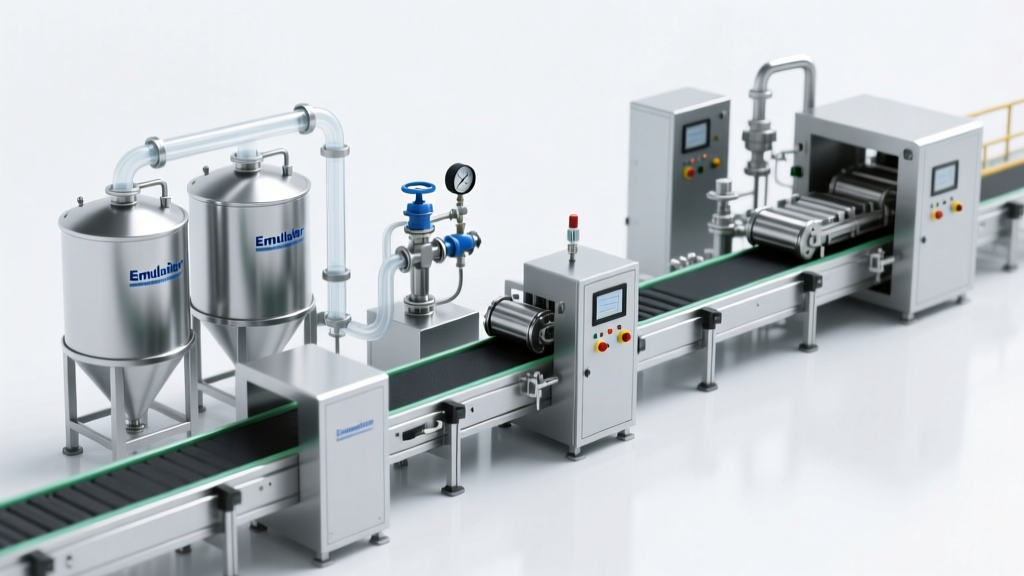
Types of Industrial Juice Extractors
A commercial juice extractor, also known as a pulp and press juicer, is a vital piece of equipment in large-scale beverage production. These machines are engineered to efficiently extract juice from fruits and vegetables for bottling, retail sale, or further processing. With varying technologies and extraction methods, industrial juicers offer different benefits in terms of yield, speed, nutrient retention, and operational efficiency. Understanding the key types helps businesses choose the right system for their production goals.
Centrifugal Juicers
These high-speed extractors use a fast-spinning blade to shred produce and separate juice via centrifugal force.
Advantages
- High Throughput: Capable of processing large volumes quickly, ideal for high-demand commercial environments.
- Minimal Prep Required: Fruits and vegetables can be fed whole or in large chunks, reducing pre-processing labor.
- Cost-Effective: Generally more affordable than cold press or hydraulic systems, making them accessible for startups and mid-sized operations.
- Easy Maintenance: Simple design with fewer moving parts reduces downtime and servicing complexity.
Limitations
- Lower Juice Yield: Extracts less juice compared to masticating or hydraulic methods, especially from leafy greens.
- Nutrient Degradation: High-speed spinning generates heat and introduces oxygen, which can degrade sensitive vitamins and enzymes.
- More Foam and Pulp: Results in juice with higher foam content and more suspended solids, often requiring additional filtration.
Best for: High-volume juice bars, short-shelf-life products, or operations prioritizing speed over shelf life and nutrient content.
Cold Press (Masticating) Juicers
These slow-turning juicers crush and press produce to extract juice without generating excessive heat.
Advantages
- Superior Juice Yield: Extracts significantly more liquid from fruits, vegetables, and especially leafy greens compared to centrifugal models.
- Excellent Nutrient Retention: Minimal heat and oxidation preserve enzymes, vitamins, and phytonutrients, enhancing juice quality and shelf life.
- Low Foam & Smooth Texture: Produces dense, clean juice with minimal air incorporation, ideal for bottling and premium branding.
- Versatile: Handles a wide range of produce, including wheatgrass, herbs, and soft fruits, with high efficiency.
Limitations
- Slower Processing: Lower speed means reduced throughput, requiring more units or longer run times for large batches.
- Higher Initial Cost: More expensive to purchase and maintain than centrifugal juicers.
- More Complex Cleaning: Auger and screen require thorough cleaning to prevent clogging and bacterial growth.
Best for: Premium cold-pressed juice brands, health-focused products, and operations valuing shelf life and nutritional integrity.
Hydraulic Press Juicers
These industrial systems use extreme pressure to squeeze juice from pre-macerated produce, delivering the purest output.
Advantages
- Maximum Juice Yield: Extracts nearly every drop of liquid, leaving behind extremely dry pulp—ideal for minimizing waste.
- Premium Juice Quality: Produces exceptionally clear, smooth juice with minimal oxidation and no foam.
- Long Shelf Life: Due to low oxidation, juice can last up to 72 hours refrigerated, perfect for distribution.
- Scalable for Large Batches: Suitable for batch processing in high-capacity production facilities.
Limitations
- Batch-Only Processing: Not continuous; requires loading, pressing, and unloading cycles, slowing overall throughput.
- High Capital Investment: Expensive equipment and space requirements make it less accessible for small operations.
- Labor-Intensive Setup: Requires pre-grinding produce before pressing, adding an extra step to the process.
Best for: High-end juice producers, organic brands, and facilities focused on premium product quality and yield efficiency.
Rotary Screw Extractors
Industrial-grade machines using a rotating screw (auger) to continuously crush and separate juice from pulp.
Advantages
- Continuous Operation: Enables non-stop feeding and extraction, perfect for high-volume, 24/7 production lines.
- High Efficiency: Designed for consistent performance with minimal downtime and energy use per liter.
- Broad Material Compatibility: Handles everything from soft berries to hard root vegetables and fibrous greens with ease.
- Durable & Industrial-Grade: Built with heavy-duty components for long-term reliability in demanding environments.
Limitations
- Moderate Juice Clarity: May require additional filtration to achieve the clarity of hydraulic press juice.
- Initial Setup Complexity: Requires proper calibration and maintenance to prevent jamming or wear.
- Larger Footprint: Takes up more space than other extractor types, needing dedicated production area.
Best for: Large-scale juice manufacturing plants, food processing facilities, and operations requiring uninterrupted production.
| Juicer Type | Speed | Juice Yield | Nutrient Retention | Best For |
|---|---|---|---|---|
| Centrifugal | Very Fast | Fair | Moderate | High-volume, short-turnaround operations |
| Cold Press (Masticating) | Slow | High | Excellent | Premium bottled juices, health-focused brands |
| Hydraulic Press | Slow (Batch) | Maximum | Excellent | High-end products, maximum yield operations |
| Rotary Screw | Fast (Continuous) | High | Good | Industrial-scale, continuous production |
Expert Tip: For operations balancing cost and quality, consider a hybrid approach—using centrifugal juicers for high-demand items and cold press or hydraulic systems for premium product lines to maximize profitability and market reach.
Industrial Juice Extractor Specifications: A Comprehensive Guide
Selecting the right industrial juice extractor is crucial for maximizing production efficiency, maintaining product quality, and minimizing operational costs. These machines are the backbone of large-scale juice processing facilities, including bottling plants, commercial kitchens, and food manufacturing units. Understanding the key specifications ensures you invest in equipment that aligns with your production goals and long-term sustainability.
Juice Extraction Capacity
Juice extraction capacity refers to the volume of juice a machine can produce per hour—typically measured in liters per hour (LPH) or gallons per hour (GPH). This is one of the most critical factors in determining whether an extractor meets your throughput requirements.
High-capacity extractors (e.g., 1,000+ LPH) are ideal for large-scale operations such as juice bottling facilities or industrial food processors where continuous, high-volume output is essential. On the other hand, mid-range models (200–800 LPH) suit medium-sized operations like commercial kitchens or fresh juice bars with moderate demand.
When selecting a machine, consider both current needs and future scalability. Overloading a low-capacity unit can lead to mechanical stress and premature wear, while underutilizing a high-capacity model may result in unnecessary energy consumption and higher initial investment.
Power Consumption and Energy Efficiency
Power consumption measures the amount of electricity an extractor uses during operation, usually expressed in kilowatts (kW) or horsepower (HP). This directly impacts your facility’s energy bills and overall operating costs.
Modern industrial extractors are designed to balance high performance with energy efficiency. Look for models with energy-saving motors, variable speed drives, and intelligent load sensing technologies that adjust power usage based on feed input.
Energy-efficient units not only reduce utility expenses but also contribute to a lower carbon footprint—important for businesses aiming for sustainability certifications. Always compare the energy-to-output ratio across models to identify the most cost-effective solution for your production scale.
Material Construction and Hygiene Standards
The material construction of a juice extractor is vital for durability, food safety, and ease of sanitation. Commercial-grade juicers should be constructed primarily from 304 or 316 stainless steel, which offers superior resistance to corrosion, rust, and chemical degradation.
Stainless steel is non-reactive, meaning it won’t leach harmful substances or alter the flavor of acidic juices like citrus or tomato. It also withstands frequent cleaning with strong sanitizers, making it ideal for environments requiring strict hygiene compliance (e.g., HACCP, FDA, or ISO standards).
Pay attention to seals, gaskets, and internal components—these should be made from food-grade polymers or elastomers that resist microbial growth and high-pressure washing. Avoid extractors with plastic parts in direct contact with juice, as they can degrade over time and harbor bacteria.
Noise Levels and Workplace Environment
Noise levels, measured in decibels (dB), significantly impact the working environment. Industrial extractors can generate substantial noise due to high-speed motors and mechanical pressing systems.
Units operating above 85 dB may require hearing protection and can disrupt communication, concentration, and employee well-being—especially in open-plan production areas or facilities running multiple shifts.
Many modern extractors incorporate sound-dampening enclosures, vibration-absorbing mounts, and quieter motor technologies to keep noise below 75 dB. Choosing a low-noise model improves workplace safety, enhances operator comfort, and helps comply with occupational health regulations.
Ease of Maintenance and Cleanability
Ease of maintenance directly affects machine uptime, hygiene, and long-term reliability. Industrial extractors that are difficult to disassemble or clean can lead to bacterial buildup, cross-contamination, and increased downtime.
Look for models with quick-release components, tool-free disassembly, and smooth, crevice-free surfaces that allow for thorough cleaning (CIP – Clean-in-Place compatibility is a plus). Features like self-lubricating gears and sealed bearings reduce the need for frequent servicing.
Machines designed with maintenance in mind help minimize labor costs, extend service life, and ensure consistent performance. Always verify the availability of spare parts and technical support from the manufacturer to avoid prolonged downtimes.
Dimensions and Space Requirements
Dimensions and footprint are crucial when integrating a juice extractor into an existing production line. Industrial units vary widely in size—from compact countertop models to large floor-standing systems requiring dedicated space.
Before purchasing, assess your available floor space, ceiling height, access for maintenance, and proximity to utilities (water, drainage, power). Larger machines often offer higher throughput but may require reinforced flooring or special ventilation.
Consider future expansion plans; choosing a slightly larger unit now might save costs later. However, ensure the machine fits through doorways and elevators during installation. Some manufacturers offer modular or stackable designs for space-constrained environments.
Temperature Control and Nutrient Preservation
Advanced industrial extractors may include temperature control systems that monitor and regulate heat generated during the juicing process. Excessive heat can degrade heat-sensitive vitamins (like vitamin C), enzymes, and antioxidants, reducing juice quality and shelf life.
Models with cooling jackets, slow-speed augers, or refrigerated chambers help maintain juice temperatures below 40°C (104°F), preserving nutritional integrity and flavor. This is especially important for cold-pressed juice brands marketing premium, health-focused products.
Better nutrient retention translates into higher consumer satisfaction, extended refrigerated shelf life, and the ability to command premium pricing—directly improving profit margins and brand reputation.
| Specification | Criticality Level | Selection Guidelines |
|---|---|---|
| Juice Extraction Capacity | High | Match output (LPH/GPH) to daily production needs; allow 20–30% headroom for peak demand |
| Power Consumption | High | Choose energy-efficient motors (IE3 or higher); calculate cost per liter over time |
| Material Construction | High | Ensure 304/316 stainless steel contact surfaces; verify food-grade certifications |
| Noise Levels | Medium | Prefer models under 75 dB; essential for open or multi-shift environments |
| Ease of Maintenance | High | Select tool-free disassembly, CIP compatibility, and readily available spare parts |
| Dimensions | Medium | Measure installation space; consider access for cleaning and repairs |
| Temperature Control | Medium to High | Essential for cold-pressed or premium juice lines; optional for standard processing |
Important: Always consult the manufacturer’s technical documentation and safety guidelines before installation and operation. Ensure compliance with local health, electrical, and workplace safety regulations. Regular preventive maintenance not only extends equipment life but also ensures consistent juice quality and operational safety. Investing time in proper selection today leads to greater efficiency, lower costs, and higher returns tomorrow.
Uses of Industrial Juice Extractors
Industrial juice extractors are essential machines in modern food and beverage manufacturing, enabling high-efficiency liquid extraction from fruits, vegetables, nuts, and leafy greens. These robust systems are engineered for continuous operation in commercial environments, delivering consistent yields while minimizing waste. Their applications span across multiple industries—from large-scale beverage production to sustainable agriculture—making them a cornerstone of healthy product innovation and resource optimization.
High-Volume Juice Production
At the heart of commercial juice manufacturing, industrial extractors process vast quantities of raw produce daily, transforming them into premium-quality liquid bases ready for packaging or further formulation. These systems are optimized for throughput, hygiene, and yield consistency, ensuring maximum return on raw material investment.
- Bottled juices: Used to produce shelf-stable, pasteurized, or cold-pressed juices in various flavors and blends for retail distribution.
- Dairy alternatives: Extract liquid from almonds, oats, soy, and coconuts to create plant-based milks with smooth textures and rich mouthfeel.
- Smoothies: Generate nutrient-dense bases for ready-to-drink smoothies combining fruits, vegetables, and superfoods.
- Soup bases: Juice vegetables like carrots, celery, and tomatoes to form concentrated broths and soup mixes with natural flavor profiles.
- Baby food: Produce mild, easily digestible juice concentrates used in infant formulas, purees, and pouch meals.
- Culinary applications: Supply liquid extracts for sauces, vinaigrettes, marinades, and glazes, enhancing taste and reducing reliance on artificial ingredients.
Key benefit: Enables scalable production with minimal manual labor and consistent quality control.
Extractor Versatility Across Produce Types
Modern industrial juicers are designed with adaptable mechanisms that accommodate a broad spectrum of raw materials—from soft, juicy citrus fruits to fibrous leafy greens and hard root vegetables. This flexibility allows manufacturers to diversify product lines without requiring multiple specialized machines.
- Processes delicate fruits like oranges, grapes, and berries without oxidation or foam buildup.
- Handles dense produce such as apples, beets, carrots, and ginger with high juice recovery rates.
- Efficiently extracts liquid from leafy greens including kale, spinach, wheatgrass, and arugula—key ingredients in "green shots" and wellness beverages.
- Supports hybrid blends like apple-kale-ginger or carrot-turmeric-orange for functional drink formulations.
Innovation insight: Advanced screw presses and hydraulic systems adjust pressure dynamically based on feedstock density.
Maximized Extraction Efficiency & Waste Reduction
Industrial extractors are engineered to achieve optimal juice yield—often exceeding 85–90% depending on the produce—by applying precise pressure, temperature control, and mechanical action. This high efficiency not only boosts profitability but also supports sustainability goals by reducing organic waste.
- Minimizes leftover pulp, ensuring nearly all usable liquid is extracted from raw materials.
- Residual pulp is repurposed into animal feed, dietary fiber supplements, compost, or biofuel feedstock.
- Some operations use pulp in secondary food products like crackers, energy bars, or textured vegetable protein.
- Energy-efficient motors and closed-loop water systems reduce environmental impact during operation.
Sustainability advantage: Contributes to circular economy models by transforming waste into valuable byproducts.
Beverage Innovation Beyond Traditional Juices
These extractors play a pivotal role in the booming functional beverage market, where consumers demand clean-label, plant-based, and health-promoting drinks. Their ability to handle diverse ingredients makes them ideal for crafting innovative beverages that go far beyond simple fruit juice.
- Coconut water: Extracted directly from young coconuts using specialized centrifugal systems.
- Almond milk and oat milk: Pulverize and separate liquid from nut/seed slurries for dairy-free alternatives.
- Turmeric lattes and golden milk: Juice turmeric root and ginger to create potent, bioavailable bases rich in curcumin.
- Kombucha and kefir starters: Provide fresh fruit juice bases for fermentation processes.
- Functional wellness shots: Concentrate antioxidant-rich ingredients like lemon, cayenne, and moringa.
Market trend: Demand for plant-based and immunity-boosting beverages is driving extractor adoption in startups and established brands alike.
Post-Harvest Processing & Food Waste Reduction
In commercial agriculture and food supply chains, a significant portion of produce is rejected for cosmetic imperfections or overripeness. Industrial juicers offer a sustainable solution by converting this "imperfect" produce into high-value liquids, helping farms and distributors reduce losses and increase revenue.
- Processes slightly bruised, misshapen, or surplus fruits and vegetables that would otherwise be discarded.
- Enables farmers to monetize excess harvests during peak seasons.
- Supports gleaning initiatives and food rescue programs by turning donated produce into shelf-stable juices.
- Helps food processors meet zero-waste certifications and ESG (Environmental, Social, and Governance) targets.
Impact stat: Up to 30% of harvested produce is lost post-harvest; juicing can recover much of this value.
Commercial & Industrial Integration
Industrial juice extractors are increasingly integrated into larger production ecosystems, including cold-pressed bottling lines, HPP (High-Pressure Processing) facilities, and automated filling systems. Their compatibility with food safety standards (e.g., HACCP, ISO 22000) ensures seamless operation in regulated environments.
- Designed with CIP (Clean-in-Place) systems for rapid sanitation between batches.
- Built with stainless steel components to resist corrosion and meet FDA and EU food contact regulations.
- Often connected to IoT-enabled monitoring for real-time performance tracking and predictive maintenance.
- Scalable from mid-sized operations (500L/hour) to full-scale factories processing tens of thousands of liters per day.
Operational tip: Regular calibration and maintenance ensure consistent juice clarity, yield, and equipment longevity.
Expert Insight: When selecting an industrial extractor, consider not just capacity but also ease of cleaning, energy consumption, and compatibility with your target ingredients. Twin-screw models offer superior yield for fibrous materials, while centrifugal extractors excel with high-moisture fruits. Investing in modular systems allows future expansion and adaptation to new product lines.
| Application | Common Feedstock | Output Use | Yield Efficiency |
|---|---|---|---|
| Bottled Juice Production | Oranges, apples, grapes, berries | Ready-to-drink beverages | 85–92% |
| Plant-Based Milk | Almonds, oats, coconuts, soybeans | Dairy alternatives | 75–80% (liquid extraction) |
| Functional Shots | Ginger, turmeric, kale, lemon | Wellness beverages | 70–85% |
| Food Waste Recovery | Surplus or imperfect produce | Juice, purees, animal feed | 80–90% |
Additional Considerations for Optimal Use
- Hygiene Standards: Equipment must comply with food-grade sanitation protocols, including smooth surfaces and easy disassembly for cleaning.
- Noise & Vibration Control: High-capacity units should be installed on vibration-dampening mounts in shared facilities.
- Energy Efficiency: Look for models with variable speed drives and low-power idle modes to reduce operational costs.
- Automation Integration: Modern extractors can sync with upstream feeders and downstream fillers for end-to-end automation.
- After-Sales Support: Choose suppliers offering technical training, spare parts availability, and preventive maintenance programs.
Sourcing Industrial Juice Extractors: A Comprehensive Buyer’s Guide
When equipping a commercial juicing operation—whether a large-scale beverage production facility, juice bar chain, or cold-pressed juice brand—selecting the right industrial juice extractor is crucial for efficiency, product quality, and long-term profitability. Alibaba, one of the world’s largest online B2B marketplaces, offers an extensive range of pulp and press juicers from global suppliers. However, making an informed decision requires more than just comparing prices. This guide outlines the key factors buyers should evaluate when sourcing industrial-grade juice extractors to ensure reliability, performance, and seamless integration into your production workflow.
Important Note: Industrial juice extractors are heavy-duty machines designed for continuous operation. Always verify technical specifications, power requirements, and material compatibility (e.g., stainless steel construction) to ensure the equipment meets food safety standards and your production volume needs.
1. Supplier Reputation and Reliability
Choosing a reputable supplier is the foundation of a successful purchase. With numerous manufacturers on Alibaba, it's essential to conduct due diligence before committing to a vendor.
- Check Verified Reviews: Look for suppliers with a history of positive feedback from verified buyers, especially those in the food and beverage industry.
- Business Verification: Prioritize suppliers with Alibaba’s “Gold Supplier” or “Verified Supplier” badges, which indicate third-party validation of business legitimacy.
- Product Certifications: Ensure the supplier provides documentation such as CE, ISO, or NSF certifications, confirming compliance with international safety and quality standards.
- Years in Business: Established suppliers with 5+ years of experience are more likely to offer reliable after-sales support and consistent product quality.
Pro Tip: Request references or case studies from existing clients who have purchased similar equipment. A trustworthy supplier will often provide contact information or video testimonials upon request.
2. Customization Options for Operational Efficiency
Every juicing operation has unique requirements—whether it's handling specific fruit types, achieving a certain juice yield, or integrating into an automated production line. Many industrial suppliers offer customization options to tailor extractors to your needs.
- Capacity Adjustments: Modify feed hopper size, motor power, or extraction speed to match your throughput demands.
- Material Compatibility: Choose food-grade stainless steel (e.g., SUS304 or SUS316) for enhanced durability and hygiene, especially for acidic or fibrous fruits.
- Specialized Components: Add features like automatic pulp ejection, variable speed controls, or integrated filtration systems for higher juice clarity.
- OEM/ODM Services: Some suppliers offer full original equipment manufacturing (OEM) or design services (ODM), allowing you to brand the machine or co-develop a custom model.
3. Shipping, Logistics, and Import Considerations
Industrial juice extractors are large, heavy machines that require careful planning for international shipping and customs clearance.
- Shipping Methods: Confirm whether the supplier offers sea freight, air freight, or express delivery. Sea freight is cost-effective for full container loads, while air freight is faster but significantly more expensive.
- Delivery Timelines: Account for production lead time (typically 15–45 days), shipping duration (14–60 days depending on origin and destination), and customs processing.
- Handling Requirements: Ensure you have the proper equipment (e.g., forklift, pallet jack) to unload and move the machine upon arrival.
- Import Duties and Taxes: Research local regulations and potential tariffs in your country. Ask the supplier to provide a detailed commercial invoice and packing list to avoid delays.
Expert Advice: Consider purchasing CIF (Cost, Insurance, and Freight) shipping terms to transfer risk to the supplier until the goods reach your port. This minimizes liability during transit.
4. Pricing, Cost Analysis, and Long-Term Value
While upfront cost is important, evaluating total cost of ownership (TCO) provides a clearer picture of value.
- Price Range: Entry-level industrial extractors start around $1,500, while high-capacity, automated models can exceed $15,000.
- Features vs. Budget: Balance your budget with essential features like energy efficiency, ease of cleaning, and low maintenance requirements.
- Durability: Machines built with robust components may have a higher initial cost but offer longer service life and reduced downtime.
- Energy Consumption: Calculate long-term electricity costs—some models use up to 30% less power, translating to significant savings over time.
| Factor | Key Questions to Ask | Recommended Action |
|---|---|---|
| Supplier Reputation | Are they verified? Do they have third-party certifications? | Request business license and product test reports |
| Customization | Can they modify motor power or add automation? | Submit a detailed technical inquiry with your specs |
| Shipping | What are the Incoterms? Who handles customs? | Negotiate CIF or DDP (Delivered Duty Paid) terms |
| Pricing | Is the price inclusive of taxes and shipping? | Request a full quotation with breakdown |
| Support | Is there a warranty? What about spare parts? | Confirm at least a 1-year warranty and local service options |
5. Communication and Post-Purchase Support
Clear and consistent communication with your supplier is critical to avoid misunderstandings and ensure a smooth transaction.
- Pre-Sale Inquiries: Use Alibaba’s messaging system to ask detailed questions about specifications, operation manuals, and installation support.
- Warranty Terms: Confirm the warranty period (typically 12–24 months), what it covers, and whether parts or labor are included.
- Technical Support: Verify if the supplier offers remote troubleshooting, video guides, or on-site technician services.
- Spare Parts Availability: Ask for a list of commonly replaced components (e.g., screens, blades, seals) and their availability.
- Language and Time Zones: Work with suppliers who have English-speaking customer service and responsive response times.
Best Practice: Record all communications and agreements in writing. Request a formal purchase contract outlining specifications, delivery terms, payment schedule, and warranty details before making any payments.
Final Recommendations
- Start with a small test order if purchasing from a new supplier to evaluate quality and service.
- Compare at least 3–5 suppliers to benchmark pricing, features, and responsiveness.
- Consider future scalability—choose a model that can handle increased demand without immediate replacement.
- Invest in training for your staff to ensure proper operation and maintenance, maximizing equipment lifespan.
- Keep digital copies of manuals, warranties, and supplier contacts for easy reference.
Sourcing industrial juice extractors from Alibaba can be a cost-effective and efficient way to scale your juicing business—provided you approach the process strategically. By focusing on supplier credibility, customization, logistics planning, and long-term value, you can make a confident investment that supports consistent production, high-quality output, and operational success.
Frequently Asked Questions About Industrial Juice Extractors
Q1: Do industrial juice extractors have warranty coverage, and if yes, how long do they last?A1: Yes, most industrial juice extractors come with comprehensive warranty coverage designed to protect against manufacturing defects and ensure long-term reliability in commercial environments. Warranty durations typically range from 1 to 5 years, depending on the manufacturer, model type, and usage conditions.
- Cold-press juice extractors often receive extended warranties (up to 5 years) due to their durable build and lower mechanical stress during operation.
- Centrifugal models generally have warranties between 1–3 years, reflecting higher operational speeds and increased wear on moving parts.
- Commercial-grade units from reputable brands may offer limited lifetime warranties on critical components like motors or augers.
Always review the manufacturer’s warranty terms for coverage details, including exclusions for improper maintenance, unauthorized repairs, or use outside recommended parameters.
Q2: Do pulp and press juicers have energy-efficient options available?A2: Absolutely. Modern industrial juicers—especially cold-press (masticating) and advanced hydraulic press systems—are increasingly designed with energy efficiency in mind. These models optimize power consumption without sacrificing juice yield or throughput.
- Variable-speed motors adjust RPM based on produce density, reducing unnecessary energy use.
- Inverter-driven systems improve electrical efficiency and reduce startup surges.
- High-efficiency cold-press juicers can extract more juice per kilowatt-hour than traditional centrifugal models, making them ideal for sustainable commercial operations.
- Many energy-efficient models are Energy Star-rated or comply with international efficiency standards for commercial kitchen equipment.
By choosing an energy-efficient model, businesses can significantly reduce operating costs and environmental impact over time, especially in high-volume production settings.
Q3: How does one maintain an industrial juicer to ensure it lasts long?A3: Proper maintenance is crucial for maximizing the lifespan and performance of industrial juicers. Regular care prevents breakdowns, ensures food safety, and maintains optimal extraction efficiency. Key maintenance practices include:
- Daily Cleaning: Disassemble and clean all contact parts (augers, screens, pulp containers) after each use to prevent residue buildup and bacterial growth.
- Weekly Inspections: Check for signs of wear on blades, seals, gears, and motor components. Replace worn parts promptly to avoid further damage.
- Lubrication: Apply food-grade lubricant to moving parts as recommended by the manufacturer to reduce friction and extend component life.
- Calibration: Ensure alignment and pressure settings are correct, especially in hydraulic and slow-press systems.
- Filter Maintenance: Clean or replace air and liquid filters to protect internal mechanisms from debris and moisture.
Following a scheduled maintenance plan and keeping a service log can help identify recurring issues early and support warranty claims when needed. Training staff on proper cleaning and handling procedures is also essential for consistent performance.
Q4: What role does the pulp play when making juice using a centrifugal juicer?A4: In centrifugal juicers, pulp is the fibrous solid residue left behind after the juice is extracted through high-speed spinning. Due to the rapid rotation (typically 3,000–16,000 RPM), these machines tend to produce a wetter, more abundant pulp compared to other extraction methods like hydraulic juicers or cold-press systems.
- Separation Process: The spinning basket forces juice through a mesh filter, leaving pulp trapped inside until ejected into a dedicated pulp collector.
- Nutritional Value: Despite being separated from juice, the pulp retains valuable dietary fiber, antioxidants, and plant compounds.
- Waste Reduction: Many commercial operations repurpose pulp for animal feed, compost, baked goods, smoothies, or even skincare products, enhancing sustainability.
- Efficiency Indicator: Excessively wet pulp may indicate inefficient extraction, while overly dry pulp could suggest excessive processing or heat degradation.
Using a model with a large, easily removable pulp collector streamlines workflow in busy environments and supports eco-friendly waste management strategies.
Q5: Do industrial juice extractors handle frozen produce?A5: While most industrial juice extractors are primarily designed for fresh fruits and vegetables, some heavy-duty models—particularly certain slow masticating or commercial hydraulic presses—can process partially thawed or frozen produce. However, caution is required.
- Centrifugal Juicers: Generally not recommended for frozen ingredients, as the hard texture can damage blades, strain motors, and cause uneven feeding.
- Cold-Press & Hydraulic Models: Better suited for frozen items due to slower, more controlled pressing mechanisms that reduce impact stress.
- Precautions: Always consult the manufacturer’s guidelines. If allowed, partially thaw frozen produce first to minimize equipment strain and ensure consistent juice quality.
- Risks: Processing unsuitable frozen materials may void warranties, increase maintenance frequency, or lead to costly repairs.
For best results and equipment longevity, use fresh, room-temperature produce unless your juicer is explicitly rated for frozen input. When in doubt, perform a small test batch under supervision.