Whether you're heading to the gym, traveling between classes, or packing for an outdoor adventure, your sports bag is more than just a container—it's an extension of your routine and personality. One small but meaningful way to personalize it is by adding a keychain. However, simply clipping one on isn't enough. A poorly attached keychain can dangle loosely, get caught on zippers, or even snap off mid-use. The goal is to secure it firmly while enhancing your bag’s look. With the right techniques and attention to detail, you can achieve both durability and style.
Choose the Right Attachment Point
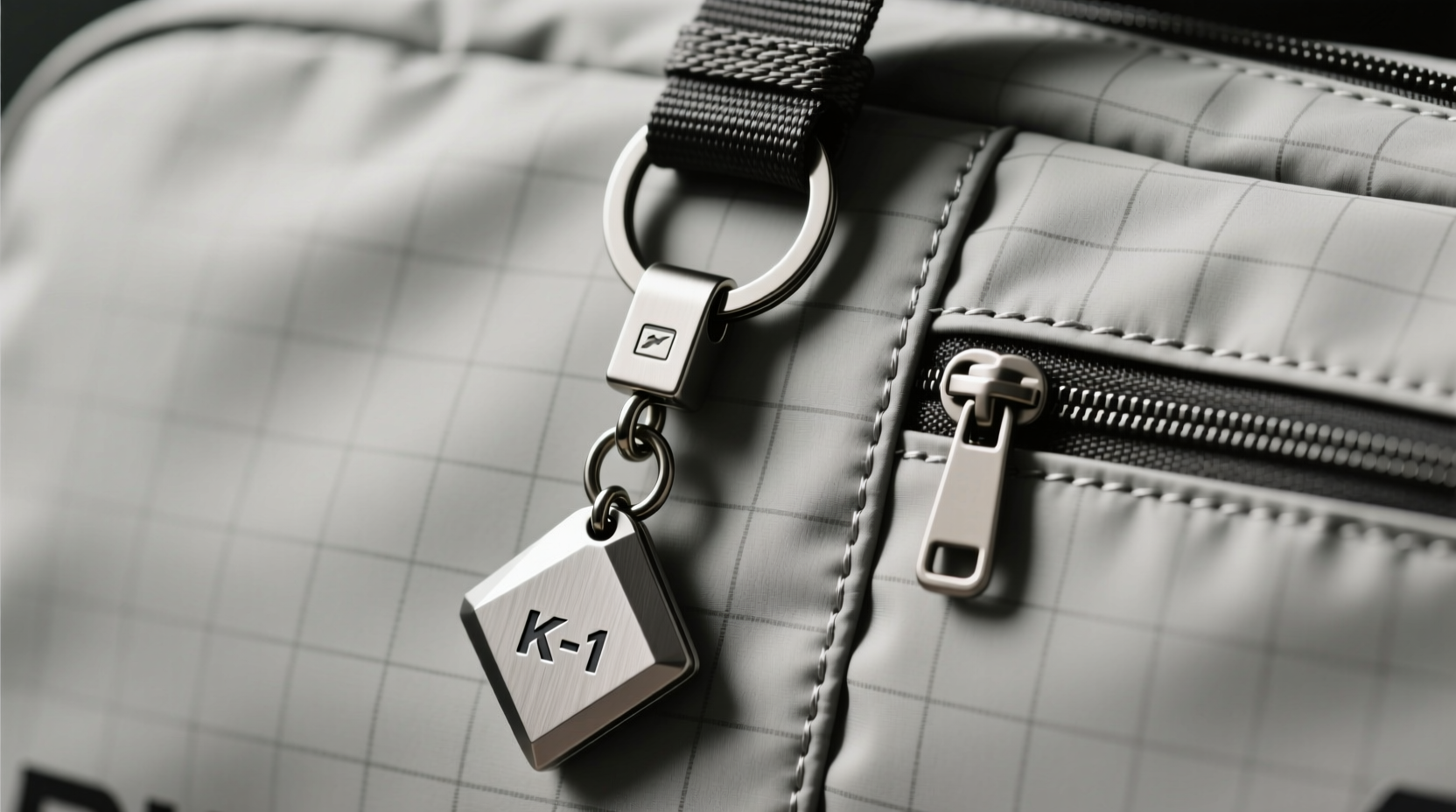
The first step in securing a keychain is identifying the best spot on your sports bag. Not all areas are equally suitable. Look for reinforced zones such as zipper pulls, dedicated D-rings, or sturdy webbing straps. Avoid flimsy fabric loops or areas prone to high friction, like near wheels or heavy zippers that open and close frequently.
D-rings—metal or plastic O-shaped loops commonly found on backpacks and duffels—are ideal because they’re built to handle strain. If your bag doesn’t have them, consider installing a riveted loop or using a carabiner clipped through a strong strap seam. Just ensure the stitching around the attachment point appears tight and double-stitched if possible.
Tip: Test the strength of a potential attachment point by gently tugging on it. If the fabric puckers or shifts, choose another location.Selecting the Right Keychain and Connector
A keychain is only as good as its weakest link—often the connector. Most keychains come with basic split rings, but these can be difficult to thread and may loosen over time. Consider upgrading to more reliable options:
- Heavy-duty split rings: Thicker gauge metal resists bending and slipping.
- Key clips: Spring-loaded swivel hooks that allow quick attachment and removal.
- Carabiners: Lightweight yet strong, especially useful if you rotate accessories often.
- Snap hooks: Feature a secure latch mechanism; ideal for frequent use.
For style, mix materials thoughtfully. A matte black carabiner pairs well with athletic gear, while a brushed brass snap hook adds subtle elegance. Avoid oversized or bulky connectors unless your bag has a rugged, utilitarian design—they can look out of place on sleek models.
Do’s and Don’ts of Keychain Connectors
| Do | Don’t |
|---|---|
| Use stainless steel or aerospace-grade aluminum connectors | Use thin, plated metal that scratches easily |
| Match connector size to keychain weight | Attach heavy charms to flimsy rings |
| Opt for swivel joints to prevent tangling | Allow chains to rub directly against fabric |
| Check latches regularly for wear | Ignore signs of spring fatigue in clips |
Step-by-Step: Secure Attachment Process
Follow this five-step method to ensure your keychain stays put without damaging your bag:
- Inspect the bag’s hardware: Confirm the D-ring or strap is intact and securely stitched.
- Select your connector: Choose a carabiner, snap hook, or key clip based on frequency of access and aesthetic preference.
- Open the connector carefully: Use a flat tool (like a butter knife) to gently pry open split rings or depress the latch on clips.
- Thread through the attachment point: Slide the open end through the D-ring or strap loop, then add your keychain(s).
- Close and test: Ensure the closure is fully engaged. Gently tug to confirm it won’t pop open under movement.
If you’re using multiple items (keys, bottle opener, luggage tag), arrange them in order of weight—place heavier ones closer to the base of the chain to reduce swinging stress on the top connection.
“Most keychain failures happen at the interface point—not the charm itself. Reinforced connectors and smart placement prevent 90% of issues.” — Marcus Tran, Product Durability Analyst at Urban Gear Labs
Styling Tips for a Cohesive Look
Your keychain shouldn’t clash with your bag’s vibe. Think of it as jewelry for your gear. Match colors, finishes, and themes deliberately. For example:
- A minimalist black nylon duffel pairs well with monochrome metal tags or engraved titanium pieces.
- A vibrant training backpack can carry playful enamel pins or rubberized sport-themed charms.
- Leather-trimmed bags suit vintage-style keys, compasses, or initials in brass.
Limit yourself to three elements max—a main charm, a functional item (like a mini flashlight), and a connector. Too many parts create clutter and increase snag risk. Rotate seasonal or event-based keychains (e.g., holiday themes, team logos during playoffs) to keep your bag feeling fresh without overcrowding.
Tip: Wrap delicate chains in heat-shrink tubing at contact points to prevent fraying from constant rubbing.Real-World Example: The Commuter’s Fix
Jamal, a personal trainer who commutes across the city daily, kept losing his locker key because it was buried inside his large gym bag. He bought a bright red silicone keychain shaped like a dumbbell and attached it via a 1-inch nickel-plated carabiner to the top zipper pull. Within days, he could locate his key instantly—even when rushing between sessions. After six months of daily use, the carabiner showed no signs of wear, and the bold color made his bag easier to identify on crowded subway racks. His only adjustment? Adding a rubber stopper below the charm to minimize noise during transit.
This simple upgrade saved him time, reduced stress, and added a touch of personality—all without compromising function.
Essential Checklist Before You Attach
Run through this quick verification list before finalizing your keychain setup:
- ✅ Bag attachment point is strong and reinforced
- ✅ Connector is appropriate for the weight and usage
- ✅ Closure mechanism is fully engaged and tested
- ✅ Keychain does not interfere with zippers or straps
- ✅ Aesthetic complements the bag’s overall design
- ✅ No sharp edges that could damage fabric or skin
- ✅ Easy to remove for cleaning or travel
Frequently Asked Questions
Can I attach a keychain to a waterproof sports bag without compromising the seal?
Yes, as long as you avoid piercing any part of the bag. Stick to external hardware like D-rings or zipper pulls. Never drill holes or modify seams, as this can break waterproof integrity.
How do I clean a keychain without removing it every time?
Wipe metal components weekly with a microfiber cloth dampened with mild soapy water. For stubborn grime, detach the chain monthly and soak in warm water with a drop of dish soap for 5–10 minutes. Dry thoroughly before reattaching.
What if my keychain keeps twisting or tangling?
Tangling usually happens due to lack of swivel. Replace fixed connectors with swivel snap hooks or rotating carabiners. Also, avoid overly long chains—keep the total length under 6 inches for optimal control.
Final Thoughts: Function Meets Personality
A well-attached keychain does more than hold keys—it reflects your habits, priorities, and sense of style. When done right, it becomes a seamless part of your gear: easy to use, durable under pressure, and visually cohesive. The best solutions blend unobtrusive strength with thoughtful design, turning a minor accessory into a trusted companion.
💬 How do you personalize your sports bag? Share your favorite keychain hacks, go-to brands, or creative attachments—we’d love to hear what works for you!