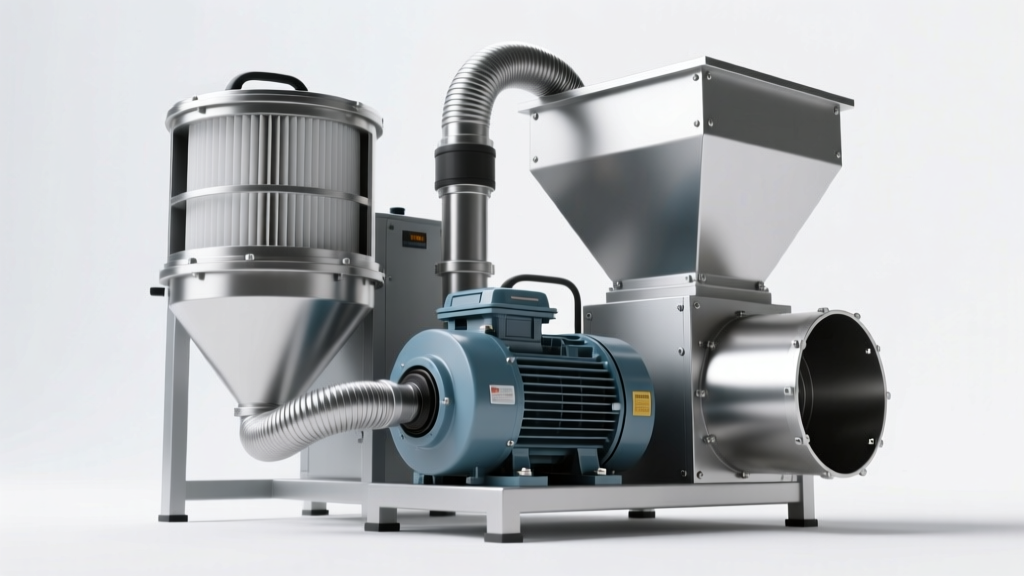
Types of Spray Pumps in Indonesia
A spray pump is an essential tool across various industries in Indonesia, including agriculture, construction, landscaping, and commercial cleaning. These devices enable the uniform and precise application of liquids such as pesticides, herbicides, fertilizers, disinfectants, and water-based solutions. With diverse operational needs and environmental conditions, the Indonesian market offers a wide range of spray pumps designed to meet specific efficiency, durability, and portability requirements.
Based on power source, design, and application scale, spray pumps in Indonesia are categorized into four main types: hand-held (manual) pumps, battery-powered (electric) pumps, tractor-mounted pumps, and diaphragm pumps. Each type offers unique advantages tailored to different user demands—from small-scale home gardening to large agricultural operations.
Hand-Held Spray Pumps
Manually operated, lightweight pumps ideal for small-scale spraying tasks.
Advantages
- No need for electricity or fuel
- Highly portable and easy to carry
- Affordable and widely available
- Simple maintenance and operation
Limitations
- Requires physical effort to pump
- Limited tank capacity (typically 10–20 liters)
- Inconsistent pressure over time
- Not suitable for large areas
Best for: Home gardens, small farms, pest control, and light cleaning tasks
Battery-Powered Spray Pumps
Electrically operated pumps with rechargeable batteries for automated pressure delivery.
Advantages
- Reduced manual effort
- Consistent spray pressure and flow
- Efficient for medium to large areas
- Longer operating time per charge (2–6 hours)
Limitations
- Higher initial cost
- Battery life depends on usage and charging
- Requires access to electricity for recharging
- Heavier than manual models
Best for: Medium farms, nurseries, greenhouses, and regular commercial spraying
Tractor-Mounted Spray Pumps
Large-capacity pumps attached to tractors or utility vehicles for wide-area coverage.
Advantages
- High spraying capacity (up to 1000+ liters)
- Covers large agricultural fields quickly
- Integrated with farming machinery for efficiency
- Ideal for row crops and plantations
Limitations
- High purchase and maintenance cost
- Requires a tractor or vehicle for operation
- Less maneuverable in small or uneven fields
- Needs trained operators
Best for: Large-scale agriculture, plantations, and commercial farming operations
Diaphragm Spray Pumps
Durable, high-pressure pumps designed for tough environments and corrosive liquids.
Advantages
- Resistant to clogging and wear
- Handles abrasive and chemical-laden solutions
- High pressure and consistent output
- Long service life with proper maintenance
Limitations
- More complex design and maintenance
- Higher cost compared to basic models
- Often requires engine or electric power source
- Heavier and less portable
Best for: Industrial applications, construction sites, pesticide spraying, and hazardous environments
| Type | Power Source | Capacity Range | Best Use Case | Durability |
|---|---|---|---|---|
| Hand-Held | Manual (Human Power) | 10–20 L | Home gardening, small plots | Medium |
| Battery-Powered | Rechargeable Battery | 15–30 L | Medium farms, nurseries | Good |
| Tractor-Mounted | Tractor PTO / Engine | 100–1000+ L | Large agricultural fields | Very Good |
| Diaphragm | Electric / Gas Engine | 50–500 L | Industrial, chemical spraying | Excellent |
Expert Tip: For optimal performance and longevity, always flush your spray pump with clean water after each use—especially when applying chemical solutions. This prevents residue buildup and corrosion, particularly in diaphragm and battery-powered models.
To summarize, Indonesia’s diverse range of spray pumps ensures that users across agriculture, construction, and commercial sectors can find a suitable solution for their specific needs. Whether it's a simple hand-held pump for home use or a robust diaphragm system for industrial applications, selecting the right type enhances efficiency, reduces labor, and improves overall spraying accuracy. Understanding the strengths and limitations of each pump type is key to making an informed decision and maximizing productivity.
Key Features of Indonesian Spray Pumps: Efficiency, Durability & Versatility
Indonesian spray pumps have become essential tools across agriculture, sanitation, pest control, and construction industries. Designed for reliability and user convenience, these pumps offer efficient spraying of chemicals, disinfectants, herbicides, and insecticides. Their widespread adoption is due to a combination of thoughtful engineering, adaptability, and cost-effective performance. For businesses and professionals, understanding the key features of Indonesian spray pumps is crucial for maximizing operational efficiency and ensuring long-term value.
Standout Features of Indonesian Spray Pumps
Adjustable Nozzle Systems
The nozzle is one of the most critical components of any spray pump, and Indonesian models excel in versatility. These pumps typically come with interchangeable or adjustable nozzles that allow users to switch between mist, jet, and fan spray patterns depending on the task.
In agriculture, this enables precise application of pesticides or fertilizers, minimizing chemical waste and ensuring even crop coverage. In sanitation and cleaning, mist sprays are ideal for disinfectants, while jet settings are effective for rinsing surfaces. The nozzles are also designed to resist clogging—even when handling viscous or particulate-laden liquids—thanks to built-in filters and corrosion-resistant materials like brass or reinforced polymers.
Precision Pressure Control
Effective spraying depends heavily on consistent and adjustable pressure. Indonesian spray pumps are engineered to deliver optimal pressure ranges (typically 2–5 bar), suitable for a wide variety of liquids—from water-based solutions to thicker herbicides.
Many models feature manual pressure regulators or automatic pressure maintenance systems that prevent fluctuations during extended use. This ensures uniform spray distribution, reduces operator fatigue, and improves coverage accuracy. For tasks requiring high reach or penetration—such as tree spraying or building disinfection—consistent pressure is essential for effectiveness and safety.
Ergonomic Design & Portability
Indonesian spray pumps prioritize user comfort, especially for prolonged field operations. Most units are lightweight, constructed from high-density polyethylene (HDPE) or reinforced polypropylene, which reduces overall weight without sacrificing durability.
Adjustable padded shoulder straps, balanced tank distribution, and easy-grip handles enhance portability and reduce strain during extended use. Some models also feature modular designs, allowing quick disassembly for cleaning, maintenance, or replacement of parts like seals and pistons—minimizing downtime and extending service life.
High-Capacity Tanks & Extended Operation
With tank capacities ranging from 10 to 20 liters, Indonesian spray pumps enable longer work cycles without frequent refills—boosting productivity in large-scale farming or commercial cleaning operations.
Electric models, particularly cordless battery-powered variants, offer several hours of continuous operation on a single charge. These are increasingly popular for urban sanitation, greenhouse management, and indoor disinfection due to their quiet operation, zero emissions, and ease of use. Manual models remain favored in remote or off-grid areas where electricity is limited.
Superior Durability & Chemical Resistance
Built to withstand harsh environments, Indonesian spray pumps use UV-stabilized plastics and stainless steel components that resist degradation from prolonged sun exposure, moisture, and aggressive chemicals.
Tanks are resistant to acids, alkalis, and solvents, making them suitable for a broad spectrum of applications—from applying caustic fertilizers to sanitizing with chlorine-based solutions. Seals and gaskets are typically made from NBR (nitrile rubber) or Viton® for enhanced chemical compatibility and leak prevention.
Power Options: Manual vs. Electric
Indonesian manufacturers offer both manual and electric spray pumps, giving users flexibility based on their operational needs.
Manual pumps are reliable, low-cost, and require no external power source—ideal for small farms or spot treatments. Electric models, powered by rechargeable lithium-ion batteries, provide consistent pressure with minimal effort, making them perfect for large-area spraying or frequent use. Many electric versions include LED indicators for battery level and pressure status, enhancing user control and efficiency.
| Feature | Benefit | Best For |
|---|---|---|
| Adjustable Nozzles | Customizable spray patterns reduce waste and improve coverage | Agriculture, pest control, surface cleaning |
| Pressure Regulation | Consistent output ensures uniform application | Tall crops, building exteriors, disinfection |
| Lightweight & Ergonomic | Reduces fatigue during long work periods | Daily fieldwork, urban sanitation |
| Chemical-Resistant Materials | Extends pump life and ensures safe handling of harsh liquids | Industrial cleaning, chemical farming |
| Electric & Cordless Options | High efficiency with minimal physical effort | Commercial operations, greenhouses |
Why Indonesian Spray Pumps Are a Smart Investment
Important: Always match the spray pump’s specifications to your intended use. Using incompatible chemicals or exceeding pressure limits can damage the pump and pose safety risks. Regular cleaning after each use, proper storage, and timely replacement of worn parts (like seals and nozzles) are essential for maintaining peak performance and extending the lifespan of your equipment.
Uses and Applications of Spray Pumps in Indonesia
Spray pumps have become essential tools across a wide range of industries in Indonesia due to their versatility, efficiency, and ability to streamline fluid application processes. These devices play a critical role in enhancing productivity, reducing labor costs, and ensuring consistent, high-quality results. From large-scale agricultural operations to urban sanitation systems, spray pumps are indispensable in modern Indonesian infrastructure and daily life.
Agricultural Applications
In Indonesia’s vast agricultural sector, spray pumps are vital for crop protection and yield optimization. Farmers rely on these pumps to apply pesticides, herbicides, and liquid fertilizers uniformly across fields, ensuring maximum coverage and effectiveness.
- Used in rice paddies, palm oil plantations, and vegetable farms across Java, Sumatra, and Kalimantan
- Mounted on tractors or carried manually for smallholder farms
- Equipped with adjustable nozzles to control droplet size and spray pattern
- Enable precise chemical application, minimizing waste and environmental impact
Key benefit: Reduces manual labor by up to 70% compared to traditional hand-spraying methods
Construction & Facilities Management
The construction industry in Indonesia uses spray pumps for surface preparation, coating application, and maintenance tasks. Their ability to deliver a consistent, even layer of material makes them ideal for both large infrastructure projects and routine facility upkeep.
- Apply paints, primers, sealants, and anti-corrosion coatings on buildings and bridges
- Used in waterproofing applications for roofs and basements
- Facilitate quick cleaning and disinfection of commercial spaces
- Employed in graffiti removal and surface restoration projects
Pro tip: High-pressure models improve adhesion and reduce drying time for coatings
Waste Management & Environmental Protection
Municipalities and private waste management companies across Indonesia use spray pumps to maintain hygiene and prevent disease transmission. These systems are crucial for public health, especially in densely populated urban areas.
- Routinely disinfect garbage trucks, collection bins, and transfer stations
- Apply odor-neutralizing agents at landfills and waste processing centers
- Distribute absorbents and neutralizers at spill sites or contaminated zones
- Used in vector control programs to spray larvicides in stagnant water areas
Critical function: Helps control outbreaks of dengue fever and other vector-borne diseases
Horticulture & Floriculture
Indonesia’s thriving flower and ornamental plant industry depends on mist spray pumps to maintain freshness during storage and transportation. These systems help preserve the quality and aesthetic value of delicate blooms.
- Automated misting systems keep cut flowers hydrated during transit from farms to markets
- Used in greenhouses to maintain optimal humidity levels for tropical plants
- Integrated into retail displays to prevent wilting in warm climates
- Small-scale indoor gardeners use compact pumps for self-watering systems
Quality advantage: Extends shelf life of flowers by 2–3 days through consistent moisture control
Industry Insight: The demand for durable, corrosion-resistant spray pumps is growing rapidly in Indonesia due to high humidity and frequent exposure to aggressive chemicals. Stainless steel and reinforced polypropylene models are increasingly preferred over basic plastic units for commercial applications.
| Industry Sector | Primary Use | Common Pump Type | Key Benefit |
|---|---|---|---|
| Agriculture | Pesticide & Fertilizer Application | Backpack & Tractor-Mounted Sprayers | Labor Efficiency & Uniform Coverage |
| Construction | Paint & Sealant Application | Electric Pressure Sprayers | Smooth Finish & Time Savings |
| Waste Management | Disinfection & Deodorization | Handheld & Trolley Sprayers | Public Health Protection |
| Horticulture | Humidity Control & Hydration | Misting & Fogging Systems | Product Freshness Preservation |
| Household | Garden Maintenance | Manual Trigger Sprayers | Convenience & Cost-Effectiveness |
Additional Applications and Emerging Trends
- Public Health: Used in fogging campaigns to combat mosquito-borne diseases like dengue and Zika
- Disaster Response: Deployed to sanitize areas after floods or tsunamis
- Retail & Hospitality: Applied in automatic hand sanitizer dispensers and surface disinfection stations
- Automotive: Utilized in undercarriage washing and rust prevention treatments
- Smart Technology: Increasing integration with IoT sensors for automated, scheduled spraying in farms and greenhouses
In summary, spray pumps are a cornerstone of operational efficiency across Indonesia’s economy. Their widespread adoption—from rural farming communities to urban sanitation departments—demonstrates their adaptability and importance. As technology advances, we can expect even greater integration of smart, energy-efficient spray pump systems that further enhance productivity while reducing environmental impact.
How To Choose the Right Spray Pump in Indonesia: A Comprehensive Buyer’s Guide
Selecting the ideal spray pump in Indonesia is a critical decision that significantly impacts operational efficiency, cost-effectiveness, and long-term reliability—especially for commercial, agricultural, or industrial applications. With a wide variety of models, power sources, materials, and price points available, making an informed choice requires careful evaluation of your specific needs. This guide outlines the key factors to consider when purchasing a spray pump in Indonesia, helping you avoid costly mistakes and ensure optimal performance across diverse working conditions.
Important Note: Always verify the compatibility of the spray pump with the type of liquid being used (e.g., pesticides, disinfectants, fertilizers) to prevent equipment damage and ensure user safety. Using incompatible chemicals can lead to corrosion, leaks, or hazardous failures.
1. Define Your Spraying Requirements
The first and most crucial step is identifying the exact purpose of the spray pump. Different applications demand different specifications in terms of capacity, pressure, and portability. Ask yourself the following questions to determine your needs:
- Is the pump intended for agricultural use (e.g., crop spraying, orchard treatment)?
- Will it be used for sanitation or disinfection of buildings, public spaces, or livestock areas?
- What type of liquid will be sprayed—water-based solutions, chemical pesticides, herbicides, or sanitizing agents?
- What is the required spray range and coverage area per application?
For small farms or garden use, a lightweight, manually operated or battery-powered handheld sprayer may be sufficient. However, for large-scale agriculture or industrial disinfection, high-capacity models such as tractor-mounted, motorized backpack, or cart-mounted sprayers are more appropriate due to their extended reach, higher tank capacity, and consistent pressure delivery.
2. Evaluate Power Source Options
Spray pumps in Indonesia are available with various power sources, each offering distinct advantages and limitations. Choosing the right one depends on your operational environment, energy availability, and budget.
| Power Type | Advantages | Disadvantages | Best For |
|---|---|---|---|
| Manual (Hand-Operated) | Inexpensive, portable, no fuel or electricity needed | Labor-intensive, inconsistent pressure, limited capacity | Small gardens, occasional use |
| Battery-Powered | Lightweight, quiet, eco-friendly, easy to operate | Battery life limits runtime, recharging required | Urban farming, indoor disinfection, medium plots |
| Electric (Plug-In) | Steady pressure, low maintenance, cost-efficient | Requires power outlet, limited mobility | Fixed-location applications, greenhouses |
| Fuel-Operated (Gas/Diesel) | High power, long runtime, suitable for heavy-duty tasks | Higher fuel and maintenance costs, noisy, emissions | Large farms, plantations, remote areas |
Consider your access to electricity and fuel, as well as environmental regulations in your area. In rural or off-grid regions, fuel-powered or solar-charged battery models may be more practical.
3. Assess Durability and Material Quality
Indonesian weather conditions—characterized by high humidity, heavy rainfall, and tropical heat—demand robust equipment. The durability of a spray pump depends largely on the materials used in its construction:
- Tanks: Opt for UV-resistant polyethylene or reinforced plastic that resists cracking and chemical degradation.
- Pumps and Hoses: Look for brass or stainless steel components that resist corrosion from aggressive chemicals.
- Nozzles: Ceramic or hardened plastic nozzles maintain spray pattern accuracy and resist clogging.
If you're spraying corrosive or abrasive substances (e.g., chlorine-based disinfectants or pesticide concentrates), ensure the pump is labeled as chemical-resistant. Pumps with sealed bearings and waterproof motors are ideal for humid environments.
Expert Tip: Regularly inspect seals, gaskets, and O-rings for wear. Replacing these inexpensive parts routinely can extend the life of your pump and prevent leaks or pressure loss.
4. Consider Total Cost of Ownership
While initial purchase price is important, it's essential to evaluate the total cost of ownership over time. A cheaper pump may seem economical at first but could lead to higher expenses due to frequent repairs, part replacements, or reduced efficiency.
Factors to consider include:
- Frequency of maintenance and availability of spare parts
- Energy or fuel consumption rates
- Lifespan and warranty coverage (look for at least 1-year manufacturer warranty)
- Brand reputation and after-sales service in Indonesia
Well-known Indonesian and international brands (e.g., Solo Murni, Tanaka, Stihl, or local OEMs) often offer better support networks and quality control. However, always verify performance through user reviews and independent testing rather than relying solely on brand name.
5. Additional Features to Maximize Efficiency
Beyond the basics, consider these value-added features that enhance usability and effectiveness:
- Adjustable Pressure Control: Allows customization based on spray distance and liquid viscosity.
- Multinozzle Systems: Enable switching between mist, spray, and stream modes for different tasks.
- Ergonomic Design: Reduces operator fatigue during prolonged use, especially for backpack models.
- Large Fill Caps and Filters: Prevent spills and block debris from entering the tank.
- Pressure Gauges: Help monitor system performance and detect issues early.
Caution: Never mix different types of chemicals in the same pump without thorough cleaning. Residue from previous applications can cause dangerous reactions or damage the pump internals. Always rinse the system with clean water after each use.
Final Recommendations
To make the best decision when choosing a spray pump in Indonesia:
- Clearly define your application and required output capacity.
- Match the power source to your operational environment and energy access.
- Prioritize build quality and material resistance, especially for chemical use.
- Analyze long-term costs, not just upfront price.
- Purchase from reputable suppliers who offer technical support and spare parts.
- Test the pump before full-scale deployment, if possible.
By carefully evaluating these criteria, you can select a spray pump that delivers reliable performance, reduces downtime, and provides excellent value for your investment—whether for farming, sanitation, or industrial use across Indonesia’s diverse landscapes.
Frequently Asked Questions About Indonesian Spray Pumps
Q1: What is the common price range of Indonesian spray pumps?The price of Indonesian spray pumps varies significantly based on type, capacity, build quality, and intended use. Understanding the pricing tiers can help buyers make informed decisions:
- Handheld Manual Pumps: Ideal for small farms or home gardens, these typically range from IDR 50,000 to IDR 200,000 (~$3–$13 USD), depending on tank size (5–16 liters) and nozzle quality.
- Backpack Sprayers: Widely used in small to medium farms, prices range from IDR 250,000 to IDR 600,000 (~$16–$40 USD). Higher-end models feature durable polyethylene tanks, pressure gauges, and adjustable spray patterns.
- Tractor-Mounted or Motorized Units: Designed for large-scale agriculture, these can cost anywhere from IDR 2 million to over IDR 10 million (~$130–$700+ USD), especially if equipped with electric pumps, wide booms, and automatic controls.
- Premium & Export-Grade Models: Some Indonesian manufacturers produce high-efficiency, corrosion-resistant pumps using advanced materials, which may exceed IDR 15 million for commercial applications.
Factors such as brand reputation, warranty, and availability of spare parts also influence pricing. Buyers should consider long-term durability and after-sales support when evaluating cost versus value.
Q2: Are Indonesian spray pumps suitable for both organic and conventional farming?Yes, Indonesian spray pumps are highly versatile and can be effectively used in both organic and conventional agricultural practices. However, proper management is crucial to maintain the integrity of organic systems:
- Cross-Contamination Risk: Residue from synthetic pesticides or fertilizers can compromise organic certification if not thoroughly cleaned from tanks, hoses, and nozzles.
- Cleaning Protocol: After using chemical solutions, flush the entire system with clean water multiple times. For sensitive organic operations, a detergent wash followed by a vinegar or citric acid rinse is recommended to neutralize chemical traces.
- Dedicated Equipment: Many organic farmers choose to keep separate spray pumps exclusively for organic inputs to eliminate any risk of contamination.
- Material Compatibility: Ensure the pump materials (especially seals and gaskets) are resistant to natural oils and plant-based solutions commonly used in organic farming.
Indonesian manufacturers increasingly design pumps with smooth interiors and easy-to-disassemble components to facilitate cleaning, making them well-suited for dual-use scenarios when managed properly.
Q3: How often should a spray pump be serviced to ensure longevity?Regular maintenance is essential to extend the lifespan of a spray pump and ensure consistent performance. A structured servicing routine prevents clogs, leaks, and mechanical failures:
- After Every Use: Rinse the tank and spray lines with clean water to prevent residue buildup. Drain completely and store in a dry, shaded area.
- Weekly Maintenance: Inspect seals, gaskets, and hoses for cracks or wear. Lubricate O-rings and moving parts (e.g., pump plunger) with silicone grease to maintain smooth operation.
- Monthly Checks: Test nozzle output and spray pattern uniformity. Clean or replace clogged nozzles. Check for air leaks in the pump chamber and ensure the pressure relief valve (if present) functions correctly.
- Seasonal Servicing: Before peak farming seasons, conduct a full inspection—replace worn diaphragms, valves, or filters. For motorized units, check battery health, wiring, and motor function.
- Storage Tips: If unused for extended periods, disassemble and store components in a dry place. Avoid exposing plastic tanks to direct sunlight to prevent UV degradation.
With diligent care, a high-quality Indonesian spray pump can last 5–10 years or more, significantly improving cost-efficiency over time.
Q4: Can spray pumps be used in industries other than agriculture?Absolutely. While primarily designed for agricultural spraying, Indonesian-made spray pumps are increasingly utilized across various industries due to their durability, portability, and adaptability:
| Industry | Application | Adaptation Notes |
|---|---|---|
| Construction | Applying mold inhibitors, concrete sealers, or dust suppressants. | Use corrosion-resistant models; adjust nozzle type for even coating on vertical surfaces. |
| Sanitation & Pest Control | Disinfecting public areas, spraying biocides, or mosquito fogging. | Backpack sprayers with fine mist nozzles are ideal for large-area coverage. |
| Cleaning Services | Window cleaning, graffiti removal, or pressure-assisted washing. | Pair with non-abrasive detergents; avoid using on sensitive surfaces without testing. |
| Landscape Maintenance | Fertilizer application, weed control, or pest management in parks and gardens. | Adjustable pressure settings help protect delicate plants. |
| Disaster Response | Decontamination spraying after floods or disease outbreaks. | Durable, easy-to-clean models are preferred for emergency use. |
This cross-industry versatility has contributed to the growing export demand for Indonesian spray pumps, particularly in Southeast Asia and Africa.
Q5: What materials are used to make Indonesian spray pumps?Indonesian spray pumps are constructed from a variety of materials, each offering distinct advantages in terms of weight, durability, and chemical resistance:
- Polyethylene (Plastic) Tanks: The most common material due to its lightweight nature, low cost, and resistance to corrosion and most agrochemicals. High-density polyethylene (HDPE) is preferred for its impact resistance and UV stability.
- Stainless Steel Components: Used in high-end models for frames, pump rods, and nozzles. Stainless steel offers superior strength and longevity, especially in saline or humid environments where rust is a concern.
- Aluminum Alloys: Sometimes used for pump bodies and connectors—lighter than steel but less durable under heavy use or with abrasive chemicals.
- Rubber and Silicone Seals: Critical for maintaining pressure and preventing leaks. Quality pumps use synthetic rubber (e.g., NBR) that resists swelling when exposed to oils and solvents.
- Brass Nozzles: Found in premium models for their precision spray control and resistance to clogging and wear.
Manufacturers often combine materials—such as a plastic tank with a stainless-steel wand—to balance cost, performance, and durability. Buyers should match material choices to their specific operational needs, especially when dealing with corrosive or abrasive substances.