In recent years, collectible figurines have surged in popularity, especially among fans of kawaii culture and anime-inspired aesthetics. One standout character is Stitch from Disney’s *Lilo & Stitch*, whose adorable alien charm has been reimagined in countless forms. Two dominant types dominate the market: mass-produced Miniso Stitch figures and handcrafted artisanal figurines. While Miniso offers affordability and consistency, handmade versions promise uniqueness and personal touch. But when it comes to actual quality—durability, detail, materials, and emotional value—which truly wins?
Manufacturing Precision vs. Artistic Craftsmanship
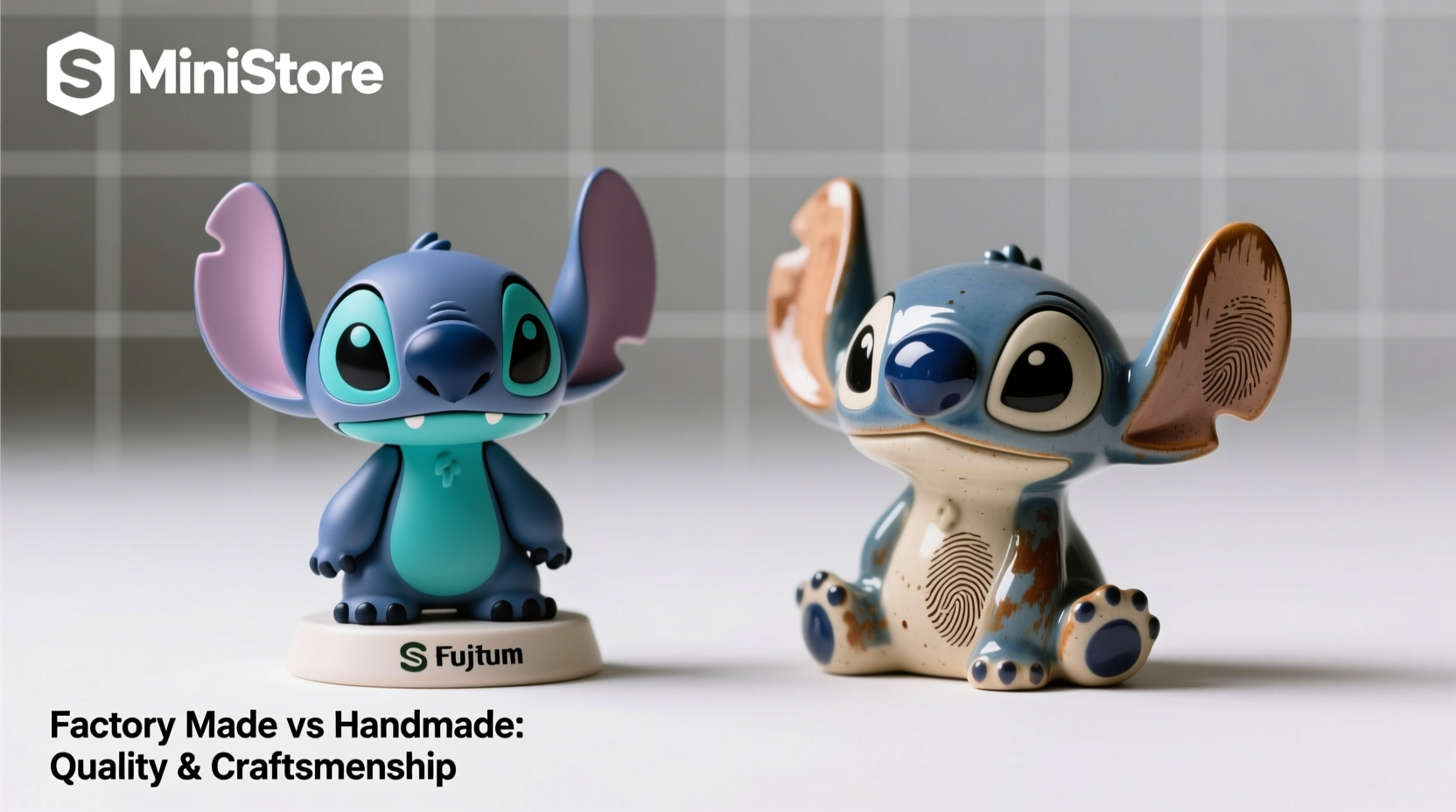
Miniso’s Stitch figures are produced using industrial injection molding and standardized painting processes. This ensures every unit is nearly identical, with consistent colors, proportions, and finish. The advantage here is predictability—what you see on the shelf is exactly what you get. These figures are designed for broad appeal, often stylized with oversized heads and simplified features that align with Miniso’s signature “cute minimalism.”
In contrast, handmade figurines are sculpted by individual artists using polymer clay, resin casting, or ceramic materials. Each piece undergoes multiple stages: sculpting, curing, sanding, priming, hand-painting, and sealing. Because they’re not machine-made, no two are ever exactly alike. A slight variation in brushstroke or facial expression can make one piece feel more expressive than another.
“Handmade doesn’t always mean higher quality, but it does mean intentionality. Every curve, color choice, and texture reflects a creator’s vision.” — Lena Torres, Contemporary Toy Artist
The trade-off lies in control. Factory production minimizes defects through quality assurance checks, while handmade pieces depend heavily on the skill level of the artist. An experienced crafter can produce museum-worthy details, but beginners may leave visible seams, uneven paint, or fragile joints.
Material Quality and Longevity
Miniso primarily uses PVC and ABS plastic—durable thermoplastics commonly found in action figures and toys. These materials resist chipping under normal use and are safe for children, which aligns with Miniso’s family-friendly branding. However, prolonged exposure to sunlight or heat can cause yellowing or warping over time. Additionally, the paint used on these figures is thin and may scratch if handled roughly.
Handmade figurines often use higher-grade materials. Polymer clay (like Sculpey or Fimo) holds fine detail well and can be sealed with UV-resistant varnish. Resin castings offer a glossy, porcelain-like finish and excellent dimensional stability. When properly cured and coated, these materials can last decades without fading or cracking.
Tip: To preserve any figurine’s finish, display it away from direct sunlight and clean it gently with a dry microfiber cloth.Comparison Table: Material & Build Quality
| Feature | Miniso Stitch Figure | Handmade Figurine |
|---|---|---|
| Primary Material | PVC/ABS Plastic | Polymer Clay, Resin, or Ceramic |
| Paint Application | Machine-sprayed, uniform | Hand-painted, variable precision |
| Durability (Impact) | High – resistant to drops | Moderate – fragile if unpolymerized |
| Fade Resistance | Moderate – prone to yellowing | High – with proper sealant |
| Detail Level | Stylized, simplified | Highly detailed, customizable |
| Lifespan (with care) | 5–10 years | 15+ years |
Design Authenticity and Emotional Value
Mass-produced figures serve as accessible memorabilia. They capture the essence of Stitch in a way that’s instantly recognizable and widely available. For casual collectors or gift-givers, this convenience is invaluable. You can walk into any Miniso store worldwide and find the same smiling blue alien, ready to take home.
But handmade figurines carry deeper emotional resonance. Many artisans infuse personality into their creations—giving Stitch a mischievous grin, sleepy eyes, or even dressing him in custom knitted sweaters. These nuances transform the figure from a product into a story. Buyers often form attachments not just to the character, but to the maker’s journey and creative process.
Consider a real-world example: Sarah Kim, a university student and Disney fan, purchased a handmade Stitch holding a tiny heart-shaped cookie. The artist included a note explaining it was inspired by her grandmother’s baking. That small gesture turned a simple collectible into a cherished keepsake. “I don’t just see Stitch,” she said. “I see someone’s love poured into clay.”
Cost, Accessibility, and Ethical Considerations
Miniso figures typically retail between $5 and $15, making them highly accessible. Their global supply chain allows for rapid restocking and wide distribution. However, this efficiency comes at an environmental cost. Most Miniso packaging uses non-recyclable plastic blisters, and the carbon footprint of shipping millions of units globally adds up.
Handmade figurines range from $30 to over $100, depending on size, complexity, and artist reputation. While pricier, many independent creators prioritize sustainability—using eco-friendly packaging, low-VOC paints, and recycled materials. Buying handmade also supports small businesses and fair labor practices, unlike large-scale manufacturing where worker conditions are often opaque.
- Miniso: Economies of scale reduce prices but increase environmental impact.
- Artisans: Higher cost reflects labor, materials, and ethical standards.
- Transparency: Handmade sellers often share studio photos, material sources, and production timelines.
Checklist: How to Choose the Right Stitch Figure for You
- Define your purpose: Is it for display, gifting, or emotional connection?
- Set a budget: Determine how much you’re willing to spend.
- Evaluate durability needs: Will it be handled often or kept behind glass?
- Assess aesthetic preferences: Do you prefer clean, minimalist design or intricate detail?
- Research the maker: For handmade items, check reviews, portfolio, and shipping policies.
- Consider long-term value: Will it appreciate emotionally or monetarily over time?
FAQ: Common Questions About Miniso vs. Handmade Figures
Are Miniso figures safe for children?
Yes. Miniso adheres to international toy safety standards (such as ASTM F963 and EN71), ensuring their figures are free from harmful chemicals like lead and phthalates. Small parts warnings apply for very young children.
Can handmade figurines be repaired if damaged?
In many cases, yes. Artists can often touch up paint or reattach broken limbs using specialized adhesives. Some even offer repair services. In contrast, damaged Miniso figures are usually replaced rather than fixed due to low replacement cost.
Do handmade figures come with certificates of authenticity?
Reputable artisans frequently include signed certificates, especially for limited editions. This adds collectible value and verifies origin—something mass-market products rarely provide.
Final Verdict: Which Is Actually Better Quality?
“Better quality” depends on how you define it. If quality means consistency, affordability, and child-safe construction, then Miniso’s factory-made Stitch figures excel. They deliver reliable performance at a low price point and are ideal for everyday enjoyment.
However, if quality encompasses craftsmanship, longevity, artistic expression, and emotional depth, then well-made handmade figurines surpass their mass-produced counterparts. The best ones rival fine art in execution and become heirloom pieces passed down through generations.
Ultimately, both have a place in the world of collectibles. A balanced collection might include a few Miniso figures for fun and accessibility, alongside one or two handmade masterpieces that represent personal meaning and artistic excellence.
💬 Have you collected both types? Share your experience—what made one more special than the other? Join the conversation and help fellow enthusiasts make informed choices.