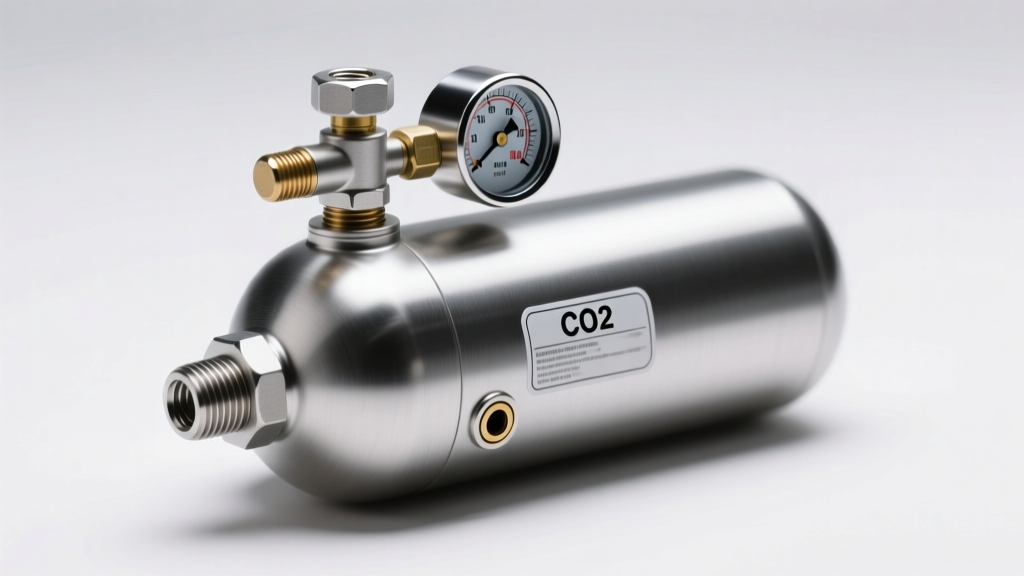
Types of Mercedes AC Compressor Control Valves
The air conditioning system in a Mercedes-Benz relies on precise refrigerant flow control to maintain optimal cooling efficiency, comfort, and system longevity. At the heart of this regulation are the AC compressor control valves, which manage refrigerant delivery to the evaporator based on demand. These valves play a crucial role in system performance, energy efficiency, and climate control accuracy. Understanding the different types helps in diagnosing issues, selecting replacements, and appreciating the engineering behind Mercedes' premium climate systems.
Thermal Expansion Valve (TXV)
Also known as a thermodynamic expansion valve, the TXV is a mechanical device that automatically regulates refrigerant flow into the evaporator based on real-time temperature and pressure conditions at the evaporator outlet.
Advantages
- Self-regulating without electronic input
- Reliable performance in variable conditions
- Precise superheat control for efficiency
- Widely used and well-understood technology
Limitations
- Slower response compared to electronic systems
- Sensitive to installation orientation
- Can be affected by oil contamination
- Less precise than modern EEVs
Best for: Older Mercedes models, systems prioritizing mechanical reliability, consistent ambient conditions
Electronic Expansion Valve (EEV)
The EEV represents the latest advancement in refrigerant control, using an electrically actuated mechanism governed by the vehicle's climate control module to deliver highly accurate refrigerant metering.
Advantages
- Ultra-precise refrigerant flow control
- Fast response to changing conditions
- Optimized for fuel efficiency and emissions
- Integrates with advanced climate algorithms
- Adapts to varying loads and ambient temps
Limitations
- Higher cost of replacement
- Requires diagnostic tools for calibration
- Dependent on sensor and ECU functionality
- More complex troubleshooting
Best for: Modern Mercedes models, vehicles with advanced climate zones, hybrid and electric powertrains
Fixed Orifice Tube (FOT)
A simple, non-adjustable device with a calibrated opening that meters refrigerant flow based on pressure differential. It does not adapt to changing cooling demands.
Advantages
- Simple, durable design
- No moving parts or sensors
- Low manufacturing cost
- Minimal maintenance required
Limitations
- Inflexible flow rate
- Less efficient under variable loads
- Prone to clogging from debris
- Limited performance optimization
Best for: Simpler AC systems, budget-conscious applications, consistent cooling environments
Pressure-Regulating Valve (PRV)
Designed to maintain a safe and efficient pressure differential between the high-pressure and low-pressure sides of the AC system, protecting components and ensuring stable operation.
Advantages
- Prevents compressor overload
- Protects system from pressure spikes
- Enhances system longevity
- Improves operational stability
- Supports consistent cooling performance
Limitations
- Does not directly control cooling output
- Often used as a secondary safety valve
- Limited impact on energy efficiency
- May require recalibration after replacement
Best for: High-performance systems, vehicles operating in extreme climates, systems requiring enhanced durability
| Valve Type | Control Method | Precision | Efficiency | Typical Mercedes Application |
|---|---|---|---|---|
| Thermal Expansion Valve (TXV) | Mechanical (Temperature Sensing) | Good | High | Pre-2000s models, base climate systems |
| Electronic Expansion Valve (EEV) | Electronic (ECU-Controlled) | Excellent | Very High | Modern luxury models, hybrids, EVs |
| Fixed Orifice Tube (FOT) | Fixed Aperture | Low | Moderate | Simpler trims, older economy variants |
| Pressure-Regulating Valve (PRV) | Pressure Differential | Support Function | Safety & Stability | All models (as auxiliary protection) |
Expert Tip: When servicing Mercedes-Benz AC systems with Electronic Expansion Valves (EEVs), always use factory-approved diagnostic software to recalibrate the valve after replacement. Improper calibration can lead to poor cooling, increased fuel consumption, or compressor damage.
Industrial Applications of Mercedes AC Compressor Control Valves
Mercdes AC compressor control valves are precision-engineered components designed to regulate refrigerant flow in a wide range of cooling and climate control systems. Originally developed for high-performance automotive environments, these valves have proven highly effective in diverse industrial and commercial applications due to their reliability, responsiveness, and energy efficiency. Their ability to precisely modulate refrigerant delivery ensures optimal system performance, reduces mechanical strain, and enhances overall operational sustainability.
Residential Cooling Systems
In residential air conditioning units, Mercedes AC compressor control valves play a critical role in maintaining consistent indoor comfort. By dynamically adjusting the volume of refrigerant entering the evaporator coil based on real-time cooling demand, these valves ensure precise temperature control. This intelligent modulation prevents short cycling and overcooling, allowing the compressor to operate at peak efficiency.
As a result, homeowners benefit from improved thermal comfort, reduced energy consumption, and lower electricity bills. Additionally, the reduced mechanical stress on the compressor extends the lifespan of the entire HVAC system, minimizing maintenance needs and repair costs over time.
Commercial and Industrial Refrigeration Systems
Within commercial kitchens, cold storage warehouses, and food processing facilities, maintaining exact temperature and pressure conditions is essential for food safety and quality preservation. Mercedes control valves provide accurate refrigerant metering in industrial refrigeration units, ensuring stable evaporator performance even under fluctuating load conditions.
By preventing temperature swings and excessive pressure buildup, these valves help inhibit bacterial growth, reduce spoilage, and minimize food waste. Furthermore, their reliable operation contributes to longer equipment service life, reduced refrigerant leakage risks, and compliance with strict health and safety regulations in the food industry.
Automotive Air Conditioning Systems
As originally designed for Mercedes-Benz vehicles, these control valves are integral to modern automotive climate control systems. They regulate refrigerant flow into the evaporator to maintain the desired cabin temperature, adapting instantly to changes in ambient conditions, sunlight exposure, or passenger preferences.
Advanced modulation capabilities improve fuel efficiency by reducing unnecessary compressor load, which in turn lowers CO₂ emissions. This makes them a key component in meeting stringent environmental standards and enhancing passenger comfort in both passenger cars and commercial fleets.
Industrial Process Cooling Systems
In manufacturing, chemical processing, and data center environments, precise thermal management is vital for equipment performance and operational continuity. Mercedes AC compressor control valves are employed in industrial chillers and cooling loops to maintain optimal operating temperatures for machinery such as CNC machines, lasers, and servers.
By preventing overheating or undercooling, these valves protect sensitive components from thermal stress, reduce unplanned downtime, and support consistent production quality. Their durability and accuracy make them ideal for integration into automated control systems where reliability under continuous operation is paramount.
HVAC Systems in Commercial Buildings
Large-scale commercial buildings—including offices, shopping malls, hospitals, and airports—rely on complex HVAC systems to maintain comfortable and healthy indoor environments across multiple zones. Mercedes control valves are used in variable refrigerant flow (VRF) and rooftop units to enable zoned cooling with high precision.
Their adaptive flow control ensures uniform temperature distribution, improves system responsiveness, and significantly enhances energy efficiency. This leads to lower operational costs, reduced carbon footprint, and better compliance with green building certifications such as LEED or BREEAM. Additionally, quieter operation and reduced mechanical wear contribute to improved occupant satisfaction and lower lifecycle maintenance expenses.
| Application | Primary Function | Key Benefits |
|---|---|---|
| Residential Cooling | Temperature stabilization and energy optimization | Enhanced comfort, lower energy bills, extended system life |
| Industrial Refrigeration | Precise refrigerant metering for food safety | Reduced spoilage, regulatory compliance, equipment protection |
| Automotive AC | Cabin climate regulation | Improved fuel efficiency, lower emissions, passenger comfort |
| Industrial Cooling | Thermal management of machinery and processes | Prevents downtime, ensures production consistency, increases safety |
| Commercial HVAC | Zoned cooling and load balancing | Energy savings, environmental compliance, occupant comfort |
Important: While Mercedes AC compressor control valves are highly adaptable, proper installation, calibration, and compatibility with refrigerant types (e.g., R134a, R1234yf) are crucial for optimal performance. Always consult technical specifications and use certified technicians during integration into non-automotive systems to ensure safety, efficiency, and warranty compliance.
Mercedes AC Compressor Control Valve: Specifications, Installation & Maintenance Guide
The air conditioning compressor control valve is a critical component in modern Mercedes-Benz climate control systems. It regulates refrigerant flow to maintain optimal cooling performance, system efficiency, and passenger comfort. Understanding its features, proper installation techniques, and maintenance requirements ensures reliable operation and extends the lifespan of the entire AC system.
Key Features and Functional Benefits
-
Refrigerant Flow Regulation
The control valve precisely manages the volume of refrigerant entering the evaporator based on real-time system demands. By dynamically adjusting flow rates, it maintains ideal pressure and temperature differentials across the system. This precision enables efficient heat exchange, maximizing cooling capacity while minimizing energy waste. Advanced sensors and feedback loops allow the valve to respond instantly to changing thermal loads, ensuring consistent performance in diverse driving conditions.
-
Pressure Balance Management
The valve continuously monitors pressure differentials between the high and low sides of the AC system. When imbalances occur—such as during rapid acceleration or extreme ambient temperatures—the control valve modulates refrigerant flow to restore equilibrium. This prevents damaging pressure spikes or vacuum conditions that could harm the compressor, condenser, or evaporator. Stable pressure levels also enhance compressor longevity and reduce mechanical stress on system components.
-
Intelligent Temperature Control
Integrated with the vehicle’s climate control module, the valve responds to cabin temperature sensors and driver-set preferences. If the interior temperature deviates from the target (e.g., due to sunlight exposure or passenger entry), the valve adjusts refrigerant flow within milliseconds. This closed-loop control ensures a stable, comfortable cabin environment without overcooling or excessive cycling, contributing to both comfort and fuel efficiency.
-
Energy Efficiency Optimization
Unlike older on/off compressor designs, the modulating control valve allows for variable refrigerant flow, significantly reducing parasitic load on the engine. During mild conditions or partial cooling demand, the valve reduces flow instead of cycling the compressor on and off. This smooth operation lowers fuel consumption by up to 15% in urban driving and reduces CO₂ emissions. The energy savings are especially pronounced in stop-and-go traffic and warm climates.
-
Comprehensive System Protection
The control valve acts as a safeguard for expensive AC components. It prevents compressor damage from slugging (liquid refrigerant entering the compressor), protects the evaporator from freezing, and avoids high-side pressure lock-up. Built-in diagnostics can detect abnormal conditions and signal the ECU to reduce compressor speed or disable the system temporarily. This proactive protection minimizes repair costs and downtime, particularly important in high-value Mercedes vehicles.
Technical Insight: Modern Mercedes control valves are often electronically actuated (ECV - Electronic Control Valve) and communicate via CAN bus with the engine control unit. This integration allows for predictive adjustments based on vehicle speed, engine load, and ambient conditions, far surpassing the capabilities of mechanical expansion valves.
Step-by-Step Installation Guide
Proper installation is essential for optimal performance and longevity. Always follow OEM procedures and use Mercedes-approved tools and refrigerants. Work in a well-ventilated area and comply with environmental regulations for refrigerant handling.
1. Safety Preparation and System Depressurization
Wear certified safety gear including chemical-resistant gloves, impact goggles, and protective clothing. Recover all refrigerant from the system using a certified recovery machine before beginning work. Never vent refrigerant into the atmosphere. Disconnect the battery to prevent accidental compressor engagement.
2. Removal of the Old Control Valve
Locate the control valve—typically mounted on or near the compressor. Carefully disconnect refrigerant lines using line wrenches to avoid rounding fittings. Remove mounting bolts or brackets securing the valve. Inspect old valve for debris or metal shavings, which may indicate underlying compressor wear requiring further investigation.
3. Verification and Preparation
Cross-reference the replacement valve’s part number with the Mercedes-Benz EPC (Electronic Parts Catalog) to ensure compatibility. Check for updated service bulletins that may require revised components. Clean the mounting surface thoroughly and replace any damaged O-rings or seals with new OEM-spec parts.
4. Installation of the New Valve
Position the new control valve and hand-tighten mounting hardware to ensure proper alignment. Torque bolts to manufacturer specifications (typically 8–12 Nm) using a calibrated torque wrench. Reconnect refrigerant lines with new sealing washers, tightening to recommended torque (usually 18–25 Nm). Connect electrical connectors securely, ensuring no pin damage or moisture ingress.
5. System Reassembly and Testing
Reinstall any removed covers, brackets, or sensors. Evacuate the system for at least 30 minutes to remove moisture and air. Recharge with the correct type and amount of refrigerant (typically R134a or R1234yf, depending on model year). Start the engine and operate the AC system through multiple cycles. Use a manifold gauge set and infrared thermometer to verify proper pressure differentials and outlet air temperature (ideally 3–5°C).
Professional Tip: After installation, perform a full diagnostic scan using Mercedes-Benz XENTRY or compatible tool to confirm no fault codes are present and that the control valve is communicating properly with the climate control module.
Maintenance and Repair Best Practices
Regular maintenance prevents premature failure and ensures peak efficiency. The control valve typically lasts 8–12 years but is vulnerable to contamination and moisture ingress.
Regular Inspection: Check for refrigerant leaks (use UV dye or electronic leak detector), corrosion on electrical connectors, and physical damage. Listen for unusual buzzing or clicking sounds from the valve solenoid, which may indicate coil failure.
Cleaning and Protection: Gently clean the valve housing with a soft brush or lint-free cloth. Avoid high-pressure water or harsh solvents. Ensure engine bay drainage channels are clear to prevent water pooling around AC components.
Performance Monitoring: Watch for symptoms like inconsistent cooling, increased cabin humidity, or higher-than-normal fuel consumption. These may indicate a failing control valve even if no visible damage exists.
Repair vs. Replacement: Minor external leaks may be sealed temporarily with OEM-approved sealants, but internal wear or electrical faults require full replacement. Never attempt to disassemble or rebuild the valve—these are sealed units. Always replace the receiver/drier when replacing the control valve to prevent moisture contamination.
System-Wide Approach: If refrigerant has leaked significantly, flush the system to remove contaminants. Use only Mercedes-approved PAG oil (typically PAG 46 or PAG 100) in correct quantities, as over- or under-lubrication can damage the valve and compressor.
| Component | Function | Common Failure Signs | Recommended Action |
|---|---|---|---|
| Control Valve Solenoid | Regulates refrigerant flow via electronic signal | Erratic cooling, fault code P2616/P2617 | Replace valve assembly |
| Sealing O-Rings | Prevents refrigerant leakage | Oil residue, low system pressure | Replace with new OEM seals |
| Electrical Connector | Transmits control signals and power | Intermittent operation, corrosion | Clean or replace connector |
| Valve Body | Houses internal flow control mechanism | Internal debris, restricted flow | Replace valve; inspect for compressor wear |
Longevity Tip: To maximize control valve life, service the AC system every 2–3 years with a full inspection, refrigerant recharge, and filter/drier replacement. This preventive approach maintains system cleanliness and reduces strain on the valve and compressor.
Quality and Safety Considerations for Mercedes AC Compressor Control Valves
The air conditioning (AC) compressor control valve plays a vital role in regulating refrigerant flow and maintaining optimal cooling performance in Mercedes vehicles. As a precision component, its quality and proper handling directly impact system efficiency, longevity, and user safety. This guide explores essential quality standards and safety practices for selecting, installing, and maintaining AC compressor control valves in high-performance HVAC systems.
Safety Warning: Refrigerants used in automotive AC systems can pose serious health and environmental risks if mishandled. Always follow manufacturer guidelines and local regulations when working with refrigerants. Use certified recovery equipment and wear appropriate personal protective equipment (PPE) to prevent exposure.
Quality Considerations for AC Compressor Control Valves
Selecting a high-quality control valve is critical to ensuring reliable operation and preventing costly system failures. The following factors should be carefully evaluated when sourcing a replacement or upgrade for your Mercedes AC system.
- Durable and Corrosion-Resistant Materials: The valve body should be constructed from high-grade metals such as brass or aluminum, both known for their excellent resistance to corrosion and compatibility with automotive environments. These materials help prevent internal degradation that could contaminate the refrigerant and compromise system performance.
- High-Performance Sealing Components: Internal seals, including O-rings and gaskets, must be made from flexible rubber compounds specifically engineered to withstand prolonged exposure to refrigerants and lubricating oils. Materials like nitrile rubber (NBR) or hydrogenated nitrile butadiene rubber (HNBR) are commonly used due to their chemical stability and temperature resilience.
- Precision Manufacturing of Internal Parts: Critical components such as the spool, piston, and diaphragm must be manufactured to tight tolerances to ensure a leak-free seal during operation. Research indicates that even minor imperfections can lead to refrigerant leakage, reduced cooling efficiency, and pressure instability within the system.
- Refrigerant Compatibility: Confirm that the control valve is compatible with the specific refrigerant type used in your vehicle (e.g., R134a, R1234yf). Modern eco-friendly refrigerants are designed to minimize environmental impact, particularly those with low Global Warming Potential (GWP). Avoid using components not rated for your system’s refrigerant, as incompatibility can lead to seal failure and refrigerant breakdown.
- Robust Operating Range: A high-quality valve must perform reliably under extreme conditions, including high pressures (up to 400 psi or more) and wide temperature fluctuations (-40°C to 120°C). This ensures consistent performance in both hot summer climates and cold winter environments.
- Brand Reputation and Authenticity: Purchase control valves from reputable manufacturers with a proven track record in automotive HVAC systems. Brands like Denso, Sanden, and OEM Mercedes-Benz suppliers are known for stringent quality control. Always buy from authorized dealers to avoid counterfeit parts that may fail prematurely or damage your system.
- Customer Feedback and Reviews: Take time to review user experiences and professional testimonials. Consistently positive feedback regarding durability, fitment, and performance is a strong indicator of product reliability.
| Quality Factor | Recommended Specification | Risks of Poor Quality | Verification Method |
|---|---|---|---|
| Valve Body Material | Brass or aluminum alloy | Corrosion, contamination, leaks | Visual inspection, manufacturer datasheet |
| Seal Material | HNBR or NBR rubber | Swelling, cracking, refrigerant loss | Material certification, compatibility charts |
| Refrigerant Compatibility | R134a or R1234yf rated | System inefficiency, seal failure | Labeling, OEM specifications |
| Operating Pressure | Rated for ≥400 psi | Burst risk, leakage | Pressure testing, technical specs |
| Manufacturing Tolerance | ±0.01 mm precision | Poor sealing, erratic performance | Micrometer measurement, OEM benchmarking |
Safety Considerations During Handling and Installation
Proper safety protocols are essential when working with AC compressor control valves to protect both technicians and vehicle occupants. Refrigerant exposure and improper installation can lead to serious hazards.
- Handle with Care: Avoid dropping or impacting the valve during transportation and installation. Physical damage can compromise internal seals or alignment, leading to leaks or malfunction.
- Follow Manufacturer Instructions: Always adhere to the installation guidelines provided by the valve manufacturer. Incorrect orientation or torque settings can result in improper operation or system failure.
- Avoid Over-Tightening: Do not over-tighten refrigerant line fittings or mounting bolts. Excessive force can strip threads, damage sealing surfaces, or crack the valve body, creating potential leak points.
- Wear Proper Safety Gear: Always use chemical-resistant gloves and ANSI-approved safety goggles when handling refrigerants or working on the AC system. A respirator may be necessary in poorly ventilated areas to prevent inhalation of harmful vapors.
- Maintain a Clean Work Area: Keep the workspace free of debris, tools, and obstacles to reduce the risk of accidents. A cluttered environment increases the likelihood of dropped parts or slips while working under the hood.
- Prevent Refrigerant Leaks: Ensure all connections are properly sealed using torque wrenches and flare-nut wrenches where applicable. Leaking refrigerants not only reduce cooling efficiency but can also pose health risks such as dizziness, respiratory irritation, or frostbite upon skin contact.
- Use Leak Detection Equipment: If a leak is suspected, use an electronic refrigerant detector or UV dye system to locate the source. Immediately ventilate the area and repair the leak before resuming system operation.
- Professional Training and Compliance: Technicians should be certified in refrigerant handling and disposal according to EPA Section 609 regulations (in the U.S.) or equivalent local standards. This includes proper recovery, recycling, and recharging procedures.
- Immediate Replacement of Damaged Parts: Any component showing signs of wear, corrosion, or physical damage should be replaced promptly. Delaying repairs increases the risk of system failure and potential exposure to hazardous refrigerants.
Expert Tip: After installing a new control valve, perform a vacuum test on the AC system for at least 30 minutes before recharging. This removes moisture and air, preventing contamination and ensuring optimal refrigerant performance and system longevity.
Best Practices for Long-Term Reliability
- Regularly inspect the AC system for signs of oil residue, which may indicate early-stage refrigerant leaks
- Schedule professional AC performance checks at least once a year
- Keep records of all AC system repairs, refrigerant types used, and component replacements
- Use only OEM or high-quality aftermarket control valves to maintain system integrity
- Train maintenance personnel on safe refrigerant handling and emergency response procedures
By prioritizing quality components and adhering to strict safety protocols, you can ensure the reliable and safe operation of your Mercedes AC system. The control valve is a small but critical part of the overall HVAC performance—investing in authenticity, precision, and proper installation pays dividends in comfort, efficiency, and safety.
Frequently Asked Questions About AC Compressor Control Valves
Q1: What are the signs of a malfunctioning compressor control valve?A malfunctioning compressor control valve can significantly impact your air conditioning system’s performance. Common warning signs include:
- Inconsistent Cooling: The AC may cool well at times but struggle on hot days or in high-demand situations.
- Reduced Cooling Efficiency: You may notice that the air isn't as cold as it used to be, even after prolonged operation.
- Complete Cooling Failure: In severe cases, the system may stop cooling altogether.
- Unusual Noises: Grinding, hissing, or whistling sounds coming from the AC unit can indicate internal valve issues or refrigerant flow problems.
- Increased Energy Bills: A faulty valve forces the system to work harder, leading to higher electricity consumption.
- Visible Leaks or Damage: Refrigerant leaks, oil stains, or corrosion around the valve housing are physical indicators of failure.
Early detection of these symptoms can prevent further damage to the compressor and other critical components, saving on costly repairs.
Q2: What is the role of the compressor control valve in an AC system?The compressor control valve—often referred to as the expansion valve or metering device—plays a crucial role in regulating the refrigerant flow within the air conditioning system. Its primary functions include:
- Refrigerant Flow Regulation: It precisely controls the amount of high-pressure liquid refrigerant entering the evaporator coil, ensuring optimal cooling capacity.
- Pressure and Temperature Management: By metering the refrigerant, the valve helps maintain the correct pressure drop, enabling efficient evaporation and heat absorption from indoor air.
- System Efficiency: Proper refrigerant metering prevents flooding or starving of the evaporator, maximizing energy efficiency and cooling performance.
- Compressor Protection: It prevents liquid refrigerant from returning to the compressor (a condition known as slugging), which can cause mechanical damage.
In essence, the control valve acts as the "gatekeeper" of the refrigeration cycle, balancing performance, efficiency, and equipment longevity.
Q3: How often do AC compressor control valves need to be replaced?Compressor control valves are designed to last the lifetime of the AC system under normal operating conditions, typically 10–15 years. However, replacement frequency depends on several factors:
- System Age and Usage: Older systems or those operating in extreme climates may experience earlier valve failure due to wear and thermal stress.
- Maintenance History: Poor maintenance, such as infrequent filter changes or refrigerant leaks, can accelerate valve degradation.
- Contamination: Dirt, moisture, or debris in the refrigerant can clog or damage the valve’s internal components.
- Manufacturing Defects: Rarely, valves may fail prematurely due to design or material flaws.
When replacement is necessary, the job typically takes 2 to 4 hours for a qualified technician. The process may take longer if additional issues—such as refrigerant leaks, compressor damage, or electrical faults—are discovered during diagnosis. Because of the complexity and need for specialized tools (e.g., vacuum pumps, manifold gauges, and refrigerant recovery equipment), professional service is strongly recommended.
Q4: Can a damaged AC compressor control valve affect refrigerant levels?Yes, a damaged or malfunctioning control valve can directly impact refrigerant levels and system pressure, even without a physical leak. Here’s how:
- Improper Metering: A stuck-open valve allows excessive refrigerant into the evaporator, causing flooding and potential liquid slugging in the compressor. A stuck-closed valve restricts flow, starving the evaporator and reducing cooling capacity.
- Pressure Imbalances: Incorrect refrigerant flow disrupts the balance between high-side and low-side pressures, leading to inefficient operation and potential safety shutdowns.
- False Low Charge Symptoms: Even with correct refrigerant volume, a faulty valve can mimic low refrigerant symptoms (e.g., poor cooling, icing), leading to misdiagnosis and unnecessary recharging.
- Component Stress: The compressor must work harder to maintain pressure, increasing wear and the risk of premature failure.
It's essential to diagnose the root cause before adding refrigerant. Improper charging due to a faulty valve can lead to system damage, environmental concerns (due to refrigerant release), and voided warranties. Always have a certified HVAC technician inspect and repair the system using proper diagnostic tools.