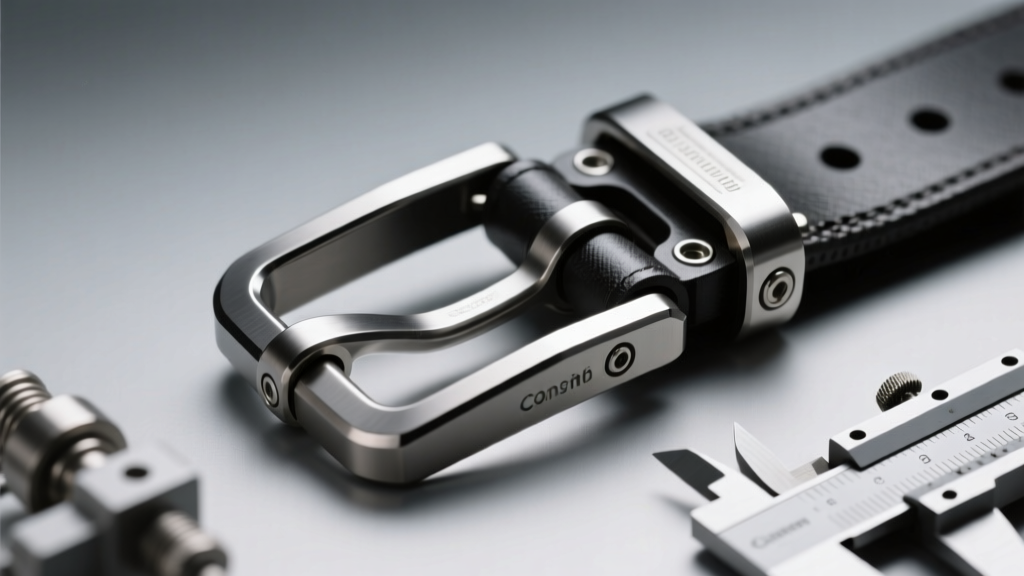
Types of Chain Guards for Dirt Bikes
A chain guard is a vital component on any dirt bike, designed to protect the drive chain, sprockets, and surrounding areas from damage caused by rocks, mud, debris, and impacts. A well-chosen chain guard not only enhances durability but also contributes to consistent performance, reduces maintenance frequency, and prevents costly repairs. With various materials and designs available, selecting the right chain guard depends on riding style, terrain, and performance priorities.
Plastic Chain Guards
Made from high-density polymers like nylon or reinforced composites, plastic chain guards offer a modern solution combining lightweight construction with effective protection.
Advantages
- Extremely lightweight – improves agility and reduces unsprung weight
- Natural corrosion resistance – ideal for wet, muddy, or salty conditions
- Flexible design – absorbs minor impacts without cracking
- Smooth surface – reduces mud buildup and enhances self-cleaning
- Cost-effective – affordable for replacements and upgrades
Limitations
- Less impact-resistant than metal in extreme crashes
- Can degrade over time with UV exposure
- Limited repairability if severely damaged
Best for: Trail riding, motocross, and enduro riders seeking a balance of protection and performance
Metal Chain Guards
Typically constructed from stainless steel or aluminum alloys, metal chain guards deliver maximum durability and rugged protection in harsh environments.
Advantages
- Exceptional strength – withstands heavy impacts and abrasion
- Long lifespan – highly resistant to wear and deformation
- Superior protection – shields chain from rocks, roots, and trail obstacles
- Repairable in many cases – dents can often be reshaped
- High heat resistance – maintains integrity under friction and stress
Limitations
- Significantly heavier – can affect suspension and handling
- More expensive – higher material and manufacturing costs
- Potential for rust (if not stainless) – requires maintenance in wet climates
Best for: Rock crawling, hard enduro, and extreme off-road riding where durability is critical
Rubber Chain Guards
Constructed from flexible rubber or thermoplastic elastomers, these guards offer basic protection with excellent noise reduction and vibration damping.
Advantages
- Very quiet operation – reduces chain slap and mechanical noise
- Impact-absorbing – flexes under stress to prevent breakage
- Easy to install – often uses simple clip-on or bolt-on designs
- Affordable – lowest cost option for entry-level bikes
- Lightweight – minimal effect on overall bike dynamics
Limitations
- Low abrasion resistance – wears quickly in rough terrain
- Limited protection – ineffective against large rocks or deep impacts
- Shorter lifespan – prone to tearing and weathering over time
Best for: Beginner riders, light trail use, and recreational riding on mild terrain
| Type | Durability | Weight | Noise Level | Best Application |
|---|---|---|---|---|
| Plastic | Good | Very Light | Low | Motocross, trail riding, all-around use |
| Metal | Excellent | Heavy | Moderate | Hard enduro, rock trails, extreme off-road |
| Rubber | Fair | Light | Very Low | Entry-level, light trails, beginner riders |
Expert Tip: For riders upgrading from plastic to metal chain guards, consider reinforcing the mounting points or using high-strength bolts to handle the increased stress and weight. Also, applying anti-seize lubricant on fasteners helps prevent corrosion and simplifies future maintenance.
Choosing the right chain guard involves balancing protection, weight, and riding conditions. While plastic offers the best all-around performance for most riders, metal excels in extreme environments, and rubber remains a budget-friendly entry point. Always ensure proper installation and regular inspection to maintain optimal chain alignment and drivetrain efficiency.
Different Designs of Chain Guards for Dirt Bikes: Protection, Performance & Selection Guide
Chain guards are essential components on dirt bikes, serving as a critical defense mechanism for the drivetrain. They protect the chain, sprockets, and surrounding components from damage caused by rocks, mud, roots, and other trail debris. Additionally, they help maintain chain tension, reduce wear, and improve overall reliability—especially in demanding off-road environments. Choosing the right chain guard design can significantly impact your bike’s durability, maintenance needs, and performance. Below is a comprehensive overview of the most common and effective chain guard designs used in modern dirt biking.
Full Chain Enclosure
A full chain enclosure provides complete coverage of the chain and sprockets using a sealed protective casing, typically made from high-impact plastic or composite materials. This design offers the highest level of protection against dirt, water, mud, and flying debris, making it ideal for extreme off-road conditions such as enduro, trail riding, and motocross in wet or rocky terrain.
One of the key advantages of this design is its ability to retain chain lubrication over extended periods, reducing the frequency of maintenance. It also contributes to noise reduction, offering a quieter ride compared to exposed chains. While slightly heavier and potentially limiting chain adjustability or requiring more complex installation, the long-term benefits in durability and reduced wear make it a top choice for serious off-road riders.
Open-Face Design
The open-face chain guard offers partial protection, typically shielding only the lower half or sides of the chain and rear sprocket. This minimalist design prioritizes weight savings and ease of access, making it popular among riders who frequent smoother trails, flat terrain, or desert environments with less abrasive conditions.
Due to its simplified structure, the open-face guard is lightweight, easy to install, and allows for quick visual inspection and cleaning of the chain. However, it provides limited defense against larger impacts or deep mud buildup. While not suitable for aggressive off-roading, it strikes an excellent balance between protection and practicality for casual riders, commuters, and those who perform regular maintenance.
Chain Guide and Guard Combo
This advanced design integrates both a protective guard and a functional chain guide into a single, engineered unit. The guard shields the chain from external debris, while the guide ensures precise chain alignment, minimizing lateral movement that can lead to premature sprocket wear, chain skipping, or derailment under heavy acceleration or rough terrain.
Commonly found on racing, supercross, and extreme-enduro bikes, this combo system is constructed from durable materials like CNC-machined aluminum or reinforced polymers to withstand high torque and constant vibration. By stabilizing the chain path, it enhances power transfer efficiency and reduces mechanical losses. This design is particularly beneficial for riders who push their bikes to the limit and demand maximum drivetrain reliability.
Custom-Fit Guards
Custom-fit chain guards are precision-engineered to match the exact specifications of a particular dirt bike model. Unlike universal-fit options, these guards offer a seamless integration with the bike’s frame, swingarm, and drivetrain layout, ensuring optimal clearance, alignment, and protection.
Manufactured using advanced techniques such as CNC machining or 3D printing, custom guards allow for tailored designs that meet specific performance goals—whether it’s reducing weight, improving aerodynamics, or enhancing debris deflection. Riders can also personalize aesthetics, color, or material choice (e.g., carbon fiber for ultra-light builds). These guards are ideal for high-performance builds, competitive racing, or enthusiasts seeking a clean, factory-level finish with superior functionality.
| Chain Guard Type | Best For | Protection Level | Weight | Maintenance Access |
|---|---|---|---|---|
| Full Chain Enclosure | Enduro, Wet/Muddy Trails, Long-Distance Off-Roading | High | Heavy | Moderate (requires removal for full access) |
| Open-Face Design | Casual Riding, Dry/Smoother Terrain, Commuting | Low to Medium | Light | Easy (direct visibility and access) |
| Chain Guide & Guard Combo | Racing, Extreme-Enduro, High-Torque Applications | High (with alignment support) | Medium to Heavy | Moderate (targeted access points) |
| Custom-Fit Guards | Performance Builds, Racing, Personalized Setups | High (model-specific optimization) | Varies (light to medium with advanced materials) | Good (designed for efficient servicing) |
Key Considerations When Choosing a Chain Guard
Important: Installing the wrong chain guard can lead to clearance issues, chain binding, or even catastrophic failure during operation. Always follow manufacturer guidelines and verify fitment before riding. Regularly inspect your chain guard for cracks, warping, or loose mounting hardware—especially after hard landings or crashes. Proper selection and maintenance not only extend drivetrain life but also enhance safety and ride consistency.
Material Options for Dirt Bike Chain Guards
Choosing the right chain guard material is essential for protecting your dirt bike’s drivetrain while balancing performance, durability, and cost. Manufacturers use a variety of materials—each offering unique advantages based on riding style, terrain, and budget. Understanding these materials helps riders make informed decisions that enhance both safety and long-term value.
Reinforced Plastic
Reinforced plastic is one of the most widely used materials for dirt bike chain guards due to its optimal blend of light weight, flexibility, and corrosion resistance. Typically made from advanced polymers like nylon or polycarbonate, these guards offer excellent protection against mud, rocks, water, and trail debris.
- Lightweight design improves bike handling and reduces rotational mass
- Natural flexibility absorbs impacts and prevents shattering under stress
- Resistant to rust, UV degradation, and chemical exposure
- Allows slight chain movement without binding, reducing wear
- Ideal for trail riding, enduro events, and all-weather conditions
Best for: Riders seeking a low-maintenance, affordable, and reliable solution for regular off-road use
6061 Aluminum
6061-T6 aluminum alloy is a premium choice for high-performance dirt bike chain guards. Known for its outstanding strength-to-weight ratio, this aerospace-grade material delivers superior durability without adding significant weight.
- Exceptional impact resistance compared to plastic alternatives
- Can be anodized for enhanced corrosion protection and custom finishes
- Withstands extreme temperatures and harsh riding environments
- Often CNC-machined for precise fitment and structural integrity
- Favored in motocross racing and aggressive off-road riding
Performance advantage: Maintains rigidity under load, offering consistent protection during high-speed impacts
Rubber
Rubber chain guards are typically found on entry-level or beginner dirt bikes. They offer basic protection at a minimal cost, making them a practical option for casual riders and younger enthusiasts.
- Highly flexible and vibration-absorbing, reducing chain noise significantly
- Extremely lightweight and easy to install without tools
- Low-cost replacement option for budget-conscious owners
- Suitable for light trail use and controlled environments
- Limited resistance to sharp impacts and prolonged abrasion
Limitation note: Prone to tearing or degradation over time, especially when exposed to UV light and extreme temperatures
Carbon Steel
Carbon steel chain guards are engineered for maximum durability in the harshest off-road conditions. These heavy-duty guards are designed for riders who frequently encounter rocky terrain, deep mud, or technical trails with constant chain exposure.
- Unmatched resistance to abrasion, impact, and deformation
- Thicker construction provides a protective barrier against large debris
- Commonly used in professional racing and extreme enduro disciplines
- Often coated with powder or paint to resist rust and improve longevity
- May require additional mounting hardware due to increased weight
Trade-off: Heavier than other materials, which can affect suspension response and overall agility
Expert Recommendation: For most riders, reinforced plastic or 6061 aluminum offers the best balance of protection, weight, and longevity. Choose aluminum for competitive riding or rugged terrain, and opt for reinforced plastic for versatile trail performance. Reserve carbon steel for extreme-duty applications, and consider rubber only for light recreational use where cost is a primary concern.
| Material | Durability | Weight | Cost | Best Use Case |
|---|---|---|---|---|
| Reinforced Plastic | High | Very Light | $$ | All-around trail and enduro riding |
| 6061 Aluminum | Very High | Light | $$$ | Motocross, aggressive off-roading |
| Rubber | Low | Ultra Light | $ | Beginner bikes, light trail use |
| Carbon Steel | Extreme | Heavy | $$$ | Professional racing, rocky terrain |
Additional Considerations When Choosing Chain Guard Materials
- Compatibility: Ensure the guard matches your bike’s make, model, and engine size for proper fitment
- Replaceability: Plastic and rubber guards are often easier and cheaper to replace than machined aluminum
- Maintenance: Metal guards may require periodic inspection for cracks or rust, especially after wet rides
- Noise Reduction: Rubber and plastic naturally dampen sound; aluminum may require additional padding
- Aesthetics: Anodized aluminum offers customizable colors and a premium look, enhancing bike appearance
- Environmental Resistance: All materials perform differently in salt, sand, or high-humidity environments—choose accordingly
How To Choose A Chain Guard For Your Dirt Bike
Selecting the right chain guard for your dirt bike is essential for protecting one of the most critical drivetrain components. A high-quality chain guard not only shields the chain and sprockets from debris, rocks, and impacts but also enhances safety by preventing accidental contact with moving parts. With various styles, materials, and compatibility options available, choosing the best fit requires careful consideration of your bike model, riding style, terrain conditions, and budget. This comprehensive guide will help you make an informed decision to ensure optimal performance, durability, and value.
Safety Note: A damaged or improperly installed chain guard can lead to chain derailment, loss of power, or even serious injury. Always verify proper fitment and secure mounting before riding.
Riding Conditions and Terrain Type
The environment in which you ride plays a major role in determining the appropriate chain guard. Different terrains expose your drivetrain to varying levels of stress, debris, and impact.
- Rocky or Root-Heavy Trails: Riders tackling technical trails with frequent rock strikes should opt for heavy-duty guards made from impact-resistant materials like steel, aluminum, or carbon fiber composites.
- Muddy or Wet Conditions: In muddy environments, guards with open designs or drainage ports help prevent clogging and reduce weight buildup.
- Smooth Trails or Motocross Tracks: For controlled environments with less debris, lightweight plastic or reinforced polymer guards offer sufficient protection while minimizing added weight.
- Dense Forest or Brush Riding: Guards with full coverage help prevent sticks, branches, and vegetation from jamming the chain or damaging sprockets.
Bike Model Compatibility and Fitment
Chain guards must align precisely with your dirt bike’s swingarm, sprocket, and chain alignment to function effectively.
- Model-Specific Guards: These are engineered to match exact OEM dimensions for a seamless fit. They integrate cleanly with the bike’s design, offer superior protection, and often require no modifications during installation.
- Universal Fit Guards: While more affordable and adaptable across multiple models, universal guards may require custom bracket adjustments or drilling. They can sometimes leave gaps that expose parts of the chain or sprocket.
- Aftermarket Upgrades: Many riders upgrade from stock plastic guards to reinforced alternatives. Always confirm compatibility with your bike’s make, model, year, and engine size (e.g., 250cc vs. 450cc may have different swingarm clearances).
Budget and Value Considerations
Chain guards vary widely in price based on material, design, and brand. Your budget should reflect how intensely you use your bike and how critical protection is to your riding style.
- Rubber or Plastic Guards: Typically the most affordable option, ideal for casual riders or beginners. They offer basic splash and minor debris protection but are prone to cracking under heavy impact.
- Aluminum Guards: Mid-range in cost, aluminum provides excellent strength-to-weight ratio. Anodized finishes resist corrosion and maintain appearance over time.
- Steel Guards: Heavier but extremely durable, steel is preferred by enduro and hard-core off-road riders who frequently encounter extreme conditions.
- Carbon Fiber or Composite Guards: Premium-priced, these offer high impact resistance with low weight. Often used in racing or by riders seeking top-tier performance and aesthetics.
When evaluating cost, consider long-term value—investing in a durable guard can save money by preventing costly chain, sprocket, or engine damage.
Types of Chain Guards: Matching Style to Riding Needs
Understanding the different types of chain guards helps you choose based on protection level, weight, and functionality.
| Type of Chain Guard | Best For | Protection Level | Weight & Maintenance |
|---|---|---|---|
| Open-Face Guard | Trail riding, motocross, smoother terrain | Basic protection against mud and minor debris | Lightweight; easy to clean and inspect |
| Full Chain Enclosure | Enduro, off-road, rocky trails | High protection; covers chain and sprockets completely | Heavier; may trap mud if not designed with vents |
| Combined Chain Guide & Guard | Racing, extreme enduro, aggressive riding | Maximum protection with improved chain alignment | Moderate to heavy; reduces chain slap and derailment risk |
| Hybrid Polymer-Metal Guard | All-around use, balance of cost and protection | Medium to high; plastic outer with metal inner support | Mid-weight; durable and impact-resistant |
Additional Selection Tips
- Check Mounting Hardware: Ensure the guard uses robust bolts and brackets that resist vibration loosening. Stainless steel hardware resists rust and lasts longer.
- Verify Clearance: Confirm there’s enough space between the chain, sprocket, and guard to prevent rubbing during suspension travel.
- Look for Replaceable Wear Parts: Some premium guards include replaceable skid plates or chain sliders, reducing long-term replacement costs.
- Consider Aesthetics: Many guards come in colored finishes or allow custom branding—ideal for riders who want both function and style.
- Installation Ease: Model-specific guards usually install with minimal tools. Universal types may require additional fabrication or alignment adjustments.
Expert Tip: After installing a new chain guard, take a short test ride and inspect for any signs of rubbing, vibration, or loose fittings. Recheck mounting bolts after the first 10–20 miles, as vibrations can cause them to loosen initially.
In conclusion, the right chain guard enhances your dirt bike’s reliability, safety, and longevity. By evaluating your riding conditions, ensuring compatibility with your bike model, understanding the different types available, and balancing cost with performance, you can select a solution that meets your needs perfectly. Whether you're a weekend trail rider or a competitive off-road racer, investing in the correct chain guard is a smart move for any serious rider.
Frequently Asked Questions About Dirt Bike Chain Guards
Q. Can durable chain guards protect against dirt and debris?Yes, high-quality chain guards are specifically designed to shield the drivetrain from dirt, mud, rocks, and other debris encountered during off-road riding. The level of protection depends on the material and design of the guard:
- Metal Guards (Stainless Steel or Carbon Steel): Offer the highest level of durability and abrasion resistance. These are ideal for aggressive trail riding and racing where impact protection is crucial. Stainless steel resists rust, while carbon steel is often coated for corrosion resistance.
- Reinforced Plastic (e.g., Nylon, UHMW-PE): Lightweight and corrosion-proof, these guards provide excellent protection against mud and small debris. They absorb vibrations well and are less likely to damage other components if they come into contact.
- Rubber Guards: Best suited for light-duty use or dual-sport bikes. While flexible and quiet, rubber offers less protection against sharp rocks or heavy impacts compared to metal or reinforced plastic.
- Full-Enclosure Designs: Some premium guards completely surround the chain and sprockets, offering maximum protection from contaminants and helping retain lubrication. These are especially beneficial in muddy or dusty environments.
By acting as a physical barrier, chain guards significantly reduce the accumulation of abrasive materials on the chain and sprockets, which is a major contributor to premature wear.
Q. Do chain guards increase safety for dirt bikes?Absolutely—chain guards are a critical safety component on dirt bikes. Their role in enhancing rider and machine safety cannot be overstated:
- Prevents Chain Failure: By shielding the chain from external impacts and debris, guards help prevent sudden chain breakage or derailment, which could lead to loss of control, especially at high speeds or on rough terrain.
- Protects the Rider: A loose or broken chain can whip around violently and cause severe lacerations or entanglement with the rider’s legs or clothing. A properly fitted guard contains the chain, minimizing the risk of personal injury.
- Reduces Risk of Mechanical Damage: An unguarded chain can snag on trail obstacles or damage critical components like the swingarm, rear wheel, or brake lines if it comes off. The guard acts as a buffer, preventing such incidents.
- Ensures Reliable Power Transfer: A protected chain maintains consistent tension and alignment, ensuring smooth and efficient power delivery from the engine to the rear wheel, which enhances overall bike control.
Investing in a robust chain guard is not just about component longevity—it's a vital safety measure that contributes to a more confident and secure riding experience.
Q. How do chain guards extend the lifespan of the bike components?Chain guards play a proactive role in preserving multiple drivetrain and frame components, leading to reduced maintenance costs and longer service intervals:
- Preserves Chain Integrity: By blocking mud, sand, and grit, guards prevent these abrasive materials from embedding into the chain’s pins and rollers, which accelerates wear and causes elongation (stretch). A cleaner chain maintains proper tension longer.
- Reduces Sprocket Wear: When the chain runs cleaner and with consistent tension, it meshes more evenly with the front and rear sprockets. This prevents uneven tooth wear, hooking, or premature stripping, significantly extending sprocket life.
- Protects Surrounding Components: Guards prevent the chain from contacting and potentially damaging the swingarm, chain sliders, shock linkage, or body panels during flex or minor derailments.
- Maintains Lubrication (Full Enclosure): Sealed or semi-enclosed guards help retain chain lube by reducing fling-off and washout from water or mud. This results in lower friction, smoother operation, and less internal wear.
- Minimizes Corrosion: Especially in wet conditions, guards act as a splash shield, reducing exposure to water and road salts that can lead to rust and corrosion on metal components.
The cumulative effect is a drivetrain system that operates more efficiently and lasts significantly longer, improving the bike’s reliability and reducing downtime and replacement costs.
Q. How can customers maintain their chain guards?Regular maintenance of chain guards ensures they continue to perform effectively and last the lifetime of the bike. Maintenance practices vary slightly depending on the material:
- Regular Cleaning: After every ride, especially in muddy or dusty conditions, rinse the guard with water and use a soft brush to remove built-up grime, mud, or debris trapped behind or under the guard. Avoid high-pressure washers directly on seals or bearings.
- Inspection for Damage:
- Plastic/Rubber Guards: Check for cracks, warping, or deformation. Even small cracks can propagate under stress and lead to failure.
- Metal Guards: Look for deep scratches, dents, or signs of bending that could compromise structural integrity or interfere with chain movement.
- Corrosion Prevention (Metal Guards): Wipe dry after cleaning. Apply a light coat of rust-inhibiting lubricant or protectant to prevent oxidation. Stainless steel is more resistant but still benefits from occasional care.
- Check Mounting Hardware: Ensure all bolts, brackets, and mounting points are tight and secure. Vibration from off-road riding can loosen fasteners over time.
- Verify Alignment: Make sure the guard is properly aligned and does not rub against the chain, sprockets, or wheel. Misalignment can cause noise, wear, or even chain binding.
- Lubrication Access: If your guard has access points for chain lube, keep them clear. Some full-coverage guards require partial removal for proper chain maintenance—follow manufacturer guidelines.
By incorporating chain guard inspection into routine maintenance, riders can ensure optimal protection, prevent unexpected failures, and maximize the return on their investment in quality components.