When it comes to accessorizing a luxury handbag, few choices spark as much debate among fashion enthusiasts as the Camellia keychain versus the broader category of designer bag charms. Both serve as expressions of personal style and brand loyalty, but their practicality, resale value, and aesthetic impact differ significantly. For those investing in high-end bags—whether Chanel, Dior, or Louis Vuitton—the decision isn’t just about looks. It’s about longevity, authenticity, and whether that small addition enhances or detracts from the bag’s overall worth.
The Camellia, an iconic symbol of Chanel, has become synonymous with understated elegance. Meanwhile, designer bag charms span a wider spectrum—from playful trinkets to statement pieces crafted by the same ateliers that make the bags themselves. But which one truly holds its ground over time?
The Symbolism Behind the Camellia
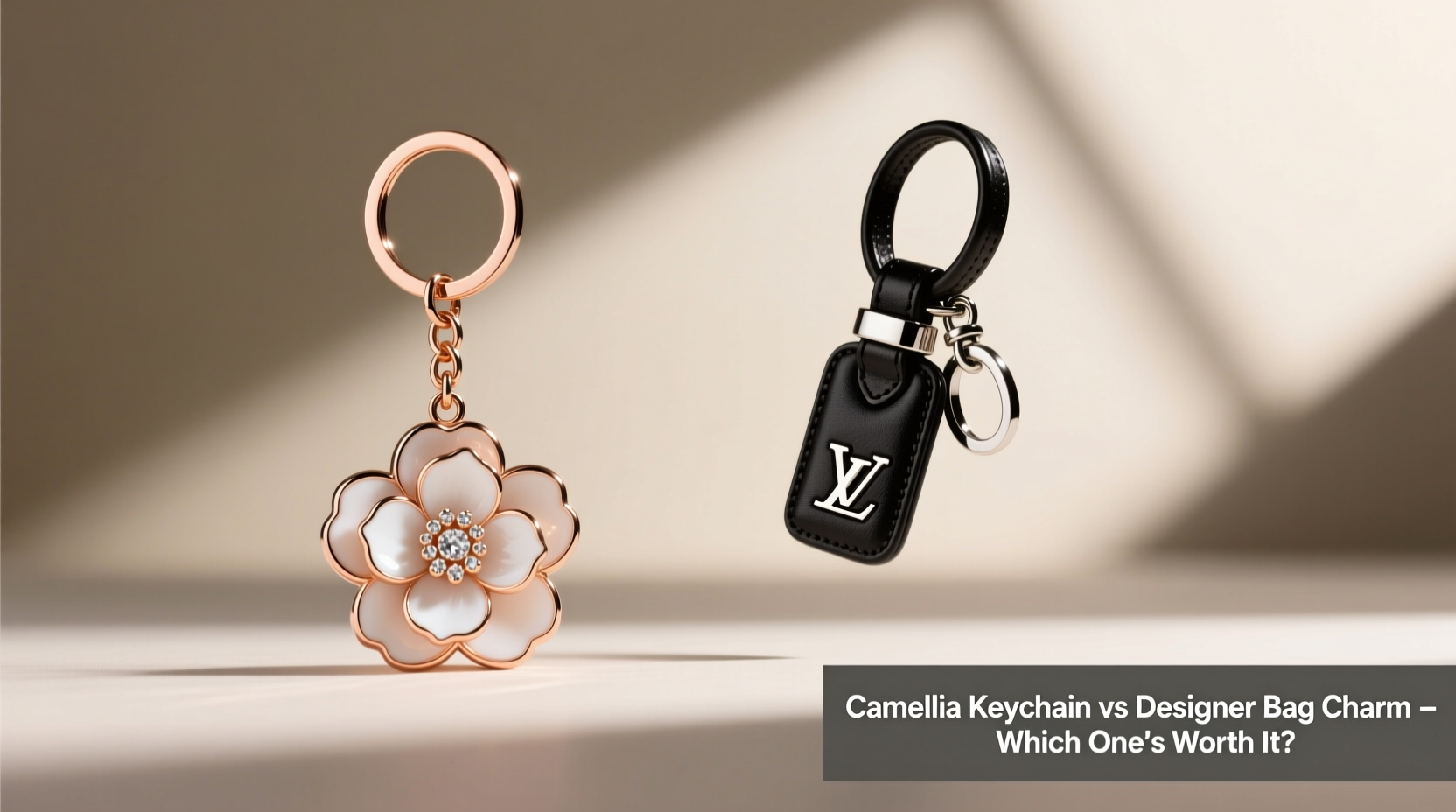
The Camellia flower holds deep historical significance within Chanel’s design language. Chosen by Coco Chanel for its symmetry and lack of scent—qualities she admired—the bloom represents timeless femininity and refined taste. As a keychain, the Camellia is more than decoration; it’s a nod to heritage. Typically made in metal with enamel detailing, sometimes accented with pearls or crystals, these keychains are often sold separately and designed to drape elegantly from a bag’s chain or handle.
Unlike flashy logo-heavy accessories, the Camellia offers subtlety. It appeals to collectors who value brand codes over overt branding. Because of this, it tends to age better aesthetically and remains relevant across seasons—a rare quality in fashion accessories.
Tip: Opt for classic finishes like silver-tone or gold-tone without excessive embellishments—these retain value longer than limited-edition versions.Designer Bag Charms: Variety, Risk, and Reward
Designer bag charms encompass everything from leather tassels and beaded pendants to sculptural figurines and seasonal novelties. Brands like Gucci (with its Dionysus tiger heads), Prada (triangle logo charms), and Fendi (Monster Bag Bugs) have turned bag accents into collectible items. Some are released in limited runs, making them desirable on the secondary market.
However, this variety introduces risk. While certain charms appreciate—especially those tied to iconic campaigns or collaborations—many are seen as trendy add-ons that can date a bag. A neon-colored pom-pom charm might look fresh today but feel out of place five years down the line. Worse, some charms can scratch delicate leathers or interfere with hardware function if not properly secured.
Moreover, attaching third-party or non-branded charms to a designer bag may void authenticity assessments during resale. Authentication services like Entrupy or Rebag often flag heavily modified bags as “altered,” which can reduce their value by up to 30%.
“Accessories should elevate the bag, not compete with it. The best ones disappear into the design while adding personality.” — Lila Nguyen, Luxury Fashion Curator at The Vault Archive
Comparative Breakdown: Camellia Keychain vs Designer Bag Charm
| Feature | Camellia Keychain | Designer Bag Charm |
|---|---|---|
| Brand Association | Strong, exclusive to Chanel | Varies by brand and model |
| Resale Value Impact | Neutral to positive (if original) | Mixed—can hurt value if overly decorative |
| Timelessness | High—classic design endures | Low to medium—trend-driven |
| Material Quality | Premium metals, enamel, occasional gemstones | Wide range—plastic, resin, leather, metal |
| Versatility | High—works on most Chanel bags | Limited—often brand-specific or style-specific |
| Risk of Damage | Low—smooth finish, lightweight | Moderate to high—bulky or sharp edges possible |
Real-World Example: Two Collectors, Two Choices
Sophie, a long-time Chanel collector based in Paris, owns seven classic flap bags. On each, she attaches either a vintage Camellia keychain or leaves the bag unadorned. “I once added a colorful resin charm to my light pink Jumbo,” she recalls. “It looked cute at first, but after six months, the paint chipped, and the plastic scratched the lambskin. I removed it, but the marks remained.” She now only uses official Chanel accessories and keeps her Camellias stored in individual pouches when not in use.
In contrast, Marcus, a newer collector in Los Angeles, loves expressing his personality through bold charms. His Dior Saddle bag features a limited-edition animal-shaped pendant from a collaboration with an artist. “It gets compliments everywhere,” he says. “And because it’s rare, people know it’s valuable.” However, when he tried to resell another bag with multiple aftermarket charms attached, a consignment shop offered 25% less due to “hardware wear and non-original attachments.”
Their experiences highlight a central truth: personal enjoyment matters, but so does foresight.
Step-by-Step Guide to Choosing the Right Accessory
- Assess your bag’s primary purpose: Is it a daily carry, investment piece, or fashion statement? Investment bags benefit from minimal, authentic accessories.
- Check material compatibility: Avoid charms with rough edges or volatile plastics near delicate leathers like caviar or lambskin.
- Verify authenticity: Only attach officially branded charms purchased from boutiques or authorized retailers.
- Consider future resale: Ask whether the charm will still look appropriate in five years. If unsure, skip it.
- Test the weight and movement: Hang the charm and walk with the bag. Does it swing aggressively? Could it knock against surfaces? Remove if so.
Expert Tips for Maintaining Value and Style
- Never glue or permanently alter a bag to attach a charm.
- Use detachable clips or lobster clasps instead of threading through straps.
- Rotate charms seasonally—but store off-season ones properly in dust bags.
- Avoid mixing multiple charms unless they’re part of a coordinated set.
- If gifting a bag, include the original keychain or charm box for provenance.
Frequently Asked Questions
Does a Camellia keychain increase a Chanel bag’s resale value?
Not directly, but having original accessories—including a matching Camellia—can improve buyer confidence and perception of care. Complete sets often sell faster and closer to asking price.
Are designer bag charms worth collecting on their own?
Yes, but selectively. Limited editions, especially those tied to major fashion events or collaborations (e.g., Dior x KAWS), have shown appreciation potential. However, most standard charms do not hold standalone value like handbags or watches.
Can I customize my own bag charm without damaging value?
Only if it’s removable and doesn’t alter the bag. Engraving, stitching, or adhesive use will almost certainly devalue the piece. For customization, focus on interiors—like adding a personalized plaque to the pocket lining.
Final Verdict: Which One Is Actually Worth It?
The Camellia keychain wins on longevity, elegance, and alignment with long-term value preservation. It’s not flashy, nor is it meant to be. Its strength lies in consistency—its presence signals attention to detail and respect for brand heritage. For anyone treating a designer bag as both a wardrobe staple and financial asset, the Camellia is the safer, smarter choice.
That said, designer bag charms have their place—for self-expression, seasonal fun, or celebrating a specific collection. The key is moderation and mindfulness. Choose one or two meaningful pieces rather than cluttering your bag with passing trends.
In the end, the most “worth it” accessory is the one that aligns with your lifestyle and values. If you wear your bag daily and want it to last a decade, lean toward timeless refinement. If you view fashion as art and joy, then curated charms can be part of your story—just keep the originals safe for later.
💬 What’s your go-to bag charm? Share your favorite accessory and why it works for you—we’d love to hear what real collectors are choosing in 2024.