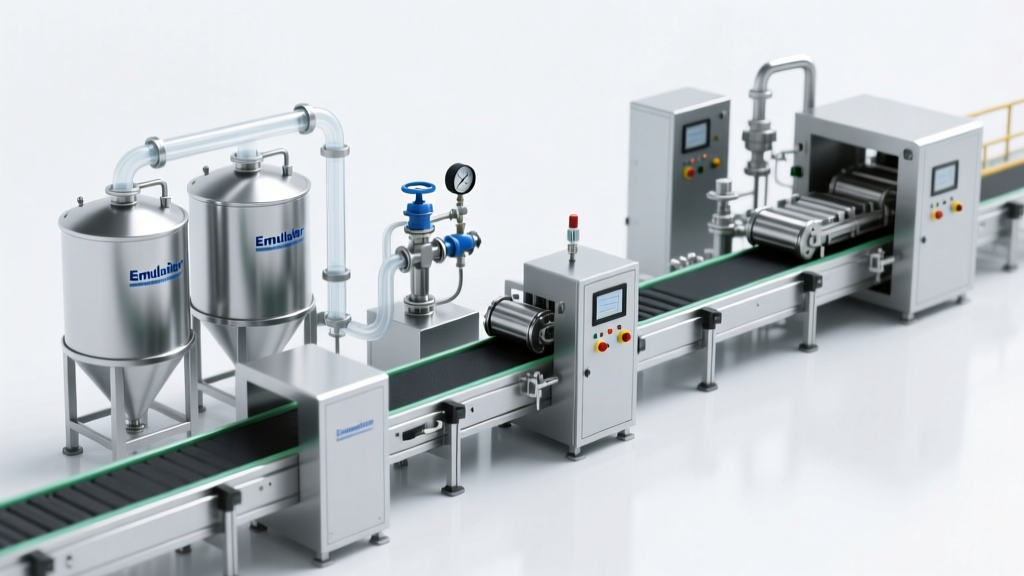
Types of Paper Machinery Equipment
Paper machinery equipment encompasses a comprehensive range of industrial tools, systems, and machines essential for the production, processing, and quality control of paper and pulp products. From raw material preparation to finished product conversion, each machine plays a vital role in ensuring efficiency, consistency, and high-quality output in modern paper manufacturing.
The following are the key categories of paper machinery, each serving a distinct phase in the papermaking process:
Paper Machines
The core of any paper mill, a paper machine is a large, continuous-production system that transforms pulp slurry into paper sheets or rolls. It operates through several integrated sections:
- Headbox: Distributes pulp evenly onto the wire
- Wire Section: Drains water and forms the initial paper web
- Press Section: Removes additional water via mechanical pressure
- Dryer Section: Evaporates remaining moisture using heated cylinders
- Reel: Winds the finished paper into large rolls
Best for: Mass production of printing paper, packaging, tissue, and specialty papers
Pulping Equipment
Pulping machines break down raw materials—such as wood chips, bamboo, or recycled paper—into fibrous pulp. This stage is foundational to paper quality and includes:
- Digesters: Chemically process wood chips into pulp
- Continuous & Batch Pulpers: Hydrate and disintegrate recycled paper
- Auxiliary Equipment: Screens, cleaners, and refiners for pulp refinement
Best for: Initial fiber preparation in virgin and recycled paper production
Dewatering Equipment
Dewatering systems reduce the water content in pulp before drying, improving energy efficiency and process speed. Common equipment includes:
- Vacuum Boxes & Foils: Extract water on the wire section
- Press Rolls: Squeeze out moisture in the press section
- Filtration Systems: Used in chemical pulping and recycling
Best for: Enhancing pulp consistency and reducing drying energy costs
Drying Equipment
Drying machines remove residual moisture from paper webs using thermal or non-thermal methods. Key types include:
- Cylinder Dryers: Steam-heated rollers (most common)
- Infrared Dryers: Rapid surface drying for coatings
- Flash Dryers: High-speed drying for pulp before sheet formation
Best for: Final moisture reduction and paper strength development
Digesters
Digesters are specialized pressure vessels that use chemicals (like sodium hydroxide and sulfide) to dissolve lignin and separate cellulose fibers from wood chips. Two primary types exist:
- Continuous Digesters: High-efficiency, steady-flow operation
- Batch Digesters: Process wood in discrete cycles, ideal for specialty pulps
Best for: Chemical pulping in kraft and sulfite processes
Recycling Equipment
Essential for sustainable paper production, recycling machinery converts waste paper into reusable pulp. The process involves:
- Pulpers: Hydrate and break down scrap paper
- Screeners: Remove contaminants like plastics and staples
- Cleaners & Floatation Cells: Separate inks and fines
Best for: Eco-friendly production and circular economy models
Finishing Equipment
Finishing machines enhance paper quality and prepare it for end use. These include:
- Coating Machines: Apply pigments for smoothness and printability
- Calenders: Compress paper for gloss and thickness uniformity
- Slitters & Rewinders: Cut large rolls into customer-sized reels
- Cutters & Packers: Prepare sheets for packaging and shipping
Best for: Premium-grade papers, packaging, and customized formats
Testing & Quality Control Equipment
To ensure consistency and compliance, paper mills use advanced testing systems to measure:
- Physical Properties: Tensile strength, tear resistance, burst strength
- Optical Properties: Brightness, opacity, color
- Moisture & Basis Weight: Real-time monitoring for process control
Best for: Quality assurance, regulatory compliance, and process optimization
Paper Converting Machines
Converting equipment transforms raw paper rolls into consumer and industrial end products. This final stage includes a variety of specialized machines:
- Folding Machines: Create boxes, envelopes, and cartons
- Die-Cutters: Shape paper into custom forms
- Bag Machines: Produce shopping bags, pouches, and sacks
- Tissue Converters: Manufacture toilet paper, paper towels, and napkins
- Laminators & Gluers: Combine layers for strength and functionality
Best for: Consumer goods, packaging, hygiene products, and printed materials
| Equipment Type | Primary Function | Key Applications | Process Stage |
|---|---|---|---|
| Paper Machines | Forming and consolidating paper webs | Rolls for printing, packaging, tissue | Core Production |
| Pulping Equipment | Break down raw materials into fibers | Virgin and recycled pulp production | Raw Material Prep |
| Dewatering Equipment | Remove water before drying | Improve efficiency and consistency | Intermediate |
| Drying Equipment | Eliminate residual moisture | Final drying for strength and stability | Intermediate to Final |
| Digesters | Chemically separate cellulose fibers | Kraft and sulfite pulping | Chemical Processing |
| Recycling Equipment | Process waste paper into usable pulp | Sustainable paper manufacturing | Alternative Raw Material |
| Finishing Equipment | Enhance surface and dimensional quality | Coated paper, custom rolls, sheets | Post-Production |
| Testing Equipment | Ensure product meets specifications | Quality control and process feedback | Ongoing Monitoring |
| Paper Converting Machines | Transform paper into end products | Tissue, packaging, printed goods | Final Conversion |
Expert Tip: For optimal efficiency, integrate automated quality control systems with real-time data analytics. This allows for immediate adjustments in the pulping, drying, and finishing stages, minimizing waste and ensuring consistent product quality across batches.
Technical Specifications and Features of Paper Machinery Equipment
Modern pulp and paper machinery equipment integrates advanced engineering, automation, and sustainable technologies to enhance production efficiency, ensure consistent product quality, and meet stringent environmental standards. These machines are designed for high-volume output while maintaining precision in paper formation, drying, and finishing processes.
Key Technical Specifications of Paper Machinery Equipment
Understanding the technical specifications of paper machinery is essential for selecting the right equipment based on production goals, material inputs, and desired paper characteristics. These parameters directly influence operational capacity, energy use, and final product quality.
Power Requirements
The power demand of paper machinery is typically measured in kilowatts (kW) and varies significantly depending on machine size and function. Main drive systems for large-scale paper machines can require several megawatts of power, especially during the forming, pressing, and drying stages.
Auxiliary systems such as pumps, fans, and conveyors also contribute to total energy consumption. Smaller laboratory or pilot-scale equipment may operate on standard electrical supplies (e.g., 400V, 3-phase), while industrial machines often require dedicated high-voltage connections and variable frequency drives (VFDs) for precise speed control.
Production Capacity
Production capacity is a critical performance metric, usually expressed in tons per day (TPD) or meters per minute (m/min) of paper web speed. Industrial paper machines can produce anywhere from 100 to over 2,000 tons per day, depending on the grade and machine width.
This specification determines the throughput of a facility and influences downstream logistics, storage, and packaging requirements. For example, newsprint machines may run at speeds exceeding 1,500 m/min, whereas specialty paper machines operate at lower speeds for higher quality control.
Roll Sizes and Reel Dimensions
Roll size refers to the diameter and width of the parent reel produced at the end of the paper machine. Standard reel diameters range from 1 meter to over 3 meters, with widths varying from 2 meters (for narrow specialty machines) to more than 10 meters (in wide-format industrial machines).
Larger roll sizes reduce handling frequency and increase efficiency but require robust winding systems to prevent defects like telescoping or wrinkling. The core size (typically 3–6 inches) and maximum roll weight (up to 30+ tons) are also specified to match downstream slitting and converting equipment.
Pulp Specifications
Pulp characteristics are crucial for determining the quality and suitability of the final paper product. Key pulp parameters include Canadian Standard Freeness (CSF), which measures drainage rate; brightness (measured on the ISO or TAPPI scale); yield percentage; and fiber length distribution.
Equipment such as pulpers, cleaners, and refiners are calibrated to handle specific pulp types—whether virgin wood, recycled fiber, or non-wood fibers—and optimize fibrillation and homogeneity. Consistent pulp preparation ensures uniform sheet formation and strength properties.
Paper Properties and Quality Metrics
Modern paper machines are engineered to produce paper with tightly controlled physical and optical properties. Grammage (measured in grams per square meter, gsm) defines paper weight and thickness. Tensile and tear strength determine durability, while porosity affects ink absorption and printability.
Other key properties include smoothness (critical for high-quality printing), formation (uniformity of fiber distribution), opacity, and moisture content. These are monitored in real time using scanning sensors across the web and adjusted via automated control systems.
Machine Speed and Web Width
Web speed—the rate at which the paper sheet travels through the machine—can exceed 2,000 meters per minute in high-speed newsprint or tissue machines. Speed impacts drying requirements, tension control, and coating application precision.
Web width, typically ranging from 3 to 11 meters, determines the total output area per pass. Wider machines increase productivity but require advanced control systems to maintain cross-directional uniformity in thickness, moisture, and caliper.
| Technical Specification | Typical Range | Impact on Production |
|---|---|---|
| Power Requirement (Main Drive) | 500 kW – 10 MW+ | Determines electrical infrastructure needs and operational costs |
| Production Capacity | 50 – 2,500 tons/day | Directly affects facility output and market competitiveness |
| Reel Diameter | 1 – 3.5 meters | Influences handling, storage, and downstream processing efficiency |
| Paper Grammage (gsm) | 20 – 600 gsm | Defines paper grade and end-use applications (e.g., tissue, board) |
| Machine Speed | 200 – 2,200 m/min | Impacts drying, coating, and quality control complexity |
| Web Width | 3 – 11 meters | Affects total output and uniformity control requirements |
Advanced Features of Modern Paper Machinery
Beyond basic specifications, today’s paper machines incorporate intelligent systems and sustainable technologies that enhance performance, reduce waste, and support long-term operational reliability.
Important: Always consult equipment manufacturers and technical documentation when specifying or operating paper machinery. Proper commissioning, operator training, and adherence to maintenance schedules are critical for maximizing uptime, ensuring product quality, and complying with safety and environmental regulations. Investing in modern, well-integrated systems pays long-term dividends in efficiency, sustainability, and profitability.
How to Use Paper Machinery Equipment
Proper operation and maintenance of paper machinery are essential for maximizing equipment longevity, ensuring consistent reliability, and significantly improving the quality of the final paper product. Following standardized procedures for key machines in the paper production and recycling process not only enhances safety but also optimizes efficiency and output. Below is a detailed guide on the correct usage of three critical pieces of paper machinery: hydraulic presses, calenders, and hydraulic pulpers.
Hydraulic Presses for Paper Recycling
Hydraulic presses play a vital role in compressing waste paper into compact, transportable bales. Pressure is applied either manually via a hand pump or automatically through an electric power unit, depending on the machine configuration.
- Manual Operation: Most small to medium-scale recycling setups use hand pumps, allowing operators to control pressure incrementally and monitor compaction closely.
- Automated Systems: Machines equipped with motorized power units automatically regulate pressure injection, ensuring uniform force distribution across the entire platen surface.
- Material Loading: Waste paper should be evenly distributed within the chamber or mold. Avoid overloading or placing oversized materials that could prevent full closure of the platens.
- Gradual Pressurization: Begin operation at low pressure to allow fibers to settle. Gradually increase pressure as the material becomes compacted to prevent uneven bale formation.
- Hold Time: Maintain pressure for an appropriate duration—typically 1–3 minutes—depending on material volume and desired bale density. This ensures proper fiber bonding and structural integrity.
- Bale Release & Securing: After compression, reverse the press to open the chamber. Carefully remove the bale and immediately secure it with steel wire, plastic strapping, or banding to maintain shape during storage and transport.
Best Practice: Regularly inspect seals, hoses, and hydraulic fluid levels to prevent leaks and ensure smooth operation.
Calenders in Paper Production
Calenders are used to smooth, polish, and control the thickness (caliper) of paper by passing it through a series of heated rolls under controlled pressure. Proper setup and monitoring are crucial for achieving consistent surface finish and print readiness.
- Preheating Rolls: Heat the calendar rolls to the target temperature before introducing the paper web. Temperature settings vary based on paper type—typically between 60°C and 120°C—for optimal surface gloss and smoothness.
- Web Feeding: Guide the paper web into the first (front) roll, ensuring it adheres properly without wrinkles or misalignment. The web progresses through successive rolls via synchronized rotation.
- Pressure Calibration: Adjust roll pressure precisely to achieve the desired thickness and finish. Use automated controls to ensure even pressure across the full width of the web, preventing edge creasing or center bulging.
- Real-Time Monitoring: Continuously observe speed, temperature, and pressure readings. Make dynamic adjustments to maintain uniform paper properties such as gloss, density, and dimensional stability.
- Post-Operation Care: After production, gradually cool the rolls to avoid thermal shock. Clean roll surfaces thoroughly to remove paper dust, coatings, or contaminants that could affect future runs.
Pro Tip: Implement a preventive maintenance schedule to check roll alignment and surface wear, which directly impacts product quality.
Hydraulic Pulpers for Waste Paper Processing
Hydraulic pulpers break down waste paper into individual fibers by agitating it in water, forming a pulp slurry suitable for reuse in papermaking. Effective operation ensures high fiber recovery with minimal damage.
- Pre-Operation Check: Ensure the pulper chamber is clean, free of debris, and empty before starting. Confirm that blades, screens, and seals are intact.
- Controlled Feeding: Load waste paper in batches according to capacity specifications. Overloading reduces efficiency and increases motor strain.
- Water Level Management: Add water until the paper is fully submerged—typically at a 4:1 to 6:1 water-to-paper ratio. This ensures complete fiber saturation.
- Gradual Agitation: Start the motor at low speed to initiate fiber separation. Slowly increase speed to break down clumps and disperse suds, avoiding excessive turbulence that can cut fibers.
- Additive Integration: While the pulper is running, introduce required chemicals (e.g., de-inking agents, pH modifiers, or dispersants) to enhance pulp quality. Mix thoroughly for uniform distribution.
- Consistency Testing: Monitor pulp consistency by draining a small sample slowly. Ideal consistency ranges from 3% to 5% solids, depending on downstream processes.
- Waste Removal: Use integrated screens, vacuum systems, or drainage mechanisms to separate contaminants like plastics, staples, and sludge from the usable pulp.
Critical Note: Never bypass safety interlocks; always shut down and lock out the machine before performing inspections or cleaning.
General Best Practices Across Equipment
To ensure optimal performance and safety across all paper machinery, follow these universal guidelines:
- Operator Training: Only trained personnel should operate machinery. Provide regular refresher courses on safety and troubleshooting.
- Pre-Use Inspection: Check fluid levels, electrical connections, moving parts, and emergency stops before each shift.
- Lubrication & Maintenance: Follow manufacturer-recommended lubrication schedules and conduct routine maintenance to prevent premature wear.
- Cleanliness: Keep machines free of paper dust, water buildup, and foreign objects that could interfere with operation.
- Downtime Procedures: Shut down equipment properly, clean components, and store in dry conditions to prevent corrosion.
- Documentation: Maintain logs of operations, maintenance, and repairs for traceability and compliance.
Safety Reminder: Always wear appropriate PPE—gloves, goggles, and hearing protection—when operating or servicing equipment.
Professional Insight: Consistency in machine operation leads to consistency in product quality. Establish standard operating procedures (SOPs) for each machine and ensure all team members adhere to them. Investing time in proper training and preventive maintenance reduces downtime, extends equipment life, and improves the overall efficiency of your paper processing line.
| Machine Type | Key Operating Parameter | Recommended Setting | Maintenance Frequency |
|---|---|---|---|
| Hydraulic Press | Operating Pressure | 100–200 bar (varies by model) | Weekly inspection, monthly service |
| Calender Rolls | Roll Temperature | 70–110°C (based on paper grade) | Daily cleaning, quarterly alignment check |
| Hydraulic Pulpers | Pulp Consistency | 3%–5% solids | Daily screen cleaning, bi-weekly blade check |
| All Equipment | Safety Protocol | Lockout-Tagout (LOTO) compliance | Before every maintenance activity |
Additional Considerations
- Energy Efficiency: Optimize motor speeds and cycle times to reduce power consumption without compromising output quality.
- Environmental Compliance: Ensure wastewater from pulpers is treated before discharge, and recyclable bales meet industry standards.
- Automation Integration: Modern systems support PLC controls and remote monitoring for improved process control and data logging.
- Material Compatibility: Verify that machinery is suitable for the specific types of paper being processed (e.g., coated, mixed waste, cardboard).
- Vendor Support: Partner with reputable suppliers who offer technical support, spare parts availability, and training resources.
Maintenance of Paper Machinery Equipment
Effective maintenance of pulp and paper machinery is a comprehensive, proactive strategy designed to ensure long-term reliability, operational availability, and consistent performance throughout the equipment's lifecycle. As a cornerstone of production efficiency, proper maintenance directly impacts the productivity, quality output, and safety of paper manufacturing operations. By preventing unplanned downtime and extending the service life of critical components, a structured maintenance program delivers significant cost savings and operational stability.
Important Note: Always follow OSHA and manufacturer safety guidelines when performing maintenance. Ensure machines are powered down, locked out (LOTO), and tagged before any inspection or servicing. Only trained personnel should perform maintenance tasks on industrial paper machinery.
Essential Maintenance Practices for Paper Machinery
To keep paper production equipment in optimal condition and ensure peak performance, the following key maintenance practices should be implemented consistently:
- Daily Inspections and Monitoring
Conduct thorough visual and operational inspections on a daily basis—before startup and during operation—to identify early signs of wear or malfunction. Focus on critical components such as:
- Wear parts (e.g., rollers, blades, felts)
- Hydraulic and pneumatic systems for leaks or pressure drops
- Electrical connections, sensors, and control panels
- Seals, hoses, and couplings for cracks or degradation
Early detection of issues like oil leaks, corrosion, misalignment, or unusual vibrations allows for timely intervention, preventing minor problems from escalating into major failures.
- Lubrication of Moving Components
Proper lubrication is vital for reducing friction, minimizing wear, and ensuring smooth operation of moving parts such as bearings, gears, chains, and linkages. Follow the manufacturer’s recommended lubrication schedule and use the correct grade of oil or grease for each application.
Key benefits include:
- Extended component lifespan
- Reduced energy consumption due to lower resistance
- Prevention of overheating and seizure
- Improved machine efficiency and reduced noise levels
Keep detailed lubrication logs to ensure consistency and traceability across shifts.
- Adherence to Manufacturer Maintenance Schedules
Follow the maintenance intervals and procedures outlined in the equipment’s operation and service manuals. These schedules are engineered to match the design life and operational demands of the machinery.
Regular tasks may include:
- Replacement of consumable parts (e.g., filters, seals, drive belts)
- Calibration of sensors and control systems
- Deep cleaning of critical zones (e.g., headboxes, press sections)
- Professional inspection of high-stress components (e.g., dryer cans, calenders)
Sticking to the recommended maintenance plan helps prevent premature breakdowns and ensures compliance with warranty requirements.
- Monitoring Operating Conditions
Continuously monitor key operational parameters such as temperature, pressure, speed, humidity, and tension to ensure they remain within specified tolerances. Use SCADA systems, PLCs, or handheld diagnostic tools to track real-time data.
Operating outside recommended parameters can lead to:
- Increased mechanical stress and fatigue
- Reduced paper quality (e.g., web breaks, uneven coating)
- Accelerated wear of rollers and bearings
- Higher energy consumption and inefficiency
Implement alarms and alerts to notify operators of deviations, enabling quick corrective action.
- Use of Genuine Replacement Parts
While aftermarket or generic parts may appear cost-effective, using OEM (Original Equipment Manufacturer) or certified equivalent components ensures compatibility, precision fit, and adherence to engineering specifications.
Benefits of genuine parts include:
- Superior material quality and durability
- Guaranteed performance and reliability
- Seamless integration with existing systems
- Preservation of equipment warranty and support
Counterfeit or substandard parts can lead to frequent failures, safety hazards, and costly downtime.
- Regular Cleaning and Housekeeping
Perform routine cleaning of both internal and external machine surfaces to remove paper dust, pulp buildup, chemical residues, and moisture. Accumulated debris can cause:
- Clogging of air filters and cooling systems
- Corrosion of metal components
- Interference with sensors and moving parts
- Poor hygiene and potential contamination in food-grade paper production
Develop a cleaning checklist and schedule tailored to each machine section (e.g., wet end, press, dryer, reel). Use appropriate cleaning agents and methods to avoid damaging sensitive components.
| Maintenance Task | Frequency | Key Components Involved | Potential Risks of Neglect |
|---|---|---|---|
| Daily Inspection | Daily (pre-shift) | Rollers, hoses, seals, electrical systems | Unplanned downtime, safety hazards |
| Lubrication | Weekly to monthly (as per manual) | Bearings, gears, chains | Excessive wear, overheating, seizure |
| Manufacturer Maintenance | Quarterly to annually | Filters, belts, control systems | Reduced efficiency, voided warranty |
| Operating Condition Monitoring | Continuous (real-time) | Sensors, PLCs, drives | Poor product quality, machine stress |
| Genuine Parts Replacement | As needed (during repairs) | All critical components | System incompatibility, repeated failures |
| Cleaning & Housekeeping | Daily to weekly | Machine frames, rolls, enclosures | Corrosion, clogs, fire risk |
Expert Tip: Implement a Computerized Maintenance Management System (CMMS) to streamline scheduling, track work orders, manage inventory, and analyze failure trends. This digital approach enhances accountability, improves planning, and supports predictive maintenance strategies.
Additional Best Practices
- Train maintenance and operations staff regularly on equipment-specific procedures and safety protocols.
- Keep detailed maintenance logs for audits, troubleshooting, and performance analysis.
- Conduct root cause analysis (RCA) for recurring issues to eliminate systemic problems.
- Consider vibration analysis, thermography, and oil analysis for predictive maintenance.
- Collaborate with OEM technicians for annual health checks and system optimization.
In conclusion, a disciplined and systematic approach to paper machinery maintenance is essential for maximizing uptime, ensuring product quality, and protecting your investment. By integrating daily checks, proper lubrication, adherence to schedules, and the use of high-quality components, facilities can achieve reliable, efficient, and safe paper production. Remember: proactive maintenance is always more cost-effective than reactive repairs.
Frequently Asked Questions About Paper Recycling and Manufacturing Equipment
Q1: What are hydraulic pulpers for paper?Hydraulic pulpers are essential machines in the paper recycling and manufacturing process. These robust systems are designed to break down waste paper or raw fiber materials into a slurry by mixing them with water and applying high mechanical shear forces. The primary purpose is to separate usable cellulose fibers from contaminants such as plastics, staples, and adhesives.
The resulting pulp slurry can then be cleaned, screened, and refined before being used in papermaking. Hydraulic pulpers are widely used in recycling facilities, paper mills, and packaging plants due to their efficiency in processing large volumes of scrap paper, including office paper, newspapers, cardboard, and mixed paper streams.
- Key Components: Rotating drum or vat, impeller or rotor blades, discharge screen, and drive motor.
- Processing Capacity: Ranges from small batch units for local recycling to continuous industrial-scale systems handling tons per hour.
- Environmental Benefit: Reduces landfill waste and conserves natural resources by enabling fiber reuse.
A paper machine is the central equipment in any paper production facility, responsible for transforming pulp into continuous rolls of paper. It performs several critical stages in sequence: forming, pressing, drying, calendering, and winding.
First, the diluted pulp slurry is spread onto a moving wire mesh to form a wet sheet. Water drains through the mesh in the forming section. Next, the sheet passes through press rollers that squeeze out more moisture. Then, it travels through heated drying cylinders to evaporate remaining water. Finally, the dried paper may be smoothed in the calender section and wound into large parent rolls ready for cutting and packaging.
- Output Range: Machines can produce everything from tissue paper to heavy board, depending on configuration.
- Speed & Scale: Modern machines can run at speeds exceeding 100 km/h and produce thousands of tons per month.
- Automation: Integrated control systems monitor thickness, moisture, and quality in real time for consistent output.
A paper pulper operates on the principle of hydro-mechanical disintegration. Scrap paper is fed into a vat filled with water, where a high-speed rotating drum or disc—equipped with blades or teeth—agitates the mixture. This mechanical action breaks down the paper into individual fibers, creating a homogeneous pulp slurry.
The duration and intensity of pulping can be adjusted based on the type of paper input and desired fiber quality. After pulping, the slurry is typically passed through screens and cleaners to remove non-fibrous contaminants like ink, plastics, and metals. Some pulpers also include heating elements to improve breakdown efficiency, especially for coated or laminated papers.
- Types of Pulping: Batch (discontinuous) or continuous flow systems.
- Blade Design: Varies by model to optimize fiber separation while minimizing damage.
- Retention Time: Typically 10–30 minutes, depending on load and material type.
- Applications: Widely used in deinking plants, tissue mills, and recycled packaging production.
There are several main types of paper machines, each suited to different paper grades and production requirements. The most common designs include the Fourdrinier, Crescent (or Gap-Forming), and Mould (or Cylinder) machines. Each has a unique method of sheet formation that influences the texture, strength, and appearance of the final product.
| Type | Forming Method | Common Applications | Key Advantages |
|---|---|---|---|
| Fourdrinier | Horizontal wire mesh carries the pulp slurry; water drains from below as the sheet forms. | Printing paper, writing paper, newsprint, packaging board. | High speed, uniform sheet formation, cost-effective for large volumes. |
| Crescent (Twin-Wire) | Pulp is sandwiched between two curved wires, forming a sheet around a large roll. | Tissue paper, facial tissues, paper towels, hygienic products. | Better bulk and softness; ideal for lightweight, absorbent papers. |
| Mould (Cylinder) | Rotating cylinders covered in mesh pick up fibers from a vat; multiple cylinders build layered sheets. | Filter paper, specialty papers, paperboard, multi-ply products. | High formation control, excellent for thick or structured papers. |
Choosing the right machine depends on the desired paper characteristics, production volume, and energy efficiency goals. Advances in automation and energy recovery have made modern paper machines more sustainable and precise than ever before.