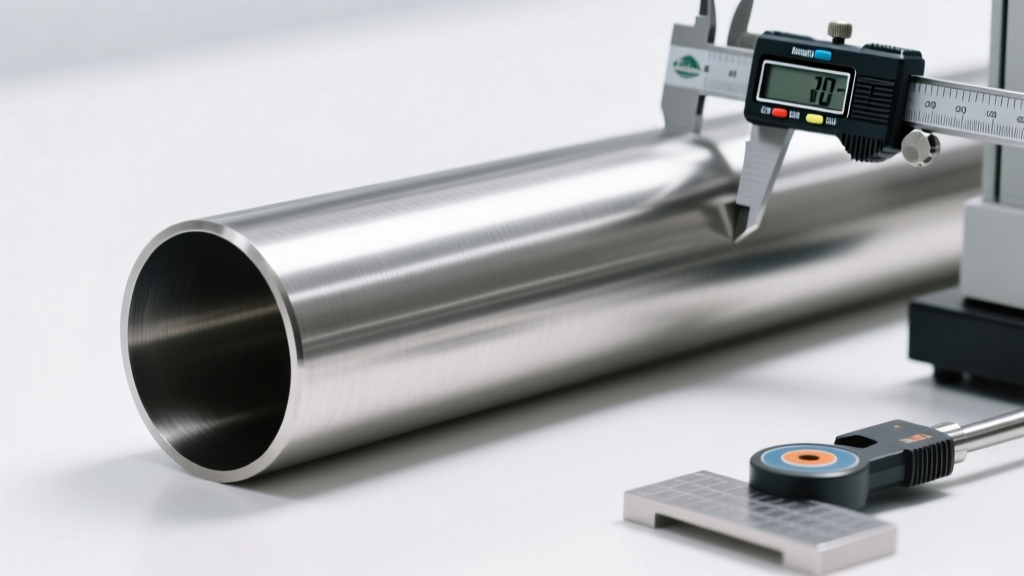
Types of CO2 Laser Engraving Machines
A CO2 laser engraving machine is a precision engineering tool that uses a carbon dioxide gas mixture to generate a high-powered infrared laser beam. This beam is directed across the X, Y, and Z axes to cut, engrave, or mark a wide range of non-metallic materials with exceptional accuracy. Commonly used materials include wood, acrylic, glass, leather, fabric, plastics, and paper. The term "CO2" refers to the gas medium that produces the laser beam, which typically operates at a wavelength of 10.6 micrometers—ideal for organic materials.
High-Speed CO2 Laser Cutting Machine
Designed for rapid processing, this machine delivers fast cutting speeds while maintaining consistent quality, making it ideal for high-volume production environments.
Advantages
- High processing speed for increased productivity
- Minimizes heat-affected zones, reducing material warping
- Produces clean, smooth edges that often eliminate the need for post-processing
- Efficient for batch production and industrial applications
Limitations
- Slightly lower precision compared to high-precision models
- May not be suitable for extremely fine or intricate designs
- Higher power consumption during continuous operation
Best for: Manufacturing, signage, packaging prototypes, and large-scale fabrication
High-Precision CO2 Laser Cutting Machine
Engineered for applications requiring micron-level accuracy, this machine excels in delivering exact cuts and detailed engravings with tight tolerances.
Advantages
- Exceptional accuracy and repeatability
- Ideal for complex geometries and fine details
- Produces a polished, professional finish on all materials
- Widely used in industries with strict quality standards
Limitations
- Slower processing speed than high-speed models
- Higher initial investment and maintenance costs
- Requires skilled operators and stable environmental conditions
Best for: Aerospace components, medical devices, electronics, and intricate artistic engravings
| Machine Type | Speed | Precision | Edge Quality | Primary Applications |
|---|---|---|---|---|
| High-Speed CO2 Laser | Excellent | Good | Smooth, minimal finishing needed | Mass production, signage, packaging |
| High-Precision CO2 Laser | Good | Excellent | Polished, burr-free finish | Aerospace, medical, electronics, art |
Expert Tip: For optimal performance, ensure proper ventilation and use compressed air assist when operating CO2 laser machines to reduce charring and improve cut quality, especially on thicker materials.
Additional Considerations
When selecting a CO2 laser engraving machine, consider factors such as laser power (typically 30W to 150W for engraving, up to 400W+ for industrial cutting), cooling system (air-cooled vs. water-cooled), software compatibility, and workspace size. Regular maintenance—including lens cleaning, mirror alignment, and calibration—is essential to maintain peak performance and extend the machine's lifespan.
Commercial Uses of CO₂ Laser Engraving Machines
CO₂ laser engraving machines are versatile tools widely adopted across numerous commercial industries to enhance product quality, streamline production, and offer personalized services. Leveraging high-precision laser technology, these machines deliver clean, permanent engravings and cuts on a variety of non-metallic materials—including wood, acrylic, glass, leather, fabric, and plastics—making them indispensable in modern manufacturing and creative sectors.
Key Commercial Applications
Product Customization
CO₂ laser engraving machines are a cornerstone in the personalization industry due to their exceptional precision and repeatability. They enable businesses to offer customized products such as engraved jewelry, personalized gifts (e.g., photo frames, keychains, and drinkware), and branded promotional merchandise (e.g., pens, USB drives, and notebooks).
The laser’s ability to reproduce intricate designs, fine text, and detailed graphics ensures a high-end finish that enhances perceived product value. Moreover, these machines support batch processing, allowing for mass customization without sacrificing quality—ideal for e-commerce platforms, gift shops, and corporate branding services.
Signage and Branding
In the signage and branding sector, CO₂ laser machines are essential for producing professional, durable, and visually striking identification elements. They are used to create engraved signs, office plaques, name badges, door labels, and retail displays from materials like acrylic, wood, and coated metals.
Unlike traditional methods, laser engraving allows for simultaneous cutting and etching, enabling complex shapes, multi-layered designs, and consistent typography. This capability supports corporate identity initiatives, architectural wayfinding, and storefront branding with a level of detail and permanence unmatched by vinyl cutting or screen printing.
Industrial Manufacturing & Part Marking
Across industrial sectors—including automotive, aerospace, electronics, and medical device manufacturing—CO₂ lasers are employed for permanent part identification and traceability. Components are laser-marked with serial numbers, batch codes, barcodes, QR codes, and compliance logos (e.g., CE, UL, or FDA).
These marks are resistant to heat, abrasion, and chemicals, ensuring long-term readability throughout a product’s lifecycle. The non-contact nature of laser marking minimizes material stress and contamination, making it ideal for high-precision environments. Integration into automated production lines further enhances efficiency and quality control.
Art, Craft, and Design Innovation
Artists, designers, and craft entrepreneurs leverage CO₂ laser engraving to push the boundaries of creativity. The technology allows for precise engraving and intricate cutting of artistic pieces on wood, leather, paper, and acrylic—enabling everything from laser-cut wall art and shadow boxes to fashion accessories and home décor.
Digital design integration (via software like Adobe Illustrator or CorelDRAW) allows rapid prototyping and reproduction of complex patterns, fractals, or photo-realistic engravings. This fusion of digital precision and artisanal vision has fueled a renaissance in handmade markets, galleries, and design studios.
| Industry | Common Applications | Key Materials Used |
|---|---|---|
| Retail & Gifts | Personalized items, promotional products | Wood, acrylic, glass, leather |
| Signage & Advertising | Indoor signs, nameplates, displays | Acrylic, MDF, anodized aluminum |
| Manufacturing | Part serialization, compliance labeling | Plastics, coated metals, composites |
| Art & Design | Decorative art, fashion, architectural models | Plywood, fabric, paper, Delrin |
Advantages Driving Commercial Adoption
Important: While CO₂ lasers excel with non-metallic materials, they are not suitable for engraving bare metals without specialized coatings or fiber laser alternatives. Always verify material compatibility and follow safety protocols—including proper ventilation and protective enclosures—to ensure safe and effective operation.
Durability and Material of CO2 Laser Engraving Machines
The durability of a CO2 laser engraving machine is fundamentally determined by the quality of materials used in its construction and the engineering of its core components. A well-built machine not only ensures long-term reliability but also maintains precision, reduces maintenance costs, and enhances overall performance across thousands of operating hours.
Optical Components: Lens and Mirrors
The optical system is the heart of any CO2 laser machine. High-performance lenses are typically made from zinc selenide (ZnSe) or fused silica, both of which offer excellent transmittance of the 10.6 μm infrared wavelength produced by CO2 lasers. These materials are resistant to thermal shock and can withstand prolonged exposure to high-energy laser beams without degrading.
- Zinc selenide lenses provide superior clarity and minimal absorption, ensuring efficient energy transfer
- Anti-reflective (AR) coatings reduce beam loss and prevent internal reflections that could damage the lens
- Mirrors are usually made from copper or molybdenum with gold plating for maximum reflectivity and heat dissipation
- Properly sealed optics protect against dust, moisture, and debris—common causes of premature failure
Key benefit: Durable optics maintain consistent beam focus, resulting in sharp engravings and clean cuts over time.
Frame and Structural Design
The mechanical frame of a CO2 laser engraver plays a critical role in stability and longevity. Industrial-grade machines use thick steel or aluminum alloy frames that are precision-welded and often annealed to relieve internal stresses. This construction minimizes vibrations during operation, which is essential for maintaining accuracy at high speeds.
- Heavy-duty steel frames resist deformation under continuous use and protect internal components
- Vibration-dampening mounts isolate sensitive parts like the laser tube and optics
- Rigid gantry systems ensure smooth movement of the laser head along X and Y axes
- Enclosed designs shield the machine from environmental contaminants like dust and humidity
Performance impact: A stable platform directly translates to higher precision in detailed engraving and consistent cutting depth.
Laser Tube and Core Components
The CO2 laser tube itself is a major determinant of machine lifespan. High-quality tubes are made from hardened glass or metal-ceramic composites and filled with a precise gas mixture (carbon dioxide, nitrogen, and helium). These tubes are designed to operate efficiently for thousands of hours when properly cooled and maintained.
- Water-cooled tubes with integrated chiller systems extend operational life by preventing overheating
- Sealed-tube designs reduce gas leakage and maintain consistent power output over time
- Reputable manufacturers use RF-excited or DC-excited tubes with stable beam profiles
- Proper alignment fixtures allow for easy recalibration without disassembly
Longevity tip: Regular cleaning and coolant maintenance can double the effective life of a CO2 laser tube.
Environmental and Operational Durability
Beyond materials, real-world durability depends on how well the machine handles environmental stressors such as temperature fluctuations, humidity, and particulate exposure. Machines built for industrial environments often include protective features that enhance resilience.
- Corrosion-resistant finishes protect metal parts in humid or workshop environments
- Dust extraction systems prevent buildup on lenses and rails, reducing wear and maintenance frequency
- Thermal management systems regulate internal temperatures to prevent component drift
- IP-rated enclosures offer protection against spills and airborne contaminants
Critical insight: Even the highest-quality materials will degrade quickly without proper environmental controls and maintenance routines.
Professional Recommendation: When evaluating CO2 laser engravers, prioritize machines with documented material quality—such as certified optical components, robust frame construction, and sealed laser tubes. Look for models with modular designs that allow for easy replacement of wear items like lenses and belts. Investing in a durable machine may have a higher upfront cost but results in lower downtime, reduced consumable expenses, and longer service life—delivering superior return on investment over time.
| Component | Common Materials | Function | Durability Features |
|---|---|---|---|
| Laser Lens | Zinc Selenide (ZnSe), Fused Silica | Focusing the laser beam | AR coatings, thermal shock resistance |
| Reflective Mirrors | Copper, Molybdenum with Gold Plating | Directing the laser beam | High reflectivity, heat dissipation |
| Machine Frame | Steel, Aluminum Alloy | Structural support and vibration control | Welded construction, dampening mounts |
| Laser Tube | Hardened Glass, Metal-Ceramic | Generating the laser beam | Sealed design, water cooling |
| Motion System | Stainless Steel Rails, Precision Belts | Guiding laser head movement | Dust-resistant, low-friction coatings |
Additional Considerations for Long-Term Reliability
- Maintenance Accessibility: Machines designed with serviceability in mind allow for quick lens cleaning, mirror alignment, and belt tensioning, reducing downtime.
- Manufacturer Support: Brands that offer technical documentation, spare parts availability, and responsive customer service enhance long-term usability.
- Software Integration: Reliable control systems prevent overheating or misfiring by regulating power output based on job requirements.
- Upgradeability: Some frames support future upgrades like higher-wattage tubes or automated bed loaders, extending the machine’s useful life.
- Warranty and Testing: Look for units tested under load and backed by warranties of 1–2 years, indicating confidence in material and build quality.
Comprehensive Maintenance Guide for CO₂ Laser Engraving Machines
Proper maintenance of a CO₂ laser engraving machine is essential for maximizing its operational lifespan, ensuring precision, and maintaining consistent performance. Regular care not only prevents costly downtime but also enhances safety and efficiency in your workspace. This detailed guide outlines the key maintenance practices every operator should follow to keep their laser system running at peak condition.
Safety Warning: Always power off and unplug the machine before performing any maintenance. Wear protective gloves and safety glasses when handling optics or cleaning components. Avoid direct contact with high-voltage parts near the laser tube and power supply.
1. Regular Cleaning of Optical Components
Dust, smoke residue, and material debris can accumulate on mirrors and lenses during operation, significantly reducing laser power, beam quality, and engraving accuracy. Contaminated optics force the machine to work harder, leading to inconsistent results and potential damage.
- Clean mirrors and lenses at least once every 10–20 hours of operation, or more frequently in high-dust environments.
- Use lint-free lens tissues or optical-grade wipes along with a manufacturer-recommended lens cleaning solution (typically isopropyl alcohol at 90%+ purity).
- Gently wipe the surface in a circular motion from center to edge—never scrub or apply excessive pressure.
- Inspect each optic for scratches, clouding, or coating degradation. Replace damaged components immediately.
- Always handle optics with clean gloves to avoid fingerprints and oil transfer.
Expert Tip: Label and clean optics in the order the beam travels—starting from the rear mirror, then middle mirror, and finally the focusing lens. This ensures no recontamination occurs during the process.
2. Laser Beam Alignment and Focus Calibration
Precise beam alignment and correct focal length are critical for achieving sharp engravings and clean cuts. Misalignment reduces power delivery, causes uneven engraving depth, and may damage the workpiece or machine components.
- Check alignment after any movement, vibration, or transportation of the machine.
- Use the red dot pointer or perform a burn test on tape or paper at each mirror position to verify beam centering.
- Adjust mirror mounts using calibration screws until the beam hits the center of each mirror and the lens holder.
- Calibrate focus using a focus tool or a height gauge specific to your material thickness.
- Recheck focus whenever changing materials or bed height to maintain optimal beam convergence.
Pro Tip: Create a simple alignment log to record adjustments and track changes over time. This helps identify recurring misalignment issues and improves troubleshooting efficiency.
3. Lubrication and Maintenance of Moving Parts
The X and Y axis rails, belts, pulleys, and bearings enable precise laser head movement. Poorly maintained motion systems result in stuttering, inaccurate positioning, and premature wear.
- Lubricate linear rails and bearings every 40–50 hours of operation using a dry-film or silicone-based lubricant (avoid oily lubes that attract dust).
- Inspect timing belts for fraying, stretching, or cracking. Replace if signs of wear are evident.
- Check belt tension regularly—belts should be taut but not overly tight. A properly tensioned belt produces a clear "twang" when plucked.
- Ensure all pulley set screws are secure and that the laser head moves smoothly across the entire work area.
- Clear debris from rail covers and wipe down guide rails weekly to prevent buildup.
4. Inspection and Maintenance of the Water Cooling System
The water cooling system protects the CO₂ laser tube from overheating, which can drastically shorten its lifespan. Inadequate cooling leads to power loss, inconsistent output, and catastrophic tube failure.
- Check coolant levels daily or before each use. Top off with deionized water or a manufacturer-approved coolant mixture.
- Change the coolant every 2–3 months to prevent algae growth, mineral deposits, and corrosion.
- Use a water chiller in warm environments to maintain coolant temperature between 18–22°C (64–72°F).
- Inspect hoses, connectors, and pump operation for leaks, blockages, or reduced flow.
- Install a flow sensor if available to automatically shut down the laser if circulation fails.
Warning: Never operate the laser without coolant flow. Even brief dry runs can cause irreversible damage to the glass tube due to thermal stress.
5. Routine Laser Tube Inspection and Care
The CO₂ laser tube is the core component of the system and typically has a lifespan of 1,500–3,000 hours depending on usage and maintenance. Proactive monitoring helps anticipate replacement needs and avoid unexpected downtime.
- Monitor laser power output over time. A noticeable drop in cutting/engraving ability often indicates tube aging.
- Inspect the tube for discoloration, bubbles, or white powder buildup inside the glass—these are signs of gas depletion or seal failure.
- Keep the tube clean and dry externally to prevent electrical arcing.
- Operate the tube within recommended duty cycles (e.g., no more than 80% continuous use) to extend longevity.
- Follow manufacturer guidelines for proper grounding and high-voltage cable management.
| Maintenance Task | Frequency | Tools/Supplies Needed | Expected Outcome |
|---|---|---|---|
| Optics Cleaning | Every 10–20 hours | Lens tissue, isopropyl alcohol, gloves | Improved beam quality and power efficiency |
| Beam Alignment | Monthly or after moving | Alignment tape, screwdrivers | Precise engraving and consistent cuts |
| Rail Lubrication | Every 40–50 hours | Dry lubricant, clean cloth | Smooth motion and reduced wear |
| Coolant Replacement | Every 2–3 months | Deionized water, funnel, container | Effective tube cooling and longer lifespan |
| Laser Tube Inspection | Weekly visual check | Flashlight, logbook | Early detection of degradation |
Maintenance Best Practice: Keep a detailed maintenance log including dates, tasks performed, observations, and component replacements. This record supports warranty claims, aids in troubleshooting, and helps schedule future service intervals.
Additional Recommendations
- Use an air assist system to reduce residue buildup on the lens during engraving.
- Install an exhaust fan or filtration system to minimize internal contamination.
- Update firmware and software regularly for improved control and diagnostics.
- Store spare optics and belts in a clean, dry environment to ensure readiness.
- Train all users on basic maintenance to promote shared responsibility and early issue reporting.
By following these maintenance practices consistently, you can significantly extend the life of your CO₂ laser engraving machine, maintain high-quality output, and reduce the risk of unexpected failures. Remember: preventive care is far more cost-effective than emergency repairs. When in doubt, consult your machine’s manual or contact the manufacturer for model-specific guidance.
Frequently Asked Questions About CO2 Laser Cutting Machines
Q1: Do I need to maintain my CO2 laser cutting machine regularly?Yes, regular maintenance is essential for CO2 laser cutting machines to ensure consistent performance, longevity, and operational safety. Without proper upkeep, efficiency drops and the risk of mechanical failure increases.
- Cleaning: Dust, debris, and residue from cutting materials can accumulate on lenses, mirrors, and rails. Regular cleaning prevents beam distortion and ensures accurate cuts.
- Optical Alignment: Misaligned mirrors or lenses reduce laser power and precision. Periodic alignment checks maintain optimal beam focus and cutting quality.
- Cooling System: The laser tube generates significant heat and must be cooled efficiently. Check coolant levels, pump function, and water temperature regularly to avoid overheating and tube damage.
- Mechanical Components: Lubricate rails and belts, inspect motors, and ensure the gantry moves smoothly to prevent mechanical wear.
Following a scheduled maintenance routine—such as weekly cleaning and monthly alignment—can extend your machine’s lifespan and reduce costly downtime.
Q2: What materials can a CO2 laser cutting machine cut or engrave?CO2 laser cutting machines are highly effective for processing a wide range of non-metallic materials due to their wavelength (typically 10.6 micrometers), which is well-absorbed by organic and polymer-based substances.
Commonly Cut & Engraved Materials:
- Wood: Plywood, MDF, balsa, and hardwoods—ideal for signage, models, and crafts.
- Acrylic (PMMA): Produces clean, polished edges; widely used in displays, panels, and decorative items.
- Leather & Fabric: Perfect for custom apparel, accessories, and upholstery with precise detailing.
- Plastics: Includes ABS, polycarbonate (with caution), PET, and Delrin. Avoid PVC and vinyl due to toxic fumes when laser-cut.
- Paper & Cardboard: Great for prototyping, packaging, and artistic designs.
- Glass & Stone: Can be engraved for decorative effects, though not typically cut due to risk of cracking.
Note: Most metals reflect CO2 laser beams and require much higher energy densities. For metal cutting, fiber lasers are preferred. However, some coated or thin metals may be marked with a CO2 laser under specific conditions.
Q3: Is it possible to use a CO2 laser cutting machine outdoors?No, CO2 laser cutting machines are not designed for outdoor use and should always be operated indoors in a controlled environment. Several critical factors make outdoor operation impractical and unsafe:
- Environmental Interference: Wind, humidity, dust, and temperature fluctuations can disrupt the laser beam path, affect focus, and reduce cutting accuracy.
- Optical Sensitivity: Mirrors and lenses are highly sensitive to moisture and airborne particles, which can lead to fogging, corrosion, or permanent damage.
- Electrical Safety: Outdoor settings increase exposure to moisture and power fluctuations, posing electrical hazards to sensitive control systems.
- Ventilation Needs: Laser processing produces fumes and particulates that require proper exhaust and filtration systems—difficult to manage effectively outdoors.
For optimal performance and safety, operate your CO2 laser machine in a clean, climate-controlled workshop with adequate ventilation and stable power supply.
Q4: How do I decide which CO2 laser cutting machine to buy for my business?Selecting the right CO2 laser cutting machine involves evaluating several key factors based on your business needs, production volume, and material requirements:
| Selection Factor | Description | Business Consideration |
|---|---|---|
| Laser Power (Watts) | Ranges from 30W to over 150W. Higher wattage enables faster cutting and thicker material handling. | Choose 40–60W for engraving and thin materials; 80W+ for industrial cutting of acrylic or wood. |
| Work Area Size | Typical sizes: 12"x12", 24"x18", 40"x24", or larger. | Match the bed size to your most common project dimensions to maximize efficiency. |
| Material Compatibility | Ensure the machine can handle your primary materials at required thicknesses. | Test sample cuts if working with specialty materials like rubber or coated boards. |
| Software & Connectivity | Look for compatibility with design software (e.g., CorelDRAW, Adobe Illustrator, AutoCAD) and file formats (DXF, SVG, AI). | Ease of integration into existing workflows improves productivity. |
| Cooling System | Water-cooled (most common) vs. air-cooled. Water-cooled systems are more efficient for continuous use. | Businesses with high output should prioritize water-cooled models with chiller units. |
| Brand & Support | Reliable manufacturers offer warranties, technical support, and spare parts availability. | Choose brands with strong customer service to minimize downtime. |
Additionally, consider future scalability—investing in a slightly larger or more powerful machine can save costs in the long run as your business grows.
Q5: CO2 laser cutting machines are known for their durability. What contributes to their long lifespan?CO2 laser cutting machines are built for durability through a combination of high-quality materials, precision engineering, and robust component design. Here's how they achieve long-term reliability:
- High-Grade Optical Components: Mirrors and lenses are made from specialized glass and coated to resist thermal stress and maintain beam clarity over time.
- Sturdy Laser Tube: The CO2 laser tube—often made of sealed glass with precise gas mixtures—is designed for thousands of hours of operation when properly cooled and maintained.
- Reinforced Frame: Constructed from heavy-duty steel or aluminum, the frame resists vibration and maintains alignment during extended use.
- Precision Motion Systems: Linear rails, timing belts, and stepper/servo motors ensure smooth, accurate movement and withstand repeated cycles.
- Thermal Management: Integrated water cooling systems prevent overheating, significantly extending the life of the laser source and electronics.
- Protective Enclosures: Full or partial enclosures shield internal components from dust, debris, and accidental impact.
With proper maintenance, many CO2 laser systems can operate reliably for 5–10 years or more, making them a solid investment for small businesses, manufacturers, and creative studios alike.