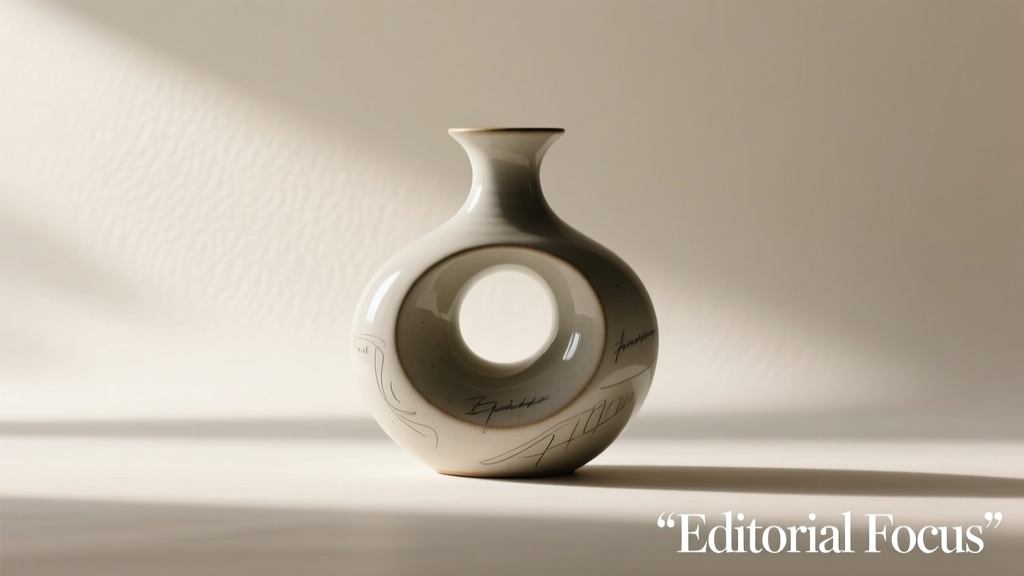
Materials Used for Factory Lidless Glass Jar with Cork Lid
The factory lidless glass jar with cork lid combines functional design with sustainable materials, making it a popular choice for food storage, kitchen organization, and eco-conscious packaging. Each component is carefully selected for durability, safety, and environmental impact. Below is a detailed breakdown of the materials used and their benefits.
High-Quality Borosilicate Glass
Made from borosilicate glass, these jars are engineered for exceptional thermal and mechanical resilience. This type of glass contains silica and boron trioxide, which significantly reduce thermal expansion, allowing the jar to withstand rapid temperature changes without cracking.
Advantages
- High resistance to thermal shock (safe for oven, microwave, and freezer)
- Extremely durable and scratch-resistant
- Crystal-clear transparency enhances visibility of contents
- Non-reactive – preserves flavor and quality of stored items
- Easily recyclable and free from harmful chemicals
Limitations
- Slightly more expensive than soda-lime glass
- Can still break if dropped on hard surfaces
Best for: Baking, food prep, microwave use, long-term storage of dry goods, spices, and pantry organization
Natural Cork Lid
Crafted from sustainably harvested cork oak bark, the lid provides a snug, breathable seal that maintains freshness while adding a rustic, organic aesthetic. Cork is naturally elastic, allowing it to conform to the jar's rim for improved closure integrity.
Advantages
- Air-tight and moisture-resistant seal
- Renewable and biodegradable material
- Lightweight and easy to handle
- Natural insulator and shock absorber
- Adds premium, artisanal appearance to packaging
Limitations
- May degrade over time with constant moisture exposure
- Not suitable for liquids or vacuum sealing without additional lining
- Requires careful storage to prevent mold in humid environments
Best for: Dry goods, spices, coffee, tea, craft packaging, gift sets, and eco-friendly branding
Food-Grade Silicone Seal
Many cork lids include an integrated food-grade silicone gasket to enhance sealing performance. This thin inner ring ensures an airtight closure, making the jar suitable for longer-term preservation and improved hygiene.
Advantages
- Creates a leak-resistant, airtight seal
- Safe for direct food contact (BPA-free, non-toxic)
- Heat and cold resistant (-40°C to 230°C)
- Durable and long-lasting with proper care
- Easy to clean and dishwasher safe
Limitations
- Requires periodic inspection for wear and tear
- May retain odors if not cleaned properly
Best for: Storing perishables, meal prep containers, liquid ingredients, and applications requiring hygiene and freshness
Eco-Friendly & Sustainable Design
Both borosilicate glass and natural cork are environmentally responsible materials. The production process minimizes ecological impact, supporting green initiatives and circular economy principles.
Advantages
- 100% recyclable glass reduces plastic waste
- Cork harvesting supports forest conservation and biodiversity
- Biodegradable components minimize landfill impact
- Lowers carbon footprint compared to synthetic alternatives
- Aligns with zero-waste and sustainable lifestyle trends
Limitations
- Higher initial cost than plastic containers
- Transportation weight increases carbon emissions slightly
Best for: Eco-conscious consumers, sustainable brands, refill stations, and environmentally focused retail packaging
| Material | Durability | Safety | Eco-Friendliness | Best Use Case |
|---|---|---|---|---|
| Borosilicate Glass | Excellent | Excellent (non-toxic, inert) | Very Good (fully recyclable) | Oven-safe storage, food prep, transparent display |
| Natural Cork | Good (with proper care) | Excellent (organic, chemical-free) | Excellent (renewable, biodegradable) | Dry goods, artisan packaging, decorative lids |
| Food-Grade Silicone | Very Good | Excellent (FDA-approved) | Good (durable but not biodegradable) | Airtight sealing, liquid storage, hygiene-critical uses |
| Eco-Friendly Combination | Very Good | Excellent | Excellent | Sustainable living, green businesses, zero-waste kitchens |
Expert Tip: To extend the life of your cork lid, avoid soaking it in water for extended periods. Instead, wipe it clean with a damp cloth and let it air dry. If your jar has a silicone seal, inspect it monthly for cracks or warping to maintain optimal freshness and safety.
Versatile Uses for Factory Lidless Glass Jar with Cork Lid
The factory lidless glass jar with a cork lid combines functionality, elegance, and sustainability, making it a highly adaptable container across multiple industries and household applications. Its transparent design, durable glass construction, and natural cork seal offer both aesthetic appeal and practical benefits. From food storage to creative gifting, this jar serves as a sustainable and stylish solution for modern needs.
1. Storage for Dry Goods
These glass jars are ideal for storing dry pantry essentials such as rice, quinoa, pasta, sugar, coffee beans, and spices. The airtight seal provided by the cork lid helps protect contents from moisture, air, and contaminants, significantly extending shelf life and preserving flavor and texture.
The clear glass allows for quick visual identification of contents, eliminating the need to open each container. This makes meal prep and kitchen organization more efficient. Additionally, the natural cork lid adds a rustic charm to any kitchen countertop or pantry shelf, blending seamlessly with modern, farmhouse, or minimalist décor.
Pro Tip: Label the jars with chalkboard stickers or custom tags for a clean, organized look—perfect for both home use and retail packaging.
2. Packaging for Cosmetics and Beauty Products
Widely used in the beauty industry, these jars are a favorite for packaging organic creams, facial masks, scrubs, balms, and lotions. The combination of glass and cork conveys a premium, eco-conscious image—ideal for brands emphasizing natural ingredients and sustainable packaging.
Glass is non-reactive and does not leach chemicals, ensuring product purity. The cork lid provides a secure seal that helps retain moisture and active ingredients, while also offering a tactile, luxurious unboxing experience. This makes the jars especially popular in high-end skincare lines, boutique spas, and artisanal cosmetic brands.
Industry Insight: Many eco-friendly beauty brands choose this packaging to align with zero-waste initiatives and appeal to environmentally conscious consumers.
3. Container for Handcrafted Candles
Lidless glass jars are excellent molds and vessels for homemade or commercial candles. The heat-resistant glass safely withstands hot wax pouring, while the smooth interior ensures easy release when used as a mold. Once the candle is set, the jar becomes its permanent container.
The cork lid adds a refined finishing touch, protecting the candle from dust and helping preserve its fragrance between uses. The natural aesthetic of cork complements soy, beeswax, or coconut wax candles—often marketed as clean-burning and sustainable.
DIY Tip: Customize candle jars with dried flowers, herbs, or essential oil blends for a personalized, spa-like product perfect for gifts or small-batch sales.
4. Home Decor and Plant Display
These jars double as stylish home décor accents. Use them as vases for fresh or dried flowers, succulents, or air plants. They also work beautifully as decorative containers for seashells, pebbles, sand layers, fairy lights, or seasonal ornaments like pinecones and cinnamon sticks.
The cork lid can be repurposed as a coaster or base for a terrarium setup. When paired with adhesive cork pads, the lid provides a stable, non-slip base, enhancing both function and visual harmony. Their versatility makes them perfect for centerpieces, bathroom organizers, or nursery accents.
Design Idea: Create a themed display using multiple jars of varying sizes—layer colored sand and mini figurines for a dreamy terrarium effect.
5. Eco-Friendly Gift Packaging
These jars make unforgettable gift containers. Fill them with homemade treats like cookies, granola, or spice blends; self-care items like bath salts, sugar scrubs, or tea blends; or creative crafts like mini succulents or painted stones.
The cork lid enhances the gift’s presentation with its warm, organic texture. Pair it with twine, ribbon, or a personalized tag for a heartfelt, handcrafted touch. Because both glass and cork are biodegradable and reusable, the packaging aligns with sustainable gifting trends.
Gift Idea: Assemble a “self-care kit” with lavender bath salts, a tea bag, and a handwritten note—presented in a beautifully labeled jar for birthdays, holidays, or thank-you gifts.
| Use Case | Key Benefit | Ideal For |
|---|---|---|
| Dry Food Storage | Airtight seal preserves freshness | Kitchens, pantries, meal prep |
| Cosmetic Packaging | Natural, premium aesthetic | Skincare brands, spas, organic products |
| Candle Making | Heat-resistant & decorative | Artisan candles, DIY projects |
| Home Decor | Versatile & stylish | Vases, terrariums, centerpieces |
| Gift Packaging | Eco-friendly & customizable | Handmade gifts, corporate presents |
Note: While the cork lid provides a good seal, it is not completely airtight or waterproof. For long-term storage of highly perishable or liquid-based products, consider additional inner seals or alternative closures. Always ensure the jar and cork are clean and dry before use to prevent mold or contamination.
Designs for Factory Lidless Glass Jar with Cork Lid
Choosing the right design for a lidless glass jar with a cork lid is essential for balancing aesthetics, functionality, and user experience. These jars are widely used in kitchens, bathrooms, retail displays, and home decor, making design versatility a key selling point. Below are the most popular and effective designs offered in factory-produced glass jars, each tailored to meet specific storage, organizational, and decorative needs.
Classic Round Design
The classic round design is the most widely recognized and commonly used shape for glass storage jars. Featuring a smooth, cylindrical form, this design offers timeless appeal and practical functionality. It's often referred to as a "workhorse" due to its durability and adaptability across various environments—especially in kitchens for storing spices, sugar, coffee, grains, and baking ingredients.
- Made from high-quality, clear glass with a polished finish for a clean, minimalist look
- Paired with a natural cork lid that provides an airtight seal while enhancing the rustic or modern aesthetic
- Ideal for both contemporary and traditional interiors due to its neutral, versatile shape
- Easy to clean and reuse, supporting sustainable living practices
Best for: Everyday kitchen use, gift packaging, and pantry organization
Hexagonal Design
Inspired by the geometric elegance of a beehive, the hexagonal design adds a distinctive and artistic flair to standard glass jars. This angular shape stands out on shelves and countertops, making it a favorite among boutique stores, cafes, and eco-conscious consumers looking for unique presentation.
- Provides improved grip compared to smooth round jars, reducing the risk of slipping
- Facilitates stable stacking due to flat sides, maximizing space efficiency in storage or retail displays
- Cork lid is precision-cut to match the hexagonal rim, ensuring a snug and secure fit
- Offers a modern-rustic hybrid look that complements farmhouse, Scandinavian, and artisanal themes
Best for: Decorative storage, retail product packaging, and boutique gifting
Wide Mouth Design
The wide mouth design features a significantly larger opening than standard jars, allowing for effortless access to contents. This makes it especially valuable for users who frequently scoop, pour, or refill items, and is a top choice in both food preservation and cosmetic product storage.
- Enables easy filling and cleaning—ideal for storing bulk items like oats, nuts, or homemade skincare products
- Cork lid creates an effective barrier against moisture and air, preserving freshness and extending shelf life
- Perfect for use with ladles, spoons, or fingers without spillage or residue buildup on the rim
- Popular in zero-waste kitchens and natural beauty brands for its functional elegance
Best for: Bulk food storage, DIY cosmetics, fermenting, and kitchen prep
Stackable Design
Engineered for space efficiency, the stackable design includes reinforced bases and lids that allow multiple jars to be safely and securely stacked. This innovative structure is ideal for environments where counter or cabinet space is limited, such as small kitchens, RVs, or retail shelving.
- Features a stable base and slightly recessed rim to prevent sliding or toppling
- Reduces clutter by utilizing vertical space effectively
- Cork lids are thicker and more durable to withstand pressure from stacking
- Enhances visual appeal when used in uniform sets—great for organized pantries or branded displays
Best for: Compact living spaces, commercial kitchens, and retail organization
Textured Surface Design
The textured surface design elevates the jar from a simple container to a tactile and visual centerpiece. With patterns such as ribbing, etching, or matte finishes, this design adds depth and character while improving usability.
- Provides enhanced grip, especially when hands are wet or oily—ideal for bathroom or kitchen use
- Reduces the visibility of fingerprints and smudges, maintaining a clean appearance
- Complements the organic texture of the cork lid, creating a harmonious, nature-inspired aesthetic
- Offers branding opportunities through custom embossing or laser etching
Best for: Decorative storage, luxury gifting, and high-end product packaging
Design Tip: When selecting a jar design for commercial or personal use, consider both the functional requirements and the intended environment. For example, a wide-mouth stackable jar with a textured finish combines maximum usability with aesthetic appeal, making it ideal for modern kitchens. Always ensure the cork lid is food-grade and properly sealed to maintain product integrity.
| Design Type | Primary Use Case | Key Benefit | Best Paired With |
|---|---|---|---|
| Classic Round | Kitchen storage | Timeless, versatile appearance | Minimalist or rustic decor |
| Hexagonal | Retail & display | Unique visual appeal and stackability | Boutique packaging |
| Wide Mouth | Food & cosmetic storage | Easy access and cleaning | Ladles, scoops, brushes |
| Stackable | Space-constrained areas | Vertical space optimization | Matching sets or kits |
| Textured Surface | Decorative & luxury use | Tactile grip and visual interest | Branded or gift packaging |
Additional Considerations
- Cork Quality: Opt for sustainably harvested, food-safe cork that resists mold and provides a reliable seal
- Glass Thickness: Thicker glass enhances durability and gives a premium feel, especially for heavy or frequently used jars
- Customization Options: Many factory designs support labeling, engraving, or color tinting for branding purposes
- Eco-Friendliness: Glass and cork are both biodegradable and recyclable, appealing to environmentally conscious consumers
- Lid Fit: A snug, slightly compressible cork lid ensures an airtight seal without requiring excessive force to open
Shipping Considerations for Factory Lidless Glass Jar with Cork Lid
Shipping glass jars—especially lidless designs paired with cork lids—requires careful planning and execution to ensure product integrity upon arrival. Glass is inherently fragile, and even minor impacts during transit can lead to cracks, chips, or complete breakage. This guide outlines best practices for safely packaging and shipping your glass jars, covering everything from protective wrapping to carrier selection, ensuring your products arrive intact and your customers remain satisfied.
Important Note: A lidless glass jar is more vulnerable during transit than its sealed counterpart. Without a secured lid, the jar’s opening is exposed, increasing the risk of chipping and contamination. Special attention must be paid to sealing and internal stabilization to prevent damage.
Key Shipping Guidelines
- Packing and Cushioning
Proper cushioning is the first line of defense against breakage. Each glass jar and its corresponding cork lid should be individually wrapped in protective material such as bubble wrap, foam sheets, or biodegradable air pillows. For added protection, consider using molded pulp inserts or custom-cut foam dividers that cradle each jar.
When packing multiple jars in one box, ensure there is at least 1–2 inches of padding between each item and on all sides of the container. This buffer absorbs shock from drops or vibrations during handling. Avoid over-packing, which can create internal pressure, as well as under-packing, which allows movement and impact.
- Box Selection
Choose a shipping box made from double- or triple-wall corrugated cardboard for maximum durability. The box should be rigid enough to resist crushing under stacked loads and capable of withstanding rough handling during transport.
Consider using a two-box system: an inner partitioned box to hold and separate each jar, placed within a slightly larger outer box with additional cushioning (such as packing peanuts or paper fill). This layered approach significantly reduces the risk of breakage by minimizing direct impact on the jars.
Ensure the box size is appropriate—too large and the jars will shift; too small and the packaging may be compromised. A snug fit with adequate padding is ideal.
- Seal and Tape
After packing, securely close the box flaps and seal all seams with high-quality packing tape. Use a "H-taping" method—reinforcing the top and bottom seams with horizontal strips—to prevent the box from bursting open during transit.
For superior strength and tamper resistance, consider water-activated (gummed) tape. This tape bonds chemically with the cardboard, creating a seal that becomes stronger when dry and is highly resistant to peeling, even under stress or changes in temperature and humidity.
Avoid using duct tape or masking tape, as they lack the tensile strength needed for shipping and may fail during transit.
- Shipping Method
Select a carrier known for reliable handling of fragile goods. Major carriers like UPS, FedEx, and DHL offer specialized services for delicate items, including handling instructions and route optimization for gentler transit.
Always mark packages with “Fragile” and “This Side Up” labels in visible locations. While these don’t guarantee careful handling, they serve as visual reminders to warehouse and delivery personnel.
For domestic shipments, UPS Ground or FedEx Ground are often preferred due to fewer handling transfers and more predictable delivery timelines. For international or time-sensitive deliveries, consider expedited services with tracking and signature confirmation.
- Tracking and Insurance
Always ship with tracking enabled. Real-time tracking allows you to monitor the package’s journey, quickly identify delays, and provide accurate updates to customers.
Equally important is shipping insurance. Given the fragility and potential value of glassware, insure each shipment for its full replacement cost. This protects your business from financial loss in the event of damage, loss, or theft during transit.
Keep digital records of packing methods, carrier receipts, and insurance details for every shipment. This documentation can be invaluable in case of claims or disputes.
| Shipping Stage | Best Practices | Common Risks | Recommended Materials |
|---|---|---|---|
| Packing & Cushioning | Individual wrapping, 1–2" padding, no internal movement | Breakage from impact or vibration | Bubble wrap, foam inserts, molded pulp |
| Box Selection | Double-wall box, inner partition, proper sizing | Crushing, shifting, or stacking damage | Corrugated cardboard, divider trays |
| Sealing | H-taping, water-activated tape, secure flaps | Box opening mid-transit, content spill | Packing tape, gummed tape, corner protectors |
| Carrier Handling | Fragile labels, ground shipping, direct routes | Rough handling, multiple transfers | Fragile stickers, orientation labels |
| Post-Shipment | Tracking, insurance, customer communication | Lost packages, unreported damage | Tracking numbers, insurance coverage |
Expert Tip: Conduct a "test shipment" by sending a packed box to yourself or a colleague. Upon arrival, inspect the packaging and contents to evaluate the effectiveness of your method. Use this feedback to refine your process before scaling up shipments.
Additional Recommendations
- Label each cork lid separately and store it in a sealed plastic bag to prevent moisture absorption or contamination.
- Include a care instruction card in the package, advising customers on proper handling and storage of the jars and corks.
- For bulk orders, consider drop-shipping options with pre-vetted fulfillment centers experienced in handling fragile goods.
- Train staff on standardized packing procedures to ensure consistency across all shipments.
- Monitor carrier performance and switch providers if frequent damage or delays occur.
Shipping glass jars doesn't have to be risky—with the right materials, methods, and mindset, you can ensure safe delivery every time. By investing in robust packaging and reliable logistics, you protect not only your products but also your brand reputation. Remember: a well-packed jar is a happy jar, and a satisfied customer is a returning customer.
Frequently Asked Questions About Glass Jars with Cork Lids
Q1: What is the benefit of having a cork lid on a glass jar?A cork lid offers both functional and aesthetic advantages. It creates a tight, air-resistant seal that helps preserve the freshness of stored dry goods such as spices, coffee, tea, or baked goods by minimizing exposure to moisture and air. Beyond functionality, cork is a natural, renewable, and biodegradable material, making it an eco-conscious choice for environmentally aware consumers. Its warm, organic texture also enhances the visual appeal of the jar, adding a rustic or artisanal charm to kitchen storage or home decor.
Q2: Is the glass in the jar suitable for baking?Yes, the jar is made from high-quality borosilicate glass, known for its exceptional thermal resistance. This means it can safely endure sudden temperature changes—such as moving from the refrigerator to a hot oven or microwave—without cracking or shattering. This durability makes it ideal for baking small portions, reheating meals, or even preparing single-serve desserts. However, always avoid placing the jar directly on a heating element or under a broiler, as extreme localized heat can still cause damage.
Q3: Can this jar be used outdoors?Absolutely. Thanks to its sturdy borosilicate construction and weather-resistant cork lid, this jar is well-suited for outdoor environments. It's perfect for storing gardening essentials like seeds, labels, or small tools on a patio or in a greenhouse. Its elegant design also makes it a stylish addition to picnic setups, outdoor dining tables, or garden parties—whether used for holding cutlery, serving snacks, or displaying floral arrangements. Just ensure it’s placed on a stable surface to avoid accidental tipping.
Q4: Explain one of the very important advantages of having a lidless jar.One of the most significant benefits of a lidless jar is effortless accessibility. Without the need to unscrew or remove a lid, users can quickly reach into the jar for items like kitchen utensils, pens and pencils, makeup brushes, or bath salts. This open-top convenience makes it an excellent organizational solution for high-traffic areas in the home or office. Additionally, a lidless design allows for easy visual identification of contents, promoting better organization and reducing clutter on countertops or shelves.
Q5: How should one clean or maintain this type of jar?To maintain the jar’s clarity, shine, and longevity, handwashing with a soft sponge and mild detergent is recommended. This gentle method helps prevent scratches and preserves the smooth finish of both the glass and cork lid. While the jar is dishwasher-safe—especially when placed on the top rack—repeated machine washing may degrade the cork over time, causing it to dry out or crack. For deep cleaning, use a bottle brush to reach inside, and allow the jar and lid to air dry completely before reuse to prevent moisture buildup and mold.
Q6: Which age group of children can safely use glass jars?Glass jars are recommended for children aged 24 months and older due to the inherent risks associated with glass, such as sharp edges if broken. While the borosilicate material is more durable than standard glass, it is still not unbreakable. For younger children, plastic alternatives are safer for play or storage purposes. When used in homes with toddlers or young kids, glass jars should be stored out of reach or in secure cabinets. Under adult supervision, older children can use them for crafts or organized storage, helping teach responsibility and care for delicate materials.
Q7: What are some typical uses for this type of jar in home decor?This versatile jar serves as a stylish decorative element in various rooms. Its clear glass showcases contents beautifully, while the natural cork lid adds warmth and texture. Common decorative uses include:
- Vases: Fill with fresh or dried flowers for a minimalist centerpiece.
- Candle Holders: Place tea lights or pillar candles inside for ambient lighting.
- Table Centerpieces: Layer with pebbles, sand, or colored water for themed displays.
- Storage Decor: Display colorful spices, cotton balls, or bath salts on open shelves.
- Seasonal Displays: Use for holiday-themed arrangements like pinecones in winter or seashells in summer.
Its timeless design complements farmhouse, modern, or bohemian interiors, making it both functional and aesthetically pleasing.
Q8: Which materials are commonly used to make glass jar lids in factories?Manufacturers use a variety of materials for glass jar lids, each offering distinct benefits:
| Material | Key Features | Common Applications |
|---|---|---|
| Metal | Durable, provides a secure seal; often lined with plastic or rubber for airtight closure. | Food canning, commercial preserves, and long-term storage. |
| Plastic | Lightweight, cost-effective, and resistant to corrosion; may not be as heat-resistant. | Beverage jars, disposable containers, and budget-friendly packaging. |
| Cork | Natural, biodegradable, and provides a snug, breathable seal; ideal for dry goods. | Artisanal products, spice jars, decorative storage, and eco-conscious brands. |
The choice of lid material depends on the intended use, desired shelf life, environmental impact, and aesthetic goals. Cork stands out for its sustainability and visual appeal, while metal and plastic offer practicality for mass production and sealing requirements.