Types of Materials Used in Laser Cutting Machines
Laser cutting technology in Europe is widely used across industries due to its precision, speed, and versatility. It enables clean, accurate cuts on a wide range of materials, from metals to organics. Understanding the properties and applications of each material helps optimize cutting parameters and achieve superior results.
Steel
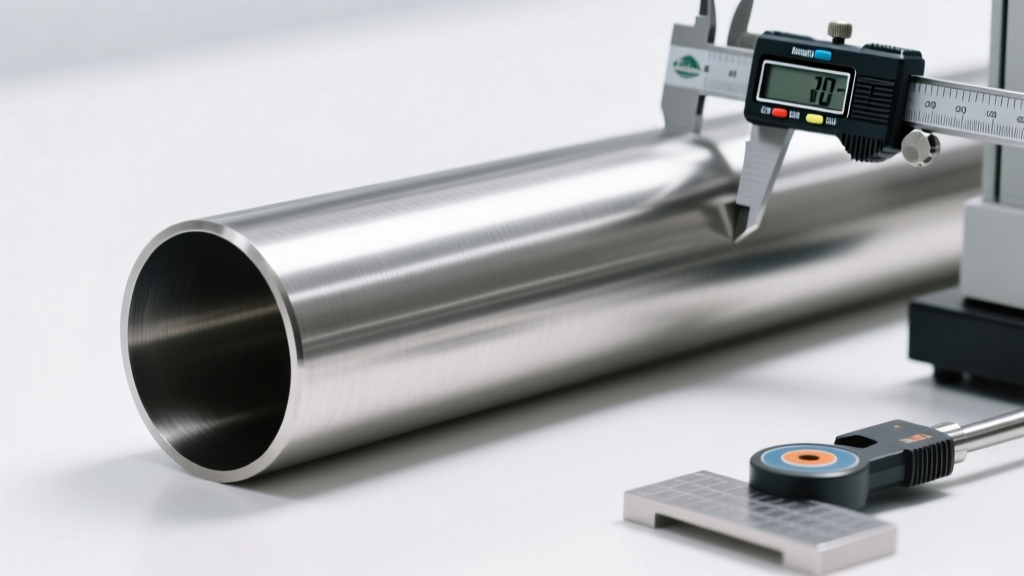
Stainless & Carbon Steel
Steel is one of the most commonly laser-cut materials due to its strength, durability, and weldability. High-precision lasers easily cut through both stainless and carbon steel sheets, producing clean edges with minimal burr.
Advantages
- High tensile strength and structural integrity
- Excellent compatibility with laser cutting (especially with fiber lasers)
- Minimal post-processing required for clean cuts
- Widely used in industrial manufacturing
Limitations
- Thicker sections require higher power lasers
- Carbon steel may oxidize during cutting (requiring assist gas)
- Slower cutting speeds compared to lighter metals
Best for: Automotive frames, construction components, machinery parts, and industrial enclosures
Aluminum
Lightweight & Reflective
Aluminum’s low weight and high reflectivity make it a challenging but valuable material for laser cutting. Modern European laser systems use high-intensity beams and specialized settings to overcome reflectivity and achieve precise, intricate cuts.
Advantages
- Lightweight with excellent strength-to-weight ratio
- Highly corrosion-resistant
- Ideal for complex aerospace and automotive components
- Produces clean, polished edges when cut properly
Limitations
- High reflectivity can damage laser optics if not managed
- Requires high-power lasers and assist gases (e.g., nitrogen)
- Potential for dross formation on thicker sheets
Best for: Aerospace panels, heat exchangers, signage, and electronic housings
Copper
Highly Conductive & Reflective
Copper poses significant challenges in laser cutting due to its exceptional thermal conductivity and mirror-like reflectivity. However, advanced fiber lasers with precise control systems now allow reliable cutting of copper sheets and tubing, especially in thin gauges.
Advantages
- Superior electrical and thermal conductivity
- Durable and corrosion-resistant
- Essential for high-performance electrical components
- Smooth finish achievable with proper parameters
Limitations
- Extremely reflective—requires protective measures
- High thermal conductivity dissipates laser energy quickly
- Limited to thinner materials in most industrial setups
Best for: Electrical connectors, busbars, circuitry, and RF shielding components
Brass
Copper-Zinc Alloy
Brass combines the machinability of copper with improved strength and aesthetic appeal. Its golden finish and corrosion resistance make it ideal for decorative and functional parts. Laser cutting produces sharp details with minimal finishing.
Advantages
- Excellent aesthetic finish (polished look)
- Good corrosion and wear resistance
- Easy to cut with clean, burr-free edges
- Low post-processing requirements
Limitations
- Zinc content can vaporize during cutting, creating fumes
- Requires proper ventilation and extraction systems
- Less common in heavy industrial applications
Best for: Decorative fixtures, musical instruments, plumbing fittings, and architectural accents
Plastics
Acrylic, Polycarbonate, PVC
Thermoplastics like acrylic (PMMA), polycarbonate, and PVC are widely laser-cut for their clarity, versatility, and ease of processing. Lasers provide flame-polished edges on acrylic and precise contours on industrial-grade plastics.
Advantages
- Clean, sealed edges (especially on acrylic)
- High detail and repeatability for prototypes
- Wide range of colors and transparency options
- Ideal for signage, displays, and enclosures
Limitations
- Some plastics emit toxic fumes when cut (e.g., PVC)
- Thermal distortion possible in thin or soft materials
- Flammability requires careful monitoring
Best for: Retail displays, light covers, nameplates, and 3D model prototyping
Wood
Plywood, MDF, Solid Wood
Wood is a popular material for laser cutting in furniture, art, and interior design. The technology allows for intricate engravings and precise joinery, enabling complex patterns and custom designs with minimal waste.
Advantages
- High precision for detailed artwork and joinery
- Capable of both cutting and engraving in one setup
- Reduces material waste and increases efficiency
- Natural aesthetic with customizable finishes
Limitations
- Natural variations in grain can affect cut quality
- Resin-rich woods may char or ignite
- Requires extraction for smoke and particulates
Best for: Custom furniture, decorative panels, signage, and educational models
Composites
Carbon Fiber, Fiberglass
Composite materials like carbon fiber-reinforced polymer (CFRP) and fiberglass are increasingly used in high-performance sectors. Laser cutting enables precise shaping of these lightweight, high-strength materials, though care must be taken to avoid delamination or matrix damage.
Advantages
- Enables complex geometries in strong, lightweight parts
- High accuracy for aerospace and racing components
- Reduced tool wear compared to mechanical cutting
- Consistent results across layered materials
Limitations
- Matrix resin can melt or burn if not controlled
- Potential for fraying or delamination at edges
- Requires optimized settings for each composite type
Best for: Aerospace components, automotive body panels, drone frames, and sporting goods
| Material | Laser Compatibility | Cut Quality | Common Applications | Key Considerations |
|---|---|---|---|---|
| Steel | Excellent (Fiber Laser) | High (clean edges) | Construction, Machinery | Use nitrogen for stainless; oxygen for carbon steel |
| Aluminum | Very Good | High (with proper settings) | Aerospace, Electronics | High reflectivity requires protective optics |
| Copper | Moderate | Medium (thin sheets only) | Electrical Components | High power & precision needed; fume extraction critical |
| Brass | Good | High (polished finish) | Decorative, Plumbing | Ventilation required due to zinc fumes |
| Plastics | Good to Excellent | High (especially acrylic) | Signage, Prototypes | Avoid PVC; ensure ventilation |
| Wood | Excellent (CO₂ Laser) | High (detailed engraving) | Furniture, Art | Monitor for charring; use air assist |
| Composites | Good (with tuning) | Medium to High | Aerospace, Automotive | Prevent delamination; optimize power/speed |
Expert Tip: Always perform test cuts on new materials to optimize laser power, speed, and focus settings. Using the correct assist gas (oxygen, nitrogen, or compressed air) significantly improves cut quality and reduces post-processing needs.
Features of European Laser Cutting Machines for Metal
European laser cutting machines have set the global benchmark for precision, efficiency, and technological innovation in metal fabrication. Particularly renowned for their fiber laser systems, these machines combine advanced engineering with intelligent automation to deliver unmatched performance across diverse industrial applications. From aerospace to automotive manufacturing, European-built laser cutters offer a superior blend of accuracy, speed, and versatility that significantly enhances production capabilities.
Core Advantages of European Laser Cutting Technology
High Precision
European laser cutting machines, especially fiber laser models, are engineered for exceptional accuracy—often achieving tolerances within ±0.1 mm. This level of precision ensures clean, burr-free edges and enables the production of highly intricate geometries without secondary finishing.
This capability is critical in high-stakes industries such as aerospace, medical device manufacturing, and electronics, where even microscopic deviations can compromise performance or safety. The use of high-quality optics, stable beam delivery systems, and vibration-dampened frames contributes to consistent cut quality across extended production runs.
Speed and Efficiency
These machines outperform traditional cutting methods—such as plasma or mechanical shearing—by delivering cutting speeds up to 3–5 times faster, especially on thin to medium-thickness metals (up to 25 mm). Advanced beam control and high-powered lasers (ranging from 2 kW to over 12 kW) allow rapid material processing with minimal heat distortion.
The increased throughput directly translates into higher productivity, reduced labor costs, and faster turnaround times. With minimal need for post-processing or manual adjustments, European laser cutters streamline workflows and maximize machine uptime, making them ideal for high-volume manufacturing environments.
Versatility in Material Processing
One of the defining strengths of European laser cutting systems is their ability to process a broad spectrum of conductive and reflective metals with equal precision. These include stainless steel, carbon steel, aluminum, copper, brass, titanium, and specialty alloys.
Advanced beam modulation and adaptive focusing technologies allow operators to switch between materials quickly without compromising cut quality. This flexibility makes a single machine suitable for multi-industry applications—from architectural metalwork to precision automotive components—reducing the need for multiple dedicated machines and lowering capital investment.
Automation and Intelligent Control
European manufacturers integrate state-of-the-art automation features, including Computer Numerical Control (CNC) interfaces, robotic loading/unloading systems, and AI-driven optimization software. These systems enable fully automated batch processing, dynamic nesting for material utilization, and real-time monitoring of cut parameters.
Touchscreen HMI (Human-Machine Interface) panels simplify operation, while integrated diagnostics help prevent downtime. The result is a highly efficient, error-resistant production line that maintains consistent quality even during unattended operation, making it ideal for Industry 4.0-ready factories.
Energy Efficiency and Sustainability
Modern European laser cutters are designed with energy conservation in mind. Fiber laser technology, in particular, converts over 40% of electrical input into usable laser energy—significantly higher than CO₂ lasers (typically 10–15%). This improved efficiency reduces power consumption by up to 70% compared to older thermal cutting methods.
Besides lowering operational costs, this contributes to a smaller carbon footprint and aligns with EU environmental standards such as CE and EcoDesign directives. Many models also feature regenerative drives and energy recovery systems, further enhancing their sustainability profile.
Advanced Materials Interaction
European laser systems are at the forefront of processing next-generation materials, including high-strength composites, hardened tool steels, and hybrid metal-ceramic components. Their precise energy delivery minimizes thermal stress and micro-cracking, preserving material integrity.
This capability supports innovation in sectors like electric vehicle manufacturing, defense, and renewable energy, where new materials demand cutting solutions that maintain structural performance. Optional features like green or blue lasers further extend compatibility with highly reflective materials such as copper and brass, which traditionally pose challenges in laser processing.
| Feature | Industrial Benefit | Typical Applications |
|---|---|---|
| Sub-0.1mm Precision | Reduced need for finishing; tight tolerances | Aerospace components, medical devices, sensors |
| High Cutting Speeds (up to 100 m/min) | Increased throughput; lower cost per part | Automotive chassis, sheet metal fabrication |
| Multi-Material Compatibility | Single machine for diverse production needs | Prototyping, job shops, custom metalwork |
| Integrated CNC & Automation | Consistent quality; reduced labor dependency | Smart factories, 24/7 production lines |
| Energy-Efficient Operation | Lower utility costs; compliance with green standards | Sustainable manufacturing, LEED-certified facilities |
Why European Engineering Stands Out
Beyond individual features, what truly distinguishes European laser cutting machines is the holistic approach to design—emphasizing reliability, long-term durability, and seamless integration into modern production ecosystems. Manufacturers in Germany, Italy, and Switzerland adhere to strict quality control standards (e.g., ISO 9001, TÜV certification), ensuring every component meets rigorous performance benchmarks.
Note: While "Michigan laser cutters" were mentioned in the original text, this appears to be an error or misattribution. The context and technological characteristics described align clearly with European-engineered systems, which dominate the high-end industrial laser market. For mission-critical applications requiring precision and reliability, European laser cutting machines remain the preferred choice across global manufacturing sectors.
Commercial Use Cases of European Laser Cutting Machines
European laser cutting machines are renowned for their advanced engineering, precision, and reliability, making them a preferred choice across diverse industries. These high-performance systems leverage state-of-the-art technology to deliver clean, accurate cuts on a wide range of materials—including metals, plastics, composites, and more. Below is a comprehensive overview of key commercial applications where European laser cutting technology delivers significant operational advantages.
Aerospace Industry
Laser cutting machines are essential in the aerospace sector, where components must meet exacting standards for precision, strength, and surface finish. European systems are frequently used to fabricate critical parts such as structural brackets, turbine blades, engine nozzles, and fuselage panels from high-strength alloys like titanium and Inconel.
- Ultra-high precision: Tolerances within ±0.05 mm ensure perfect fitment in complex assemblies
- Minimal thermal distortion: Advanced beam control reduces heat-affected zones, preserving material integrity
- Reduced material waste: Nesting software optimizes layout, lowering raw material costs
- Faster prototyping: Enables rapid iteration of design concepts for testing and certification
Key Insight: European laser systems often comply with aerospace quality standards such as AS9100, ensuring traceability and consistency in production.
Automotive Manufacturing
In modern automotive production, European laser cutters play a pivotal role in shaping body-in-white structures, chassis components, exhaust systems, and interior trim. Their ability to cut complex geometries with high repeatability supports both mass production and custom vehicle builds.
- Perfect part fitment: Ensures seamless integration in automated assembly lines
- Support for lightweight materials: Efficiently processes aluminum, high-strength steel, and composites to improve fuel efficiency
- Design flexibility: Enables intricate patterns for aesthetic and functional features (e.g., grilles, vents)
- Integration with Industry 4.0: Compatible with smart factory systems for real-time monitoring and quality control
Pro Tip: Fiber laser systems from Germany and Italy dominate this sector due to their speed and reliability in high-volume environments.
Electronics Production
European laser cutting technology is indispensable in the electronics industry, where micrometer-level accuracy is required for printed circuit boards (PCBs), connectors, heat sinks, and sensor housings. These machines handle delicate materials without mechanical stress or burring.
- Micron-level precision: Achieves clean cuts on thin copper, polyimide, and ceramic substrates
- No tool wear: Non-contact process ensures consistent quality over long production runs
- Reduced defect rates: Minimizes short circuits and performance issues in sensitive components
- High throughput: Supports the fast-paced demands of consumer electronics manufacturing
Technical Note: UV and green lasers are often used for fine-feature cutting in semiconductor packaging and microelectronics.
Metal Art and Design
Artists and designers across Europe utilize laser cutting machines to transform metal sheets into intricate sculptures, architectural installations, decorative screens, and bespoke furniture. The technology bridges craftsmanship with industrial precision, enabling both one-off creations and limited-series production.
- Complex geometry creation: Realizes detailed patterns and organic shapes impossible with manual tools
- Material versatility: Works with steel, brass, aluminum, and even coated metals
- Scalability: Allows artists to reproduce designs consistently for commercial sales or public installations
- Cost-effective prototyping: Reduces time and material waste during creative development
Creative Advantage: Designers use CAD/CAM software to experiment digitally before cutting, accelerating the creative process.
Medical Device Manufacturing
Precision is paramount in medical applications, and European laser cutters excel in producing components for surgical instruments, implants (e.g., stents), diagnostic equipment, and lab devices. The clean, burr-free cuts reduce the need for post-processing and enhance biocompatibility.
- Exceptional edge quality: Eliminates micro-fractures and contamination risks
- Compliance with ISO 13485: Many European systems are designed for medical-grade manufacturing environments
- Miniaturization capability: Cuts components as small as 0.1 mm for minimally invasive devices
- Traceable processes: Integrated data logging supports regulatory audits and quality assurance
Critical Factor: Laser cutting enables the production of nitinol stents with intricate lattice patterns vital for vascular support.
Signage and Display Production
From retail storefronts to corporate lobbies, European laser cutting machines are widely used to create custom signs, display stands, lightboxes, and exhibition graphics. They cut acrylic, wood, MDF, and thin metals with exceptional edge clarity and dimensional accuracy.
- Versatile material handling: Switches between substrates quickly for mixed-media designs
- Fast turnaround: Ideal for short-run and on-demand production in advertising agencies
- High visual impact: Enables sharp lettering, logos, and 3D layered effects
- Environmentally friendly: Low emissions and efficient energy use align with green business practices
Design Edge: Engraving and cutting in a single pass streamline production of backlit acrylic signs and branded displays.
Strategic Recommendation: When selecting a European laser cutting machine for commercial use, consider not only cutting precision and speed but also after-sales support, software compatibility, and compliance with regional safety and environmental regulations (e.g., CE marking, EMC directives). Investing in a reputable brand from Germany, Switzerland, or Italy often ensures long-term reliability and integration with existing manufacturing ecosystems.
| Industry | Common Materials | Typical Laser Type | Key Performance Metric |
|---|---|---|---|
| Aerospace | Titanium, Inconel, Aluminum Alloys | Fiber & CO₂ Lasers | Precision ±0.05 mm |
| Automotive | High-Strength Steel, Aluminum | Fiber Laser | Speed up to 100 m/min |
| Electronics | Copper, Polyimide, Ceramic | UV & Green Lasers | Feature Size down to 10 µm |
| Metal Art | Stainless Steel, Brass, Mild Steel | Fiber Laser | Thickness up to 20 mm |
| Medical Devices | Nitinol, Titanium, Stainless Steel | Pulsed Fiber Laser | Edge Quality Ra < 1.0 µm |
| Signage & Displays | Acrylic, Wood, MDF, Aluminum | CO₂ Laser | Surface Finish Clarity |
Additional Advantages of European Laser Cutting Technology
- Energy Efficiency: Modern European systems consume up to 30% less power than older models, reducing operational costs
- Automation Ready: Designed for integration with robotic loaders and conveyor systems for lights-out manufacturing
- Superior Optics: German-engineered lenses and mirrors ensure consistent beam quality over time
- Software Ecosystem: Advanced CAD/CAM and nesting software maximizes productivity and minimizes errors
- Global Support Network: Leading manufacturers offer multilingual technical support and spare parts availability worldwide
How to Choose the Right Laser Cutting Machine for Metal Fabrication
Selecting the ideal laser cutting machine is a critical decision for any metal fabrication business. With rapid advancements in laser technology and a wide range of options available, buyers must carefully evaluate several key factors to ensure optimal performance, return on investment, and long-term reliability. This comprehensive guide explores the most important considerations when purchasing a laser cutting system for industrial metal applications.
Safety & Investment Note: Laser cutting machines are high-precision industrial tools that require proper training, safety protocols, and maintenance. Always consult with technical experts and conduct thorough research before making a significant capital investment in laser equipment.
Key Factors to Consider When Choosing a Laser Cutter
- Material Thickness and Type
Understanding the range of materials and their thicknesses is the foundation of selecting the right laser system. Different laser types perform better with specific materials:
- Fiber lasers excel at cutting thick metals such as stainless steel, carbon steel, and aluminum (typically 0.5mm to 25mm+ depending on power)
- CO2 lasers are better suited for thin to medium sheets (up to 15mm) and non-metal materials like acrylic or wood
- Hybrid systems offer flexibility for shops working with diverse materials
Tip: Match your most frequently cut materials and thicknesses to the machine’s optimal performance range for maximum efficiency.
- Laser Power (Wattage)
Laser power directly influences cutting speed, thickness capacity, and edge quality. Higher wattage enables faster cutting of thicker materials with cleaner finishes.
- 1,000–2,000W: Ideal for thin to medium sheets (up to 10mm), suitable for small to mid-sized operations
- 3,000–6,000W: Handles thicker metals efficiently; ideal for high-volume production
- 8,000W+: For heavy-duty industrial applications cutting steel over 20mm
Consider models with adjustable power settings to maintain precision across various material types and thicknesses without changing machines.
- Automation and Smart Features
Modern laser cutters come equipped with advanced automation that significantly boosts productivity and reduces labor costs:
- Auto-focus systems maintain consistent cut quality across varying material thicknesses
- Automatic loading/unloading systems enable 24/7 operation with minimal supervision
- Nesting software integration maximizes material utilization and reduces waste
- IoT connectivity allows remote monitoring, predictive maintenance, and real-time performance tracking
Assess your production volume and workforce availability to determine the appropriate level of automation for your facility.
- Budget and Total Cost of Ownership
While initial purchase price is important, consider the total cost of ownership (TCO) over the machine’s lifespan:
- Purchase price: Ranges from $30,000 for entry-level models to over $500,000 for high-end automated systems
- Operating costs: Includes electricity, assist gases (nitrogen, oxygen), and consumables
- Maintenance contracts and technician training
- Downtime impact and repair frequency
Balance your immediate budget with long-term operational needs. A slightly more expensive, reliable machine may offer better ROI than a cheaper, high-maintenance option.
- Maintenance Requirements and Support
Machine reliability and serviceability are crucial for minimizing downtime:
- Fiber lasers generally require less maintenance than CO2 systems (no mirrors or gas refills)
- Check availability of local service technicians and response times
- Evaluate warranty terms and spare parts inventory
- Consider preventive maintenance schedules and associated costs
Choose manufacturers with strong service networks and readily available technical support to ensure quick resolution of issues.
- Shop Floor Space and Layout
Ensure the machine fits within your available workspace, including clearance for loading, maintenance, and ventilation:
- Standard bed sizes: 4x8 ft, 5x10 ft, or custom configurations
- Allow at least 3–5 feet of clearance around the machine for safe operation
- Consider ceiling height for exhaust systems and overhead cranes
- Multi-functional machines (e.g., combination laser/punch) can save space in compact shops
Plan for future expansion—choosing a slightly larger machine now may prevent costly upgrades later.
- Cutting Speed and Production Capacity
Production demands should dictate your machine selection:
- Higher wattage lasers cut faster through thick materials
- Acceleration and positioning speed affect overall throughput
- Look for machines with high-duty-cycle ratings for continuous operation
- Consider cutting accuracy and repeatability (±0.1mm is typical for quality machines)
Calculate your required parts-per-hour output and select a machine that meets or exceeds those demands, allowing room for growth.
| Factor | Entry-Level Consideration | Mid-Range Consideration | Industrial-Grade Consideration |
|---|---|---|---|
| Laser Power | 1,000–2,000W | 3,000–4,000W | 6,000W+ |
| Material Thickness | Up to 10mm steel | Up to 15–20mm steel | 25mm+ steel |
| Automation Level | Manual loading | Semi-automatic loader | Full auto-loading & unloading |
| Footprint | Compact (4x8 ft) | Standard (5x10 ft) | Large with integrated systems |
| Price Range | $30,000–$80,000 | $100,000–$200,000 | $250,000+ |
Expert Tip: Request live cutting demonstrations with your actual materials before purchasing. This allows you to evaluate cut quality, speed, and machine operation firsthand. Also, ask for references from existing customers in similar industries to assess real-world performance and reliability.
Additional Selection Tips
- Verify compatibility with your existing CAD/CAM and ERP software systems
- Check noise levels and ventilation requirements for workplace compliance
- Ensure the control interface is user-friendly and supports your team’s skill level
- Look for energy-efficient models to reduce long-term operating costs
- Consider scalability—can the machine be upgraded with automation later?
Choosing the right laser cutting machine involves balancing technical capabilities, production needs, budget constraints, and future growth plans. By carefully evaluating each of these factors, you can select a system that enhances productivity, maintains high-quality standards, and delivers strong long-term value for your metal fabrication operations. When in doubt, consult with multiple suppliers and request detailed proposals to make an informed, data-driven decision.
Frequently Asked Questions About European Laser Cutting Machines
Q. Can European Laser Cutting Machines handle thick metals?Yes, European laser cutting machines—particularly fiber laser models—are highly effective at cutting thick metals. These systems are equipped with high-powered lasers (often ranging from 3 kW to 12 kW or more) that deliver deep penetration and consistent energy density, enabling clean cuts through materials up to 30 mm or thicker, depending on the metal type and machine configuration.
For example:
- Stainless Steel: Can be cut up to 25–30 mm with precision edges and minimal dross.
- Carbon Steel: Efficiently processed up to 40 mm using oxygen-assisted cutting techniques.
- Aluminum: Cut cleanly up to 20 mm with nitrogen assist for a high-quality, oxide-free finish.
Their advanced beam delivery systems, combined with intelligent motion control and adaptive focus, ensure superior edge quality and dimensional accuracy—making them ideal for demanding industrial applications in heavy fabrication, shipbuilding, and structural engineering.
Q. Do these machines offer engraving capabilities?Absolutely. Most European laser cutting machines, especially those utilizing CO2 and fiber laser technologies, come with built-in engraving functionality. This versatility allows users to switch between cutting and engraving operations seamlessly, often within the same workflow.
Key engraving applications include:
- Industrial Marking: Permanent serial numbers, barcodes, QR codes, and logos on metal components for traceability and compliance.
- Custom Branding: Personalized engravings on consumer products, tools, or machinery.
- Art & Design: Intricate patterns on metals, plastics, wood, acrylic, and other non-metallic materials used in signage, décor, and architectural elements.
With adjustable power settings, pulse control, and high-resolution beam focusing, these machines achieve fine detail and consistent depth, even on reflective or sensitive surfaces. Some models also support rotary attachments for cylindrical engraving, expanding their creative and industrial utility.
Q. What industries benefit from these European machines?European laser cutting machines are widely adopted across a range of high-precision and high-efficiency industries due to their reliability, accuracy, and technological sophistication. Key sectors include:
| Industry | Applications | Benefits |
|---|---|---|
| Automotive | Body panels, exhaust components, airbags, sensors | High-speed production, tight tolerances, repeatability |
| Aerospace | Turbine blades, engine parts, structural frames | Precision cutting of exotic alloys, minimal heat distortion |
| Electronics | Enclosures, heat sinks, connectors, shielding | Micron-level accuracy, clean edges, compatibility with thin materials |
| Signage & Advertising | Lettering, logos, light boxes, decorative panels | Versatility in materials, intricate designs, fast turnaround |
| Medical Device Manufacturing | Surgical tools, implants, diagnostic equipment | Ultra-fine cutting, biocompatible material processing, sterile finishes |
Additionally, industries such as energy (solar, wind), rail transport, and custom fabrication leverage these machines for prototyping, batch production, and complex geometry processing, benefiting from the integration of automation and Industry 4.0-ready controls.
Q. How do maintenance requirements look like for these machines?European laser cutting machines are engineered for durability and low maintenance, but regular upkeep is essential to maintain peak performance and extend service life. While they require less frequent servicing than older mechanical systems, proactive maintenance ensures consistent cut quality and minimizes downtime.
Typical maintenance tasks include:
- Daily: Cleaning optical lenses and protective windows, checking assist gas pressure, removing debris from the cutting bed.
- Weekly: Inspecting nozzles for wear or blockages, verifying beam alignment, lubricating linear guides (if applicable).
- Monthly: Calibrating focus heads, inspecting cooling systems (chillers), testing safety interlocks.
- Annually: Full system diagnostics, replacement of consumables (e.g., laser tubes in CO2 models), firmware updates, and professional servicing.
Many modern European systems feature predictive maintenance tools—such as sensor-based monitoring, remote diagnostics, and automated alerts—that help operators anticipate issues before they cause failures. This smart maintenance approach reduces unexpected breakdowns and optimizes operational efficiency.
Q. Are these machines suitable for small-scale and large-scale production?Yes, one of the greatest strengths of European laser cutting machines is their scalability and adaptability across production volumes. Whether you're running a small workshop or managing a high-volume manufacturing line, these systems can be configured to meet your needs.
For Small-Scale Production:
- Ideal for custom jobs, prototypes, and limited runs.
- Quick setup and intuitive software allow for fast job changes.
- Compact models fit into smaller facilities without sacrificing performance.
For Large-Scale Production:
- High-speed cutting heads and multi-axis automation enable continuous operation.
- Integration with conveyor systems, robotic loaders, and nesting software maximizes throughput and material utilization.
- Support for 24/7 operation with minimal supervision when paired with monitoring systems.
Moreover, features like job queuing, cloud-based programming, and modular design allow businesses to scale capacity as demand grows. This flexibility makes European laser cutters a future-proof investment for both startups and established manufacturers.