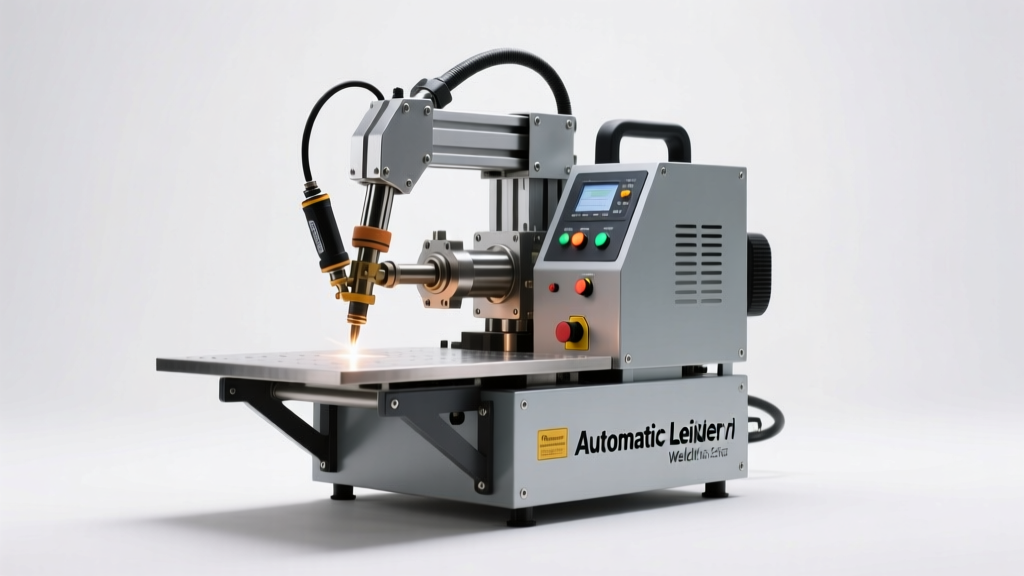
Types of EPS Compactor Machinery
Expanded Polystyrene (EPS) compactor machinery plays a crucial role in recycling, waste management, and manufacturing operations. By significantly reducing the volume of EPS foam—often by up to 90%—these machines enhance storage efficiency, lower transportation costs, and support sustainable practices. Understanding the different types of EPS compactors and their components is essential for selecting the right system based on volume, material sensitivity, and operational scale.
Screw Compacting Machines
One of the most widely used EPS compaction systems, screw compactors utilize a rotating screw mechanism to gradually compress foam into a dense, continuous log or briquette.
Advantages
- High compaction ratio (up to 50:1)
- Continuous operation with minimal downtime
- Ideal for large-scale recycling centers and manufacturers
- Produces uniform, high-density output for easy handling
Limitations
- Higher initial investment
- Larger footprint requires dedicated space
- May require pre-shredding for contaminated or bulky EPS
Best for: High-volume operations, recycling plants, EPS manufacturers
Hydraulic Compacting Machines
These compactors use hydraulic pressure to compress EPS into dense blocks or bales. They operate in cycles, applying controlled force to avoid damaging sensitive foam structures.
Advantages
- Precise pressure control minimizes material breakage
- Excellent for fragile or high-value EPS products
- Produces consistent bales suitable for storage and transport
- Lower noise levels compared to mechanical systems
Limitations
- Slower cycle time than continuous systems
- Requires regular maintenance of hydraulic components
- Higher energy consumption per cycle
Best for: Delicate EPS items, packaging recyclers, quality-sensitive applications
Pre-Expanding Machines
While not a compactor per se, pre-expanding machines are a critical component in EPS production. They expand polystyrene beads using steam before molding, allowing precise control over final product density and structure.
Advantages
- Enables customization of EPS density (10–30 kg/m³)
- Improves molding efficiency and product consistency
- Often integrated with compaction systems for closed-loop recycling
- Reduces raw material waste in production
Limitations
- Not used for post-consumer waste compaction
- Requires steam and temperature controls
- Primarily for manufacturing, not recycling
Best for: EPS manufacturing, molding facilities, integrated production lines
Cylinder Compactors
Compact and efficient, cylinder compactors use rotating rollers to compress EPS against a fixed surface. They are designed for moderate-volume processing and are user-friendly.
Advantages
- Compact design fits in small workspaces
- Low maintenance and easy operation
- Cost-effective for small to medium businesses
- Quick setup and minimal training required
Limitations
- Lower compaction ratio (typically 15:1 to 25:1)
- Less suitable for very high volumes
- May require manual feeding in smaller models
Best for: Small recycling stations, packaging departments, retail or warehouse operations
| Type | Compaction Ratio | Best Volume | Output Form | Ideal Use Case |
|---|---|---|---|---|
| Screw Compactor | Up to 50:1 | High | Dense log or briquette | Recycling plants, large manufacturers |
| Hydraulic Compactor | 30:1 to 45:1 | Medium to High | Baled blocks | Fragile foam, precision recycling |
| Pre-Expanding Machine | N/A (expansion, not compaction) | Production-scale | Expanded beads | EPS manufacturing, molding |
| Cylinder Compactor | 15:1 to 25:1 | Low to Medium | Compressed sheets or chunks | Small businesses, warehouses |
Expert Tip: For optimal efficiency, consider integrating a shredder before your compactor—especially for large or contaminated EPS pieces. This improves feed consistency and enhances compaction performance across all machine types.
Industrial Applications of EPS Compactor Machinery
Expanded Polystyrene (EPS) compactor machinery plays a pivotal role in modern industrial sustainability by transforming bulky, low-density EPS waste into dense, manageable logs or bricks. These machines are essential across multiple sectors, enabling efficient recycling, reducing landfill dependency, and supporting circular economy initiatives. Understanding their diverse applications highlights their economic, environmental, and operational value in today’s eco-conscious manufacturing landscape.
Key Industrial Applications of EPS Compactors
Construction Industry
In the construction sector, EPS is widely used for thermal insulation in walls, roofs, and foundations due to its excellent insulating properties and lightweight nature. It's also incorporated into lightweight concrete blocks and formwork systems. However, offcuts and packaging waste from EPS-based materials contribute significantly to site debris.
EPS compactors address this challenge by reducing waste volume by up to 95%, transforming loose scraps into dense ingots suitable for resale or in-house reuse. These compacted blocks can be reprocessed into new insulation panels, structural fillers, or even decorative architectural elements. This not only minimizes disposal costs but also lowers the demand for virgin polystyrene, promoting sustainable building practices and contributing to green certification standards like LEED or BREEAM.
Packaging Industry
The packaging industry is one of the largest consumers of EPS, utilizing it extensively for protective cushioning in shipping electronics, medical devices, glassware, and high-value consumer goods. While effective, EPS packaging generates substantial post-consumer and post-industrial waste that is difficult to manage due to its high volume and low weight.
By integrating EPS compactors, packaging facilities can drastically reduce storage and transportation costs. Instead of storing cubic meters of loose foam, companies produce compacted logs that are easier to handle, store, and transport to recycling centers. Moreover, many packaging firms now reprocess this recycled EPS into new molded packaging components, closing the loop and establishing a cost-effective, sustainable supply chain that appeals to environmentally responsible clients.
Marine and Offshore Industries
EPS serves as a critical buoyancy material in marine applications, including life rafts, floating docks, buoys, submersibles, and offshore platforms. Its water resistance, durability, and light weight make it ideal for these environments. However, damaged or decommissioned EPS components pose a significant environmental threat if improperly discarded, as they fragment into microplastics and pollute aquatic ecosystems.
EPS compactors offer a responsible solution by compressing used or excess foam into stable, non-buoyant blocks that are easier to manage and recycle. This prevents ocean pollution and supports compliance with international maritime environmental regulations such as MARPOL Annex V. Recycled EPS from marine sources can be repurposed into non-critical marine components or construction materials, ensuring resource recovery while minimizing ecological impact.
Appliance Manufacturing
Major home appliances such as refrigerators, freezers, water heaters, and dishwashers rely on EPS for internal insulation due to its superior thermal performance and moldability. During production, significant amounts of EPS trimmings and defective molds are generated, creating logistical and environmental challenges.
On-site EPS compactors allow manufacturers to immediately process this waste, reducing floor space requirements and eliminating frequent waste pickups. The resulting compacted material can be sold to recyclers or reintegrated into the production line after regrinding and reforming. This closed-loop recycling reduces raw material procurement costs, enhances sustainability metrics, and aligns with corporate environmental, social, and governance (ESG) goals.
Automotive Industry
The automotive sector employs EPS in various safety and comfort applications, including seat cushions, headliners, door panels, and energy-absorbing components in bumpers. With increasing vehicle production and end-of-life recycling demands, managing EPS waste has become a priority for automakers striving to meet zero-waste-to-landfill targets.
EPS compactors integrated into assembly or recycling plants enable efficient recovery of foam scraps. These compacted blocks are then processed into recycled resin for use in non-structural automotive parts or consumer goods. This approach reduces the industry’s carbon footprint, supports compliance with EU End-of-Life Vehicle (ELV) directives, and strengthens the circular economy model within automotive supply chains.
Retail and E-Commerce Logistics
While not originally listed, the retail and e-commerce sectors represent a rapidly growing application area for EPS compactors. With the surge in online shopping, vast quantities of EPS packaging are discarded daily at distribution centers and return facilities.
Installing compactors at these hubs allows companies to manage returns and packaging waste more efficiently. Compacted EPS reduces hauling frequency and landfill fees while demonstrating environmental responsibility to consumers. Forward-thinking retailers are leveraging EPS recycling as part of their sustainability branding, turning waste management into a public relations advantage.
| Industry | Primary Use of EPS | Benefits of EPS Compaction |
|---|---|---|
| Construction | Insulation panels, lightweight blocks | Reduces site waste, lowers material costs, supports green building standards |
| Packaging | Protective cushioning for fragile goods | Minimizes storage space, enables closed-loop recycling, cuts transport costs |
| Marine & Offshore | Buoyancy modules, floats, safety gear | Prevents ocean pollution, ensures regulatory compliance, facilitates safe disposal |
| Appliance Manufacturing | Thermal insulation in refrigeration units | Lowers raw material costs, improves factory efficiency, supports ESG goals |
| Automotive | Seat foam, bumpers, interior trim | Promotes circular economy, reduces landfill use, meets ELV regulations |
Environmental and Economic Advantages
Important: To maximize the benefits of EPS compactor machinery, it is essential to maintain clean, contaminant-free input material. Food residue, moisture, or mixed plastics can degrade the quality of recycled EPS and reduce its market value. Regular maintenance of the compactor—such as cleaning heating elements, checking hydraulic systems, and inspecting filters—ensures consistent performance and longevity. Always follow manufacturer guidelines and consider partnering with certified recyclers to close the loop effectively.
Product Features and Specifications of EPS Compactor Machinery
Expanded Polystyrene (EPS) compactor machinery plays a vital role in modern recycling and waste management operations. Designed to reduce the volume of lightweight EPS foam, these machines streamline material handling, lower transportation costs, and improve storage efficiency. Understanding both the features and technical specifications of EPS compactors enables businesses to make informed purchasing decisions and optimize operational performance.
Key Features
- High Efficiency: EPS compactors are engineered with advanced compaction mechanisms that enable rapid processing of large volumes of foam waste. This high throughput makes them ideal for recycling centers, packaging facilities, and manufacturing plants with significant EPS output.
- Robust Durability: Constructed from heavy-duty steel and reinforced components, these machines are built to endure continuous operation in demanding industrial environments. Their rugged design ensures long-term reliability and minimal downtime, even under heavy daily use.
- Space-Saving Design: By compressing EPS waste to a fraction of its original size—up to 95% volume reduction—these compactors dramatically reduce storage space requirements. This allows businesses to manage waste more efficiently and free up valuable floor space.
- User-Friendly Operation: Most models feature intuitive control panels and automated cycles, allowing operators with minimal training to use the equipment safely and effectively. This simplifies workforce integration and reduces the learning curve for new personnel.
- High Compaction Pressure: Capable of generating immense pressure, EPS compactors produce dense, uniform bales or logs that are easier to handle, store, and transport. High-density output is preferred by recyclers and commands better market value due to reduced shipping costs and improved processing efficiency.
Pro Insight: Automated safety interlocks and emergency stop features enhance operator protection during routine use.
Technical Specifications
- Feed Hopper Size: Ranging from 100 to 200 liters across standard models, the feed hopper is designed to accommodate bulk EPS input without frequent reloading. Larger hoppers increase operational efficiency for high-volume facilities.
- Compression Ratio: One of the most critical performance indicators, the compression ratio measures how much the machine reduces EPS volume. Advanced models achieve ratios as high as 50:1, turning 50 cubic meters of loose foam into just 1 cubic meter of compacted material.
- Power Requirements: Most industrial-grade compactors operate on a 3-phase power supply (400–480V) for consistent and powerful performance. However, smaller or entry-level models may support single-phase power (220–240V), offering flexibility for facilities without 3-phase electrical infrastructure.
- Hydraulic Pressure: Hydraulic systems typically operate within a range of 200 to 300 bars, delivering the force needed to compress even low-density EPS effectively. High-pressure hydraulics ensure uniform bale density and consistent output quality.
- Output Capacity: Depending on the model and material type, EPS compactors can produce between 30 to 100 kg per hour. This output range supports everything from small packaging operations to large-scale recycling centers.
- Control System: Modern machines are equipped with intelligent, programmable control systems that automate the compression cycle, monitor system health, and optimize energy usage. Features like auto-reverse, cycle timers, and fault diagnostics improve efficiency and reduce manual supervision.
Technical Note: Some models include integrated bale ejection systems or optional tie-strapping units for ready-to-ship outputs.
Operational Tip: For optimal performance and longevity, perform routine maintenance such as hydraulic fluid checks, filter cleaning, and inspection of seals and rams. Regular upkeep prevents clogs, maintains pressure efficiency, and extends the machine’s service life.
| Specification | Standard Range | High-Performance Models | Notes |
|---|---|---|---|
| Feed Hopper Capacity | 100–200 L | Up to 300 L | Larger hoppers reduce feeding frequency |
| Compression Ratio | 30:1 | Up to 50:1 | Higher ratio = greater volume reduction |
| Power Supply | Single or 3-phase (220–240V / 400–480V) | 3-phase standard | 3-phase recommended for continuous use |
| Hydraulic Pressure | 200–250 bar | 250–300 bar | Ensures consistent bale density |
| Output Capacity | 30–60 kg/h | 80–100 kg/h | Varies with EPS density and machine size |
| Control System | Basic automation | PLC with diagnostics | Advanced models offer remote monitoring |
Additional Considerations for Buyers
- Noise Level: Look for models with sound-dampening enclosures if operating in noise-sensitive environments.
- Dust Management: Some compactors include dust extraction ports to maintain cleaner workspaces and comply with safety regulations.
- Mobility: Units with casters or forklift pockets offer greater placement flexibility within a facility.
- Customization: Manufacturers often offer options like custom bale sizes, branding, or integration with conveyor systems.
- Warranty & Support: Choose suppliers offering comprehensive warranties (1–2 years) and accessible technical support for troubleshooting and parts replacement.
How to Choose the Right EPS Compactor Machinery: A Comprehensive Buyer's Guide
Selecting the appropriate EPS (Expanded Polystyrene) compactor machinery is a critical decision for suppliers, recyclers, and manufacturers handling large volumes of foam waste. Making an informed choice not only improves operational efficiency but also reduces long-term costs and environmental impact. This guide outlines the key factors to consider when purchasing EPS compactor equipment, helping you choose a machine that aligns with your production volume, material type, and site requirements.
Important Note: EPS compaction is more than just volume reduction—it’s about optimizing your entire waste management workflow. Choosing the wrong machine can lead to downtime, increased maintenance costs, and safety hazards. Always evaluate your specific needs before investing.
Key Factors to Consider When Selecting an EPS Compactor
- Material Type and Density Compatibility
Not all EPS compactors are created equal. The machine must be compatible with the specific type of expanded polystyrene you handle, whether it’s packaging foam, insulation boards, loose fill ("packing peanuts"), or molded EPS products.
- High-density EPS (e.g., construction insulation) requires more powerful compaction force
- Low-density, bulky EPS (e.g., packaging) benefits from pre-shredding or feeding mechanisms
- Check the machine’s technical specifications for material compatibility and maximum input density
- Compaction Ratio and Volume Reduction Efficiency
The compaction ratio measures how much the machine reduces the original volume of EPS. This is one of the most important performance indicators.
- Typical EPS compactors achieve ratios between 30:1 and 90:1 (volume reduction)
- A higher ratio means significantly less storage space and lower transportation costs
- For example, a 50:1 ratio turns 50 cubic feet of foam into just 1 cubic foot of compacted log or brick
- Look for machines with consistent, high-density output for optimal recycling and resale value
- Machine Capacity and Throughput Requirements
Your operational workload should dictate the size and capacity of the compactor.
- Feed size: Ensure the hopper opening is large enough to accept your typical EPS waste without pre-cutting
- Hopper capacity: Larger hoppers reduce the need for constant feeding and improve efficiency
- Output rate: Measured in kg/hour or lbs/hour—match this to your daily EPS volume
- Choose a machine with a buffer capacity to handle peak production periods
- Power Source and Energy Efficiency
EPS compactors are typically powered by either electric or hydraulic systems, each with distinct advantages.
- Electric compactors: Ideal for indoor facilities with reliable power; quieter and easier to maintain
- Hydraulic compactors: Deliver higher compaction force; suitable for heavy-duty or industrial applications
- Consider your site’s power availability, voltage, and phase (single vs. three-phase)
- Energy-efficient models reduce operating costs and environmental footprint
- Static Electricity Management
EPS is highly prone to generating static electricity during processing, which can cause material to cling to surfaces, create dust hazards, or even pose ignition risks in certain environments.
- Look for compactors with built-in anti-static systems (e.g., grounding straps, ionizing bars)
- Stainless steel or conductive components help dissipate static charges
- Proper grounding of the machine is essential for safety and smooth operation
- Build Quality and Wear Resistance
Given the continuous operation of compaction machinery, durability is crucial for minimizing downtime and maintenance costs.
- Opt for compactors constructed with high-strength steel or wear-resistant alloys
- Key components like screws, rollers, and chambers should be hardened or replaceable
- Corrosion-resistant finishes extend machine life, especially in humid or industrial environments
- Check warranty terms and availability of spare parts
| Selection Factor | Key Questions to Ask | Recommended Features | Common Mistakes to Avoid |
|---|---|---|---|
| Material Compatibility | What type and density of EPS will be processed? | Adjustable pressure settings, pre-shredder option | Using a low-density machine for high-density foam |
| Compaction Ratio | What volume reduction is needed for transport/storage? | Ratio of 50:1 or higher, consistent output density | Overestimating machine performance without testing |
| Capacity & Throughput | What is the daily EPS volume? | Sufficient hopper size, high hourly output rate | Choosing undersized equipment leading to bottlenecks |
| Power Source | What power is available at the site? | Electric (indoor), Hydraulic (industrial), Energy-efficient motor | Installing a 3-phase machine without proper electrical setup |
| Static Control | Does the machine prevent static buildup? | Anti-static brushes, grounding system, conductive materials | Ignoring static risks leading to operational issues |
| Durability & Maintenance | How long is the expected lifespan and service interval? | Wear-resistant components, accessible service points, strong warranty | Choosing cheaper models with higher long-term costs |
Expert Tip: Whenever possible, request a live demonstration or trial run with your actual EPS material. This allows you to evaluate the machine’s performance, noise level, ease of operation, and compaction quality before making a purchase.
Additional Considerations for Long-Term Success
- Space Requirements: Measure your available footprint—include space for feeding, output collection, and maintenance access
- Noise Levels: If operating indoors or near offices, choose a quieter electric model with sound-dampening features
- Automation Features: Advanced models offer auto-feed, self-cleaning, and remote monitoring for improved efficiency
- After-Sales Support: Choose suppliers with responsive customer service, technical support, and readily available spare parts
- Environmental Compliance: Ensure the machine meets local safety and emissions standards
Investing in the right EPS compactor machinery is a strategic decision that pays off through reduced waste handling costs, improved recycling efficiency, and a smaller environmental footprint. By carefully evaluating your material type, volume needs, site conditions, and long-term maintenance requirements, you can select a machine that delivers reliable performance for years to come. When in doubt, consult with experienced suppliers or engineers to ensure your choice aligns with both current and future operational demands.
Frequently Asked Questions About EPS Compactor Machinery
Q1: What is EPS compactor machinery?EPS compactor machinery refers to specialized industrial equipment designed to significantly reduce the volume of expanded polystyrene (EPS), commonly known as foam or Styrofoam®. This lightweight yet bulky material is widely used in packaging, insulation, and protective cushioning, but poses storage and disposal challenges due to its low density.
These compactors work by compressing loose EPS foam into dense blocks, bales, or logs, making it far easier and more cost-effective to store and transport. The compacted material can then be recycled into new products such as picture frames, crown molding, office supplies, and even construction materials—supporting circular economy practices and reducing environmental pollution.
Q2: What are the benefits of using an EPS compactor machine?Using an EPS compactor offers a wide range of operational, financial, and environmental advantages:
- Volume Reduction: Compactors can reduce EPS waste volume by up to 90–95%, freeing up valuable warehouse and storage space.
- Lower Disposal Costs: Reduced volume means fewer waste collection trips and lower landfill or hauling fees.
- Recycling Efficiency: Densified EPS is more attractive to recyclers, often qualifying for buy-back programs or trade-in value.
- Environmental Impact: Recycling EPS reduces plastic pollution, conserves raw materials, and lowers carbon emissions associated with production and transportation.
- Improved Sustainability Image: Companies using EPS compactors demonstrate environmental responsibility, enhancing their brand reputation and compliance with green regulations.
- Operational Savings: Over time, the machine pays for itself through reduced waste management costs and potential revenue from recycled material.
EPS compactors are essential in industries that generate large volumes of foam waste. Key sectors include:
- Packaging & Distribution: Companies shipping fragile goods use EPS for cushioning; compactors help manage post-consumer or returned packaging.
- Construction: Insulation boards and concrete forming systems (ICFs) often use EPS, creating onsite waste that benefits from compaction.
- Appliance Manufacturing: Refrigerators, freezers, and electronics come packed in EPS, which can be processed in-house.
- Marine & Automotive: Foam is used in buoyancy components, molds, and prototypes—compactors streamline waste handling.
- Refrigeration & Cold Chain Logistics: EPS coolers and containers used in food and medical transport can be compacted after use.
- Fish Farming & Aquaculture: EPS floats and buoys degrade over time; compactors aid in responsible disposal and recycling.
Any business dealing with frequent EPS waste can benefit from integrating a compactor into its waste management system.
Q4: How does an EPS compactor machine work?EPS compactors utilize mechanical force to remove air trapped within the foam structure, dramatically reducing its size. The two most common types are:
- Screw (or Auger) Compactors: Use a rotating screw mechanism to gradually compress the foam through a narrowing chamber. The friction and pressure heat the material slightly, fusing it into a continuous log or briquette.
- Hydraulic Press Compactors: Employ a powerful hydraulic ram to crush foam into a chamber, forming dense blocks or bales. These are ideal for high-volume operations and produce uniformly shaped outputs.
The process typically involves feeding loose EPS into a hopper, where it is automatically conveyed into the compression zone. Once compacted, the output is either ejected as a solid block or tied into bales for easy handling. Most machines are designed for continuous operation with minimal maintenance.
Q5: How much waste can an EPS compactor handle on a daily basis?The processing capacity varies significantly based on the model, size, and type of compactor:
| Compactor Type | Daily Capacity (Approximate) | Best For |
|---|---|---|
| Small Desktop or Mini Compactors | 50–100 kg (110–220 lbs) | Offices, small warehouses, retail centers |
| Mid-Size Industrial Compactors | 200–500 kg (440–1,100 lbs) | Manufacturing units, distribution hubs |
| Heavy-Duty Hydraulic Systems | 1,000+ kg (2,200+ lbs) | Large construction sites, recycling centers, export facilities |
Some advanced models can operate continuously, achieving even higher throughput. When selecting a machine, it's important to assess your daily EPS waste volume and choose a compactor that matches your operational scale for optimal efficiency.