In an era where personal expression defines fashion, the smallest details often speak the loudest. While shoes, watches, and bags dominate style conversations, one accessory remains quietly powerful: the keychain. More than just a tool for holding keys, a thoughtfully designed keychain can become a statement of identity, taste, and personality. From minimalist elegance to bold eccentricity, the right keychain doesn’t just serve function—it elevates your entire aesthetic.
Unlike fleeting trends, a signature keychain endures. It’s visible daily, handled constantly, and noticed in subtle moments. Whether clipped to a bag, dangling from a belt loop, or tucked into a coat pocket, it becomes part of your visual language. The key is intentionality—designing a keychain that reflects who you are and how you want to be seen.
Why Your Keychain Matters More Than You Think
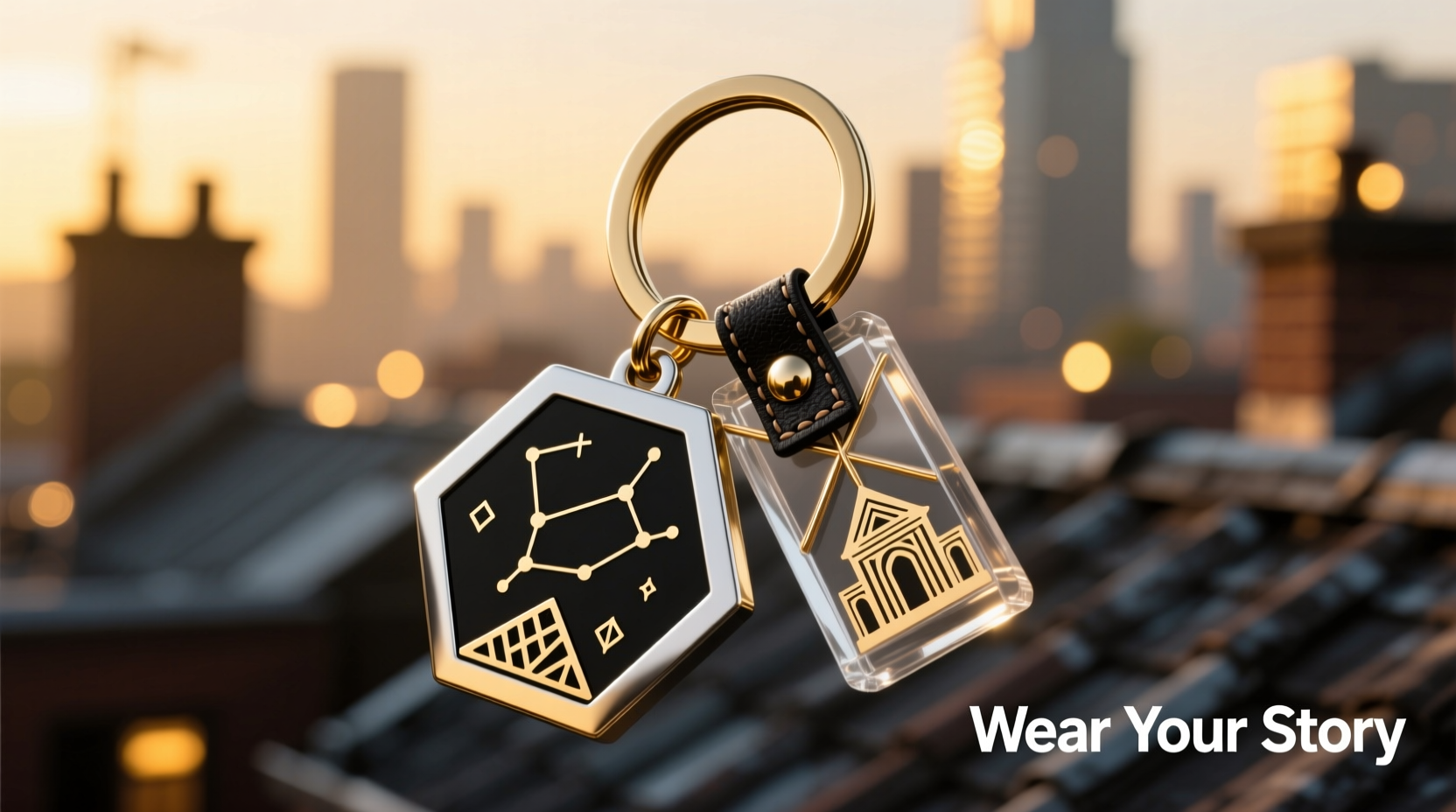
Fashion isn’t only about what you wear; it’s about what you carry. A keychain travels with you, interacts with your hands, and catches glances when you unlock a door or retrieve your wallet. In social and professional settings, these small interactions add up. A well-crafted keychain signals attention to detail—a hallmark of true style.
Psychologically, accessories like keychains create continuity. They act as anchors, grounding your look across different outfits and occasions. When chosen with care, they unify your presence. Consider this: two people may wear similar jackets, but the one with a vintage brass compass key charm or a hand-engraved titanium tag instantly stands out. That’s the power of curation.
“Accessories are the punctuation marks of an outfit. A keychain might be a comma, but placed right, it can turn a sentence into a story.” — Lena Torres, Fashion Stylist & Editorial Consultant
Design Principles for a Signature Keychain
Creating a signature keychain isn’t about collecting random trinkets. It’s about aligning design with identity. Start by asking: What do I value? Adventure? Heritage? Minimalism? Humor? Your answer should guide every choice—from material to motif.
- Material Integrity: Choose durable materials like stainless steel, brass, leather, or aerospace-grade aluminum. These age gracefully and resist corrosion.
- Proportion & Weight: A bulky keychain distracts; too light feels disposable. Aim for balance—something substantial enough to feel intentional but not cumbersome.
- Visual Hierarchy: One standout piece (e.g., a custom medallion) supported by smaller accents (beads, tags, rings) creates focus without clutter.
- Color Palette: Match or contrast with your everyday wardrobe. Earth tones pair well with neutrals; enamel pops against dark fabrics.
Step-by-Step Guide to Building Your Signature Keychain
Building a personalized keychain is a process of refinement, not accumulation. Follow this timeline to craft something authentic and enduring.
- Week 1: Define Your Style Archetype
Are you classic, edgy, bohemian, or tech-savvy? Write down three adjectives that describe your ideal self-image. - Week 2: Audit Existing Keys & Tools
Remove unused keys. Consider a smart tracker (like Tile or AirTag) for minimalists. Fewer keys mean cleaner presentation. - Week 3: Source Core Components
Choose a central piece: engraved tag, heirloom coin, or artisan charm. Purchase from reputable makers or commission custom work. - Week 4: Add Functional Accents
Include one utility item: micro flashlight, bottle opener, or folding tool. Ensure it complements the theme. - Week 5: Assemble & Test
Use split rings or quick-link connectors. Carry it daily for a week. Adjust based on comfort and feedback.
Do’s and Don’ts: Keychain Etiquette
| Do’s | Don’ts |
|---|---|
| Match metal finishes (e.g., all silver or all gold-tone) | Mix clashing metals without intent |
| Use engraving for initials, coordinates, or meaningful dates | Add generic promotional giveaways |
| Rotate seasonal charms (e.g., a pinecone in winter) | Let chains tangle or rust unchecked |
| Secure connections with locking mechanisms | Carry sharp or hazardous tools openly |
| Keep it under 4 inches in total length | Attach fragile items like glass or thin ceramics |
Real Example: How Maya Turned Grief Into a Statement Piece
After losing her grandmother, Maya struggled to honor her memory in daily life. She inherited a small silver locket that wouldn’t open, so instead of storing it away, she had it professionally mounted onto a titanium key ring. She added a tiny leather-wrapped key symbolizing “unlocking memories” and paired it with a discreet blue sapphire bead—her grandmother’s birthstone.
Within weeks, people began commenting. “That’s such a cool piece—what’s the story?” Each time, Maya shared a fragment of her grandmother’s legacy. What started as a private tribute evolved into a conversation starter, a teaching moment, and eventually, a core part of her identity. Today, she wears it clipped to her tote bag, a silent yet powerful extension of herself.
Checklist: Build Your Signature Keychain in 7 Steps
- ☐ Identify your personal style keywords (e.g., timeless, adventurous, modern)
- ☐ Remove unnecessary keys to reduce bulk
- ☐ Select a central focal piece (custom tag, vintage coin, symbolic charm)
- ☐ Choose 1–2 complementary accents (color, texture, function)
- ☐ Ensure all components use consistent metal finishes
- ☐ Use secure connectors (double-split rings or carabiners)
- ☐ Test for comfort and durability over seven days
FAQ
Can a keychain be considered formal attire?
Absolutely—if done subtly. A slim leather key fob with a monogrammed brass plate works perfectly with suits or evening wear. Avoid noisy or oversized pieces in professional settings.
How do I clean and maintain my keychain?
Wipe metal parts monthly with a jewelry cloth. For leather, use a small amount of conditioner. Remove dirt buildup with a soft toothbrush and mild soap. Dry thoroughly before reassembling.
Where can I get custom engravings?
Many online artisans offer laser engraving on metal, wood, or acrylic tags. Etsy, Thingiverse, and specialized shops like Tresor NYC provide high-quality personalized options.
Creative Inspirations to Spark Your Design
Look beyond conventional shapes. Some of the most memorable keychains draw from unexpected sources:
- Literary lovers: Miniature book-shaped charms with favorite quotes engraved inside.
- Travel enthusiasts: Airport code tags (e.g., LAX, CDG) or tiny world map pendants.
- Tech minimalists: CNC-machined titanium discs with QR codes linking to digital portfolios.
- Artists: Paint swatch tags representing their palette or a tiny sculpted brush.
The best designs fuse meaning with craftsmanship. A musician might attach a miniature guitar pick made from reclaimed stage wood. A chef could carry a minuscule cast iron skillet charm. These aren’t gimmicks—they’re emblems of passion.
Conclusion: Make It Yours, Then Own It
Your keychain doesn’t need permission to be significant. It only needs your intention. In a world of mass-produced fashion, a personalized keychain is a quiet rebellion—a declaration that even the smallest object can carry weight. It’s not about extravagance; it’s about authenticity.
Start today. Reimagine that jangling set of keys not as a necessity, but as a canvas. Curate it, refine it, and let it evolve with you. When someone notices and asks, “Where’d you get that?”—you’ll have more than an answer. You’ll have a story.
💬 What does your current keychain say about you? Share your design journey or inspiration in the comments—let’s build a community of thoughtful accessorizing.