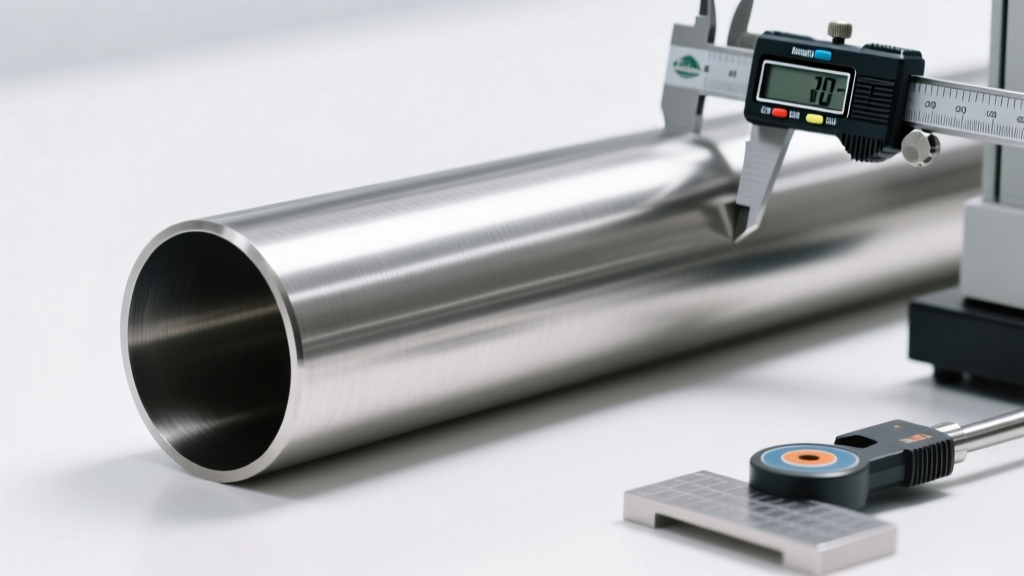
Types of Dayton Standard Guide Bushings
Dayton standard guide bushings are precision-engineered components used in CNC machining, drilling, and reaming operations to guide cutting tools and ensure accuracy, alignment, and tool longevity. These bushings are critical in maintaining tight tolerances and reducing tool deflection, especially in high-volume or high-precision manufacturing environments. Below is a detailed breakdown of the four primary types of guide bushings and their applications.
Fixed Bushings
Fixed guide bushings are designed for applications where the tool and workpiece positions are precisely aligned and remain constant. As the name suggests, these bushings are rigidly mounted, providing maximum stability and minimal movement during operation.
Advantages
- Exceptional precision and repeatability
- High rigidity reduces tool deflection
- Ideal for long production runs
- Durable steel construction ensures longevity
Limitations
- No tolerance for misalignment
- Not suitable for materials with thermal expansion
- Limited flexibility in dynamic setups
Best for: Milling metal plates, drilling machine components, precision machining of hard plastics and metals with consistent tool paths
Spiral Bushings
Spiral guide bushings feature a helical thread design around the inner bore, which enhances tool engagement and provides a self-tightening effect as the tool rotates. This design improves torque transmission and minimizes slippage under high-stress conditions.
Advantages
- Self-tightening action prevents tool slippage
- Superior torque transmission
- Reduced wear on tools and bushings
- Excellent for deep-hole drilling and high-feed operations
Limitations
- More complex manufacturing process
- Slightly higher cost than standard bushings
- Requires precise installation alignment
Best for: Aerospace components, medical devices, automotive parts, and other high-precision industries where tool stability is critical
Float Bushings
Float bushings allow controlled axial movement, accommodating minor misalignments and thermal expansion between the tool and workpiece. This flexibility prevents binding and tool damage during extended operations where heat buildup is common.
Advantages
- Compensates for thermal expansion
- Accommodates slight misalignments
- Reduces stress on tools and machine components
- Extends tool life in high-friction environments
Limitations
- Slight reduction in positional accuracy
- Not ideal for ultra-precision applications
- Requires proper setup to avoid excessive play
Best for: Drilling operations with high thermal loads, applications involving material expansion, and setups with potential alignment variances
Locking Bushings
Locking guide bushings incorporate mechanical locking mechanisms—such as set screws or clamping collars—to secure the tool firmly in place. These bushings are engineered to prevent any movement during high-torque or high-vibration operations.
Advantages
- Prevents tool slippage under high torque
- Enhances safety and operational reliability
- Reduces wear and maintenance costs
- Ideal for automated and mass production lines
Limitations
- More complex installation process
- Higher initial cost
- Potential for over-tightening and damage if not properly adjusted
Best for: Aerospace drilling, automotive assembly lines, and any high-torque application requiring maximum tool security
| Type | Precision | Durability | Flexibility | Best Application |
|---|---|---|---|---|
| Fixed Bushings | Excellent | Very Good | Poor | Precision machining, metal milling, consistent tool paths |
| Spiral Bushings | Excellent | Excellent | Fair | High-torque drilling, aerospace, medical devices |
| Float Bushings | Good | Good | Excellent | Thermal expansion scenarios, misaligned setups |
| Locking Bushings | Very Good | Excellent | Fair | High-torque operations, mass production, automation |
Expert Tip: When selecting a Dayton standard guide bushing, consider the operating environment—especially temperature fluctuations and torque requirements. For mixed conditions, hybrid setups (e.g., fixed bushings with thermal compensation features) can offer optimal performance and longevity.
Materials Used to Make Dayton Standard Guide Bushings
Dayton Standard guide bushings are precision-engineered components essential for maintaining alignment and reducing friction in machining operations. The choice of material significantly impacts performance, durability, and suitability for specific applications. These bushings are commonly used in jig and fixture setups where accuracy, wear resistance, and long service life are critical. Below is a detailed breakdown of the primary materials used in manufacturing Dayton guide bushings, along with their properties, benefits, and ideal use cases.
Tool Steel
Properties: High hardness, excellent wear resistance, and thermal stability.
Tool steel is one of the most widely used materials for guide bushings due to its exceptional durability and resistance to abrasion. It maintains dimensional stability even under high-stress machining conditions involving hard metals such as carbon steel, alloy steels, and other tool steels.
To enhance performance, tool steel bushings undergo heat treatment processes like quenching and tempering. This increases their surface hardness (often exceeding 60 HRC), allowing them to withstand the elevated temperatures and mechanical stresses generated during high-speed cutting operations.
Best For: Continuous, high-volume production environments and applications involving hard-to-machine materials. Ideal in tool rooms, die-making, and heavy-duty machining where longevity and precision are paramount.
Alloy Steel
Properties: Balanced strength, toughness, and cost-efficiency with enhanced mechanical properties from alloying elements.
Alloy steel contains additives such as chromium, molybdenum, and nickel, which improve tensile strength, fatigue resistance, and overall durability. This makes it a preferred choice for medium- to high-demand machining tasks that require reliable performance without the premium cost of specialty tool steels.
Like tool steel, alloy steel bushings are often heat-treated to optimize hardness and wear resistance. Their versatility makes them common in industries such as automotive, aerospace, and general manufacturing, where consistent performance under variable loads is required.
Best For: Applications involving stainless steel, high-carbon steel, and other moderately tough workpieces. Suitable for both batch production and repair/maintenance operations.
Heat-Treated Steel
Properties: Increased hardness, improved structural integrity, and resistance to deformation under pressure.
Heat-treated steel undergoes controlled heating and rapid cooling (quenching) to alter its microstructure, resulting in significantly enhanced hardness and durability. This process ensures the bushing retains its shape and functionality even during prolonged exposure to high-pressure machining forces.
The resulting component offers superior resistance to tool edge wear and maintains precise alignment over time—critical for high-accuracy operations. Heat treatment can be applied to various base steels, including carbon and alloy variants, to tailor performance to specific operational demands.
Best For: High-precision, high-volume manufacturing processes. Commonly used when machining challenging materials like titanium alloys, hardened steels, and exotic metals that generate significant heat and friction.
Case-Hardened Steel
Properties: Hard, wear-resistant surface with a tough, shock-absorbing core.
Case hardening involves diffusing carbon or nitrogen into the surface layer of low-carbon steel, followed by quenching. This creates a hard outer shell that resists abrasion while preserving a ductile interior capable of absorbing impact and vibration.
This dual characteristic makes case-hardened steel bushings ideal for applications with fluctuating loads or intermittent operation, where both surface durability and internal resilience are needed. They perform exceptionally well in environments prone to sudden stress changes or mechanical shock.
Best For: Intermittent machining operations, jig systems with frequent tool insertion/removal, and work on medium-hardness materials such as quenched and tempered steels, medium-carbon steels, and normalized alloys.
| Material Type | Hardness (Typical) | Key Advantages | Common Applications |
|---|---|---|---|
| Tool Steel | 58–64 HRC | Extreme wear resistance, thermal stability, long service life | Heavy-duty machining, tool & die making, high-volume production |
| Alloy Steel | 50–58 HRC (after heat treatment) | Balanced strength and cost, good fatigue resistance | Aerospace, automotive, medium-load machining |
| Heat-Treated Steel | 55–62 HRC | High dimensional stability, resistance to deformation | Precision jigs, hardened material machining, CNC operations |
| Case-Hardened Steel | Surface: 60–65 HRC | Core: Tough & ductile | Wear-resistant surface with impact absorption | Intermittent operations, shock-prone environments, repair work |
Material Selection Tips
Important: Always consult manufacturer specifications before selecting a guide bushing material. Using an inappropriate material can lead to premature failure, reduced accuracy, increased downtime, and potential damage to cutting tools or workpieces. Proper installation and maintenance are equally critical to maximizing performance and safety.
Commercial Uses of Dayton Standard Guide Bushings
Dayton Standard Guide Bushings are precision-engineered components designed to ensure accurate tool alignment, reduce wear, and enhance operational efficiency across a wide range of industrial applications. Renowned for their durability and reliability, these bushings play a critical role in maintaining high standards of performance in demanding environments. Below are key commercial applications where Dayton guide bushings deliver measurable value.
Machining
Precision Tool Alignment: In high-precision machining operations such as drilling, reaming, and boring, guide bushings are essential for maintaining exact tool positioning. This ensures consistent hole placement, dimensional accuracy, and surface finish—critical factors in industries like aerospace, automotive, and medical device manufacturing.
Extended Tool Life: By minimizing lateral movement and vibration, guide bushings reduce stress on cutting tools and workpieces. This not only decreases tool wear but also prevents premature failure of expensive tooling, especially when working with hardened metals and composite materials.
Operational Efficiency: Guide bushings contribute to faster cycle times and reduced scrap rates in mass production settings. Their ability to maintain alignment under continuous operation enhances repeatability and throughput, making them indispensable in CNC machining centers and automated production lines.Key Advantage: Improved process stability leads to tighter tolerances and compliance with ISO and ASME standards.
Mold Making
Durability Under Repetition: Mold making requires components that can endure thousands of cycles without losing precision. Dayton guide bushings are engineered to withstand the intense pressures and repetitive motion of injection molding, die casting, and blow molding processes.
Consistent Mold Quality: Accurate alignment ensures that mold cavities are formed with sharp detail and minimal flash. Any deviation due to bushing wear can result in defective parts, increased rejection rates, and costly downtime for mold repair.
Reduced Maintenance: High-quality materials and precision fit minimize galling and fretting, significantly extending service intervals. This is particularly valuable in high-volume plastic part production where uptime is critical.Industry Impact: Ensures consistent production of complex molds used in consumer goods, automotive interiors, and electronic enclosures.
Construction and Heavy Equipment
Rugged Performance in Harsh Conditions: The construction and heavy equipment sectors operate in extreme environments involving dust, moisture, vibration, and high mechanical loads. Dayton guide bushings are constructed from wear-resistant alloys and often feature protective coatings to resist corrosion and abrasion.
Alignment Under Load: Whether used in foundation drilling rigs, tunnel boring machines, or hydraulic excavators, guide bushings maintain alignment of critical components under dynamic stress. This prevents binding, reduces wear on hydraulic cylinders, and improves drilling accuracy.
Minimized Downtime: Equipment failure due to misalignment can result in costly delays. By ensuring consistent performance, guide bushings help maintain operational continuity on large-scale infrastructure projects.Critical Application: Used in piling rigs, roadheaders, and mining equipment where precision and reliability directly impact project timelines and safety.
Tool and Die Industry
Precision in Stamping and Forming: In tool and die operations—including cutting, stamping, bending, and deep drawing—guide bushings ensure that dies close accurately and consistently. Misalignment can cause uneven wear, part distortion, and tool breakage.
Longevity of Die Sets: Guide bushings absorb lateral forces during high-speed press operations, protecting expensive die components. Their use reduces the frequency of die maintenance and recalibration, lowering overall production costs.
Improved Part Quality: Consistent alignment results in uniform part dimensions, reduced burring, and fewer defects. This is crucial for manufacturers producing high-tolerance components for automotive, aerospace, and appliance industries.Value Proposition: Investing in premium guide bushings reduces total cost of ownership by extending tool life and minimizing unplanned maintenance.
Pro Tip: For optimal performance, pair Dayton Standard Guide Bushings with proper lubrication and regular inspection schedules. In high-cycle applications, consider self-lubricating or sealed bushing variants to reduce maintenance needs and improve reliability in contaminated environments.
| Industry | Primary Function | Key Material Benefit | Expected Impact |
|---|---|---|---|
| Machining | Tool alignment & vibration control | Hardened steel with precision bore | ↑ Accuracy, ↓ Tool wear, ↑ Throughput |
| Mold Making | Cycle consistency & wear resistance | Wear-resistant bronze or alloy steel | ↑ Mold life, ↓ Defects, ↑ Production uptime |
| Construction & Heavy Equipment | Load-bearing alignment under stress | Corrosion-resistant coated steel | ↓ Downtime, ↑ Safety, ↑ Equipment longevity |
| Tool and Die | Die set alignment & force distribution | High-strength alloy with tight tolerances | ↑ Part quality, ↓ Maintenance, ↑ Efficiency |
Additional Considerations for Optimal Use
- Proper Sizing: Ensure bushings match the shank diameter and length specifications of the tooling to avoid play or binding.
- Material Compatibility: Select bushing materials based on the workpiece—e.g., non-marring bushings for soft metals or plastics.
- Installation Precision: Use proper press-fit techniques or adhesives to prevent rotation or loosening during operation.
- Environmental Protection: In dirty or wet environments, consider bushings with seals or wipers to prevent contamination.
- OEM vs. Aftermarket: Dayton Standard bushings meet or exceed OEM specifications, offering a reliable alternative with consistent quality and traceability.
How to Choose Dayton Standard Guide Bushings
Selecting the right Dayton Standard guide bushings is essential for achieving precision, durability, and efficiency in machining operations. These bushings play a critical role in guiding cutting tools, minimizing deflection, and ensuring consistent hole placement. Whether you're setting up a jig, working with CNC machinery, or performing high-volume production tasks, understanding the key selection criteria will help you optimize performance and extend tool life. This guide breaks down the four most important factors to consider when choosing the appropriate guide bushing for your application.
Important Note: Always verify compatibility with your jig plate, tool diameter, and machine specifications before installation. Using improperly sized or incompatible bushings can lead to tool breakage, inaccurate machining, and safety hazards.
1. Material Compatibility
The material of the guide bushing must be compatible with both the workpiece and the cutting tool to withstand operational stresses such as friction, heat, and mechanical wear. Choosing the right material ensures longevity and maintains precision over time.
- Tool Steel: The most common choice for guide bushings, especially when machining hard materials like stainless steel or titanium. Offers excellent wear resistance and maintains dimensional stability under pressure.
- Alloy Steel: Ideal for medium to high-demand applications where moderate toughness and hardness are required. Often used in general-purpose machining environments.
- Heat-Treated & Case-Hardened Steel: Recommended for intense or intermittent machining operations. These treatments enhance surface hardness while maintaining a tough core, reducing deformation and extending service life.
Selecting a bushing material that matches your machining conditions improves tool efficiency, reduces downtime, and minimizes the risk of premature failure.
2. Bushing Type
The type of bushing you choose directly affects tool alignment, flexibility, and resistance to slippage. Different types serve different functional needs based on the rigidity and precision required.
- Fixed Bushings: Best suited for applications with minimal variation between the tool and workpiece. They are rigidly mounted and provide maximum accuracy, making them ideal for repetitive drilling tasks where alignment is consistent.
- Float Bushings: Allow slight lateral movement, accommodating minor misalignments between the tool and the workpiece. These are excellent for manual operations or setups where perfect alignment is difficult to maintain.
- Spiral Bushings: Feature internal grooves that improve tool engagement and reduce the risk of slippage during operation. They are particularly effective in high-torque applications.
- Locking Bushings: Designed with a set-screw or clamping mechanism to prevent any rotational or axial movement. Use these when tool slippage could compromise safety or accuracy, such as in automated or high-speed systems.
Understanding your operational requirements—such as alignment consistency, tool movement, and torque levels—will guide you toward the most suitable bushing type.
3. Load and Speed Conditions
The operating environment, including load and speed, significantly influences bushing performance and durability. Selecting a bushing that can handle the mechanical and thermal demands of your process is crucial.
- Low-Load Applications: Float bushings are often preferred because they absorb minor misalignments without adding stress to the system.
- High-Load Applications: Fixed or locking bushings are recommended due to their structural rigidity and resistance to deformation under pressure.
- High-Speed Machining: Generates significant heat, so bushings made from heat-treated steels or materials with low thermal expansion rates are essential. These prevent dimensional changes that could affect accuracy.
Matching the bushing to your load and speed profile ensures reliable performance and reduces the risk of overheating or mechanical failure.
4. Tolerances and Precision Requirements
Precision is paramount in industries where tight tolerances are non-negotiable. The required accuracy of your final product should dictate the class and fit of the guide bushing.
- High-Precision Industries: Aerospace, medical device manufacturing, and精密 engineering require guide bushings with extremely tight tolerances (e.g., ±0.0002"). These applications demand minimal runout and maximum repeatability.
- General Machining: For less critical applications, standard tolerance bushings are sufficient and more cost-effective. These allow for slight variations without compromising overall functionality.
- CNC & Automated Systems: Require high-precision bushings to maintain consistency across thousands of cycles. Even minor deviations can accumulate and affect part quality.
Selecting the correct tolerance ensures accurate hole placement, reduces scrap rates, and enhances the overall quality of machined components.
| Criteria | Recommended Bushing Type | Best For | Material Recommendation |
|---|---|---|---|
| High Precision | Fixed or Locking | CNC, Aerospace, Medical | Heat-Treated Tool Steel |
| Moderate Tolerance | Fixed or Float | General Manufacturing | Alloy Steel |
| High Load | Fixed or Locking | Heavy-Duty Drilling | Case-Hardened Steel |
| High Speed | Fixed with Cooling | Automated Production | Heat-Resistant Tool Steel |
| Alignment Variance | Float or Spiral | Manual Operations | Tough Alloy Steel |
Expert Tip: When in doubt, consult the Dayton Standard catalog or technical support team to match your specific tooling, machine, and material requirements. Using manufacturer-recommended bushings ensures compatibility and optimal performance.
Final Selection Checklist
- ✔ Confirm the bushing inner diameter matches your tool shank or drill size
- ✔ Verify outer diameter fits your jig plate hole (standard sizes: 1/2", 5/8", etc.)
- ✔ Check length requirements based on jig thickness and tool clearance
- ✔ Match bushing type to your machining method (manual, CNC, automated)
- ✔ Ensure material hardness aligns with your workpiece and cutting speed
- ✔ Consider lubrication needs—some bushings perform better with coolant or oil
By carefully evaluating material compatibility, bushing type, load/speed conditions, and precision requirements, you can confidently select the right Dayton Standard guide bushing for your application. Proper selection not only improves machining accuracy but also enhances tool life and operational safety. For critical applications, periodic inspection and replacement of worn bushings are recommended to maintain consistent performance.
Frequently Asked Questions About Guide Bushings
Q1: What are guide bushings used for?Guide bushings play a critical role in precision machining operations by providing support and alignment for cutting tools such as drills, reamers, and end mills. They are typically installed in tool holders or drill jigs to ensure accurate hole placement and consistent tool path alignment.
- Improved Tool Alignment: Guide bushings help maintain the correct trajectory of the cutting tool, minimizing deviation and enhancing hole accuracy, especially in repetitive operations.
- Reduced Tool Wear: By stabilizing the tool during operation, bushings reduce vibration and lateral forces that contribute to premature tool wear.
- Compensation for Misalignment: They help offset minor misalignments between the machine spindle and workpiece, ensuring consistent results even under less-than-ideal conditions.
- Shock Absorption: Guide bushings absorb mechanical shocks and impacts during machining, protecting both the tool and the machine from excessive stress.
Overall, guide bushings significantly enhance machining precision, extend tool life, and improve the longevity of equipment—making them essential components in high-tolerance manufacturing environments.
Q2: What is the difference between a bushing and a bearing?While both bushings and bearings are used to support moving parts and reduce friction, they differ in design, complexity, and application:
| Feature | Bushing | Bearing |
|---|---|---|
| Design | Cylindrical sleeve made of metal, plastic, or composite materials; often lined with low-friction material. | More complex assembly including inner and outer races, rolling elements (balls or rollers), and sometimes seals or cages. |
| Friction Type | Primarily sliding (plain) friction. | Rolling friction, which generally offers lower resistance and higher efficiency. |
| Load Capacity | Good for moderate radial loads; performance depends on material and lubrication. | Higher load capacity, especially under dynamic or high-speed conditions. |
| Maintenance | Low maintenance; some are self-lubricating. | May require regular lubrication and monitoring for wear or failure. |
| Applications | Common in jigs, fixtures, and light-duty machinery where simplicity and cost-effectiveness are key. | Used in motors, wheels, gearboxes, and other high-performance mechanical systems. |
In summary, bushings are simpler, economical solutions ideal for static or slow-moving applications, while bearings are engineered for high-speed, high-load scenarios requiring minimal friction and maximum durability.
Q3: How do buyers ensure that Dayton standard guide bushings are durable?To ensure long-term performance and reliability of Dayton standard guide bushings, buyers should focus on material quality, manufacturing standards, and proper application matching:
- Material Selection: Opt for bushings made from high-grade materials such as tool steel, alloy steel, or case-hardened steel. These offer superior hardness, wear resistance, and dimensional stability under high-stress machining conditions.
- Heat Treatment: Look for bushings that undergo heat treatment processes like induction hardening or through-hardening. This increases surface hardness (often exceeding 60 HRC), improving resistance to abrasion and deformation.
- Precision Tolerances: High-quality bushings are manufactured to tight tolerances (e.g., ISO or ANSI standards), ensuring consistent fit and performance in jig and fixture setups.
- Reputable Manufacturers: Purchase from trusted suppliers who adhere to strict quality control protocols and use advanced machining techniques such as CNC grinding and honing for smooth internal bores.
- Coatings and Linings: Some premium bushings feature anti-galling coatings or bronze linings to further reduce friction and extend service life.
By prioritizing these factors, buyers can ensure they are investing in durable, high-performance guide bushings that deliver consistent accuracy and longevity in industrial applications.
Q4: Do guide bushings wear down over time?Yes, Dayton standard guide bushings will naturally wear down over time due to continuous contact with cutting tools and operational stresses. While their primary function is to protect tools and improve accuracy, they themselves are subject to gradual wear. Key factors influencing wear rate include:
- Material of Workpiece: Harder materials like stainless steel or titanium increase abrasive wear on both the tool and the bushing.
- Operating Speed and Feed Rates: Higher RPMs and aggressive feed rates generate more heat and friction, accelerating wear.
- Type of Machining Operation: Continuous drilling or deep-hole machining causes more wear than intermittent use.
- Lubrication and Maintenance: Inadequate lubrication or buildup of chips and debris can lead to galling and premature failure.
- Bushing Material and Hardness: Softer bushings degrade faster; hardened steel or carbide-lined bushings last significantly longer.
To maximize lifespan, users should select the appropriate bushing type (e.g., renewable or press-fit) for the job, operate within recommended speed and load limits, and perform regular inspections for signs of ovality, scoring, or looseness. Replacing worn bushings promptly ensures continued machining accuracy and prevents damage to expensive cutting tools.