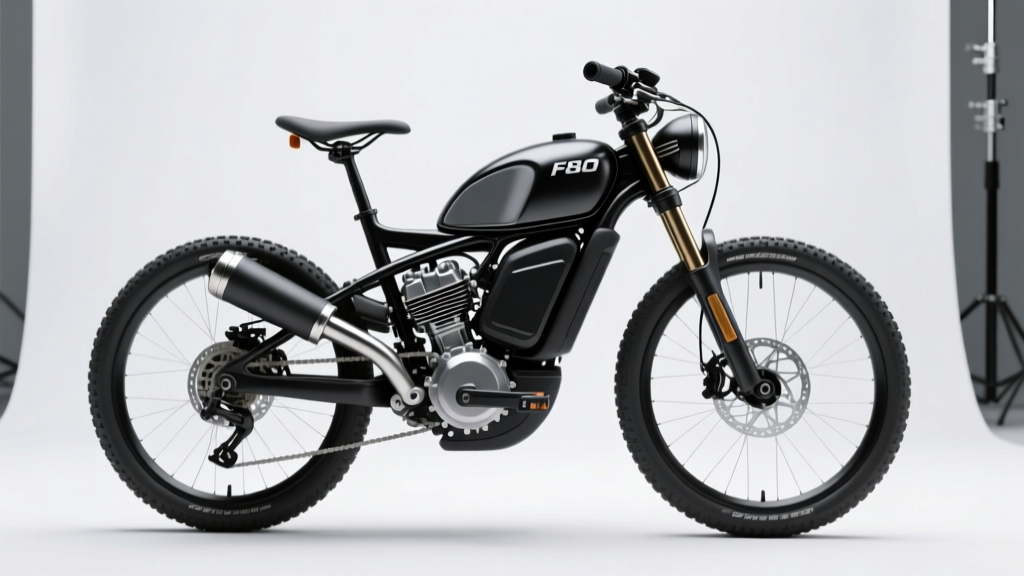
Types of Brush Cutter Cylinders
A brush cutter cylinder is the core engine component responsible for generating the mechanical power needed to drive the cutting head. Different cylinder designs offer varying levels of power, efficiency, and durability, making them suitable for specific applications—from light residential gardening to heavy-duty commercial land clearing.
Understanding the different types of cylinders helps users choose the right brush cutter for their needs, ensuring optimal performance, longevity, and safety.
Piston Cylinder
Used in traditional 2-stroke or 4-stroke engine models, the piston cylinder operates through reciprocating motion—where a piston moves up and down within the cylinder bore to generate power.
Advantages
- High torque output for tough vegetation
- Proven reliability in rugged conditions
- Excellent power-to-weight ratio
- Ideal for sustained heavy-duty operation
Limitations
- Higher vibration levels
- Requires regular maintenance (e.g., oil mixing, spark plug checks)
- Louder operation compared to electric models
Best for: Commercial landscaping, agricultural use, and thick brush clearing
Tubular Cylinder
A simplified, lightweight design often found in entry-level or electric brush cutters. This cylinder lacks a traditional piston mechanism and instead uses a direct-drive or rotary system to transfer power to the cutting head.
Advantages
- Compact and lightweight construction
- Low maintenance requirements
- Smooth and quiet operation
- Easier to start and handle
Limitations
- Lower power output
- Not suitable for dense or woody vegetation
- Limited runtime (especially battery-powered models)
Best for: Residential yard maintenance, light trimming, and small garden use
Rotary Cylinder
Designed for continuous rotational motion, this cylinder type powers high-efficiency brush cutters used in large-scale mowing operations. Unlike piston-based systems, it delivers consistent torque with minimal vibration.
Advantages
- High operational efficiency
- Reduced fatigue during prolonged use
- Smooth power delivery
- Excellent for repetitive, large-area cutting
Limitations
- Less effective on thick or fibrous weeds
- Typically found in specialized or industrial equipment
- Higher initial cost
Best for: Pasture land, fields, roadside maintenance, and municipal groundskeeping
Expansive Cylinder
Engineered for maximum power, expansive cylinders feature a larger bore and enhanced internal mechanics to deliver superior torque and cutting force. These are built for extreme conditions and heavy vegetation.
Advantages
- Exceptional cutting power
- Capable of clearing underbrush and small trees
- Durable construction for prolonged use
- Optimized for commercial and industrial applications
Limitations
- Heavier and bulkier design
- Higher fuel consumption
- Increased noise and vibration
- Requires skilled handling and maintenance
Best for: Heavy underbrush clearing, forestry work, and industrial land management
Reinforced Cylinder
Constructed with high-strength alloys and reinforced walls, this cylinder is built to withstand constant stress, impacts, and harsh environments. It’s commonly used in professional-grade equipment subjected to daily heavy use.
Advantages
- Superior durability and impact resistance
- Long service life even under extreme conditions
- Resistant to overheating and wear
- Ideal for rugged, off-road, or remote terrain use
Limitations
- Premium price point
- Heavier than standard cylinders
- May require specialized parts for repairs
Best for: Professional landscapers, forestry teams, and contractors in demanding environments
| Cylinder Type | Power Output | Durability | Best Use Case | Maintenance Level |
|---|---|---|---|---|
| Piston Cylinder | High | Very Good | Commercial & agricultural cutting | Moderate |
| Tubular Cylinder | Low to Medium | Good | Residential gardening | Low |
| Rotary Cylinder | Medium to High | Good | Large-area mowing | Moderate |
| Expansive Cylinder | Very High | Excellent | Heavy-duty clearing | High |
| Reinforced Cylinder | High | Excellent | Professional & industrial use | Moderate to High |
Expert Tip: For optimal performance and engine life, always use the manufacturer-recommended fuel-oil mix (for 2-stroke models) and inspect the cylinder and cooling fins regularly for debris buildup or damage, especially after heavy use.
Specifications and Maintenance of Brush Cutter Cylinder
The cylinder is one of the most critical components of a brush cutter, serving as the heart of its engine's combustion system. Selecting the right cylinder and maintaining it properly ensures optimal power output, fuel efficiency, and long-term reliability. Unfortunately, many users overlook key specifications when replacing or upgrading this vital part, leading to reduced performance and premature failure.
Key Specifications to Consider
Cylinder Material
Brush cutter cylinders are typically constructed from either aluminum or steel, each offering distinct advantages depending on the application.
Aluminum cylinders are lightweight and naturally resistant to corrosion, making them ideal for outdoor use where exposure to moisture and debris is common. Their lighter weight contributes to overall tool balance and reduces operator fatigue during extended use.
Steel cylinders, while heavier, provide superior durability and heat resistance. They are better suited for high-intensity, commercial-grade applications where the engine runs for prolonged periods under heavy load. Many OEM replacement kits use reinforced steel alloys to extend service life in demanding environments.
Cylinder Diameter (Bore Size)
The cylinder’s internal diameter, also known as the bore size, directly influences engine displacement and power output. A larger bore allows for a bigger piston, which increases combustion volume and generates more torque and horsepower.
This makes larger-diameter cylinders preferable for heavy-duty brush clearing, thick vegetation, or professional landscaping tasks. However, compatibility with your specific brush cutter model is essential—aftermarket cylinders must match the original equipment manufacturer (OEM) specifications to ensure proper fitment and performance.
Smaller bore cylinders are sufficient for light residential use and offer improved fuel economy and easier starting, but may struggle with dense brush or continuous operation.
Cylinder Length (Stroke and Overall Height)
The length of the cylinder affects both engine performance and the physical dimensions of the brush cutter. A longer cylinder typically corresponds to a longer piston stroke, which can increase low-end torque—ideal for cutting through tough vegetation.
However, increased length adds weight and can make the machine more cumbersome, especially when working in tight spaces or overhead. For precision trimming and access to narrow or elevated areas, a shorter, more compact cylinder improves maneuverability and control.
Always verify that the cylinder length aligns with your engine’s design and housing constraints to prevent clearance issues or improper assembly.
Heat Dissipation & Fin Design
Often overlooked, the cylinder’s cooling fins play a crucial role in regulating engine temperature. Efficient heat dissipation prevents overheating, which can lead to piston seizure, warped components, or degraded performance.
Cylinders with well-designed, evenly spaced fins allow for optimal airflow, especially in air-cooled two-stroke engines commonly used in brush cutters. Damaged or clogged fins significantly reduce cooling efficiency, so they should be inspected regularly and kept free of dirt, oil, and grass buildup.
High-performance models may feature enhanced fin geometry or even composite coatings to improve thermal management under sustained load.
| Specification | Importance Level | Selection Guidelines |
|---|---|---|
| Cylinder Material | High | Choose aluminum for lightweight, corrosion-resistant use; steel for heavy-duty, long-life applications |
| Bore Diameter | High | Larger bore = more power; ensure compatibility with engine model and carburetor setup |
| Cylinder Length / Stroke | Medium | Longer stroke increases torque; shorter units improve balance and access in confined areas |
| Cooling Fin Integrity | Medium-High | Inspect for damage; clean regularly to prevent overheating and engine failure |
Essential Maintenance Tips for Longevity
Proper care of the brush cutter cylinder ensures consistent performance, reduces wear, and extends the life of the engine. Follow these best practices to keep your equipment running smoothly.
Important: Always refer to your brush cutter’s service manual before replacing or servicing the cylinder. Using non-OEM or incompatible parts can result in poor performance, safety hazards, or voided warranties. Regular maintenance not only preserves engine efficiency but also enhances operator safety and reduces long-term repair costs.
Usage Scenarios of Brush Cutter Cylinders
Brush cutter cylinders are the power-generating core of modern brush cutting equipment, engineered to deliver reliable performance across a wide range of demanding environments. These cylinders—whether rotary, piston, tubular, or reinforced expansive types—convert fuel or electric energy into mechanical force, enabling the cutting head to tackle vegetation efficiently. Selecting the right cylinder type for a specific application ensures optimal performance, durability, and safety. Below is a detailed breakdown of the most common usage scenarios and the corresponding cylinder types best suited for each.
Landscaping
Professional landscapers rely on high-performance brush cutter cylinders to maintain large-scale commercial properties such as parks, golf courses, sports fields, and estate grounds. These environments often feature dense overgrowth, thick weeds, and small woody vegetation that require substantial cutting power.
- Piston cylinders are preferred due to their superior torque and consistent power delivery under load
- Ideal for cutting through thick brush, saplings, and invasive plant species
- Enhanced cooling systems prevent overheating during prolonged use
- Fuel-efficient designs reduce operating costs for daily commercial use
Key advantage: High horsepower-to-weight ratio ensures powerful performance without compromising maneuverability
Agriculture
In agricultural operations, brush cutter cylinders play a vital role in land preparation and maintenance. Farmers and agri-technicians use them to clear fields of unwanted vegetation, manage fence-line overgrowth, and prepare land for planting or grazing.
- Expansive and reinforced cylinders are standard due to their rugged construction and resistance to dust, moisture, and debris
- Designed for extended runtime and minimal maintenance in remote locations
- Compatible with multi-tool attachments (e.g., flail mowers, trimmers)
- High thermal tolerance prevents performance drop in hot field conditions
Pro insight: Look for cylinders with protective shrouds and air filtration systems to extend service life in dusty environments
Forestry
Forestry professionals use brush cutters equipped with robust cylinders to manage underbrush, control invasive species, and create firebreaks. These tasks are essential for sustainable forest management and safe timber harvesting operations.
- Reinforced cylinders with heavy-duty casings withstand impacts from rocks, roots, and stumps
- Optimized for low-end torque to maintain cutting speed through dense foliage
- Vibration-dampening mounts reduce operator fatigue during long shifts
- Weather-resistant seals protect internal components from humidity and rain
Critical feature: Durable crankshaft and connecting rod design ensures reliability in continuous operation
Large Property Maintenance
Owners and managers of large estates, ranches, and rural properties use brush cutters to keep expansive areas free of overgrowth. These applications demand consistent power and efficiency over long distances and varied terrain.
- Rotary and expansive cylinders provide steady power output and excellent fuel economy
- Suitable for mowing tall grass, brambles, and light brush over acres of land
- Integrated oil monitoring systems help prevent damage from low lubrication
- Ergonomic design reduces strain during extended use
Efficiency tip: Pair with wide-deck cutting heads to maximize coverage per pass
Roadside Vegetation Management
Municipalities and transportation departments deploy brush cutters to maintain visibility, prevent drainage blockages, and enhance roadside safety. This application often involves cutting through dense, fast-growing vegetation along highways and rural roads.
- Piston and expansive cylinders deliver the high power needed for dense brush and tall weeds
- Designed for frequent start-stop cycles and variable load conditions
- Low-emission models comply with environmental regulations in urban zones
- Quick-access maintenance points allow for rapid servicing in field operations
Safety note: Automatic shutdown features protect against overheating during prolonged use in hot weather
Urban and Suburban Areas
In cities and suburbs, brush cutters are used to maintain green spaces such as vacant lots, park edges, bike trails, and utility corridors. These settings require equipment that balances power with user-friendliness and noise control.
- Tubular and rotary cylinders are commonly used—lightweight and efficient for light to medium-duty tasks
- Lower noise output makes them suitable for residential areas with noise restrictions
- Compact design allows access to tight or confined spaces
- Fuel-injected or electric-start options improve ease of use for municipal workers
Community consideration: Electric or hybrid models reduce emissions and noise pollution in populated areas
Professional Recommendation: Always match the cylinder type to the job intensity. While tubular and rotary models are sufficient for light urban maintenance, agricultural and forestry tasks demand reinforced or piston-based systems for long-term reliability. Consider total cost of ownership—including fuel efficiency, maintenance frequency, and lifespan—when advising customers on equipment choices.
| Application | Recommended Cylinder Type | Power Output Range | Key Features |
|---|---|---|---|
| Landscaping (Commercial) | Piston / High-Torque Rotary | 2.5 – 4.0 HP | High torque, heat dissipation, durable housing |
| Agriculture | Reinforced Expansive | 3.0 – 5.0 HP | Dust-proof seals, extended cooling fins, rugged build |
| Forestry | Heavy-Duty Reinforced | 3.5 – 5.5 HP | Impact resistance, vibration reduction, weather sealing |
| Large Property Maintenance | Rotary / Expansive | 2.8 – 4.2 HP | Fuel efficiency, low maintenance, consistent output |
| Roadside Management | Piston / High-Output Expansive | 3.2 – 5.0 HP | High RPM capability, quick cooling, emission control |
| Urban/Suburban Use | Tubular / Standard Rotary | 1.8 – 3.0 HP | Lightweight, quiet operation, compact design |
Additional Considerations for Optimal Performance
- Environmental Conditions: Choose cylinders with sealed bearings and corrosion-resistant coatings for humid or coastal regions
- Fuel Type: Gasoline-powered cylinders offer portability; electric or hybrid models are ideal for noise-sensitive zones
- Maintenance Access: Models with easily removable covers and accessible spark plugs reduce downtime
- Vibration Control: Anti-vibration mounts improve user comfort and reduce long-term wear on components
- Brand Reliability: Trusted manufacturers provide consistent quality, technical support, and warranty coverage (typically 1–3 years)
How to Choose the Right Cylinder for Your Brush Cutter
Selecting the appropriate cylinder for your brush cutter is essential for maximizing performance, efficiency, and longevity. Whether you're using the equipment for commercial landscaping, agricultural maintenance, or property management, the right cylinder can significantly impact productivity and operator comfort. This comprehensive guide outlines the most critical factors to consider when choosing a brush cutter cylinder tailored to your business needs.
Important Note: The cylinder is a core component of the brush cutter’s engine system, directly influencing power output, fuel efficiency, and durability. Choosing the wrong cylinder can lead to reduced performance, increased maintenance costs, and potential equipment damage.
1. Motor Power
The motor power of the cylinder—typically measured in cubic centimeters (cc) or horsepower (HP)—determines the overall strength and capability of the brush cutter. A higher-displacement cylinder generates more torque and cutting force, making it ideal for demanding tasks such as clearing thick brush, saplings, or overgrown vegetation.
Conversely, smaller cylinders (e.g., 25cc–40cc) are sufficient for light-duty applications like trimming grass, weeds, and light undergrowth. For commercial use, cylinders in the 45cc–75cc range are commonly preferred due to their balance of power and portability.
- Light-duty work: 25cc–40cc – Suitable for residential or occasional use
- Medium-duty work: 40cc–55cc – Ideal for regular commercial trimming
- Heavy-duty work: 55cc–75cc+ – Best for dense brush, small trees, and prolonged operation
2. Size and Weight
The physical dimensions and weight of the cylinder directly affect the overall size and balance of the brush cutter. Larger cylinders provide greater power but add significant weight, which can lead to operator fatigue during extended use.
Compact and lightweight cylinders improve maneuverability and ease of handling, especially in tight spaces or uneven terrain. Consider the working environment and duration of use when evaluating size. Additionally, storage space should be factored in—compact models are easier to store and transport, particularly for businesses with limited workshop space.
3. Durability and Build Quality
Durability is a key investment factor, especially for commercial operations where equipment is used daily. A robust cylinder reduces downtime, minimizes repair frequency, and extends the lifespan of the brush cutter.
Look for cylinders constructed from high-grade materials such as forged steel or reinforced aluminum alloys. Steel cylinders generally offer superior wear resistance and heat dissipation, making them ideal for heavy-duty applications. Some models feature chrome-plated cylinders or thermal barrier coatings to reduce internal wear and improve longevity.
Additionally, consider the cooling system—air-cooled cylinders are common, but models with enhanced finning or oil-cooling systems perform better under continuous load.
4. Compatibility with Your Brush Cutter Model
Ensuring compatibility between the cylinder and your existing brush cutter is critical. An incompatible cylinder may not fit properly, could disrupt engine timing, or cause damage to the crankshaft, carburetor, or exhaust system.
Always refer to the manufacturer’s specifications or service manual to confirm:
- Bore and stroke dimensions
- Crankshaft diameter and spline count
- Exhaust and intake port alignment
- Mounting bolt pattern
- Ignition system compatibility (e.g., CDI, spark plug position)
Using OEM (Original Equipment Manufacturer) or certified aftermarket cylinders ensures proper fitment and simplifies future maintenance and part replacements.
5. Cutting Power and Performance
Cutting power is directly linked to the cylinder’s displacement, compression ratio, and combustion efficiency. A high-performance cylinder delivers consistent power across RPM ranges, enabling smooth cutting through dense vegetation without bogging down.
For commercial landscapers, look for cylinders optimized for mid-to-high RPM performance, as brush cutters typically operate at high speeds. Some performance cylinders feature upgraded ports, domed pistons, or improved airflow design to enhance power delivery.
6. Noise and Vibration Levels
Excessive noise and vibration are common issues with poorly balanced or low-quality cylinders. High vibration levels can cause operator fatigue, reduce control, and lead to long-term health issues such as hand-arm vibration syndrome (HAVS).
Modern cylinders often include anti-vibration mounts, counter-balanced crankshafts, or rubber-damped housings to minimize these effects. Low-noise designs also contribute to a more comfortable working environment, especially in residential areas where noise regulations may apply.
When comparing options, prioritize models with vibration-dampening technology and sound-reducing engine shrouds.
7. Cost and Long-Term Value
While initial cost is an important consideration, it should be weighed against long-term value. A premium cylinder may have a higher upfront price but can offer better fuel efficiency, longer service intervals, and reduced downtime—ultimately saving money over time.
Conversely, budget cylinders may require more frequent replacements or modifications, leading to higher total ownership costs. Evaluate the warranty, availability of spare parts, and customer reviews before making a decision.
| Cylinder Type | Best For | Power Range | Pros | Cons |
|---|---|---|---|---|
| Standard Steel Cylinder | Heavy-duty commercial use | 50cc–75cc+ | High durability, excellent heat resistance | Heavier, may increase operator fatigue |
| Aluminum Alloy Cylinder | Light to medium-duty tasks | 25cc–50cc | Lightweight, good corrosion resistance | Less durable under continuous heavy load |
| Performance Cylinder | High-efficiency professional use | 45cc–70cc | Increased horsepower, optimized airflow | Higher cost, may require tuning |
| OEM Replacement Cylinder | Direct replacement, maintenance | Varies by model | Guaranteed compatibility, reliable performance | Limited performance upgrades |
Expert Tip: Before purchasing a new cylinder, inspect your current unit for wear patterns, carbon buildup, or piston scoring. This can help you identify underlying issues (like poor fuel mixture or overheating) that could affect the performance of a new cylinder if not addressed.
Final Recommendations
- Assess your typical workload—choose a cylinder that matches your most frequent cutting demands.
- Prioritize compatibility and build quality over price alone.
- Consider upgrading to a low-vibration model for improved operator comfort and productivity.
- Keep spare gaskets, mounting hardware, and torque specifications on hand for installation.
- After installation, break in the new cylinder gradually by avoiding full-throttle operation for the first few hours.
Choosing the right brush cutter cylinder is more than just matching size and power—it's about ensuring reliability, compatibility, and long-term value for your business. By carefully evaluating motor power, durability, noise, and total cost of ownership, you can select a cylinder that enhances performance and supports your operational goals. When in doubt, consult with a certified small engine technician or the equipment manufacturer for model-specific guidance.
Frequently Asked Questions About Brush Cutter Cylinders
Q1: What materials are commonly used to make a brush cutter cylinder?Brush cutter cylinders are primarily constructed from two key materials: aluminum and steel. Each offers distinct advantages depending on the application and user needs.
- Aluminum: Known for its lightweight nature and excellent resistance to corrosion, aluminum is ideal for reducing overall equipment weight. This makes it particularly suitable for residential or occasional use where portability and ease of handling are important. It also performs well in humid or coastal environments where rust can be a concern.
- Steel: Offers superior strength, durability, and impact resistance, making it the preferred choice for professional landscaping, forestry, and industrial applications. While heavier than aluminum, steel can withstand prolonged use, harsh conditions, and accidental impacts without deforming.
The decision between aluminum and steel should be based on your specific usage pattern. For light to moderate outdoor trimming tasks, aluminum provides a balanced mix of performance and convenience. For heavy-duty, continuous operation in rugged terrain, steel’s resilience makes it the more reliable long-term investment.
Q2: Can a brush cutter operate for more than one hour consecutively?Most brush cutters are designed for **intermittent use** rather than continuous operation. While some high-end or commercial-grade models may support extended run times, standard units—especially those with smaller engines or air-cooled systems—require periodic breaks to prevent overheating.
- For light-duty or homeowner models, it's recommended to operate for 30–45 minutes followed by a 10–15 minute cooldown period.
- Heavy-duty brush cutters equipped with enhanced cooling systems (such as improved airflow or liquid cooling) can often run for up to 60–90 minutes continuously, provided they are well-maintained and operated under optimal conditions.
- Overheating risks include engine seizure, reduced efficiency, and accelerated wear on internal components like the cylinder and piston.
To ensure longevity and safe operation, always follow the manufacturer’s guidelines regarding duty cycles and allow sufficient cooling time between uses, especially in hot weather or during intensive cutting sessions.
Q3: When should a brush cutter's cylinder be replaced?The cylinder is a critical component of the engine, and its condition directly affects performance and reliability. Replacement is necessary when signs of significant wear or damage appear:
- Visible Internal Damage: Scoring, pitting, or cracking inside the cylinder wall indicates metal degradation and loss of compression, which reduces engine power.
- Loss of Performance: Difficulty starting, decreased power output, excessive smoke, or irregular engine behavior may point to compromised cylinder integrity.
- Frequent Repairs: If the cylinder requires repeated fixes—such as re-boring or piston replacement—it may be more cost-effective to install a new one.
- Mileage/Usage Threshold: In professional settings, cylinders may need replacement after several hundred hours of operation, depending on maintenance history and operating conditions.
A qualified technician can perform a compression test or visual bore inspection to determine whether repair or full replacement is the best course of action. Ignoring cylinder issues can lead to complete engine failure.
Q4: Do brush cutter cylinders require frequent maintenance?Brush cutter cylinders do not require daily maintenance, but regular care significantly extends their lifespan and ensures consistent performance. Proper upkeep minimizes wear and prevents avoidable damage.
- Lubrication: Ensure proper oil-to-fuel ratios (for 2-stroke engines) or check oil levels (for 4-stroke models) to maintain adequate lubrication of the cylinder walls and piston.
- Cleaning: After each use, especially in dusty or wet environments, clean the exterior of the engine to prevent debris buildup that can affect cooling and ventilation.
- Inspection: Periodically inspect for signs of overheating (discoloration), leaks, or abnormal noises during operation.
- Air Filter Maintenance: A clean air filter prevents abrasive particles from entering the combustion chamber and damaging the cylinder surface.
With basic preventive practices, even large fleets of brush cutters can maintain cylinder health efficiently. Scheduled maintenance not only reduces downtime but also lowers long-term repair costs.
Q5: How to know which cylinder is ideal—reinforced or expansive?Choosing between a reinforced and an expansive cylinder depends on the intended workload, cutting environment, and durability expectations. Understanding the differences helps match the right component to your needs.
| Feature | Reinforced Cylinder | Expansive Cylinder |
|---|---|---|
| Purpose | Built for enhanced durability and longevity under stress. | Designed for higher displacement and increased power output. |
| Construction | Thicker walls, hardened coatings, and heat-treated materials to resist wear and deformation. | Larger bore diameter to allow greater fuel-air mixture combustion and torque generation. |
| Best For | Users needing reliability in tough conditions—ideal for contractors and frequent operators. | Applications requiring more cutting force—such as thick brush, saplings, or dense vegetation. |
| Trade-offs | Slightly heavier but far more resilient over time. | May generate more heat; requires robust cooling and precise tuning. |
In summary, choose a reinforced cylinder if your priority is long-term durability and resistance to wear. Opt for an expansive cylinder when you need increased engine power to tackle heavier vegetation. Some professional models combine both features for maximum performance and resilience.