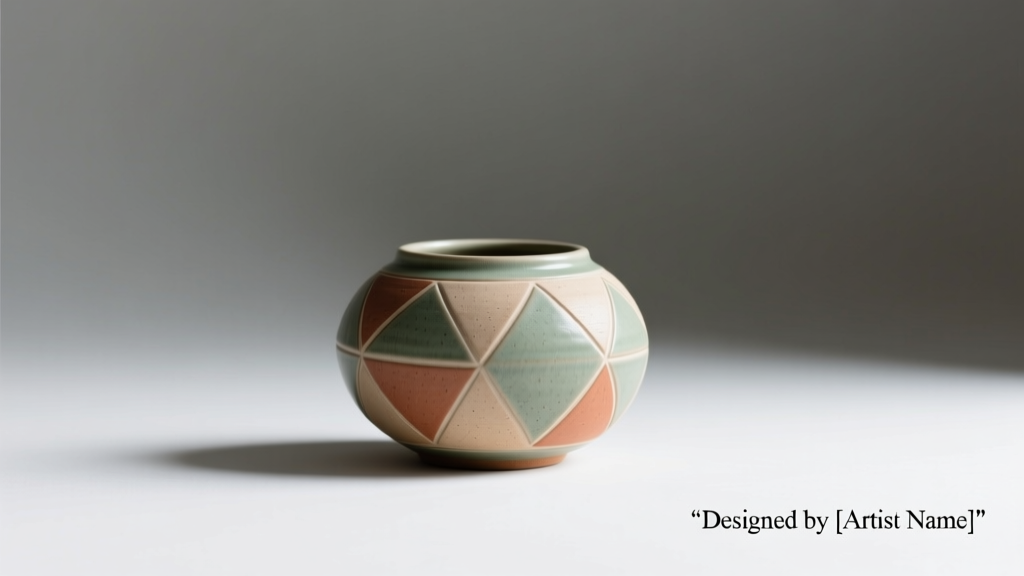
Materials Used for Custom Design Moulds
A custom design mould is a precision tool used in manufacturing to shape materials such as plastics, metals, resins, and composites. The choice of mould material significantly impacts production efficiency, part quality, durability, and cost. Selecting the right material depends on factors like production volume, complexity of design, required tolerances, and budget. Below is a comprehensive overview of the most widely used materials in custom mould fabrication.
Steel (Alloy Steel)
Steel, especially high-grade alloy steels like P20, H13, and S7, is the gold standard for high-volume production moulds. These steels offer exceptional strength, wear resistance, and thermal stability.
Advantages
- Extremely durable and long-lasting
- High resistance to wear and abrasion
- Suitable for high-pressure and high-temperature processes
- Ideal for mass production (100,000+ cycles)
- Excellent dimensional stability
Limitations
- Higher initial cost
- Difficult and time-consuming to machine
- Heavier, increasing handling and setup time
- Requires specialized tooling and expertise
Best for: High-volume injection molding, automotive parts, industrial components
Aluminum
Aluminum alloys such as 6061, 6063, and 7075 are popular for low-to-medium volume production and rapid prototyping. Their softness allows for faster machining and shorter lead times.
Advantages
- Easy and fast to machine
- Lightweight and easier to handle
- Lower cost compared to steel
- Good thermal conductivity for faster cooling
- Ideal for prototyping and bridge tooling
Limitations
- Less durable than steel (typically 5,000–25,000 cycles)
- Prone to wear and surface damage under high pressure
- Limited use in high-temperature applications
- Not suitable for abrasive materials
Best for: Prototypes, short-run production, aerospace and consumer goods
Syntactic Foam
Syntactic foam is a composite material filled with microscopic hollow spheres (microballoons), offering a unique combination of low density and high rigidity. It’s commonly used in molds for composite layups and aerospace applications.
Advantages
- Extremely lightweight
- Excellent dimensional stability
- Poor conductor of heat and electricity (ideal for insulation)
- Resistant to moisture and chemicals
- Easy to shape and machine
Limitations
- Lower mechanical strength
- Not suitable for high-pressure molding
- Limited reusability
- Can degrade under prolonged UV exposure
Best for: Composite molds, aerospace tooling, marine applications
Silicone Rubber
Silicone rubber is a flexible, heat-resistant elastomer used to create soft molds for casting resins, concrete, plaster, and wax. It captures fine details with excellent release properties.
Advantages
- High flexibility for easy demolding
- Excellent detail reproduction
- Rapid mold fabrication (no machining required)
- Good heat resistance (up to 200–250°C)
- Ideal for complex geometries and undercuts
Limitations
- Low durability (typically 10–50 uses)
- Susceptible to tearing and abrasion
- Not suitable for high-pressure processes
- Limited dimensional stability over time
Best for: Art casting, jewelry, prototyping, decorative concrete
3D Printed Resin
With advances in additive manufacturing, photopolymer and thermosetting resins are now used to 3D print highly complex moulds directly from digital designs. These molds are ideal for rapid development and intricate shapes.
Advantages
- Ultra-fast production (hours vs. days)
- Capable of highly complex and organic geometries
- No need for traditional CNC machining
- Perfect for design iteration and testing
- Cost-effective for one-off or low-volume runs
Limitations
- Limited heat and pressure resistance
- Lower strength and durability
- Surface finish may require post-processing
- Not suitable for long-term or high-volume use
Best for: Rapid prototyping, custom tooling, architectural models, medical devices
| Material | Durability | Machinability | Production Volume | Best Application |
|---|---|---|---|---|
| Steel (P20/H13/S7) | Excellent | Fair | High (100K+ cycles) | Mass production, automotive, industrial |
| Aluminum (6061/7075) | Good | Excellent | Medium (5K–25K cycles) | Prototyping, consumer goods |
| Syntactic Foam | Fair | Good | Low to Medium | Composite layups, aerospace |
| Silicone Rubber | Fair | Excellent | Low (10–50 uses) | Art casting, jewelry, decor |
| 3D Printed Resin | Fair | Excellent | Very Low (1–100 uses) | Rapid prototyping, complex designs |
Expert Tip: For hybrid approaches, consider using aluminum molds with steel inserts in high-wear areas. This combines fast machining and lower cost with enhanced durability where it's needed most.
Usage Scenarios of Custom Design Molds
Custom design molds are essential tools in modern manufacturing and creative industries, enabling the precise and efficient production of components tailored to specific requirements. By replicating complex geometries with high consistency, these molds streamline production, reduce waste, and support innovation across diverse sectors. Below is a detailed exploration of key industries leveraging custom molds, along with their benefits and real-world applications.
Key Industries Utilizing Custom Design Molds
-
Automotive Industry
The automotive sector relies heavily on custom molds to produce body panels, dashboards, bumpers, interior trims, and structural components. Using injection molding and compression molding techniques, manufacturers can mass-produce complex, lightweight, and durable parts with tight tolerances.
A key benefit is the ability to maintain consistent quality and safety standards across millions of vehicles. Additionally, molds allow for seamless integration of branding elements, ergonomic features, and aerodynamic designs, enhancing both functionality and aesthetics.
-
Consumer Electronics
From smartphones and laptops to wearable devices, consumer electronics depend on custom molds to fabricate enclosures, buttons, circuit board housings, and internal brackets. Precision is critical—molds must accommodate tight tolerances, intricate ventilation patterns, and embedded components like sensors and antennas.
These molds enable high-volume production with minimal variation, ensuring that devices fit perfectly, function reliably, and meet design expectations. They also support rapid prototyping and iterative design improvements during product development.
-
Healthcare and Medical Devices
In the healthcare industry, custom molds are used to manufacture syringes, IV connectors, surgical instruments, prosthetics, dental aligners, and implantable devices such as pacemaker casings. Many of these products require biocompatible materials and sterilization compatibility.
The precision of custom molds ensures patient safety, regulatory compliance, and ergonomic fit. For example, hearing aids and orthodontic devices are often created using molds derived from 3D scans, allowing for fully personalized medical solutions.
-
Packaging Solutions
The packaging industry uses custom molds to produce bottles, containers, caps, blister packs, and clamshells for food, beverages, pharmaceuticals, and cosmetics. These molds are designed to match product shape, volume, and branding requirements.
Beyond functionality, molds contribute to brand identity and sustainability. For instance, custom-shaped bottles can enhance shelf appeal, while molds for biodegradable or recyclable materials support eco-friendly packaging innovations.
-
Aerospace Components
Aerospace engineering demands extreme precision and reliability. Custom molds are used to fabricate turbine blades, fuselage sections, ducting systems, and interior cabin components—often from advanced composites like carbon fiber reinforced polymers (CFRP).
These molds ensure aerodynamic accuracy, structural integrity, and weight optimization, all of which are critical for fuel efficiency and flight safety. Given the high cost of failure, aerospace molds undergo rigorous testing and quality control.
-
Custom Design and Art Applications
Artists, sculptors, and designers use custom molds to reproduce sculptures, furniture pieces, decorative tiles, and architectural elements. Whether casting in resin, concrete, or silicone, molds allow for replication of intricate details from an original master model.
This technique supports artistic scalability and creative experimentation, enabling limited-edition runs or large installations without compromising craftsmanship. It also reduces the time and labor required for hand-sculpting each piece.
Comparative Benefits Across Industries
Mass Production Efficiency
Industries like automotive and electronics use molds to produce thousands or millions of identical parts quickly and cost-effectively. Once the mold is created, per-unit production time and cost drop significantly.
Precision and Consistency
Medical and aerospace applications require micron-level accuracy. Custom molds ensure every component meets exact specifications, reducing defects and ensuring regulatory compliance.
Design Flexibility
From ergonomic medical devices to avant-garde art installations, molds allow for complex shapes and textures that would be difficult or impossible to achieve manually.
Sustainability Support
Modern mold design supports the use of recyclable and biodegradable materials, helping industries meet environmental goals—especially in packaging and consumer goods.
| Industry | Common Mold Types | Primary Materials Used | Key Requirements |
|---|---|---|---|
| Automotive | Injection, Compression | ABS, Polypropylene, TPE | Durability, heat resistance, aesthetic finish |
| Consumer Electronics | Micro-injection, Overmolding | Polycarbonate, Nylon, PBT | Dimensional accuracy, EMI shielding, thin walls |
| Healthcare | Insert, Liquid Silicone | Medical-grade silicone, PEEK, PVC | Sterilizability, biocompatibility, precision |
| Packaging | Blow, Thermoforming | HDPE, PET, PLA | Barrier properties, clarity, recyclability |
| Aerospace | Composite layup, RTM | Carbon fiber, Epoxy, PEEK | High strength-to-weight ratio, thermal stability |
| Art & Design | Silicone, Plaster, Resin Casting | Silicone, Concrete, Epoxy Resin | Detail reproduction, flexibility, reusability |
Note: While custom molds offer significant advantages, initial tooling costs can be high. It's essential to conduct thorough design validation and prototyping before full-scale mold production. Partnering with experienced mold engineers and using simulation software can minimize risks and optimize performance across all applications.
How to Choose Custom Design Moulds
Selecting the right custom design mold is a crucial step in ensuring manufacturing efficiency, product quality, and cost-effectiveness. Whether you're producing prototypes or launching full-scale production, understanding the key selection criteria will help you make informed decisions tailored to your specific application. Below is a comprehensive guide to help buyers evaluate and choose the optimal mold for their needs.
Material of the Mold
The choice of mold material directly impacts durability, precision, and suitability for different production environments. Materials are selected based on the intended use, expected lifespan, and required surface finish of the final product.
- Steel molds are ideal for high-volume production due to their exceptional durability and resistance to wear and heat. They maintain dimensional stability over thousands of cycles.
- Aluminum molds offer faster machining times and lower costs, making them suitable for medium-volume runs and prototypes with tight deadlines.
- Silicone molds (often referred to as "silon molds") are flexible and cost-effective, perfect for low-volume casting of resins, concrete, or food-grade materials.
- 3D-printed resin molds provide rapid turnaround for prototyping and complex geometries but are generally not suitable for high-temperature or high-pressure applications.
Key consideration: Match the mold material to your production environment—high heat and pressure demand robust metals, while flexibility and speed favor polymers or silicones.
Design Complexity and Detail
The intricacy of your product design plays a major role in determining the mold-making process and material. Fine details, undercuts, internal cavities, and surface textures require advanced tooling techniques.
- High-detail designs may require CNC machining or EDM (Electrical Discharge Machining) for precision metal molds.
- Silicone molds excel at capturing fine textures and complex organic shapes, making them popular in art, jewelry, and medical modeling.
- 3D printing allows for intricate internal structures that would be impossible with traditional tooling.
- Multi-part molds (e.g., 2-plate or 3-plate systems) may be necessary for parts with undercuts or asymmetrical features.
Pro tip: Consult with your mold designer early to identify potential draft angles, parting lines, and ejection challenges in complex designs.
Tolerances and Precision Requirements
Dimensional accuracy is critical in applications where parts must fit together seamlessly or meet strict regulatory standards. The mold must consistently reproduce the design within specified tolerances.
- Metal molds (especially hardened steel) can achieve tolerances as tight as ±0.005 mm, ideal for automotive, aerospace, or medical components.
- Silicone and resin molds typically have looser tolerances (±0.1–0.5 mm), acceptable for prototypes or non-critical parts.
- Thermal expansion and shrinkage rates of both mold and casting material must be accounted for during design.
- Regular inspection and maintenance ensure long-term consistency in high-precision applications.
Critical factor: Always specify required tolerances upfront to avoid costly rework or rejected batches.
Production Volume and Mold Longevity
The number of units you plan to produce determines the mold’s required lifespan and influences material and construction choices.
- Low-volume production (1–100 units): Silicone, urethane, or 3D-printed molds are economical and sufficient.
- Medium-volume (100–10,000 units): Aluminum or pre-hardened steel molds offer a balance of cost and durability.
- High-volume (10,000+ units): Hardened steel molds are essential to withstand repeated cycles without degradation.
- Consider mold maintenance schedules—polishing, cleaning, and repair can extend service life significantly.
Smart choice: Invest in a durable mold if future scaling is anticipated, even if starting with small batches.
Cost Considerations and ROI
While initial mold cost is important, long-term value should be evaluated in terms of cost per unit, maintenance, and production efficiency.
- Silicone and 3D-printed molds: $100–$1,000 — best for prototyping and short runs.
- Aluminum molds: $2,000–$10,000 — moderate upfront cost with good longevity.
- Steel molds: $10,000–$50,000+ — high initial investment but lowest cost per unit over time.
- Include secondary costs: surface finishing, texture engraving, ejector systems, and cooling channels.
Key insight: A higher-quality mold may cost more initially but can save thousands in reduced scrap, downtime, and labor over its lifespan.
Lead Time and Design Flexibility
Time-to-market is often a decisive factor, especially in competitive industries or time-sensitive projects.
- 3D-printed or silicone molds can be ready in 1–5 days, enabling rapid iteration.
- Custom steel molds may take 4–12 weeks depending on complexity and supplier workload.
- Modular or insert-based designs allow for future modifications without replacing the entire mold.
- Digital prototyping and simulation tools help identify issues before mold fabrication begins.
Time-saving tip: Use rapid prototyping molds to validate design and function before committing to expensive production tooling.
Professional Recommendation: For most businesses, a phased approach works best—start with a silicone or aluminum prototype mold to test market demand and refine design, then transition to a hardened steel production mold once the design is finalized and volume increases. This strategy minimizes risk and optimizes investment.
| Project Type | Recommended Mold Material | Expected Lifespan (Cycles) | Lead Time | Ideal For |
|---|---|---|---|---|
| Concept Prototype | Silicone or 3D-Printed Resin | 10–100 | 1–5 days | Design validation, presentation models |
| Functional Prototype / Low-Volume | Aluminum | 1,000–10,000 | 2–4 weeks | Testing, small batches, startups |
| Medium-Volume Production | Pre-Hardened Steel | 50,000–100,000 | 4–8 weeks | Established products, moderate demand |
| High-Volume Mass Production | Hardened Steel | 100,000+ | 6–12 weeks | Automotive, consumer goods, medical devices |
Additional Considerations
- Surface Finish: Polished, textured, or matte finishes can be built into the mold to reduce post-processing.
- Thermal Conductivity: Aluminum dissipates heat faster than steel, reducing cycle times in injection molding.
- Ejection System: Proper ejector pin placement prevents part damage and ensures consistent demolding.
- Maintenance Requirements: Metal molds require regular cleaning and lubrication; silicone molds degrade with UV and chemical exposure.
- Supplier Expertise: Choose a mold maker with experience in your industry and material type for optimal results.
Comprehensive Guide to Custom Design Molds: Q&A
Welcome to our detailed Q&A resource on custom design molds—a critical component in modern manufacturing. Whether you're an engineer, product designer, or business owner exploring production options, understanding molds is essential for achieving precision, efficiency, and innovation in your manufacturing process. This guide answers the most frequently asked questions with expanded technical insights and practical applications.
What is a Custom Design Mold?
A custom design mold is a precision-engineered tool specifically fabricated to produce a unique part or product that cannot be manufactured using standard, off-the-shelf tooling. These molds are tailored to the exact geometric, dimensional, and functional specifications of a client’s design. They are commonly used in processes such as injection molding, die casting, blow molding, and compression molding.
Custom molds are typically made from durable materials like hardened steel, aluminum, or pre-hardened tool steels, depending on production volume and material being molded. They are essential for creating components in industries such as automotive, medical devices, consumer electronics, and aerospace, where consistency, repeatability, and tight tolerances are crucial.
Expert Insight: Custom molds are not just about shape—they also account for factors like draft angles, shrinkage rates, cooling channels, and ejection mechanisms to ensure high-quality, defect-free production.
What is the Difference Between a Mold and a Die?
While the terms mold and die are often used interchangeably, they serve different functions in manufacturing:
- Mold: Used primarily in forming processes to create three-dimensional (3D) objects. Molds are enclosed cavities into which molten material (such as plastic or metal) is injected, poured, or compressed. Examples include injection molds for plastic parts or die-casting molds for metal components.
- Die: Typically used in cutting or shaping operations to form two-dimensional (2D) profiles or sheet materials. Dies are commonly used in stamping, extrusion, and forging. For instance, a stamping die cuts and shapes sheet metal into automotive body panels, while an extrusion die shapes molten plastic into continuous profiles like pipes or window frames.
In short, molds shape materials into 3D forms through cavity replication, while dies cut or form materials in 2D or linear profiles.
Clarification Note: In some contexts—like "die casting"—the term "die" is used even though it functions as a mold. This reflects industry-specific terminology rather than a contradiction.
How Are Custom Molds Made?
The creation of a custom mold is a multi-stage engineering process that combines design, precision machining, and quality validation:
- Design & Prototyping: The process begins with a 3D CAD (Computer-Aided Design) model of the desired part. Engineers incorporate manufacturing considerations such as parting lines, gate locations, venting, and cooling systems.
- Mold Flow Analysis: Simulation software predicts how molten material will flow into the mold, helping to optimize design and prevent defects like warping or air traps.
- Material Selection: Tool steel (e.g., P20, H13, S136) is chosen based on durability needs. Aluminum may be used for low-volume prototypes due to faster machining.
- Machining: CNC (Computer Numerical Control) milling, EDM (Electrical Discharge Machining), and grinding are used to precisely carve the mold cavity and core. Tolerances are often within ±0.005 mm.
- Assembly & Finishing: The two mold halves (A-side and B-side) are assembled with guide pins, ejector pins, and cooling channels. Surface finishes are applied based on the desired texture (e.g., polished, matte, or textured).
- Testing & Validation: The mold undergoes trial runs (T0, T1, etc.) to verify part quality, cycle time, and functionality before full-scale production.
| Stage | Key Activities | Tools & Technologies | Typical Duration |
|---|---|---|---|
| Design | CAD modeling, DFM analysis | SolidWorks, AutoCAD, Moldflow | 1–2 weeks |
| Machining | CNC milling, EDM, grinding | CNC machines, wire-cut EDM | 2–6 weeks |
| Assembly | Component fitting, alignment | Manual assembly, precision jigs | 1 week |
| Trial & Validation | Sample production, defect analysis | Injection molding machine, QA tools | 1–2 weeks |
What Are the Benefits of Using Custom Molds?
Investing in a custom mold offers significant long-term advantages for businesses and manufacturers:
- Precision & Consistency: Custom molds ensure each part is produced with exact dimensional accuracy and surface finish, critical for assembly and performance in high-tolerance applications.
- Design Freedom: Complex geometries, undercuts, internal features, and multi-material components can be achieved—options not feasible with standard molds.
- Efficiency in Mass Production: Once the mold is created, parts can be produced rapidly and repeatedly with minimal labor, reducing per-unit cost over large volumes.
- Brand Differentiation: Unique product designs enabled by custom molds help companies stand out in competitive markets.
- Reduced Material Waste: Optimized mold design minimizes flash and excess material, supporting sustainability goals.
- Long-Term Cost Savings: While initial tooling costs are higher, the economies of scale make custom molds highly cost-effective for production runs exceeding several thousand units.
Pro Tip: Consider modular or family molds if you need to produce multiple related parts. This can reduce tooling costs and streamline production.
Additional Considerations
When planning for a custom mold, keep the following in mind:
- Factor in lead time—custom molds typically take 4–12 weeks to complete, depending on complexity.
- Work with experienced mold makers who understand your industry’s regulatory and quality standards (e.g., ISO, FDA).
- Plan for mold maintenance and storage to extend tool life and ensure consistent output.
- Consider rapid tooling options (e.g., 3D printed molds) for prototyping before committing to full steel tooling.
Custom molds are a strategic investment in product quality, scalability, and innovation. By understanding their design, function, and benefits, you can make informed decisions that enhance your manufacturing capabilities and competitive edge.