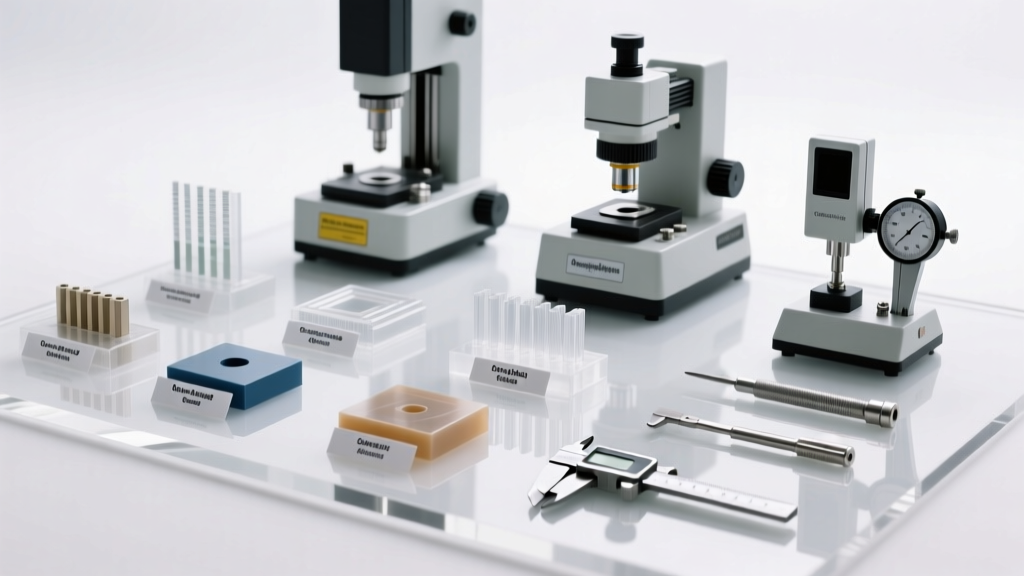
Types of Cold Forging Tools
Cold-forging tools are critical components in the cold forging process, a high-precision manufacturing technique where metal is shaped at or near room temperature without heating. This method enhances material strength, improves dimensional accuracy, and reduces waste, making it ideal for mass production of high-strength components in industries such as automotive, aerospace, and hardware.
Because cold forging subjects materials to extreme pressure, the tools used must be exceptionally durable, precisely engineered, and resistant to wear and deformation. Below is a detailed overview of the most common types of cold-forging tools, their functions, materials, and applications.
Dies
Forging dies are the primary shaping tools in cold forging, responsible for forming the workpiece into the desired geometry under high pressure. Made from high-strength tool steels or alloyed materials like H13, D2, or powdered metallurgy steels, they must resist cracking, wear, and thermal fatigue.
Advantages
- High precision and repeatability
- Capable of producing complex geometries
- Long service life with proper maintenance
- Excellent surface finish on final parts
Limitations
- High initial manufacturing cost
- Requires precise alignment and setup
- Subject to wear under repeated use
Best for: Creating both internal and external features of forged components
Die Holders
Die holders are robust fixtures that securely mount and align forging dies within the press. They ensure consistent positioning, prevent misalignment, and absorb lateral forces during operation. Typically made from forged steel or ductile iron, they play a crucial role in maintaining dimensional accuracy.
Advantages
- Ensures die stability and alignment
- Reduces part defects and rejects
- Protects dies from shifting or damage
- Facilitates quick die changes
Limitations
- Bulkier than dies, requiring more space
- Additional cost and complexity to system
- Must be precisely machined to fit dies
Best for: Maintaining precision in high-volume production environments
Forging Press Tools
These tools are integral to the forging press mechanism and transmit the force required to deform the workpiece. They include plungers, rams, and crossheads, which must be engineered for high load capacity and minimal deflection.
Key Components
- Plungers: Deliver direct forging force; often hardened and polished to reduce friction.
- Crossheads: Transfer power from the press motor to the plunger, ensuring even force distribution.
- Guides & Bushings: Maintain alignment and reduce wear during reciprocating motion.
Design Considerations
- Must withstand millions of cycles without failure
- Require regular lubrication and inspection
- Material selection is critical for longevity
Best for: High-force applications requiring consistent and reliable deformation
Extrusion Tools
Used in cold extrusion processes, these tools force metal through a die to create long, continuous shapes with uniform cross-sections—such as bolts, pins, and shafts. The system includes punches, dies, and containers designed to handle high compressive and shear stresses.
Advantages
- Produces net-shape or near-net-shape parts
- High material utilization (low scrap)
- Improved grain flow and mechanical properties
- Ideal for complex internal profiles
Challenges
- High tooling pressures require robust equipment
- Tool wear can affect dimensional consistency
- Limited to ductile materials like steel, aluminum, copper
Best for: Manufacturing fasteners, stepped shafts, and hollow components
| Tool Type | Primary Function | Typical Materials | Key Applications | Durability |
|---|---|---|---|---|
| Dies | Shape internal and external geometry of parts | H13, D2, M2 tool steels, PM alloys | Gears, bolts, connectors, automotive parts | High (with proper maintenance) |
| Die Holders | Secure and align dies during operation | Forged steel, ductile iron | Multi-station cold headers, vertical presses | Very High |
| Forging Press Tools | Transmit and distribute forging force | Alloy steel, case-hardened steel | Rams, plungers, crossheads in industrial presses | High |
| Extrusion Tools | Form continuous shapes via material displacement | Pre-hardened tool steels, carbide-lined dies | Bolts, pins, hollow shafts, electrical contacts | Moderate to High |
Expert Tip: To extend tool life in cold forging, implement a preventive maintenance schedule that includes regular inspection for micro-cracks, proper lubrication, and stress-relief heat treatments. Using surface treatments like nitriding or PVD coatings can significantly improve wear resistance and reduce downtime.
Detailed Breakdown of Die Types
Within cold forging, dies are categorized based on the type of shaping they perform:
-
Cavity Dies: These form the internal features of a component, such as holes, threads, or recesses. They often incorporate cores or mandrels and are essential in forward or backward extrusion processes. Precision machining is critical to ensure dimensional accuracy and surface finish.
-
Core Dies (or Punch Dies): These shape the external contours of the forged part. They work in conjunction with plungers or punches to define outer diameters, shoulders, and flanges. Core dies are typically subjected to high compressive loads and must resist deformation under repeated use.
Modern cold forging often uses multi-impression dies in progressive or transfer presses, allowing several operations—such as pre-forming, extruding, and trimming—to be completed in a single cycle, boosting efficiency and consistency.
Industrial Applications of Cold Forging Tools
Cold forging is a high-precision metal forming process that shapes materials at or near room temperature, eliminating the need for heating. This method enhances material strength through work hardening, improves dimensional accuracy, and reduces energy consumption. Cold forging tools—such as dies, punches, and mandrels—are engineered to withstand extreme pressures and repeated use, enabling the mass production of complex, high-integrity components across critical industries.
Aerospace Industry
High-Strength, Lightweight Components
In aerospace engineering, performance and safety depend on components that are both exceptionally strong and lightweight. Cold forging tools are used to manufacture critical parts such as landing gear components, turbine shafts, gears, brackets, and structural fittings. The cold forging process aligns the metal’s grain structure, enhancing fatigue resistance and tensile strength—essential qualities for parts exposed to extreme stress and cyclic loading.
Precision and Consistency
Aerospace components must meet stringent tolerances, often within microns. Cold forging tools are machined with ultra-high precision to ensure repeatability across thousands of parts. Even minor deviations in weight or geometry can impact aircraft balance, fuel efficiency, and safety. The cold forging process minimizes post-processing needs, reducing scrap rates and ensuring consistent quality in high-volume production.
Note: Aerospace-grade materials like titanium alloys and high-strength steels are commonly cold forged using specialized tooling designed to resist galling and wear, ensuring long die life and consistent output.
Automotive Industry
Engine and Powertrain Components
Cold forging is widely used to produce engine parts such as connecting rods, crankshafts, camshafts, and transmission gears. These components require high durability and resistance to mechanical stress. Cold forging enhances the mechanical properties of the metal, resulting in parts that can endure high torque, vibration, and thermal cycling without failure.
Mass Production Efficiency
The automotive sector relies on high-volume manufacturing with minimal variation. Cold forging tools enable rapid, automated production of identical parts with tight tolerances. This consistency is crucial for assembly-line efficiency and vehicle reliability. Additionally, cold forging reduces material waste and eliminates the need for heat treatment in many cases, lowering overall production costs.
Manufacturing of Hand Tools
Enhanced Durability and Performance
Hand tools such as wrenches, pliers, hammers, and socket sets are subjected to repeated impact and torque. Cold forging increases the density and strength of the metal, making tools more resistant to deformation and wear. The process also allows for complex shapes to be formed in a single operation, improving ergonomics and functionality.
Quality Control in Production
Cold forging tools ensure that each tool maintains uniform grain flow and mechanical properties. This consistency is vital for user safety and tool longevity. Manufacturers can produce millions of identical tools with minimal inspection required, thanks to the repeatability of the cold forging process.
Production of Fasteners
Superior Strength and Reliability
Bolts, screws, rivets, and other fasteners are often cold forged to optimize their strength-to-weight ratio. The cold working process aligns the grain structure along the shape of the fastener, significantly improving tensile and shear strength. This makes cold-forged fasteners ideal for critical applications in construction, automotive, and aerospace sectors.
High-Volume Uniformity
Cold forging tools enable the production of fasteners in large quantities with consistent dimensions, thread accuracy, and head geometry. This uniformity ensures reliable performance in automated assembly systems and prevents failures due to dimensional inaccuracies or weak spots.
Medical Equipment Manufacturing
Precision Surgical Instruments
In the medical field, cold forging is used to produce scalpels, forceps, clamps, and bone drills. These instruments require exceptional sharpness, strength, and dimensional accuracy. Cold forging tools allow for the creation of fine, intricate features with smooth surfaces, reducing the need for secondary machining and ensuring biocompatibility.
Implants and Biomedical Devices
Cold forging is also applied in the production of orthopedic implants such as bone screws and joint components. The process enhances the fatigue resistance of biocompatible metals like stainless steel and titanium, ensuring long-term performance inside the human body. Precision tooling guarantees that each implant meets strict regulatory standards for safety and efficacy.
| Industry | Common Components | Key Benefits of Cold Forging |
|---|---|---|
| Aerospace | Gears, brackets, structural fittings, turbine parts | High strength-to-weight ratio, fatigue resistance, precision tolerances |
| Automotive | Connecting rods, gears, shafts, suspension parts | Improved durability, reduced material waste, high repeatability |
| Hand Tools | Wrenches, pliers, hammers, sockets | Enhanced toughness, wear resistance, complex shaping |
| Fasteners | Bolts, screws, rivets, studs | Grain flow optimization, high tensile strength, uniformity |
| Medical | Surgical instruments, implants, bone screws | Micron-level precision, biocompatibility, reliability |
Important: Cold forging tools must be made from high-grade tool steels or carbides and are often coated with wear-resistant materials like titanium nitride (TiN) to extend service life. Proper maintenance, including regular inspection and reconditioning, is essential to sustain performance and prevent defects in the final products.
Product Specifications and Features of Cold Forging Tools
Cold-forging tools are engineered to withstand extreme pressures—often exceeding hundreds of tons—while delivering high-precision results in metal forming operations. Built for durability and accuracy, these tools play a critical role in manufacturing components for automotive, aerospace, and industrial sectors. Their robust construction ensures consistent performance, dimensional accuracy, and extended service life even under repetitive high-stress conditions.
Durable Materials
Cold forging tools are typically manufactured from high-performance alloys such as tool steel (e.g., H13, D2) or high-speed steel (HSS), chosen for their exceptional strength and resistance to deformation. In applications requiring maximum wear resistance—such as mass production of fasteners or precision gears—tools may be fabricated from tungsten carbide or other hard metal composites.
- Tool steels offer excellent toughness and moderate wear resistance, ideal for general cold forging tasks
- High-speed steels maintain hardness at elevated temperatures generated during rapid cycling
- Carbide inserts or full-carbide tools are used in high-volume production due to superior abrasion resistance
- Material selection directly impacts tool life, maintenance frequency, and part consistency
Engineering insight: Proper material matching reduces micro-cracking and extends time between replacements.
Precise Design and Geometry
The design of cold-forging tools prioritizes dimensional accuracy, structural integrity, and optimized material flow. Tool geometry—including die cavities, punch profiles, and shear angles—is meticulously calculated using CAD/CAM software and finite element analysis (FEA) to minimize defects like folding, underfilling, or residual stress.
- Tapered entry zones guide material smoothly into the die, reducing friction and tool wear
- Controlled radii and land lengths ensure uniform deformation and prevent flash formation
- Multi-stage tooling setups allow complex shapes to be formed progressively with minimal finishing
- Custom tooling can be designed for specific alloys, including stainless steel, aluminum, and copper
Quality benefit: High-precision tooling reduces post-processing needs, saving time and cost.
Advanced Heat Treatment
Heat treatment is a crucial step in enhancing the mechanical properties of cold-forging tools. Processes such as quenching, tempering, and cryogenic treatment are applied to achieve the optimal balance between hardness and toughness.
- Hardening increases surface and core hardness (typically 58–62 HRC) to resist indentation and wear
- Tempering reduces brittleness after hardening, improving impact resistance
- Cryogenic treatment removes retained austenite, increasing dimensional stability and longevity
- Controlled cooling cycles prevent internal stresses that could lead to premature cracking
Technical note: Improper heat treatment can result in early tool failure despite high-quality base materials.
Surface Hardening & Coatings
To further enhance wear resistance and reduce friction, many cold-forging tools undergo surface hardening techniques such as gas nitriding, plasma nitriding, or physical vapor deposition (PVD) coating.
- Nitriding creates a hard, wear-resistant case (up to 1,200 HV) while maintaining a tough core
- PVD coatings like TiN (titanium nitride) or DLC (diamond-like carbon) reduce galling and adhesion of workpiece material
- Coated tools show up to 3× longer service life in stainless steel forging applications
- Low-friction surfaces also improve release characteristics and reduce ejection forces
Performance boost: Surface treatments significantly extend tool life in high-cycle production environments.
Expert Recommendation: For maximum return on investment, pair high-grade tool steels with advanced surface treatments and precision machining. This combination delivers optimal performance across a wide range of materials and production volumes. Always consider the specific alloy being forged, cycle frequency, and required tolerances when selecting tool specifications.
| Technical Specification | Standard Option | High-Performance Option | Key Benefits |
|---|---|---|---|
| Base Material | Tool Steel (D2, H13) | Tungsten Carbide / PM-HSS | Balance of toughness and wear resistance vs. extreme durability |
| Hardness | 58–60 HRC | 60–64 HRC (or 1,100–1,400 HV for coatings) | Improved resistance to plastic deformation and abrasion |
| Surface Treatment | Gas Nitriding | PVD Coating (TiN, CrN, DLC) | Reduced friction, anti-galling properties, extended tool life |
| Geometry Tolerance | ±0.02 mm | ±0.005 mm (precision-ground) | Consistent part dimensions, reduced need for secondary operations |
| Expected Tool Life | 10,000–50,000 cycles | 100,000+ cycles | Lower cost per part in high-volume production |
Additional Considerations for Optimal Performance
- Lubrication Compatibility: Ensure tool surfaces are compatible with cold-forging lubricants to prevent coating degradation or chemical attack
- Maintenance Schedule: Regular inspection for micro-cracks, edge chipping, or surface fatigue helps prevent catastrophic failure
- Tool Alignment: Misalignment in the press can cause uneven loading and premature wear—use precision tool holders and guides
- Production Volume: High-volume runs justify investment in premium materials and coatings for long-term savings
- Customization: Bespoke tooling can be tailored to specific part geometries, materials, and automation requirements
How to Choose Cold Forging Tools: A Comprehensive Buyer’s Guide
Selecting the right cold forging tools is a critical decision that directly impacts manufacturing efficiency, product quality, and long-term operational costs. The choice depends on a range of factors, primarily dictated by the specific industry, application requirements, and production goals. Whether you're focused on high-precision components for aerospace or high-volume output for automotive systems, understanding the key selection criteria ensures optimal performance and return on investment.
Important Note: Cold forging is a metal shaping process performed at or near room temperature, offering advantages such as improved strength, tighter tolerances, and reduced material waste. However, it places significant stress on tooling, making proper tool selection essential for durability and precision.
Material Compatibility: Matching Tools to Workpiece Metals
The type of metal being forged is one of the most influential factors in tool selection. Cold forging is commonly used with ductile metals such as low-carbon steel, aluminum, and stainless steel, each requiring specialized tooling to achieve optimal results.
- Aluminum: Due to its relatively soft nature and high formability, aluminum forging requires lightweight dies with fine surface finishes and intricate geometries. These allow for detailed part replication and reduce the risk of material sticking or galling.
- Low-Carbon Steel: Widely used in automotive and industrial applications, low-carbon steel demands durable dies capable of withstanding repeated impact. Tooling must balance hardness with toughness to prevent chipping under cyclic loading.
- Stainless Steel: This material’s higher strength and work-hardening tendency require robust dies made from advanced tool steels. Proper lubrication and precise alignment are also crucial to avoid cracking or incomplete forming.
- Titanium and High-Strength Alloys: Forging these materials requires exceptionally tough dies, often made from premium-grade tool steels or superalloys. The immense forces involved necessitate tools designed to resist deformation, thermal fatigue, and wear.
Die Design and Customization: Precision vs. Production Volume
The complexity and customization level of die designs are closely tied to the end-use industry and production scale.
- Custom Applications (Aerospace, Medical, Defense): These industries demand high-precision components with tight tolerances and complex geometries. As a result, custom dies are often necessary. While they involve higher upfront costs and longer lead times, they deliver unmatched accuracy, repeatability, and functional performance.
- High-Volume Production (Automotive, Consumer Goods): In mass production environments, standard die designs are typically preferred. These can be efficiently scaled and adapted across different sizes and materials, reducing tooling costs and simplifying maintenance. Modular or interchangeable die systems further enhance flexibility and reduce downtime.
Expert Tip: Consider investing in modular die systems for operations that require frequent changeovers. They offer a cost-effective balance between customization and scalability, especially in mixed-product manufacturing lines.
Tool Material and Durability: Engineering for Longevity
The material used to construct the forging tool directly influences its lifespan, performance, and suitability for specific applications.
- High-Carbon and Alloy Tool Steels: Commonly used in automotive and industrial forging, these materials offer excellent hardness and wear resistance. Grades such as D2, A2, and H13 are popular choices due to their ability to maintain edge integrity under high pressure.
- Cobalt-Based Alloys: Ideal for forging titanium and other high-strength materials, cobalt alloys (e.g., Stellite) provide exceptional hardness, thermal stability, and resistance to deformation. Their use is critical in aerospace and high-tech manufacturing where precision and tool life are paramount.
- Pre-Hardened Steels: For lower-volume or prototype work, pre-hardened steels offer a balance of machinability and durability without requiring post-forging heat treatment.
Thermal Treatment and Coating: Enhancing Performance and Lifespan
Proper heat treatment and surface coatings are essential for maximizing tool performance and extending service life in cold forging operations.
- Quenching and Tempering: These processes refine the microstructure of the tool steel, increasing hardness and toughness. The choice of quenching medium affects the final properties:
- Water Quenching: Used in aerospace applications where maximum hardness is required. It provides rapid cooling, resulting in a very hard but potentially more brittle tool.
- Oil Quenching: Preferred in heavy machinery and industrial forging, oil quenching offers slower cooling, reducing internal stresses and producing a more resilient, impact-resistant tool.
- Surface Coatings: Advanced coatings significantly improve wear resistance and reduce friction:
- Titanium Nitride (TiN): A gold-colored coating commonly used in electronics and precision engineering. It reduces galling, lowers friction, and extends tool life without adding significant weight or altering dimensions.
- Chromium Nitride (CrN) and DLC (Diamond-Like Carbon): Used in high-wear environments, these coatings offer superior hardness and lubricity, ideal for stainless steel and titanium forging.
| Industry | Common Materials Forged | Preferred Tool Materials | Key Tooling Features |
|---|---|---|---|
| Automotive | Low-carbon steel, aluminum | High-carbon steel, H13 alloy | High durability, standard designs, oil-quenched |
| Aerospace | Titanium, stainless steel | Cobalt alloys, premium tool steels | Custom dies, water-quenched, TiN-coated |
| Electronics | Aluminum, copper alloys | Pre-hardened steel, coated tools | Precision detailing, low-friction coatings |
| Heavy Machinery | Alloy steels, stainless steel | H13, D2 tool steel | Impact-resistant, oil-quenched, modular design |
| Medical Devices | Stainless steel, titanium | Cobalt alloys, CrN-coated tools | Ultra-precision, clean finishes, high corrosion resistance |
Best Practice: Regularly inspect forging tools for signs of wear, micro-cracking, or deformation. Implement a preventive maintenance schedule to re-coat or recondition tools before failure occurs, minimizing unplanned downtime and ensuring consistent part quality.
Final Selection Considerations
- Always align tool specifications with your production volume, material type, and precision requirements.
- Consult with tooling manufacturers to customize solutions based on your specific forging press and operational parameters.
- Factor in total cost of ownership—not just initial price, but also maintenance, lifespan, and downtime implications.
- Ensure compatibility with existing lubrication and cooling systems to maximize tool performance.
- Train operators on proper handling and maintenance procedures to extend tool life and ensure safety.
Choosing the right cold forging tools is a strategic decision that balances performance, cost, and longevity. By carefully evaluating material compatibility, die design needs, tool durability, and surface treatments, manufacturers can optimize their forging processes for efficiency, quality, and reliability. When in doubt, partnering with experienced tooling engineers can provide valuable insights tailored to your unique production environment.
Frequently Asked Questions About Cold-Forging Tools
Q1: Will cold-forging tools function optimally outdoors?Cold-forging tools are specifically engineered for controlled indoor manufacturing environments where temperature, humidity, and contamination levels are regulated. These stable conditions ensure consistent performance, precision, and tool longevity.
When used outdoors, these tools are exposed to various environmental challenges such as:
- Temperature fluctuations: Extreme heat or cold can cause material expansion or contraction, leading to dimensional inaccuracies and stress on tool components.
- Moisture and humidity: Increase the risk of corrosion, especially on high-precision steel surfaces and moving parts.
- Dust and debris: Can infiltrate mechanisms, increasing wear and reducing operational efficiency.
- UV exposure: May degrade protective coatings and non-metallic components over time.
While short-term outdoor use may be feasible under sheltered conditions, prolonged exposure significantly compromises performance and lifespan. For optimal results, cold-forging operations should be conducted indoors or within climate-controlled industrial facilities.
Q2: What are the maintenance recommendations for cold-forging tools?Proper maintenance is crucial to preserving the precision, durability, and reliability of cold-forging tools. Since these tools are typically made from high-strength alloy steels, they are susceptible to corrosion and wear if not properly cared for.
Key maintenance practices include:
- Regular cleaning: After each use, remove metal shavings, lubricants, and contaminants using appropriate cleaning agents and soft brushes to avoid surface damage.
- Anti-corrosive treatment: Apply rust-inhibiting oils or protective coatings after cleaning, especially in humid environments or during storage.
- Proper storage: Store tools in dry, temperature-controlled areas. Use protective cases, racks, or cabinets with desiccants to minimize moisture exposure.
- Dies with protective coverings: Utilize die guards or caps when not in use to prevent nicks, scratches, and oxidation on critical forming surfaces.
- Lubrication of moving parts: Where applicable, ensure smooth operation by lubricating hinges, adjustment screws, and guide mechanisms according to manufacturer guidelines.
Implementing a scheduled maintenance routine can extend tool life, reduce downtime, and maintain forging accuracy across production cycles.
Q3: Are cold-forging tools versatile for different metals?Yes, modern cold-forging tools are designed with versatility in mind and can effectively process a wide range of metals, including:
- Low and medium carbon steels
- Stainless steels
- Aluminum and its alloys
- Copper, brass, and bronze
- Specialty alloys like titanium and nickel-based superalloys (with appropriate tooling)
However, while many tools are built from durable, wear-resistant materials such as tool steel or tungsten carbide, optimal performance depends on matching the tool’s hardness, geometry, and coating to the specific metal being forged.
For example:
- Softer metals (e.g., aluminum): Require tools with polished surfaces to prevent sticking and galling.
- Harder metals (e.g., stainless steel): Demand higher compressive strength and heat resistance to withstand increased forging pressures.
- Abrasive alloys: Benefit from nitrided or PVD-coated tools to reduce wear.
To achieve the best results in terms of dimensional accuracy, surface finish, and tool life, it is recommended to use tooling specifically engineered for the target material and forging application.
Q4: What improvements do modern cold-forging tools bring?Recent advancements in materials science, digital integration, and precision engineering have significantly enhanced the capabilities of cold-forging tools. These innovations have led to the development of what is often referred to as “smart” or next-generation tooling systems.
Key improvements include:
- Advanced materials: Use of high-performance alloys, powder metallurgy steels, and ceramic composites that offer superior hardness, toughness, and resistance to thermal fatigue.
- Precision engineering: CNC-machined and surface-finished tools ensure micron-level accuracy, resulting in tighter tolerances and reduced post-processing needs.
- Digital monitoring systems: Integration of sensors to track parameters like load, temperature, and cycle count enables real-time condition monitoring and predictive maintenance.
- Coatings and surface treatments: Technologies such as TiN (titanium nitride), DLC (diamond-like carbon), and plasma nitriding enhance wear resistance and reduce friction.
- Modular and interchangeable designs: Allow for quicker changeovers and adaptability across multiple product lines, improving production flexibility.
These enhancements collectively improve forging efficiency, reduce scrap rates, extend tool life, and support the demands of high-volume, precision manufacturing in industries like automotive, aerospace, and electronics.
Q5: Do cold-forging tools have a limited lifespan?Yes, like all industrial tools, cold-forging tools have a finite operational lifespan. However, their service life is generally long—often spanning several years—due to their robust construction from high-grade materials designed to withstand extreme pressures and repetitive stress.
The actual lifespan depends on several factors:
| Factor | Impact on Lifespan |
|---|---|
| Material of workpiece | Harder or abrasive metals accelerate wear. |
| Forging frequency | High-volume production reduces tool life due to cumulative stress. |
| Maintenance routine | Regular cleaning and anti-corrosive treatment significantly extend longevity. |
| Operating conditions | Overloading, misalignment, or improper lubrication can cause premature failure. |
| Tool quality | Premium tools with advanced coatings and heat treatments last longer than standard variants. |
With proper care—including correct usage, scheduled inspections, and preventive maintenance—cold-forging tools can deliver reliable performance for thousands of cycles. Monitoring for signs of wear such as surface pitting, chipping, or loss of dimensional accuracy helps determine when replacement or reconditioning is necessary, ensuring consistent product quality and operational safety.