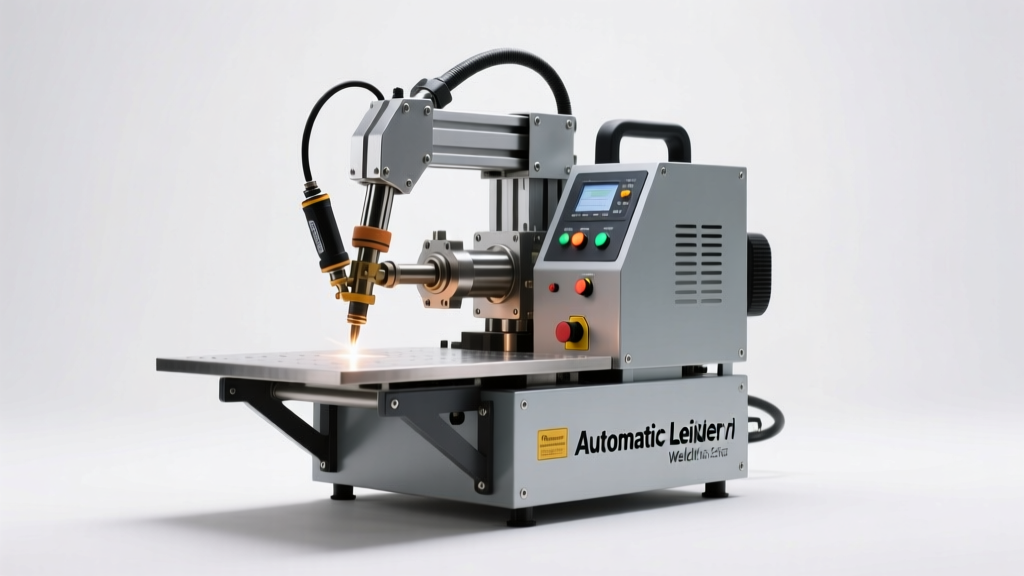
Types of CO2 Stone Laser Machines
A CO2 stone laser engraving machine is a powerful and precise tool used to cut, etch, and engrave various types of natural stone, including granite, marble, limestone, and slate. Utilizing a high-powered CO2 laser beam, these machines deliver exceptional accuracy and consistency, making them ideal for applications in manufacturing, memorial production, architectural detailing, and artistic design. Their ability to handle different stone thicknesses and surface finishes enhances their versatility across industries.
Desktop Laser Engraving Machines
Compact and user-friendly, desktop CO2 laser engravers are designed for small-scale operations and limited workspace environments. These machines are perfect for detailed engraving on smaller stone items such as plaques, trophies, nameplates, and personalized gifts.
Advantages
- Space-efficient and portable design
- Easy to operate and maintain
- Cost-effective for small businesses
- Ideal for on-demand or custom orders
Limitations
- Limited working area and bed size
- Not suitable for large or thick stone slabs
- Lower power output compared to industrial models
Best for: Small workshops, gift shops, engraving studios, and hobbyists
Industrial Stone Laser Machines
Engineered for heavy-duty, continuous operation, industrial CO2 stone laser machines are built to meet high-volume production demands. These robust systems feature advanced cooling, high-wattage lasers, and automated controls, enabling them to process large stone blocks and slabs with precision and speed.
Advantages
- High-speed processing and throughput
- Capable of handling thick and large stone materials
- Durable construction for 24/7 operation
- Advanced software integration for batch production
Limitations
- High initial investment and operating costs
- Requires dedicated space and infrastructure
- Needs trained personnel for optimal performance
Best for: Quarries, monument factories, large-scale fabrication centers, and architectural stone producers
Portable Stone Laser Engravers
Portable CO2 laser engravers offer unmatched mobility, allowing professionals to perform on-site engraving directly at cemeteries, construction sites, or remote locations. These lightweight, battery-powered or mobile units eliminate the need to transport heavy stone pieces to a workshop.
Advantages
- Enables field engraving without moving stone
- Highly flexible and adaptable to site conditions
- Reduces logistics and handling risks
- Quick setup and operation
Limitations
- Lower power and precision than stationary models
- Limited battery life or power supply dependency
- Vulnerable to environmental factors (dust, moisture)
Best for: Memorial services, on-site restoration, field monument engraving, and remote installations
Flatbed Stone Laser Cutting Machines
Flatbed CO2 laser machines feature a large, horizontal work surface specifically designed for cutting and engraving expansive stone slabs. These systems are optimized for precision in creating intricate patterns, lettering, or shape templates on marble, granite, and engineered stone used in countertops, flooring, and monuments.
Advantages
- Large working area for full-size slabs
- High accuracy for detailed artwork and text
- Smooth, clean cuts with minimal chipping
- Compatible with CAD/CAM design software
Limitations
- Requires significant floor space
- Higher maintenance due to dust and debris
- More complex operation and alignment
Best for: Stone fabrication shops, countertop manufacturers, monument designers, and architectural studios
| Machine Type | Work Area | Precision | Production Capacity | Ideal Use Case |
|---|---|---|---|---|
| Desktop Laser Engraver | Small (up to 12"x18") | High | Low to Medium | Custom gifts, nameplates, small memorials |
| Industrial Stone Laser | Very Large (4'x8' or more) | Very High | Very High | Mass production, quarry operations, large monuments |
| Portable Laser Engraver | Variable (on-site) | Moderate | Low | Field engraving, cemetery work, remote sites |
| Flatbed Laser Cutter | Large (up to 5'x10') | Extremely High | Medium to High | Slab processing, countertops, detailed artwork |
Expert Tip: When working with CO2 laser machines on stone, always use proper ventilation and dust extraction systems to protect both the machine optics and operator health. Applying a masking spray or film to the stone surface can also improve engraving contrast and reduce residue buildup.
Commercial Uses of CO₂ Stone Laser Machines
CO₂ stone laser machines have revolutionized the stonework industry by offering unmatched precision, efficiency, and versatility. These advanced systems use high-powered carbon dioxide lasers to cut, engrave, and etch a wide range of natural and engineered stone materials. Their non-contact processing method minimizes material waste and enables intricate detailing that traditional tools cannot achieve. As a result, CO₂ laser machines are now indispensable across multiple commercial sectors—from memorial services to architectural design.
Memorial Products Industry
In the memorial products sector, CO₂ stone laser machines are essential for producing high-quality engravings on headstones, grave markers, commemorative plaques, and memorial walls. These machines deliver micron-level accuracy, ensuring that names, dates, epitaphs, religious symbols, and intricate artwork are reproduced with exceptional clarity and permanence.
The precision of laser engraving allows for fine typography, including cursive scripts and multilingual inscriptions, while maintaining consistent depth and edge quality. This level of detail enhances the emotional value of memorials and meets the growing demand for personalized tributes. Additionally, automated workflows enable memorial studios to handle large volumes of custom orders efficiently, reducing turnaround time without compromising quality.
Creating Stone Artwork
Artists and sculptors increasingly rely on CO₂ stone laser machines to bring complex designs to life in stone. These machines excel at transforming raw slabs into detailed sculptures, relief carvings, decorative wall panels, and gallery-worthy installations. The ability to import digital artwork—such as photographs, vector illustrations, or hand-drawn sketches—directly into the laser system allows for seamless translation of creative visions into physical form.
Laser technology supports both shallow surface etching and deep 3D carving, enabling artists to experiment with texture, shading, and layering effects. From abstract art pieces to realistic portraits carved into granite or marble, the consistency and repeatability of CO₂ lasers make them ideal for limited editions or public art commissions. This technological advancement has democratized access to professional-grade stone artistry, fueling innovation in galleries, museums, and private studios.
Stonemasonry and Construction
In modern stonemasonry and construction, CO₂ stone laser machines offer a superior alternative to conventional cutting and shaping methods. They are used to fabricate precisely dimensioned stone components for façades, flooring, countertops, cladding, and structural elements in both residential and commercial buildings.
Unlike mechanical saws or chisels, laser systems produce clean, smooth edges with minimal chipping or cracking, reducing the need for post-processing. Their programmable CNC controls allow for repeatable production of identical parts, which is crucial for large-scale architectural projects. Furthermore, lasers can execute complex geometric patterns, curves, and cutouts that would be extremely labor-intensive or impossible with manual tools. This precision contributes to faster installation, tighter joints, and a higher-end finish, improving both aesthetics and structural integrity.
Custom Engraving Services
CO₂ stone laser machines power a growing market for personalized engraving services offered by stone retailers, gift shops, and fabrication studios. These services cater to individual customers and businesses seeking unique, long-lasting products such as engraved awards, corporate gifts, wedding stones, house signs, and commemorative tokens.
The flexibility of laser systems allows for instant customization of text, logos, QR codes, and graphics on materials like slate, limestone, travertine, and engineered quartz. Short production cycles enable same-day service, enhancing customer satisfaction. Retailers also integrate laser engraving into their value-added offerings, increasing average order value and brand differentiation. With user-friendly software interfaces, even non-technical staff can operate these machines safely and efficiently after minimal training.
| Industry | Primary Application | Key Benefits |
|---|---|---|
| Memorial Products | Headstone and plaque engraving | High precision, permanent markings, support for fine details and multiple fonts |
| Art & Design | Sculptures, reliefs, decorative panels | Digital-to-physical conversion, 3D depth control, artistic versatility |
| Construction & Architecture | Dimensional stone cutting and patterning | Accuracy, reduced waste, complex geometry capability, repeatability |
| Retail & Personalization | Custom engraved gifts and signage | Fast turnaround, on-demand production, broad material compatibility |
Important: While CO₂ laser machines offer exceptional capabilities, proper ventilation and dust extraction are critical when processing stone due to silica exposure risks. Always follow OSHA and manufacturer safety guidelines. Regular maintenance of optics, nozzles, and motion systems ensures consistent performance and extends equipment lifespan. Investing in operator training maximizes return on investment and minimizes downtime.
Product Specifications and Features of CO2 Stone Laser Machines
CO2 laser machines designed for stone cutting and engraving are powerful industrial tools used in signage, memorials, architectural elements, and decorative arts. These machines offer high precision and versatility when working with natural and engineered stone materials such as granite, marble, slate, and limestone. Understanding their technical capabilities, proper installation, and maintenance is essential for achieving optimal performance and longevity.
Technical Specifications
Laser Power (40–150W)
CO2 stone laser machines typically operate within a power range of 40 to 150 watts. The wattage directly influences the machine's ability to cut or engrave stone materials:
- 40–80W: Ideal for light engraving on softer stones like limestone or sandstone.
- 100W: Suitable for medium-depth engraving on granite and marble.
- 130–150W: Enables deeper engraving (up to 15 mm) and limited cutting on thinner stone slabs.
Note: Higher wattage increases energy consumption and requires more robust cooling systems.
Working Area (400x600mm to 1000x2000mm)
The engraving area varies significantly depending on the model and application. Common working dimensions include:
- Small-format (400x600mm): Best for personalized plaques, tombstones, and small art pieces.
- Medium-format (600x900mm): Used in commercial signage and interior design elements.
- Large-format (1000x2000mm): Designed for architectural panels and large-scale monuments.
Tip: Ensure the machine’s bed can support the weight and size of your typical stone materials.
Engraving Depth (Up to 15 mm)
Engraving depth is influenced by laser power, beam focus, number of passes, and stone hardness:
- Softer stones (e.g., sandstone) allow deeper engraving at lower power settings.
- Harder stones (e.g., granite) may require multiple passes or higher wattage to achieve 10–15 mm depth.
- Depth can be precisely controlled via software settings for gradient or 3D effects.
Pro insight: Use raster engraving for depth control and vector cutting for clean outlines.
Cutting Speed (25–300 mm/s)
Speed settings vary based on material and desired outcome:
- 25–60 mm/s: Recommended for detailed engraving to ensure clarity and depth.
- 100–200 mm/s: Efficient for surface marking or shallow etching.
- Up to 300 mm/s: Used for cutting thin stone sheets or scoring lines for breakage.
Key factor: Slower speeds increase heat buildup—ensure adequate cooling during prolonged operations.
Installation Guide for CO2 Stone Laser Machines
Proper installation is crucial for safety, performance, and equipment longevity. Follow these steps carefully to ensure a successful setup:
Safety First: Always disconnect power during installation. Wear protective gloves and eyewear when handling optical components.
- Assemble the Main Frame: Securely assemble the machine chassis on a level, vibration-free surface. Ensure all bolts and joints are tightened to prevent misalignment during operation.
- Install the Laser Tube and Optics: Mount the CO2 laser tube according to the manufacturer’s orientation. Align the rear mirror, middle mirror, and focusing lens so that the laser beam travels straight through the nozzle. Use alignment tools or a piece of tape to verify beam centering.
- Set Up the Water Cooling System: Fill the chiller or radiator tank with distilled water (or a water-coolant mix) to prevent mineral buildup. Check for leaks and ensure the pump circulates water smoothly. The cooling system must maintain the laser tube temperature between 15°C and 25°C.
- Connect and Configure Software: Install the control software (e.g., RDWorks, LaserGRBL, or manufacturer-specific) on a dedicated computer. Connect via USB, Ethernet, or Wi-Fi. Calibrate the origin point (home position) and set material parameters like power, speed, and number of passes.
- Conduct a Test Run: Perform a non-lasing test to check gantry movement. Then, conduct a low-power beam test on scrap material. Adjust mirror alignment and focus lens height to achieve the smallest, most concentrated beam spot.
Maintenance and Repair Best Practices
Regular maintenance ensures consistent performance, reduces downtime, and extends the lifespan of your CO2 laser machine. Follow this schedule for optimal results:
| Maintenance Task | Frequency | Purpose | Tips |
|---|---|---|---|
| Clean Lenses and Mirrors | Weekly | Maintain beam efficiency and prevent power loss | Use lens cleaning solution and lint-free wipes; avoid touching optical surfaces with fingers |
| Check Laser Beam Alignment | Monthly | Ensure precise cutting and engraving accuracy | Perform alignment in dim light for better visibility of the beam path |
| Inspect and Refill Cooling System | Weekly | Prevent laser tube overheating and failure | Replace water every 2–3 months; clean the filter and pump inlet regularly |
| Lubricate Rails and Gantry | Monthly | Ensure smooth motion and reduce mechanical wear | Use silicone-based lubricant; wipe off excess to avoid dust accumulation |
| Professional Inspection of Laser Tube | Annually | Detect early signs of degradation or gas leakage | Consider upgrading to a gold-plated tube for longer life and better beam quality |
Additional Considerations for Optimal Performance
- Material Preparation: Clean stone surfaces thoroughly before engraving to remove dust, oil, or sealants that can interfere with laser absorption.
- Fume Extraction: Install a high-efficiency exhaust system to remove stone dust and fumes, protecting both the machine optics and operator health.
- Focusing Accuracy: Use a manual or auto-focus tool to set the correct distance between the lens and material surface for maximum precision.
- Software Updates: Regularly update firmware and control software to access new features, improved stability, and enhanced compatibility.
- Backup Settings: Save your most-used engraving profiles to reduce setup time and ensure consistency across jobs.
Professional Recommendation: For high-volume stone engraving operations, invest in a machine with a closed-loop water chiller, industrial-grade linear rails, and an air-assist nozzle to improve cut quality. Pair it with a rotary attachment if you plan to engrave cylindrical stone items like vases or columns. Always keep spare lenses and mirrors on hand to minimize downtime during unexpected failures.
Quality and Safety Considerations for CO2 Stone Laser Machines
CO2 laser stone engraving and cutting machines are powerful tools used in precision manufacturing, artistic design, and industrial fabrication. Ensuring both high-quality performance and strict safety protocols is essential for maximizing efficiency, protecting operators, and maintaining equipment longevity. This comprehensive guide outlines the key quality standards and safety practices every operator and business owner should understand when working with CO2 laser systems for stone processing.
Safety Warning: CO2 lasers operate at high power levels and can cause severe eye injuries, skin burns, or respiratory hazards from stone dust. Always follow manufacturer guidelines, wear appropriate personal protective equipment (PPE), and ensure proper machine guarding and ventilation before operation.
Quality Considerations for Optimal Performance
Investing in a high-quality CO2 laser machine ensures consistent results, reduced downtime, and long-term cost savings. Below are the critical quality factors to evaluate when selecting or operating a stone laser system.
- Precision and Accuracy: High-precision engraving and cutting are fundamental to professional results. The stability of the laser beam’s focal point directly affects edge quality and detail clarity. Machines equipped with advanced focusing lenses, stable gantry systems, and precision motion controls deliver clean cuts and sharp engravings with minimal post-processing. Look for systems with micron-level positioning accuracy and minimal beam deviation during extended use.
- Power Consistency: Consistent laser output is crucial for uniform engraving depth and cutting performance. Fluctuations in power can lead to uneven results—such as shallow engravings or incomplete cuts—especially on dense stone materials like granite or marble. Machines featuring regulated power supplies, temperature-controlled laser tubes, and real-time power monitoring help maintain stable performance throughout long jobs.
- Durable Components: Given the demanding nature of stone processing, machines must be built with robust materials. Steel-reinforced frames, industrial-grade rails, and corrosion-resistant components enhance structural integrity and reduce vibration. These features contribute to longer service life and reduced maintenance costs, especially in high-volume production environments.
- Maintenance Requirements: Lower maintenance needs increase uptime and reduce operational disruptions. Opt for machines with protective features such as sealed optical paths, dust shields, and self-cleaning mirror systems. Regular cleaning of lenses and mirrors, along with timely calibration, ensures peak performance. Machines designed for easy access to internal components simplify servicing and reduce technician dependency.
Expert Tip: Schedule routine maintenance checks every 50–100 hours of operation. Keep a log of lens cleaning, alignment checks, and tube performance to proactively identify wear and prevent unexpected failures.
Safety Considerations for Operator and Workplace Protection
Safety is paramount when operating CO2 laser machines due to the risks associated with high-energy beams, airborne particulates, and electrical systems. Adhering to strict safety protocols protects personnel and ensures compliance with occupational health standards.
- Laser Safety Measures: CO2 lasers emit invisible infrared radiation that can cause permanent eye damage. The machine must be enclosed with interlocked safety covers that automatically disable the laser when opened. Operators must wear laser safety goggles rated for the specific wavelength (typically 10.6 μm) to protect against accidental exposure.
- Emergency Shut-Off: An easily accessible emergency stop button (E-stop) should be installed on the machine and within reach of the operator. This allows immediate shutdown in case of malfunction, fire, or operator entrapment, minimizing risk and damage.
- Ventilation: Cutting and engraving stone generates fine silica dust and fumes, which pose serious respiratory hazards. A dedicated exhaust system with a HEPA filter or cyclone dust collector is essential to remove airborne particles and maintain air quality. Ensure ducting is properly sealed and vented outdoors or through a filtration unit.
- Protective Clothing: Operators should wear flame-resistant, full-coverage clothing including long sleeves, pants, and closed-toe shoes. Gloves and face shields may also be necessary during maintenance or material handling to prevent burns from hot surfaces or debris.
- Avoid Uncovered Lenses: Never operate the machine with open access panels or exposed optical components. The laser beam should always be contained within the enclosure. Additionally, never look directly into the beam path—even when the machine appears off—as residual energy can still cause injury.
| Safety/Quality Factor | Best Practices | Risks of Neglect | Recommended Equipment |
|---|---|---|---|
| Precision & Accuracy | Regular calibration, stable work surface | Blurry engravings, misaligned cuts | Digital calipers, alignment tools |
| Power Consistency | Monitor output, use regulated power supply | Inconsistent depth, wasted material | Power meter, cooling system |
| Laser Safety | Use interlocks, wear protective eyewear | Eye injury, regulatory violations | Laser safety goggles, enclosure sensors |
| Ventilation | Run exhaust during and after operation | Silicosis, poor air quality | HEPA filter, ducted extraction system |
| Emergency Response | Test E-stop weekly, clear access path | Delayed shutdown, fire hazard | Emergency stop button, fire extinguisher |
Pro Tip: Conduct a pre-operation safety checklist daily. Include items such as verifying E-stop function, checking lens cleanliness, confirming ventilation operation, and inspecting protective gear. This habit significantly reduces accident risks and enhances machine reliability.
Additional Recommendations
- Train all operators on both machine functions and emergency procedures.
- Keep the workspace clean and free of flammable materials near the laser zone.
- Use only compatible stone types recommended by the manufacturer to avoid cracking or hazardous reactions.
- Install warning signs indicating laser operation zones and restricted access during use.
- Document all maintenance, incidents, and safety drills for compliance and continuous improvement.
By prioritizing both quality and safety, businesses can achieve superior results with their CO2 stone laser machines while protecting their workforce and investment. Regular training, preventive maintenance, and adherence to safety standards are not just best practices—they are essential components of a successful and sustainable laser operation.
Frequently Asked Questions About CO2 Stone Laser Machines
Q1: What is the importance of laser power in a CO2 stone laser machine?Laser power is a critical factor that directly affects the performance and capabilities of a CO2 stone laser machine. It determines both the depth and speed of engraving and cutting on various stone materials such as granite, marble, slate, and limestone.
- Engraving Depth: Higher laser power allows for deeper engraving, which is essential for creating detailed designs or text that are clearly visible on dense stone surfaces.
- Cutting Capability: Machines with higher wattage (e.g., 100W or more) can cut through thicker stone materials, while lower-powered units are typically limited to surface engraving.
- Material Compatibility: Different stones have varying densities—laser power must be matched appropriately to ensure clean, precise results without damaging the material.
- Efficiency: Increased power reduces processing time, making high-power lasers ideal for commercial and industrial applications where productivity matters.
Selecting the right laser power depends on your intended use—artistic engraving may require less power, whereas architectural or signage production may demand higher output for consistent, professional results.
Q2: Which safety measures are necessary when operating a CO2 stone laser cutting machine?Operating a CO2 laser machine involves significant risks due to high-intensity laser beams, electrical components, and potentially hazardous fumes. Implementing proper safety protocols is essential to protect operators and maintain a compliant work environment.
- Laser Safety Shields: Transparent protective enclosures made from laser-absorbing acrylic prevent accidental exposure to the beam during operation.
- Protective Clothing: Flame-resistant gloves and long-sleeve attire help guard against sparks or hot debris generated during laser processing.
- Eye Protection: Specialized laser safety goggles designed for the 10.6 µm wavelength of CO2 lasers are crucial—even indirect reflection can cause permanent eye damage.
- Emergency Shut-Off System: A clearly accessible emergency stop button allows immediate shutdown in case of malfunction or accident.
- Ventilation and Fume Extraction: Stone engraving produces fine particulate matter and potentially toxic dust; a robust exhaust system with filters is required to maintain air quality.
- Training and Signage: Only trained personnel should operate the machine, and warning signs must be posted to alert others when the laser is active.
Compliance with OSHA, CE, or other regional safety standards ensures not only personal safety but also legal and insurance requirements are met.
Q3: What materials are used in constructing CO2 stone laser machines to ensure durability?CO2 stone laser machines are built to withstand continuous operation and harsh workshop environments. Manufacturers use high-grade materials to ensure structural integrity, precision, and longevity.
- Steel Frames: Heavy-duty carbon or stainless steel frames provide excellent rigidity, minimizing vibrations that could affect engraving accuracy.
- Anodized Aluminum Components: Used in moving parts like gantries and rails for lightweight strength and resistance to corrosion.
- Reinforced Bed Platforms: Often made from cast iron or composite materials to support heavy stone slabs without warping.
- Industrial-Grade Linear Rails and Bearings: Ensure smooth, precise movement of the laser head over large work areas.
- Heat-Resistant Insulation: Protects internal electronics from thermal stress caused by prolonged laser operation.
These construction choices contribute to a machine’s ability to maintain calibration over time, resist wear, and deliver consistent results—even under demanding industrial conditions.
Q4: Can CO2 stone laser machines be used for industrial production projects?Yes, CO2 stone laser machines are widely used in industrial production settings due to their reliability, scalability, and precision. In fact, many models are specifically engineered for high-volume manufacturing and commercial applications.
- High-Power Industrial Models: Machines with 150W–300W laser tubes are designed for continuous operation, capable of processing large stone batches efficiently.
- Automation Integration: Industrial systems often support CNC integration, auto-focus, and conveyor loading for unattended operation.
- Applications: Widely used in monument manufacturing, architectural detailing, custom signage, tombstone engraving, and luxury interior design.
- Scalability: Modular designs allow businesses to upgrade power, bed size, or software control systems as production needs grow.
- Downtime Minimization: Industrial units feature durable laser tubes, redundant cooling systems, and diagnostic tools to reduce maintenance interruptions.
With proper setup and maintenance, CO2 stone laser machines offer a cost-effective, long-term solution for businesses seeking to automate and enhance stone fabrication processes.
Q5: What does the maintenance of CO2 stone laser machines involve?Regular maintenance is essential to ensure optimal performance, extend machine lifespan, and avoid costly downtime. A well-maintained CO2 laser system operates more efficiently and produces higher-quality results.
- Lens and Mirror Cleaning: Optics must be cleaned weekly (or more frequently in dusty environments) using lint-free wipes and isopropyl alcohol to prevent beam distortion and power loss.
- Mirror Alignment: Periodic alignment checks ensure the laser beam travels straight through the system, maximizing cutting/engraving precision.
- Cooling System Maintenance: The chiller or water cooling unit must be inspected regularly—clean filters, check coolant levels, and prevent algae buildup to avoid laser tube overheating.
- Laser Tube Inspection: Monitor for signs of weakening (reduced power output) or cracks; replace according to manufacturer lifespan (typically 1,000–10,000 hours).
- Rail and Belt Lubrication: Keep linear rails and drive belts clean and properly lubricated to ensure smooth movement and prevent wear.
- Fume Extractor Maintenance: Clean or replace filters regularly to maintain airflow and protect internal components from dust accumulation.
- Software and Firmware Updates: Keep control software updated for improved functionality, compatibility, and bug fixes.
Following a scheduled maintenance plan—based on usage intensity—helps prevent unexpected failures and ensures consistent, professional-grade output across all projects.