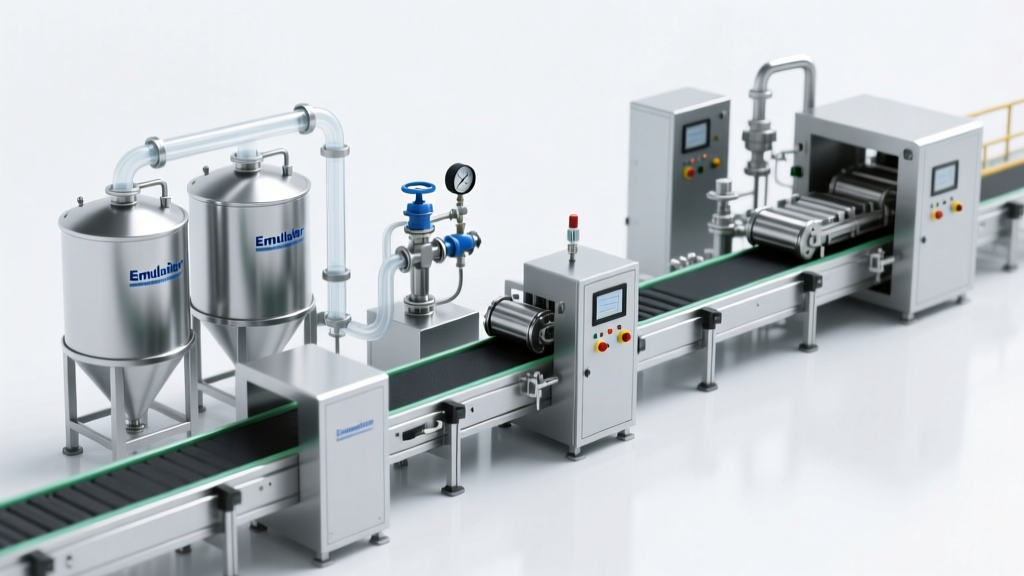
Types of Cigarette Rolling Machines
A cigarette rolling machine is a convenient device designed to streamline the process of hand-rolling cigarettes, ensuring consistent shape, tightness, and tobacco distribution. These machines are widely used by individuals who prefer hand-rolled tobacco for cost savings, customization, or personal preference. Understanding the different types and features helps users choose the best option based on their needs—whether for occasional use, high-volume production, or portability.
Manual Rolling Machines
Simple, hand-operated devices that require user input to roll each cigarette. Ideal for occasional users and those who value simplicity and affordability.
Advantages
- No power source required
- Compact and highly portable
- Affordable and easy to maintain
- Durable with minimal moving parts
Limitations
- Slower production rate
- Requires manual effort per cigarette
- Less consistent than automatic models
Best for: Beginners, travelers, low-volume users
Automatic Rolling Machines
Motorized units that automate the rolling process. After loading tobacco and a filter, the machine produces a finished cigarette with minimal user interaction.
Advantages
- High-speed production (up to 200 cigarettes/minute)
- Consistent quality and tightness
- Minimal user effort required
- Ideal for high-volume needs
Limitations
- Higher initial cost
- Larger size and less portable
- Requires power source (electric or battery)
Best for: Regular users, bulk producers, home use
Electric vs. Battery-Powered
Rolling machines are powered either by AC electricity or rechargeable batteries, affecting mobility and usage environment.
Electric Models
- Continuous operation without battery drain
- Generally more powerful and faster
- Better for long sessions or commercial use
Battery Models
- Portable and usable anywhere
- Convenient for outdoor or on-the-go use
- Limited runtime per charge
Tip: Choose electric for home use, battery-powered for mobility.
Material & Build Quality
Construction materials impact durability, weight, and longevity. Most machines use a combination of exterior plastics and internal metal components.
High-Quality Materials
- Stainless steel or brass internals resist wear
- Metal housings offer greater durability
- Better heat resistance and stability
Plastic Components
- Lightweight and cost-effective
- Potentially less durable over time
- May degrade with frequent use
Best for: Long-term use with metal builds; budget options with reinforced plastic
Key Features to Consider
- Adjustable Tightness: Allows customization of cigarette firmness for preferred draw resistance.
- Multiple Tube Sizes: Compatibility with various cigarette lengths and diameters enhances versatility.
- Easy Loading Systems: Features like wide hoppers or clear chambers simplify tobacco filling and reduce mess.
- Electronic Displays: Found in advanced models, showing settings, roll count, or battery life.
- Automatic Shut-Off: Safety feature that stops the machine after completion or if jammed.
- Production Capacity: Ranges from 1–2 cigarettes per minute (manual) to over 200 per minute (industrial automatic).
- Size & Portability: Compact models fit in pockets or bags; larger units are designed for stationary use.
| Type | Power Source | Speed (Cigarettes/Min) | Portability | Ideal Use Case |
|---|---|---|---|---|
| Manual | None | 1–2 | Excellent | Occasional use, travel |
| Automatic (Electric) | AC Power | 50–200 | Fair | Home, high-volume rolling |
| Automatic (Battery) | Rechargeable Battery | 30–100 | Good | Mobile use, outdoor rolling |
| Hybrid Manual | Hand-Crank | 3–5 | Excellent | Backpacking, emergency kits |
Expert Tip: For optimal performance and longevity, clean your rolling machine regularly—especially metal components—to prevent tobacco buildup and ensure smooth operation. Use a small brush or compressed air for hard-to-reach areas.
Function and Features of Cigarette Rolling Machines: A Complete Guide
Cigarette rolling machines are innovative tools designed to streamline the process of creating hand-rolled cigarettes, offering a cost-effective and customizable alternative to commercially manufactured tobacco products. These devices efficiently combine loose tobacco with rolling paper to produce consistently shaped, tightly packed cigarettes in seconds. Whether used for personal enjoyment, hobbyist rolling, or small-scale production, these machines enhance precision, reduce waste, and improve the overall smoking experience.
Available in various styles and configurations, cigarette rolling machines cater to a wide range of user preferences—from compact manual models for occasional use to advanced electric systems for frequent rollers. Understanding their core functions and key features is essential for selecting the right machine to match your lifestyle and rolling habits.
How Cigarette Rolling Machines Work
At its core, a cigarette rolling machine automates the traditionally time-consuming process of hand-rolling. The device typically holds a sheet of rolling paper in place while allowing the user to fill a chamber with loose tobacco. Once loaded, the machine compresses the tobacco and rolls it into a cylindrical shape using either manual force (via a crank or lever) or an electric motor. The result is a neatly finished cigarette that burns evenly and maintains structural integrity.
This process not only saves time but also ensures consistent density and shape—critical factors for optimal airflow and flavor delivery. Many models include guides or alignment tools to prevent paper tearing and ensure accurate rolling every time.
Types of Cigarette Rolling Machines
Manual Rolling Machines
Manual models require user input to operate, typically through a hand crank or lever mechanism. These machines give users greater control over the tightness and length of the cigarette, allowing for personalized customization.
They are generally more affordable, durable, and do not rely on batteries or electricity, making them ideal for outdoor use or travel. However, they may require some practice to achieve consistent results.
Electric Rolling Machines
Electric models automate the entire rolling process with the push of a button. Once tobacco is loaded into the chamber, the machine precisely feeds the paper, packs the tobacco, and completes the roll without further effort.
These are perfect for individuals who roll frequently or have limited dexterity. While more expensive, they offer unmatched speed, consistency, and ease of use—often producing a cigarette in under 10 seconds.
Design and Portability Options
Pocket-Sized & Portable Models
Compact and lightweight, portable rolling machines are designed for convenience and on-the-go use. Often made from durable plastic or aluminum, these models easily fit in a pocket or bag, making them popular among travelers and daily commuters.
While smaller in size, many still offer adjustable settings and reliable performance, though they may sacrifice some capacity or automation features for portability.
Full-Size & Desktop Models
Larger, stationary machines are typically used at home or in dedicated rolling setups. These often feature sturdier construction, larger tobacco chambers, and enhanced functionality such as automatic paper feeding or multi-roll capabilities.
They are best suited for users who roll large quantities regularly and prioritize efficiency and comfort over mobility.
Key Features to Consider When Choosing a Machine
| Feature | Benefit | Best For |
|---|---|---|
| Manual Operation | Greater control, no power needed | Budget users, outdoor enthusiasts |
| Electric Automation | Faster, consistent rolls with minimal effort | Frequent rollers, users with limited hand strength |
| Adjustable Settings | Customize density, length, and diameter | Connoisseurs seeking personalized rolls |
| Compact Design | Easy to carry and store | Travelers and casual users |
| Rechargeable Battery | Long-term cost savings, eco-friendly | Home users and daily rollers |
Important Note: While cigarette rolling machines offer convenience and customization, it's crucial to remember that smoking carries serious health risks regardless of how cigarettes are made. These devices are intended for adult tobacco users only and should be used responsibly. Always comply with local laws regarding tobacco use and product possession.
By evaluating the function, type, design, and available features of cigarette rolling machines, consumers can make informed decisions that align with their usage patterns, budget, and lifestyle. Whether you're looking for a simple, no-frills tool or a high-tech rolling station, there’s a machine tailored to meet your needs.
Usage Scenarios of Cigarette Rolling Machines
Cigarette rolling machines are versatile tools used across various personal, commercial, and specialized settings. Designed to streamline the process of hand-rolling tobacco, these devices offer consistency, convenience, and customization that pre-made cigarettes cannot match. Whether for individual use, business innovation, or scientific research, rolling machines provide practical solutions for a wide range of needs.
Personal Use & Daily Convenience
For individual smokers, cigarette rolling machines offer a reliable way to produce consistent, high-quality rolls at home or on the go. Manual models are compact and portable, making them ideal for travel or outdoor activities.
- Compact size allows easy storage in pockets, bags, or glove compartments
- Enables quick production of fresh cigarettes with preferred tobacco blends
- Reduces hand fatigue compared to rolling by hand, especially for frequent users
- Perfect for maintaining a steady supply during commutes, road trips, or outdoor adventures
Key benefit: Empowers users with independence from store-bought cigarettes
Cost Savings & Economic Advantages
In many regions, loose tobacco is taxed less than pre-packaged cigarettes, making rolling an economical alternative. Over time, the savings can be significant, especially for regular smokers.
- Roll-your-own (RYO) cigarettes often cost 30–50% less than factory-made equivalents
- Users can control tobacco quantity per roll, reducing waste and stretching supplies
- Initial investment in a quality machine pays for itself within weeks of regular use
- Electric models increase efficiency for high-volume users, saving time and labor
Smart tip: Combine with bulk purchases of tobacco and papers for maximum savings
Business & Hospitality Applications
Bars, cafes, and specialty tobacco shops use rolling machines to enhance customer experience and differentiate their offerings. Offering custom-rolled cigarettes adds a unique, interactive element to service.
- Creates a personalized experience—customers choose tobacco blend, paper type, and strength
- Can serve as a signature feature for niche lounges or cigar bars
- Supports retail sales of rolling accessories (tobacco, filters, flavored papers)
- Attracts enthusiasts looking for artisanal or premium smoking options
Pro insight: Train staff to demonstrate machine use—adds engagement and builds trust
Remote & Limited-Access Areas
In rural or underserved regions where commercial cigarettes are scarce or expensive, rolling machines provide a practical solution for consistent access to tobacco products.
- Loose tobacco has a longer shelf life and is easier to transport than pre-rolled packs
- Reduces dependency on frequent store visits or unreliable supply chains
- Allows local production using regionally available or homegrown tobacco
- Ideal for off-grid living, camping communities, or isolated work sites
Critical advantage: Maintains smoking habits without relying on commercial distribution networks
Health & Customization Control
Many users turn to rolling machines to gain greater control over what goes into their cigarettes, potentially reducing exposure to additives and chemicals found in mass-produced brands.
- Ability to choose organic, additive-free, or low-chemical tobacco blends
- Option to use natural, unbleached, or flavored cigarette papers
- Control over tobacco density and amount per roll—helps manage nicotine intake
- Opportunity to avoid microplastics and chemical filters used in commercial filters
Note: While rolling may reduce certain additives, it does not eliminate health risks associated with smoking
Creative & Lifestyle Expression
For many, rolling cigarettes is more than a habit—it’s a ritual and a form of self-expression. The machine becomes a tool for creativity and personal style.
- Experiment with flavored papers (vanilla, menthol, fruit-infused) for unique sensory experiences
- Blend different tobaccos to create signature mixtures
- Use decorative filters or embossed papers for aesthetic appeal
- Popular among craft smokers who value the artistry of hand-rolled tobacco
Cultural angle: Aligns with DIY and artisanal movements in lifestyle choices
Specialized & Non-Traditional Uses
Beyond standard cigarette production, rolling machines have found roles in scientific, industrial, and alternative smoking applications.
- Research & Testing Labs: Electric rolling machines ensure uniformity in cigarette construction for clinical studies, toxicology tests, and product comparisons. Consistent roll density and length are critical for accurate data collection.
- Cigar & Cone Rolling: Many machines can be adapted to roll cigars or fill pre-rolled cone-shaped papers (common in herbal smoking alternatives), expanding their utility beyond traditional cigarettes.
- Herbal & Alternative Blends: Used by individuals exploring nicotine-free options, such as herbal smoking blends, CBD-infused mixtures, or aromatherapy rolls.
- Educational Demonstrations: Tobacco historians or educators use them to demonstrate historical smoking practices and traditional craftsmanship.
Professional Insight: When recommending rolling machines, consider the user’s primary goal—cost savings, portability, customization, or business use. Manual models suit casual or mobile users, while electric versions are better for high-volume or commercial applications. Always emphasize responsible use and compliance with local tobacco regulations.
| Usage Scenario | Recommended Machine Type | Key Benefits | Common Users |
|---|---|---|---|
| Everyday personal use | Manual handheld | Portability, simplicity, low cost | Individual smokers, travelers |
| Cost-conscious households | Benchtop manual | Faster rolling, batch production | Frequent smokers, budget-focused users |
| Commercial service | Electric or semi-automatic | Speed, consistency, professional output | Cafes, bars, tobacco shops |
| Scientific research | High-precision electric | Uniform roll density and dimensions | Labs, testing facilities |
| Creative or alternative use | Adjustable multi-format | Versatility for cones, cigars, blends | Hobbyists, herbal users |
How to Choose the Right Cigarette Rolling Machine for Your Business
Selecting the appropriate cigarette rolling machine is a crucial decision for tobacco manufacturers, directly impacting production efficiency, product quality, and long-term profitability. Whether you're launching a new brand or scaling an existing operation, understanding the key selection criteria will help you make an informed investment. This comprehensive guide outlines the essential factors business buyers should evaluate when choosing a cigarette rolling machine that aligns with their production goals and budget.
Important Note: The tobacco industry is highly regulated. Ensure all equipment complies with local, national, and international safety and manufacturing standards before purchase and operation. Non-compliant machinery can result in legal penalties, production shutdowns, and reputational damage.
Key Factors to Consider When Choosing a Cigarette Rolling Machine
- Machine Type and Production Capacity
Assess your factory size and required output volume to determine the appropriate machine classification:
- Large-Scale Automatic Machines: Ideal for industrial manufacturers requiring high-volume output (thousands of cigarettes per minute). These fully automated systems integrate feeding, rolling, cutting, and packaging, minimizing labor costs.
- Semi-Automatic Machines: Suitable for medium-sized operations or specialty brands. These require operator input for loading materials but automate the rolling process, offering a balance between cost and efficiency.
- Manual or Benchtop Machines: Best for small-batch production, sampling, or artisanal brands. While slower, they offer greater control and lower initial investment.
- Production Speed and Operational Efficiency
Compare machines within the same category to identify the most efficient option. Look beyond raw speed (cigarettes per minute) to evaluate:
- Uptime reliability and mean time between failures (MTBF)
- Energy consumption per unit produced
- Operator-to-output ratio
- Integration capabilities with upstream (tobacco prep) and downstream (packaging) systems
Higher efficiency reduces labor, energy, and overhead costs per cigarette, improving long-term profitability.
- Rolling Consistency and Product Quality
Consistent cigarette quality is essential for brand reputation and consumer satisfaction. Evaluate:
- Firmness and density uniformity across batches
- Appearance consistency (length, diameter, paper seam alignment)
- Tobacco distribution and filter attachment precision
Review machine design features such as precision rollers, tension control systems, and real-time monitoring sensors. Check third-party user reviews and request sample production runs to assess quality firsthand.
- Tobacco and Rolling Paper Compatibility
Ensure the machine is compatible with your specific raw materials:
- Verify compatibility with your tobacco blend (cut width, moisture content, density)
- Confirm support for your rolling paper type (width, GSM, porosity, adhesive type)
- Check filter rod compatibility if producing filtered cigarettes
Some machines offer adjustable settings or interchangeable parts to handle multiple material types, providing greater flexibility for product line expansion.
- Power Supply and Voltage Requirements
Match the machine’s electrical specifications with your facility’s infrastructure:
- Confirm voltage (e.g., 110V, 220V, 380V), phase (single or three-phase), and frequency (50Hz or 60Hz)
- Assess amperage draw and circuit requirements
- Consider power stability needs—industrial machines may require voltage regulators
Choosing a machine that aligns with your existing power setup avoids costly electrical upgrades and ensures reliable operation.
- Durability and Maintenance Requirements
Industrial environments demand robust equipment. Prioritize machines constructed with:
- High-grade stainless steel or hardened alloys for wear-resistant components
- Sealed bearings and protected electrical systems to resist dust and moisture
- Modular designs that allow quick replacement of worn parts
Look for features that simplify maintenance, such as easy-access panels, self-lubricating mechanisms, and tool-free disassembly points. Reduced downtime translates to higher productivity.
- Cost and Total Ownership Considerations
Go beyond the purchase price to evaluate the total cost of ownership (TCO) over 5–10 years:
- Initial purchase and installation costs
- Ongoing operating costs (energy, consumables)
- Preventive and corrective maintenance expenses
- Cost and availability of spare parts
- Training and labor requirements
- Expected lifespan and residual value
A lower-priced machine with high maintenance needs may cost more over time than a premium model with superior reliability.
- Regulatory Compliance and Safety Standards
Ensure the machine meets all applicable regulations:
- Fire safety standards (e.g., spark detection, emergency shutoffs)
- Worker safety (guarding, emergency stops, noise levels)
- Food-grade material contact standards (for tobacco handling)
- Environmental regulations (dust extraction, emissions)
- Industry-specific certifications (e.g., CE, UL, ISO)
Compliance not only avoids fines but also protects workers and ensures smooth audits by regulatory bodies.
- Manufacturer Reputation and After-Sales Support
Partner with a reputable manufacturer known for quality and reliability. Evaluate their support ecosystem:
- Warranty length and coverage (parts, labor, on-site service)
- Availability of technical support (phone, email, remote diagnostics)
- Global or local spare parts inventory and delivery times
- Training programs for operators and maintenance staff
- Software updates and machine upgrades over time
A responsive manufacturer can minimize downtime and extend the machine’s operational life through timely support and innovation.
| Selection Factor | Key Evaluation Criteria | Risks of Poor Selection | Recommended Verification Methods |
|---|---|---|---|
| Machine Type & Capacity | Output volume, automation level, footprint | Under/over-capacity, wasted space, inefficiency | Production forecasting, site layout planning |
| Speed & Efficiency | Cigarettes/minute, energy use, labor needs | High operating costs, low ROI | Performance benchmarks, utility cost analysis |
| Quality & Consistency | Firmness control, appearance uniformity | Customer complaints, brand damage | Sample production, quality audits |
| Material Compatibility | Tobacco cut, paper type, filter specs | Machine jams, poor roll quality | Spec sheet review, material testing |
| Power Requirements | Voltage, phase, amperage | Electrical upgrades, operational failure | Facility power audit, manufacturer consultation |
| Durability & Maintenance | Material quality, service access, MTBF | Frequent breakdowns, high downtime | Reference checks, maintenance logs review |
| Total Cost of Ownership | Initial cost, maintenance, parts, lifespan | Budget overruns, hidden expenses | 5-year TCO modeling, lifecycle analysis |
| Regulatory Compliance | Safety, health, environmental standards | Fines, shutdowns, legal action | Certification verification, inspector consultation |
| Manufacturer Support | Warranty, spare parts, technical help | Extended downtime, repair delays | Customer references, support response testing |
Expert Tip: Before finalizing a purchase, request a live demonstration using your actual tobacco blend and rolling paper. This real-world test reveals how well the machine performs with your specific materials and helps identify any compatibility or quality issues early in the decision process.
Final Recommendations for Business Buyers
- Develop a clear production roadmap to align machine capacity with future growth
- Involve both operations and maintenance teams in the selection process
- Negotiate service agreements and spare parts pricing upfront
- Consider leasing or financing options for high-end automated systems
- Document all specifications and compliance certifications for audit purposes
- Plan for operator training and ongoing skill development
Choosing the right cigarette rolling machine is a strategic investment that impacts every aspect of your production line. By carefully evaluating each factor—capacity, efficiency, quality, compatibility, safety, and support—you can select equipment that delivers consistent performance, meets regulatory demands, and supports your brand’s long-term success. When in doubt, consult with industry experts or engineering advisors to ensure your decision is both technically sound and financially viable.
Frequently Asked Questions About Cigarette Rolling Machines
Q1: How can users ensure the longevity of their rolling machines?Ensuring the long-term performance and durability of a cigarette rolling machine requires consistent and proper maintenance. Regular cleaning is essential to remove tobacco residue and debris that can accumulate in the rollers, trays, and feeding mechanisms, potentially causing jams or inconsistent rolling.
- Cleaning Routine: After each use or every few sessions, wipe down accessible parts with a dry or slightly damp cloth. For deeper cleaning, disassemble removable components (if allowed by the manufacturer) and gently brush away buildup.
- Lubrication: Apply a small amount of food-safe or machine-specific lubricant to moving parts like gears and rollers every few weeks to reduce friction and wear—over-lubrication should be avoided as it can attract dirt.
- Storage: Store the machine in a dry, dust-free environment. Using a protective case or cover can prevent damage and dust accumulation.
- Inspection: Periodically check for signs of wear, such as misaligned rollers or cracked plastic parts, and replace them promptly to avoid further damage.
Following the manufacturer’s care instructions and avoiding misuse (e.g., forcing tobacco through clogged areas) will significantly extend the machine’s operational life.
Q2: Are electric rolling machines faster than manual ones?Yes, electric cigarette rolling machines are generally much faster and more efficient than manual models, especially when producing cigarettes in bulk. Here’s a breakdown of the differences:
| Feature | Manual Rolling Machines | Electric Rolling Machines |
|---|---|---|
| Speed | Slower—typically 1–2 cigarettes per minute, depending on user skill. | Faster—can produce 10–20 cigarettes per minute with minimal effort. |
| Effort Required | Higher—requires hand cranking or pressing mechanisms. | Lower—automated process with push-button or foot pedal operation. |
| Output Volume | Suitable for personal or occasional use. | Ideal for high-volume needs, such as commercial or frequent personal use. |
| Consistency | Varies based on user technique. | Highly consistent roll tightness and shape. |
| Power Source | None required—portable and usable anywhere. | Requires electricity or batteries—less portable but more powerful. |
While electric models offer speed and convenience, manual machines are often more affordable, quieter, and easier to maintain—making them a preferred choice for casual users or those on the go.
Q3: What factors should one consider when buying a cigarette rolling machine?Selecting the right cigarette rolling machine involves evaluating several key factors to ensure it meets your needs and expectations:
- Budget: Prices range from under $20 for basic manual models to over $200 for advanced electric units. Determine how much you’re willing to invest based on frequency of use and desired features.
- Rolling Consistency: Look for machines that produce evenly packed cigarettes. Electric and semi-automatic models typically offer better consistency than basic hand rollers.
- Ease of Use: Consider models with intuitive designs, clear instructions, and simple loading mechanisms. Some machines come with built-in filters, paper guides, or auto-feed systems for smoother operation.
- Maintenance Requirements: Machines with fewer moving parts are easier to clean and maintain. Stainless steel or durable plastic construction enhances longevity.
- Portability: If you plan to travel with the machine, compact manual models are more convenient than bulky electric ones.
- Compatibility: Ensure the machine works with standard cigarette papers (e.g., 70mm or 100mm) and your preferred tobacco type.
- User Reviews: Check customer feedback for insights into reliability, durability, and real-world performance.
Taking the time to research and compare models can help you find a machine that balances performance, cost, and convenience.
Q4: Can cigarette rolling machines work with different tobacco types?Most cigarette rolling machines are designed to accommodate a variety of tobacco types, including loose-cut, shag, and finely ground blends. However, compatibility depends on the machine’s design and feeding mechanism:
- Texture Sensitivity: Machines with narrow feed channels may struggle with coarse or sticky tobaccos, leading to clogs or uneven distribution.
- Adjustable Settings: Higher-end models often include adjustable tension or fill settings, allowing customization for different tobacco densities and moisture levels.
- Manufacturer Guidelines: Always consult the user manual to determine which tobacco types are recommended. Using incompatible blends may void warranties or damage internal components.
- Testing: When trying a new tobacco, start with a small amount to assess how well it feeds and rolls before committing to a full batch.
For best results, use dry, evenly cut tobacco free of large stems or clumps. Properly stored tobacco also performs better in rolling machines.
Q5: Is it easy to operate a cigarette rolling machine?The ease of operation varies significantly depending on the model and type of machine, but many modern designs prioritize user-friendliness:
- Manual Machines: Basic hand-crank or press-style rollers are simple to learn and often come with instructional guides. Most users can master them within a few attempts.
- Electric Models: These typically feature automated feeding and rolling processes, requiring minimal effort—just load the paper and tobacco, then press a button.
- Learning Curve: While simple models are intuitive, more advanced machines with multiple settings may require time to understand and optimize.
- Ergonomics: Machines with clear labeling, smooth mechanisms, and easy-access components enhance usability, especially for beginners or those with limited dexterity.
- Support Materials: Many brands offer online tutorials, video guides, or customer support to help new users get started quickly.
Overall, most cigarette rolling machines are designed for straightforward operation, making them accessible even to those with little prior experience. With a bit of practice, users can achieve consistent, high-quality results efficiently.