Types of Ceramic Saving Bank Factory Products
A ceramic saving bank factory produces a wide range of piggy banks and coin storage solutions, each designed to meet different functional, aesthetic, and educational needs. These products vary by shape, design theme, customization options, and target audience, making them popular for personal use, gifting, and promotional purposes.
Traditional Coin Banks
Classic in design, these banks are typically cylindrical, rectangular, or box-shaped with a simple coin slot on top and a stopper or plug at the bottom for accessing savings.
Advantages
- Durable and long-lasting ceramic construction
- Simple, timeless design suitable for any home
- Encourages consistent saving habits
- Easy to manufacture in large volumes
Limitations
- Limited visual appeal compared to novelty designs
- Less engaging for children
- Few customization options
Best for: Households, schools, financial literacy programs, budget-conscious buyers
Animal-Shaped Banks
These whimsical ceramic banks take the form of beloved animals such as cats, dogs, elephants, pigs, and bears, combining functionality with playful charm.
Advantages
- Highly appealing to children and collectors
- Encourages kids to save through fun interaction
- Wide variety of animal themes available
- Serves as both a toy and a savings tool
Limitations
- May be fragile due to protruding parts (e.g., ears, tails)
- More complex to produce than standard designs
- Higher price point than basic models
Best for: Children’s rooms, birthday gifts, nurseries, educational toys
Novelty & Themed Banks
Innovative and eye-catching, these banks feature popular themes such as superheroes, cartoon characters, vehicles, movie icons, or fantasy creatures.
Advantages
- Strong emotional and nostalgic appeal
- High collectibility factor
- Ideal for display and decoration
- Perfect for themed rooms or events
Limitations
- May prioritize design over functionality
- Can be more expensive due to licensing or detailing
- Limited long-term practicality for serious saving
Best for: Collectors, fans of pop culture, gift shops, special occasion giveaways
Customized Personalized Banks
Created to order, these ceramic banks can be personalized with names, dates, logos, messages, or unique artwork—ideal for special events or branding.
Advantages
- Perfect for corporate gifts, weddings, or baby showers
- High perceived value due to personalization
- Excellent for promotional marketing and brand visibility
- Memorable keepsakes with lasting sentimental value
Limitations
- Higher production cost and longer lead times
- Minimum order quantities may apply
- Requires coordination for design approval
Best for: Corporate gifting, milestone celebrations, promotional campaigns, personalized retail products
Educational Savings Banks
Designed with learning in mind, these banks often feature multiple compartments labeled for saving, spending, donating, or investing—teaching financial literacy from an early age.
Advantages
- Promotes smart money management habits in children
- Encourages goal-setting and budgeting awareness
- Used in schools and financial education programs
- Interactive and informative design
Limitations
- More complex to manufacture
- Higher price point due to added features
- Limited appeal outside educational contexts
Best for: Parents, teachers, financial educators, youth programs, STEM/STEAM kits
| Type | Audience | Primary Use | Customization | Durability |
|---|---|---|---|---|
| Traditional Coin Banks | All ages | Everyday saving | Low | High |
| Animal-Shaped Banks | Children, collectors | Fun saving, decoration | Moderate | Medium |
| Novelty & Themed Banks | Collectors, fans | Display, gifting | Moderate to High | Medium |
| Customized Personalized Banks | Individuals, businesses | Gifting, promotion | Very High | High |
| Educational Savings Banks | Children, students | Financial learning | Low to Moderate | High |
Expert Tip: When ordering from a ceramic saving bank factory, consider requesting a prototype sample before mass production—especially for custom designs—to ensure quality, color accuracy, and structural integrity.
Designs of Ceramic Saving Bank Factory Products
Ceramic money banks are more than just functional tools for saving—they are artistic expressions that blend practicality with aesthetic appeal. Their designs are shaped by cultural influences, lifestyle trends, age demographics, and emotional connections, making them popular across generations. Thoughtfully crafted ceramic banks not only encourage financial discipline but also double as decorative pieces that reflect personal taste and values.
Minimalist Designs
Elegant Simplicity
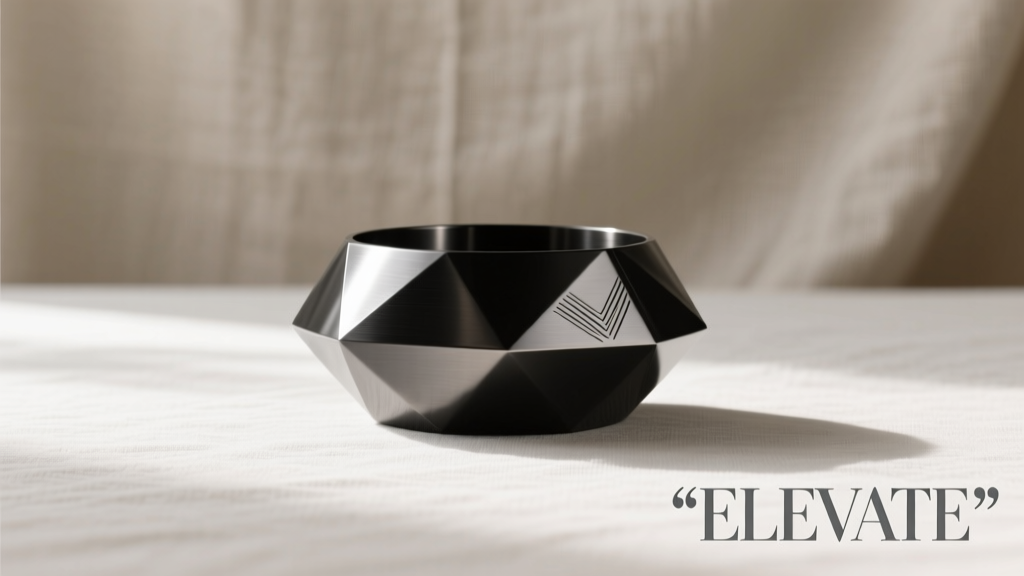
Minimalist ceramic banks feature clean lines, geometric shapes, and a restrained color palette—typically whites, soft greys, and matte blacks. These designs prioritize form and function, avoiding ornate details to create a modern, understated look.
Perfect for contemporary interiors, minimalist banks seamlessly integrate into living rooms, offices, or bedrooms without drawing excessive attention. Their subtle presence makes them ideal for individuals who value clutter-free environments and appreciate the beauty of simplicity.
Purposeful Aesthetics
Beyond their visual appeal, minimalist banks serve as daily reminders of mindful spending and intentional saving. Their unobtrusive design encourages consistent use, as they become part of the home’s decor rather than a hidden financial tool.
Manufacturers often use smooth glazes and high-quality stoneware to enhance durability and tactile experience, reinforcing the idea that simplicity can still convey luxury and craftsmanship.
Character Designs
Playful & Imaginative Figures
Character-based ceramic banks bring fun and personality to saving. Inspired by beloved animals, cartoon icons, anime figures, superheroes, or mythical creatures like dragons and unicorns, these designs capture imagination and emotion.
They are especially effective in engaging children, turning the act of saving into an interactive and joyful experience. A child might be more inclined to save if their piggy bank looks like their favorite superhero or a cute panda.
Nostalgia & Emotional Connection
For adults, character banks often evoke nostalgia—featuring retro video game characters, classic movie icons, or vintage cartoon figures. These pieces become collectibles as much as saving tools, appealing to fans and collectors alike.
By combining storytelling with functionality, character banks foster emotional investment in the saving process, making it more consistent and meaningful.
Cultural Motifs
Heritage & Symbolism
Ceramic banks featuring cultural motifs celebrate traditions, folklore, and regional artistry. Designs may include mandalas, ancestral symbols, zodiac animals, or legendary figures from various cultures such as Chinese dragons, African tribal patterns, or Celtic knots.
These banks are often handcrafted using traditional techniques, emphasizing authenticity and cultural pride. They serve as both financial tools and educational artifacts, helping preserve and share heritage through everyday objects.
Community Identity
People often choose culturally inspired banks to express identity, celebrate festivals, or pass down values to younger generations. For example, a Japanese maneki-neko (beckoning cat) bank symbolizes good fortune, while a Mexican alebrije design reflects vibrant folk art.
These pieces resonate deeply with communities and make thoughtful gifts during cultural celebrations, weddings, or religious ceremonies.
Functional Art
Beauty Meets Utility
Functional art banks transcend traditional piggy bank forms by doubling as usable household items—such as vases, candle holders, planters, or decorative bowls. These multifunctional pieces are intricately carved, glazed, or painted to highlight their artistic value.
For example, a ceramic jug with a slot on top can store coins while also serving as a centerpiece or flower vase when not in use. This dual purpose enhances the item’s perceived worth and encourages long-term use.
Lifestyle Integration
These designs appeal to art enthusiasts and design-conscious consumers who seek to merge practicality with aesthetics. By integrating saving into daily rituals—like arranging flowers or lighting candles—functional art banks make financial habits feel natural and enjoyable.
They are particularly popular in modern homes, boutique hotels, and creative workspaces where decor reflects individuality and intentionality.
Seasonal/Themed Banks
Festive & Timely Designs
Seasonal ceramic banks are created around holidays and annual events—such as Halloween pumpkins, Christmas trees, Easter bunnies, or Lunar New Year lanterns. These limited-edition pieces generate excitement and urgency to save during specific times of the year.
They are excellent for goal-based saving—like putting aside money for holiday gifts or vacation funds—and help users visualize their progress through themed imagery.
Collectible Appeal
Many customers collect seasonal banks year after year, creating a tradition similar to holiday ornaments. This collectibility increases brand loyalty and drives repeat purchases from customers eager to complete a set or commemorate special years.
Factories often release themed series in advance of major holidays, allowing retailers to capitalize on seasonal shopping trends and gift-giving occasions.
| Design Type | Target Audience | Key Benefits | Popular Use Cases |
|---|---|---|---|
| Minimalist | Modern homeowners, design enthusiasts | Blends with decor, promotes mindful saving | Living rooms, offices, minimalist interiors |
| Character-Based | Children, collectors, pop culture fans | Encourages engagement, emotional connection | Gifts, children's rooms, fan merchandise |
| Cultural Motifs | Heritage-conscious individuals, gift buyers | Celebrates identity, educational value | Cultural events, weddings, souvenirs |
| Functional Art | Art lovers, interior designers | Dual-purpose, aesthetically rich | Home decor, boutique spaces, gifting |
| Seasonal/Themed | Occasional savers, holiday shoppers | Time-bound motivation, collectible | Holidays, festivals, special goals |
Tip for Buyers & Retailers: When selecting ceramic saving banks, consider the user's lifestyle, age, and environment. A well-chosen design not only enhances the saving experience but also increases the likelihood of consistent use. For manufacturers, diversifying designs across these categories ensures broader market appeal and stronger customer engagement throughout the year.
How to Choose Ceramic Saving Bank Factory Products
Selecting the right ceramic saving banks from a factory or wholesale supplier is more than just aesthetics—it’s about quality, market fit, and long-term value. Whether you're a retailer, gift shop owner, or distributor, making informed choices ensures customer satisfaction and repeat business. With the growing popularity of decorative and functional piggy banks, understanding key selection criteria helps you stock products that stand out in a competitive market.
Quality of Material
The foundation of any durable ceramic saving bank lies in the quality of raw materials and craftsmanship. High-grade ceramic clays—such as stoneware or porcelain—offer superior strength, chip resistance, and longevity. These materials are fired at high temperatures, resulting in a dense, non-porous structure that resists cracking and moisture absorption.
- Look for banks made from vitrified or fully fired ceramics, which are less prone to breakage during shipping or daily use
- A smooth, glossy glaze not only enhances visual appeal but also indicates proper kiln finishing and surface durability
- Check for uniform thickness in walls and base—thin spots may lead to weak points and early damage
- Odorless, lead-free, and non-toxic glazes are essential, especially for children's products or eco-conscious markets
Pro tip: Request sample pieces to test durability and finish quality before placing large orders.
Design Variety & Aesthetic Appeal
Variety in design is crucial for appealing to diverse customer segments. A well-curated selection can cater to gift-givers, collectors, parents, and interior decorators alike. The visual impact of a saving bank often influences purchasing decisions more than functionality alone.
- Offer a mix of traditional shapes (classic piggy banks) and modern interpretations (geometric, minimalist, or abstract forms)
- Incorporate popular themes such as animals, holidays, cultural symbols, or licensed characters to attract niche audiences
- Seasonal and limited-edition designs can drive urgency and boost holiday sales
- Consider color psychology—soft pastels for nurseries, bold hues for kids, and neutral tones for adult-oriented decor
Market insight: Unique and Instagram-worthy designs are increasingly popular among younger consumers and gift shoppers.
Target Demographic
Understanding your end customer is essential for effective inventory planning. Different age groups and lifestyles respond to different styles, sizes, and functionalities in saving banks.
- Children: Bright colors, fun animal shapes (pigs, elephants, dinosaurs), and interactive features (coin slots with sounds or removable tops) increase engagement
- Teens & Young Adults: Trendy, quirky, or humorous designs (e.g., "Save for Coffee" or "Emergency Taco Fund") resonate well on social media
- Adults: Elegant, minimalist, or artistic designs fit home offices, wedding gifts, or corporate giveaways
- Collectors: Limited editions, hand-painted details, or culturally significant motifs (e.g., Chinese zodiac, folk art) have higher perceived value
Key strategy: Segment your inventory by audience to maximize cross-selling and gifting potential.
Price & Value Considerations
While ceramic saving banks may appear inexpensive individually, wholesale purchases require careful budgeting. Striking the right balance between cost and quality ensures profitability without sacrificing product integrity.
- Compare unit prices across suppliers, but factor in shipping, minimum order quantities (MOQs), and defect rates
- Lower-priced options may use thinner clay or lower-grade glazes, leading to higher breakage and customer complaints
- Mid-tier products often offer the best value—durable construction with appealing design at a competitive price
- Consider total cost of ownership: a slightly higher initial cost may result in fewer returns and better brand reputation
Smart move: Negotiate bulk pricing or seasonal discounts for high-volume orders to improve margins.
Customization & Branding Options
Personalization is a growing trend in consumer goods, and ceramic saving banks are no exception. Offering customized options can differentiate your brand and open doors to corporate clients, weddings, and promotional campaigns.
- Look for factories that offer logo printing, engraved names, or custom color schemes
- Custom packaging (gift boxes, thank-you cards) enhances perceived value for gifts and events
- Private labeling allows you to build your own brand identity without manufacturing overhead
- Niche markets—such as baby showers, graduations, or eco-friendly brands—respond well to tailored messaging
Business opportunity: Partner with local businesses or schools for branded fundraising banks.
Functionality & Practical Features
Beyond looks, practical design elements influence user experience and satisfaction. A well-designed saving bank should be easy to use, refill, and maintain.
- Ensure coin slots are appropriately sized—large enough for all denominations but not so big that bills fall in and get stuck
- Removable stoppers or breakable bases (with clear instructions) make accessing savings easier
- Flat, stable bases prevent tipping, especially important for children’s use
- Include rubber feet or non-slip pads on high-end models for added functionality
User-friendly tip: Avoid overly complex designs that compromise usability for the sake of novelty.
Professional Recommendation: Prioritize suppliers who provide product samples, certifications (e.g., food-safe glaze, lead-free), and clear communication. A reliable factory should offer consistent quality, on-time delivery, and responsive customer service. When in doubt, start with a small test order to evaluate product and service before scaling up.
| Customer Segment | Recommended Design Style | Material Quality | Customization Potential |
|---|---|---|---|
| Children (Ages 3–10) | Funny animals, cartoon characters | Durable stoneware with thick walls | Moderate (name engraving, colors) |
| Teens & Young Adults | Trendy, humorous, pop culture | Glossy finish, modern shapes | High (custom slogans, social media themes) |
| Adults (Gifts & Home Decor) | Elegant, minimalist, artistic | Premium porcelain or handcrafted | High (logos, wedding dates, quotes) |
| Corporate & Promotional | Branded, professional, sleek | Consistent quality, uniform finish | Very High (logo, company colors, packaging) |
Additional Considerations
- Shipping & Packaging: Ensure products are securely packed with protective materials to minimize breakage during transit
- MOQ Flexibility: Choose suppliers with reasonable minimum order quantities to allow for testing new designs
- Sustainability: Eco-conscious customers prefer brands that use recyclable packaging and non-toxic materials
- Lead Times: Confirm production and shipping timelines, especially for seasonal or holiday inventory
- Return Policy: Clarify the supplier’s policy on damaged goods or defective items to protect your investment
Scenarios for Ceramic Saving Bank Factory Products
Ceramic saving banks are more than just decorative home accessories—they are versatile tools with wide-ranging applications across education, business, charity, events, and retail. Crafted for durability and aesthetic appeal, these banks offer both functional value and emotional resonance in various real-world scenarios. From teaching financial literacy to enhancing brand visibility, ceramic saving banks serve as impactful, long-lasting solutions for individuals and organizations alike.
Did You Know? Studies show that children who use physical piggy banks are 3x more likely to develop consistent saving habits. Ceramic banks, with their tactile and visual appeal, amplify this effect by making saving a fun and engaging activity.
Educational Programs: Teaching Financial Literacy Through Play
Ceramic saving banks are powerful educational tools for instilling money management skills in young learners. Schools and educators can integrate them into financial literacy curricula, using hands-on learning to teach concepts like saving, budgeting, and goal setting. When each student receives a personalized or class-themed ceramic bank, it transforms abstract financial ideas into tangible experiences.
- Interactive Learning: Students track weekly savings for classroom rewards, field trips, or charity drives, reinforcing discipline and delayed gratification.
- Safe & Durable: Unlike plastic alternatives, ceramic banks are sturdy, non-toxic, and resistant to cracking—ideal for classroom environments.
- Custom Designs: Banks shaped like animals, books, or school mascots increase engagement and make learning memorable.
- Curriculum Integration: Teachers can link saving goals to math lessons, entrepreneurship projects, or social studies units on economics.
Pro Tip: Pair each bank with a "Savings Tracker" chart to help students visualize progress and celebrate milestones—boosting motivation and participation.
Corporate Gifts: Branding with Purpose
Custom ceramic saving banks are an innovative and practical choice for corporate gifting. Unlike disposable promotional items, these banks remain in homes or offices for years, offering repeated brand exposure. Businesses can personalize them with logos, slogans, or brand colors, turning a simple gift into a lasting marketing asset.
- Client Appreciation: Gift banks to customers during holidays or anniversaries as a token of gratitude and a reminder to “save with us.”
- Employee Incentives: Distribute banks to staff as part of wellness or financial planning programs, promoting smart financial habits.
- Brand Visibility: A well-designed bank on a desk or shelf acts as a subtle yet effective brand ambassador.
- Bulk Cost Efficiency: Factories offer volume discounts, making ceramic banks a high-impact, low-cost promotional product.
| Use Case | Customization Options | Minimum Order (Typical) | Lead Time |
|---|---|---|---|
| Corporate Gifting | Logo engraving, branded colors, custom shapes | 100 units | 2–3 weeks |
| Educational Kits | School logos, themed designs (e.g., animals, planets) | 50 units | 3–4 weeks |
| Fundraising Campaigns | Charity name, cause-specific imagery (e.g., hearts, trees) | 200 units | 3–5 weeks |
| Event Favors | Date, names, wedding motifs, party themes | 50 units | 2–4 weeks |
Social Campaigns: Driving Donations with Tangible Impact
Nonprofits and charitable organizations can leverage ceramic saving banks to create compelling fundraising campaigns. Known as “donation banks,” these ceramic containers serve as physical symbols of generosity, encouraging individuals to contribute over time. Whether placed in homes, schools, or community centers, they keep the cause top-of-mind.
- Themed Campaigns: Design banks with symbols related to the mission—e.g., a heart-shaped bank for a health charity or a tree for environmental causes.
- Community Engagement: Distribute banks during events, allowing attendees to start saving immediately for the cause.
- Long-Term Fundraising: Supporters collect spare change over weeks or months before returning the bank to the organization.
- Emotional Connection: The act of dropping coins into a beautifully crafted ceramic bank creates a ritual of giving, increasing donor retention.
Best Practice: Include a QR code on the bank linking to the charity’s website or donation portal, bridging physical and digital giving.
Event Favors: Memorable Keepsakes with Purpose
At weddings, birthdays, baby showers, and corporate events, ceramic coin banks make thoughtful and functional party favors. Unlike traditional trinkets that are often discarded, these banks are kept and used, serving as lasting reminders of the special occasion.
- Personalized Touch: Engrave banks with names, dates, or event themes (e.g., “Mr. & Mrs. Smith – 2024” or “Happy 10th Birthday!”).
- Guest Engagement: Include a note: “Save a coin for our future” or “Every penny brings good luck.”
- Practical Keepsake: Guests appreciate gifts they can use daily, enhancing the perceived value of the favor.
- Eco-Friendly Alternative: Reusable ceramic banks reduce waste compared to single-use party favors.
Design Idea: For weddings, use dove-shaped or heart-designed banks in ivory and gold to match décor. For kids’ parties, opt for animal or cartoon-themed banks in bright colors.
Retail Promotions: Boosting Sales with Incentivized Saving
Retailers can use ceramic saving banks as strategic promotional tools to drive customer loyalty and repeat purchases. By offering a bank with a purchase or as part of a savings challenge, stores create an interactive shopping experience that encourages long-term engagement.
- Buy-and-Save Bundles: Offer a free bank with any purchase over a certain amount, encouraging higher average order values.
- Loyalty Programs: Customers collect stamps or coins in their bank for every purchase, redeemable for discounts or free products.
- Seasonal Campaigns: Launch holiday-themed banks (e.g., Santa, snowmen) to boost seasonal sales.
- Product Pairing: Sell banks alongside financial planners, journals, or gift sets to create curated gift bundles.
Marketing Hack: Run a “Fill Your Bank” challenge—customers who return a photo of their full bank get 10% off their next purchase. This drives social media engagement and repeat visits.
Why Choose Ceramic Saving Banks?
Compared to plastic or metal alternatives, ceramic banks offer unique advantages:
- Premium Feel: High-quality glaze and craftsmanship convey value and thoughtfulness.
- Customizability: Can be molded into virtually any shape and painted in any color scheme.
- Durability: Resistant to wear and tear, ensuring long-term use and brand visibility.
- Eco-Friendly: Made from natural materials and fully recyclable at end-of-life.
Final Thought: Whether used in classrooms, boardrooms, or community halls, ceramic saving banks blend functionality with emotional appeal. By partnering with a reliable factory, organizations can create meaningful, branded products that inspire saving, support causes, and leave lasting impressions.
Frequently Asked Questions About Ceramic Piggy Banks
Q1: What materials are used to make ceramic piggy banks?Ceramic piggy banks are typically crafted from one of three primary types of clay—each offering unique characteristics that influence the final product’s appearance, durability, and functionality:
- Earthenware: One of the oldest and most commonly used ceramics, earthenware is porous and relatively soft. It’s often glazed to make it waterproof and is ideal for decorative piggy banks due to its ease of shaping and vibrant finish options.
- Stoneware: Fired at higher temperatures than earthenware, stoneware is denser, stronger, and less porous. This makes it more durable and resistant to chipping, perfect for piggy banks intended for daily use or children.
- Porcelain: Known for its smooth, glass-like finish and translucency, porcelain is the most refined ceramic. It’s highly durable and often used in premium or collectible piggy banks, though it can be more fragile if dropped.
The choice of material affects not only the look and feel but also the sound when coins drop in and the overall longevity of the bank, making each type suitable for different purposes and preferences.
Q2: Can ceramic piggy banks be customized for special events?Yes, absolutely. Ceramic piggy banks offer excellent customization potential, making them popular choices for weddings, birthdays, baby showers, corporate gifts, and school fundraisers. Customization options include:
- Personalized Engravings or Inscriptions: Names, dates, messages, or quotes can be added to commemorate milestones.
- Custom Colors and Glazes: Manufacturers can match event themes or branding colors for a cohesive look.
- Unique Shapes and Symbols: Beyond traditional pig shapes, banks can be molded into logos, animals, or themed designs (e.g., castles for weddings, books for graduations).
- Bulk Ordering with Branding: Businesses and organizations often order custom ceramic banks with logos or slogans for promotional use.
Many artisans and manufacturers provide digital proofs before production, ensuring the final product meets expectations. This level of personalization enhances emotional value and makes the piggy bank a cherished keepsake.
Q3: Why are ceramic piggy banks considered durable?Ceramic piggy banks are regarded as durable due to the high-temperature firing process they undergo during manufacturing. Here’s how this contributes to their resilience:
- Vitrification: During firing (typically between 1,000°C and 1,400°C), the clay particles fuse together, reducing porosity and increasing strength—especially in stoneware and porcelain.
- Glaze Protection: A glassy glaze layer not only adds aesthetic appeal but also seals the surface, protecting against moisture, stains, and minor impacts.
- Long-Term Use: When handled with care, ceramic banks can last for decades, maintaining their structural integrity even with regular coin deposits.
- Weight and Stability: Their solid construction gives them a satisfying heft, making them less likely to tip over during use.
While ceramics can break if dropped on hard surfaces, their overall durability under normal conditions makes them a reliable and long-lasting choice for saving money—especially compared to plastic or paper alternatives.
Q4: Are there ceramic piggy banks that are both decorative and functional?Definitely. One of the greatest advantages of ceramic piggy banks is their ability to seamlessly blend practicality with artistic design. Many modern and traditional models are crafted to serve dual purposes:
- Artistic Craftsmanship: Hand-painted details, intricate sculpting, and elegant glazes make these banks attractive display pieces for shelves, desks, or nurseries.
- Interior Design Complements: Available in a wide range of styles—from rustic farmhouse to minimalist modern—they can match various décor themes.
- Functional Features: Despite their beauty, they retain essential functions like a coin slot, secure stopper or cork, and often a removable base or breakable design for accessing savings.
- Collector’s Appeal: Limited edition or artist-designed ceramic banks are often collected not just for saving but as art objects.
This combination of form and function makes ceramic piggy banks ideal gifts and meaningful additions to any home, encouraging both saving habits and aesthetic enjoyment.
Q5: Do children need help using ceramic piggy banks?Yes, especially for younger children, adult guidance is recommended to ensure safe and effective use. While ceramic piggy banks are excellent tools for teaching financial literacy, they come with considerations:
- Handling Fragility: Ceramic can break if dropped, so parents should supervise use and place the bank in a safe, low-traffic area.
- Understanding Purpose: Adults can help explain the concept of saving, set goals (e.g., saving for a toy), and encourage regular contributions.
- Accessing Savings: Some banks require a key, screw-off base, or must be broken open. Parents should manage access to prevent accidental breakage or impulsive spending.
- Making It Fun: Turning saving into a game—like decorating the bank or tracking progress—can increase engagement and learning.
With proper support, a ceramic piggy bank becomes more than a container—it becomes an interactive educational tool that fosters responsibility, patience, and smart money habits from an early age.