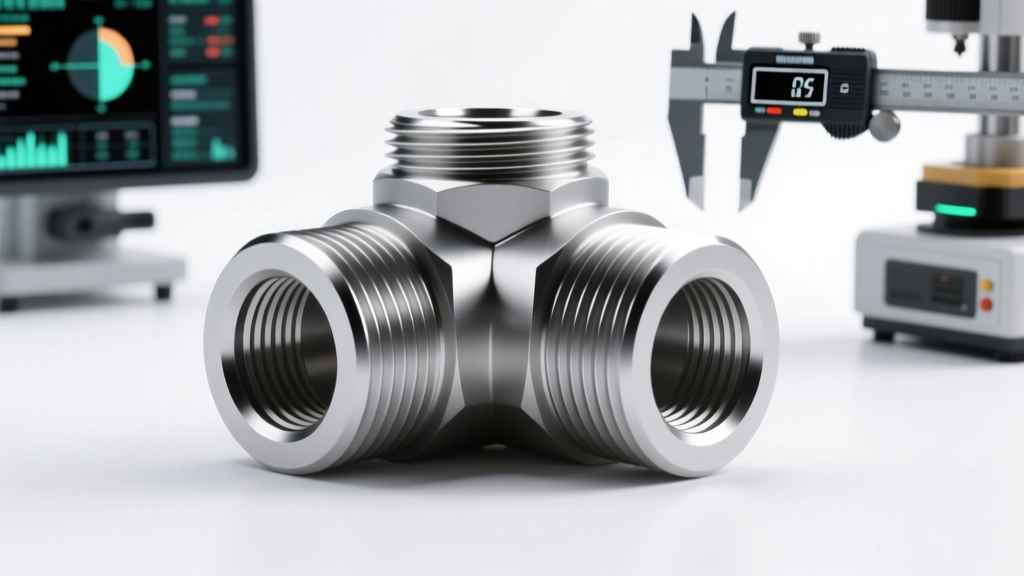
Types of Casting Grooved Pipe Fittings
Just as a pipe comes in many forms to suit different streams, casting grooved pipe fittings come in various types—each engineered for specific plumbing, fire protection, and industrial applications. These grooved pipe fittings, typically made from durable cast iron or ductile iron, offer a reliable, leak-resistant, and tool-free method of connecting piping systems. Their design allows for quick installation, reduced labor costs, and excellent performance under high pressure. Below is a detailed breakdown of the most common types used in modern piping systems.
Elbows
Grooved cast iron elbows are essential for redirecting the flow of fluid within a piping system. Available in standard angles such as 45°, 90°, and occasionally 180°, these fittings provide smooth directional changes with minimal turbulence and pressure drop.
Advantages
- Reduces fluid resistance and turbulence
- Available in multiple angles for design flexibility
- Easy alignment and installation with grooved coupling system
- Durable under high-pressure conditions
Considerations
- Larger bend radii may require more space
- Improper installation can lead to misalignment
Best for: Tight-space installations, directional changes in fire sprinkler systems, HVAC networks
Tee Fittings
A tee fitting allows one main pipeline to branch off into two directions, forming a "T" junction. Grooved cast iron tees are widely used in fire protection, water distribution, and industrial systems where reliable branching is critical.
Advantages
- Enables efficient pipeline branching
- Maintains consistent flow dynamics
- Supports high-pressure applications
- Compatible with standard grooved coupling systems
Considerations
- Requires proper support to prevent stress at the joint
- Flow imbalance possible if not properly designed
Best for: Fire sprinkler systems, water mains, process piping with side branches
Reducers
Reducers connect two pipes of different diameters, allowing a gradual transition between larger and smaller lines. Concentric and eccentric variants are available, with grooved ends enabling fast, secure connections without welding or threading.
Advantages
- Eliminates need for custom adapters
- Smooth transition reduces cavitation and erosion
- Quick installation using grooved coupling method
- Available in both concentric and eccentric designs
Considerations
- Must be installed in correct orientation (especially eccentric)
- Pressure drop increases with larger diameter differences
Best for: Pump inlets/outlets, system transitions, mixing lines with varying flow rates
Caps and Plugs
Caps (for pipe ends) and plugs (for threaded or grooved outlets) are used to seal off unused pipe ends. Grooved cast iron caps provide a secure, permanent or temporary seal, ideal for future system expansion or isolation.
Advantages
- Provides a tight, leak-proof seal
- Allows for easy access during future modifications
- Protects system from debris and contaminants
- Reusable in many applications
Considerations
- Must be properly torqued to prevent leaks
- Not suitable for high-vibration environments without reinforcement
Best for: Temporary system closures, future expansion points, maintenance isolation
Couplings
Grooved pipe couplings are used to join two pipe ends together, creating a flexible yet secure connection. Unlike traditional welded or threaded joints, grooved couplings allow for minor angular and axial movement while maintaining integrity under pressure.
Advantages
- Fast and tool-efficient installation
- Accommodates minor misalignment and thermal expansion
- No hot work required (improves job site safety)
- Vibration-resistant and flexible under stress
Considerations
- Requires precise groove preparation on pipe ends
- Gaskets may need periodic inspection in harsh environments
Best for: Fire protection systems, industrial piping, retrofit projects, seismic zones
| Fitting Type | Primary Function | Key Applications | Installation Speed | Pressure Rating |
|---|---|---|---|---|
| Elbow | Change flow direction | HVAC, fire sprinklers, directional routing | Fast | High |
| Tee | Branch flow into two lines | Fire protection, water distribution | Fast | High |
| Reducer | Connect pipes of different diameters | Pump systems, transitions | Moderate | High |
| Cap/Plug | Seal pipe ends | Isolation, future expansion | Fast | Medium to High |
| Coupling | Join two pipe ends | General piping, retrofits, seismic areas | Very Fast | High |
Expert Tip: Always inspect the grooved ends of pipes before installation to ensure they are clean, smooth, and free of burrs. Improperly prepared grooves can compromise the seal and lead to leaks, even with high-quality fittings.
Materials & Durability for Casting Grooved Pipe Fittings
Grooved pipe fittings are essential components in modern piping systems, offering quick installation, reliable sealing, and strong mechanical joints. The performance, longevity, and suitability of these fittings depend heavily on the materials used and the protective coatings applied. Selecting the right material ensures compatibility with operating conditions such as pressure, temperature, chemical exposure, and environmental factors.
Core Materials for Grooved Fittings
Cast Iron
Cast iron remains the most widely used material for grooved pipe fittings due to its excellent compressive strength, rigidity, and cost-effectiveness. It is particularly favored in heavy-duty applications across construction, HVAC (Heating, Ventilation, and Air Conditioning), and fire protection systems.
While cast iron is inherently brittle and less resistant to impact or sudden stress, its high resistance to deformation under sustained loads makes it ideal for static, high-pressure environments. Modern ductile cast iron (a subtype with improved tensile strength and ductility) is often preferred over gray cast iron for enhanced durability and crack resistance.
Carbon Steel
Carbon steel offers superior tensile strength and toughness compared to cast iron, making it the material of choice for high-pressure and high-temperature applications. Its ability to withstand mechanical stress and thermal cycling is critical in demanding industries such as petrochemical processing, oil and gas, and power generation.
Carbon steel grooved fittings are engineered to resist rupture and fatigue under extreme conditions. However, they are more susceptible to corrosion than other materials, which necessitates protective coatings or linings when used in moist or chemically aggressive environments.
Stainless Steel
Stainless steel is selected for its outstanding corrosion resistance, especially in the presence of chlorides, acids, and other corrosive agents. It also maintains high strength across a wide temperature range, making it suitable for both cryogenic and high-heat applications.
Due to its hygienic properties and resistance to contamination, stainless steel is the standard in sensitive industries such as food and beverage processing, pharmaceuticals, semiconductor manufacturing, and water treatment. While significantly more expensive than cast iron or carbon steel, its long service life and low maintenance often justify the initial investment.
Bronze
Bronze is a copper-based alloy known for its exceptional resistance to seawater corrosion and biofouling, making it ideal for marine and offshore applications. It also performs well in potable water systems where galvanic compatibility and low reactivity are essential.
Although bronze fittings are not commonly used in large-scale industrial piping due to their high cost and lower strength compared to steel, they are invaluable in specialized environments such as shipbuilding, desalination plants, and coastal infrastructure. Their durability in salt-laden atmospheres ensures long-term reliability with minimal maintenance.
Protective Coatings for Enhanced Durability
Asphalt Coating
Asphalt coating is a cost-effective and widely used protective layer applied to cast iron and carbon steel grooved fittings to prevent rust and corrosion. It forms a thick, water-resistant barrier that is especially effective in outdoor installations, underground piping, and wet environments.
Applied through dipping or spraying, asphalt coatings are easy to apply and provide reliable short- to medium-term protection. However, they are less durable under UV exposure and mechanical abrasion, and may degrade over time in extreme temperatures. Regular inspection is recommended to ensure coating integrity.
E-Coat (Electrophoretic Deposition)
E-coat is an advanced coating technology that uses an electric charge to uniformly deposit a thin, corrosion-resistant polymer layer onto metal surfaces. This process ensures complete coverage, even in complex geometries, threaded areas, and internal crevices—areas where traditional coatings often fail.
The resulting finish is highly uniform, durable, and provides superior resistance to moisture, chemicals, and chipping. E-coated fittings are commonly used in critical applications such as fire protection systems, wastewater treatment, and industrial plants where long-term corrosion protection is essential. While more expensive than asphalt, E-coat offers a longer service life and reduced maintenance costs.
| Material/Coating | Corrosion Resistance | Strength & Durability | Typical Applications | Cost Level |
|---|---|---|---|---|
| Cast Iron (Ductile) | Moderate (with coating) | High (rigid, strong under pressure) | HVAC, Fire Sprinklers, Construction | Low |
| Carbon Steel | Low (requires coating) | Very High (tough, impact-resistant) | Petrochemical, Power Plants, Oil & Gas | Medium |
| Stainless Steel | Excellent | High (balanced strength & ductility) | Pharmaceuticals, Food Processing, Water Treatment | High |
| Bronze | Excellent (especially in saltwater) | Moderate (softer than steel) | Marine, Shipbuilding, Coastal Systems | High |
| Asphalt Coating | Good (surface protection) | Low (protective layer only) | Outdoor, Underground, Wet Environments | Low |
| E-Coat | Excellent (uniform, long-lasting) | Medium (enhances base material) | Critical Systems, High-Corrosion Areas | Medium-High |
Important: Material selection should align with system requirements, environmental conditions, and regulatory standards. Using incompatible materials can lead to premature failure, leaks, or contamination—especially in hygienic or high-pressure systems. Always consult engineering specifications and industry codes (such as ASTM, ANSI, or NFPA) when specifying grooved fittings.
Industrial Applications of Casting Grooved Pipe Fittings
Casting grooved pipe fittings are engineered components widely used across multiple industrial sectors due to their durability, ease of installation, and adaptability to high-pressure and corrosive environments. Made primarily from ductile or cast iron with precision-machined grooves, these fittings utilize a mechanical coupling system that eliminates the need for welding, threading, or flanging. This design significantly reduces installation time and labor costs while enhancing system reliability and serviceability. Below is a detailed exploration of their key industrial applications, benefits, and operational advantages.
Fire Protection Systems
Grooved cast iron pipe fittings are a cornerstone in modern fire suppression and sprinkler systems. Their unique jointing mechanism allows for rapid assembly and disassembly, making them ideal for emergency-ready infrastructure where time is critical during installation or maintenance.
- Enable quick deployment in large-scale commercial and industrial buildings
- Facilitate easy access for inspections, repairs, and system upgrades without disrupting operations
- Provide leak-proof connections under high water pressure, ensuring reliable performance during emergencies
Key advantage: Reduces installation time by up to 50% compared to traditional threaded or welded systems.
HVAC Systems
In heating, ventilation, and air conditioning (HVAC) networks, grooved fittings form robust piping systems that manage chilled water, hot water, and refrigerant circulation. Their flexibility and vibration resistance make them ideal for complex mechanical rooms and high-rise installations.
- Accommodate thermal expansion and contraction in large ducted systems
- Reduce noise and vibration transmission in sensitive environments like hospitals and data centers
- Simplify retrofitting and expansion in existing buildings with limited space
Pro tip: Ideal for modular construction and prefabricated mechanical assemblies.
Industrial Piping Networks
In heavy manufacturing and processing plants, grooved pipe fittings are extensively used to transport steam, chemicals, slurries, and compressed air. Their ability to withstand extreme temperatures, pressure fluctuations, and corrosive media makes them a preferred choice in demanding environments.
- Resistant to fatigue from cyclic loading in chemical processing and power generation
- Compatible with various gasket materials (EPDM, NBR, Viton) for chemical resistance
- Support quick isolation of sections for maintenance without system shutdown
Critical benefit: Enhances safety by minimizing hot work (welding) in hazardous areas.
Mining Operations
Underground and surface mining operations rely on grooved fittings for dewatering, slurry transport, and ventilation systems. The mechanical couplings provide flexibility and shock absorption, which is crucial in dynamic environments prone to ground movement and equipment vibration.
- Withstand abrasive slurries and high-pressure pumping requirements
- Allow angular and axial misalignment tolerance, accommodating shifting terrain
- Enable rapid reconfiguration of pipelines as mining faces advance
Field advantage: Durable clamps resist rust and impact damage in harsh underground conditions.
Water Treatment and Distribution
In municipal and industrial water treatment facilities, grooved cast iron fittings are employed in filtration, disinfection, and distribution systems. Their corrosion resistance and long service life make them suitable for continuous exposure to moisture, chlorinated water, and chemical additives.
- Internal linings (cement mortar or epoxy) protect against internal corrosion
- Support large-diameter pipelines for high-volume flow applications
- Facilitate modular plant expansions and upgrades with minimal downtime
Sustainability note: Long lifespan reduces replacement frequency and environmental impact.
Oil and Gas Industry
From offshore platforms to refineries, grooved fittings are used in non-critical process lines, cooling water systems, and firewater networks. Their ability to perform under extreme temperatures and pressures ensures reliability in both upstream and downstream operations.
- Used in flare systems, utility lines, and emergency deluge systems
- Compatible with carbon steel and stainless steel pipes through hybrid coupling systems
- Meet API and ANSI standards for pressure-rated applications
Safety benefit: Eliminates ignition risks associated with welding in explosive atmospheres.
Building Infrastructure
In high-rise buildings, hospitals, airports, and shopping complexes, grooved fittings streamline the installation of plumbing, fire protection, and mechanical systems. Their compact design and ease of alignment are especially beneficial in congested utility shafts and overhead spaces.
- Reduce labor costs and project timelines in large construction projects
- Allow for future modifications without major structural changes
- Support seismic movement in earthquake-prone regions due to flexible couplings
Design advantage: Ideal for BIM (Building Information Modeling)-driven prefabrication workflows.
Engineering Insight: When specifying grooved pipe fittings, always consider the operating environment—pressure rating, temperature range, fluid type, and potential for vibration or movement. Selecting the appropriate gasket material and coupling type ensures long-term system integrity and minimizes maintenance costs.
| Application Sector | Typical Pipe Size Range | Pressure Rating | Key Material & Coating |
|---|---|---|---|
| Fire Protection | 2" – 12" | 175 – 300 psi | Ductile iron, epoxy-coated |
| HVAC | 3" – 16" | 150 – 200 psi | Cast iron, internal cement lining |
| Industrial Piping | 4" – 24" | 200 – 600 psi | Ductile iron, stainless steel clamps |
| Mining | 6" – 20" | 150 – 400 psi | Heavy-duty cast iron, abrasion-resistant coating |
| Water Treatment | 8" – 36" | 150 – 250 psi | Ductile iron, cement-mortar lined |
| Oil & Gas (Utility Lines) | 4" – 18" | 200 – 500 psi | Carbon steel-compatible ductile iron |
| Building Services | 2" – 14" | 150 – 300 psi | Epoxy-coated ductile iron |
Additional Benefits of Grooved Pipe Fittings
- Installation Efficiency: No welding or threading required—reduces labor time and eliminates fire permits in confined spaces.
- Maintenance Accessibility: Couplings allow quick disconnection for cleaning, inspection, or replacement of components.
- Vibration Dampening: Flexible joints absorb mechanical shocks and reduce stress on connected equipment.
- Leak Integrity: Precision-machined grooves and elastomeric gaskets ensure tight seals even under pressure cycling.
- Scalability: Easily expandable systems support phased construction and future upgrades.
- Safety Compliance: Meets NFPA, ASME, and ISO standards for fire protection and industrial piping systems.
How to Choose Casting Grooved Pipe Fittings: A Comprehensive Buyer’s Guide
Selecting the right casting grooved pipe fittings is crucial for ensuring the integrity, efficiency, and longevity of your piping system. These fittings are widely used in fire protection, HVAC, water supply, and industrial applications due to their ease of installation, reliability, and ability to accommodate movement and vibration. Below is a detailed breakdown of the key factors to consider when choosing the appropriate grooved pipe fittings for your project.
Safety & Performance Note: Incorrect selection or installation of pipe fittings can lead to leaks, system failure, or safety hazards. Always verify compatibility with your system’s design parameters and consult engineering specifications before procurement.
1. Material Selection Based on Application
The choice of material is one of the most critical decisions, as it directly affects durability, corrosion resistance, and compatibility with the transported media.
- Stainless Steel: Ideal for corrosive environments such as chemical processing, marine applications, food and beverage industries, or high-purity water systems. Offers excellent resistance to rust and oxidation.
- Carbon Steel: Commonly used in mining, oil & gas, and general industrial applications where high strength and cost-effectiveness are priorities. Often coated to enhance corrosion resistance.
- Ductile Iron: Widely used in municipal water and wastewater systems due to its toughness, impact resistance, and machinability. Typically comes with protective coatings.
- Bronze: Suitable for seawater, desalination plants, and cooling systems where galvanic corrosion is a concern. Offers good wear resistance and low friction.
Tip: Always match the fitting material to the pipe material to avoid galvanic corrosion in mixed-metal systems.
2. Size and System Compatibility
Proper sizing ensures seamless integration and optimal flow within the piping network.
- Measure the outer diameter (OD) of your pipe accurately—common sizes range from 1/2 inch to 72 inches.
- Ensure dimensional conformity with industry standards such as ANSI/AWWA C606 or MSS SP-75 to guarantee interchangeability.
- Verify compatibility with existing grooved-end pipe joining systems (e.g., Victaulic-style, GF Style, or other proprietary systems).
- Check for alignment with gasket types (EPDM, Nitrile, PTFE) based on media and temperature requirements.
Incompatible fittings can lead to misalignment, leakage, or premature joint failure—always refer to the manufacturer’s compatibility charts.
3. Pressure and Temperature Ratings
Operating conditions dictate the mechanical strength required from the fittings.
- Select fittings rated for the maximum working pressure of your system, including surge or shock pressures.
- Consider both minimum and maximum temperature exposure, especially in steam lines, refrigeration systems, or outdoor installations.
- Standard grooved fittings typically handle up to 300 psi at 100°F, but high-pressure variants are available for demanding applications.
- Temperature extremes can affect gasket performance and metal integrity—ensure the full assembly is rated for thermal cycling.
| Fitting Material | Max Working Pressure | Temp Range (°F) | Typical Applications |
|---|---|---|---|
| Ductile Iron | 300 psi | -20 to 250°F | Water distribution, fire protection |
| Carbon Steel | 600 psi | -20 to 400°F | Oil & gas, industrial process lines |
| Stainless Steel | 300 psi | -40 to 800°F | Chemical plants, food processing |
| Bronze | 250 psi | 32 to 400°F | Cooling systems, marine environments |
4. Coating and Corrosion Resistance
Environmental exposure significantly impacts the lifespan of pipe fittings.
- Epoxy Coating (Fusion-Bonded Epoxy - FBE): Provides excellent chemical and abrasion resistance; ideal for underground or submerged applications.
- Asphalt Coating: Economical option for moderate corrosion protection in soil burial or damp environments.
- Hot-Dip Galvanizing: Adds a zinc layer for superior rust protection, commonly used in outdoor or high-humidity installations.
- 304/316 Stainless Cladding: Used in hybrid fittings to combine strength with corrosion resistance.
For critical infrastructure, consider dual-layer coatings or cathodic protection systems in highly corrosive environments.
5. Industry Standards and Certifications
Compliance with recognized standards ensures quality, safety, and regulatory acceptance.
- Look for compliance with ANSI, AWWA, MSS, ASTM, and ASME standards.
- Verify third-party certifications such as UL, FM, or NSF/ANSI 61 for fire protection and potable water systems.
- Ensure fittings are tested for hydrostatic strength, joint integrity, and dimensional accuracy.
- Request mill test reports (MTRs) or material certifications for traceability and quality assurance.
Certified products reduce liability and ensure long-term performance in regulated industries.
Expert Tip: When sourcing fittings, choose manufacturers with a proven track record and technical support. Reputable suppliers provide detailed installation guides, compatibility tools, and engineering assistance to ensure proper system integration.
Additional Considerations
- Installation Environment: Consider accessibility, vibration, and potential for mechanical damage when selecting fitting types (e.g., flexible couplings for seismic zones).
- Maintenance Access: Opt for configurations that allow future inspection, cleaning, or replacement without major disassembly.
- Sustainability: Recyclable materials like ductile iron and stainless steel contribute to greener infrastructure projects.
- Cost vs. Lifecycle Value: While initial cost matters, prioritize long-term reliability and reduced maintenance over short-term savings.
By carefully evaluating material, size, pressure/temperature ratings, corrosion protection, and compliance with industry standards, you can select casting grooved pipe fittings that ensure safe, durable, and efficient system performance. Always consult with a qualified engineer or supplier when specifying fittings for critical or high-pressure applications.
Frequently Asked Questions About Casting Grooved Pipe Fittings
Q1: What are casting grooved pipe fittings?Casting grooved pipe fittings are precision-engineered components manufactured through a casting process that integrates a groove into their design. These grooves are machined or molded directly into the fitting body—typically made from ductile iron, cast iron, or stainless steel—allowing them to connect securely with grooved-end piping systems.
Unlike traditional welded or threaded connections, these fittings eliminate the need for on-site welding, reducing installation time, labor costs, and fire hazards. They are widely used in industrial, commercial, and municipal applications such as water supply systems, fire protection, HVAC, and oil & gas pipelines due to their durability, leak resistance, and ease of assembly.
- Common Materials: Ductile iron (coated for corrosion resistance), carbon steel, and stainless steel for high-corrosion environments.
- Manufacturing Process: Molten metal is poured into molds shaped to include the groove, ensuring structural integrity and dimensional accuracy.
- Standards Compliance: Typically meet ASTM, AWWA, and ISO standards for pressure ratings and performance.
The groove is a critical design feature that enables a mechanical coupling system, allowing two pipe ends to be joined quickly and securely using a gasket and a clamp (or coupling). This groove accepts the coupling’s lugs or jaws, creating a leak-proof, flexible, and vibration-resistant joint.
This method offers several advantages over traditional joining techniques:
- No Welding Required: Eliminates the need for skilled welders, welding equipment, and safety permits—ideal for hazardous or confined spaces.
- Rapid Installation: Connections can be made in minutes, significantly speeding up project timelines.
- Alignment Flexibility: Accommodates minor misalignments and thermal movement without compromising integrity.
- Vibration & Shock Absorption: The elastomeric gasket within the coupling dampens vibrations, making it ideal for pumping stations and industrial machinery.
- Easy Maintenance: Sections can be disassembled and reassembled without damaging the fittings, simplifying inspections and repairs.
These benefits make grooved systems especially valuable in complex installations where space is limited or system modifications are anticipated.
Q3: What factors influence the cost of casting grooved pipe fittings?The price of casting grooved pipe fittings varies significantly based on several technical and material factors:
| Cost Factor | Impact on Price | Example Range |
|---|---|---|
| Material Type | Stainless steel and alloy steels cost more than ductile or cast iron due to corrosion resistance and strength. | Cast iron: $10–$80 | Stainless steel: $50–$200+ |
| Size (Diameter) | Larger diameters require more material and complex casting, increasing cost exponentially. | 2" fitting: ~$25 | 12" fitting: ~$300+ |
| Coating & Corrosion Protection | Epoxy, zinc, or FBE (Fusion Bonded Epoxy) coatings add durability and cost. | Uncoated: Base price | Coated: +15–40% |
| Pressure Rating | Higher pressure classes (e.g., ANSI 150, 300) require thicker walls and rigorous testing. | Standard: $10–$100 | High-pressure: $100–$200+ |
| Design Complexity | Elbows, tees, and reducers are more expensive than couplings or caps. | Simple coupling: $10–$30 | 90° reducer tee: $60–$180 |
Additional costs may include packaging, certifications (e.g., UL/FM for fire systems), and minimum order quantities from suppliers. Bulk purchases often reduce per-unit costs by 10–25%.
Q4: Are these fittings suitable for high-pressure systems?Yes, casting grooved pipe fittings are specifically engineered to perform reliably in high-pressure environments when selected and installed correctly.
Key considerations for high-pressure applications include:
- Material Selection: Carbon steel and stainless steel fittings are preferred for high-pressure systems due to their superior tensile strength and fatigue resistance.
- Pressure Ratings: Most grooved fittings are rated for ANSI Class 150 (150 psi) up to Class 300 (300 psi), with some specialized designs exceeding 500 psi.
- Coupling Type: Rigid couplings provide structural support in high-stress zones, while flexible couplings absorb movement without leaking.
- Proper Installation: Bolts must be torqued to manufacturer specifications, and pipe ends must be properly grooved to ensure a secure seal.
- Industry Applications: Commonly used in high-pressure fire suppression systems, industrial process lines, and compressed air systems.
When matched with the correct coupling and installed per standards (such as NFPA 13 for fire protection), grooved fittings offer a safe, durable, and code-compliant solution for demanding pressure applications.
Q5: What is the expected lifetime of casting grooved pipe fittings?The service life of casting grooved pipe fittings typically ranges from **5 to 20 years**, depending on a combination of material quality, operating conditions, and environmental exposure.
Factors influencing longevity include:
- Material Durability: Stainless steel and epoxy-coated ductile iron fittings last significantly longer than uncoated iron, especially in corrosive environments like chemical plants or coastal areas.
- Operating Conditions: High temperatures, pressure cycling, and abrasive media can accelerate wear. Systems with stable flow and pressure extend fitting life.
- Environmental Exposure: Outdoor installations exposed to moisture, salt, or UV radiation benefit from protective coatings to prevent rust and degradation.
- Maintenance Practices: Periodic inspection of couplings, re-torquing of bolts, and replacement of worn gaskets can extend system life beyond 20 years.
- System Design: Proper support, expansion joints, and vibration dampening reduce stress on fittings, preventing premature failure.
In well-maintained fire protection or HVAC systems, grooved fittings often exceed 15 years of reliable service. With proper material selection and protection, stainless steel versions can last 25+ years in less aggressive environments.