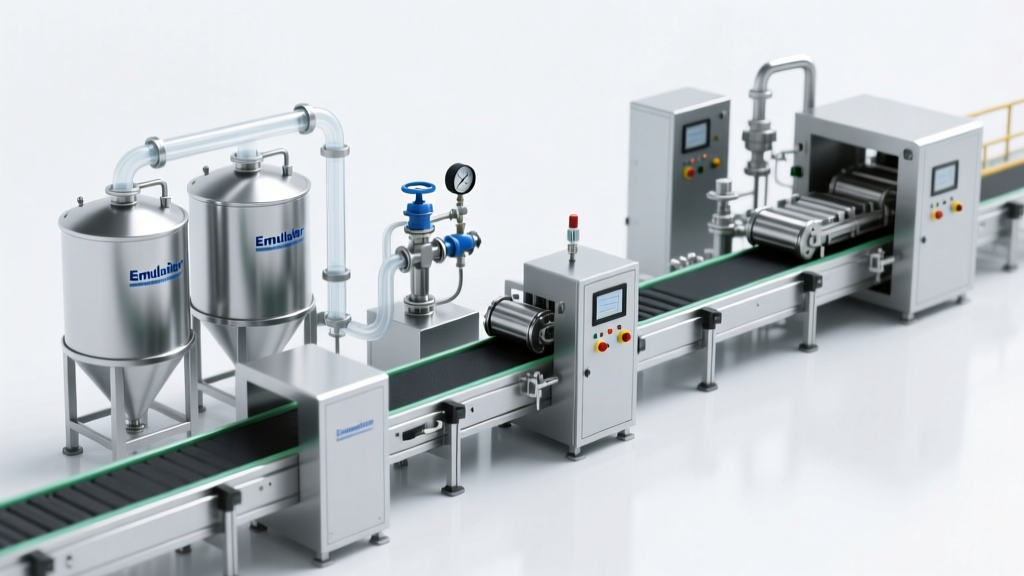
Types of Carrot Peeling Machines
A supplier providing a carrot peeling machine to buyers properly stands a chance of improving their business prospects. However, to feel confident that the right choice is being made, buyers should understand the different types of peeling machines available—this knowledge empowers them to select the most suitable model based on production needs, budget, and operational scale.
Carrot peeling machines play a crucial role in food processing, agricultural operations, and commercial kitchens by removing dirt, pesticides, and outer skin layers efficiently while minimizing waste. The automation level, output capacity, maintenance requirements, and cost vary significantly across models, making it essential to evaluate each type carefully before investing.
Manual Carrot Peeling Machines
Simple, hand-operated devices ideal for small-scale or startup operations with limited budgets.
Advantages
- Affordable initial investment
- Easy to operate and maintain
- Compact size saves space
- No electricity required
- Ideal for home-based businesses or farmers' markets
Limitations
- Low throughput (typically under 50 kg/hour)
- Labor-intensive operation
- Inconsistent peel quality due to human variability
- Not scalable for growing operations
Best for: Small farms, local vendors, startups, and low-volume processing
Semi-Automatic Peeling Machines
Balanced systems that automate key functions while retaining operator oversight for control and monitoring.
Advantages
- Moderate increase in productivity (50–200 kg/hour)
- Automated feeding and discharge systems reduce labor
- Consistent peeling results with adjustable settings
- Easier cleaning and maintenance than fully automatic models
- Cost-effective upgrade from manual systems
Limitations
- Still requires trained personnel for supervision
- Higher initial cost than manual units
- May need periodic adjustments during operation
- Less efficient than full automation at high volumes
Best for: Medium-sized processors, catering services, and expanding agribusinesses
Fully Automatic Carrot Peeling Machines
Advanced industrial-grade systems designed for maximum efficiency, handling all stages from loading to final output with minimal human intervention.
Advantages
- High throughput (200–1000+ kg/hour)
- Integrated processes: washing, peeling, sorting, and sometimes cutting
- Minimal labor requirement after setup
- Precise, uniform peeling reduces product waste
- Scalable for large production lines and export-oriented facilities
Limitations
- Significant upfront investment
- Requires dedicated space and power supply
- More complex maintenance and repairs
- Needs skilled technicians for operation and troubleshooting
Best for: Large food processing plants, frozen vegetable exporters, ready-to-eat meal manufacturers, and industrial kitchens
| Type | Output Capacity | Labor Required | Initial Cost | Maintenance Level | Best Suited For |
|---|---|---|---|---|---|
| Manual | Low (<50 kg/h) | High | Low | Low | Small farms, startups, home use |
| Semi-Automatic | Moderate (50–200 kg/h) | Medium | Moderate | Medium | Mid-sized processors, caterers |
| Fully Automatic | High (200–1000+ kg/h) | Low | High | High | Industrial processing, bulk exporters |
Expert Tip: When scaling up your operation, consider future growth when selecting a machine. A semi-automatic model today might become a bottleneck tomorrow. Investing in modular or expandable systems can save costs in the long run.
Selecting the right carrot peeling machine depends on several critical factors: daily processing volume, available workforce, facility infrastructure, and financial resources. Manual machines are perfect for niche or seasonal operations, while semi-automatic options offer a smart middle ground for growing businesses. Fully automatic systems deliver unmatched speed and consistency but require substantial capital and technical support. Evaluating these aspects thoroughly ensures optimal return on investment and smooth integration into existing workflows.
Industrial Applications of Carrot Peeling Machines
Carrot peeling machines are essential in modern food processing operations, enabling high-volume, hygienic, and consistent preparation of carrots for a wide range of industries. These machines significantly enhance operational efficiency by automating the labor-intensive tasks of peeling, washing, and often cutting, ensuring that the final product meets strict quality and safety standards.
Key Industrial Sectors Utilizing Carrot Peeling Technology
Commercial Food Processing Plants
In large-scale food manufacturing facilities, raw carrots undergo extensive processing before being incorporated into ready-to-eat meals, frozen products, canned goods, and dehydrated ingredients. Carrot peeler machines are central to this workflow, handling thousands of kilograms per hour with precision.
These machines not only remove the outer skin efficiently but also minimize product waste by ensuring optimal peel depth. Integrated water spray systems simultaneously clean the carrots, removing soil and contaminants. This automation improves hygiene, reduces labor costs, and ensures uniformity in size and texture—critical for downstream processes like slicing, dicing, or pureeing.
Ready-to-Eat and Convenience Food Production
The growing demand for convenience foods—such as pre-cut vegetable packs, microwaveable meals, and salad kits—has driven the need for reliable and fast vegetable preparation. Carrot peeling and cutting machines are specifically designed to deliver peeled, sliced, or julienned carrots ready for packaging.
Advanced models feature adjustable cutting blades and speed controls, allowing manufacturers to customize output based on product requirements. By integrating peeling, washing, and cutting in one continuous line, these systems reduce cross-contamination risks and maintain freshness, supporting compliance with HACCP and other food safety protocols.
Food Service and Catering Industries
Restaurants, institutional kitchens, and catering companies require large volumes of prepared vegetables daily. Manual peeling is time-consuming, inconsistent, and poses hygiene challenges. A carrot peeling machine streamlines prep work, enabling staff to process bulk quantities quickly and safely.
Automatic wash and peel cycles eliminate direct hand contact with raw produce, reducing the risk of microbial contamination. The result is cleaner, uniformly peeled carrots ideal for use in soups, stews, roasts, salads, and garnishes. This efficiency allows culinary teams to focus on cooking and presentation rather than tedious prep tasks.
Retail and Supermarket Fresh Produce Departments
Supermarkets and grocery chains increasingly offer value-added fresh produce, including pre-peeled and pre-cut carrots in sealed containers. To meet consumer expectations for freshness, convenience, and shelf life, retailers rely on industrial-grade carrot peeling machines.
These machines ensure that carrots are thoroughly cleaned and peeled without bruising, preserving their crisp texture and nutritional value. Some units are equipped with UV sanitation or ozone treatment systems to extend shelf life. Automated processing also supports just-in-time inventory practices, reducing spoilage and waste in high-turnover environments.
Organic and Specialty Farming Operations
With rising consumer interest in organic and pesticide-free produce, organic farms must scale their post-harvest processing while maintaining certification standards. Carrot peeling machines designed for organic use are constructed from food-grade stainless steel and utilize water-efficient, chemical-free cleaning methods.
These machines are easy to sanitize and prevent cross-contact with non-organic materials, ensuring compliance with organic handling regulations. Their ability to process large volumes without damaging delicate organic carrots makes them indispensable for farms supplying health food stores, co-ops, and premium grocery outlets.
Beverage and Baby Food Manufacturing
In specialized applications such as carrot juice production or baby food formulation, the purity and consistency of raw ingredients are paramount. Even small remnants of peel or dirt can affect flavor, color, and safety.
High-precision carrot peelers ensure complete removal of the outer layer while preserving the nutritional integrity of the core. When integrated into fully automated lines, these machines feed directly into juicers or puree systems, maintaining a sterile environment and enabling batch traceability—essential for quality control in sensitive food categories.
| Industry | Primary Use | Key Benefits |
|---|---|---|
| Food Processing Plants | Peeling for soups, sauces, frozen meals | High throughput, waste reduction, consistent quality |
| Convenience Food Makers | Pre-cut packs, ready meals | Integrated cutting, hygiene, shelf-life extension |
| Restaurants & Catering | Daily prep for cooking and presentation | Time savings, labor reduction, improved sanitation |
| Retail & Supermarkets | Pre-packaged fresh-cut vegetables | Consumer convenience, reduced spoilage, brand trust |
| Organic Farms | Processing certified organic carrots | Compliance with organic standards, gentle handling |
| Baby Food & Juice Producers | Raw material preparation | Purity, safety, nutrient retention |
Advantages Across All Sectors
Important: When selecting a carrot peeling machine, consider factors such as production volume, desired output (whole peeled, sliced, julienned), water efficiency, ease of maintenance, and compliance with food safety regulations (e.g., FDA, EU standards). Choosing the right model ensures long-term reliability, food safety, and return on investment.
Product Specifications and Features of Carrot Peeling Machines
Carrot peeling machines are essential in commercial food processing, agricultural facilities, and large-scale kitchen operations where efficiency, hygiene, and consistency are paramount. These machines streamline the preparation process by automating the removal of outer skin, reducing labor costs, minimizing waste, and ensuring uniform results. Understanding the full range of specifications and operational aspects helps businesses choose the right equipment and maximize productivity.
Peeling Blades
The heart of any carrot peeling machine lies in its blade system, engineered for precision and durability. High-quality machines use hardened stainless steel or tungsten carbide blades that maintain sharpness over extended use.
- Advanced blade coatings (e.g., Teflon or ceramic) reduce friction, minimizing heat buildup and wear
- Adjustable blade angles allow customization of peel thickness based on product quality and end-use
- Interchangeable blade sets support different root vegetables beyond carrots, such as potatoes, beets, and turnips
- Self-sharpening mechanisms in premium models extend service intervals and maintain consistent performance
Technical insight: Proper blade alignment prevents excessive material loss while ensuring complete skin removal.
Capacity & Throughput
Carrot peeling machines are designed to meet diverse production needs, from small kitchens to industrial processing lines. Capacity is typically measured in kilograms per hour (kg/h) or pounds per hour (lb/h).
- Small-scale units: Handle 100–500 kg/h; ideal for local markets, catering services, or farm stands
- Mid-range systems: Process 500–1,500 kg/h; suitable for regional distributors and food service providers
- Industrial models: Exceed 1,500 kg/h; built for large processing plants and export-oriented operations
- Batch vs. continuous feed designs impact workflow integration and staffing requirements
Key consideration: Match machine capacity to peak demand periods to avoid bottlenecks.
Construction Materials
Food safety and longevity are ensured through the use of high-grade materials, with 304 or 316 stainless steel being the industry standard for contact surfaces.
- Corrosion-resistant construction withstands frequent washing and exposure to moisture and cleaning agents
- Smooth, welded seams prevent bacterial growth and simplify sanitation
- Compliance with FDA, CE, and ISO 22000 standards ensures adherence to global food safety regulations
- Non-toxic, BPA-free gaskets and seals protect product integrity
Hygiene advantage: Stainless steel surfaces can be easily sanitized using steam, hot water, or chemical disinfectants.
Automation Level
Automation determines labor requirements, processing speed, and ease of integration into existing workflows.
- Manual models: Require operator feeding and monitoring; low cost but higher labor dependency
- Semi-automatic: Automate peeling but need manual loading/unloading; balance cost and efficiency
- Fully automatic: Integrate conveyors, washing, sorting, and peeling in a continuous line; minimal human intervention
- Smart sensors detect blockages, adjust pressure, and optimize water usage in advanced systems
Pro tip: Fully automated systems offer the best return on investment for operations exceeding 8 hours/day.
Waste Management
Efficient waste handling improves yield, reduces environmental impact, and maintains a clean workspace.
- Integrated waste chutes direct peels and broken pieces into collection bins or disposal systems
- Some models include dewatering systems to reduce volume and facilitate composting or animal feed reuse
- Adjustable peel thickness controls minimize over-peeling and raw material loss
- Anti-clogging designs prevent downtime due to blockages in drainage or conveyor systems
Sustainability note: Up to 15% of input weight can be recovered as usable biomass when managed properly.
Energy and Water Efficiency
Modern carrot peelers are designed to reduce operational costs and environmental footprint.
- Variable frequency drives (VFDs) adjust motor speed based on load, cutting energy use by up to 30%
- Recirculating water systems filter and reuse wash water, reducing consumption by 40–60%
- Low-flow nozzles and timed spray cycles optimize water usage without compromising cleanliness
- Energy-efficient motors meet IE3 or higher efficiency standards
Cost-saving benefit: Efficient models can reduce utility costs by $1,000+ annually in high-volume operations.
Expert Recommendation: When selecting a carrot peeling machine, prioritize models with modular design and OEM support. This ensures easier maintenance, availability of spare parts, and potential for future upgrades. For mixed vegetable processing, choose machines with interchangeable drums or adjustable settings to handle varying sizes and textures.
Installation Guidelines
Proper installation is critical to ensure safe, efficient, and long-lasting operation. Follow these best practices during setup:
- Location: Install in a well-ventilated area with ample space for operation, maintenance access, and future expansion. Ensure a solid, level foundation to minimize vibration and noise.
- Power Supply: Verify voltage, phase (single or three-phase), and amperage requirements match local supply. Use a dedicated circuit and consult a licensed electrician for connections.
- Water Connection: Connect to a clean water source with regulated pressure (typically 2–4 bar). Install filters to prevent nozzle clogging and use insulated lines if operating in cold environments.
- Waste Disposal: Link waste outlets to proper drainage or collection systems. Use odor traps and定期 cleaning to prevent bacterial growth and unpleasant smells.
- Controls Setup: Configure control panels according to manufacturer instructions. Calibrate sensors, timers, and speed settings before first use.
- Testing: Conduct a dry run without carrots to check for leaks, vibrations, or electrical issues. Then perform a test batch to evaluate peeling quality and adjust settings as needed.
Operating Procedures
To achieve optimal performance and product quality, follow standardized operating procedures:
- Preparation: Inspect the machine for damage, verify blade condition, and ensure all safety guards are in place. Power on and allow the system to reach operating parameters.
- Loading: Feed uniformly sized, clean carrots into the hopper. Avoid overloading to maintain consistent peeling and prevent jams.
- Settings: Adjust peel depth, rotation speed, water pressure, and cycle duration based on carrot size and desired finish.
- Operation: Fully automatic machines run with minimal input; semi-automatic models require operator supervision at key stages.
- Monitoring: Regularly inspect output for completeness of peeling and signs of machine stress (e.g., overheating, unusual noise).
- Shutdown & Cleaning: Turn off and disconnect power. Flush all components with water and clean residue-prone areas immediately after use to prevent buildup.
Maintenance and Repair Best Practices
A structured maintenance program extends equipment life, ensures food safety, and minimizes unplanned downtime.
- Routine Cleaning: Clean all contact surfaces daily with food-safe detergents. Pay special attention to crevices where organic matter can accumulate.
- Blade Maintenance: Inspect blades weekly for dullness or damage. Sharpen or replace as needed using manufacturer-recommended tools and parts.
- Lubrication: Apply food-grade lubricants to bearings, gears, and moving parts at intervals specified in the manual.
- Inspection: Check for corrosion, loose fasteners, worn belts, and damaged hoses. Inspect electrical cords and connections for fraying or moisture exposure.
- Software Updates: For digitally controlled models, install firmware updates to improve functionality and security.
- Professional Servicing: Schedule comprehensive inspections by certified technicians every 6 months or after 1,000 operating hours.
- Repairs: Always use genuine replacement parts. Avoid makeshift fixes that could compromise safety or performance.
| Feature | Standard Model | Premium Model | Industrial Model |
|---|---|---|---|
| Capacity (kg/h) | 200–500 | 600–1,200 | 1,500–3,000 |
| Automation Level | Semi-automatic | Fully automatic | Fully automatic + IoT monitoring |
| Blade Type | Stainless steel | Tungsten carbide-coated | Self-sharpening ceramic |
| Water Recycling | No | Yes (50% reduction) | Yes (70% reduction) |
| Maintenance Interval | Weekly | Bi-weekly | Monthly (with remote diagnostics) |
Longevity Tip: Implement a preventive maintenance log to track cleaning, lubrication, and part replacements. This not only extends machine life but also supports compliance audits and warranty claims. Training operators on proper use and care significantly reduces wear and tear and prevents costly errors.
Frequently Asked Questions About Carrot Peeling Machines
Carrot peeling machines are essential tools in both commercial kitchens and industrial food processing facilities. Designed to streamline vegetable preparation, these machines enhance efficiency, hygiene, and consistency. Below is a comprehensive Q&A guide addressing the most common questions about carrot peeling machines, covering their functions, materials, cleaning, versatility, and performance benefits.
Q1: What is the main function of a peeling machine for carrots?
The primary function of a carrot peeling machine is to automate the process of removing the outer skin from carrots efficiently and hygienically. These machines typically use abrasive rollers, high-pressure water jets, or rotating drums with textured surfaces to gently but effectively strip away dirt, wax, and the outer layer of the vegetable. Many advanced models also integrate pre-washing and post-cutting functions, allowing for a complete processing line that cleans, peels, and even slices or dices carrots in one continuous operation. This automation ensures uniform peeling, minimizes product waste, and significantly reduces manual labor.
Pro Insight: Fully automated carrot peeling systems can process hundreds of kilograms per hour, making them ideal for large-scale food production, catering services, and frozen food manufacturers.
Q2: Are carrot peeling machines easy to clean?
Yes, most modern carrot peeling machines are designed with hygiene and ease of maintenance in mind. They typically feature removable components such as drums, trays, brushes, and spray nozzles that can be quickly disassembled for thorough cleaning. Many models are built with smooth, seamless surfaces to prevent food buildup and bacterial growth. Additionally, some industrial-grade machines come equipped with automatic CIP (Clean-in-Place) systems that flush the interior with water or cleaning solutions without requiring manual disassembly. This not only saves time but also ensures compliance with strict food safety standards like HACCP and FDA regulations.
Maintenance Tip: Always follow the manufacturer’s cleaning guidelines and perform routine inspections to prevent clogs, corrosion, or microbial contamination. Regular cleaning extends the machine's lifespan and maintains optimal performance.
Q3: What materials are carrot peeling machines made of?
Carrot peeling machines are predominantly constructed from food-grade stainless steel (typically AISI 304 or 316), which offers excellent durability, corrosion resistance, and ease of sanitation. Stainless steel is non-reactive, preventing contamination of food products, and it withstands frequent exposure to water, detergents, and acidic residues. Critical internal components such as blades, rollers, and bearings are also made from rust-resistant alloys or engineered plastics compatible with food contact. The use of high-quality materials ensures compliance with international food safety standards and makes these machines suitable for continuous operation in demanding environments.
Q4: Can carrot peeling machines handle other vegetables?
While carrot peeling machines are specifically engineered to optimize performance for carrots—considering their shape, size, and skin texture—many fully automatic and adjustable models can process a variety of similar root vegetables. With proper adjustments to speed, pressure, and nozzle settings, these machines can effectively peel potatoes, beets, turnips, parsnips, and even ginger. However, softer or irregularly shaped vegetables like tomatoes or zucchini may require different equipment due to their delicate skins or inconsistent geometry. Always consult the manufacturer’s specifications before using the machine with alternative produce to avoid damage or suboptimal results.
Versatility Note: Multi-purpose peelers with interchangeable drums or modular components offer greater flexibility, allowing operators to switch configurations based on the type of vegetable being processed.
Q5: How do carrot peeling machines improve efficiency?
Carrot peeling machines dramatically enhance operational efficiency in several key ways:
- Speed: They process large volumes of carrots in a fraction of the time required for manual peeling—often handling up to 1,000 kg per hour depending on the model.
- Consistency: Automated systems deliver uniform peeling results, reducing over-peeling and minimizing product loss compared to variable human performance.
- Labor Savings: One machine can replace multiple workers, significantly cutting labor costs and reallocating staff to higher-value tasks.
- Hygiene & Safety: Closed systems reduce contamination risks and eliminate repetitive strain injuries associated with hand peeling.
- Scalability: Ideal for industrial kitchens, processing plants, and meal prep services that require high-throughput, reliable output.
This combination of speed, precision, and cost-effectiveness makes carrot peeling machines a smart investment for any food business aiming to scale production while maintaining quality and safety standards.
| Feature | Benefit | Best For | Considerations |
|---|---|---|---|
| Automated Peeling | High-speed, consistent results | Industrial processing | Higher initial cost |
| Stainless Steel Build | Durable, hygienic, corrosion-resistant | Commercial kitchens | Requires proper cleaning |
| Removable Parts | Easy maintenance and sanitation | Facilities with strict hygiene rules | Parts should be stored properly |
| Adjustable Settings | Compatibility with multiple vegetables | Mixed-vegetable operations | May require operator training |
| CIP System | Reduces downtime and labor for cleaning | High-volume production lines | Needs water and drain access |
Expert Recommendation: When selecting a carrot peeling machine, consider your volume needs, available space, water supply, and whether you need integrated washing or cutting features. Investing in a slightly larger capacity than currently needed can future-proof your operation.
Additional Tips for Optimal Use
- Always sort and pre-wash carrots before feeding them into the machine to remove excess soil and prevent clogging.
- Regularly inspect and replace worn brushes or rollers to maintain peeling efficiency.
- Train staff on proper operation and safety protocols to maximize uptime and prevent accidents.
- Keep spare parts on hand, especially seals and gaskets, to minimize downtime during maintenance.
- Choose energy- and water-efficient models to reduce operating costs and environmental impact.
By understanding how carrot peeling machines work and leveraging their full capabilities, food producers can achieve superior productivity, product quality, and compliance with food safety standards. Whether you're running a small catering business or a large processing plant, the right peeling machine can transform your vegetable preparation workflow.