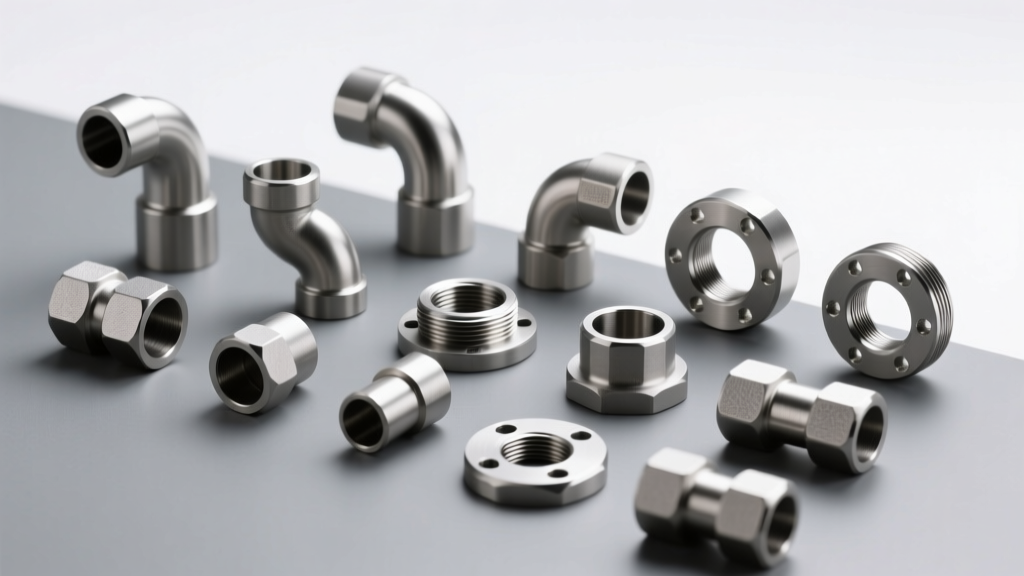
Types of Camshaft for Cummins N14
A camshaft is a critical engine component responsible for controlling the timing and duration of valve opening and closing, directly influencing engine performance, fuel efficiency, and power output. In the Cummins N14 diesel engine—widely used in heavy-duty commercial and industrial applications—the choice of camshaft significantly affects how the engine performs under various loads and conditions.
Camshafts for the Cummins N14 come in several types, each engineered for specific operational demands. These variations primarily involve differences in lobe profile, lift, duration, and timing, which govern airflow, combustion efficiency, and torque characteristics. Below is a detailed breakdown of the most common camshaft types used in the Cummins N14 engine platform.
Factory (Stock) Camshaft
The factory-installed camshaft is optimized for balanced performance, reliability, and longevity under standard operating conditions.
Advantages
- Optimized for fuel efficiency and smooth idle
- High durability and long service life
- Lower maintenance requirements
- Ideal for continuous operation
Limitations
- Limited peak power output
- Conservative valve timing for emissions compliance
- Not suited for high-performance modifications
Best for: Long-haul trucking, mining operations, marine propulsion, and fleet vehicles where reliability and fuel economy are prioritized.
Performance Camshaft
Engineered with increased lift and duration, this camshaft enhances airflow and combustion efficiency to boost horsepower and torque.
Advantages
- Improved mid-to-high RPM power delivery
- Enhanced throttle response
- Better volumetric efficiency
- Suitable for towing and heavy loads
Limitations
- Slightly rougher idle
- Potential decrease in low-end torque
- May require engine tuning or fuel system upgrades
Best for: Heavy-duty trucking, agricultural machinery, and oil field equipment where increased power and responsiveness are needed.
High-Lift Camshaft
Features aggressively profiled lobes that increase valve lift, allowing more air-fuel mixture into the combustion chamber for maximum power output.
Advantages
- Significant increase in peak horsepower and torque
- Superior airflow at high RPMs
- Ideal for high-stress environments
- Supports forced induction and performance tuning
Limitations
- Reduced low-end drivability
- Increased valve train wear
- Requires regular maintenance and inspection
Best for: High-performance applications in mining, agriculture, oil fields, and heavy-duty trucking where maximum engine output is critical.
Elbow-Type High-Pressure Relief Valve (System Component)
While not a camshaft type, this specialized valve is often associated with Cummins N14 engine modifications and high-pressure fuel systems.
Advantages
- Prevents over-pressurization in fuel and oil systems
- Protects engine components from damage
- Facilitates safer maintenance procedures
- Compatible with both standard and modified cam profiles
Limitations
- Not directly related to camshaft performance
- Requires proper installation and calibration
- May need periodic servicing
Best for: Industrial and oilfield applications where pressure regulation is essential for engine safety and operational stability.
| Camshaft Type | Lift & Duration | Power Output | Fuel Efficiency | Primary Applications |
|---|---|---|---|---|
| Factory Camshaft | Standard | Moderate | Excellent | Long-haul, marine, mining |
| Performance Camshaft | Increased | High | Good | Heavy-duty, agriculture |
| High-Lift Camshaft | Aggressive | Very High | Fair | Racing, oil fields, extreme loads |
| Elbow Relief Valve (Accessory) | N/A | N/A | N/A | Pressure-sensitive industrial use |
Expert Tip: When upgrading to a performance or high-lift camshaft on a Cummins N14, ensure proper valve clearance and consider upgrading valve springs and pushrods to handle increased stress. Pairing with a tuned fuel system can maximize performance gains while maintaining engine longevity.
Material & Durability of Camshaft Cummins N14
The durability of the Cummins N14 camshaft is a direct result of the high-performance materials and advanced manufacturing processes used in its construction. Designed for heavy-duty diesel engines used in commercial trucks, industrial machinery, and marine applications, the N14 camshaft must endure extreme mechanical stress, high temperatures, and continuous cyclic loading over long service intervals. The choice of materials and treatments plays a critical role in ensuring reliability, longevity, and consistent engine performance.
High-Performance Steel Alloys
The Cummins N14 camshaft is primarily manufactured from specialized steel alloys engineered for superior strength, hardness, and resistance to wear and fatigue. These alloys are selected to maintain dimensional stability and structural integrity under the harsh operating conditions typical of diesel engines. The most commonly used steel types include:
These materials are chosen not only for their mechanical properties but also for their compatibility with precision machining and post-fabrication treatments, ensuring tight tolerances and consistent performance across production batches.
Advanced Heat Treatment Processes
To maximize the performance of the base steel alloys, the Cummins N14 camshaft undergoes several critical heat treatment processes. These treatments modify the microstructure of the metal to enhance surface hardness, core toughness, and resistance to fatigue cracking:
Induction Hardening
Used primarily on cam lobes and journals, induction hardening applies localized high-frequency heating followed by rapid quenching. This creates a hard, wear-resistant surface while maintaining a tough, ductile core—essential for preventing spalling and pitting.
Tempering
After hardening, the camshaft is tempered to reduce internal stresses and improve toughness. This step prevents brittleness and ensures the component can endure repeated mechanical loading without fracturing.
Additional processes like nitriding or case hardening may also be employed in certain variants to further increase surface hardness and corrosion resistance. These treatments are especially beneficial in high-mileage or severe-duty applications where oil film breakdown can accelerate wear.
Cast Iron Variants in Older Models
While modern Cummins N14 camshafts are predominantly made from forged steel alloys, earlier versions of the engine utilized high-grade cast iron camshafts. These were typically manufactured from chromium and molybdenum-enhanced cast iron, which provided:
Although cast iron camshafts are less common today due to the superior strength and fatigue resistance of steel alloys, they remain in use in certain remanufactured or budget-conscious applications. They are also easier to service and replace, making them a practical choice for fleets prioritizing maintenance efficiency over peak performance.
Wear-Resistant Surface Coatings
To further extend service life and reduce friction between moving parts, many Cummins N14 camshafts—especially in upgraded or performance-oriented builds—are treated with advanced wear-resistant coatings. These coatings significantly reduce metal-to-metal contact between the cam lobes and lifters, minimizing wear and improving fuel efficiency. Common coating technologies include:
Chrome Plating
A traditional yet effective solution, chrome plating provides a hard, smooth surface that resists abrasion and corrosion. It is widely used in remanufactured camshafts due to its durability and cost-effectiveness.
Diamond-Like Carbon (DLC)
A cutting-edge coating with extremely low friction and high hardness, DLC is used in high-performance or extended-life applications. It reduces energy loss and wear, particularly under boundary lubrication conditions.
Tungsten Disulfide (WS₂)
A solid lubricant coating that performs exceptionally well in high-load, low-speed environments. Tungsten disulfide minimizes scuffing and galling, especially during engine startup when oil pressure is low.
These coatings not only enhance durability but also contribute to smoother valve train operation, reduced noise, and improved engine efficiency over time.
| Material/Treatment | Key Benefit | Common Application in N14 |
|---|---|---|
| Chromoly Steel | High fatigue strength and toughness | Modern OEM and performance camshafts |
| High-Carbon Steel + Induction Hardening | Superior lobe wear resistance | Heavy-duty and long-haul applications |
| Chromium-Molybdenum Cast Iron | Cost-effective, good damping | Older or remanufactured units |
| DLC Coating | Ultra-low friction, extended life | Upgraded or high-efficiency builds |
Important: Proper lubrication and regular oil changes are critical to preserving the integrity of the camshaft, especially in coated or hardened variants. Using incorrect oil viscosity or failing to maintain clean oil can lead to accelerated wear, lobe scuffing, or premature failure. Always follow Cummins' recommended service intervals and use oils meeting CES 20078 or equivalent specifications for optimal protection.
How to Choose the Right Camshaft for Cummins N14 Engines
Selecting the optimal camshaft for a Cummins N14 engine is a critical decision that directly impacts performance, fuel economy, durability, and application suitability. As a key component in the engine’s valvetrain system, the camshaft controls valve timing, lift, and duration—factors that influence power output, torque delivery, and operational efficiency. This comprehensive guide outlines the essential considerations for choosing the best camshaft based on engine use, performance goals, material quality, and long-term value.
Engine Application
The intended use of the engine plays a pivotal role in camshaft selection. The Cummins N14 is a versatile inline-six diesel engine widely used across multiple industries, each with unique demands on valve timing and torque characteristics.
- Over-the-Road Trucking: Long-haul applications benefit from camshafts tuned for smooth power delivery at cruising RPMs, enhancing drivability and reducing driver fatigue. Factory-spec profiles are often ideal for maintaining consistent fuel economy and reliability over high mileage.
- Marine Propulsion: Marine versions of the N14 require camshafts designed for continuous operation under sustained load. These profiles typically emphasize stable idle, efficient combustion, and resistance to thermal stress in saltwater environments.
- Agricultural & Construction Equipment: High-torque, low-RPM camshafts are preferred to support PTO (Power Take-Off) operations, loader cycles, and implement hydraulics. These applications demand strong low-end torque and responsive throttle characteristics.
- Stationary Power Generation: Generators require precise valve timing for steady RPM control and minimal vibration, often favoring OEM or near-OEM cam profiles for maximum reliability.
Key Insight: Always match the camshaft profile to the engine’s primary operating RPM band and load cycle to maximize efficiency and lifespan.
Fuel Efficiency vs. Power Output
One of the most critical trade-offs in camshaft selection is between fuel economy and performance. The N14's design allows for tuning flexibility, but each choice affects engine behavior significantly.
- Stock/Factor-Camshafts: Designed for optimal fuel-air mixing and controlled combustion, these camshafts deliver excellent fuel efficiency, reduced emissions, and quiet operation. They are ideal for fleets focused on cost-per-mile and regulatory compliance.
- Performance Camshafts: Aftermarket high-lift or long-duration cams increase valve opening time and overlap, allowing more air into the cylinder. This enhances horsepower and torque—especially at higher RPMs—but can reduce low-end responsiveness and increase fuel consumption by up to 8–12%.
- Hybrid Profiles: Some modern aftermarket camshafts offer balanced profiles that improve mid-range torque without drastically sacrificing fuel economy, making them suitable for mixed-use vehicles.
Pro Tip: For operators prioritizing economy, stick with factory-recommended camshafts or OE-replacement equivalents. For those needing extra pulling power (e.g., heavy hauling or mountainous terrain), consider a mild performance grind with proven real-world data.
Type of Camshaft: Hydraulic vs. Roller
The Cummins N14 primarily uses hydraulic cam followers, but understanding the differences between camshaft types helps in evaluating upgrades or replacements.
- Hydraulic Camshafts: Standard in most N14 engines, these work with hydraulic lifters that self-adjust to maintain zero valve lash. Benefits include reduced maintenance, quieter operation, and smoother idle—ideal for long-duration service in trucks and generators.
- Roller Camshafts: Though less common in stock N14 configurations, roller camshafts reduce friction between the cam lobe and lifter, improving efficiency and allowing more aggressive lobe profiles. They are often found in performance rebuilds or racing derivatives.
- Material & Hardening: High-quality camshafts use induction-hardened or nitrided steel cores to resist scuffing and pitting. Look for components with ISO-certified manufacturing and precise lobe geometry for consistent performance.
Technical Note: Swapping to a roller cam system requires compatible lifters, pushrods, and potentially modified engine blocks—consult a qualified diesel technician before making such changes.
Wear Resistance & Surface Treatments
Given the high cylinder pressures and mechanical loads in the N14, camshaft durability is paramount. Wear on lobes or journals can lead to poor valve timing, oil consumption, and catastrophic engine failure.
- Chrome Plating: Adds a hard, wear-resistant layer to cam lobes, particularly effective in preventing scuffing during startup and under high load.
- Tungsten Disulfide (WS2) Coatings: A dry-film lubricant that reduces friction and protects against micro-welding in low-oil conditions. Commonly used in severe-duty and off-road applications.
- Nitriding: A heat-treatment process that diffuses nitrogen into the surface, increasing hardness and fatigue resistance without altering dimensions.
- Journal Polishing: Precision-ground journals ensure proper oil film formation and reduce bearing wear over time.
Critical Factor: In high-mileage rebuilds or harsh environments, invest in camshafts with advanced surface treatments to extend engine life and reduce downtime.
Cost vs. Long-Term Value
Camshafts vary widely in price—from budget aftermarket units to premium OEM-replacement or performance-grade components. Evaluating total cost of ownership is essential.
- Budget Options: May use lower-grade cast iron or inadequate heat treatment. While initially cheaper, they may wear faster, leading to premature failure and higher labor costs over time.
- OEM-Replacement: Offer reliable performance, proper fitment, and compatibility with existing engine systems. Often backed by warranties and technical support.
- Premium/Performance: Utilize superior materials, precision machining, and engineered profiles for specific applications. Higher upfront cost but can deliver better ROI through improved efficiency or productivity.
- Complete Kits: Many reputable brands offer camshaft kits that include lifters, seals, bearings, and hardware—ensuring all wear components are replaced together for optimal results.
Smart Investment: Pairing a quality camshaft with new lifters and pushrods during installation prevents mismatched wear and ensures peak performance.
Installation & Compatibility
Proper installation is crucial for camshaft longevity and engine performance. Even the best camshaft can fail due to incorrect setup.
- Timing Alignment: The N14 uses gear-driven cam timing; precise alignment with the crankshaft and injection pump is mandatory. Misalignment can cause valve-to-piston contact or poor combustion.
- Lifter Pre-Lubrication: Always pre-lube hydraulic lifters before startup to prevent dry running and lobe damage during initial operation.
- Break-In Procedures: Follow manufacturer-recommended break-in protocols, including controlled idle periods and oil changes, to seat the cam properly.
- ECM Tuning (if applicable): While mechanical N14s don’t require tuning, some modified setups may benefit from fuel system adjustments to match new airflow characteristics.
Time-Saving Tip: Use camshaft installation kits that include alignment tools, lube, and detailed instructions—especially for first-time rebuilders.
Professional Recommendation: For most fleet and commercial applications, stick with OEM-spec or high-quality aftermarket replacement camshafts that prioritize reliability and fuel efficiency. If upgrading for performance, choose a camshaft with documented results in similar N14 engines and ensure all supporting components (lifters, valvesprings, injectors) are compatible. Always consult a certified diesel technician when modifying valvetrain components.
| Application Type | Recommended Camshaft Type | Performance Focus | Lifespan Expectancy |
|---|---|---|---|
| Long-Haul Trucking | Stock or OEM-Equivalent Hydraulic | Fuel Efficiency & Reliability | 500,000+ miles |
| Heavy Haul / Mountain Driving | Performance-Grind Hydraulic | Mid-Range Torque Boost | 350,000–450,000 miles |
| Marine Propulsion | Duty-Optimized with WS2 Coating | Continuous Load Stability | 8,000–12,000 hours |
| Agricultural Equipment | High-Torque Profile | Low-End Power & PTO Response | 6,000–10,000 hours |
Additional Considerations
- Warranty Coverage: Reputable manufacturers offer 1–2 year warranties on camshafts, reflecting confidence in material quality and workmanship.
- Noise & Vibration: Properly ground cam lobes and quality lifters minimize ticking noise and valvetrain harshness, improving operator comfort.
- Oil Quality & Maintenance: High-ZDDP oils help protect flat-tappet camshafts during break-in; regular oil changes prevent sludge buildup that can impair lifter function.
- Rebuild Kits: Consider full camshaft rebuild kits that include lifters, seals, and hardware for a complete, balanced upgrade.
- Brand Reputation: Trusted brands like Cummins, Melling, and BD Diesel invest in rigorous testing and OE-level engineering for dependable performance.
Frequently Asked Questions About the Cummins N14 Engine
The Cummins N14 is one of the most respected heavy-duty diesel engines in the transportation and industrial sectors. Known for its rugged design and long service life, it has powered trucks, buses, and equipment for decades. Below are detailed answers to common questions about the Cummins N14 engine, covering its performance, reliability, maintenance, and key components.
Did You Know? The Cummins N14 was introduced in the early 1990s and quickly became a favorite among fleet operators due to its electronic control system (CELECT) and ability to deliver consistent power under extreme conditions.
Q. What makes the Cummins N14 famous?
A. The Cummins N14 is renowned for its exceptional durability, high torque output, and versatility across heavy-duty applications such as long-haul trucking, construction, and marine propulsion. Its electronically controlled variants (like the CELECT and later CELECT Plus models) were groundbreaking at the time, offering improved fuel efficiency, smoother throttle response, and better diagnostics compared to purely mechanical engines. The N14’s robust inline-six configuration and strong block design allow it to withstand prolonged high-load operation, making it a trusted choice for demanding environments.
Q. What problems do Cummins N14S engines have?
A. While the Cummins N14S is a reliable engine, certain issues tend to arise with age and high mileage. The most common problems include:
- Overheating: Often caused by coolant system failures, clogged radiators, or malfunctioning thermostats—especially in older units with degraded hoses or water pumps.
- Fuel System Issues: Injector wear, fuel pump failure, or contamination can lead to poor combustion, reduced power, and increased emissions. The electronic unit injectors (EUIs) require regular maintenance and are sensitive to low-quality fuel.
- Electrical Malfunctions: Wiring harness degradation, sensor failures (such as the crankshaft position sensor), and problems with the Engine Control Module (ECM) are frequent, particularly in CELECT models exposed to moisture or vibration over time.
- Oil Leaks: Valve cover gaskets and rear main seals are common leak points after extended use.
Maintenance Tip: Regularly inspect wiring connectors and replace brittle hoses to prevent unexpected breakdowns. Using high-quality diesel fuel and additives can significantly extend fuel system life.
Q. What is the lifespan of a Cummins N14?
A. The Cummins N14 is built to last, with a typical service life ranging from 15 to 20 years under normal operating conditions. Many engines exceed this lifespan—some reaching 1 million miles or more—when properly maintained. Key factors influencing longevity include:
- Consistent oil and filter changes using manufacturer-recommended specifications
- Regular cooling system maintenance to prevent overheating
- Timely replacement of wear items like injectors, belts, and sensors
- Operation within recommended load and RPM ranges
With proactive care, a well-maintained N14 can remain in reliable service for decades, making it a cost-effective choice for commercial fleets and independent operators alike.
Q. Is the Cummins N14 a good engine?
A. Yes, the Cummins N14 is widely regarded as an excellent heavy-duty diesel engine. It delivers outstanding torque (up to 1,850 lb-ft depending on model), impressive fuel economy for its class, and legendary durability. Its ability to be reconditioned, upgraded, or repowered makes it a favorite in the remanufactured engine market. Mechanics appreciate its relative ease of service compared to newer, more complex engines. While it lacks the emissions technology of modern diesels, its simplicity and strength continue to earn it respect in both on-highway and off-highway applications.
Expert Insight: Many owners choose to upgrade their N14 with aftermarket ECM tuning, improved cooling systems, or upgraded injectors to enhance performance and efficiency, further extending the engine’s usefulness in today’s demanding environments.
Q. What are the most common manufacturing materials of the N14 Cummins camshaft?
A. The N14 Cummins camshaft is typically manufactured from high-strength steel alloys to endure the intense mechanical stresses of diesel engine operation. The most commonly used materials include:
- Chromoly Steel (4140/4340): A chromium-molybdenum alloy known for its excellent tensile strength, toughness, and resistance to fatigue—ideal for high-load camshaft applications.
- High-Carbon Steel: Provides superior hardness and wear resistance, often used in conjunction with surface treatments like nitriding for enhanced durability.
- Cast Iron: Found in some earlier or lower-output variants, cast iron camshafts are more cost-effective but generally less durable than forged steel options under continuous heavy-duty use.
These materials are selected to ensure long-term reliability, precise valve timing, and resistance to lobe wear—critical factors in maintaining engine performance over hundreds of thousands of miles.
| Aspect | Details | Recommendations |
|---|---|---|
| Engine Model | Cummins N14 (including CELECT, CELECT Plus, and N14S variants) | Verify model type before ordering parts or tuning |
| Typical Horsepower Range | 310–525 HP | Match engine rating to application needs |
| Common Applications | Semi-trucks, buses, fire apparatus, industrial generators | Ensure proper cooling and mounting setup |
| Expected Lifespan | 15–20+ years / 750,000–1,000,000+ miles | Follow strict maintenance schedule |
| Key Weak Points | Fuel injectors, wiring harness, cooling system | Inspect annually; replace preemptively if needed |
Whether you're maintaining a fleet of N14-powered vehicles or considering a repower project, understanding these key aspects of the engine will help you maximize uptime, reduce repair costs, and extend service life. The Cummins N14 remains a benchmark in diesel engineering—a testament to thoughtful design and rugged construction.