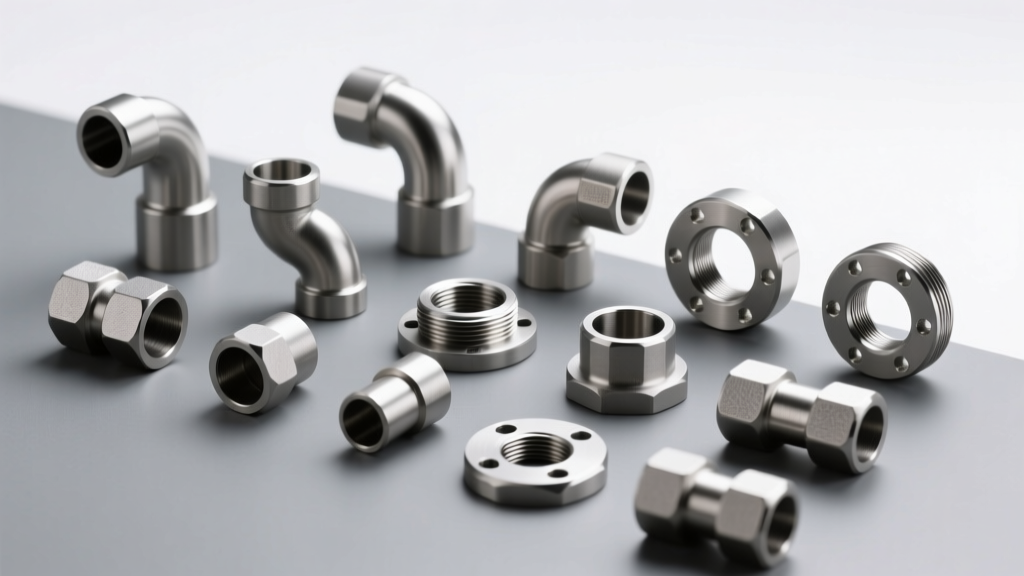
Types of Inline Water Heaters
An inline water heater is a compact and efficient solution for delivering hot water directly at the point of use or throughout a facility. Unlike traditional tank-style heaters, inline models heat water on demand, reducing energy waste and providing instant access to hot water. These systems are widely used in residential, commercial, and industrial applications due to their energy efficiency, space-saving design, and reliable performance.
Commercial Inline Heaters
Designed for businesses and institutions requiring a continuous supply of hot water, such as hotels, hospitals, and office buildings.
Advantages
- Provides uninterrupted hot water flow
- Energy-efficient for high-demand environments
- Compact design saves space
- Reduces standby heat loss
Limitations
- Higher initial investment
- Requires professional installation
- Sensitive to water pressure fluctuations
Best for: Large facilities with consistent hot water demand
Point-of-Use Inline Electric Heaters
Installed directly near fixtures like sinks or showers to deliver hot water instantly, eliminating wait time and water waste.
Advantages
- Eliminates lag time for hot water
- Reduces water wastage
- Easy retrofit into existing plumbing
- Lower energy use for small-scale needs
Limitations
- Not suitable for whole-house heating
- Limited flow rate capacity
- Requires adequate electrical circuit
Best for: Kitchens, bathrooms, remote fixtures, and small apartments
Inline Electric Tankless Water Heater
Heats water instantly as it flows through the unit without storing it, activating only when hot water is needed.
Advantages
- No standby energy loss
- Endless hot water supply (within flow limits)
- Long service life with minimal maintenance
- Compact and wall-mountable
Limitations
- High power demand during operation
- Performance varies with incoming water temperature
- May require electrical system upgrades
Best for: Homes and businesses aiming for energy efficiency and continuous supply
Industrial Inline Heaters
Robust systems designed to heat large volumes of water or other fluids for manufacturing, processing, and heavy-duty applications.
Advantages
- Handles high flow rates and temperatures
- Durable construction for harsh environments
- Precise temperature control
- Customizable for specific process needs
Limitations
- Expensive to install and maintain
- Requires specialized knowledge for operation
- Large footprint in some models
Best for: Factories, chemical plants, food processing, and large-scale operations
Gas Inline Water Heaters
Uses natural gas or propane to heat water on demand, ideal for locations with unreliable electricity or high-volume needs.
Advantages
- Fast heating even in cold climates
- Lower operating cost than electric in many regions
- Operates during power outages (if vented properly)
- High flow rate capability
Limitations
- Requires gas line and proper venting
- Higher carbon footprint than electric
- Needs regular safety inspections
Best for: Rural areas, off-grid homes, and high-demand applications
Solar Inline Water Heaters
Utilizes solar energy to preheat or fully heat water, reducing reliance on conventional energy sources.
Advantages
- Environmentally friendly and sustainable
- Significant long-term energy cost savings
- Low operating costs after installation
- Eligible for tax credits and incentives
Limitations
- Dependent on sunlight availability
- Higher upfront installation cost
- Requires roof space and proper orientation
Best for: Sunny climates, eco-conscious households, and green building projects
| Type | Energy Source | Best For | Efficiency | Installation Complexity |
|---|---|---|---|---|
| Commercial Inline | Electric/Gas | Hotels, Hospitals, Offices | High | Moderate |
| Point-of-Use Electric | Electricity | Kitchens, Bathrooms | Very High | Low |
| Tankless Electric | Electricity | Whole-house or large-scale use | Very High | Moderate to High |
| Industrial Inline | Electric/Gas/Steam | Manufacturing, Processing | High | High |
| Gas Inline | Natural Gas/Propane | Rural, High-demand areas | High | High |
| Solar Inline | Solar Energy | Eco-homes, Sunny Regions | Exceptional (long-term) | High |
Expert Tip: When selecting an inline water heater, consider your peak hot water demand, available energy sources, and local climate. For optimal efficiency, pair solar or electric models with smart thermostats and flow sensors to minimize energy waste.
Durability and Material in Inline Water Heaters
The durability and material composition of inline water heaters are critical factors that directly influence their performance, efficiency, lifespan, and safety. High-quality materials ensure reliable operation under continuous use, especially in commercial and industrial environments where consistent hot water supply is essential. Choosing the right materials also improves energy efficiency and reduces maintenance costs over time.
Key Components and Their Materials
Heating Elements
The heating element is the core component responsible for rapidly transferring heat to water. Copper and stainless steel are the most commonly used materials due to their excellent thermal conductivity and corrosion resistance.
Copper elements heat up quickly and are highly efficient, making them ideal for residential and light commercial applications. Stainless steel, while slightly less conductive, offers superior durability and resistance to scaling and mineral buildup, making it better suited for hard water environments and heavy-duty usage.
Housings (Outer Shell)
The housing protects sensitive internal components from physical damage, moisture, and environmental exposure. Most inline heaters use steel or aluminum housings, both known for their strength and thermal stability.
Steel housings offer exceptional durability and impact resistance, often used in industrial settings. Aluminum housings are lighter, naturally corrosion-resistant, and provide good heat dissipation, making them suitable for compact installations and outdoor use where weight and rust are concerns.
Insulation
Effective insulation is vital for minimizing heat loss during operation. High-density foam or ceramic-based insulation materials are typically used to trap heat within the system, ensuring that energy is directed toward heating water rather than being wasted into the surrounding environment.
Proper insulation not only improves energy efficiency but also allows the heater to reach desired temperatures faster, reducing wait times and lowering electricity consumption. This contributes to lower utility bills and a smaller carbon footprint over time.
Small Internal Components
Smaller parts such as connectors, end fittings, and seals are engineered for long-term reliability under constant water flow and pressure. Brass-plated components resist corrosion and maintain structural integrity even in aggressive water conditions.
High-strength engineering plastics are often used for end fittings and sensor housings due to their resistance to thermal expansion, chemical degradation, and electrical conductivity. These materials help prevent leaks, reduce wear, and extend the service life of the entire unit.
Material Advantages at a Glance
| Material | Common Use | Key Benefits |
|---|---|---|
| Copper | Heating elements, tubing | Excellent thermal conductivity, fast heating, reliable performance |
| Stainless Steel | Heating elements, internal chambers | Corrosion-resistant, durable, ideal for hard water |
| Aluminum | Housings, heat sinks | Lightweight, rust-resistant, good heat dissipation |
| Brass-Plated Parts | Fittings, connectors | Resists oxidation, maintains seal integrity |
| High-Strength Plastics | End caps, seals, sensors | Non-conductive, chemically stable, low maintenance |
Longevity and Reliability
Important: Always verify the material specifications of an inline heater based on your water quality and usage demands. In areas with hard or acidic water, stainless steel components are recommended over copper to prevent scaling and erosion. Using substandard materials can lead to premature failure, leaks, and potential safety hazards. Investing in a well-constructed heater with high-quality materials pays off through years of reliable, efficient service.
Applications of Inline Electric Water Heaters Across Industries
Inline electric water heaters are versatile, energy-efficient solutions designed to deliver a continuous supply of hot water on demand. Their compact design and instant heating capabilities make them ideal for a wide range of commercial, industrial, institutional, and emergency applications. Below is a detailed breakdown of real-world scenarios where inline heaters play a critical role in ensuring operational efficiency, hygiene, comfort, and safety.
Commercial Buildings
In office complexes, retail spaces, and mixed-use developments, inline heaters provide a reliable source of hot water for restrooms, kitchenettes, and janitorial services.
- Ensures consistent hot water availability during peak usage hours
- Reduces standby energy losses compared to traditional tank systems
- Compact units can be installed under sinks or in utility closets, saving valuable floor space
Benefit: Improved user comfort with minimal maintenance requirements
Hospitality Sector (Hotels & Apartments)
Guest satisfaction depends heavily on immediate access to hot water. Inline heaters eliminate wait times and ensure continuous supply across multiple rooms.
- Supports high-demand periods such as morning showers without running out of hot water
- Ideal for retrofitting older buildings where space for large tanks is limited
- Enables point-of-use installation, reducing water waste from long pipe runs
Pro tip: Install units near bathrooms and kitchens for optimal performance
Institutional Facilities (Schools, Hospitals, Offices)
These environments require hygienic, dependable hot water for handwashing, food preparation, sterilization, and cleaning protocols.
- Hospitals use inline heaters in surgical suites and patient care areas to meet strict sanitation standards
- Schools benefit from energy-efficient systems that support large numbers of students throughout the day
- Offices maintain professional environments with reliable hot water in restrooms and break rooms
Key advantage: On-demand heating supports health and safety compliance
Industrial & Manufacturing Plants
Many production processes—such as cleaning machinery, pre-heating materials, or supporting sanitation lines—require precise and consistent hot water delivery.
- Inline electric water heaters offer scalable solutions for high-volume industrial needs
- Can be integrated into automated systems with temperature controls and safety cutoffs
- Resistant to corrosion and built for continuous operation in harsh environments
Technical note: Units with stainless steel elements are preferred for durability in industrial settings
Food Service Industry (Restaurants & Cafeterias)
Hot water is essential for dishwashing, cooking, beverage preparation, and health code compliance.
- Guarantees uninterrupted supply during busy service hours
- Supports commercial dishwashers that require minimum water temperatures (typically 140°F+)
- Energy-efficient operation helps reduce utility costs in high-consumption kitchens
Best practice: Pair with temperature mixing valves for safe dispensing
Remote & Temporary Sites (Construction, Camps)
Off-grid locations often lack access to centralized heating infrastructure. Inline heaters provide flexible, portable hot water solutions.
- Operate using portable generators or temporary power hookups
- Easily deployed in mobile offices, field kitchens, and worker showers
- Require no storage tanks, minimizing risk of freezing or contamination
Critical benefit: Supports workforce welfare and site safety regulations
Emergency & Field Operations
Military units, disaster relief teams, and emergency responders rely on rapid deployment of essential services—including hot water—for hygiene and morale.
- Portable inline heaters are lightweight and compatible with field power sources
- Used in mobile medical units, field kitchens, and decontamination stations
- Enable quick setup of sanitation facilities in crisis zones
Real-world impact: Enhances operational readiness and public health response
Environmental & Operational Advantages
Beyond application-specific benefits, inline electric water heaters offer broader sustainability and efficiency gains.
- No standby heat loss = up to 30% energy savings over tank-based systems
- Reduced water waste due to faster delivery of hot water at point of use
- Lower carbon footprint when powered by renewable energy sources
- Long service life with minimal maintenance when properly installed
Sustainability note: Ideal for green building initiatives and LEED-certified projects
Professional Insight: When specifying inline electric water heaters, always consider flow rate requirements, incoming water temperature, desired output temperature, and available electrical capacity. Sizing the unit correctly ensures optimal performance and avoids under-delivery during peak demand. For large-scale applications, consider installing multiple point-of-use units rather than a single central system to improve efficiency and redundancy.
| Application | Key Requirement | Recommended Heater Type | Special Features |
|---|---|---|---|
| Commercial Buildings | Reliability & Space Efficiency | Point-of-use electric inline | Compact design, low flow activation |
| Hospitality | High Volume, Continuous Supply | High-flow inline with modulating control | Temperature stability, quiet operation |
| Healthcare Facilities | Hygiene & Code Compliance | Stainless steel element, thermostatic control | Anti-scald protection, easy sanitization |
| Industrial Processes | Durability & High Output | Heavy-duty inline with SCADA integration | Corrosion-resistant, remote monitoring |
| Emergency Response | Portability & Rapid Deployment | Mobile, generator-compatible units | Lightweight, rugged casing |
Additional Considerations for Optimal Selection
- Voltage Requirements: Ensure compatibility with available power supply (120V, 208V, 240V, or three-phase)
- Flow Rate (GPM): Match heater output to fixture demand (e.g., sinks vs. commercial dishwashers)
- Temperature Rise: Calculate based on inlet water temperature and desired output (e.g., 60°F to 120°F)
- Safety Certifications: Look for UL, CSA, or NSF listings depending on application and region
- Smart Controls: Advanced models offer Wi-Fi monitoring, usage tracking, and predictive maintenance alerts
How to Choose the Right Water Heater: A Comprehensive Buyer's Guide
Selecting the right water heater is a crucial decision that impacts your home’s comfort, energy efficiency, and long-term costs. Whether you're replacing an old unit or installing a new system, understanding your needs and available options ensures you make an informed, cost-effective choice. This guide walks you through the 10 most important factors to consider when choosing a water heater, with expert insights and practical advice to help you find the perfect fit for your household.
Important Note: Choosing the wrong water heater size or type can lead to insufficient hot water, higher utility bills, or premature system failure. Take the time to assess your needs carefully and consult a licensed plumber or HVAC professional if you're unsure about installation or compatibility.
Key Factors to Consider When Choosing a Water Heater
- Assess Your Heated Water Demand
Understanding your household's daily hot water usage is the first step in selecting the right water heater. Consider how many people live in your home and their routines—morning showers, laundry, dishwashing, and bathing all contribute to demand. For example, a family of four may need 60–80 gallons of hot water per day, while a single person might only require 20–30 gallons. Matching the heater capacity to your actual usage prevents both shortages and energy waste.
- Determine the Required Water Flow Rate
Measure the flow rate (in gallons per minute, or GPM) of your key fixtures—showers, sinks, and appliances. A standard showerhead uses 2.0–2.5 GPM, while a kitchen faucet may use 1.5–2.2 GPM. If you plan to run multiple fixtures simultaneously (e.g., shower and dishwasher), add the flow rates together. This total helps determine whether you need a tankless (on-demand) heater, which heats water as it flows, or a traditional tank model with stored hot water.
- Understand Heating Requirements and Temperature Rise
The temperature of your incoming water (especially in colder climates) affects how hard your heater must work. For example, if groundwater is 50°F and you want a 105°F shower, the heater must raise the temperature by 55°F. Tankless heaters are rated by how many gallons they can heat at a given temperature rise. Ensuring your heater can meet this “temperature rise” demand is critical for consistent performance.
- Evaluate Available Energy Sources
Choose a water heater compatible with your home’s energy supply: electricity, natural gas, propane, or solar. Gas heaters typically have lower operating costs but require venting and a gas line. Electric models are easier to install but may increase electricity bills. Solar water heaters are eco-friendly and cost-efficient long-term but have higher upfront costs and depend on climate and sunlight availability. Consider local utility rates and environmental goals when making your decision.
- Check Installation Space and Configuration
Measure the available space for installation—both floor area and ceiling height. Traditional tank water heaters require a dedicated closet or utility space, while compact tankless units can be mounted on walls. Consider access for maintenance, venting requirements (for gas models), and proximity to plumbing and electrical/gas lines. In tight spaces, a point-of-use heater near a bathroom or kitchen can supplement a central system.
- Set a Realistic Budget
Establish a budget that includes not only the purchase price but also installation, permits, and long-term operating costs. While tankless and heat pump models may cost more upfront, they often save money over time through improved efficiency. Consider the expected lifespan: tank heaters last 8–12 years, while tankless units can last 15–20 years with proper maintenance.
- Compare Efficiency Ratings
Look for the Energy Factor (EF) or Uniform Energy Factor (UEF) rating, which measures how efficiently a heater converts energy into hot water. Higher ratings mean lower operating costs. For example, a heat pump water heater may have a UEF of 3.5+ (300%+ efficiency), while a standard electric tank model might have a UEF of 0.90. ENERGY STAR® certified models meet strict efficiency guidelines and may qualify for rebates.
- Review Installation Requirements
Some water heaters require special considerations: gas models need proper venting and combustion air, electric units may require a 240-volt circuit, and tankless systems often need upgraded gas lines or water pressure regulators. Permits and professional installation are often required, especially for gas and whole-house systems. DIY installation is possible for some electric models but should only be attempted by qualified individuals.
- Consider Maintenance Needs
Different types of water heaters require varying levels of upkeep. Tank models should have their tanks flushed annually to remove sediment. Tankless units need descaling every 1–2 years, especially in areas with hard water. Heat pump and solar systems may require professional servicing. Choosing a low-maintenance model can save time and prevent costly repairs down the line.
- Research Manufacturer Reputation and Warranty
Choose a reputable brand with strong customer support and a solid warranty (typically 6–12 years for tanks, 10–15 for tankless). Read customer reviews and check for reliability ratings from sources like Consumer Reports or the Better Business Bureau. A trusted manufacturer is more likely to stand behind their product and provide replacement parts and service long-term.
| Selection Factor | Key Questions to Ask | Common Mistakes to Avoid | Recommended Tools/References |
|---|---|---|---|
| Hot Water Demand | How many people use hot water daily? What are their routines? | Underestimating peak usage times | Usage log, household schedule |
| Flow Rate | What is the GPM of your shower and faucets? | Ignoring simultaneous usage scenarios | Flow meter, fixture specs |
| Energy Source | Is gas available? What are local utility rates? | Choosing based on cost alone without efficiency | Utility bills, energy audit |
| Efficiency | What is the UEF or EF rating? | Overlooking long-term operating costs | ENERGY STAR database, efficiency calculators |
| Installation | Do you need permits or professional help? | Attempting complex gas or electrical work without expertise | Licensed contractor, local code guide |
Pro Tip: Consider a hybrid heat pump water heater if you have space and a suitable climate—it can reduce energy use by up to 60% compared to standard electric models and often qualifies for federal or state rebates, improving long-term savings.
Final Recommendations
- Keep a record of your current water heater’s performance to identify pain points.
- Consult a professional plumber to assess your home’s plumbing and energy setup.
- Look into utility company rebates or tax credits for energy-efficient models.
- For large households or high-demand applications, consider a tankless or dual-tank system.
- Always verify local building codes and permit requirements before purchasing.
Choosing the right water heater is an investment in comfort, efficiency, and reliability. By carefully evaluating your household’s needs and understanding the available technologies, you can select a system that delivers consistent hot water while minimizing environmental impact and long-term costs. When in doubt, seek guidance from a certified HVAC or plumbing professional to ensure a safe and optimal installation.
Frequently Asked Questions About Inline Electric Water Heaters
Q1: What is an inline electric water heater?An inline electric water heater—also known as a point-of-use or instantaneous electric water heater—is a compact heating system designed to be installed directly on a water pipe. Unlike traditional tank-style heaters that store and continuously reheat water, inline models heat water instantly as it flows through the unit. This on-demand operation ensures hot water is available only when needed, minimizing energy waste and reducing standby heat loss.
These units are typically used in residential, commercial, and industrial applications where space is limited or where rapid access to hot water is essential, such as under sinks, in bathrooms, or near specific appliances.
Q2: What are the benefits of using an inline electric water heater?Inline electric water heaters offer several advantages over conventional storage tank systems:
- Instant Hot Water: Heats water immediately upon demand, eliminating wait times and water waste.
- Compact Design: Small footprint allows for easy installation in tight spaces like under sinks, in utility closets, or within walls.
- Energy Efficiency: Only operates when hot water is needed, significantly reducing energy consumption compared to tank heaters that maintain water temperature 24/7.
- Reduced Heat Loss: No stored water means no standby heat loss, further improving efficiency.
- Scalable Solutions: Multiple units can be installed at different points in a building for zoned hot water delivery, improving comfort and efficiency.
- Low Maintenance: Fewer components and no standing water reduce the risk of corrosion and sediment buildup.
These features make inline heaters ideal for both retrofitting older systems and integrating into modern, energy-conscious building designs.
Q3: Can an inline heater be used in a commercial setting?Yes, inline electric water heaters are widely used across various commercial environments due to their reliability, efficiency, and flexibility. Common applications include:
- Hotels and Motels: Provide instant hot water in guest bathrooms and kitchens without the need for large central systems.
- Hospitals and Clinics: Ensure sterile, on-demand hot water for handwashing stations and medical equipment cleaning.
- Schools and Universities: Installed in restrooms, science labs, and cafeterias to deliver consistent hot water with minimal energy use.
- Restaurants and Kitchens: Support high-demand handwashing sinks, dish stations, and prep areas with immediate hot water access.
- Manufacturing Facilities: Used in processes requiring precise temperature control or sanitation rinsing.
Commercial-grade inline heaters are built to handle higher flow rates and continuous usage, often featuring advanced thermostatic controls and safety protections for reliable performance in demanding environments.
Q4: Are inline electric water heaters energy efficient?Yes, inline electric water heaters are among the most energy-efficient water heating solutions available. Their efficiency stems from several key design principles:
- On-Demand Heating: Water is heated only when it is being used, eliminating the energy losses associated with storing and reheating water in traditional tanks.
- Near 100% Thermal Efficiency: Most electric inline heaters convert nearly all the electrical energy into heat, with minimal losses during transfer.
- No Standby Losses: Since there is no storage tank, there is no radiant heat loss from keeping water hot around the clock.
- Zoned Heating: By installing units close to the point of use, recirculation loops and long pipe runs are avoided, reducing both water and energy waste.
Compared to conventional tank heaters—which can lose 10–20% of their heat through standby losses—inline electric models typically achieve higher overall efficiency, especially in low- to moderate-use scenarios. While electricity may be more expensive per unit than gas in some regions, the operational savings from reduced usage often offset this difference over time.
| Feature | Inline Electric Heater | Traditional Tank Heater |
|---|---|---|
| Energy Use | Only when hot water is needed | Continuous (to maintain tank temperature) |
| Standby Heat Loss | None | Significant (10–20%) |
| Installation Space | Compact, wall-mounted | Bulky, requires dedicated area |
| Lifespan | 10–15 years (with proper maintenance) | 8–12 years |
| Initial Cost | Lower to moderate | Moderate to high |
For these reasons, inline electric water heaters are increasingly favored in green building projects and energy-efficient retrofits.