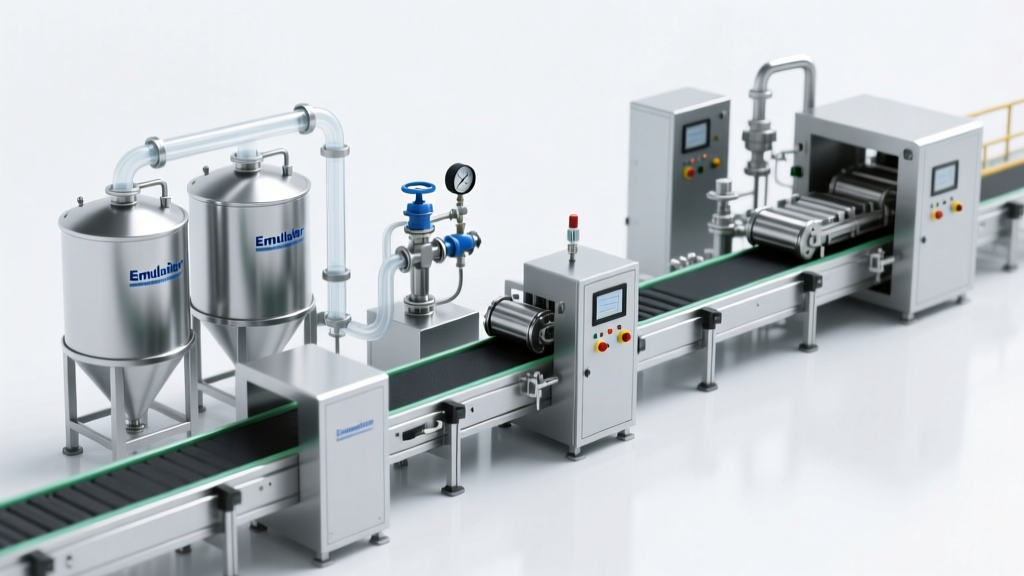
Types of Box Folding Machines
Box folding machines are essential in the modern packaging industry, enabling businesses to fold, assemble, and finish boxes with speed, precision, and consistency. These machines significantly reduce labor costs and improve production efficiency. With a wide range of options available, selecting the right type depends on production volume, box complexity, material type, and budget. Below is a comprehensive overview of the most common types of box folding machines used across industries.
Manual Box Folding Machine
Basic, hand-operated systems ideal for small-scale operations and low-volume production.
Advantages
- Low initial investment
- Compact and easy to operate
- High flexibility for custom box sizes
- No need for complex setup or maintenance
Limitations
- Labor-intensive and slower production
- Inconsistent output quality
- Not suitable for large-scale operations
- Limited throughput capacity
Best for: Small businesses, startups, prototyping, and seasonal packaging needs
Semi-Automatic Box Folding Machine
Combines manual feeding with automated folding for improved efficiency and moderate output.
Advantages
- Faster than manual machines
- Improved consistency and accuracy
- Lower cost than fully automatic systems
- Easier to integrate into existing workflows
Limitations
- Still requires operator involvement
- Production speed limited by human input
- May require training for optimal use
Best for: Medium-sized businesses, growing operations, and custom packaging runs
Fully Automatic Box Folding Machine
High-speed, integrated systems that handle feeding, folding, gluing, and stacking with minimal human intervention.
Advantages
- Maximum production speed and efficiency
- Highly consistent and precise folding
- Reduces labor costs significantly
- Handles large volumes continuously
Limitations
- High initial purchase and maintenance cost
- Requires dedicated space and infrastructure
- Less flexible for frequent size changes
- Needs skilled technicians for operation
Best for: Large-scale manufacturers, commercial box packaging, and high-volume production lines
Gluing Folding Machine
Specialized machines that apply adhesive during the folding process to secure box flaps and seams.
Advantages
- Creates strong, durable boxes
- Ensures secure closure without staples
- Essential for tamper-proof packaging
- Widely used in regulated industries
Limitations
- Requires glue maintenance and cleaning
- Adhesive costs add to operational expenses
- Potential for glue misapplication if not calibrated
Best for: Pharmaceutical, food & beverage, and medical packaging where strength and safety are critical
Lock Bottom Box Folding Machine
Designed specifically to create boxes with interlocking bottom panels for superior structural integrity.
Advantages
- Produces extremely sturdy and stable boxes
- No glue or staples required for bottom closure
- Ideal for heavy or valuable contents
- Enhances product presentation and protection
Limitations
- Higher machine complexity and cost
- Slower setup for different box sizes
- Limited to specific box designs
Best for: Luxury goods, gift boxes, electronics, and retail packaging requiring premium durability
Specialty Box Folding Machine
Tailored systems built for unique box styles such as window boxes, rigid boxes, or specialty materials.
Advantages
- Handles complex box designs and materials
- Supports innovative packaging solutions
- Enables brand differentiation
- Can process heavy-duty paperboard or laminated materials
Limitations
- High customization cost
- Longer lead times for machine development
- May require dedicated operators
Best for: Niche markets, premium packaging, and brands with unique design requirements
Inline Folding Machine
Integrated systems that combine folding with other processes like printing, cutting, or gluing in a continuous line.
Advantages
- Streamlines end-to-end production
- Maximizes efficiency and reduces handling
- Ideal for high-volume, standardized runs
- Reduces floor space and labor needs
Limitations
- High capital investment
- Less flexibility for short runs or changes
- Complex maintenance and troubleshooting
Best for: Industrial-scale packaging facilities, OEMs, and mass production environments
| Type | Automation Level | Production Speed | Cost | Best Application |
|---|---|---|---|---|
| Manual | Low | Slow (10–30 boxes/min) | $ | Small businesses, low-volume needs |
| Semi-Automatic | Medium | Moderate (30–80 boxes/min) | $$ | Medium production, custom runs |
| Fully Automatic | High | Fast (80–200+ boxes/min) | $$$ | Large-scale commercial packaging |
| Gluing Machine | Medium to High | Moderate to Fast | $$–$$$ | Pharma, food, secure packaging |
| Lock Bottom Machine | Medium to High | Moderate | $$–$$$ | Luxury, retail, heavy-item packaging |
| Specialty Machine | Varies | Varies | $$$ | Custom designs, niche markets |
| Inline Machine | Very High | Very Fast | $$$$ | Mass production, integrated lines |
Expert Tip: When selecting a box folding machine, consider not only your current production needs but also future scalability. A semi-automatic machine today might become a bottleneck tomorrow—investing in modular or upgradable systems can save time and money in the long run.
Choosing the right box folding machine is crucial for maintaining product quality, reducing waste, and meeting delivery timelines. Whether you're packaging consumer goods, medical supplies, or luxury items, there's a folding solution tailored to your requirements. Understanding the capabilities and limitations of each machine type ensures you make an informed decision that aligns with your business goals and production strategy.
Industrial Applications of Box Folding Machines
Box folding machines are essential in modern manufacturing and packaging, offering precision, speed, and consistency across a wide range of industries. These automated systems transform flat cardboard blanks into fully formed, ready-to-use boxes through precise folding, gluing, and sealing operations. Their adaptability makes them indispensable in sectors where packaging integrity, branding, and efficiency are paramount.
Key Insight: Advanced box folding machines integrate with printing, labeling, and conveyor systems to create end-to-end packaging lines. This integration reduces manual handling, minimizes errors, and ensures compliance with industry-specific standards.
Pharmaceutical Industry
Box folding machines play a critical role in pharmaceutical packaging, where compliance with strict regulatory standards is non-negotiable. These machines produce folding cartons for prescription drugs, over-the-counter medications, and medical devices, ensuring tamper-evident, secure, and precisely labeled packaging.
- Ensures compliance with FDA and EU packaging regulations
- Supports precise box label application for traceability and patient safety
- Gluing mechanisms create sealed cartons that prevent contamination
- Enables serialization and anti-counterfeiting features
Gluing folding machines are preferred for their ability to produce hermetically sealed cartons, crucial for sterile and sensitive medical products.
Food and Beverage Industry
In the food and beverage sector, box folding machines meet the demand for high-volume, hygienic, and durable packaging. They are used to create boxes for canned goods, bottled beverages, snacks, and frozen foods, where structural integrity and freshness preservation are essential.
- Lock bottom folding machines provide reinforced bases for heavy loads
- Airtight seals help maintain product freshness and prevent spoilage
- Machines comply with food-grade material handling standards (e.g., FDA, HACCP)
- Fast changeover supports seasonal and promotional packaging runs
Many systems use food-safe adhesives and are designed for easy cleaning to meet strict hygiene requirements.
Cosmetics and Personal Care
The cosmetics industry relies on box folding machines to produce premium, visually appealing packaging that enhances brand identity. These machines handle delicate materials and complex designs, including die-cut windows, embossed surfaces, and specialty finishes like matte or spot UV coating.
- Capable of producing die-cut, window, and luxury gift-style boxes
- High-precision folding preserves premium print and finish quality
- Quick changeover accommodates frequent design updates and limited editions
- Supports sustainable packaging trends with recyclable board compatibility
Specialty folding units allow for intricate creasing and folding patterns without damaging sensitive substrates.
Consumer Electronics
For fragile electronics such as smartphones, tablets, and audio equipment, box folding machines deliver precision-engineered packaging that ensures product safety during shipping and storage. The boxes must provide shock absorption, secure fit, and professional presentation.
- Inline folding machines integrate with foam insertion and labeling systems
- Precise gluing and folding prevent box collapse under pressure
- Minimizes handling, reducing the risk of damage to sensitive components
- Supports anti-theft and tamper-proof packaging designs
Inline systems often include vision inspection to verify fold accuracy and glue application before boxing.
Retail and E-commerce
The rapid growth of online shopping has driven demand for versatile, high-speed box folding solutions. Retailers and e-commerce platforms use these machines to handle diverse product sizes, customize packaging, and incorporate branding elements directly into the box design.
- Adaptable machines handle multiple box sizes and formats on a single line
- Inline printing capabilities enable custom branding and promotional messaging
- Reduces packaging waste through right-sized box production
- Improves fulfillment speed and order accuracy in distribution centers
Smart folding systems use sensors and software to automatically adjust settings based on incoming order data.
| Industry | Common Machine Type | Primary Packaging Requirement | Key Feature Utilized |
|---|---|---|---|
| Pharmaceutical | Gluing Folding Machine | Tamper-evident, compliant packaging | Precise label application & secure sealing |
| Food & Beverage | Lock Bottom Folder | Durable, hygienic, airtight boxes | Reinforced base construction |
| Cosmetics | Specialty Die-Cut Folder | Premium design & brand presentation | Custom folding and finishing options |
| Consumer Electronics | Inline Folding & Gluing System | Shock-resistant, secure packaging | Integrated automation and precision |
| Retail & E-commerce | Adjustable Folder with Printing | Custom branding & size flexibility | Quick changeover & inline printing |
Future Trends: The integration of IoT-enabled monitoring, AI-driven quality control, and sustainable material handling is transforming box folding machines into smart packaging solutions. As consumer expectations rise and environmental regulations tighten, these machines will continue to evolve to support greener, more efficient, and more personalized packaging across all industries.
Product Specifications and Features of Box Folding Machines
Box folding machines are essential in modern packaging operations, offering automated solutions for folding and assembling corrugated or paperboard boxes with speed, accuracy, and consistency. These machines come in various types—such as semi-automatic, fully automatic, inline, and rotary models—each designed to meet different production needs. Understanding their core specifications and advanced features helps businesses select the right machine for optimal efficiency, scalability, and return on investment.
Production Speed
Measured in boxes per minute (BPM), production speed is a critical factor that determines throughput capacity. High-speed box folding machines can process up to 800 BPM, making them ideal for large-scale manufacturing and distribution centers.
- Low-volume operations: Machines ranging from 30–100 BPM suit small businesses or custom packaging runs
- Mid-range production: 100–300 BPM models balance speed and cost-effectiveness
- High-volume facilities: Advanced rotary or inline systems exceed 500 BPM for continuous, high-efficiency output
Key insight: Match machine speed to your average daily order volume to avoid underutilization or bottlenecks.
Box Size Compatibility
Versatility in handling various box dimensions enhances operational flexibility. Machines may have fixed tooling or adjustable settings to accommodate different lengths, widths, and heights.
- Adjustable side guides and programmable presets allow quick transitions between sizes
- Digital memory storage enables recall of frequently used box configurations
- Wider compatibility reduces the need for multiple machines, saving floor space and maintenance costs
Pro tip: Look for machines with servo-driven adjustments for precise, tool-free changeovers.
Folding Mechanism
The folding method directly impacts the quality, precision, and complexity of box assembly. Common mechanisms include:
- Knife Folding: Uses a mechanical blade to crease and fold flaps with high accuracy—ideal for standard RSC (Regular Slotted Containers)
- Buckle Folder: Employs a guided buckle plate to fold material, offering greater adaptability for intricate box styles like trays or partitioned designs
- Roller Folding: Utilizes rotating rollers for smooth, continuous folding—common in high-speed applications with lightweight materials
Technical note: Hybrid systems combine multiple folding methods for maximum design flexibility.
Automation Level
Machines vary in automation, impacting labor requirements, consistency, and integration potential.
- Manual: Operator-fed; suitable for prototyping or very low volumes
- Semi-Automatic: Requires operator input for feeding but automates folding and gluing—ideal for medium-sized operations
- Fully Automatic: Integrates with conveyors and feeders for continuous operation, minimizing human intervention and maximizing uptime
Smart choice: Consider future growth—automated systems scale better as demand increases.
Material Compatibility
The machine must handle the thickness and type of board used in your packaging. This ensures clean folds without crushing or misalignment.
- Supports single-wall corrugated, double-wall, E-flute, B-flute, and solid fiberboard
- Adjustable pressure settings prevent damage to thinner materials while ensuring firm folds on thicker boards
- Some models include sensors to detect material thickness and auto-adjust folding parameters
Critical factor: Verify the machine’s minimum and maximum caliper range matches your typical substrates.
Energy Efficiency
Modern box folding machines incorporate energy-saving technologies to reduce operational costs and environmental impact.
- Variable frequency drives (VFDs) optimize motor power based on load
- Standby modes reduce energy consumption during idle periods
- Efficient pneumatic and electrical systems lower overall power draw
Sustainability benefit: Energy-efficient models contribute to green manufacturing certifications and long-term cost savings.
Advanced Features Enhancing Performance
High Precision & Consistency
Modern machines use servo motors, laser alignment, and digital controls to ensure every fold is accurate within fractions of a millimeter.
- Reduces material waste due to misfolds or jams
- Improves brand image through professional, uniform packaging
- Essential for automated downstream processes like case packing or labeling
Quality advantage: Precision folding minimizes glue usage and enhances structural integrity.
Rapid Changeover & Setup
Time saved during format changes directly impacts productivity, especially for businesses handling diverse SKUs or seasonal products.
- Touchscreen HMI (Human-Machine Interface) stores multiple job presets
- Motorized adjustments replace manual tools, reducing setup time from minutes to seconds
- Quick-release components enable easy access for cleaning and maintenance
Operational gain: Faster changeovers increase machine utilization and reduce downtime.
Integrated Gluing Systems
Many advanced folding machines include built-in glue applicators for instant box sealing during folding.
- Hot melt, cold glue, or emulsion systems available depending on material and speed
- Precision nozzles apply consistent adhesive patterns without overflow
- Glue monitoring alerts operators to low levels or clogs, preventing production errors
Durability boost: Properly glued boxes maintain shape during shipping and stacking.
Real-Time Monitoring & Diagnostics
Smart machines feature IoT-enabled monitoring systems that track performance metrics and predict maintenance needs.
- Displays real-time data: production count, cycle time, error logs, and efficiency rates
- Alerts for jams, misfeeds, or component wear improve troubleshooting speed
- Remote diagnostics support enables faster service response from manufacturers
Efficiency insight: Data-driven operation helps identify bottlenecks and optimize workflow.
Professional Recommendation: When selecting a box folding machine, prioritize versatility and future scalability. A mid-to-high-tier automated model with adjustable size settings, integrated gluing, and real-time monitoring offers the best long-term value. For businesses with fluctuating demand, modular machines that allow upgrades (e.g., adding auto-feeding or stacking units) provide excellent adaptability. Always request live demonstrations using your actual box designs to verify performance before purchase.
| Machine Type | Speed Range (BPM) | Best For | Key Features |
|---|---|---|---|
| Manual Folder | 10–50 | Prototyping, small batches | Low cost, compact, easy to operate |
| Semi-Automatic | 50–200 | Medium-volume production | Adjustable settings, basic automation |
| Fully Automatic Inline | 200–600 | High-volume packaging lines | Integrated feeding, gluing, real-time controls |
| Rotary Folder | 500–800+ | Mass production, e-commerce fulfillment | Ultra-high speed, servo-driven, minimal downtime |
Additional Considerations for Optimal Selection
- Warranty & Support: Choose manufacturers offering comprehensive warranties (2–3 years) and local technical support for faster repairs
- Noise & Footprint: Evaluate noise levels and space requirements, especially in shared workspaces
- Safety Features: Look for emergency stops, light curtains, and guarding to comply with OSHA or CE standards
- Integration Capability: Ensure compatibility with existing conveyors, printers, or case sealers via standard communication protocols (e.g., Ethernet/IP, Modbus)
- Training & Documentation: Comprehensive operator manuals and training videos improve adoption and reduce errors
How to Choose the Right Box Folding Machine for Your Business
Selecting the appropriate box folding machine is a crucial decision that directly impacts your packaging efficiency, production output, and operational costs. Whether you're running a small startup or managing a large-scale manufacturing facility, choosing the right machine ensures consistent product quality, reduces labor requirements, and enhances overall throughput. This comprehensive guide breaks down the key factors to consider when investing in a box folding machine, helping you make an informed, cost-effective decision tailored to your specific business needs.
Important Note: Choosing the wrong machine can lead to bottlenecks, increased labor costs, and poor packaging quality. Always assess your current and projected production needs before making a purchase.
Key Factors to Consider When Selecting a Box Folding Machine
- Production Volume and Operational Speed
- Assess your daily, weekly, and peak production demands to determine the required output capacity.
- High-volume operations (e.g., e-commerce fulfillment centers, food packaging lines) require high-speed automatic machines capable of folding hundreds or thousands of boxes per hour.
- Look for machines with adjustable speeds and quick setup times to accommodate production fluctuations.
- Automation features such as auto-feeding, synchronized folding, and integrated gluing systems significantly reduce manual labor and increase consistency.
- Consider future scalability—choose a machine that can handle projected growth over the next 3–5 years.
- Box Size Range and Style Compatibility
- Identify the range of box dimensions (length, width, height) your operation handles. Some machines are designed for standard sizes, while others offer adjustable settings for multiple formats.
- Ensure the machine supports the specific box styles you use—common types include regular slotted containers (RSC), auto-bottom boxes, pillow boxes, and tray-style packaging.
- Verify compatibility with different materials such as corrugated cardboard, chipboard, or laminated paperboard, as thickness and rigidity affect folding performance.
- Machines with quick-change tooling or digital presets allow seamless transitions between different box types, minimizing downtime.
- For businesses with diverse packaging needs, modular or programmable machines offer greater flexibility and long-term adaptability.
- Manual, Semi-Automatic, or Fully Automatic Operation
- Manual Machines: Ideal for startups, small businesses, or low-volume operations. These are cost-effective, easy to operate, and require minimal space. However, they demand more labor and are slower, making them unsuitable for scaling.
- Semi-Automatic Machines: Offer a balance between cost and efficiency. The operator loads the flat box, and the machine performs the folding and gluing. Suitable for medium-volume production with limited staffing.
- Fully Automatic Machines: Feed, fold, glue, and eject boxes with minimal human intervention. Best for high-throughput environments where consistency and speed are critical. These often integrate with conveyor systems and other packaging equipment.
- Evaluate your labor availability, skill level, and budget when deciding on automation level. Higher automation reduces errors and labor costs but requires a larger initial investment.
- Budget and Long-Term Return on Investment (ROI)
- Determine your upfront budget while considering long-term operational savings. While manual machines have lower purchase prices, automated systems often deliver better ROI through reduced labor, higher output, and fewer material waste.
- Factor in additional costs such as maintenance, spare parts, training, and potential downtime.
- Energy efficiency, durability, and manufacturer reputation should influence your decision—premium machines may cost more initially but offer longer lifespans and better support.
- Consider leasing or financing options for high-end models if upfront costs are prohibitive.
- Calculate payback period by comparing labor savings and productivity gains against the machine’s total cost.
| Machine Type | Ideal For | Output Range (Boxes/Hour) | Average Cost Range | Key Advantages |
|---|---|---|---|---|
| Manual Box Folder | Small businesses, startups, low-volume packaging | 50–150 | $500 – $2,000 | Low cost, compact, easy to use |
| Semi-Automatic Folder | Medium-volume operations, growing businesses | 150–600 | $2,000 – $10,000 | Balanced efficiency, moderate labor needs |
| Fully Automatic Folder | High-volume production, industrial packaging | 600–3,000+ | $10,000 – $50,000+ | High speed, minimal labor, consistent quality |
Expert Tip: Request live demonstrations or trial periods from suppliers before purchasing. Testing the machine with your actual box designs and materials ensures compatibility and helps evaluate ease of use, setup time, and performance under real conditions.
Additional Selection Tips
- Check warranty terms and availability of technical support and spare parts.
- Prioritize machines with user-friendly controls and clear operational manuals.
- Ensure compliance with safety standards (e.g., CE, OSHA) to protect operators.
- Consider space requirements—automated systems may need additional room for conveyors or integration.
- Look for energy-efficient models to reduce long-term operating costs.
- Read customer reviews and ask for references from existing users in your industry.
Choosing the right box folding machine is more than just a purchase—it's an investment in your production efficiency and product presentation. By carefully evaluating your production volume, box specifications, automation needs, and budget, you can select a machine that not only meets your current demands but also supports future growth. When in doubt, consult with packaging equipment specialists who can provide tailored recommendations based on your unique workflow and goals.
Frequently Asked Questions About Box Folding Machines
Q. Are these machines customizable?Yes, the majority of modern box folding machines are highly customizable to meet the specific operational needs of different businesses. Manufacturers understand that packaging requirements vary significantly across industries and product types, so they design folding machines with modular components and adjustable settings.
- Custom Folding Patterns: Machines can be programmed or mechanically adjusted to handle various box styles such as tuck-end boxes, auto-bottom boxes, and gable-top containers.
- Size Flexibility: Most models support quick changeovers for different box dimensions, allowing seamless transitions between product lines.
- Integration Options: These machines can be integrated into existing production lines, including connections with printers, gluers, and case packers for end-to-end automation.
- Branding & Finishing: Some advanced models offer add-ons for embossing, labeling, or applying protective coatings during the folding process.
This level of customization ensures that businesses—whether small-scale producers or large manufacturers—can optimize efficiency, reduce waste, and maintain consistent packaging quality.
Q. Do these machines need much energy?No, modern box folding machines are engineered for energy efficiency and typically consume far less power than older models. While energy usage does vary based on several factors, today's machines incorporate smart technologies to minimize consumption without sacrificing performance.
- Automation Level: Semi-automatic models use less energy than fully automated systems, but even high-speed automatic machines now feature variable speed drives and sleep modes to reduce idle power draw.
- Production Speed: Higher speeds increase energy demand, but efficient motor designs and optimized mechanical systems help maintain low kW/h consumption.
- Machine Size & Capacity: Larger industrial units naturally require more power, but they also offer better energy-per-unit efficiency at scale.
- Eco-Friendly Features: Many new models include regenerative braking, LED lighting, and intelligent sensors that shut down unused components when not in operation.
On average, a standard folding machine consumes between 1.5 to 5 kW per hour, making it a cost-effective solution for continuous production with minimal environmental impact.
Q. Which industries benefit from this box folding machine?Box folding machines are essential across a wide range of industries where product packaging plays a critical role in branding, protection, and logistics. Their versatility makes them ideal for sectors with high-volume, precision-driven packaging needs.
| Industry | Applications | Key Benefits |
|---|---|---|
| Pharmaceutical | Folding cartons for medicine boxes, blister packs, and inserts | Precision folding ensures tamper-evident, compliant packaging with clear labeling space |
| Cosmetic & Beauty | Luxury packaging for skincare, makeup, and fragrance boxes | Enables clean, crease-free folds for premium presentation and brand image |
| Electronics | Inner trays, retail boxes, and protective inserts for devices | Accurate folding protects sensitive components and supports anti-static materials |
| Food & Beverage | Cereal boxes, frozen food containers, beverage carriers, and snack packaging | Fast, hygienic processing compatible with food-safe board materials |
| Consumer Goods | Household products, toys, and retail-ready packaging | High-speed operation supports mass production and seasonal demand spikes |
These machines enhance productivity, reduce labor costs, and ensure consistent packaging quality—making them a smart investment for any industry reliant on cardboard or paperboard packaging.
Q. What materials can these machines handle?Box folding machines are designed to work primarily with paper-based packaging materials, offering excellent compatibility with a broad range of board types used in commercial packaging.
- Paperboard: The most common material, ideal for lightweight retail packaging like cosmetic boxes, pharmaceutical cartons, and food containers. Machines handle thicknesses from 12pt to 30pt with precision scoring and folding.
- Cardboard (Single & Double Wall Corrugate): Advanced folding machines can process heavier-duty corrugated materials used for shipping boxes, display stands, and durable packaging. Double-wall corrugate requires higher-powered models with reinforced folding plates.
- Coated & Laminated Boards: Many machines accommodate glossy, matte, or waterproof-coated boards without damaging the surface finish during folding.
- Eco-Friendly Materials: Increasingly, folding machines support recyclable, biodegradable, and FSC-certified papers, aligning with sustainable packaging trends.
Adjustable pressure rollers, programmable fold settings, and interchangeable tooling allow smooth transitions between material types, ensuring consistent results whether handling delicate gift boxes or rugged industrial containers.
Q. Are these machines easy to use?Yes, modern box folding machines are designed with user-friendliness in mind, making them accessible even to operators with limited technical experience. Manufacturers prioritize intuitive design and automation to reduce complexity and training time.
- Touchscreen Interfaces: Most models feature clear LCD or touchscreen control panels with step-by-step guidance, real-time diagnostics, and preset programs for common box styles.
- Quick Setup & Changeover: Tool-free adjustments and memory functions allow fast switching between jobs, minimizing downtime during production runs.
- Safety Features: Emergency stop buttons, protective guards, and sensor-based shutdown systems ensure safe operation in busy environments.
- Minimal Training Required: Basic operation can be learned in under an hour, and comprehensive manuals or video tutorials are often available on-screen or online.
- Remote Support & Diagnostics: Some advanced models offer Wi-Fi connectivity for remote troubleshooting, software updates, and performance monitoring.
Whether semi-automatic or fully automated, today’s folding machines combine ease of use with powerful functionality—enabling businesses to boost productivity without hiring specialized staff.