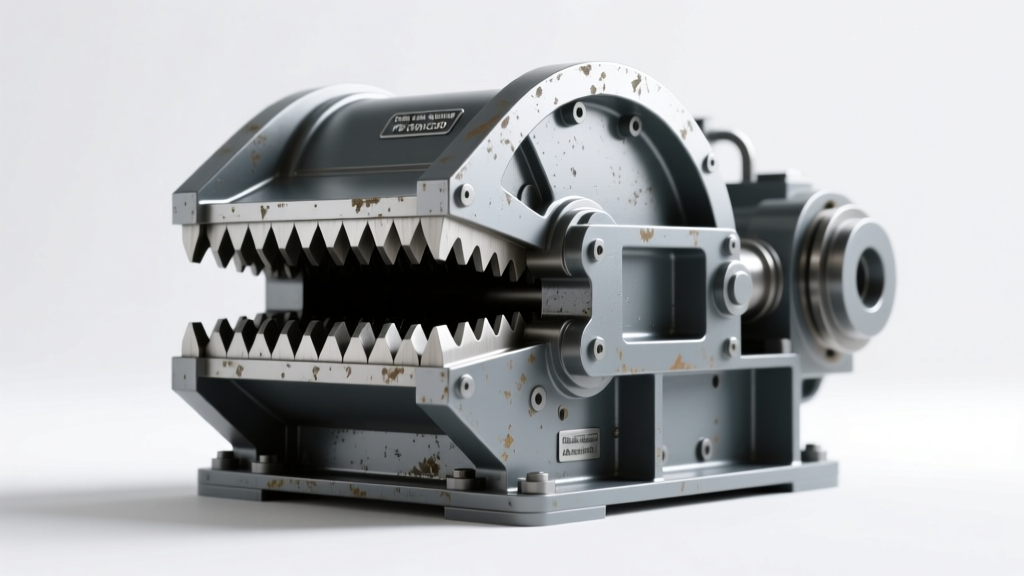
Types of Bore Pump Pullers
A bore pump puller is an essential mechanical tool used in maintenance and repair operations to safely and efficiently remove components such as impellers, bearings, and pulleys from pump shafts without causing damage. Selecting the right type of puller ensures precision, safety, and longevity of both the tool and the equipment being serviced.
Single-Jaw Pullers
Designed with an adjustable single jaw, this puller offers precise control and gentle force application, making it ideal for delicate or smaller components.
Advantages
- Easy to operate and align
- Gentle on fragile or sensitive parts
- Simple, intuitive mechanism
- Ideal for light-duty applications
Limitations
- Limited pulling power
- Less stability on larger components
- Not suitable for high-torque removals
Best for: Removing door handles, small pulleys, and light-duty pump components
Two-Jaw Pullers
Featuring dual adjustable jaws, this design allows for balanced force distribution from two opposing directions, enhancing versatility across various shaft configurations.
Advantages
- Greater leverage and pulling strength
- Adjustable for multiple angles and setups
- Effective for off-center or asymmetrical parts
- Reusable in diverse mechanical applications
Limitations
- Can apply uneven pressure if misaligned
- Less stability than three-jaw models
- Requires careful positioning to avoid slippage
Best for: Medium-duty tasks, off-axis components, and multi-setup environments
Three-Jaw Pullers
The most widely used type, three-jaw pullers are constructed from high-strength steel and provide superior balance, durability, and even force distribution around the component.
Advantages
- Excellent stability and alignment
- Even 120° force distribution
- Made from durable, high-quality steel
- Suitable for a wide range of component sizes
- User-friendly for both novices and professionals
Limitations
- Less effective on non-circular or irregular shapes
- Bulkier than single or two-jaw models
- May require more setup space
Best for: Heavy-duty pump maintenance, impeller removal, and general-purpose shaft servicing
| Type | Durability | Precision | Force Distribution | Best Application |
|---|---|---|---|---|
| Single-Jaw Puller | Medium | High (on small parts) | Low (single point) | Delicate components, light repairs |
| Two-Jaw Puller | Good | Medium | Moderate (dual direction) | Asymmetrical parts, flexible setups |
| Three-Jaw Puller | Excellent | High | Excellent (balanced 3-point) | Heavy-duty pump servicing, standard maintenance |
Expert Tip: Always ensure the puller jaws are securely seated and centered on the component before applying pressure. Misalignment can lead to slippage, equipment damage, or personal injury. For best results, use a penetrating oil before attempting stubborn removals.
Industrial Applications for Bore Pump Pullers
Bore pump pullers are essential mechanical tools designed to safely and efficiently extract or install submersible pumps, casings, and related components from deep boreholes. Their robust construction, high pulling capacity, and adaptability make them indispensable across multiple industries where water management, system maintenance, and operational reliability are critical. Below is a detailed overview of their key industrial applications.
Water Wells
Bore pump pullers play a vital role in the development and maintenance of water wells, which are drilled to access groundwater for municipal, industrial, or rural use. These wells often extend hundreds of feet underground, requiring durable equipment to handle the installation and retrieval of deep-well submersible pumps and drive shafts.
During drilling and servicing operations, bore pump pullers allow technicians to remove worn or damaged pumps without damaging the bore casing or surrounding infrastructure. Their hydraulic or mechanical leverage systems provide controlled, high-tension force necessary for safe extraction in confined or deep-well environments. This capability ensures minimal downtime and maximizes the longevity of well systems.
Agricultural Operations
In agriculture, consistent water supply is crucial for irrigation, livestock hydration, and crop production—especially during planting and harvest seasons when demand peaks. Farmers and agribusinesses rely on bore pumps to deliver water from underground aquifers to sprinkler systems, drip lines, and storage reservoirs.
Bore pump pullers enable rapid maintenance and replacement of irrigation pumps, minimizing disruptions during critical growth periods. Their portability and ease of use make them ideal for remote farm locations with limited access to heavy machinery. By ensuring timely pump servicing, these tools help maintain system efficiency, reduce energy consumption, and prevent costly breakdowns during high-demand periods.
Mining and Quarrying
The mining and quarrying industries operate in some of the most challenging environments, where groundwater infiltration can pose serious safety and operational risks. To manage water levels in deep shafts and open pits, submersible bore pumps are deployed to dewater excavation sites and maintain dry working conditions.
Bore pump pullers are engineered to withstand harsh underground conditions, including dust, moisture, and vibration. They are used regularly to extract pumps for inspection, repair, or replacement—ensuring continuous dewatering operations. Given the remote and hazardous nature of mining sites, reliability and durability of puller equipment are paramount. Advanced models often feature reinforced frames, corrosion-resistant coatings, and compatibility with heavy-duty rigging systems.
Construction Industry
In construction, managing groundwater is essential during excavation, foundation laying, and tunneling projects. Dewatering is a standard requirement to prevent flooding, stabilize soil, and ensure worker safety. Bore pumps are commonly installed in sumps or perimeter wells to control water accumulation.
Construction-grade bore pump pullers are built for rugged use on dynamic job sites with heavy machinery, variable terrain, and tight schedules. They facilitate quick pump retrieval during maintenance or site decommissioning, reducing delays and labor costs. Their modular design allows integration with cranes, winches, or portable rigs, making them adaptable to various project scales—from small residential builds to large-scale infrastructure developments.
| Industry | Primary Use | Key Benefits of Bore Pump Pullers |
|---|---|---|
| Water Wells | Pump installation and retrieval in deep aquifers | Precise control, reduced casing damage, long service life |
| Agriculture | Irrigation system maintenance and pump replacement | Fast turnaround, minimal downtime, field-portable designs |
| Mining & Quarrying | Dewatering pump servicing in deep shafts | High durability, resistance to harsh environments, safety compliance |
| Construction | Excavation dewatering and temporary pump management | Rugged build, compatibility with lifting equipment, time efficiency |
Common Features Across Industrial Applications
Important: Always follow manufacturer guidelines and safety protocols when operating bore pump pullers. Improper use can lead to equipment failure, injury, or damage to well infrastructure. Regular inspection and maintenance of puller components—such as cables, threads, and anchoring systems—are essential to ensure peak performance and workplace safety across all industrial applications.
Product Specifications and Features for Bore Pump Pullers
Bore pump pullers are essential tools in industrial maintenance, automotive repair, and mechanical engineering, designed specifically for the safe and efficient removal of pump shafts, bearings, gears, and other press-fitted components. Engineered for durability and high performance, modern bore pump pullers combine advanced materials, precise mechanics, and ergonomic design to handle demanding extraction tasks with minimal effort and maximum safety.
Technical Specifications and Key Features
Sector of Jaw Design
Bore pump pullers typically feature a precision-engineered three-jaw design that ensures even force distribution and secure gripping of pump shafts. This symmetrical configuration minimizes slippage and reduces the risk of component damage during extraction.
- Jaw opening range: 20 mm to 30 mm, suitable for a wide variety of shaft diameters
- Adjustable jaws allow for fine-tuned fitment across different pump models and shaft sizes
- Hardened jaw tips enhance grip and resist wear, especially on corroded or rusted surfaces
- Self-centering mechanism improves alignment and reduces operator error
Key benefit: Versatility across multiple applications—from water pumps to industrial impellers—makes these pullers indispensable in multi-equipment environments.
Seizing and Pulling Force
The primary function of a bore pump puller is to generate substantial pulling force to extract tightly fitted or seized components. These tools are engineered to deliver controlled, high-torque force without damaging surrounding machinery.
- Standard pulling capacity: 10 to 20 tons
- Heavy-duty models can generate up to 30 tons of pulling force
- Force is applied gradually, reducing the risk of sudden component release or injury
- Load-rated components ensure safe operation within specified limits
Safety note: Always operate within the rated capacity and use protective gear when working under high tension.
Material and Construction
Bore pump pullers are constructed from premium-grade chromium-molybdenum (Cr-Mo) steel, a high-strength alloy widely used in automotive and industrial applications due to its exceptional tensile strength, toughness, and resistance to fatigue under repeated stress.
- Cr-Mo steel undergoes heat treatment for enhanced durability and crack resistance
- Corrosion-resistant surface finishes (e.g., black oxide or zinc plating) extend tool life in humid or corrosive environments
- Forged construction ensures structural integrity under extreme loads
- Weight-optimized design balances strength with portability
Quality assurance: High-end models meet ISO and DIN standards for material performance and dimensional accuracy.
Hydraulic System (for Hydraulic Models)
Hydraulic bore pump pullers utilize a manual lever-operated pump system to transfer hydraulic fluid into a precision cylinder, generating immense linear force with minimal physical effort. This system offers superior control and consistency compared to mechanical screw-type pullers.
- High-pressure hydraulic cylinder made from reinforced steel for long-term reliability
- Manual pump lever enables controlled, incremental pressure buildup
- Integrated pressure relief valve prevents overloading and ensures safe operation
- Sealed hydraulic system resists contamination and fluid leakage
Efficiency advantage: Hydraulic models reduce operator fatigue and are ideal for frequent or heavy-duty use in professional workshops.
Installation, Usage, and Removal Guide
Installation Process
Proper installation is critical to ensure effective and safe operation of the bore pump puller.
- Inspect the shaft and puller: Check for damage, corrosion, or deformation that could affect grip or alignment.
- Adjust the jaws: Loosen the jaw screws and set the opening to match the shaft diameter (within 20–30 mm range).
- Position the puller: Center the jaws around the shaft or component flange, ensuring full contact and alignment.
- Secure the jaws: Tighten each jaw evenly using a wrench or breaker bar to prevent uneven loading.
Pro tip: Apply light lubricant to threads and jaw contact points to ease adjustment and prevent galling.
Usage Process
Once installed, the puller can be activated depending on its type:
- Hydraulic pullers: Pump the lever slowly and steadily to build pressure. Monitor for even movement—stop if binding occurs.
- Screw-type pullers: Turn the central screw clockwise using a wrench. Apply gradual force; avoid rapid cranking.
- Electric/hydraulic models: Engage the power unit and allow automatic pressure build-up. These are ideal for repetitive tasks or hard-to-reach areas.
Best practice: Pause periodically to check alignment and release pressure if resistance increases suddenly—this may indicate misalignment or seized components.
Uninstallation Process
Safely removing the puller after extraction is as important as proper installation.
- Hydraulic models: Open the release valve slowly to depressurize the cylinder. Once pressure is fully released, unscrew the jaws and remove the tool.
- Screw-type models: Turn the central screw counterclockwise until the jaws retract. Then loosen and remove the jaw arms.
- Inspect the puller for wear, clean all parts, and store in a dry place to prevent rust.
Maintenance reminder: Regularly check hydraulic fluid levels, seal integrity, and thread condition to ensure long-term reliability.
Professional Recommendation: For optimal results, always match the puller type and capacity to the job requirements. Use hydraulic models for high-force or frequent applications, and reserve manual screw pullers for lighter, occasional use. Prioritize safety by securing the workpiece, wearing protective eyewear, and never exceeding the rated pulling capacity.
| Feature | Specification | Benefit |
|---|---|---|
| Jaw Design | 3-jaw, adjustable (20–30 mm) | Secure grip, self-centering, versatile fit |
| Pulling Force | 10–30 tons (hydraulic models) | Handles even the most stubborn components |
| Material | Chromium-Molybdenum Steel | High strength, fatigue-resistant, durable |
| Operation Type | Hydraulic, Screw, or Electric-Hydraulic | Choice of power and precision for different needs |
| Application | Pump shafts, bearings, gears, impellers | Wide industrial and automotive use |
Additional Considerations
- Compatibility: Ensure the puller is designed for internal (bore) or external use depending on the application.
- Ergonomics: Look for models with non-slip handles and balanced weight distribution for safer handling.
- Accessories: Some kits include extension rods, different jaw types, or mounting adapters for enhanced versatility.
- Warranty: Reputable brands offer 1–2 year warranties, reflecting confidence in build quality.
- Safety Compliance: Choose tools that meet international safety standards (e.g., CE, ANSI) for professional environments.
Bore Pump Puller Selection Guide: Choosing the Right Tool for the Job
Selecting the appropriate bore pump puller is essential for efficient, safe, and damage-free maintenance of pump systems. Whether you're working in industrial machinery, water well systems, or HVAC applications, using the wrong puller can lead to equipment damage, safety hazards, or incomplete extraction. This comprehensive guide outlines the key factors to consider when selecting a bore pump puller, helping you make an informed decision based on your specific operational needs and environmental constraints.
Safety Note: Always ensure the pump system is de-energized and depressurized before beginning any extraction work. Use proper personal protective equipment (PPE), including gloves and safety glasses, especially when dealing with hydraulic systems under pressure.
Key Factors in Bore Pump Puller Selection
- Type of Shaft
Shaft geometry plays a critical role in determining compatibility with a puller. Shafts can be cylindrical (round), hexagonal, square, or splined, depending on the pump design and manufacturer specifications. For example, submersible bore pumps often use hexagonal shafts for positive torque transmission, while centrifugal pumps may use smooth cylindrical shafts.
When selecting a puller, ensure that the jaw or gripping mechanism is designed to accommodate the specific shaft profile without causing deformation or slippage. Some advanced pullers come with interchangeable jaws or adapters to handle multiple shaft types, offering greater versatility across different pump models.
- Load Capacity (Pulling Force)
The load capacity of a bore pump puller refers to the maximum force it can exert to extract a seized or tightly fitted component. This is typically measured in tons (metric or imperial) and must exceed the expected resistance of the pump assembly.
Hydraulic pullers are engineered for high-load applications and can generate forces ranging from 5 to 50+ tons, making them ideal for deep-well pumps or corroded components. It's recommended to select a puller with at least 20–30% more capacity than the estimated extraction force to account for unexpected resistance and ensure operator safety. Under-sizing the puller can result in tool failure or incomplete removal.
- Type of Operation
Bore pump pullers are available in three primary operation types, each suited to different scenarios:
- Hydraulic Pullers: Deliver high force with minimal physical effort. Ideal for heavy-duty industrial applications where large components need to be removed. Require a hydraulic pump unit and are best for infrequent but demanding tasks.
- Manual Pullers: Operated via hand crank or screw mechanism. Economical and portable, perfect for light to medium-duty use in field service or maintenance shops. Require more labor but offer precise control.
- Electric Pullers: Powered by electric motors, these provide rapid, consistent extraction with minimal human input. Best suited for repetitive tasks or environments where speed and efficiency are critical. Typically used in large-scale operations due to higher cost and complexity.
Your choice should balance power needs, frequency of use, budget, and available power sources.
- Working Space Constraints
The physical environment around the pump significantly influences puller selection. In confined spaces—such as narrow well pits, underground vaults, or tight mechanical rooms—compact tools are essential.
Manual pullers generally have a smaller footprint and shorter jaws, making them easier to maneuver in restricted areas. Hydraulic models, while more powerful, often require additional space for hoses, pumps, and extended arms. Always measure the clearance around the pump before purchasing and verify that the puller’s closed height and jaw reach are compatible with your workspace.
- Number of Jaws
The jaw configuration affects grip stability and force distribution:
- One-Jaw Pullers: Designed for center-pull applications where force is applied directly along the shaft axis. Commonly used for removing impellers or components aligned with the shaft centerline.
- Two-Jaw Pullers: Provide balanced pulling force from two points, ideal for end-pull operations such as extracting bearings or couplings from shaft ends. Offer good access in narrow spaces.
- Three-Jaw Pullers: Deliver even, symmetrical force distribution around the component, minimizing the risk of misalignment or damage. Recommended for precision work and delicate components where uniform pressure is crucial.
Choose the jaw type based on the component geometry and the need for balanced force application.
| Selection Factor | Recommended Considerations | Common Mistakes to Avoid | Ideal Use Case |
|---|---|---|---|
| Shaft Type | Match puller jaws to shaft profile (hex, round, etc.) | Using round jaws on hex shafts causing slippage | Mixed pump fleets with varying shaft designs |
| Load Capacity | Select 20–30% above expected extraction force | Overloading a puller beyond its rating | Corroded or seized bore pump assemblies |
| Operation Type | Balance power, speed, and cost requirements | Using manual tools for high-force jobs | Hydraulic: heavy-duty; Manual: field repairs; Electric: production environments |
| Working Space | Measure clearance before selection | Choosing oversized tools that won’t fit | Tight well pits or underground installations |
| Jaw Configuration | Ensure even force distribution for delicate parts | Using two-jaw on components needing three-point grip | Three-jaw for precision; one/two-jaw for access-limited areas |
Expert Tip: Invest in a puller kit with interchangeable jaws and extension rods for maximum versatility. This allows one base unit to handle multiple pump types and configurations, reducing long-term tooling costs and storage space.
Additional Selection Tips
- Check compatibility with existing hydraulic power units if opting for hydraulic models.
- Look for pullers made from hardened steel or alloy materials for durability and resistance to wear.
- Consider portability—lightweight aluminum models are easier to transport to remote sites.
- Verify availability of replacement parts and manufacturer support.
- Train personnel on proper puller use to prevent equipment damage and ensure safety.
Choosing the right bore pump puller isn't just about raw power—it's about matching the tool to your specific application, workspace, and maintenance goals. By carefully evaluating shaft type, load requirements, operational needs, space limitations, and jaw design, you can ensure efficient, safe, and reliable pump servicing. When in doubt, consult the pump manufacturer’s guidelines or a qualified technician to confirm compatibility and procedure.
Frequently Asked Questions About Bore Pump Pullers
Q1: How to know which type of bore pump puller to use?Selecting the right bore pump puller is crucial for efficient and safe operation. The decision should be based on several key factors related to the equipment and working conditions:
- Shaft Design: The shape, diameter, and material of the shaft determine compatibility. For example, tapered or keyed shafts may require specialized pullers with adjustable jaws or custom attachments.
- Space Constraints: Internal (bore-type) pullers are ideal for confined spaces where external access is limited, such as in pumps or gearboxes.
- Load Requirements: Higher resistance during removal demands a puller with greater pulling capacity, typically achieved with hydraulic models.
- Environment: In corrosive or wet environments, stainless steel or coated pullers offer better durability and resistance to rust.
- Application Type: Industrial maintenance, agricultural equipment repair, and HVAC systems each have unique demands—ensuring the puller matches the use case improves performance and safety.
Always consult the manufacturer’s specifications and consider using a puller that matches or exceeds the required force to prevent equipment damage or operator injury.
Q2: How do I maintain a bore pump puller?Proper maintenance extends the life of your bore pump puller and ensures reliable performance. Follow these best practices after each use:
- Cleaning: Wipe down all components to remove dirt, grease, and debris. Pay special attention to threads, jaws, and hydraulic ports to prevent clogging or corrosion.
- Lubrication: Apply a light machine oil or grease to moving parts such as screws, threads, and pivot points to reduce wear and ensure smooth operation.
- Hydraulic System Check: Inspect hydraulic pullers regularly for oil levels and leaks. Use only the recommended hydraulic fluid and top off as needed to maintain consistent pressure and force output.
- Inspection: Look for signs of wear, cracks, or deformation—especially in load-bearing areas like the screw rod and jaws. Replace damaged parts immediately.
- Storage: Store the puller in a dry, clean environment. Use protective caps on threads and keep components organized to avoid damage.
Regular maintenance not only ensures operational efficiency but also enhances safety by reducing the risk of tool failure under load.
Q3: What is the pulling force of a hydraulic puller?The pulling force of a hydraulic bore pump puller typically ranges from **5 to 30 tons**, making it suitable for a wide variety of industrial and mechanical applications.
- Standard Models: Most handheld or portable hydraulic pullers offer 5–15 tons of force, ideal for maintenance tasks in workshops or field service.
- Heavy-Duty Units: Industrial-grade pullers can deliver up to 30 tons or more, designed for large pumps, motors, and heavy machinery where high resistance is expected.
- Force Application: The pulling force refers to the maximum load the central screw or hydraulic ram can exert, not the jaw gripping strength. This allows precise, controlled removal without damaging the shaft or housing.
- Pressure vs. Force: Hydraulic systems amplify force through fluid pressure—small hand pumps can generate massive output due to mechanical advantage.
Always match the puller’s rated capacity to the job requirements and never exceed the manufacturer’s specified limits to avoid equipment failure.
Q4: Can bore pump pullers be used outdoors?Yes, many bore pump pullers are specifically designed for outdoor and industrial environments. Their construction makes them well-suited for challenging conditions:
- All-Weather Build: High-quality models are made from hardened, corrosion-resistant steel and often feature protective coatings or plating to withstand moisture, dust, and temperature fluctuations.
- Sealed Components: Hydraulic units frequently have tightly sealed cylinders and valves to prevent contamination from dirt, rain, or debris.
- Durability: Reinforced frames and wear-resistant parts ensure long-term reliability even in rugged settings like construction sites, farms, or offshore platforms.
- Mobility: Compact and portable designs allow technicians to transport and use them easily in remote or outdoor locations.
While most modern pullers are weather-resistant, avoid prolonged exposure to extreme elements and perform post-use cleaning to preserve functionality.
Q5: How can the number of jaws in a puller affect performance?The number of jaws significantly influences grip stability, force distribution, and application suitability:
| Jaw Type | Force Distribution | Best Use Cases | Advantages |
|---|---|---|---|
| Three-Jaw Pullers | Even, symmetrical force around the circumference | Round shafts, motors, pulleys, standard bearings | Maximizes grip and minimizes slippage; ideal for precision work |
| Two-Jaw Pullers | Balanced dual-point pull | Flat surfaces, eccentric shafts, irregular components | Greater clearance; useful when center access is limited |
| Single-Jaw Pullers | Directed linear force | Specialized applications like gear removal or edge pulling | Highly targeted force application; used with guides or anchors |
Three-jaw models are the most common due to their balanced performance and secure hold. However, one- and two-jaw pullers serve niche roles where traditional symmetry isn’t possible. Choosing the correct jaw configuration ensures safer operation and reduces the risk of damaging the component being removed.