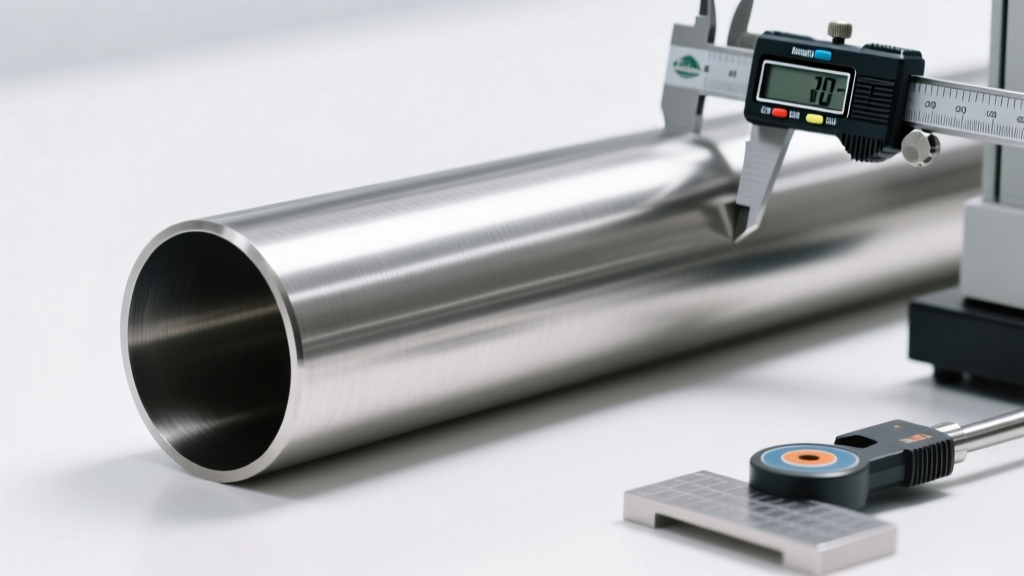
Materials Used in Bag Grinding Machines
A bag grinding machine is engineered to handle high-intensity grinding operations, often involving abrasive materials, moisture, and continuous mechanical stress. As such, the materials used in its construction are carefully selected to ensure durability, corrosion resistance, and operational efficiency. These components must withstand wear, maintain hygiene (especially in food-grade applications), and support long-term reliability.
Stainless Steel
Widely used in bagged ice grinders and food-processing models, stainless steel is prized for its exceptional resistance to rust and corrosion. It provides a hygienic, non-porous surface that prevents bacterial growth, making it ideal for environments where cleanliness is critical.
Advantages
- Excellent corrosion resistance
- Hygienic and easy to clean
- High strength and durability
- Suitable for food-grade applications
Limitations
- Higher cost compared to carbon steel
- Heavier than aluminum or polymers
- Can scratch or dent under extreme impact
Best for: Food processing, ice grinding, wet environments, commercial kitchens
High-Carbon Steel
Commonly used for grinding blades, cutters, and hoppers due to its ability to be heat-treated to a very hard finish. This ensures long-lasting sharpness and efficient material breakdown in heavy-duty meat grinding machines with bags.
Advantages
- Exceptional hardness and edge retention
- Cost-effective for high-wear components
- Can be tempered for optimal performance
- High tensile strength
Limitations
- Prone to rust without proper coating
- Requires regular maintenance
- Not suitable for wet or corrosive environments
Best for: Meat processing, industrial grinding, dry-material applications
Aluminum
Used to reduce overall machine weight while maintaining structural integrity. Aluminum is particularly useful in portable or mobile grinding units. Anodized aluminum adds an extra protective layer, enhancing wear resistance and providing a sleek, professional appearance.
Advantages
- Lightweight and easy to transport
- Good corrosion resistance
- Non-magnetic and electrically conductive
- Can be anodized for added durability
Limitations
- Less durable than steel under heavy impact
- Lower hardness reduces wear resistance
- Higher cost than standard steel in some forms
Best for: Portable units, lightweight designs, non-abrasive material processing
Polymer Composites
Gaining popularity in modern bag grinding machines for casings, covers, and non-load-bearing parts. These materials offer excellent resistance to chemicals, moisture, and corrosion, making them ideal for diverse industrial environments.
Advantages
- Extremely lightweight
- High resistance to chemicals and moisture
- No risk of rust or corrosion
- Low maintenance requirements
Limitations
- Not suitable for high-stress or cutting components
- Limited heat resistance
- Can degrade under prolonged UV exposure
Best for: Protective housings, chemical environments, indoor applications
Tungsten Carbide
One of the hardest materials available, tungsten carbide is used in extreme wear applications. It is typically applied as a coating on cutting blades or as replaceable inserts to dramatically extend tool life in high-abrasion grinding operations.
Advantages
- Exceptional hardness and wear resistance
- Long service life under abrasive conditions
- Maintains sharpness over extended use
- Ideal for high-intensity grinding
Limitations
- High cost compared to other materials
- Brittle and prone to chipping under impact
- Requires specialized manufacturing and installation
Best for: Heavy-duty industrial grinding, abrasive materials, long-run operations
| Material | Durability | Corrosion Resistance | Best Use Case | Maintenance Level |
|---|---|---|---|---|
| Stainless Steel | High | Excellent | Food & ice grinding, wet environments | Low |
| High-Carbon Steel | Very High | Poor | Meat grinding, dry industrial use | High |
| Aluminum | Medium | Good | Portable units, lightweight designs | Low |
| Polymer Composites | Medium | Excellent | Housings, chemical exposure | Very Low |
| Tungsten Carbide | Very High | Good | Heavy-duty, abrasive grinding | Medium |
Expert Tip: For optimal performance and longevity, consider combining materials—such as using stainless steel frames with tungsten carbide blades or polymer guards. This hybrid approach balances durability, cost, and functionality across different machine components.
Uses of Bag Grinding Machines: Applications Across Industries
Bag grinding machines are highly versatile industrial tools designed to process materials contained in bags, enabling efficient size reduction, homogenization, and preparation for downstream applications. Their ability to handle pre-packed or sealed materials makes them ideal for environments where contamination control, hygiene, and operational efficiency are critical. From agriculture to construction and scientific research, these machines streamline workflows, enhance productivity, and support sustainable practices.
Key Applications of Bag Grinding Machines
Milling Agricultural Products
One of the primary uses of bag grinding machines is in the agricultural sector, where they are employed to mill grains, seeds, and spices directly from their packaging. This eliminates the need for manual unpacking and reduces the risk of contamination.
For livestock farming, grains such as corn, barley, and wheat are ground into fine, digestible particles to produce high-quality animal feed. In food processing, bagged spices like turmeric, cumin, and pepper are ground to release essential oils and enhance flavor potency, ensuring freshness and consistent quality in culinary applications.
Industrial Material Processing
In manufacturing and chemical industries, bag grinding machines—sometimes referred to as bagged material grinders or specialized units like needle ice grinders—are used to pulverize raw materials such as plastics, polymers, minerals, and bulk chemicals.
By reducing particle size, these machines increase the surface area of materials, which improves reactivity in chemical processes, ensures uniform mixing in formulations, and enhances product consistency in end goods like paints, adhesives, and composites. This controlled grinding process is vital for maintaining quality standards and optimizing production efficiency.
Waste Management and Recycling
Bag grinding machines play a crucial role in modern waste management systems by processing bagged waste materials such as paper, textiles, and non-hazardous plastics. Grinding significantly reduces the volume of waste, making it easier and more cost-effective to transport and store.
Additionally, the shredded output can be sorted and repurposed for recycling—such as turning waste paper into pulp for new paper products or converting plastic scraps into feedstock for再生 plastics. This contributes to circular economy initiatives and supports environmental sustainability by minimizing landfill use and promoting resource recovery.
Lab and Research Applications
In scientific laboratories, precision and sample integrity are paramount. Bag grinding machines are used to homogenize biological specimens, mineral samples, and chemical compounds without cross-contamination.
Researchers rely on these machines to prepare fine powders for analytical techniques such as spectroscopy, chromatography, and elemental analysis. The ability to grind samples directly in their sealed containers ensures sterility, prevents moisture absorption, and maintains the chemical composition, leading to more accurate and reproducible experimental results.
Construction Material Preparation
Within the construction industry, bag grinding machines are utilized to process materials like cement clinker, gypsum, and additives into fine powders suitable for concrete, mortar, and stucco mixtures.
Proper grinding ensures optimal particle distribution, which directly affects the strength, durability, and workability of building materials. By enabling on-site or centralized grinding of bagged components, these machines improve supply chain efficiency and support large-scale construction projects with consistent material quality.
Pharmaceutical and Food Safety Applications
Although not explicitly mentioned, bag grinding machines are increasingly used in regulated industries such as pharmaceuticals and food production, where hygiene and traceability are essential.
They allow for the safe grinding of powdered ingredients (e.g., APIs, excipients, or food additives) directly in their original packaging, minimizing exposure to contaminants and ensuring compliance with Good Manufacturing Practices (GMP). This capability is especially valuable in batch processing and quality control protocols.
| Application Sector | Common Materials Processed | Primary Benefits |
|---|---|---|
| Agriculture | Grains, seeds, spices | Improved digestibility, enhanced flavor, reduced labor |
| Industrial Manufacturing | Plastics, chemicals, minerals | Uniform particle size, increased reactivity, better product consistency |
| Waste & Recycling | Paper, fabric, small plastics | Volume reduction, recyclability, environmental sustainability |
| Scientific Research | Biological samples, minerals, compounds | Sample homogeneity, contamination control, accurate analysis |
| Construction | Cement clinker, gypsum, additives | Enhanced material strength, efficient mixing, large-scale readiness |
Why Bag Grinding Machines Are Essential
Important: Always ensure that the bag grinding machine is compatible with the type of material and packaging being processed. Using improper settings or incompatible equipment can lead to machine damage, inconsistent results, or safety hazards. Regular maintenance and adherence to manufacturer guidelines are essential for optimal performance and longevity.
Distinguishing Features of Bag Grinding Machines
Bag grinding machines are engineered with specialized features that enhance their ability to efficiently process a wide range of materials, from agricultural waste to industrial byproducts. These machines combine robust mechanical design with user-focused functionality, making them ideal for consistent, high-volume grinding operations. Understanding the key components helps operators select the right equipment for optimal performance, safety, and productivity.
Bag Holder System
The bag holder system is a defining feature of bag grinding machines, specifically designed to securely position and stabilize bags during the grinding process. This system eliminates the need for manual bag handling, reducing operator fatigue and improving safety.
- Ensures consistent feed by preventing slippage or misalignment during operation
- Adjustable clamps or brackets accommodate various bag sizes and thicknesses (e.g., 25kg to 50kg sacks)
- Improves throughput by allowing continuous feeding without interruptions
- Often constructed from durable steel or reinforced polymers to withstand repeated use
Key benefit: Enhances operational efficiency and reduces downtime caused by manual intervention.
Adjustable Grinding Speed
Modern bag grinding machines are equipped with variable speed controls, allowing users to customize the grinding intensity based on material type, moisture content, and desired particle size.
- Lower speeds (e.g., 800–1,200 RPM) are ideal for dense or fibrous materials like composted organic waste
- Higher speeds (up to 3,000 RPM) efficiently process softer or dry materials such as grain byproducts or paper-based waste
- Digital speed displays and motor controllers offer precise adjustments for repeatable results
- Variable frequency drives (VFDs) enable smooth acceleration and energy-efficient operation
Pro tip: Matching speed to material characteristics prevents clogging and extends blade life.
High-Efficiency Motor
The heart of any bag grinding machine is its motor, which must deliver consistent power while maintaining energy efficiency and thermal stability under continuous load.
- Typically powered by industrial-grade electric motors ranging from 5 HP to 20 HP depending on scale
- Thermal overload protection prevents overheating during extended use
- Energy-efficient designs reduce operational costs and support sustainability goals
- Direct-drive or belt-driven configurations offer balance between torque and maintenance needs
Technical note: High-torque motors ensure reliable performance even with challenging materials like wet silage or compacted waste.
Safety Features
Safety is paramount in high-speed grinding environments. Bag grinding machines incorporate multiple safeguards to protect operators and ensure compliance with workplace regulations.
- Emergency stop buttons for immediate shutdown in case of malfunction
- Interlocked safety guards that automatically disable the motor when access panels are opened
- Automatic shut-off sensors detect jams or overheating conditions
- Protective covers shield belts, pulleys, and rotating blades from accidental contact
Critical reminder: Regular inspection and testing of safety systems are essential for long-term risk prevention.
Dust Collection System
A built-in dust collection system is crucial for maintaining air quality, protecting equipment, and complying with health and safety standards—especially when processing dry or powdery materials.
- Integrated cyclonic separators or filter bags capture fine particles before they disperse into the air
- Reduces respiratory hazards and keeps the work environment clean
- Prevents dust buildup on internal components, extending machine lifespan
- Some models include HEPA filters for environments requiring ultra-low particulate emissions
Best practice: Pair the machine with an external vacuum or central dust extraction system for maximum efficiency.
Professional Recommendation: When selecting a bag grinding machine, prioritize models with modular design, easy access to blades, and comprehensive safety certifications (e.g., CE, OSHA compliance). For facilities processing diverse materials, choose units with digital speed control and adjustable bag holders to maximize versatility. Investing in a machine with a robust dust management system not only improves worker safety but also supports regulatory compliance and environmental responsibility.
| Feature | Function | Benefit | Common Applications |
|---|---|---|---|
| Bag Holder System | Secures bags during grinding | Prevents slippage, improves consistency | Agricultural waste, fertilizer, feed processing |
| Adjustable Speed Control | Customizes RPM based on material | Optimizes grinding efficiency and quality | Compost, biomass, recycled materials |
| High-Efficiency Motor | Provides consistent power output | Reduces energy use, prevents overheating | Industrial processing, large-scale operations |
| Safety Interlocks & Guards | Protects operators from moving parts | Meets OSHA and ISO safety standards | All industrial and commercial settings |
| Dust Collection System | Captures airborne particles | Improves air quality and machine longevity | Wood processing, grain milling, recycling |
Additional Considerations for Optimal Performance
- Blade Material and Design: Hardened steel or tungsten-carbide blades offer superior wear resistance and sharper grinding edges
- Maintenance Accessibility: Machines with quick-release panels and tool-free blade replacement reduce downtime
- Noise Reduction: Sound-dampening enclosures or rubber mounts minimize operational noise in sensitive environments
- Portability: Units with wheels or lifting points allow flexible placement in multi-station facilities
- Automation Compatibility: Advanced models support integration with conveyor systems or PLC controls for fully automated workflows
How to Choose the Right Bag Grinding Machine for Your Needs
Selecting the appropriate bag grinding machine is crucial for achieving efficient, consistent, and safe material processing. Whether you're operating in pharmaceuticals, food production, recycling, or industrial manufacturing, the right machine can significantly impact productivity, product quality, and maintenance costs. This comprehensive guide outlines the most important factors to consider when choosing a bag grinding machine, helping you make an informed decision tailored to your specific operational requirements.
Important Note: Always verify that the machine complies with local safety and environmental regulations. For applications involving sensitive materials (e.g., food, pharmaceuticals), ensure the equipment is constructed from food-grade or non-reactive materials and meets relevant industry standards such as FDA, CE, or ISO certifications.
Key Factors to Consider When Choosing a Bag Grinding Machine
- Material Compatibility
The type of material being processed is one of the most critical considerations. Different materials require different grinding mechanisms and wear-resistant components. For soft or low-density materials like plastic films, paper bags, or lightweight polymers, a machine with standard steel blades may be sufficient. However, for harder, more abrasive substances—such as reinforced packaging, multi-layer laminates, or materials containing grit—a heavy-duty machine with grinding elements made from high-carbon steel, tungsten carbide, or hardened alloy is essential to ensure durability and consistent performance.
Additionally, consider the particle size requirements of your end product. Machines with adjustable screen sizes or modular grinding chambers allow greater control over output fineness, enabling customization for downstream processes like compounding, pelletizing, or reprocessing.
- Bag Holder System
The design and functionality of the bag holder system directly influence operational efficiency and safety. A well-engineered holder secures the bag firmly during grinding, minimizing movement, reducing the risk of jamming, and preventing material spillage. Look for systems with adjustable clamps or vacuum-assisted feeding mechanisms that accommodate various bag sizes—from small sachets to large industrial sacks—without requiring manual intervention.
Advanced models may include automated feeding systems or conveyor integrations that streamline the process, reduce labor costs, and enhance throughput. Ensuring compatibility with your typical bag dimensions and materials (e.g., woven polypropylene, laminated films) will maximize grinding efficiency and minimize downtime.
- Motor Power and Energy Efficiency
Motor power is a primary determinant of a machine’s grinding capacity. High-torque motors are necessary for processing dense or tough materials and maintaining consistent performance under continuous operation. For large-scale or industrial applications, motors ranging from 5 HP to 20+ HP are common, depending on volume and material hardness.
However, power should be balanced with energy efficiency. Modern bag grinding machines often feature variable frequency drives (VFDs) that optimize motor speed and reduce energy consumption during low-load operations. Energy-efficient motors not only lower electricity costs but also generate less heat, reducing wear on components and extending the machine's lifespan.
- Adjustable Grinding Speed
Having variable speed control enhances the machine’s versatility and precision. Slower speeds are ideal for heat-sensitive or fibrous materials that may melt or wrap around blades at high RPMs. Faster speeds, on the other hand, are effective for brittle or dry materials that break down more easily.
Machines with digital speed controls or programmable settings allow operators to fine-tune performance based on material type, desired particle size, and throughput goals. This adaptability makes the machine suitable for multiple applications, increasing return on investment and reducing the need for multiple specialized units.
- Cleaning and Maintenance Requirements
Regular maintenance is vital for the longevity and performance of any bag grinding machine, especially in hygienic or high-output environments. Machines designed for easy disassembly—such as those with quick-release panels, tool-free blade access, and open-frame designs—can significantly reduce cleaning time and labor costs.
Look for models with corrosion-resistant components and sealed bearings to prevent material buildup and contamination. Additionally, evaluate the availability of spare parts (e.g., blades, screens, belts) and the manufacturer’s support network. A machine backed by comprehensive documentation, accessible customer service, and preventive maintenance programs will minimize unexpected downtime and repair expenses.
For industries like food processing or pharmaceuticals, consider machines with CIP (Clean-in-Place) compatibility or those that meet sanitary design standards to ensure compliance with hygiene regulations.
| Selection Factor | Recommended Features | Common Trade-offs | Best Suited For |
|---|---|---|---|
| Material Compatibility | Tungsten carbide blades, interchangeable screens, corrosion-resistant housing | Higher initial cost, heavier machine weight | Reinforced bags, abrasive materials, mixed waste streams |
| Bag Holder System | Adjustable clamps, vacuum feed, auto-feeding conveyor | Increased complexity, higher maintenance needs | High-volume operations, diverse bag sizes |
| Motor Power & Efficiency | VFD control, high-torque motor, thermal overload protection | Higher upfront investment, larger footprint | Continuous operation, industrial-scale grinding |
| Adjustable Grinding Speed | Digital speed control, multiple RPM settings, soft-start motor | Potential for operator error, added electronics | Precise particle control, multi-material processing |
| Cleaning & Maintenance | Quick-disassembly design, sealed bearings, CIP compatibility | May require specialized training or tools | Food, pharma, cleanroom environments |
Expert Tip: Before finalizing your purchase, request a material testing session from the manufacturer. Many suppliers offer demo runs with your actual bag materials to evaluate performance, particle size output, and ease of operation. This real-world assessment can prevent costly mismatches between machine capabilities and your production needs.
Additional Selection Tips
- Noise and Dust Control: Consider machines equipped with sound-dampening enclosures and integrated dust collection systems, especially if operating in shared or indoor spaces.
- Scalability: Choose a model that allows future upgrades, such as increased motor power, additional screening options, or automation integration.
- User Training and Support: Ensure the supplier provides detailed operating manuals, training videos, or on-site instruction to reduce the learning curve for operators.
- Safety Features: Look for emergency stop buttons, interlock guards, overload sensors, and CE-marked electrical components to protect personnel and equipment.
- Warranty and Service: Opt for machines with at least a 1-year warranty and access to local service technicians for faster repairs.
Choosing the right bag grinding machine involves balancing performance, durability, cost, and ease of use. By carefully evaluating your material types, production volume, and long-term maintenance needs, you can select a machine that not only meets your current demands but also supports future growth. When in doubt, consult with equipment specialists or engineers who can help match your requirements with the best available technology.
Frequently Asked Questions About Bag Grinding Machines
Q.1 What is a bag grinding machine used for?A bag grinding machine is a specialized piece of equipment designed to grind and process materials directly from sealed or open bags, minimizing manual handling and contamination. These machines are widely used across various industries due to their efficiency and versatility.
In agricultural operations, they are commonly employed to mill grains, animal feed, dried herbs, and other bulk dry powders. In industrial and manufacturing settings, bag grinding machines process chemicals, spices, food ingredients, pharmaceuticals, and mineral compounds.
- Material Versatility: Capable of handling a broad range of dry, granular, or powdered substances.
- Consistent Output: Ensures uniform particle size distribution, which is crucial for product quality and downstream processing.
- Integrated Feeding: Many models include hopper systems that allow bags to be dumped directly into the machine, streamlining the workflow.
- Containment: Reduces spillage and dust exposure, enhancing workplace safety and hygiene.
These features make bag grinding machines an essential tool in facilities where precision, efficiency, and cleanliness are priorities.
Q.2 How does a bag grinding machine benefit industrial operations?Bag grinding machines significantly enhance productivity and operational efficiency in industrial environments by automating what would otherwise be a labor-intensive process. Instead of manually transferring and grinding materials, operators can feed entire bags into the machine, reducing both time and physical effort.
The automation ensures a continuous and controlled grinding process, leading to consistent particle size and improved product quality—critical in sectors like food processing, pharmaceuticals, and specialty chemicals where uniformity affects performance and compliance.
- Increased Throughput: Designed to handle large volumes, enabling high-capacity processing for mass production needs.
- Labor Savings: Reduces dependency on manual labor, lowering operational costs and minimizing human error.
- Dust Control: Integrated dust collection systems minimize airborne particles, contributing to a safer work environment and helping meet OSHA and EPA regulations.
- Reduced Contamination Risk: Closed-system designs prevent cross-contamination and protect sensitive materials from moisture or foreign particles.
Overall, these machines support scalable, safe, and compliant production processes, making them a smart investment for growing industrial operations.
Q.3 Are there any special maintenance requirements for a bag grinding machine?Yes, to ensure long-term reliability, peak performance, and operator safety, bag grinding machines require routine and proactive maintenance. Neglecting upkeep can lead to decreased efficiency, inconsistent grinding results, and costly downtime.
- Cleaning: Regular cleaning after each use prevents material buildup, clogging, and cross-contamination—especially important when switching between different products.
- Wear Part Inspection: Grinding components such as hammers, blades, screens, and liners are subject to wear. These should be inspected frequently and replaced when signs of erosion or dulling appear.
- Lubrication: Bearings, motors, and moving parts must be lubricated according to the manufacturer’s schedule to reduce friction, heat, and mechanical stress.
- Screen Maintenance: Check for screen blockages or tears, as damaged screens can compromise particle size control and product quality.
- Electrical & Safety Checks: Inspect wiring, emergency stops, and protective guards to ensure the machine remains safe to operate.
Following a structured maintenance plan not only extends the machine’s lifespan but also ensures consistent output and minimizes unexpected breakdowns. Always refer to the manufacturer’s maintenance manual for model-specific guidelines.
Q.4 Can bag grinding machines be used for wet grinding?Typically, standard bag grinding machines are engineered for dry grinding applications. They are not inherently designed to handle wet or sticky materials, as moisture can cause clogging, corrosion, and damage to internal components.
However, certain industrial models are available with specialized configurations that support wet grinding. These adaptations may include:
- Corrosion-Resistant Materials: Stainless steel or coated components to withstand moisture and prevent rust.
- Enhanced Sealing: Waterproof seals on motors and electrical parts to protect against splashes or humidity.
- Modified Grinding Chambers: Designed for slurry processing with improved drainage and anti-clog mechanisms.
- Cooling Systems: To manage heat buildup during prolonged wet grinding operations.
Before attempting wet grinding, it is essential to consult the manufacturer’s specifications and operating manual. Using a standard dry grinder for wet materials can void warranties, compromise safety, and lead to premature equipment failure. If wet grinding is a regular requirement, investing in a purpose-built wet grinder or hybrid model is recommended.
Q.5 How does one control the particle size in a bag grinding machine?Particle size control is a critical function in bag grinding machines, allowing operators to tailor the output to specific application requirements. The primary method of controlling grind fineness involves the use of interchangeable screens or mesh filters located beneath the grinding chamber.
These screens have precisely sized perforations that only allow particles of a certain maximum diameter to pass through. Key factors influencing particle size include:
- Screen Hole Size: Larger holes produce coarser particles, while smaller holes yield a finer powder. Screens can be swapped out depending on the desired output.
- Grinding Element Configuration: Adjusting the gap between hammers, blades, and the screen surface affects impact force and residence time, influencing grind consistency.
- Motor Speed (RPM): Higher speeds generally result in finer grinding due to increased impact frequency and energy.
- Feed Rate: Controlled material input ensures even grinding; overloading can lead to inconsistent particle sizes.
Advanced models may include adjustable rotor speeds or pneumatic screen-changing systems for rapid reconfiguration. By fine-tuning these parameters, operators can achieve precise, repeatable results suitable for sensitive applications in food, pharmaceuticals, or chemical manufacturing.