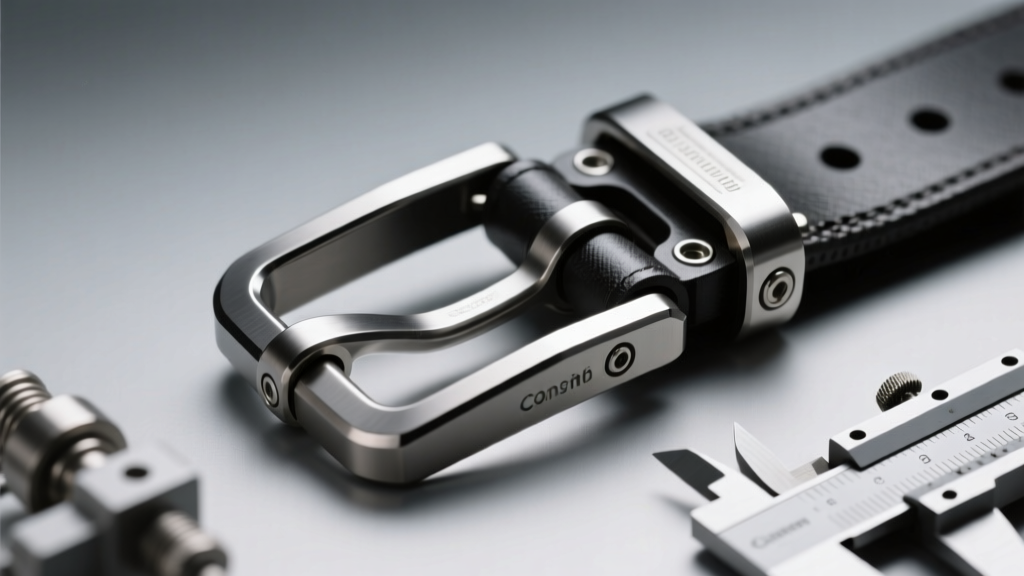
Types of AN3 Male Flare Adapters
An AN3 male flare adapter is a precision-engineered fitting used in high-performance fluid transfer systems, particularly in automotive, aerospace, and industrial applications. These adapters are designed to ensure leak-free, high-pressure connections between AN (Army-Navy) standard tubing and various other thread types or hose configurations. The AN3 size corresponds to a 3/16" inner diameter tubing and features a 37° flare angle, providing superior sealing and reliability under extreme conditions.
AN to NPT Adapter
Connects AN3 flare lines to National Pipe Thread (NPT) components, enabling integration with standard plumbing systems.
Advantages
- Widely available and standardized
- Secure, leak-resistant seal when properly torqued
- Compatible with common industrial piping
- Available in brass, stainless steel, and aluminum
Limitations
- NPT threads require thread sealant (e.g., Teflon tape)
- Not recommended for high-vibration environments without locking features
- Thread mismatch can cause cross-threading if not careful
Best for: Fuel systems, oil lines, and hydraulic setups connecting to NPT fittings
AN to Barb Hose Fitting
Transitions from an AN3 male flare to a barbed hose connection for flexible hose attachment.
Advantages
- Enables use of flexible rubber or silicone hoses
- Ideal for routing in tight or complex spaces
- Cost-effective for non-critical fluid transfer
- Easy installation with standard hose clamps
Limitations
- Lower pressure rating compared to rigid AN lines
- Hose can degrade over time due to heat or chemicals
- Requires proper hose sizing to prevent leaks or blow-offs
Best for: Coolant lines, vacuum systems, and low-pressure fuel return lines
Twist Lock AN3 Male Flare Adapter
Features a quick-connect/disconnect twist-lock mechanism for rapid servicing and high-reliability connections.
Advantages
- Fast and tool-free connection/disconnection
- Vibration-resistant secure lock
- Reduced risk of human error during assembly
- Common in racing and aviation for emergency access
Limitations
- Higher cost than standard adapters
- Requires compatible female twist-lock fittings
- Less common in consumer automotive markets
Best for: Race cars, aircraft fuel systems, and applications requiring frequent disassembly
AN to Metric Adapter
Bridges AN3 flare lines with metric-threaded components, essential for international or mixed-standard systems.
Advantages
- Enables compatibility with European or Asian equipment
- Available in common metric sizes (e.g., M10x1, M12x1.5)
- Precision-machined for reliable sealing
- Reduces need for multiple adapter stacks
Limitations
- Must match exact metric thread pitch and diameter
- Risk of confusion with similar-looking threads
- May require thread sealant depending on fit
Best for: Import vehicles, hybrid systems, and global engineering projects
AN to AN Adapter
Connects AN3 male flare to an AN female fitting, extending or branching AN plumbing lines.
Advantages
- Maintains full AN system integrity and pressure rating
- Leak-free 37° flare seal without additional sealants
- Available in straight, 45°, and 90° configurations
- Durable materials like stainless steel or anodized aluminum
Limitations
- Limited flexibility in routing compared to hoses
- Requires precise alignment during installation
- Over-tightening can damage flare surfaces
Best for: High-pressure fuel, oil, and brake lines in performance and racing applications
| Adapter Type | Primary Use Case | Pressure Rating | Material Options | Installation Notes |
|---|---|---|---|---|
| AN to NPT | Connecting to industrial piping | High (with sealant) | Brass, Aluminum, Stainless Steel | Use thread sealant; avoid over-tightening |
| AN to Barb | Flexible hose connections | Medium | Aluminum, Brass | Use proper hose clamps; match hose ID |
| Twist Lock | Rapid connect/disconnect | Very High | Stainless Steel, Anodized Aluminum | Ensure full engagement of locking groove |
| AN to Metric | International system integration | High | Brass, Stainless Steel | Verify thread pitch and diameter |
| AN to AN | AN system extension | Very High | Aluminum, Stainless Steel, Brass | Torque to specification; inspect flares |
Expert Tip: Always hand-tighten AN fittings first to ensure proper thread alignment, then use a wrench to torque to the manufacturer's specification (typically 25–35 in-lbs for AN3). Over-tightening is a common cause of flare damage and leaks.
Material Note: For fuel and oil systems, stainless steel or anodized aluminum is recommended for corrosion resistance. Brass is suitable for lower-temperature applications but may not withstand prolonged exposure to certain fuels or high heat.
Industry Applications of AN3 Male Flare Adapters
AN3 male flare adapters are essential components in high-performance fluid transfer systems, known for their reliability, durability, and ability to maintain leak-proof connections under extreme conditions. Derived from military specifications (MIL-SPEC), the AN (Army-Navy) standard ensures precision engineering and compatibility across critical applications. These 3/8-inch nominal size fittings are widely used in industries where pressure integrity, resistance to vibration, and long-term performance are non-negotiable.
Key Industry Applications
Automotive Industry
AN3 male flare adapters are extensively used in high-performance automotive fuel, oil, coolant, and hydraulic systems. Unlike traditional rubber hoses and clamps that degrade over time, AN3 stainless steel or aluminum fittings provide a superior alternative with enhanced durability and consistent performance.
These adapters enable clean, organized fluid routing and are especially valuable in modified engines, turbocharged systems, and track vehicles where high pressure and temperature fluctuations are common. The 37° flare design ensures a metal-to-metal seal that resists leaks even under severe vibration and thermal cycling, making them ideal for both street and racing applications.
Aerospace Industry
In aerospace engineering, safety and reliability are paramount. AN3 male flare adapters are standard in aircraft hydraulic systems, fuel delivery lines, and pneumatic controls due to their proven ability to perform under extreme altitudes, temperatures, and pressures.
Made from lightweight yet robust materials like corrosion-resistant stainless steel or aluminum alloys, these fittings reduce overall system weight without compromising strength. Their precision tolerances and leak-free sealing ensure uninterrupted operation in flight-critical systems, contributing to both safety and regulatory compliance in commercial, military, and general aviation platforms.
Marine Industry
Marine environments present unique challenges, including saltwater exposure, humidity, and constant vibration. AN3 male flare adapters are increasingly adopted in boat fuel systems, bilge pumps, hydraulic steering, and engine cooling lines to combat corrosion and prevent dangerous leaks.
Their stainless steel construction resists rust and galvanic corrosion, while the secure flare connection remains stable despite hull flexing and wave-induced stresses. This makes them a preferred choice for high-end yachts, commercial fishing vessels, and offshore support craft where system failure can lead to costly downtime or safety hazards.
Racing and Motorsport
In motorsports, every second counts—both on the track and in the pit. AN3 male flare adapters are standard in race car plumbing due to their quick-disconnect capability, high-pressure tolerance, and vibration resistance. While not "twist-lock" in the traditional sense, the threaded AN design allows for fast assembly and disassembly using standard wrenches, enabling rapid repairs during race events.
Used in fuel injection, oil return, nitrous oxide, and brake cooling systems, these fittings ensure consistent performance under extreme heat and G-forces. Their reliability reduces the risk of in-race failures, making them a trusted component in Formula, drag racing, off-road, and vintage restoration builds.
Oil and Gas Industry
The oil and gas sector relies on AN3 male flare adapters for instrumentation lines, control systems, and small-diameter hydraulic circuits in both onshore and offshore operations. These environments often involve high-pressure fluids, flammable substances, and remote locations where maintenance access is limited.
AN3 fittings provide a dependable, reusable connection that maintains integrity under cyclic loading and thermal expansion. Their compatibility with stainless steel tubing ensures resistance to hydrocarbons and corrosive chemicals, helping operators meet strict safety and environmental standards while minimizing the risk of leaks that could lead to fires or ecological damage.
Industrial and Manufacturing Systems
Beyond the primary sectors, AN3 adapters are also utilized in industrial machinery, test benches, and custom fluid power systems. They are commonly found in CNC machines, hydraulic presses, and robotic automation equipment where precision fluid control is required.
Engineers and technicians favor AN3 components for their interchangeability, ease of integration, and long service life. With standardized dimensions and global availability, they simplify design, reduce inventory complexity, and support modular system upgrades across various manufacturing and R&D applications.
| Industry | Primary Use | Key Benefits |
|---|---|---|
| Automotive | Fuel, oil, coolant lines | Leak-proof, heat/vibration resistant, clean routing |
| Aerospace | Hydraulic & fuel systems | Lightweight, reliable, MIL-SPEC compliant |
| Marine | Fuel delivery, hydraulic steering | Corrosion-resistant, durable in saltwater |
| Racing | High-pressure plumbing | Quick maintenance, secure under stress |
| Oil & Gas | Instrumentation & control lines | Safe, reusable, chemical resistant |
Why Choose AN3 Male Flare Adapters?
Important: Always verify thread compatibility and material suitability before installation. Use proper flaring tools and torque specifications to ensure a leak-free connection. Avoid mixing AN with NPT or other thread types without appropriate adapters. Improper installation can lead to system failure, safety risks, or costly downtime.
AN3 Male Flare Adapter: Product Specifications and Features
The AN3 male flare adapter is a critical component in high-performance fluid transfer systems, widely used across automotive, aerospace, racing, and industrial applications. Designed for reliability under extreme pressure and temperature conditions, this fitting ensures secure, leak-proof connections in hydraulic, fuel, oil, and coolant lines. Below is a detailed breakdown of its technical specifications and key features to help professionals select and apply the right component for their system requirements.
Core Specifications
- AN Size: -3 AN (indicating a 3/16-inch inner diameter)
- Inner Diameter: 3/16" (4.76 mm) – standard for compatibility with -3 AN hose and tubing
- Flare Angle: 37-degree conical flare – ensures metal-to-metal sealing with matching female flare fittings
- Thread Type: 3/8"-24 UNF (Unified National Fine) – standard thread for AN fittings, providing strong, vibration-resistant connections
- Material Options: Precision-machined from stainless steel, aluminum (typically 6061-T6), or brass – chosen based on corrosion resistance, weight, and system demands
- Manufacturing Standard: Built to MIL-SPEC or SAE aerospace standards for dimensional accuracy and performance consistency
Note: While these specs are standardized, minor variations may exist between manufacturers. Always verify dimensions and material certifications for critical applications.
Key Features & Benefits
37° Flare Design for Leak-Proof Sealing: The precision-machined 37-degree flare creates a metal-to-metal seal when tightened against a female flare, eliminating the need for sealants and preventing leaks even under high pressure (up to 3,000 PSI in some systems).
Superior Corrosion Resistance: Stainless steel and anodized aluminum variants resist rust and chemical degradation, making them ideal for marine, under-hood, and industrial environments with exposure to moisture, salt, and fuels.
Precision CNC Machining: Components are manufactured to tight tolerances (±0.002"), ensuring consistent fitment and reliable performance. This is essential in aerospace and racing applications where failure is not an option.
High-Pressure & Thermal Stability: Designed to maintain integrity across a wide temperature range (-65°F to 450°F), these adapters perform reliably in extreme operating conditions.
Versatile Industry Applications: Used in performance automotive (fuel lines, brake lines), aircraft hydraulics, racing systems, diesel engines, and oil & gas equipment where dependable fluid transfer is critical.
Easy Installation & Reusability: Requires only a wrench or flare nut tool for assembly. Properly torqued fittings can be disassembled and reused without compromising the seal, reducing maintenance costs.
Customization Options: Available in various finishes (polished, black oxide, anodized), materials, and configurations (straight, 45°, 90° bends), allowing integration into complex layouts and aesthetic builds.
Professional Tip: When installing AN3 male flare adapters, always use a torque wrench and follow manufacturer-recommended torque specs (typically 15–20 ft-lbs for aluminum, 25–30 ft-lbs for steel). Over-tightening can damage the flare or threads, while under-tightening risks leaks. Apply anti-seize on stainless steel threads in high-temperature applications to prevent galling.
| Material | Corrosion Resistance | Weight | Typical Applications | Temperature Range |
|---|---|---|---|---|
| Stainless Steel | Excellent | Heavy | Aerospace, marine, chemical systems | -65°F to 450°F |
| Aluminum (6061-T6) | Good (with anodizing) | Lightweight | Racing, performance automotive | -65°F to 350°F |
| Brass | Moderate | Moderate | Hydraulic test benches, instrumentation | -65°F to 400°F |
Additional Considerations
- Compatibility: Ensure the female fitting also has a 37° flare seat. AN (Army-Navy) fittings are not interchangeable with ISO or JIC 37° fittings without verification, despite similar angles.
- Leak Testing: After installation, pressure-test the system with inert gas or fluid to confirm seal integrity before full operation.
- Warranty & Certification: Premium brands provide material certifications (e.g., RoHS, MIL-DTL-83420) and limited lifetime warranties, reflecting quality assurance.
- Thread Sealants: Generally not required due to metal flare seal, but thread tape or sealant may be used on non-flare portions if needed for secondary sealing.
- Industry Compliance: Look for adapters meeting SAE AS1260 or MIL-F-18866 standards for aerospace and defense applications.
How to Choose an AN3 Male Flare Adapter: A Comprehensive Buyer’s Guide
Selecting the right AN3 male flare adapter is essential for ensuring reliable, leak-free connections in fuel, hydraulic, pneumatic, and other fluid transfer systems. Whether you're working on automotive, aerospace, or industrial equipment, understanding the key selection criteria will help you make an informed decision. This guide breaks down the most important factors—material, compatibility, application, and durability—to help you choose the optimal AN3 male flare adapter for your specific needs.
Important Note: "AN3" refers to a standardized fitting size in the Army-Navy (AN) system, commonly used in high-performance and aerospace applications. Always verify that your system uses AN (37° flare) fittings rather than SAE (45° flare) to ensure compatibility and prevent leaks.
1. Material Selection: Matching Performance to Environment
The material of an AN3 male flare adapter significantly impacts its strength, weight, corrosion resistance, and cost. Choosing the right material depends on your system's operating conditions.
- Stainless Steel: The most common and durable choice for high-stress and high-temperature environments. Stainless steel AN3 adapters offer exceptional strength, pressure resistance, and corrosion resistance. Ideal for critical applications in automotive racing, aerospace, and chemical processing systems where reliability is paramount.
- Brass: A cost-effective and corrosion-resistant option suitable for low to medium-pressure systems. Brass adapters are commonly used in fuel lines, cooling systems, and general plumbing. While not as strong as stainless steel, brass provides excellent machinability and natural resistance to rust and oxidation.
- Aluminum: Lightweight and corrosion-resistant, aluminum adapters are perfect for applications where weight savings are crucial—such as in aircraft or performance vehicles. They are available with various surface finishes (e.g., anodized, polished) for both functional and aesthetic appeal. However, aluminum is less durable than steel and should be avoided in high-vibration or high-torque environments.
Pro Tip: In mixed-material systems, use dielectric unions or insulating washers to prevent galvanic corrosion, especially when connecting aluminum to stainless steel or brass components.
2. Compatibility: Ensuring a Secure, Leak-Free Connection
Compatibility is critical to avoid leaks, system failure, or damage during installation. Consider the following factors:
- Fitting Size: Confirm that the adapter is specifically labeled as AN3 (3/8"-24 threads with a 37° flare seat). Even slight mismatches can lead to leaks or improper sealing.
- Thread Type: While AN3 uses a standard 3/8"-24 UNF thread, some adapters may have NPT (tapered pipe thread) or metric threads on the opposite end. Ensure the thread type matches your mating component to avoid cross-threading or incomplete seals.
- Flare Angle: AN fittings use a 37° flare angle. Do not interchange with SAE 45° flare fittings, as this can cause leaks and damage.
- Material Compatibility: Avoid direct contact between dissimilar metals (e.g., aluminum and steel) without proper isolation to prevent galvanic corrosion, especially in humid or corrosive environments.
3. Application-Specific Considerations
The intended use of the adapter determines the best material and design choice:
- Fuel and Chemical Systems: Use stainless steel or brass adapters for superior chemical resistance and long-term reliability. These materials resist degradation from gasoline, diesel, ethanol, and many solvents.
- Hydraulic Systems: Opt for stainless steel due to its high tensile strength and ability to maintain a leak-proof seal under extreme pressure (up to 3,000 psi or more, depending on design).
- Air and Vacuum Systems: Aluminum or brass adapters are excellent choices. They resist oxidation and are less likely to shed particles that could contaminate sensitive pneumatic systems.
- Performance and Racing Applications: Prioritize stainless steel for durability and safety, or aluminum for weight reduction in non-critical lines.
| Material | Best For | Pressure Rating | Corrosion Resistance | Cost |
|---|---|---|---|---|
| Stainless Steel | Fuel lines, hydraulics, aerospace | High (3,000+ psi) | Excellent | $$$ |
| Brass | Cooling systems, low-pressure fuel lines | Medium (1,500–2,000 psi) | Very Good | $$ |
| Aluminum | Air lines, vacuum systems, lightweight builds | Low to Medium (800–1,500 psi) | Good (especially anodized) | $$ |
4. Durability and Performance: What to Look For
High-quality AN3 male flare adapters should offer long-term reliability and consistent performance:
- Corrosion Protection: Look for adapters with anti-corrosive treatments such as passivation (stainless steel), anodizing (aluminum), or plating (brass) to extend service life.
- Precision Machining: Well-made adapters feature tight tolerances and smooth finishes to ensure proper sealing and easy installation.
- Sealing Surfaces: The 37° flare seat must be clean and undamaged. Some adapters include O-rings or backup seals for added reliability in high-vibration environments.
- Adjustable Adapters: Consider AN adjustable male-to-female flare adapters for applications requiring fine alignment or frequent disassembly. These provide flexibility but should be used only where vibration and pressure allow.
- Heat Dissipation: Metals like aluminum and stainless steel efficiently dissipate heat, making them suitable for high-temperature fluid lines.
Installation Tip: Always use a torque wrench and follow manufacturer specifications when tightening AN fittings. Over-tightening can damage the flare seat, while under-tightening may result in leaks.
Final Recommendations
- Always verify the AN3 size and thread type before purchasing.
- Prioritize stainless steel for critical, high-pressure, or high-temperature applications.
- Use brass for cost-effective, corrosion-resistant solutions in low-pressure systems.
- Choose aluminum when weight savings and aesthetics are important.
- Inspect adapters for burrs, scratches, or imperfections before installation.
- Replace any adapter showing signs of wear, corrosion, or deformation.
By carefully evaluating material, compatibility, application, and durability, you can select the ideal AN3 male flare adapter that ensures safe, efficient, and long-lasting performance in your system. When in doubt, consult technical specifications or seek advice from a qualified engineer or supplier to ensure optimal results.
Frequently Asked Questions About AN3 Male Flare Adapters
Q1: What is the role of an AN3 male flare adapter?An AN3 male flare adapter plays a critical role in connecting AN3 (Army-Navy) size stainless steel or aluminum fuel, oil, and hydraulic lines in high-performance systems. These adapters are engineered to form a secure, leak-proof connection between components in pressurized fluid systems.
The key to their reliability lies in the 37-degree flared fitting design. When the male flare engages with a matching female flare, the two conical surfaces compress tightly under torque, creating a metal-to-metal seal that is highly resistant to leaks—even under extreme pressure and vibration conditions.
This sealing mechanism also accommodates thermal cycling, where repeated expansion and contraction due to temperature fluctuations could compromise lesser connections. As a result, AN3 male flare adapters are trusted in mission-critical applications where system integrity is non-negotiable.
Q2: How frequently do AN3 male flare adapters require maintenance?AN3 male flare adapters are designed for long-term durability and do not require frequent maintenance. However, to ensure continued performance and safety, regular inspection is strongly recommended:
- Annual Inspection: Check for visible signs of wear, corrosion, cracking, or deformation—especially in environments with exposure to moisture, salt, or chemicals.
- Leak Testing: Periodically inspect connections under operating pressure for any signs of seepage or drips, particularly after system startup or maintenance work.
- Torque Verification: Ensure fittings remain properly torqued to manufacturer specifications, as vibration or thermal cycling can cause loosening over time.
- Cleaning: Remove dirt, oil residue, or debris from the adapter surface and threads to prevent contamination and maintain sealing integrity.
As a best practice, many professionals recommend replacing AN3 flare adapters every five years—even if no issues are apparent. This proactive replacement helps prevent unexpected failures in high-pressure systems and ensures compliance with safety standards in aerospace, motorsports, and marine applications.
Q3: Which industries utilize AN3 male flare adapters?AN3 male flare adapters are widely used across high-performance and safety-critical industries due to their reliability, pressure tolerance, and resistance to vibration. Key sectors include:
- Automotive Racing & Motorsports: Used extensively in fuel delivery, oil cooling, transmission, and brake systems where consistent performance under stress is essential.
- Aerospace: Employed in hydraulic controls, fuel lines, and pneumatic systems on aircraft and helicopters due to their ability to withstand extreme temperatures, pressure cycles, and mechanical stress.
- Marine & Watercraft Manufacturing: Ideal for fuel and hydraulic systems on boats and yachts, especially when constructed from corrosion-resistant materials like stainless steel or anodized aluminum.
- Industrial Hydraulics: Found in machinery requiring robust fluid transfer solutions, including test benches, mobile equipment, and high-pressure pumps.
- Performance Automotive: Used in aftermarket builds such as turbocharged engines, dry sump systems, and custom cooling setups.
Their standardized design allows for interchangeability and ease of integration, making them a preferred choice for engineers and technicians who demand precision and reliability.
Q4: Which factors affect the durability of AN3 male flare adapters?Several key factors influence the service life and performance of AN3 male flare adapters. Understanding these helps in selecting the right component and maximizing its lifespan:
| Factor | Description | Best Practices |
|---|---|---|
| Material Composition | Common materials include stainless steel (high corrosion resistance), aluminum (lightweight, ideal for aerospace), and brass (good for low-pressure fluid systems). | Select material based on environmental exposure and system requirements (e.g., stainless steel for marine use). |
| Environmental Exposure | Saltwater, humidity, chemicals, and extreme temperatures can accelerate corrosion and material fatigue. | Use protective coatings, proper sealing, and routine cleaning to mitigate degradation. |
| Operating Pressure | Exceeding the rated pressure can cause deformation, thread galling, or seal failure. | Always operate within the specified pressure range and use pressure regulators when necessary. |
| Installation Quality | Improper torque, cross-threading, or misalignment can compromise the flare seal and lead to leaks or failure. | Follow manufacturer torque specs and use calibrated tools during installation. |
| Vibration & Mechanical Stress | Constant vibration in engines or machinery can loosen fittings over time. | Use thread sealants (if applicable), vibration dampeners, and periodic re-torque checks. |
By carefully considering these factors during selection, installation, and maintenance, users can significantly extend the operational life of AN3 male flare adapters and maintain the integrity of their fluid systems.