
Condensation on windows is more than just a visual nuisance—it can signal underlying issues with indoor humidity, insulation, or ventilation. While occasional fogging may seem harmless, persistent condensation can lead to mold growth, wood rot, and deteriorating window performance. Understanding why it happens and how to address it is essential for maintaining a healthy, energy-efficient home.
Why Window Condensation Occurs
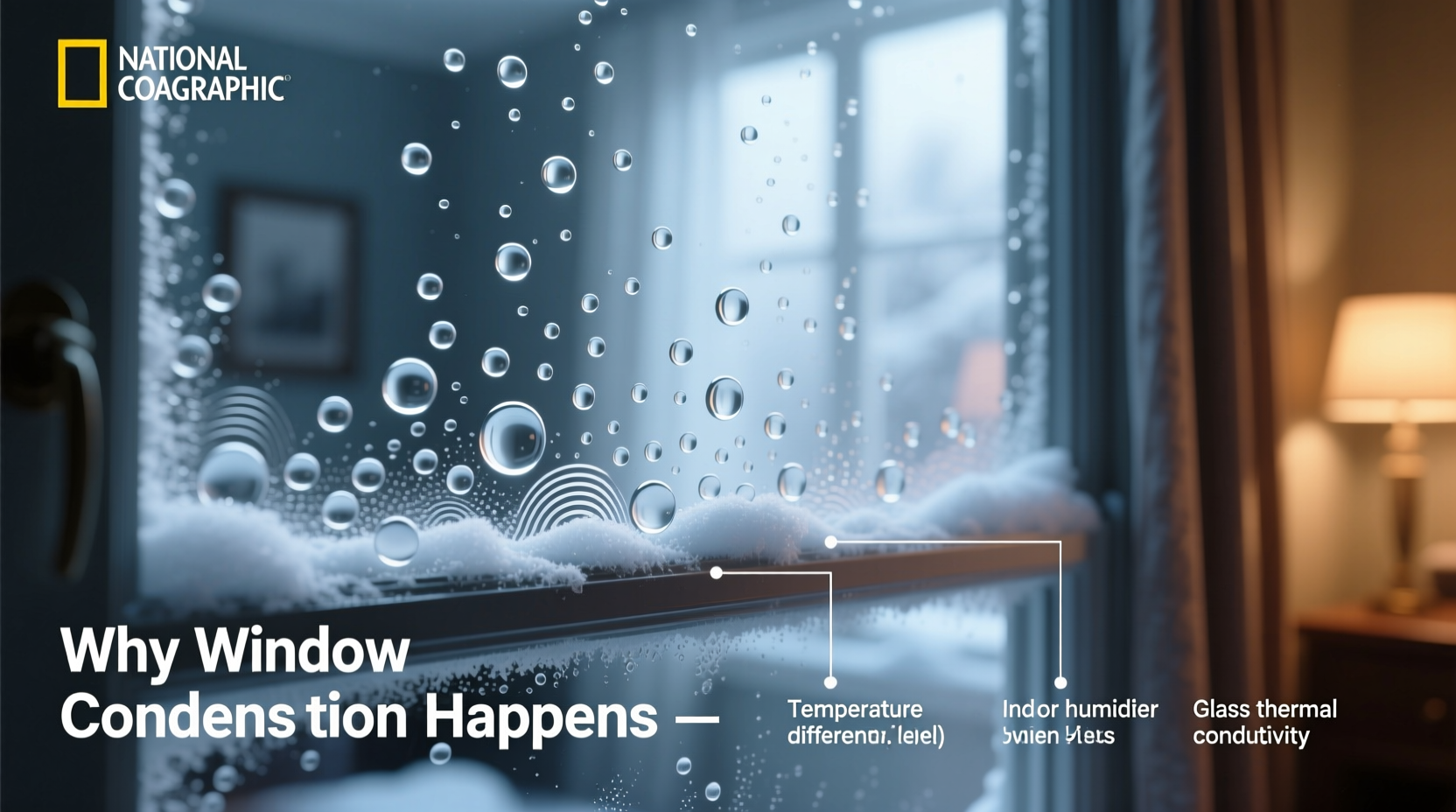
Window condensation forms when warm, moist air comes into contact with a colder surface—typically glass during colder months. The temperature drop causes the moisture in the air to reach its dew point, transforming from vapor into liquid droplets on the windowpane. This process is natural but becomes problematic when it occurs frequently or between panes.
There are two main types of window condensation:
- Interior condensation: Forms on the inside of windows due to high indoor humidity meeting cold glass.
- Inter-pane condensation: Occurs between the panes of double or triple-glazed windows, indicating seal failure.
The presence of condensation doesn’t always mean poor windows; often, it reflects the overall air quality and thermal dynamics within a home. Modern, energy-efficient homes are particularly prone because they’re tightly sealed, trapping moisture indoors.
Tip: If you notice consistent fog between window panes, the insulating glass unit (IGU) has likely failed and needs replacement.Common Causes of Indoor Window Condensation
Several factors contribute to excessive window condensation. Identifying the root cause is crucial for implementing effective solutions.
- High indoor humidity levels: Daily activities like cooking, showering, laundry, and even breathing release moisture into the air. Relative humidity above 50% significantly increases condensation risk.
- Poor ventilation: Inadequate airflow traps moisture, especially in bathrooms, kitchens, and basements.
- Cold window surfaces: Single-pane windows or older double-pane units lose heat quickly, creating ideal conditions for condensation.
- Temperature differentials: Large gaps between indoor and outdoor temperatures intensify condensation, especially in winter.
- New construction or renovations: Fresh building materials (like drywall and lumber) release moisture over time, temporarily increasing indoor humidity.
“Condensation on windows is often the first visible sign of excess indoor moisture. Addressing it early prevents long-term structural and health issues.” — Dr. Laura Simmons, Indoor Air Quality Specialist
Solutions to Reduce and Prevent Window Condensation
Eliminating window condensation requires a combination of humidity control, improved airflow, and window maintenance. Here’s how to tackle it effectively.
1. Monitor and Control Indoor Humidity
Maintain indoor relative humidity between 30% and 50%. Use a hygrometer to track levels in different rooms. During winter, aim for the lower end (30–40%) to reduce condensation risk without causing dry skin or respiratory discomfort.
2. Improve Ventilation
Ensure moisture-laden air escapes before settling on cold surfaces.
- Run exhaust fans in bathrooms and kitchens during and after use (15–20 minutes).
- Open windows briefly each day to allow cross-ventilation, even in cold weather.
- Install a heat recovery ventilator (HRV) or energy recovery ventilator (ERV) in tightly sealed homes to exchange stale, moist air with fresh, filtered air while conserving heat.
3. Upgrade Windows or Add Storm Panels
If condensation persists despite humidity control, consider upgrading to energy-efficient double- or triple-pane windows filled with argon or krypton gas. These maintain warmer interior glass temperatures, reducing condensation likelihood.
For renters or budget-conscious homeowners, adding interior storm windows or insulating window films can help raise surface temperature and minimize fogging.
4. Use Dehumidifiers Strategically
In basements, laundry rooms, or moisture-prone areas, portable or whole-house dehumidifiers can make a significant difference. Choose models with automatic shutoff and drainage options for convenience.
5. Adjust Interior Airflow
Keep window treatments open during daylight hours to allow warm air to circulate against the glass. Rearrange furniture if it blocks heating vents near windows, ensuring consistent room temperature.
| Do’s | Don’ts |
|---|---|
| Use exhaust fans regularly | Leave windows closed 24/7 without ventilation |
| Maintain humidity between 30–50% | Overuse humidifiers in winter |
| Inspect window seals annually | Ignore persistent inter-pane fogging |
| Open blinds during the day | Place plants directly on window sills (they emit moisture) |
Step-by-Step Guide to Eliminate Window Condensation
- Assess the pattern: Is condensation on the inside, outside, or between panes? Interior indicates high humidity; inter-pane means seal failure.
- Measure indoor humidity: Use a digital hygrometer to check levels in key rooms. <3> Reduce moisture sources: Cover pots while cooking, shorten showers, and vent dryers to the outside.
- Boost ventilation: Turn on bathroom fans, crack windows, and ensure attic vents aren’t blocked.
- Adjust thermostat and airflow: Keep room temperature steady and improve circulation with ceiling fans on low.
- Upgrade or repair windows: Replace failed IGUs or consider energy-efficient replacements if problems persist.
Real-Life Example: The Johnson Family��s Basement Dilemma
The Johnsons noticed heavy condensation on their basement windows every winter, accompanied by a musty odor. After testing, they found indoor humidity at 68%—well above the recommended level. They installed a dehumidifier, started using bathroom exhaust fans consistently, and sealed foundation cracks contributing to dampness. Within three weeks, window fogging decreased dramatically, and air quality improved. Their experience highlights how targeted actions can resolve what seems like a complex issue.
Frequently Asked Questions
Is window condensation harmful?
Occasional interior condensation isn’t dangerous, but chronic moisture can lead to mold, mildew, and wood decay around frames. Inter-pane condensation reduces insulation efficiency and signals the need for window repair or replacement.
Why do my new windows have more condensation than old ones?
This paradox is common. New, airtight windows prevent drafts that previously allowed moisture to escape. While this improves energy efficiency, it also traps humidity indoors—making condensation more visible. The solution lies in better ventilation, not reverting to leaky windows.
Can I fix fogged double-pane windows?
While some companies offer “defogging” services, these are temporary fixes that don’t restore insulating value. The most reliable solution is replacing the insulated glass unit (IGU) or the entire window sash.
Conclusion: Take Action Before Moisture Takes Over
Window condensation is a clear indicator of moisture imbalance in your home. Ignoring it risks structural damage and compromised indoor air quality. By understanding the causes—humidity, temperature differences, and inadequate ventilation—you can take practical steps to create a drier, healthier living environment. Whether through simple behavioral changes, strategic upgrades, or professional assessments, addressing condensation now prevents costly repairs later.
💬 Have you solved a stubborn condensation problem? Share your story in the comments and help others find lasting solutions!