Types of Wick Diya
A wick diya is a traditional oil lamp used across South Asia, especially in India, for religious rituals, festive celebrations, and home decor. These lamps symbolize the victory of light over darkness, knowledge over ignorance, and positivity over negativity. While the core function remains consistent—holding oil and a cotton wick for flame—diyas come in a wide variety of materials, each offering unique aesthetic, functional, and cultural value.
Earthen Diya
Made from natural clay and fired in kilns, the earthen diya is the most traditional and widely used form, especially during festivals like Diwali.
Advantages
- Biodegradable and eco-friendly
- Inexpensive and widely available
- Perfect for mass lighting during festivals
- Creates a warm, rustic ambiance
- Aligns with traditional and spiritual practices
Limitations
- Fragile and easily breakable
- Single-use; not reusable
- Can absorb oil, reducing burn time
Best for: Religious ceremonies, Diwali decorations, eco-conscious users, temporary displays
Steel Diya
Modern and durable, steel diyas are crafted from stainless or mild steel and offer a sleek, contemporary look.
Advantages
- Highly durable and long-lasting
- Reusable and weather-resistant
- Easy to clean and maintain
- Ideal for indoor and outdoor use
- Resistant to breakage and impact
Limitations
- Can develop rust if not properly maintained
- Lacks traditional warmth of clay or copper
- May conduct heat, posing minor burn risk
Best for: Modern homes, balconies, outdoor events, reusable lighting solutions
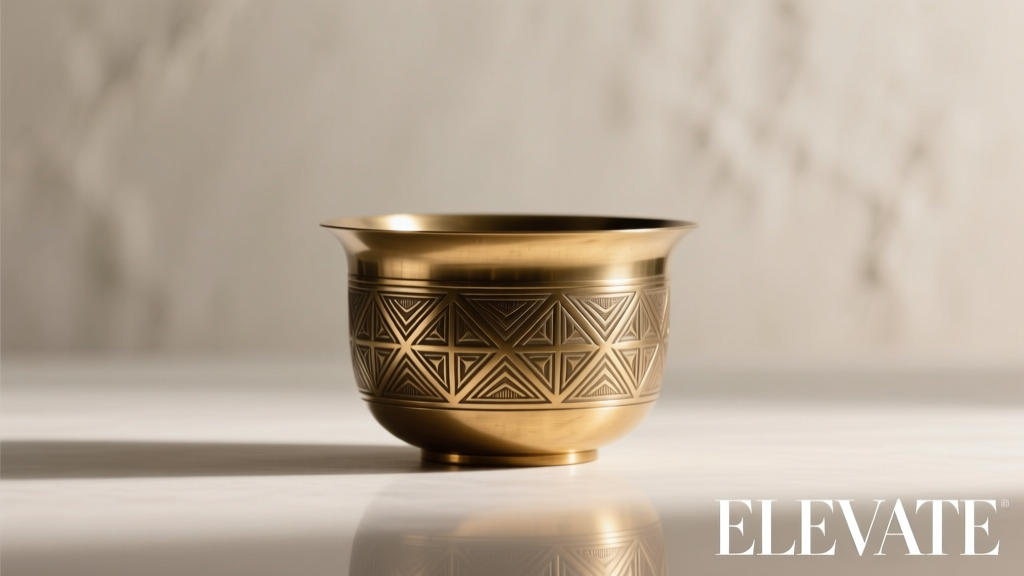
Copper Diya
Copper diyas are prized for their elegance, antimicrobial properties, and spiritual significance in Ayurveda and Vastu.
Advantages
- Develops a rich, warm glow when lit
- Naturally antimicrobial and corrosion-resistant
- Highly malleable for intricate designs
- Believed to enhance positive energy flow
- Long-lasting and heirloom quality
Limitations
- Requires regular polishing to maintain shine
- Oxidizes over time (develops patina)
- Relatively expensive compared to other types
Best for: Puja rooms, luxury decor, spiritual practices, gifting
Stone Diya
Carved from natural stone such as marble, sandstone, or soapstone, stone diyas are known for their strength and artistic appeal.
Advantages
- Extremely durable and weather-resistant
- Unique, handcrafted designs with artistic value
- Ideal for outdoor and temple use
- Fire-resistant and stable base
- Adds a timeless, elegant touch to any space
Limitations
- Heavy and less portable
- More expensive due to craftsmanship
- Porous stones may absorb oil
Best for: Garden decor, temples, outdoor festivals, permanent installations
Wax Diya
A modern innovation, wax diyas are made entirely from wax (often paraffin or beeswax) and come pre-wicked, sometimes scented.
Advantages
- Smoke-free and clean-burning options available
- Available in diverse shapes, colors, and fragrances
- Ready-to-use with no assembly required
- Popular for decorative and ceremonial use
- Great for themed events and gifting
Limitations
- Shorter burn time compared to oil-based diyas
- Can melt in high temperatures
- Less traditional; not used in all rituals
Best for: Decorative lighting, weddings, events, eco-friendly beeswax options
| Type | Durability | Eco-Friendliness | Aesthetic Appeal | Best Use Case |
|---|---|---|---|---|
| Earthen Diya | Low | Excellent | Traditional/Rustic | Diwali, religious rituals, mass lighting |
| Steel Diya | Excellent | Good | Modern/Sleek | Indoor/outdoor decor, reusable lighting |
| Copper Diya | Very Good | Good | Elegant/Vintage | Puja rooms, spiritual spaces, gifting |
| Stone Diya | Excellent | Very Good | Artistic/Timeless | Temples, gardens, outdoor events |
| Wax Diya | Fair | Variable (beeswax = good) | Decorative/Colorful | Events, weddings, scented ambiance |
Expert Tip: For longer burn time and cleaner flames, use pure cotton wicks and natural oils like ghee or mustard oil, especially in traditional earthen or copper diyas. Avoid synthetic oils that can produce smoke and soot.
Designs of Wick Diya: A Comprehensive Guide
A wick diya is more than just a traditional oil lamp—it's a symbol of light, purity, and celebration in many cultures, especially across South Asia. Over time, the design of the wick diya has evolved to reflect changing aesthetics, environmental awareness, and personal expression. Today, diyas are available in a wide range of styles, each serving different purposes—from religious rituals to modern home décor and eco-conscious living.
Types of Wick Diya Designs
From age-old clay lamps to contemporary artistic creations, the variety of wick diya designs reflects both cultural heritage and modern innovation. Below is an in-depth look at the most popular design categories:
Traditional Designs
Rooted deeply in cultural and spiritual practices, traditional wick diyas are typically handcrafted from natural clay (terracotta) and feature minimal yet meaningful ornamentation. These often include hand-carved motifs such as lotus flowers, peacocks, elephants, or deities—symbols that hold religious or regional significance.
Their simple, rustic appearance embodies authenticity and is especially favored during festivals like Diwali, Karva Chauth, and Lakshmi Puja. Because they are biodegradable and made using age-old techniques, traditional diyas connect users to ancestral customs and sustainable practices.
Contemporary Designs
Blending tradition with modern aesthetics, contemporary wick diyas are crafted from materials like stainless steel, ceramic, glass, and stone. These designs often feature sleek shapes—such as geometric patterns, minimalist curves, or abstract forms—that complement modern interior styles.
Available in polished, matte, or colored finishes, these diyas serve both functional and decorative roles. They are ideal for daily use in urban homes, meditation spaces, or wellness rooms, where subtle ambient lighting enhances the atmosphere without overpowering the décor.
Decorative Designs
Designed for grandeur and visual impact, decorative wick diyas are ornate showpieces often used in weddings, temple events, and festive celebrations. These lamps may be gold or silver plated, embedded with gemstones, mirror work, beads, or glitter, and feature intricate ethnic patterns.
Some decorative diyas come in multi-tiered or chandelier-style arrangements, capable of holding multiple wicks. Their luxurious appearance makes them perfect for special occasions where elegance and symbolism go hand in hand.
Eco-Friendly Designs
Responding to growing environmental concerns, eco-friendly wick diyas are made from sustainable, biodegradable, or recycled materials. These include organic clay, plant-based wax, cotton or jute wicks, and natural dyes.
Beyond being planet-conscious, these diyas often support local artisans and fair-trade practices. They are widely used in green events, eco-festivals, yoga retreats, and environmentally themed ceremonies. Choosing eco-friendly diyas allows individuals to honor tradition while reducing ecological impact.
Personalized Designs
Adding a heartfelt touch to any occasion, personalized wick diyas can be custom-made with names, dates, logos, or symbolic engravings. These are increasingly popular for weddings, anniversaries, baby showers, and memorial services.
Whether stamped with a couple’s initials or designed to reflect a specific theme (like a heritage motif or spiritual quote), personalized diyas serve as meaningful keepsakes and thoughtful gifts. Many artisans now offer online customization tools to help customers create unique, one-of-a-kind pieces.
| Design Type | Material Used | Best For | Sustainability Level |
|---|---|---|---|
| Traditional | Clay, cotton wick, mustard oil/ghee | Religious rituals, festivals | High (biodegradable) |
| Contemporary | Steel, glass, ceramic, stone | Home décor, daily use | Medium (durable, reusable) |
| Decorative | Metal alloys, beads, gemstones | Weddings, celebrations | Low to Medium (often non-biodegradable) |
| Eco-Friendly | Organic clay, plant wax, natural dyes | Eco-events, spiritual practices | Very High |
| Personalized | Varies by design (clay, metal, glass) | Gifting, special occasions | Depends on materials used |
Tips for Choosing the Right Wick Diya
Important: Always place diyas on heat-resistant surfaces and away from flammable materials. Never leave burning diyas unattended, especially around children or pets. When using metal or glass diyas, ensure they are designed to withstand heat to prevent cracking or warping.
How to Choose the Perfect Wick Diya
Selecting the right wick diya is more than just a functional decision—it’s an opportunity to enhance ambiance, reflect cultural values, and complement interior or exterior spaces. Whether for daily rituals, festive celebrations, or decorative purposes, understanding the key selection criteria ensures you choose a diya that meets both aesthetic and practical needs.
Material & Craftsmanship
The material of a wick diya significantly influences its durability, appearance, and suitability for different environments. Each material brings unique qualities that cater to various preferences and settings.
- Clay/Terracotta: Offers a traditional, earthy charm and is ideal for religious ceremonies. Naturally biodegradable and perfect for eco-conscious users.
- Metal (brass, copper, silver): Adds a luxurious, polished look. Excellent for indoor display but requires regular cleaning and occasional polishing to prevent tarnishing.
- Stone/Marble: Durable and weather-resistant, making them ideal for outdoor use or temple installations. They retain heat well and provide a timeless aesthetic.
- Wax/Resin: Often scented and mess-free, these are popular for indoor decor. They come in vibrant colors and intricate designs, though they may melt in high temperatures.
Pro tip: For outdoor or high-moisture areas, prioritize stone, terracotta, or glazed ceramic over untreated metals or wax.
Size & Shape
The dimensions and form of a diya affect its visibility, flame stability, and spatial harmony. Choosing the right size ensures the diya complements its surroundings without overwhelming them.
- Small diyas (1–2 inches): Perfect for tabletop arrangements, prayer altars, or clustered displays. Ideal for intimate settings.
- Medium diyas (3–5 inches): Great for standalone use on windowsills, entryways, or dining tables. Balanced in visibility and proportion.
- Large diyas (6+ inches): Serve as statement pieces in courtyards, temples, or event stages. Often used during festivals like Diwali for grand displays.
- Shapes: From classic round and lotus motifs to geometric or animal-inspired designs, shape adds symbolic meaning and visual interest.
Design insight: Match the diya’s shape to existing decor—traditional motifs for ethnic interiors, minimalist forms for modern spaces.
Purpose & Occasion
The intended use of the diya should guide your selection. Different occasions call for different styles, materials, and levels of ornamentation.
- Religious & Ritual Use: Simple clay or brass diyas are preferred for daily puja or temple offerings due to their purity and traditional significance.
- Festivals (e.g., Diwali, Karva Chauth): Elaborate, multi-wick, or decorative diyas made from colored clay, glass, or metal are popular for creating vibrant light displays.
- Home Decor & Ambiance: Scented wax or resin diyas with LED options (for safety) enhance mood lighting in living rooms or bedrooms.
- Eco-Friendly Daily Use: Biodegradable clay diyas are increasingly favored for sustainable, low-impact lighting.
Cultural note: In many traditions, lighting an odd number of diyas (like 1, 3, or 5) is considered auspicious.
Maintenance & Longevity
Consider how much care you’re willing to invest in maintaining the diya. Some materials require more attention than others to preserve their beauty and function.
- Metal diyas: Need regular wiping and occasional polishing to prevent oxidation and maintain shine.
- Clay & stone: Easy to clean with water; avoid harsh chemicals. Air-dry thoroughly to prevent cracking.
- Wax/resin: Simply replace the wick or wax refill. Wipe gently to remove dust or soot.
- Glazed ceramics: Resist staining but may show scratches over time—handle with care.
Maintenance tip: Store unused diyas in a dry place to prevent moisture damage, especially for clay and metal varieties.
Color & Design Aesthetics
Color and design play a crucial role in setting the mood and integrating the diya into your space. Thoughtful selection enhances visual harmony and emotional resonance.
- Traditional colors: Red, yellow, and orange symbolize energy and prosperity—ideal for festivals.
- Neutral tones: White, beige, or metallic finishes blend seamlessly into modern or minimalist interiors.
- Patterned & engraved designs: Lotus, peacock, or mandala motifs add cultural depth and artistic flair.
- Customization: Hand-painted or personalized diyas make meaningful gifts for weddings, housewarmings, or spiritual events.
Design tip: Use color psychology—blue for calmness, gold for luxury, green for growth—when selecting diyas for specific rooms or purposes.
Placement & Environment
Where you plan to place the diya affects its material, size, and safety features. Always consider airflow, exposure to elements, and proximity to flammable materials.
- Indoors: Any material works, but ensure proper ventilation and keep away from curtains or papers.
- Outdoors: Choose weather-resistant materials like stone, terracotta, or treated metal. Use wind guards or lanterns to protect the flame.
- Near water (e.g., near a fountain or bathroom): Avoid untreated clay or raw metal; opt for sealed ceramics or stone.
- With children or pets: Consider flameless LED diyas or elevated placements for safety.
Safety first: Never leave a burning diya unattended, and always place it on a stable, non-flammable surface.
Expert Recommendation: For most households, a combination of simple clay diyas for daily rituals and a few decorative metal or stone ones for special occasions offers the best balance of tradition, beauty, and practicality. When gifting, consider a curated set with varied sizes and designs—this allows the recipient to use them in multiple settings while appreciating the thoughtfulness behind the selection.
| Use Case | Recommended Material | Ideal Size | Maintenance Level |
|---|---|---|---|
| Daily Puja / Prayer | Clay or Brass | Small to Medium (1–4") | Low to Moderate |
| Diwali / Festivals | Colorful Clay, Metal, or Resin | Medium to Large (3–7") | Moderate |
| Outdoor Decoration | Stone, Terracotta, or Glazed Ceramic | Medium (3–5") | Low |
| Home Ambiance / Decor | Wax, Resin, or Glass | Small to Medium (2–5") | Very Low |
Additional Considerations
- Wick Quality: Use cotton wicks for clean, steady burning. Avoid synthetic fibers that may produce smoke or odor.
- Fuel Type: Ghee (clarified butter) is traditional and auspicious; mustard oil or coconut oil are cost-effective alternatives; modern users may opt for liquid paraffin for longer burn time.
- Sustainability: Choose handmade, locally sourced diyas to support artisans and reduce carbon footprint.
- Storage: Keep diyas in a cool, dry place. Stack carefully to avoid chipping or breakage.
- Cultural Significance: In many cultures, lighting a diya symbolizes the triumph of light over darkness—choosing one with meaning deepens the experience.
Wick Diya Maintenance and Preservation
Proper care and maintenance of a soapstone diya can significantly improve its lifespan, enhance its aesthetic appeal, and ensure safe usage. Whether used for daily rituals, religious ceremonies, or decorative purposes, following best practices in cleaning, storage, and handling will keep your diya in pristine condition for years. This guide covers essential maintenance tips tailored to different diya materials—clay, stone, metal, and wax-based designs.
Safety Note: Always allow the diya to cool completely before handling or cleaning. Never pour water on a hot diya, especially clay or stone varieties, as rapid temperature changes can cause cracking or breakage.
Essential Diya Maintenance Practices
- Regular Cleaning
Maintaining cleanliness ensures your diya remains visually appealing and ready for use during important occasions. Cleaning methods vary depending on the material:
- Soapstone & Metal Diyas: Gently wash with mild soap and a soft cloth or sponge. Avoid abrasive cleaners that can scratch the surface. Rinse with lukewarm water and dry thoroughly.
- Clay Diyas: Wipe with a slightly damp cloth only—never submerge in water. Excess moisture can weaken the structure and lead to cracking.
- Wax Diyas: Handle with clean hands or wear cotton gloves to prevent fingerprints and oil transfer. Store in a protective case when not in use.
Regular cleaning prevents soot buildup and preserves the natural luster of the diya, making it ideal for ceremonial use.
- Avoiding Moisture Exposure
Moisture is one of the biggest threats to diya longevity, especially for porous materials:
- Clay Diyas: Highly susceptible to water absorption. Store in a dry, well-ventilated area away from bathrooms or kitchens with high humidity.
- Preventing Mold & Cracking: In humid climates, consider placing silica gel packets in storage containers to absorb excess moisture and prevent mold growth.
- Stone & Metal Diyas: While more resilient, prolonged exposure to damp environments can still lead to discoloration or rust (in metals). Wipe dry after any contact with moisture.
Consistent dry storage helps maintain structural integrity and prevents premature deterioration.
- Proper Storage Techniques
Safe storage is crucial to prevent physical damage and preserve delicate finishes:
- Wrap fragile diyas (clay, glass, or intricately carved soapstone) in soft cotton or microfiber cloths before storing.
- Use individual compartments or padded boxes to prevent scratching or chipping.
- Keep sharp objects separate to avoid surface abrasions.
- Store upright in a stable location to avoid tipping or rolling.
Label storage containers clearly to identify contents and reduce unnecessary handling.
- Outdoor Use Guidelines
Some diyas are suitable for outdoor placement, but require extra attention:
- Stone & Metal Diyas: Ideal for patios, balconies, or garden settings due to their weather-resistant nature.
- Protective Measures: During heavy rain, strong winds, or extreme heat, cover with a breathable cloth or temporarily move indoors to prevent debris accumulation or overheating.
- Insect Prevention: Check regularly for insects or spiders nesting inside unlit diyas. Clean gently with a soft brush or compressed air if needed.
Regular inspection ensures outdoor diyas remain functional and safe for lighting.
- Wax Diya Care & Wick Management
Wax-based diyas demand special care to ensure a clean, even burn and prevent damage:
- Never place wax diyas in direct sunlight or near radiators, stoves, or heaters—this can cause premature melting or deformation.
- Wick Trimming: After each use, trim the wick to approximately 0.5 inches (1.25 cm) once the wax has cooled. This promotes a steady flame, reduces smoke, and minimizes soot buildup.
- Flame Control: An overly long wick can cause flickering, blackening of the diya interior, or excessive smoke—signs of incomplete combustion.
- Allow used wax to fully harden before relighting or storing.
Proper wick maintenance extends burn time and preserves the diya’s inner surface from carbon deposits.
| Diya Type | Cleaning Method | Storage Recommendation | Outdoor Suitability |
|---|---|---|---|
| Clay | Damp cloth only – no soaking | Dry, ventilated area; wrapped in cloth | Poor – avoid exposure to rain |
| Soapstone | Mild soap, soft cloth, dry thoroughly | Protected shelf or box | Good – with occasional cover |
| Metal | Wash with soap, polish if tarnished | Any dry location | Excellent – weather-resistant |
| Wax-Based | Wipe exterior; avoid touching wax | Cool, dark place; upright position | Fair – only in sheltered areas |
| Glass | Warm soapy water, dry carefully | Padded container, no pressure | Limited – risk of breakage |
Expert Tip: For soapstone diyas, occasionally apply a small amount of food-grade mineral oil with a soft cloth to restore natural shine and protect against dust accumulation. Avoid using oils that can become rancid, like coconut or olive oil.
Additional Preservation Tips
- Rotate your collection if using multiple diyas—this prevents overuse of a single piece and distributes wear evenly.
- Photograph intricate or heirloom diyas for documentation and sentimental value.
- Avoid using chemical cleaners or harsh detergents that may erode carvings or finishes.
- Teach children proper handling techniques to prevent accidental drops or misuse.
- Inspect wicks and fuel levels before lighting to ensure safe and even burning.
By following these detailed care instructions, your wick diyas—especially delicate soapstone varieties—will remain beautiful, functional, and spiritually meaningful for generations. Consistent maintenance not only honors tradition but also enhances safety and longevity. Treat each diya with care, and it will continue to illuminate your space with warmth and serenity.
Frequently Asked Questions About Diyas (Oil Lamps)
Q1: Do all Diyas require a wick and oil or fuel?While the traditional concept of a Diya revolves around a simple oil lamp with a wick, not all types follow this exact design. Most Diyas—especially those used in homes, temples, and rituals—do indeed rely on a cotton wick immersed in oil or ghee (clarified butter) as their primary fuel source. These natural fuels provide a steady, clean flame and are deeply rooted in cultural and spiritual practices.
- Wax Diyas: A notable exception is the wax-based Diya, commonly seen in decorative or disposable forms. These consist of a small wick embedded in solid wax, eliminating the need for liquid oil. They are convenient, mess-free, and ideal for short-term use.
- Alternative Fuel Options: Depending on availability and purpose, people may use mustard oil, coconut oil, sesame oil, or even kerosene in certain traditional or rural settings. The choice of fuel can influence flame brightness, scent, and burn time.
- Related Items: Incense burners and oil lamps often share similar components—such as wicks and combustible materials—and are used alongside Diyas in spiritual and ambient settings. Like Diyas, they require careful handling and appropriate fuel selection based on safety and desired atmosphere.
Ultimately, selecting the right combination of Diya type and fuel enhances both functionality and the sensory experience, whether for daily rituals, festivals, or home decor.
Q2: Which material is best for a Diya in daily use?Choosing the right material for a Diya depends on durability, aesthetic value, and intended use. For daily or regular use—especially in households or prayer spaces—certain materials stand out due to their strength, ease of maintenance, and traditional significance.
- Clay (Terracotta): One of the most authentic and eco-friendly options, clay Diyas are biodegradable and widely used in religious ceremonies. They provide a rustic, earthy charm and are excellent for indoor rituals. While fragile, they can last for years if handled carefully.
- Metal (Brass, Copper, Bronze): Metal Diyas are highly durable, resistant to heat, and easy to clean. Brass Diyas, in particular, are considered auspicious in many cultures and develop a rich patina over time. They are ideal for both daily worship and decorative display.
- Stone (Soapstone, Marble): Stone Diyas offer exceptional durability and a luxurious appearance. They retain heat well and are often intricately carved, making them perfect for permanent altar setups or gifting.
For outdoor or semi-outdoor use, metal and stone are preferable due to their resistance to weather and physical damage. However, for everyday indoor use, terracotta clay remains a popular choice for its spiritual symbolism and affordability, while metal offers a balance of beauty and longevity.
Q3: Will a clay Diya survive in the rain?Traditional clay Diyas are not inherently waterproof and are generally not recommended for prolonged outdoor exposure during the rainy season. Being made from porous, unfired or low-fired terracotta, they absorb moisture easily, which can lead to cracking, disintegration, or structural failure when wet.
However, there are practical ways to enhance their resilience for occasional outdoor use:
- Waterproof Sealing: Applying a thin, food-safe waterproof varnish or exterior-grade sealant can create a protective barrier. This treatment helps repel water while preserving the Diya’s appearance.
- Placement Strategy: Positioning clay Diyas under eaves, covered balconies, or within lanterns can shield them from direct rainfall while still allowing their glow to be visible.
- Temporary Use: For festivals like Diwali, clay Diyas are often used outdoors for a single night and collected afterward, minimizing exposure to the elements.
Despite these precautions, clay Diyas are best suited for indoor or sheltered environments. For permanent outdoor installations, consider switching to metal, ceramic, or resin-based Diyas designed specifically for weather resistance. With mindful care, even traditional clay lamps can enjoy extended usability in damp conditions.