Pothos plants are celebrated for their resilience, air-purifying qualities, and low maintenance needs. They thrive in a wide range of indoor environments, making them a favorite among beginner and experienced plant owners alike. Yet even with what seems like perfect care—especially when watering routines are consistent—yellowing leaves can still appear. This symptom often signals that something else is amiss beneath the surface. While overwatering is a common culprit, the issue may not be how much you’re watering, but rather a combination of environmental, nutritional, or physiological factors at play.
Understanding why your pothos is turning yellow despite proper hydration requires a closer look at root health, light exposure, nutrient balance, and other subtle stressors. Addressing these underlying causes promptly can prevent further damage and restore your plant’s vibrant green appearance.
Common Causes of Yellowing Leaves Beyond Watering
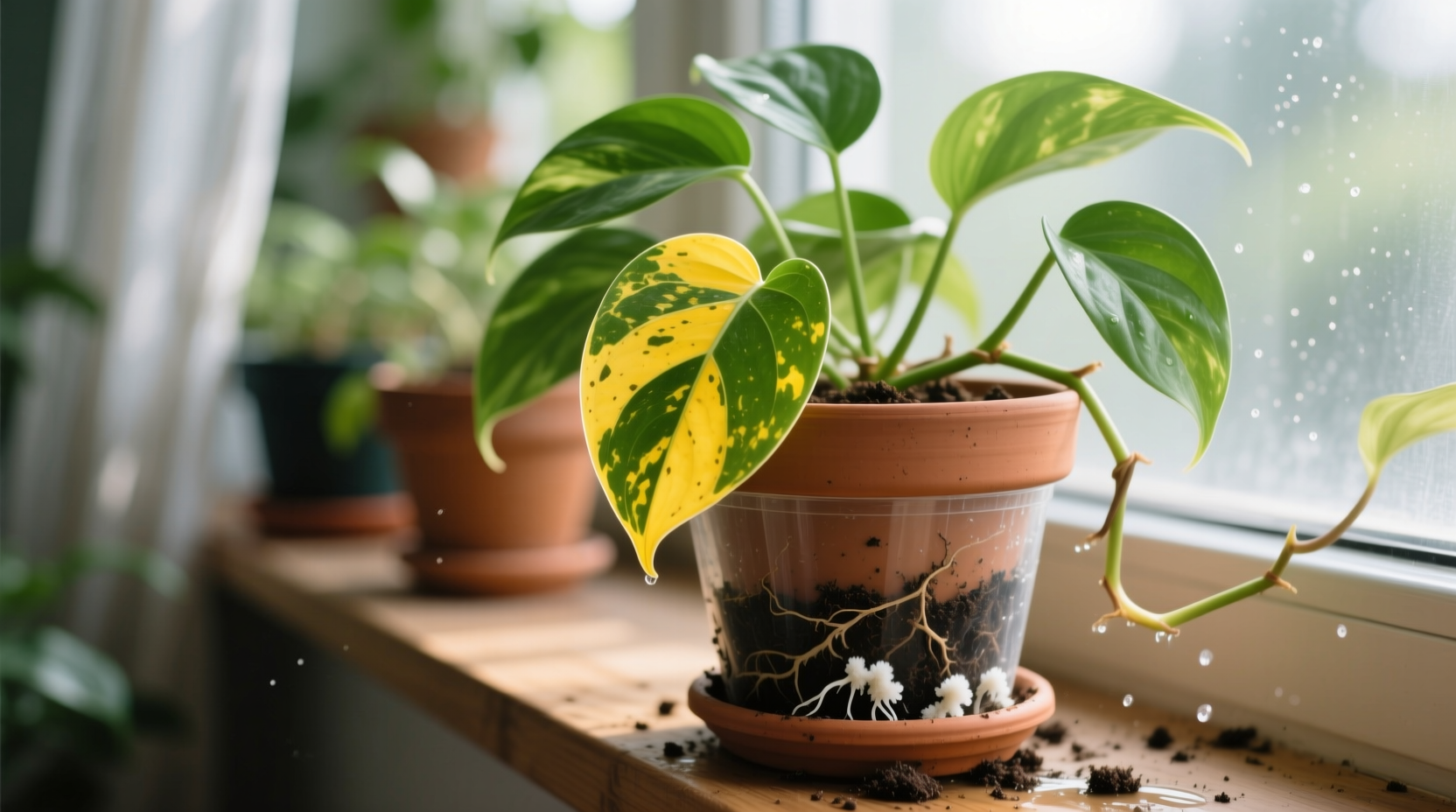
Although improper watering is frequently blamed for yellow leaves, many other factors can trigger chlorosis—the technical term for loss of chlorophyll in plant tissue. When a pothos shows signs of yellowing despite a well-managed watering schedule, consider these potential causes:
- Overwatering from poor drainage: Even if you water infrequently, soil that stays soggy due to compacted mix or lack of drainage holes can suffocate roots.
- Root rot: Caused by prolonged moisture around roots, leading to fungal infections that impair nutrient uptake.
- Insufficient light: Pothos need bright, indirect light. Too little light reduces photosynthesis, causing older leaves to yellow and drop.
- Nutrient deficiencies: Lack of nitrogen, iron, or magnesium disrupts chlorophyll production.
- Pot-bound roots: When roots outgrow the container, they struggle to absorb water and nutrients efficiently.
- Temperature stress: Exposure to drafts, heating vents, or sudden temperature drops weakens the plant.
- Pests: Spider mites, mealybugs, or scale insects feed on sap, weakening foliage and promoting discoloration.
Diagnosing the Real Problem: A Step-by-Step Guide
To determine why your pothos is yellowing, follow this systematic approach. Jumping to conclusions without a thorough assessment can lead to misdiagnosis and worsen the condition.
- Inspect the leaves: Note which leaves are affected. Lower, older leaves turning yellow first often point to natural aging or nutrient deficiency. Widespread yellowing may indicate environmental stress.
- Check the soil moisture: Insert your finger 2 inches into the soil. It should feel dry at that depth between waterings. Wet, musty soil suggests overwatering or poor drainage.
- Examine the roots: Gently remove the plant from its pot. Healthy roots are firm and white. Brown, mushy roots indicate rot.
- Assess lighting conditions: Is the plant near a north-facing window or far from any natural light source? Pothos tolerate low light but perform best in medium to bright indirect light.
- Look for pests: Inspect leaf undersides and stems with a magnifying glass. Webbing, sticky residue, or tiny moving dots are signs of infestation.
- Review fertilization habits: Have you been feeding regularly during the growing season (spring to summer)? Lack of nutrients, especially nitrogen, leads to pale or yellow foliage.
- Evaluate pot size: Are roots circling tightly around the inside of the container? Root binding restricts growth and nutrient absorption.
Case Study: Recovering a Yellowing Pothos in a Home Office
Sarah, a remote worker in Portland, noticed her desk-side golden pothos developing yellow leaves despite watering it every 7–10 days—a routine she’d maintained for months. She assumed she was underwatering, so she increased frequency, only to see more yellowing. Concerned, she stopped watering entirely and brought the plant to a local nursery for diagnosis.
The horticulturist examined the plant and found several clues: the soil was consistently damp, the roots were dark and soft, and new growth was stunted. The issue wasn’t under-watering—it was root rot caused by a decorative outer pot without drainage, trapping excess water. Additionally, the plant sat 10 feet from a window with heavy blinds, limiting light.
Solution: Sarah repotted the plant in fresh, well-draining mix after trimming rotted roots, placed it in a brighter spot near a sheer-curtained window, and committed to checking soil moisture before watering. Within six weeks, new green leaves emerged, and yellowing ceased.
Nutrient Deficiencies and Their Role in Leaf Yellowing
Nutrient imbalances are often overlooked but are a primary reason for chlorosis in otherwise healthy-looking plants. Pothos grown in the same pot for over a year without fertilization gradually deplete available nutrients.
| Nutrient | Symptom | Solution |
|---|---|---|
| Nitrogen (N) | Older leaves turn uniformly yellow; slow growth | Fertilize with balanced houseplant food (e.g., 10-10-10) |
| Iron (Fe) | Young leaves yellow between veins; veins remain green | Apply chelated iron supplement or adjust soil pH |
| Magnesium (Mg) | Yellow margins on older leaves with green veins | Epsom salt solution (1 tsp per gallon of water), monthly |
| Potassium (K) | Leaf edges brown and curl; yellow halo around spots | Banana peel tea or potassium-rich fertilizer |
Keep in mind that nutrient uptake depends on proper soil pH. Pothos prefer slightly acidic to neutral soil (pH 6.1–7.5). Alkaline conditions lock out essential micronutrients, making them unavailable even if present in the soil.
“Many yellowing pothos cases I see aren’t about water—they’re about oxygen-starved roots and silent nutrient gaps.” — Dr. Lila Nguyen, Urban Plant Pathologist
Environmental Stressors That Trigger Yellowing
Even with optimal watering, pothos can suffer from environmental imbalances. These stressors don’t always cause immediate symptoms, but their effects accumulate over time.
Light Imbalance
Too little light slows photosynthesis, forcing the plant to reabsorb chlorophyll from older leaves to support new growth. Conversely, direct sunlight can scorch leaves, leading to bleaching and yellow patches. Position your pothos within 3–5 feet of an east or west-facing window, or use sheer curtains to diffuse strong southern light.
Temperature and Humidity Fluctuations
Pothos thrive in temperatures between 65°F and 85°F (18°C–29°C). Cold drafts from windows, AC units, or doorways below 50°F (10°C) can shock the plant. Similarly, dry winter air from heating systems increases transpiration, stressing foliage. Maintain humidity above 40% using a humidifier or pebble tray.
Poor Air Circulation
Stagnant air promotes mold, fungal growth, and pest infestations. Ensure gentle airflow—without direct blasts—from ceiling fans or open doors, especially in humid climates.
Tip: Rotate your pothos every few weeks to ensure even light exposure and balanced growth.Prevention and Recovery Checklist
If your pothos is already showing yellow leaves, use this checklist to stabilize and rehabilitate the plant:
- ✅ Remove all severely yellow or damaged leaves to redirect energy to healthy growth.
- ✅ Confirm your pot has drainage holes. If not, transfer to a suitable container.
- ✅ Use a well-aerated potting mix (e.g., peat-based with perlite or orchid bark).
- ✅ Test soil moisture with your finger or a moisture meter before each watering.
- ✅ Fertilize monthly during spring and summer with a balanced liquid fertilizer diluted to half strength.
- ✅ Clean leaves gently with a damp cloth to remove dust and improve photosynthesis.
- ✅ Monitor for pests weekly; treat early with insecticidal soap or neem oil.
- ✅ Repot every 1–2 years to refresh soil and prevent root binding.
Frequently Asked Questions
Can yellow pothos leaves turn green again?
No. Once a leaf turns yellow due to nutrient loss, root damage, or aging, it cannot revert to green. The plant will naturally shed it. Focus on improving conditions to protect remaining healthy foliage and encourage new growth.
Should I cut off yellow leaves?
Yes. Removing yellow leaves improves appearance and helps the plant conserve energy. Use sterilized scissors to avoid spreading pathogens. Only remove fully yellowed or dying leaves—partially yellow ones may still contribute to photosynthesis.
How often should I fertilize my pothos?
Fertilize every 4–6 weeks during the active growing season (spring through early fall). Avoid feeding in winter when growth slows. Over-fertilizing can cause salt buildup and leaf burn, so always dilute to half the recommended strength.
Final Thoughts and Call to Action
A yellowing pothos isn’t necessarily a lost cause—even if you’ve ruled out incorrect watering. More often than not, the answer lies in a combination of root health, light quality, nutrient availability, and environmental stability. By methodically assessing each factor, you can pinpoint the true cause and take corrective action.
Remember, plants communicate through their leaves. Yellowing is a signal, not a sentence. With attentive care and a bit of detective work, most pothos bounce back stronger than before. Don’t hesitate to repot, prune, or adjust placement—these interventions can make all the difference.
💬 Have a pothos that recovered against the odds? Share your story in the comments—your experience could help another plant lover save their green companion.