Mold in houseplant soil is a surprisingly common issue that unsettles many indoor gardeners. At first glance, a fuzzy white or greenish patch on the surface of your potting mix can look alarming—especially if you're unsure whether it’s harmful to your plants or your health. The good news? In most cases, mold in plant soil isn’t an emergency, but it is a signal. It indicates that environmental conditions around your plant are favoring fungal growth, which means adjustments are needed to maintain both plant vitality and indoor air quality.
This article breaks down the science behind mold formation in potted plants, evaluates potential risks to humans and pets, and provides practical steps for removal and long-term prevention. Whether you’re dealing with a single affected plant or recurring issues across your indoor garden, understanding the root causes empowers you to act confidently and effectively.
What Causes Mold to Grow in Houseplant Soil?
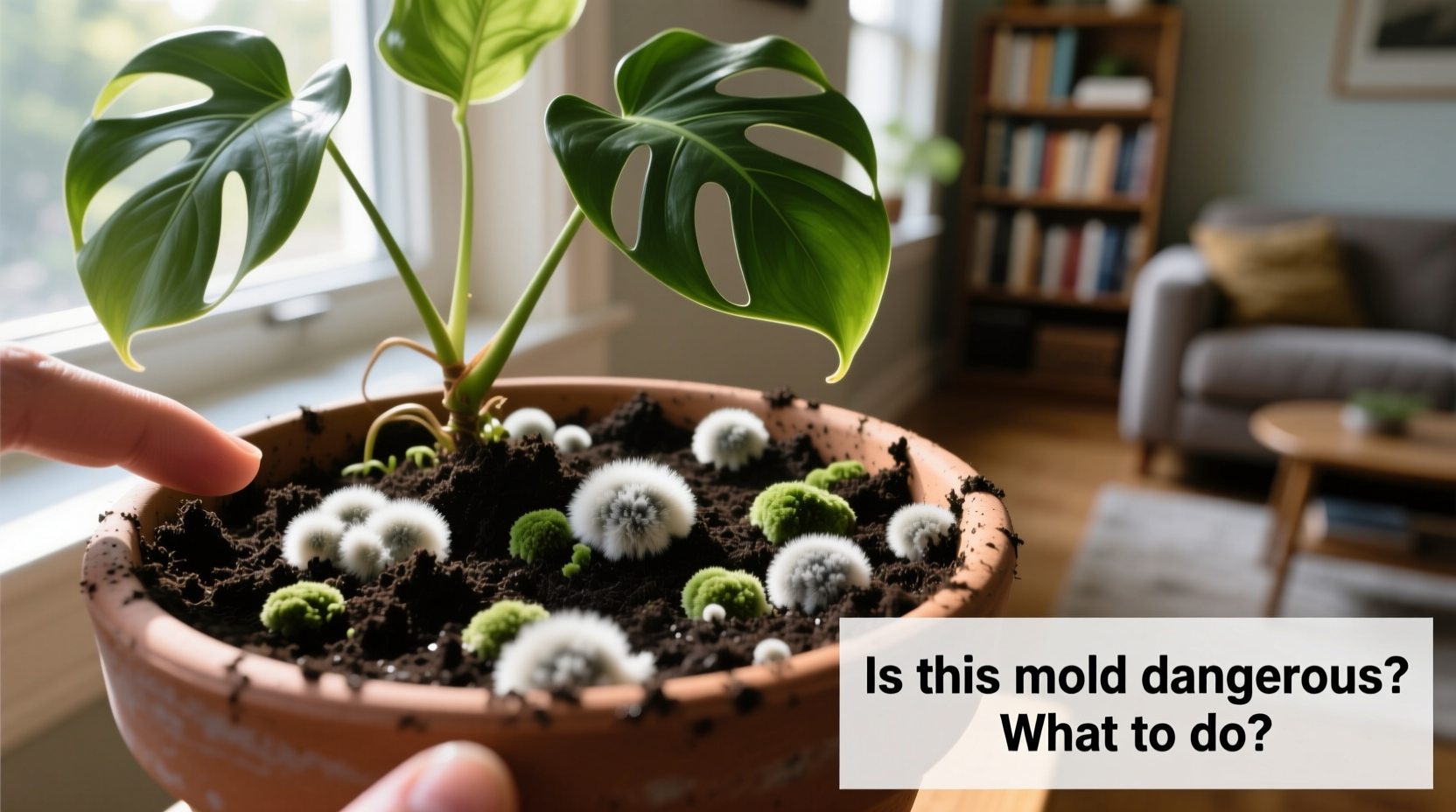
Mold is a type of fungus that thrives in moist, warm, and poorly ventilated environments—all conditions commonly found in overwatered houseplants. While outdoor soil naturally contains beneficial fungi and microbes, indoor containers limit airflow and drainage, creating ideal breeding grounds for opportunistic molds when moisture accumulates.
The primary species found on houseplant soil is typically Trichoderma or saprophytic fungi like Aspergillus and Penicillium. These are not parasitic; they don’t attack healthy plant roots directly. Instead, they feed on decaying organic matter in the soil—such as dead leaves, old roots, or decomposing bark in potting mix.
Several factors contribute to mold development:
- Overwatering: Excess moisture prevents soil from drying between waterings, promoting fungal colonization.
- Poor Drainage: Pots without drainage holes or compacted soil trap water at the base.
- Low Light: Plants in dim areas transpire less, leaving soil wet for extended periods.
- Lack of Air Circulation: Stagnant air around plants increases humidity, encouraging mold spores to settle and grow.
- Organic-Rich Soil: Potting mixes high in peat moss or compost retain more moisture and provide food for fungi.
It’s important to distinguish between surface mold and root rot. Surface mold appears as fuzzy patches on top of the soil and is generally cosmetic. Root rot, however, occurs beneath the surface and involves decay of the plant’s root system due to prolonged saturation—a far more serious condition.
Tip: Check soil moisture with your finger before watering. If the top 1–2 inches feel damp, wait before adding more water.Is Mold in Plant Soil Dangerous?
For most people, occasional mold on houseplant soil poses minimal risk. However, certain situations warrant caution.
In healthy individuals, exposure to small amounts of indoor mold rarely causes harm. But for those with allergies, asthma, or compromised immune systems, inhaling airborne spores released from disturbed mold colonies can trigger respiratory symptoms such as sneezing, coughing, or wheezing.
Children and pets are also more vulnerable. Curious cats or dogs may dig in the soil and ingest moldy material, potentially leading to gastrointestinal upset. Some mold species produce mycotoxins under specific conditions, though this is uncommon in typical household settings unless contamination is severe and long-standing.
“While most molds in houseplants are harmless saprophytes, persistent growth can degrade indoor air quality. For allergy sufferers, even low-level exposure may exacerbate symptoms.” — Dr. Lena Patel, Environmental Health Specialist
Additionally, visible mold often signals underlying problems—like chronic overwatering—that compromise plant health. Left unaddressed, these conditions weaken plants, making them susceptible to pests and disease.
How to Remove Mold from Houseplant Soil Safely
Eliminating mold doesn’t require harsh chemicals or repotting every time. Start with conservative measures and escalate only if necessary.
Step-by-Step Guide to Removing Mold
- Isolate the Plant: Move the affected plant away from others to prevent spore spread.
- Remove Surface Mold: Use a spoon or small trowel to scrape off the top ½ inch of soil where mold is visible. Dispose of it in a sealed bag.
- Improve Airflow: Place the plant in a well-ventilated area. A nearby fan (on low) can help dry the surface without stressing the plant.
- Sprinkle Cinnamon (Optional): Cinnamon acts as a natural fungicide. Lightly dust the exposed soil surface to inhibit regrowth.
- Replace Topsoil: Add a fresh layer (½ inch) of sterile potting mix or perlite to create a clean barrier.
- Adjust Watering: Allow the soil to dry more thoroughly between waterings.
If mold returns quickly or spreads below the surface, consider full repotting:
- Gently remove the plant from its container.
- Shake off old soil and inspect roots for mushiness or discoloration.
- Trim any rotted roots with sterilized scissors.
- Wash the pot with soapy water and rinse with a 1:10 bleach solution.
- Repot using fresh, well-draining soil in a clean container with drainage holes.
Alternative Treatments
Some gardeners use hydrogen peroxide (1 part 3% H₂O₂ to 4 parts water) as a soil drench to kill mold and aerate compacted mix. Pour slowly onto the soil surface—avoid contact with leaves. This method also helps combat anaerobic bacteria linked to foul odors.
Tip: Never spray hydrogen peroxide directly on sensitive plants like ferns or African violets without testing a small area first.Preventing Mold: Long-Term Care Strategies
Prevention is more effective than treatment. By adjusting your plant care routine, you can significantly reduce the likelihood of mold recurrence.
Watering Best Practices
The cornerstone of mold prevention is proper watering. Most houseplants prefer a cycle of moist-to-dry rather than constantly damp soil. Always check moisture levels before watering. Use pots with drainage holes and empty saucers within 30 minutes of watering to prevent reabsorption.
Choose the Right Soil Mix
Standard potting soils rich in peat hold moisture well but can become waterlogged indoors. Consider amending your mix with:
- Perlite (improves aeration)
- Orchid bark (enhances structure)
- Coconut coir (retains moisture without compaction)
For succulents, cacti, or plants prone to rot, use specialized fast-draining blends.
Optimize Light and Ventilation
Bright, indirect light encourages evaporation and strengthens plants. Rotate plants weekly for even growth. In low-light rooms, supplement with grow lights to boost transpiration. Gentle air movement from ceiling fans or open windows (when safe) reduces humidity buildup.
Regular Maintenance Habits
Remove fallen leaves and debris from the soil surface regularly. These provide organic fuel for mold. Repot plants every 1–2 years to refresh nutrients and prevent compaction.
📋 **Mold Prevention Checklist**- ✅ Water only when top 1–2 inches of soil are dry
- ✅ Ensure all pots have functional drainage holes
- ✅ Empty water trays after each watering
- ✅ Use well-aerated potting mix appropriate for the plant type
- ✅ Provide adequate light and air circulation
- ✅ Remove dead leaves and debris promptly
- ✅ Repot on schedule to avoid compacted soil
When Mold Might Signal a Bigger Problem
Occasional mold is manageable. Recurrent or widespread mold, however, may point to deeper issues in your indoor gardening setup.
For example, if multiple plants develop mold despite individual care, evaluate your home’s overall humidity. Indoor relative humidity above 60% creates a pro-fungal environment. Use a hygrometer to monitor levels and consider a dehumidifier in basements or bathrooms where plants are often kept.
A mini case illustrates this:
💬 **Mini Case Study: The Over-Humid Apartment Garden**Sophia maintained a lush collection of tropical houseplants in her downtown apartment. Despite careful watering, she noticed white mold appearing weekly on several pots. After ruling out overwatering, she purchased a humidity gauge and discovered levels consistently near 70%. She introduced a small dehumidifier and spaced her plants farther apart. Within two weeks, new mold stopped forming, and existing patches dried up. Her plants showed improved vigor within a month.
This scenario underscores that plant health is interconnected with broader environmental conditions—not just individual care habits.
Frequently Asked Questions
Can I still touch a plant with moldy soil?
Yes, but wear gloves and wash your hands afterward. Avoid touching your face while handling affected plants to minimize spore inhalation or transfer.
Will mold kill my houseplant?
Unlikely. Mold feeds on dead matter, not living tissue. However, the wet conditions enabling mold can lead to root rot, which can be fatal if untreated.
Is it safe to use cinnamon on all houseplants?
Generally, yes. Cinnamon is non-toxic and acts as a gentle antifungal. Apply sparingly to the soil surface. Avoid heavy application near seedlings or very delicate species.
Comparison Table: Mold vs. Beneficial Fungi in Soil
| Feature | Mold (Problematic) | Beneficial Fungi (e.g., Mycorrhizae) |
|---|---|---|
| Appearance | Fuzzy white, green, or black patches on soil surface | Not visible; forms symbiotic networks with roots |
| Smell | Musty or earthy odor | Neutral or fresh earth smell |
| Effect on Plant | Indirect harm via poor growing conditions | Enhances nutrient and water uptake |
| Control Needed? | Yes, improve culture conditions | No—encourage with healthy soil practices |
| Common Cause | Overwatering, poor airflow, high humidity | Natural presence in healthy soil ecosystems |
Conclusion: Healthy Soil, Healthier Plants
Mold in houseplant soil is usually a symptom, not a catastrophe. It reflects imbalances in moisture, airflow, or maintenance routines—issues that are entirely within your control. By understanding the causes and implementing simple corrective actions, you can restore your plants to vibrant health and create an environment where mold struggles to return.
Remember, attentive care doesn’t mean perfection. It means observation, adjustment, and consistency. Your plants respond to subtle changes, and so will the microbial life in their soil. With the right balance, you’ll cultivate not just greenery, but resilience.
🚀 Take action today: Inspect your houseplants for early signs of mold, adjust your watering schedule, and share your experience in the comments. Let’s grow healthier indoor gardens—together.








