A refrigerator should run quietly in the background, barely noticeable as it keeps your food fresh. When it starts emitting a loud humming noise, it’s more than just an annoyance—it can be a warning sign. While some low-level hum is normal during operation, a sudden or intensified buzzing sound may point to underlying mechanical or electrical problems. Ignoring it could lead to higher energy bills, spoiled food, or even total appliance failure.
This guide walks you through a systematic approach to diagnosing the source of the humming noise in your fridge. From simple DIY checks to knowing when to call a technician, you’ll gain clarity on what’s happening inside that metal box and how to respond effectively.
Understanding Normal vs. Abnormal Fridge Sounds
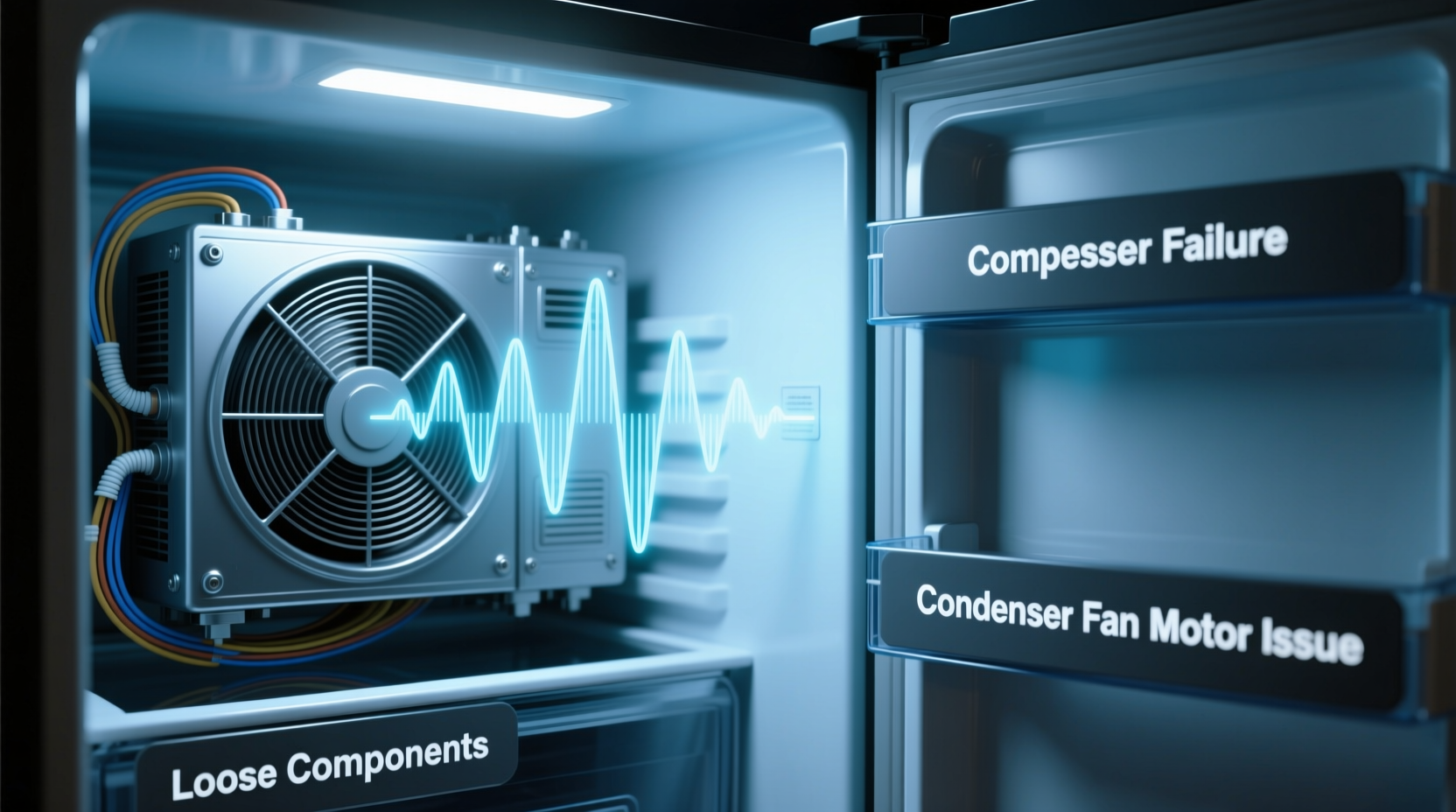
All refrigerators produce some level of noise during their cooling cycle. The compressor kicks in, the condenser fan spins, and refrigerant flows through coils—each generating subtle sounds. A consistent, low-pitched hum is typically nothing to worry about. However, changes in volume, pitch, or rhythm signal potential trouble.
Abnormal noises include:
- Loud buzzing or grinding – Often points to motor strain or failing components.
- Intermittent clicking followed by silence – Could mean the compressor isn’t staying engaged.
- Vibrating rattles – May indicate loose parts or poor leveling.
- High-pitched whining – Suggests bearing wear or electrical issues.
Pay attention to when the noise occurs: only at startup, continuously, or only during defrost cycles. Timing helps narrow down the culprit.
Tip: Place your hand gently on the fridge while it's running. If the entire unit vibrates excessively, the issue may be mechanical imbalance rather than internal component failure.Step-by-Step Diagnosis: Locating the Source of the Hum
Diagnosing a noisy fridge doesn’t require advanced tools—just patience and methodical observation. Follow this timeline to isolate the problem efficiently.
- Unplug the fridge for safety before checking accessible areas like the back panel.
- Clean the condenser coils using a coil brush or vacuum. Dust buildup forces motors to work harder, increasing noise.
- Check if the fridge is level. Use a bubble level across the top shelf. Adjust the front legs until balanced.
- Inspect the evaporator and condenser fans (located behind rear panels in freezer and base). Spin them manually; resistance or wobbling indicates worn bearings.
- Listens closely when power resumes. Does the hum start immediately? Is it coming from the bottom (compressor) or back (fan)?
- Monitor cycling behavior. A healthy fridge runs 30–50% of the time. Constant running with loud hum suggests inefficiency or refrigerant issues.
If cleaning and leveling don’t reduce the noise, focus shifts to major components like the compressor, start relay, or fan motors.
Common Causes of Loud Humming Noises
1. Dirty or Overworked Condenser Coils
Located at the back or beneath the fridge, these coils release heat absorbed from inside. When coated in dust and pet hair, they lose efficiency. The compressor compensates by working longer and louder.
2. Failing Compressor or Start Relay
The compressor is the heart of the cooling system. As it ages, internal parts degrade, producing deeper, more persistent humming. A faulty start relay—a small electrical switch attached to the compressor—can cause a loud buzz when trying (and failing) to engage the motor.
“Over 30% of service calls for noisy fridges end up being resolved with a $15 start relay replacement.” — James Rourke, Appliance Repair Technician with 18 years’ experience
3. Worn Condenser or Evaporator Fan Motor
Fans circulate air over the coils. If the motor bearings wear out, friction increases, creating a droning sound. You might hear the noise fluctuate with fan speed or stop entirely if the blade seizes.
4. Loose Components or Mounting Screws
Vibration from normal operation can loosen screws holding panels, fans, or tubing. These parts rattle against the chassis, amplifying the perceived hum. This is especially common in older units or after moving the appliance.
5. Refrigerant Flow Issues
While refrigerant itself is silent, blockages or low levels can cause gurgling or hissing combined with unusual compressor noise. This requires professional diagnosis due to environmental regulations and pressure risks.
Troubleshooting Checklist
Use this actionable checklist to quickly assess and address the humming noise:
- ✅ Ensure the fridge is properly leveled on all four feet
- ✅ Clean condenser coils thoroughly with a soft brush or vacuum
- ✅ Confirm adequate clearance (at least 2 inches) around the unit for airflow
- ✅ Listen for specific location: bottom (compressor), back (condenser fan), inside rear (evaporator fan)
- ✅ Inspect fan blades for obstructions or warping
- ✅ Test the start relay by removing it and shaking gently—if you hear a rattle, it’s likely defective
- ✅ Check for error codes (on digital models) that may indicate system faults
- ✅ Monitor temperature consistency in both fridge and freezer compartments
- ✅ Note whether noise stops after unplugging—confirms electrical origin
- ✅ Evaluate age of appliance: units over 10 years are more prone to permanent wear
Do’s and Don’ts When Dealing With a Noisy Fridge
| Do’s | Don’ts |
|---|---|
| Unplug the unit before inspecting internal components | Ignore persistent or worsening noises |
| Clean coils every 6 months for optimal performance | Use water or harsh cleaners near electrical parts |
| Replace a faulty start relay yourself if comfortable with basic electronics | Attempt refrigerant repairs without certification |
| Contact a licensed technician for compressor concerns | Block ventilation spaces behind or under the fridge |
| Keep records of maintenance and repair attempts | Overload the fridge, which strains the cooling system |
Real-World Example: Diagnosing a Persistent Hum
Sarah noticed her 8-year-old side-by-side refrigerator had begun humming loudly every time it cycled on. The sound wasn’t constant but grew louder over three weeks. She first cleaned the coils—no change. Then she checked leveling: slight tilt corrected, but noise remained.
She opened the rear access panel and listened while the fridge restarted. The noise clearly came from the lower back, near the compressor. Upon closer inspection, she found the start relay was warm to the touch and made a faint buzzing sound. After ordering a replacement online ($14.99), she swapped it out in under 10 minutes. The fridge restarted smoothly, and the loud hum disappeared.
Sarah saved over $150 in service fees by identifying a simple fix. Her case illustrates how targeted diagnostics can resolve seemingly complex issues quickly.
When to Call a Professional
Some problems go beyond homeowner troubleshooting. Seek professional help if:
- The compressor runs continuously but fails to cool.
- You smell burning plastic or detect smoke near the base.
- The fridge trips circuit breakers when starting.
- There’s oil leakage near the compressor (indicates seal failure).
- Noise persists after replacing the start relay and cleaning all components.
Technicians have tools like multimeters, ammeters, and refrigerant gauges to test motor windings, electrical draw, and system pressure. They can also determine whether the compressor is nearing end-of-life—a critical insight when deciding between repair and replacement.
Frequently Asked Questions
Is a loud humming fridge dangerous?
Not immediately, but prolonged strain on components can lead to overheating or electrical faults. If accompanied by burning smells or tripped breakers, unplug the unit and contact a technician.
Can I replace the compressor myself?
No. Compressor replacement involves handling refrigerant, which is regulated by law in most countries. Only EPA-certified technicians should perform this task.
How long should a refrigerator compressor last?
Most compressors last 10–15 years under normal conditions. Regular coil cleaning and proper ventilation extend lifespan. Beyond 12 years, consider reliability and efficiency when weighing repair costs.
Conclusion: Act Now to Prevent Costly Failures
A loud humming noise from your fridge isn’t something to dismiss as “just how appliances sound.” It’s often the first clue that a component is struggling. By taking prompt, informed action—starting with coil cleaning, leveling, and checking the start relay—you can prevent minor issues from escalating into full breakdowns.
Many fixes are affordable and manageable with basic tools. Even if the problem requires a pro, your initial diagnosis speeds up repairs and reduces labor costs. Don’t wait until the fridge stops cooling entirely. Address the hum early, protect your food, and extend the life of your appliance.
💬 Hear a strange noise from your fridge? Share your experience or ask for advice in the comments below—we’ll help you figure it out!