Electric kettles are a staple in modern kitchens—fast, efficient, and convenient for boiling water in seconds. But when your once-quiet appliance starts emitting strange, loud, or gurgling sounds, it’s natural to wonder if something’s wrong. While some noise during operation is normal, excessive or unusual sounds can signal underlying issues that may affect performance, safety, or longevity.
Understanding the causes behind these noises—and knowing which ones demand attention—is essential for maintaining both your kettle and peace of mind. From harmless steam release to potentially hazardous limescale buildup, this guide breaks down everything you need to know about noisy electric kettles, how to diagnose the problem, and when it’s time to take action.
Common Causes of Loud Noises in Electric Kettles
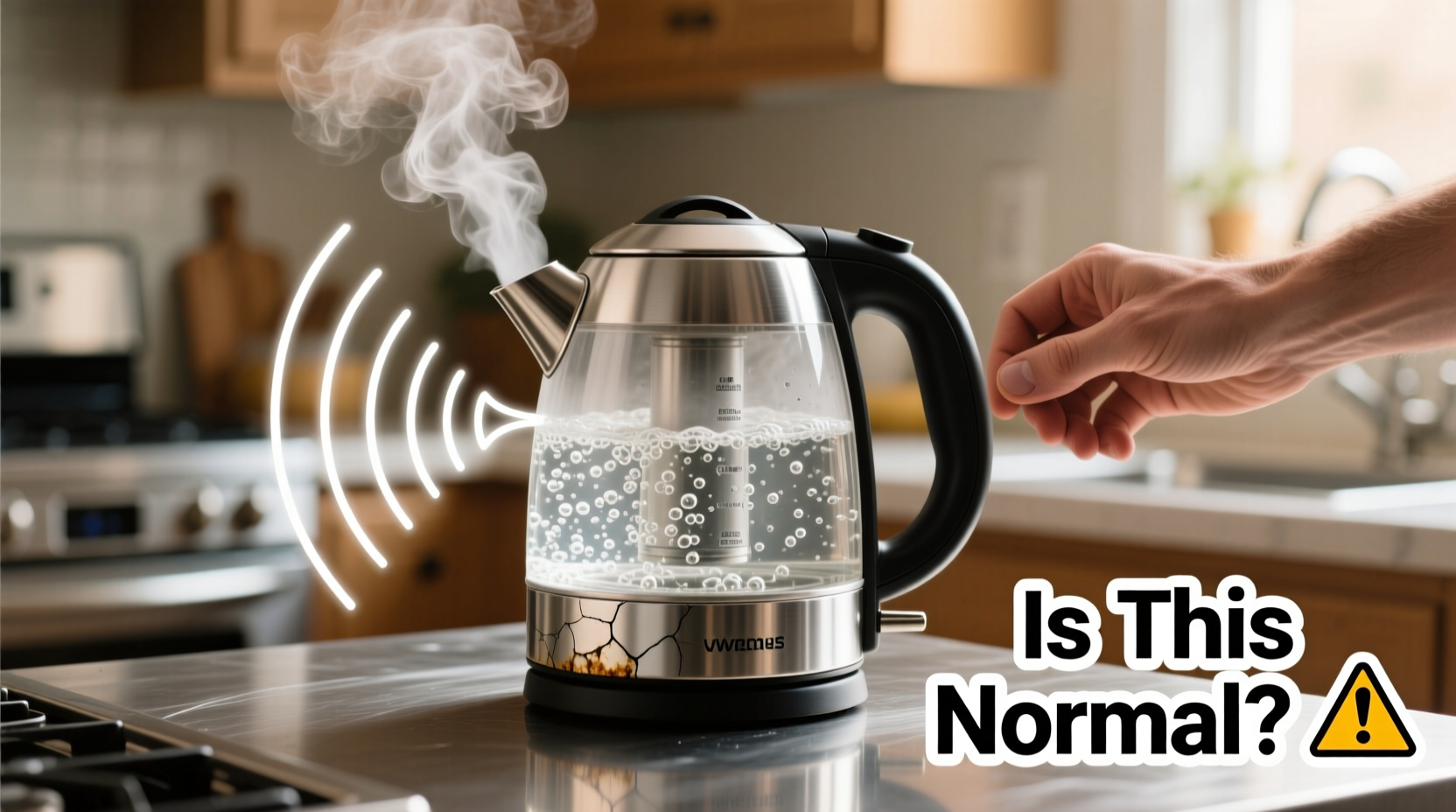
Not all kettle sounds are created equal. Some indicate normal function; others point to mechanical wear or mineral deposits. Here are the most frequent culprits behind excessive noise:
- Boiling and bubbling sounds: As water heats, bubbles form and collapse—this creates a rumbling or gurgling noise. It’s typically louder toward the end of the boiling cycle.
- Steam release whistle or hiss: Many kettles have vents that release steam as pressure builds. This produces a high-pitched whistling or hissing sound, especially common in older or stovetop-style models.
- Limescale buildup: In hard water areas, minerals like calcium and magnesium accumulate on the heating element. This layer insulates the element, causing uneven heating and increased vibration—often heard as popping, crackling, or knocking.
- Vibrating heating element: Over time, the immersion heater can loosen or become coated with scale, leading to buzzing or humming due to electrical arcing or physical movement.
- Pump or flow noise (in gooseneck or variable-temp kettles): Higher-end models with built-in pumps for pour-over brewing may produce motorized whirring sounds when dispensing water.
- Faulty thermostat or relay switch: A clicking or snapping sound after shutdown might come from the thermostat cutting power. Repeated or irregular clicks could mean a failing component.
When Should You Be Concerned?
Occasional bubbling or steam release isn’t cause for alarm. However, certain types of noise—particularly those that are new, worsening, or accompanied by other symptoms—should not be ignored.
“Persistent banging, grinding, or electrical buzzing often indicates internal damage or scaling that can reduce efficiency and pose fire risks.” — Dr. Alan Reeves, Appliance Safety Engineer at HomeTech Labs
Warning signs include:
- Sudden onset of loud banging or popping – Could indicate rapid expansion due to limescale traps or overheating.
- Continuous buzzing even after boiling stops – May suggest a stuck relay or short circuit.
- Burning smell with noise – Immediate red flag; unplug and inspect for damaged wiring or scorched components.
- Visible sparks or flickering lights – Points to electrical faults requiring professional assessment.
- Kettle fails to shut off automatically – Risk of dry boiling, which damages the element and increases fire risk.
Differentiating Normal vs. Dangerous Noises
| Noise Type | Likely Cause | Normal or Concerning? | Recommended Action |
|---|---|---|---|
| Gentle bubbling/rumbling | Water heating and convection currents | Normal | None needed |
| Short hiss at end of boil | Steam venting through spout | Normal | Ensure vent is clear |
| Crackling/popping under base | Limescale on heating element | Moderate concern | Descale immediately |
| Low-frequency hum or buzz | Loose element or electrical issue | High concern | Stop use; consult technician |
| Grinding or rattling | Loose parts or debris inside | High concern | Discontinue use; inspect or replace |
| Clicking after shut-off | Thermostat cycling | Slight concern | Monitor frequency; replace if persistent |
Step-by-Step Guide to Diagnosing and Fixing a Noisy Kettle
If your kettle has developed an unsettling sound, follow this systematic approach to identify and resolve the issue safely.
- Unplug the kettle immediately – Never attempt inspection while connected to power.
- Inspect the exterior and base – Look for cracks, warping, or burn marks. Check the power cord for fraying or exposed wires.
- Open the lid and examine the interior – Shine a flashlight inside. Look for chalky white deposits (limescale), floating debris, or corrosion on the heating plate.
- Listen closely during a test boil – Fill with fresh water (not full), place on the base away from walls, and turn it on. Note exactly when and where the noise occurs:
- At startup? Mid-boil? After shut-off?
- From the bottom (element)? Spout (steam)? Handle (electronics)?
- Perform a descaling treatment – Even if no visible scale is present, mineral deposits may still be affecting performance.
- Repeat the test – After cleaning, run another boil cycle to assess improvement.
- Evaluate results – If noise persists despite descaling and visual checks, internal components may be failing.
How to Descale Your Electric Kettle (Effective Home Method)
Limescale is the number one contributor to abnormal kettle noise. Regular descaling restores efficiency, reduces noise, and prevents premature failure.
What You’ll Need:
- White vinegar or citric acid powder
- Water
- Soft sponge or cloth
- Small brush (e.g., toothbrush)
Instructions:
- Mix equal parts white vinegar and water (or 1–2 tablespoons citric acid per liter of water).
- Pour the solution into the kettle until it covers the heating element.
- Let it sit for 30–60 minutes. For heavy buildup, leave overnight.
- Boil the mixture once, then let it cool completely.
- Pour out the liquid and scrub the interior gently with a soft brush or sponge.
- Rinse thoroughly with clean water at least 3–4 times to remove any vinegar taste or residue.
- Run a plain water boil cycle and discard the water to ensure cleanliness.
Repeat every 1–3 months depending on water hardness and usage frequency.
Mini Case Study: The Overlooked Whistle That Turned Dangerous
Sarah, a remote worker in Leeds, noticed her kettle had started making a louder-than-usual popping sound during boiling. Initially dismissing it as “just getting old,” she continued using it for weeks. One morning, she smelled a faint burning odor and saw smoke rising from the base after the kettle failed to auto-shutoff.
She unplugged it immediately and called a technician. Upon inspection, the engineer found severe limescale accumulation around the thermostat sensor, preventing accurate temperature readings. The kettle had been repeatedly overheating, causing insulation damage on internal wiring. The popping sounds were trapped steam escaping through micro-cracks in the scale layer.
The kettle was beyond repair and posed a fire hazard. Sarah replaced it with a stainless steel model and committed to monthly descaling—a small effort that now ensures safety and quiet operation.
Checklist: Is Your Noisy Kettle Still Safe to Use?
Before deciding whether to repair, descale, or replace your kettle, go through this checklist:
- ✅ Has the noise changed recently or gotten worse?
- ✅ Is there visible limescale or discoloration inside?
- ✅ Does the kettle shut off automatically when water boils?
- ✅ Are there any burning smells, sparks, or smoke?
- ✅ Is the power cord or plug damaged?
- ✅ Have you tried descaling with vinegar or citric acid?
- ✅ Does the noise persist after cleaning?
- ✅ Is the kettle more than 2–3 years old with heavy use?
If you answered “yes” to any of the first four or the last two, consider replacing the kettle. Safety should always come before convenience.
FAQ: Common Questions About Noisy Electric Kettles
Is it safe to use a kettle that makes loud popping sounds?
Popping caused by limescale can be harmless initially but becomes risky over time. The trapped steam and uneven heating increase pressure and stress on components. If descaling doesn’t eliminate the sound, discontinue use to avoid potential rupture or electrical faults.
Why does my new kettle make noise when I first use it?
Some new kettles emit slight odors or sounds during initial uses due to manufacturing residues or protective coatings on the heating element. Run 2–3 cycles with vinegar or lemon water to clean it out. If noise continues beyond five uses, contact the manufacturer—it may be defective.
Can I repair a buzzing electric kettle myself?
Internal repairs involving electrical components should only be done by qualified professionals. Attempting DIY fixes on sealed bases or thermostats can void warranties and create shock hazards. Replacement is usually safer and more cost-effective than repair.
Conclusion: Listen to Your Appliances Before They Fail
Your electric kettle’s noise level is more than just a nuisance—it’s a diagnostic clue. Most boiling sounds are harmless, but sudden changes, persistent buzzing, or accompanying warning signs like smoke or failure to shut off require immediate attention. Regular maintenance, especially descaling, goes a long way in preserving both performance and safety.
Don’t wait for a breakdown or hazard to act. Address unusual noises early, stick to a cleaning schedule, and replace aging units proactively. A quiet, well-maintained kettle isn’t just peaceful—it’s a sign of reliable, efficient, and safe operation.
💬 Have a noisy kettle story or tip to share? Let us know in the comments—your experience could help someone avoid a costly or dangerous mistake!








